

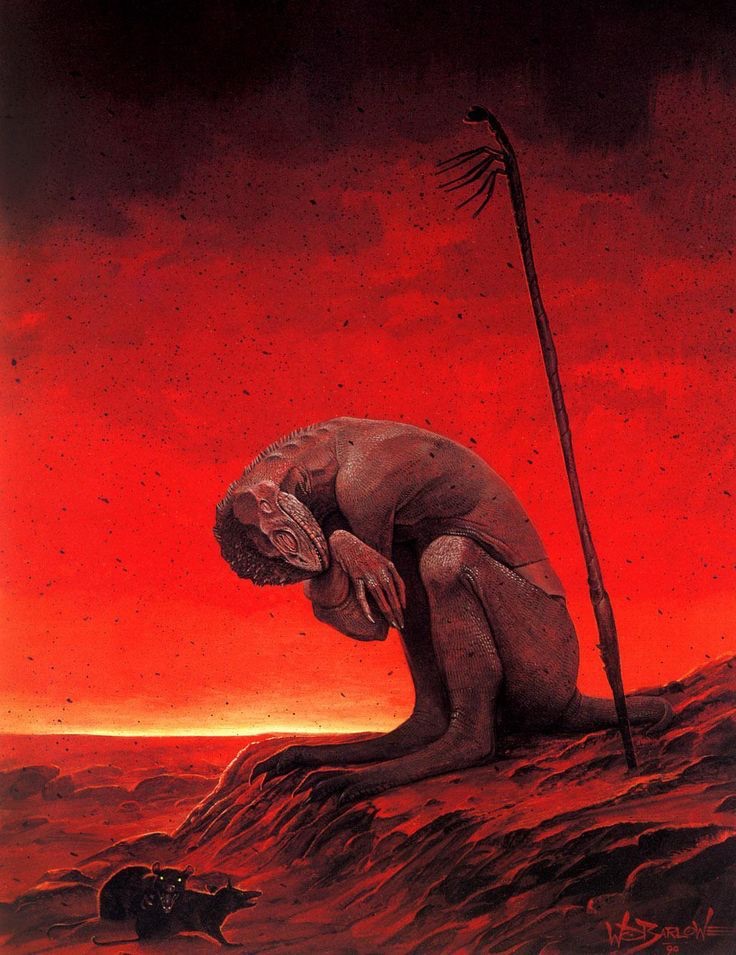
In the annals of contemporary fantasy and science fiction art, few names are as revered as Wayne Barlowe. His extraordinary visions of alien landscapes, hellish realms, and intricate creature designs have not only populated the pages of iconic books but have also shaped the visual direction. Barlowe’s unique approach combines a near-photorealistic style with an expansive imagination, making his works a staple for detailed and darkly imaginative art enthusiasts.

Part 1: The Artist’s Path
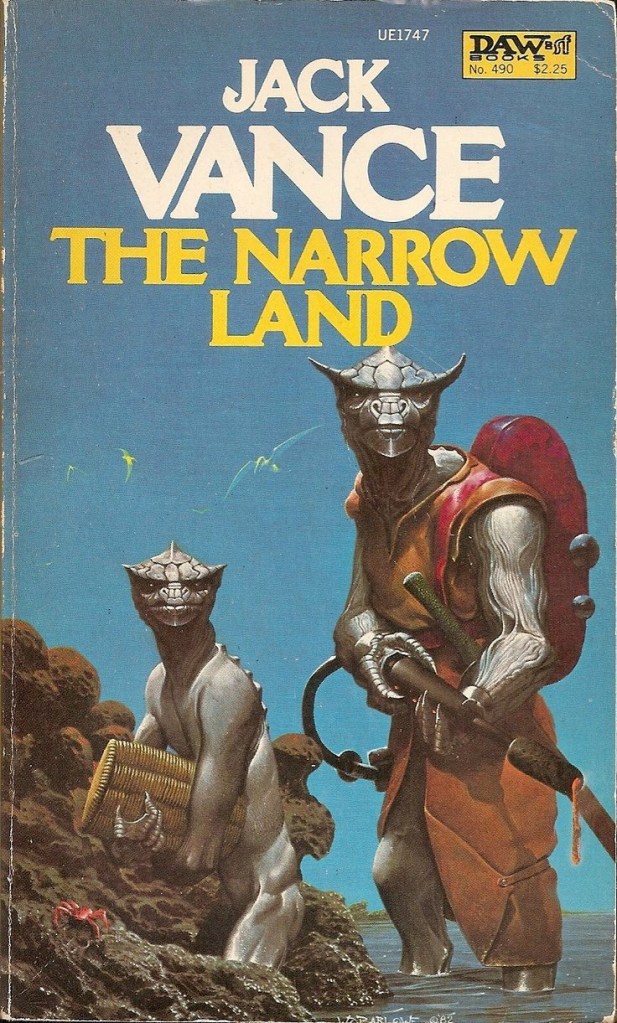
Wayne Douglas Barlowe was born to an artistic household, the son of two professional natural history artists, Sy and Dorothea Barlowe. This environment steeped in creativity and precision in the depiction of the natural world profoundly influenced Wayne’s artistic development from an early age. His passion for the fantastic and the unearthly was evident even during his youth, fueled by his deep interest in paleontology and science fiction literature.

Barlowe attended the Cooper Union for the Advancement of Science and Art in New York City, where he honed his skills in fine arts. However, he found himself at odds with the teaching methods and perspectives on art that were prevalent at the institution during his time there. Uninspired by the curriculum, Barlowe chose to forge his own path in the art world, focusing on the genres that fascinated him the most: science fiction and fantasy.
It wasn’t long before Barlowe established himself as a formidable freelance artist. His breakthrough came in 1979 with the publication of “Barlowe’s Guide to Extraterrestrials,” which featured his illustrations of alien beings from various science fiction novels.

The book was not only a commercial success but also earned critical acclaim, winning a Locus Award for Best Art Book. This early success marked the beginning of a prolific career that would see Barlowe become a central figure in the field of speculative art.

Barlowe’s artistic journey is characterized by a relentless pursuit of uniqueness in his creations, always seeking to push the boundaries of what is known and imagined. His ability to blend scientific accuracy with fantastical elements has made his work particularly compelling and has established him as a visionary in his field.
Part 2: Signature Artistic Contributions
Wayne Barlowe’s art is renowned for its meticulous detail, otherworldly realism, and the unsettling beauty of its subjects. His prowess in portraying alien and infernal entities isn’t just about imagination; it involves a deep understanding of anatomy, ecology, and evolution, all of which he applies to create beings that, though fantastical, feel disturbingly plausible.
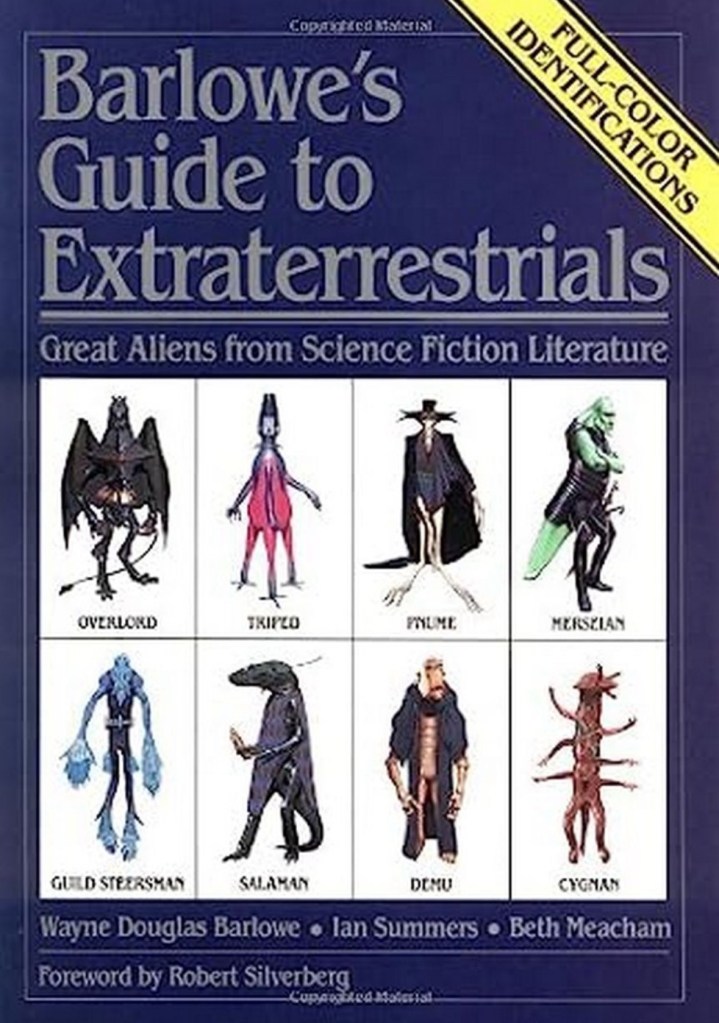
As mentioned above, one of Barlowe’s most celebrated works is “Barlowe’s Guide to Extraterrestrials,” where he brought to life the aliens of classic science fiction literature.


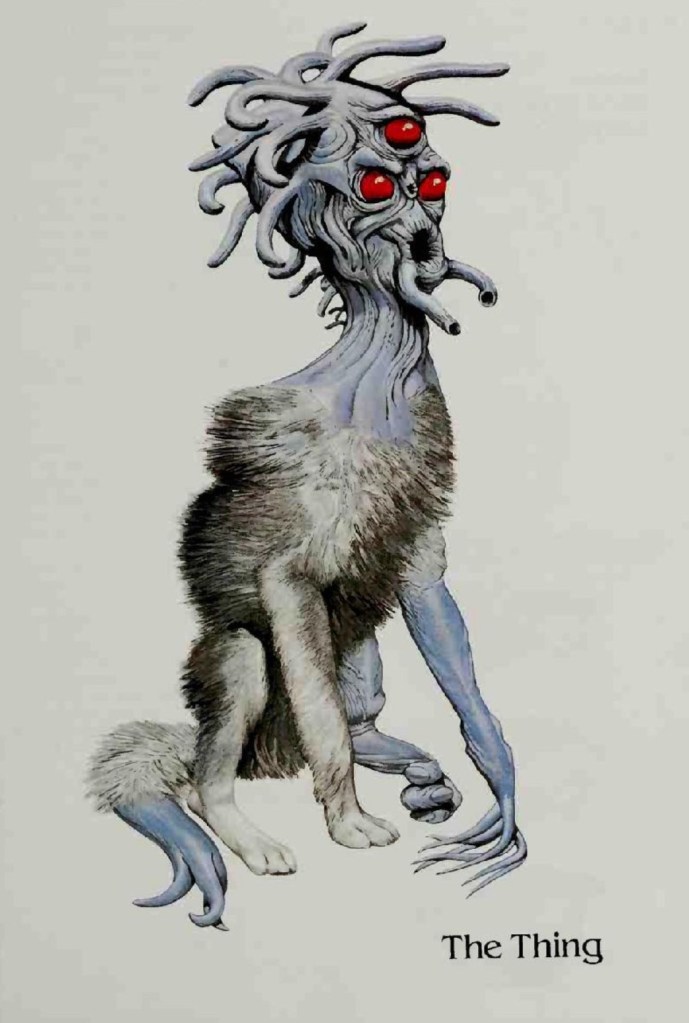
Each creature is rendered with such detail and scientific credibility that it invites the viewer to believe in their existence. Following this, Barlowe continued to expand his exploration of alien life in “Expedition,” an illustrated book that serves as a field guide to the fauna of a fictional planet, Darwin IV. This book not only showcases Barlowe’s artistic skill but also his ability to create a comprehensive ecosystem, offering a look at evolution unfettered by Earth’s specific conditions.

Perhaps even more compelling is Barlowe’s venture into the realms of the infernal with “Barlowe’s Inferno” and its accompanying works. Here, Barlowe maps out the landscapes and denizens of Hell with a vividness that could rival the dark fantasies of Hieronymus Bosch. The book features a series of paintings that depict various demons and damned souls, each crafted with an eye towards the horrific and the sublime. His depictions are not mere flights of fancy but are grounded in a narrative that explores themes of rebellion, punishment, and the nature of evil.
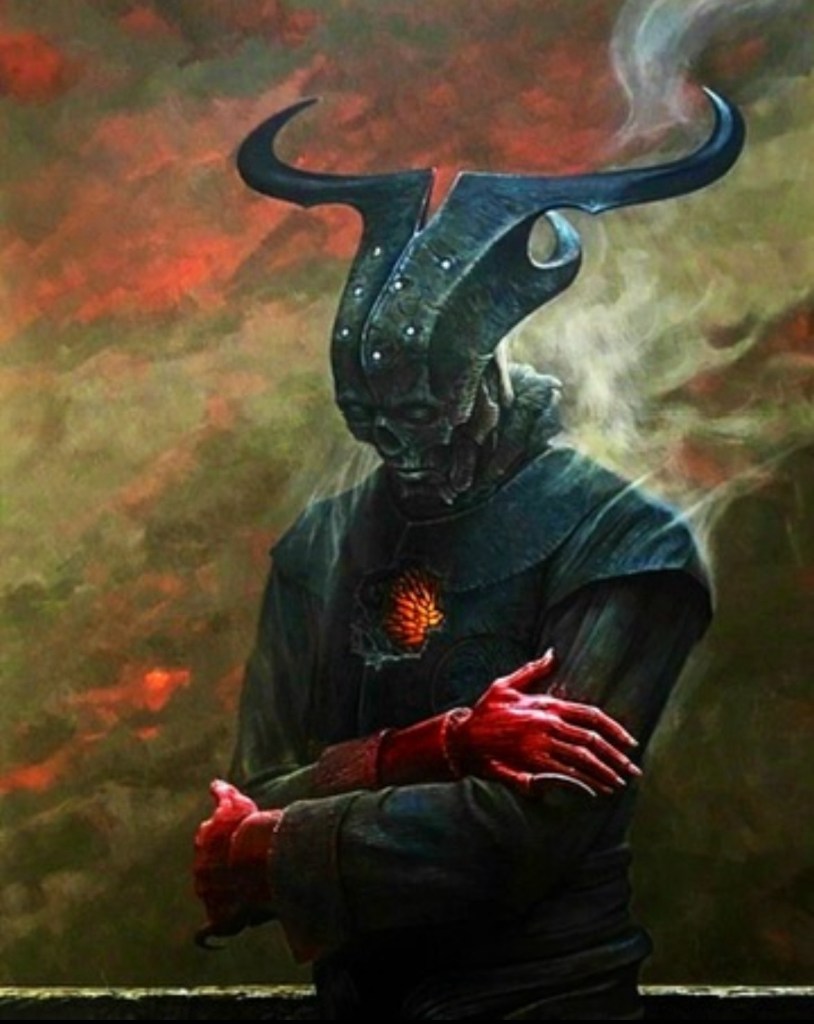
Part 3: Barlowe in Hollywood
Barlowe’s influence extends beyond the printed page; his visionary concepts have dramatically shaped the visual landscape of modern cinema. His ability to craft unique and memorable creatures has made him a sought-after creature designer in Hollywood. His work includes contributions to the aesthetic and creature design of films such as “Avatar,” “Hellboy,” and “Pacific Rim.” Each project benefited from his unique ability to visualize the physiology and behavior of utterly alien beings.
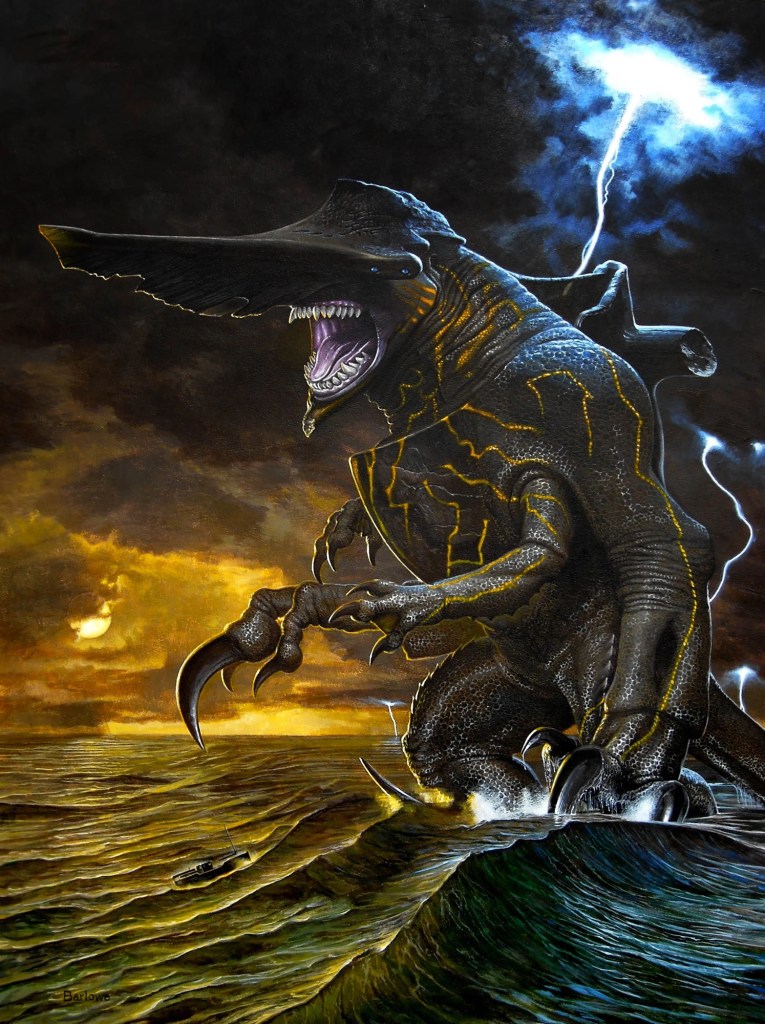
In “Avatar,” directed by James Cameron, Barlowe’s contributions helped in shaping the bioluminescent flora and fauna of Pandora, an alien world that captivated audiences with its vibrant and immersive ecosystem. His work on “Hellboy” brought to life some of the darker creatures of the comic book world, aligning perfectly with director Guillermo del Toro’s penchant for the macabre and the mystical.
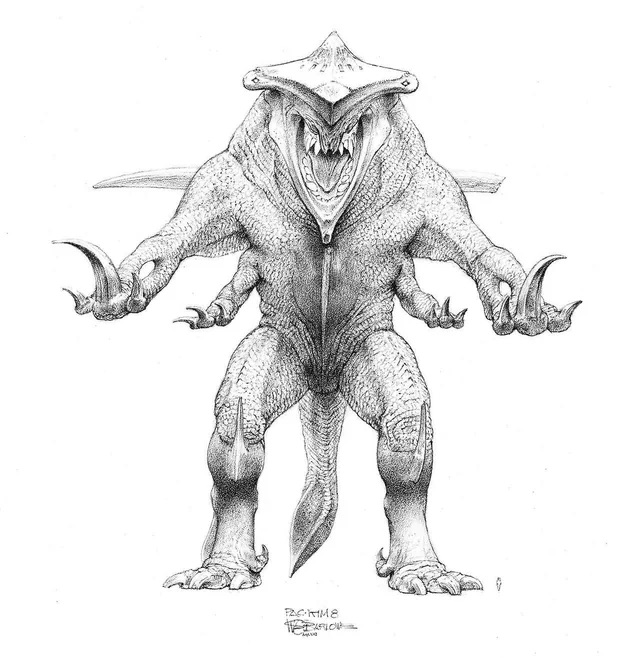
Barlowe’s role in “Pacific Rim” involved conceptualizing the Kaiju, monstrous beings from another dimension. His designs were central to creating the distinctive looks and fearsome presences of these towering antagonists, blending aquatic and terrestrial traits to form creatures that were both terrifying and awe-inspiring.
In each film, Barlowe’s artistry goes beyond mere visual appeal; it adds depth to the storytelling, inviting viewers to immerse themselves in worlds vastly different from our own yet undeniably shaped by the same forces of nature that govern life on Earth.

Part 4: Literary Ventures
While Wayne Barlowe’s visual artworks have captivated countless viewers, his literary contributions are equally profound. Barlowe seamlessly blends narrative with visuals, creating richly detailed worlds that are as intellectually engaging as they are visually stimulating. His first novel, God’s Demon, showcases his ability to weave complex tales within the settings he illustrates. The novel, set in Hell, explores themes of redemption and rebellion, focusing on a demon lord’s quest to return to Heaven. Barlowe’s portrayal of Hell is not merely a backdrop but a fully-realized character in its own right, teeming with political intrigue and a struggling hierarchy.

Following the success of God’s Demon, Barlowe continued the story in The Heart of Hell, where he expanded on the dark universe he had created. His writing, enriched by his deep knowledge of and passion for mythology and the supernatural, demonstrates his versatility in both the visual and literary arts. Barlowe’s ability to create a narrative that is both expansive and detailed speaks to his unique skills as a world-builder.

Part 5: Educational Impact and Future Projects
Beyond his direct creative outputs, Wayne Barlowe has had a significant impact on the education of young artists and writers. Through guest lectures and teaching engagements, Barlowe has shared his insights into the creative process, emphasizing the importance of originality and deep world-building. His advice often encourages students to pursue personal projects passionately, a testament to his own approach to art and storytelling.
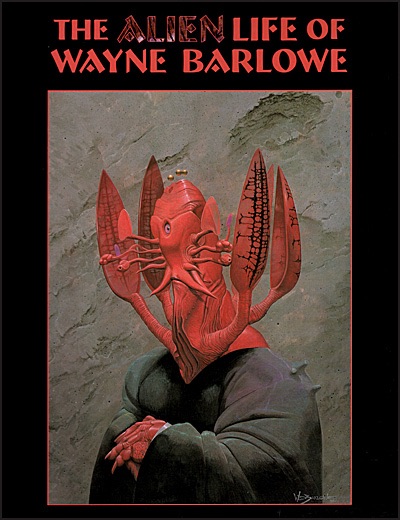
Looking ahead, Barlowe’s future projects remain a topic of intrigue and anticipation. His continued exploration of otherworldly themes promises to bring new innovations to both art and literature. Barlowe’s ongoing work is not only anticipated for its artistic merit but also for its potential to inspire future generations of creators in the genres of science fiction and fantasy.
Final Thoughts
Wayne Barlowe’s journey through the worlds of art and literature illustrates a career built on a foundation of relentless innovation and a deep love for the fantastical. His works challenge the boundaries between the known and the unknown, the real and the imagined, making him a pivotal figure in the fields of fantasy and science fiction. As both an artist and a writer, Barlowe continues to inspire with his detailed visions of other worlds, proving that the power of creativity lies in its ability to transport us beyond the limits of our reality.

Over to You
If you’ve been inspired by the extraordinary worlds and beings created by Wayne Barlowe or are just discovering his work, we invite you to delve deeper into his art and writings. Explore his books, appreciate his art online, and join the discussions about his impact on the genre. We encourage you to subscribe to our blog for more content that celebrates the pioneers of science fiction and fantasy art. Share your thoughts and experiences with Barlowe’s work in the comments below—let’s keep the conversation going about the endless possibilities that art and literature can offer.
Discover more from Fear Planet
Subscribe to get the latest posts sent to your email.
