

John Wyndham stands as a monolith in the world of science fiction, weaving tales that blend the extraordinary with the everyday. His novels have captivated readers for decades, offering chilling glimpses into worlds where the familiar turns frighteningly alien. Today, we’ll take a casual stroll through Wyndham’s literary garden, ranking his novels from the most acclaimed to those that have drifted into the shadows of obscurity. Along the way, we’ll explore the synopses and provide our own unfiltered reviews.
1. The Day of the Triffids (1951)
Synopsis:
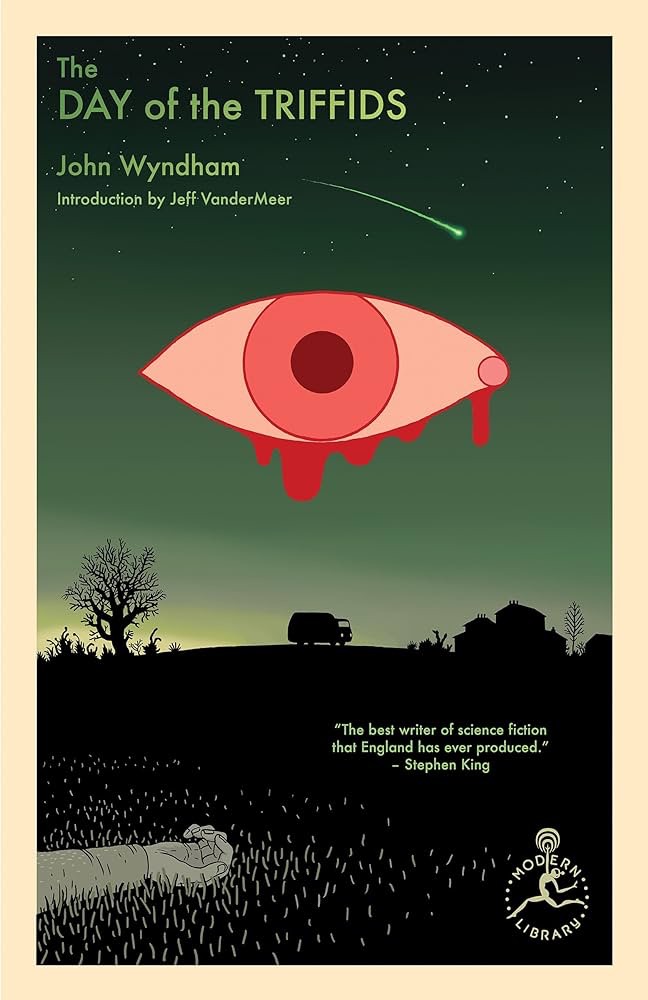
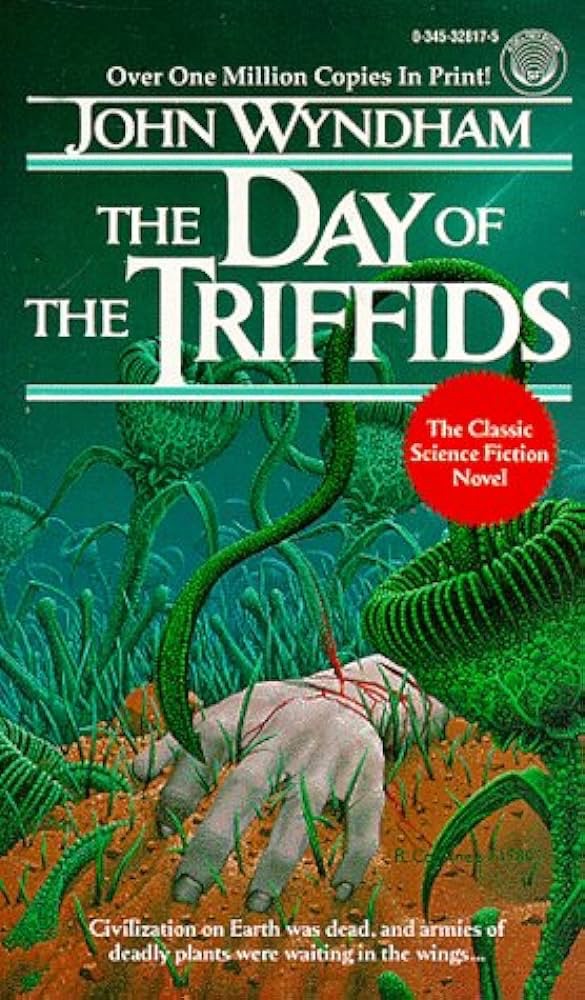
Imagine waking up in a world where almost everyone is blind, and the plants have a taste for human flesh. That’s the chilling premise of The Day of the Triffids. Our hero, Bill Masen, finds himself one of the few sighted survivors after a bizarre meteor shower blinds the majority of humanity. As society crumbles, the dangerous Triffids—carnivorous plants with a penchant for mobility—begin to assert their dominance.
Review:
This novel is an absolute gem. Wyndham’s portrayal of a world gone blind is both terrifying and utterly believable. The Triffids themselves are one of the most unique threats in apocalyptic fiction. What really stands out, though, is the palpable sense of dread and isolation. It’s a classic for a reason—an unsettling, must-read masterpiece.
2. The Midwich Cuckoos (1957)

Synopsis:
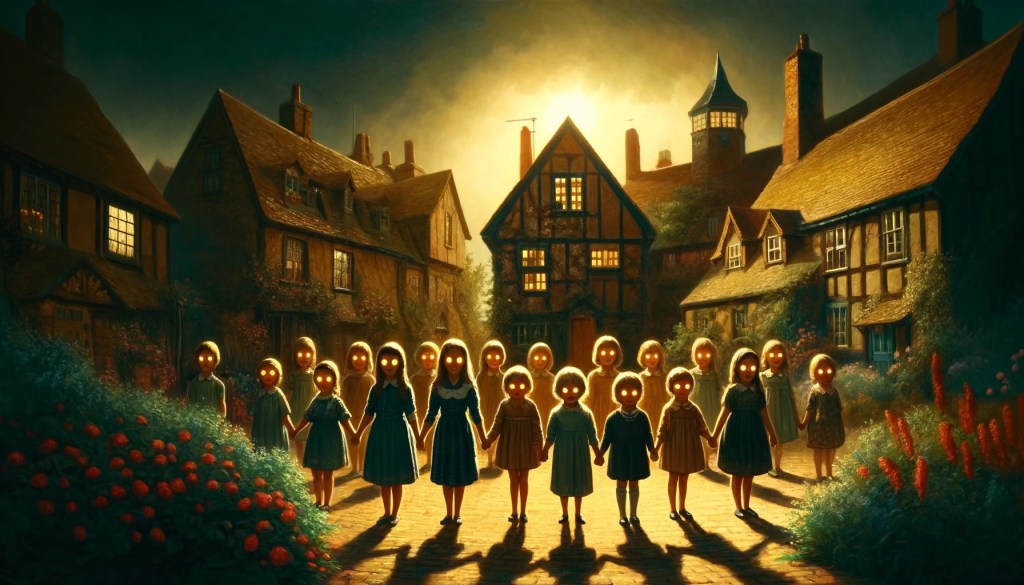
Welcome to Midwich, a quaint English village where things take a turn for the creepy when all the women of childbearing age mysteriously become pregnant overnight. The offspring, known as the “cuckoos,” are not your average toddlers—they possess advanced intelligence and telepathic powers, and their true intentions are anything but innocent.
Review:
The Midwich Cuckoos is a slow burn of unease, skillfully exploring themes of invasion and otherness. The “cuckoos” are downright eerie, their calm, calculated demeanor starkly contrasting with the quaint village life. Wyndham’s ability to weave a narrative that is both intellectually stimulating and deeply unsettling is on full display here. It’s no wonder this novel has inspired numerous adaptations.
3. The Chrysalids (1955)

Synopsis:
Set in a post-nuclear dystopia, The Chrysalids follows David Strorm and his friends, who possess telepathic abilities in a society that ruthlessly hunts down any deviations from the norm. As they seek sanctuary, they must navigate a world rife with paranoia and persecution.

Review:
This novel is a thought-provoking exploration of conformity and fear of the unknown. Wyndham’s dystopian world is bleak but beautifully rendered, and the characters’ struggle for acceptance is both heartbreaking and inspiring. While not as immediately gripping as some of his other works, The Chrysalids lingers in the mind long after the final page.
4. The Kraken Wakes (1953)
Synopsis:
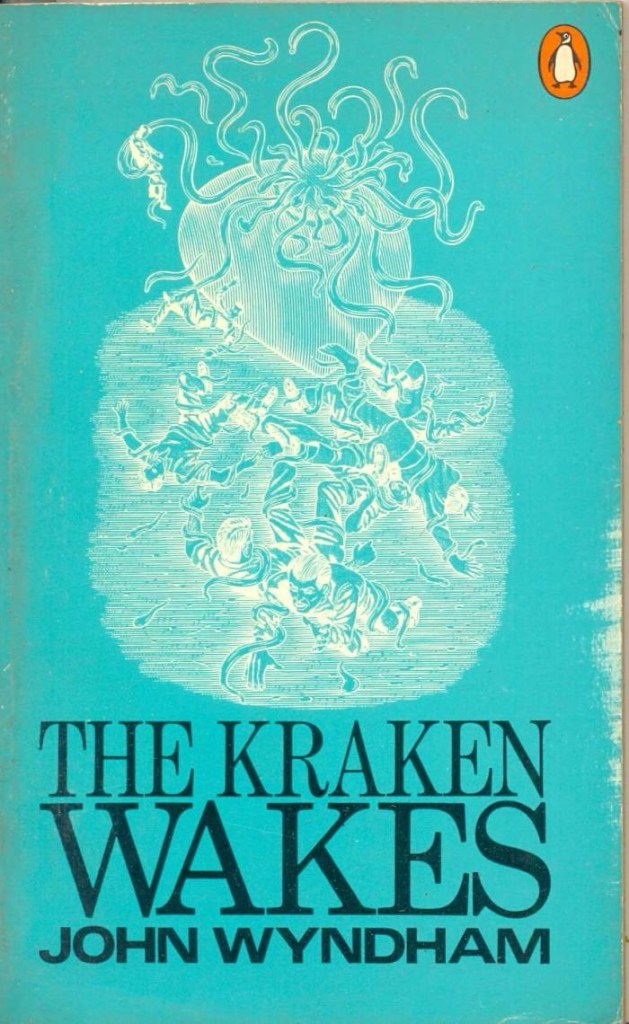
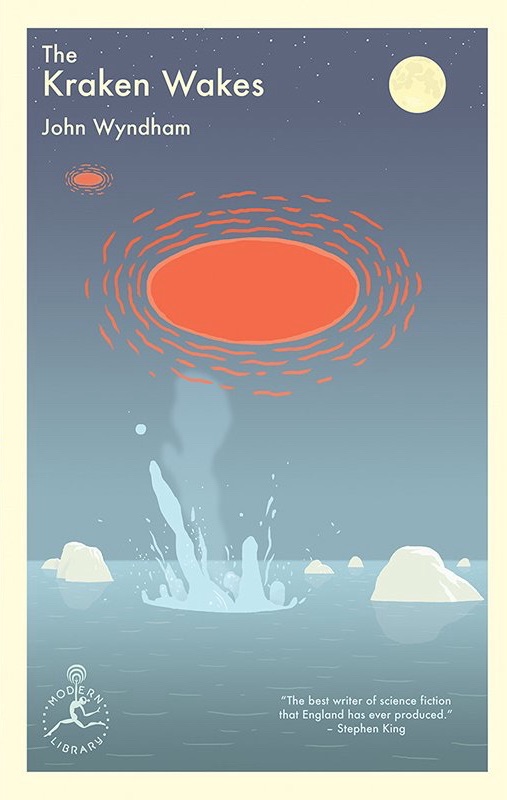
Alien invasion? Check. Melting ice caps and rising sea levels? Double check. The Kraken Wakes takes us deep into the ocean where unknown creatures gradually disrupt human civilization. We follow journalists Mike and Phyllis Watson as they document the invasion and its apocalyptic consequences.
Review:
Though it might not pack the same immediate punch as The Day of the Triffids, The Kraken Wakes is a chillingly relevant novel, especially with today’s environmental concerns. The gradual build-up of tension as the aliens slowly, inexorably take over is masterful. It’s a slow descent into chaos, and Wyndham’s storytelling prowess shines through.
5. Chocky (1968)
Synopsis:
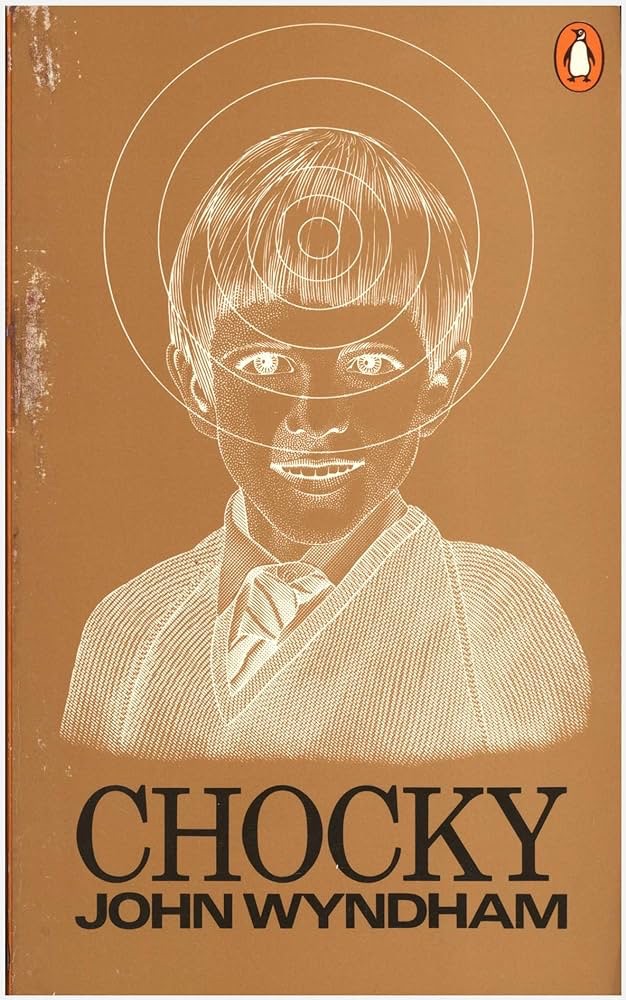
Matthew, an ordinary boy, starts conversing with an extraterrestrial entity named Chocky. What begins as innocent curiosity soon spirals into a profound exploration of human potential and the implications of alien contact.
Review:
Chocky is both charming and unsettling, a nuanced look at how extraordinary experiences impact an ordinary family. Wyndham deftly handles the psychological and social ramifications of alien communication. It’s a quieter, more introspective novel compared to his other works but equally compelling.
6. Trouble with Lichen (1960)
Synopsis:
When biochemist Diana Brackley discovers a lichen that dramatically extends human life, she faces a whirlwind of ethical dilemmas and societal upheaval. The novel dives into the potential for exploitation and the moral quandaries of such a discovery.
Review:
Trouble with Lichen is an intriguing what-if scenario brought to life with Wyndham’s characteristic flair. While the pacing can be uneven, the novel’s exploration of the societal impacts of longevity is fascinating. It’s less about thrills and more about ideas, making it a thought-provoking read.
7. The Outward Urge (1959), with Lucas Parkes

Synopsis:
This collection of interconnected stories spans generations of the Troon family, chronicling humanity’s ventures into space. From the moon to Mars and beyond, we witness the triumphs and tribulations of space exploration.
Review:
Co-authored with Lucas Parkes, The Outward Urge is an ambitious, if somewhat uneven, foray into the future. The episodic structure makes it feel disjointed at times, but the individual stories are rich with imagination. It’s a testament to Wyndham’s ability to craft compelling futures, even if this one doesn’t quite reach the heights of his best work.
Posthumously Published
8. Web (1979)

Synopsis:
A group of settlers lands on a remote Pacific island with dreams of creating a utopian society. Little do they know, the island is home to deadly, intelligent spiders that have their own plans.
Review:
Web is a peculiar entry in Wyndham’s oeuvre. The premise is wonderfully bizarre, and the novel delves into themes of human arrogance and the perils of underestimating nature. It’s not as polished as his other works, but it’s a fascinating, creepy read nonetheless.
9. Plan for Chaos (2009)

Synopsis:
A companion to The Day of the Triffids, this novel follows a photojournalist who stumbles upon a global conspiracy involving clones and a new world order. It’s a heady mix of science fiction and thriller.
Review:
Plan for Chaos is a wild ride, though it lacks the coherence of Wyndham’s best works. The conspiracy elements are intriguing, but the novel often feels like it’s trying to juggle too many ideas at once. It’s a curious piece of Wyndham’s legacy, offering a glimpse into his more experimental side.

The Wrap- Up
John Wyndham’s novels continue to captivate readers with their blend of speculative fiction and profound human themes. From the terrifyingly plausible apocalypse of The Day of the Triffids to the eerie children of The Midwich Cuckoos, Wyndham’s works remain as relevant and thought-provoking as ever. Whether you’re a longtime fan or a newcomer to his stories, there’s something in his catalog to intrigue and unsettle. So, grab a copy, settle in, and prepare to be transported to worlds both strange and familiar. And don’t forget to subscribe to our blog for more deep dives into the dark and fascinating corners of literature!

Discover more from Fear Planet
Subscribe to get the latest posts sent to your email.
