
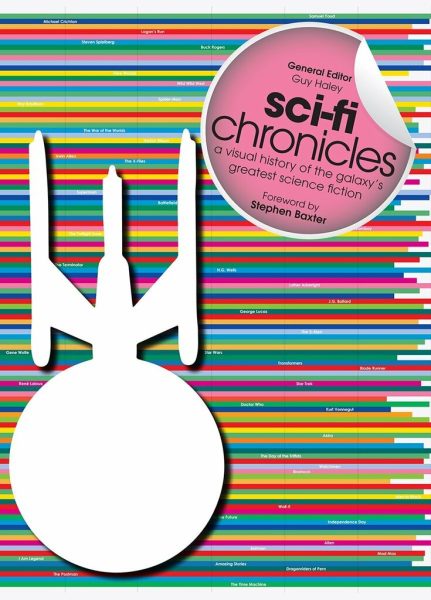
Welcome, Fear Planet denizens, to a journey through time and space with our review of a classic sci-fi reference tome. We’ll be embarking on an adventure into the vast and captivating cosmos of the imagination, diving deep into a visual history that will leave you awe-inspired. Get ready to explore the Sci-Fi Chronicles: A Visual History of the Galaxy’s Greatest Science Fiction, a compilation that celebrates the genre’s most iconic moments and masterpieces. Whether you’re a die-hard sci-fi fan or just a curious wanderer, this comprehensive guide promises to ignite your imagination and transport you to new, untapped realms of wonder. So fire up the hyperdrive, set your phasers to stun, and prepare to tackle the adventure of a lifetime through the realms of this must-have Sci-Fi Encyclopedia.
Sci-Fi Chronicles: A Visual History of the Galaxy’s Greatest Science Fiction
Verdict
Simple. If you’re a sci-fi geek, this is the coffee table book for you.
Pros
- Covers TV, film, books, and comics
- A visual feast for sci-fi fans
- A comprehensive, well-researched history of science fiction
- Aesthetic, attractive presentation with more than 2,500 images
- Beautiful images
Cons
- Doesn’t go as deep as they could have into every entry
- Cumbersome size, but doubles as a fearsome bludgeoning weapon
Format: Hardcover
Author: Guy Haley
Number of pages: 352
Language: English
Published: 2019
What is the Sci-Fi Chronicles Encyclopedia?
The Sci-Fi Chronicles Encyclopedia is a comprehensive reference book that delves into the vast world of science fiction. It serves as a compendium for sci-fi enthusiasts, offering detailed information on various aspects of the genre. From iconic authors and their works to popular films, TV shows, and even video games, this encyclopedia covers it all.

With over 700 pages of content, the Sci-Fi Chronicles Encyclopedia provides readers with an extensive collection of facts, trivia, and analysis. It explores the origins of science fiction, tracing its roots back to ancient mythology and philosophical works, all the way to the modern-day masterpieces that have shaped the genre. The encyclopedia also delves into sub-genres like cyberpunk, space opera, and dystopian fiction, ensuring that no stone is left unturned in the realm of science fiction.

What sets the Sci-Fi Chronicles Encyclopedia apart is its inclusion of lesser-known works and authors, giving readers a chance to explore hidden gems and expand their sci-fi horizons. The book provides comprehensive entries on these lesser-known entities, shedding light on their contributions to the genre and allowing readers to discover new favorites.
Whether you’re a die-hard sci-fi fan or simply interested in exploring this captivating genre, the Sci-Fi Chronicles Encyclopedia is a must-have addition to any bookshelf. Its extensive coverage, captivating layout, and insightful analysis make it a valuable resource for both casual readers and dedicated enthusiasts. So, dive into the world of sci-fi with this comprehensive encyclopedia and immerse yourself in the endless possibilities of the future.

What does this book cover in terms of genre and period?
The book I’ll be reviewing today is the “Sci-fi Encyclopedia,” an extensive collection that delves into the world of science fiction literature. This fascinating reference work covers a wide range of genres and periods, making it an essential resource for both avid sci-fi fans and curious newcomers.
In terms of genre coverage, the “Sci-fi Encyclopedia” explores everything from classic space operas to dystopian futures, from cyberpunk to time travel tales. No matter your preferred subgenre, this comprehensive book has you covered. Whether you’re intrigued by the exploration of scientific possibilities or captivated by futuristic societies, the encyclopedia offers a wealth of information and analysis for every type of sci-fi enthusiast.

Additionally, the “Sci-fi Encyclopedia” examines the evolution of science fiction over various periods. From the early days of Jules Verne and H.G. Wells to the modern era of Neal Stephenson and Margaret Atwood, this book provides an in-depth look at the development of the genre. It delves into the social and cultural contexts that influenced sci-fi writers throughout history, shedding light on how their works reflect the concerns and aspirations of their times.
Overall, the “Sci-fi Encyclopedia” is a treasure trove of knowledge for those interested in understanding the vast realm of science fiction. With its expansive coverage of genres and periods, this book offers valuable insights and recommendations for readers looking to explore new authors and literary worlds. Whether you’re a die-hard fan or simply curious about the genre, this comprehensive resource is sure to enhance your understanding and appreciation of science fiction literature.

Are there any criticisms or limitations to be aware of before purchasing this book?
When considering purchasing the book “Sci-fi Encyclopedia,” it is important to be aware of a few criticisms and limitations that may impact your decision. One common criticism is that the book may not be as comprehensive as some readers would hope. While it covers a wide range of topics and sub-genres within the science fiction genre, there may be some glaring omissions or lack of depth on certain subjects.
Another limitation is that the information provided in the book may not always be up to date. Science fiction is a dynamic genre that constantly evolves and new works are being released regularly. Therefore, the book may not include the latest releases or developments in the field. This is something to consider if you are looking for the most current and cutting-edge information.

Furthermore, some readers have noted that the writing style in the “Sci-fi Encyclopedia” can be dense and academic, making it less accessible for casual readers or those new to the genre. The book may assume a certain level of familiarity with science fiction concepts and terminology, which can make it challenging for beginners to fully grasp the content.
In conclusion, while the “Sci-fi Encyclopedia” is a valuable resource for science fiction enthusiasts, it’s important to be aware of its limitations. The book may not cover every aspect of the genre comprehensively, may not always include the most up-to-date information, and may be challenging for beginners. However, if you are already familiar with the genre and looking for a comprehensive reference guide, it could still be a worthwhile purchase.
How can this encyclopedia be used as a reference guide for readers?
In the vast ocean of information available to us today, having a reliable and comprehensive reference guide is indispensable. When it comes to the genre of science fiction, the sci-fi encyclopedia emerges as an invaluable tool for readers seeking to dive deeper into the realms of imagination. Packed with a plethora of information on everything from famous authors to iconic series and thought-provoking concepts, the sci-fi encyclopedia provides readers with a wealth of knowledge at their fingertips.
One of the significant ways in which this encyclopedia can be used as a reference guide is for exploring the vast landscape of science fiction literature. With entries on renowned authors such as Isaac Asimov, Philip K. Dick, and Ursula K. Le Guin, readers can discover the works that have shaped the genre and find recommendations for further reading. Additionally, the sci-fi encyclopedia offers insights into the different sub-genres of science fiction, including space opera, cyberpunk, and dystopian fiction, empowering readers to expand their literary horizons.

Moreover, the sci-fi encyclopedia serves as an excellent resource for understanding the evolution and impact of science fiction in popular culture. From Star Trek and Star Wars to Blade Runner and The Matrix, this encyclopedia offers detailed entries on iconic movies, TV shows, and franchises, discussing their themes, influence, and critical reception. Readers can explore the origins of these beloved titles and gain a deeper appreciation of their significance within the science fiction genre.
Lastly, this encyclopedia provides readers with a window into the captivating concepts and ideas prevalent in science fiction. Entries on time travel, artificial intelligence, and parallel universes offer readers a glimpse into the imaginative and speculative nature of the genre. Whether a reader is curious about the philosophy behind time loops or wants to explore the ethical ramifications of sentient robots, the sci-fi encyclopedia ensures that they have access to the background information they need to fully engage with these ideas.
In conclusion, the sci-fi encyclopedia is a valuable reference guide for readers eager to delve into the vast expanse of science fiction. With its thorough coverage of authors, series, movies, and concepts, it becomes an indispensable tool for all enthusiasts and scholars of the genre. Whether a reader seeks to expand their literary repertoire, understand the cultural impact of science fiction, or explore intriguing concepts, this encyclopedia stands as a beacon of knowledge and inspiration for all.
Does the Visual History of the Galaxy’s Greatest Science Fiction have any formatting or organizational issues?
For fans of science fiction, the Visual History of the Galaxy’s Greatest Science Fiction is a treasure trove of information. This beautifully illustrated book is essentially a sci-fi encyclopedia, covering decades of space adventures, futuristic technologies, and alien civilizations. However, upon closer inspection, it becomes clear that the book suffers from some formatting and organizational issues.
One of the main problems with the Visual History of the Galaxy’s Greatest Science Fiction is the lack of a clear structure. While the book is divided into sections focusing on different periods or themes in science fiction, the transitions between these sections are often abrupt and confusing. It would have been helpful to have a more cohesive and logical progression from one topic to another.
Additionally, the formatting of the book sometimes feels cluttered and overwhelming. The text is often squeezed into small paragraphs, making it difficult to read for extended periods of time. Similarly, the numerous illustrations and images, while visually stunning, are sometimes placed in a way that disrupts the flow of the text. This can make it challenging to fully immerse oneself in the content.
Despite these issues, the Visual History of the Galaxy’s Greatest Science Fiction remains a valuable resource for sci-fi enthusiasts. Its comprehensive coverage of the genre is unparalleled, and the illustrations truly bring the stories and concepts to life. However, it is worth noting that potential readers may need to navigate through the book’s formatting and organizational challenges in order to fully appreciate its content.
Is it worth the price?
Have you ever wondered if a product is really worth its price tag? Whether it’s an expensive gadget, a luxurious car, or even a simple everyday item, we often find ourselves questioning if the cost is justified. One such item that is frequently debated is books. From bestsellers to niche genres, books can vary greatly in price. But what about specialty books, like the Sci-fi Encyclopedia? Is it worth the price?
The Sci-fi Encyclopedia is an extensive reference book that covers everything within the realm of science fiction literature. Packed with information about authors, novels, movies, and TV shows, this book is a treasure trove for sci-fi enthusiasts. However, with a higher price point compared to other books, many potential buyers hesitate. Is it really worth it?
The answer to this question depends on your level of interest and passion for science fiction. If you’re someone who breathes sci-fi and wants to dive deep into the genre’s history and evolution, then the Sci-fi Encyclopedia is worth every penny. It provides comprehensive insights, connects different works, and offers a wealth of knowledge you won’t find elsewhere.
However, if you’re only a casual reader or simply curious about science fiction, the high price may not be justifiable. In such cases, there are plenty of other resources available, like online platforms or cheaper reference books, that can still offer a decent overview of the genre without breaking the bank.
Ultimately, the worth of the Sci-fi Encyclopedia boils down to personal preference. If you’re a true sci-fi aficionado with an insatiable thirst for knowledge, investing in this book will undoubtedly enhance your appreciation for the genre. But if you’re not deeply committed to exploring every nook and cranny of science fiction, there are other options that can provide a satisfactory experience at a lower price point. So, before you decide, consider your passion for the subject matter and the value you believe it will bring to your life.
Discover more from Fear Planet
Subscribe to get the latest posts sent to your email.
