

Just what makes science fiction movies so intriguing? Maybe it’s the excitement of facing the unknown or the mental challenge of thinking about complex “what if” situations. Whatever the reason, all nations and all cultures wonder about these imaginative scenarios, but express them in a limited fashion based on their art. In the case of Germany, one of the first nations to develop and use film as a form of entertainment, it stands to reason that these profound questions about the future and technology would see the light of day as art.
Like most sci-fi fare, German films push our imagination to its limits and provide a way for us to think about current problems, but they do it uniquely and with works worth exploring.
This article will focus on the best German science fiction films and how they have influenced the genre. From Fritz Lang’s groundbreaking movies to recent masterpieces, German directors have continuously pushed boundaries. Their combination of technical creativity and deep philosophical exploration has made a lasting impact on sci-fi films worldwide.
So let’s leap into the yawning cosmic abyss and discuss these amazing movies that continue to shape and motivate the world of European science fiction.
The Early Years: Influences on German Science Fiction Cinema
German cinema has a long history, dating back to the time of silent movies. But it wasn’t all about funny comedies or tear-jerking dramas. It was also a period of great creativity and imagination, where filmmakers experimented with new ways of telling stories visually.
During this time, Germany was going through significant changes both socially and politically. The impact of World War I was devastating, but it also led to the emergence of the Weimar Republic—a time of artistic freedom and unconventional thinking.
- Silent films from this era were more than just entertainment; they were a reflection of Germany’s struggle to find its place in the world.
- Filmmakers used this medium to explore deep-rooted fears, the delicate nature of human life, and dark visions of what the future might hold.
- Science fiction became a popular genre for these explorations, as it allowed directors to address complex issues through symbolism and analogy.
But there were obstacles too. With the rise of oppressive regimes, filmmakers had to be careful not to offend those in power. They had to find ways to convey their social critiques subtly while still adhering to strict censorship rules.
Despite these challenges, German science fiction cinema flourished during this time:
- Directors pushed boundaries with their innovative use of camera techniques and special effects.
- They drew inspiration from groundbreaking scientific theories like Einstein’s theory of relativity.
- And they created unforgettable movies that continue to shape the science fiction genre today.
One such director was Fritz Lang, who used these advancements in technology and storytelling to make his mark on sci-fi cinema. His works like “Metropolis” and “Woman in the Moon” are considered classics, known for their stunning visuals and thought-provoking narratives.
1. Fritz Lang: Master of German Expressionist Sci-Fi
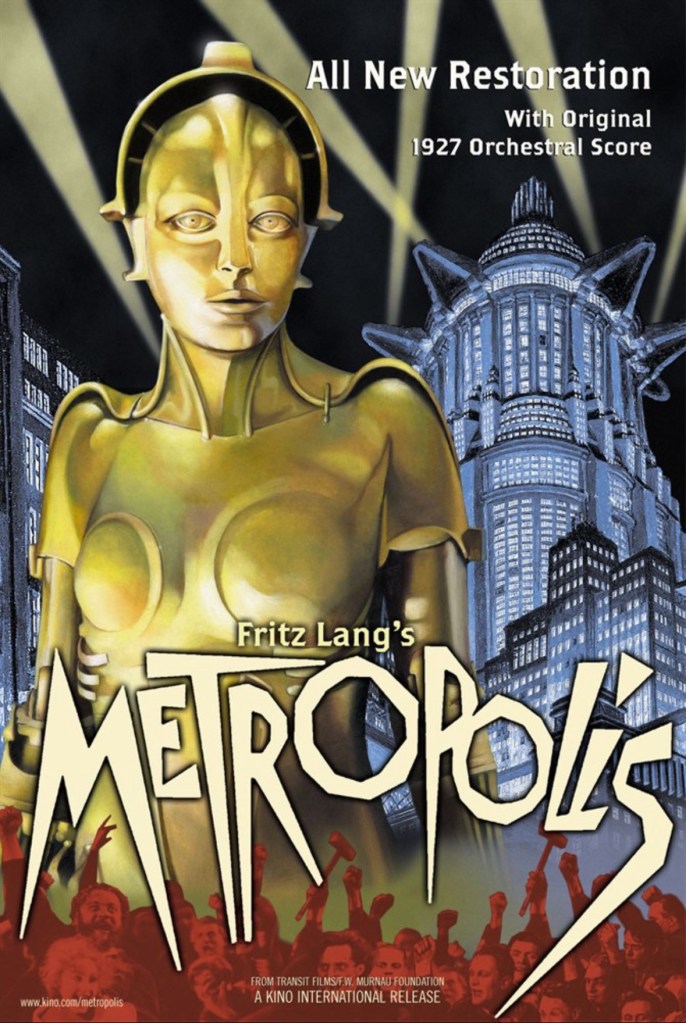
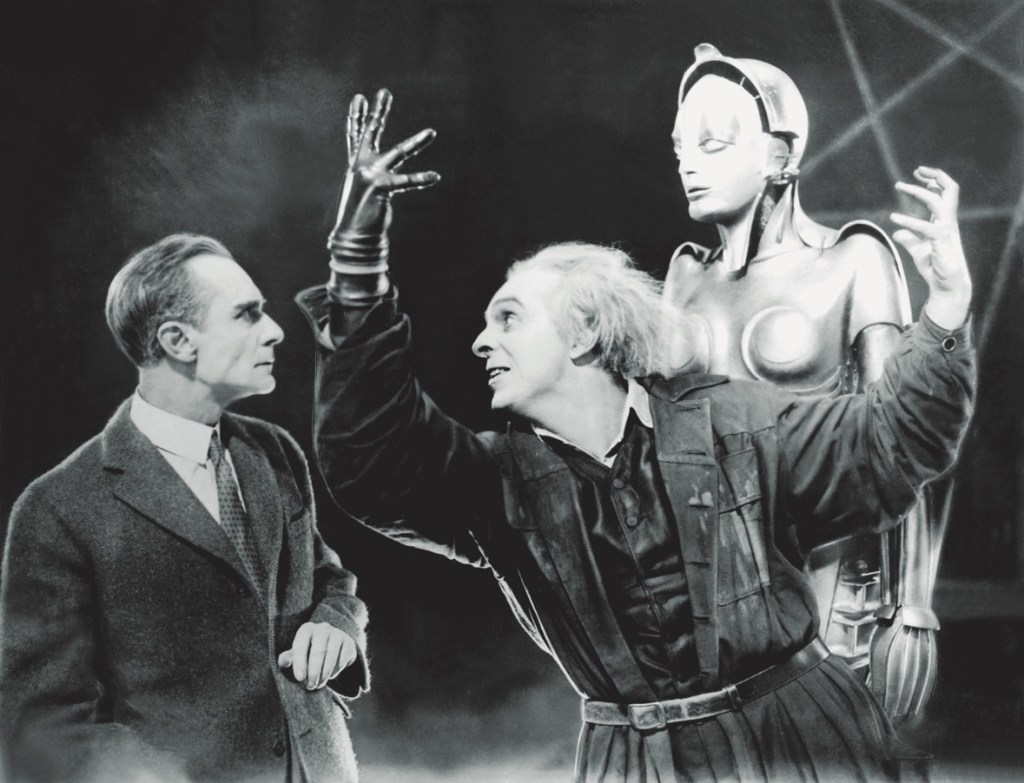
Fritz Lang is widely regarded as a trailblazer in German science fiction cinema. He is most known for his groundbreaking film, “Metropolis” (1927), which has left an indelible mark on the genre.
“Metropolis”: A Visual and Thematic Masterpiece
“Metropolis” is not only one of the most influential sci-fi movies ever made but also a work of art that continues to inspire filmmakers today. It takes place in a future society where there is a stark division between the working class and the ruling elite.
The film’s visuals were ahead of its time, featuring towering skyscrapers, sprawling underground cities, and intricate machinery. These stunning images were groundbreaking in the 1920s and set the standard for futuristic cityscapes in cinema.
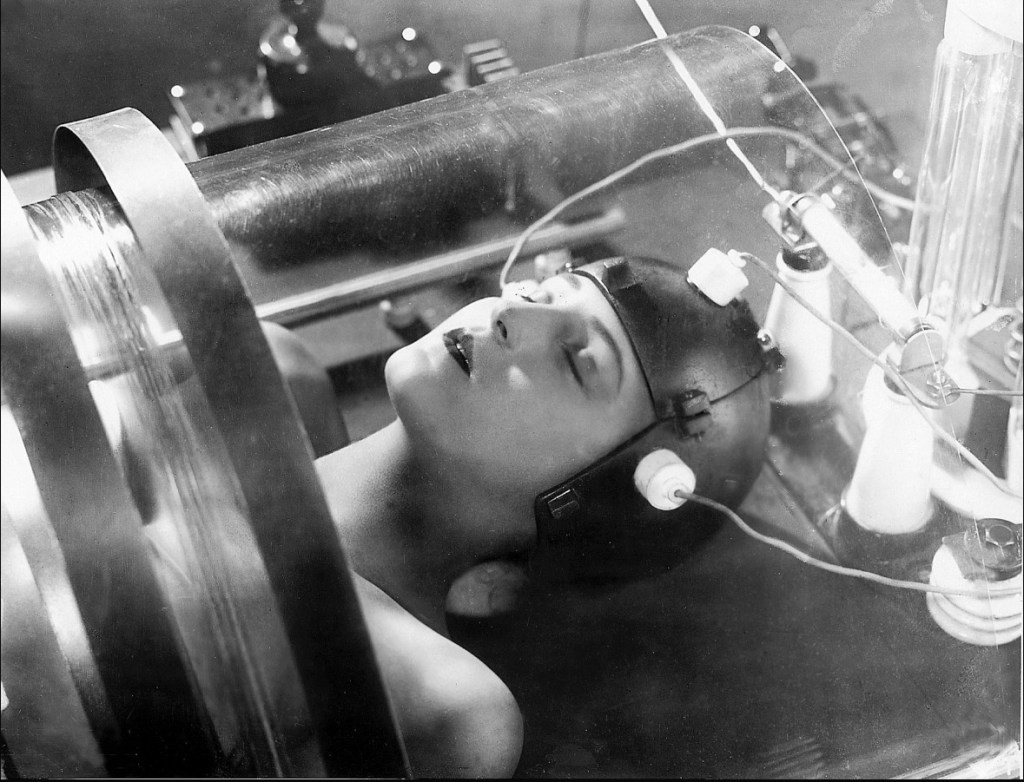
Beyond its aesthetic brilliance, “Metropolis” offers a powerful social commentary on class struggle and the dehumanizing impact of industrialization. It explores themes of inequality, oppression, and the importance of unity through its narrative.
Lang’s Other Contributions to Science Fiction
While “Metropolis” remains Fritz Lang’s most iconic sci-fi film, he made significant contributions to the genre with other works as well:
- “Woman in the Moon” (1929): Considered one of the earliest serious films about space travel, this movie showcased Lang’s visionary approach. It accurately predicted many aspects of modern rocketry and space exploration.
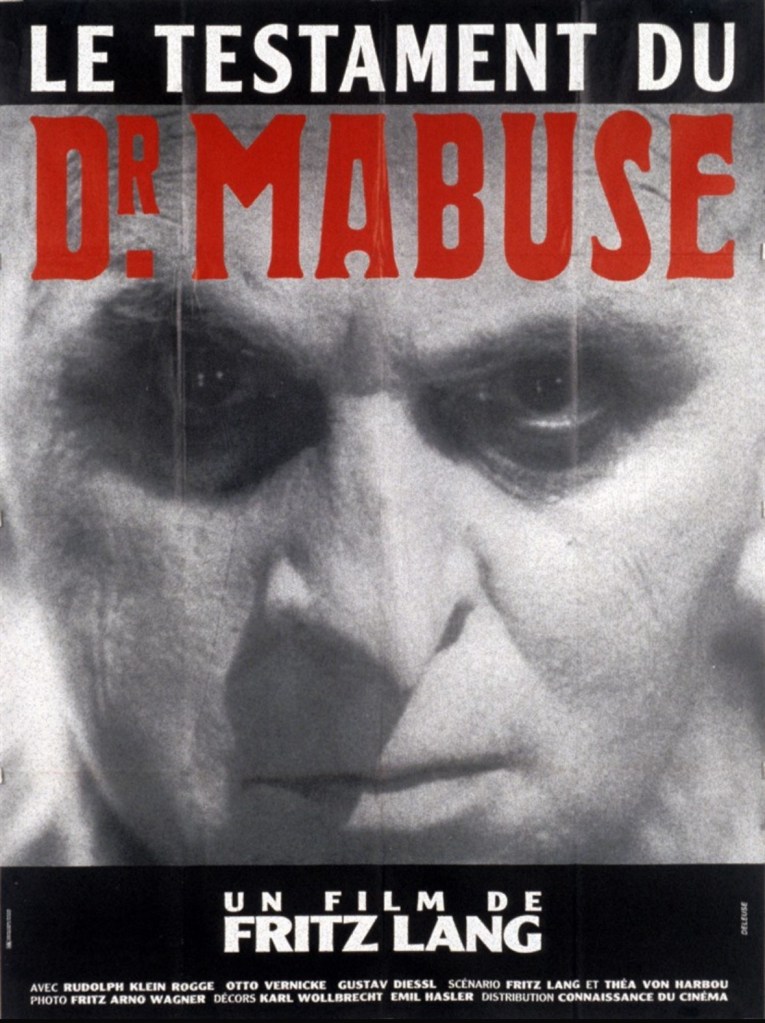
- “The Testament of Dr. Mabuse” (1933): Although not strictly a sci-fi film, it incorporated elements of mind control and criminal masterminds that would later influence the genre.

Legacy and Impact
Fritz Lang’s films paved the way for future filmmakers, combining innovative storytelling techniques with state-of-the-art visual effects. His ability to address complex social issues within the framework of science fiction remains an inspiration for artists worldwide.
2. The Dystopian Visions of Rainer Werner Fassbinder
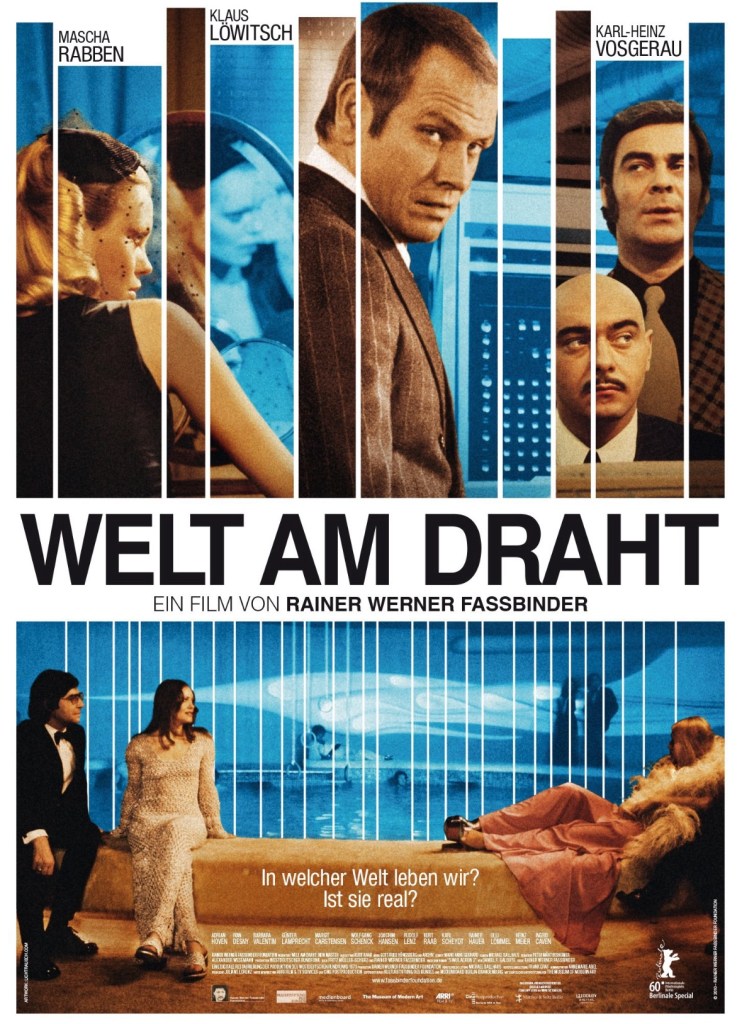
Rainer Werner Fassbinder, a maverick of German cinema, brought his unique voice to the sci-fi genre with an unmistakable flair. Known for his prolific output and bold storytelling, Fassbinder ventured into science fiction with his TV miniseries World On A Wire (1973). This two-part movie-length series explores virtual reality and raises questions about who we really are. It was way ahead of its time.
A Blend of Sci-Fi and Speculative Fiction
Fassbinder didn’t limit himself to traditional science fiction. Instead, he often combined elements of speculative fiction in his work. This ability to blend genres while still maintaining a clear narrative style is what sets him apart from other filmmakers.
The Plot
In World On A Wire, we follow Fred Stiller, a cybernetics engineer who uncovers unsettling truths about the simulated world he lives in. The series delves deep into themes of existential fear and technological dystopia, making it a must-watch for any sci-fi fan.
Visual Style
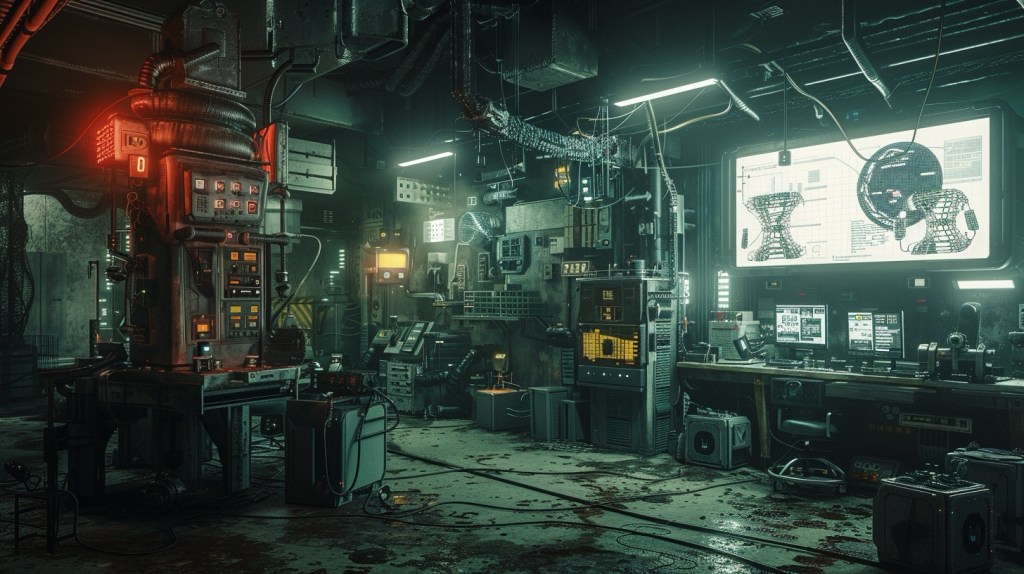
One of the standout features of this miniseries is its visual style. Fassbinder uses stark compositions and eerie atmospheres to create tension and mystery throughout the story.
Influence and Legacy
Fassbinder’s impact goes beyond just World On A Wire. He has influenced numerous filmmakers who also explore the darker aspects of technology and identity in their works.
3. Recent Successes and New Frontiers
Contemporary German sci-fi films are making a comeback, with new filmmakers pushing boundaries and gaining international recognition. Here are some notable examples:
Hell (2011) by Tim Fehlbaum

Hell is a post-apocalyptic thriller that impressed audiences with its powerful storytelling and visually striking scenes. It raised the bar for how post-apocalyptic worlds are portrayed on screen, using impressive special effects to depict a sun-scorched Earth.
The Noah’s Ark Principle (1984) by Roland Emmerich
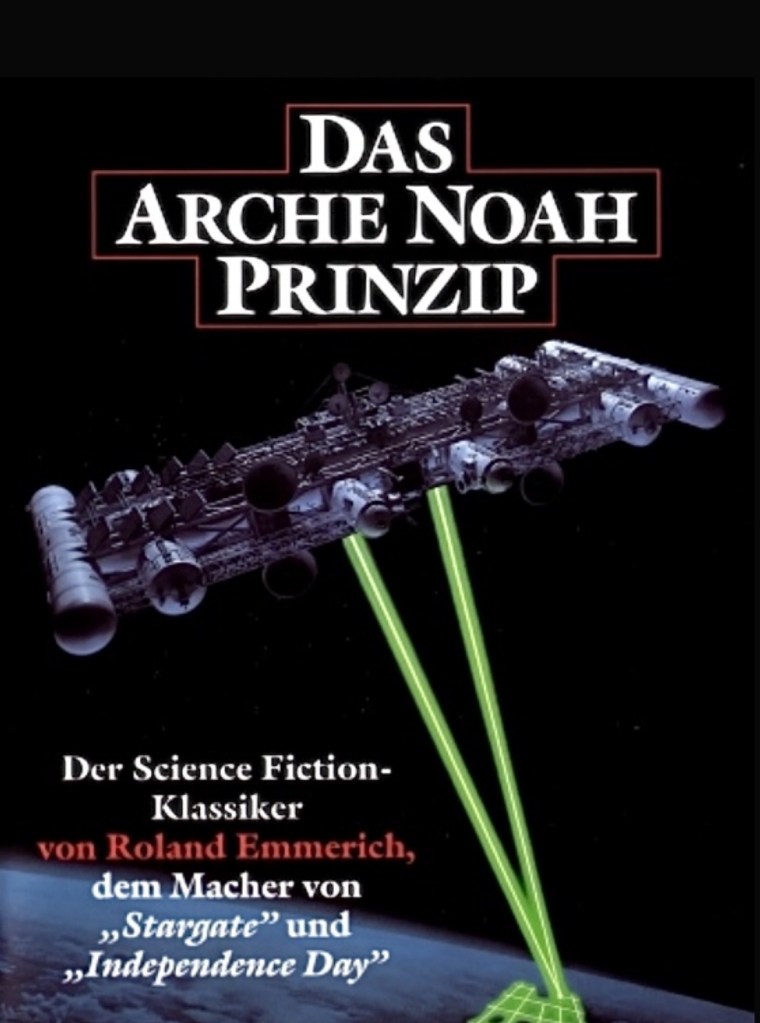
Before becoming a renowned director of Hollywood blockbusters, Roland Emmerich started his career with this German sci-fi film. The Noah’s Ark Principle showcased his talent for grand storytelling and laid the foundation for his future success.
Themes in Contemporary German Sci-Fi Cinema
Modern German sci-fi films explore a wide range of topics:
- Dystopian Futures: Movies like The Coming Days (2010) by Lars Kraume delve into the collapse of society and the resilience of humanity.
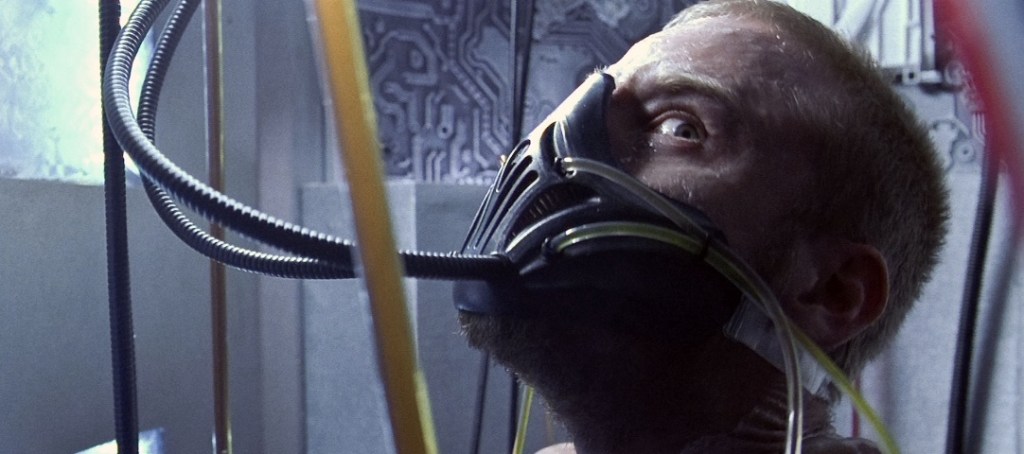
- Space Exploration: Films such as Pandorum take us on thrilling journeys through space, uncovering its dangers and mysteries.
- Technological Impact: Movies like Boy 7 raise questions about how technology can affect our personal identities.
These films use innovative techniques to tell their stories and offer thought-provoking insights into the world we live in.
Must-Watch German Science Fiction Films
Ready to dive into the best German sci-fi movies? Here’s a curated list of must-watch films that showcase the genius of German filmmakers in the science fiction genre. These are the heavyweights you can’t afford to miss.
1. Metropolis (1927) – Directed by Fritz Lang

A pioneering classic with groundbreaking visuals and social commentary. This film set the stage for dystopian narratives and remains a cornerstone in sci-fi cinema.
2. World on a Wire (1973) – Directed by Rainer Werner Fassbinder
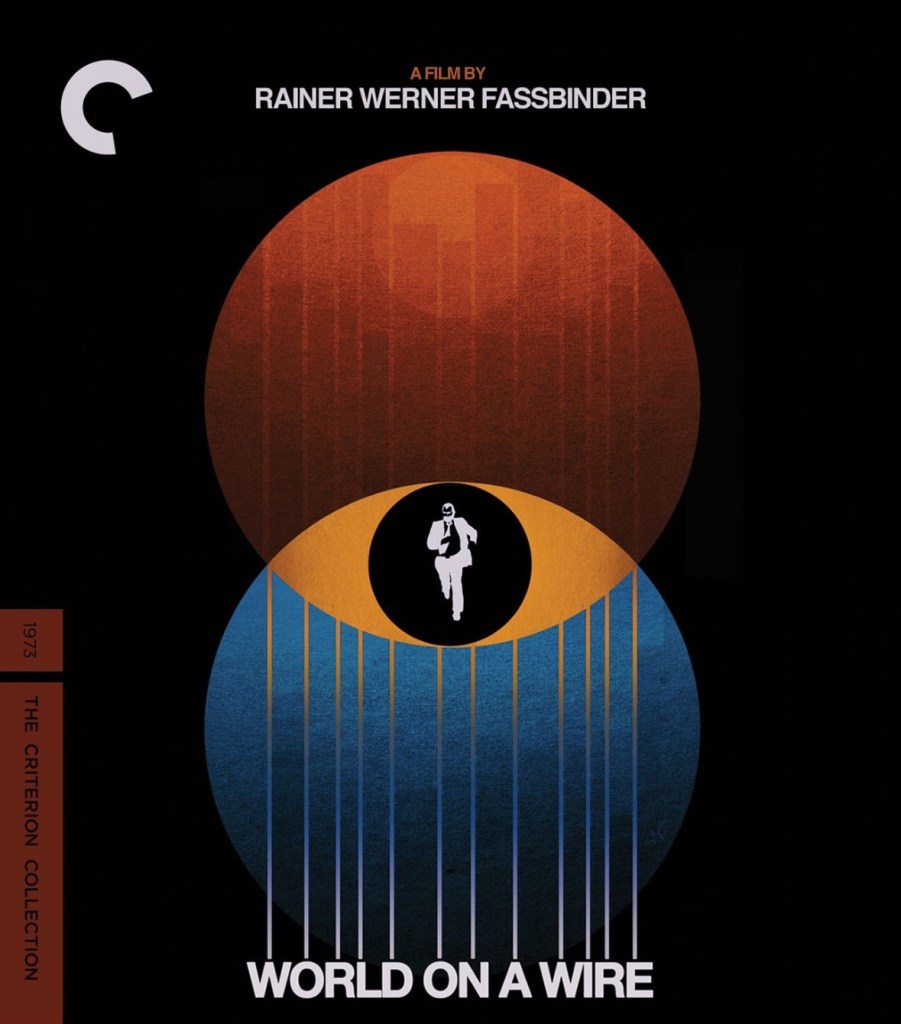
An exploration of virtual reality and identity, this TV miniseries delves into the complexities of simulated worlds. Fassbinder’s vision is both thought-provoking and visually stunning.
3. Operation Ganymed (1977) – Directed by Rainer Erler
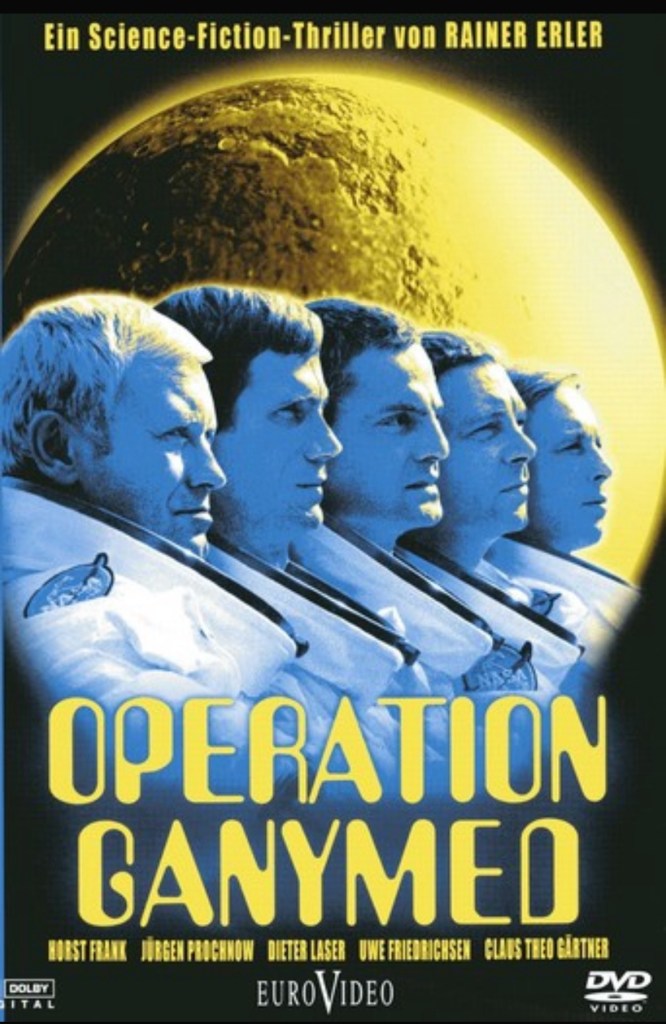
A gripping tale of space exploration and human resilience. This film examines the psychological toll of long-term space missions, making it a compelling watch.
4. Hell (2011) – Directed by Tim Fehlbaum

Set in a post-apocalyptic world scorched by solar flares, this film blends suspense with survivalist themes, offering an intense cinematic experience.
5. The Noah’s Ark Principle (1984) – Directed by Roland Emmerich
Emmerich’s debut feature, exploring themes of scientific ethics and environmental disaster. It’s an early glimpse into his knack for combining spectacle with narrative depth.
6. Raumpatrouille Orion – Rücksturz ins Kino (2003)
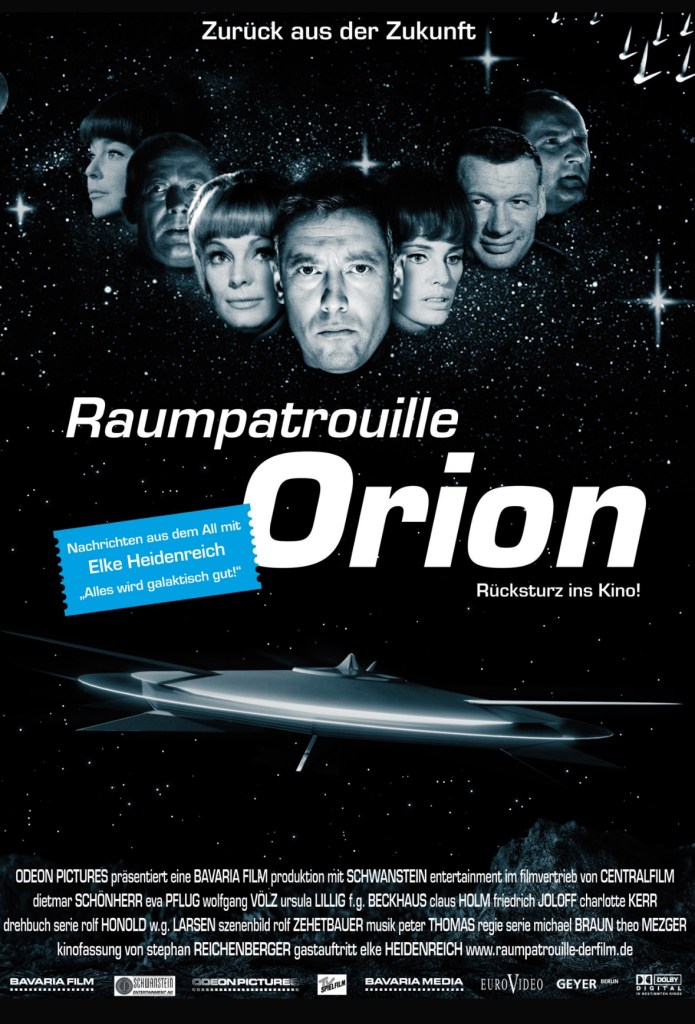
A cult favorite that merges retro aesthetics with futuristic storytelling. This film is an homage to the beloved 1960s TV series “Raumpatrouille – Die phantastischen Abenteuer des Raumschiffes Orion”.
7. Cloud Atlas (2012)
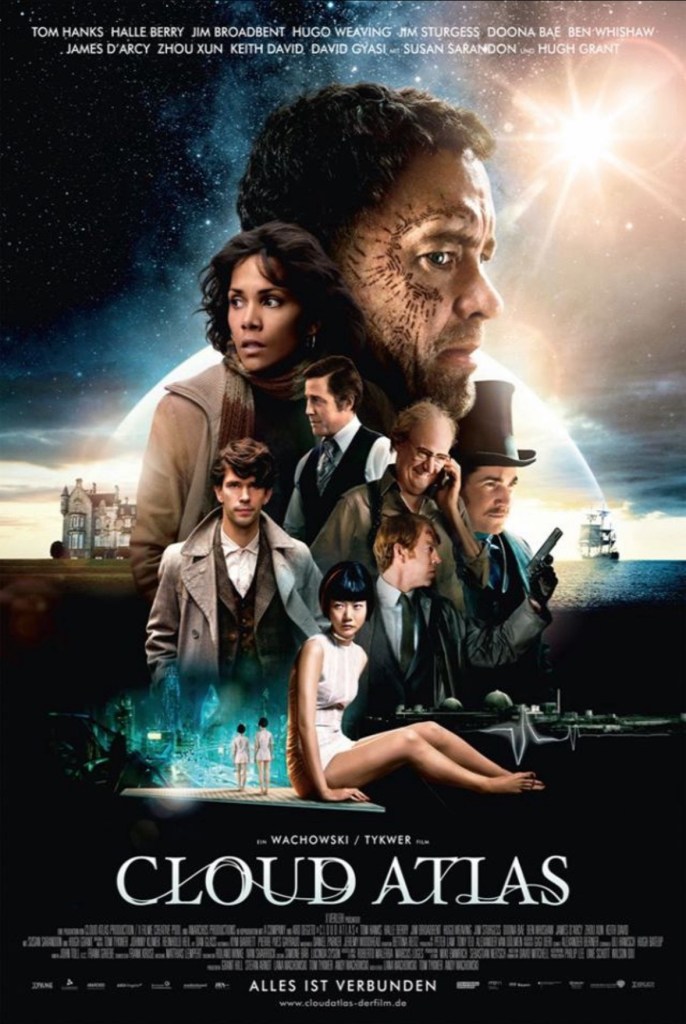
Though an international production, it features significant German collaboration and segments shot in Germany. This sprawling epic spans multiple timelines and genres, including sci-fi elements.
8. First Spaceship on Venus (1960)
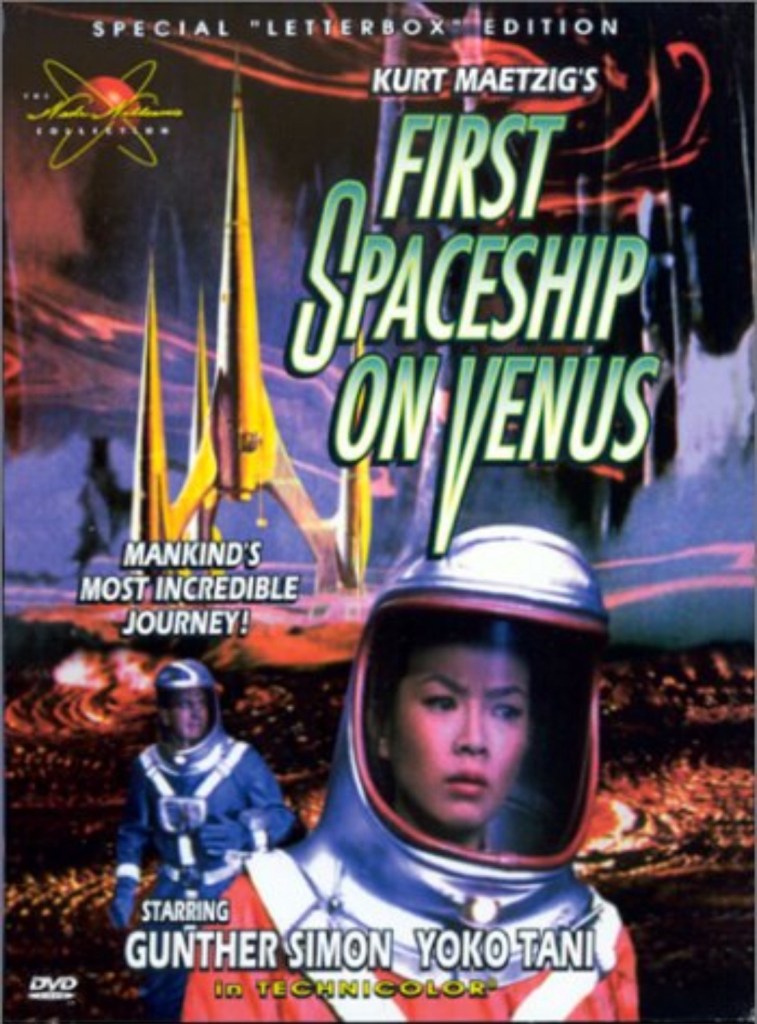
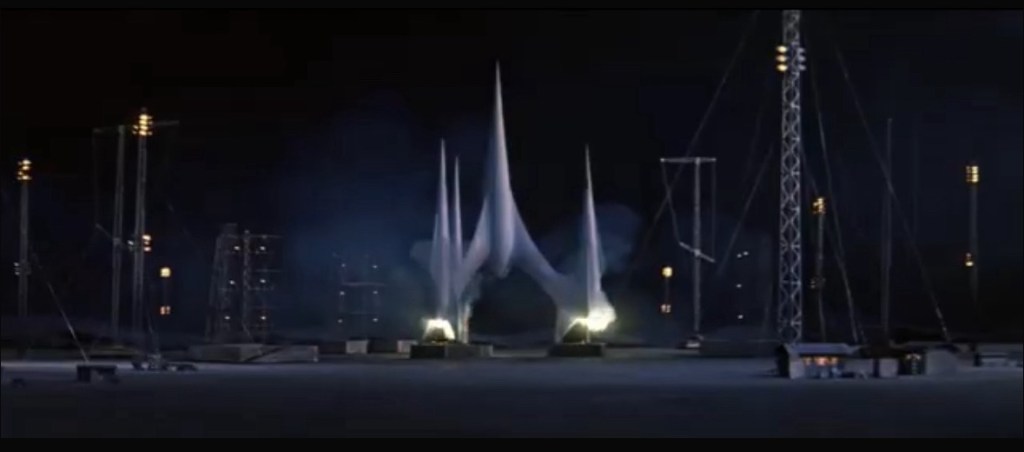
A Cold War-era gem that imagines humanity’s first journey to Venus. Its blend of political allegory and space adventure makes it a fascinating historical piece.
9. Pandorum (2009)
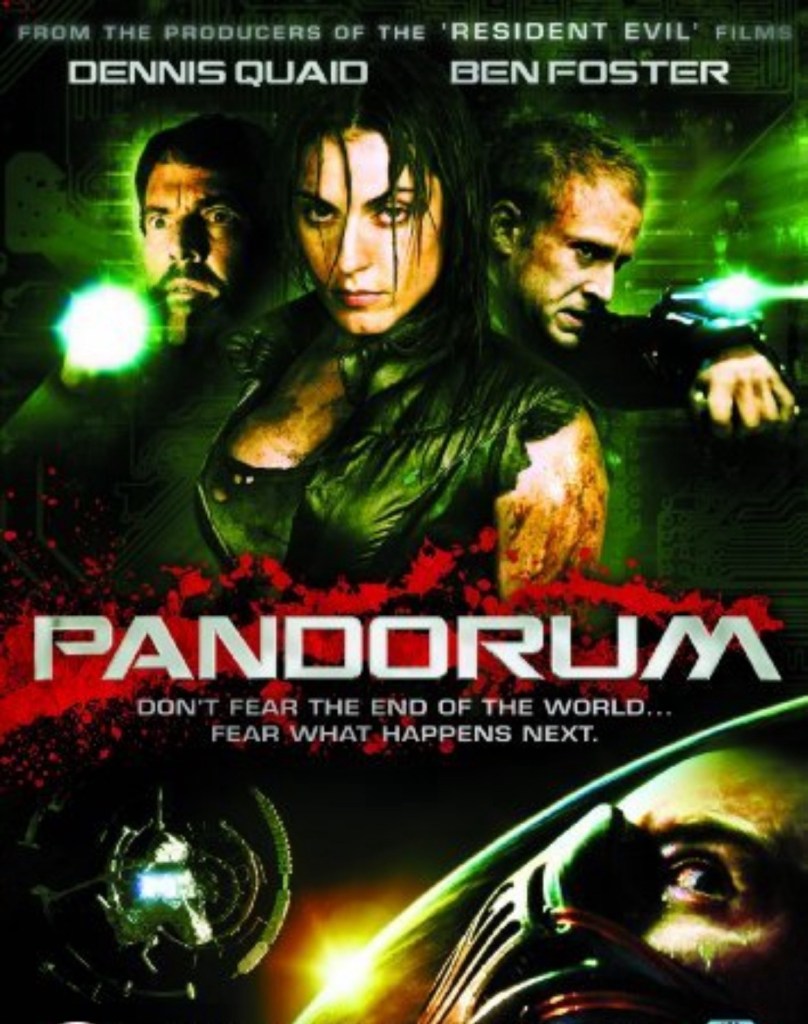
A sci-fi horror hybrid that keeps you on your toes with its claustrophobic setting aboard a drifting spaceship and its chilling exploration of human psyche under extreme conditions.
10. The Coming Days (2010) – Directed by Lars Kraume
Set in a near-future dystopia, this film explores societal collapse through personal narratives, emphasizing emotional depth over flashy effects.

These recommendations should fill your watchlist with some stellar examples of German sci-fi storytelling. Whether you’re into classics or contemporary hits, there’s something here for every fan of the genre.
The Future Horizons of German Sci-Fi Cinema
German science fiction filmmaking is on the brink of an exciting evolution. Its rich history and current momentum suggest a bright future with global implications. As new filmmakers emerge, they bring fresh perspectives and innovative techniques to the genre, ensuring its relevance and appeal to international audiences.
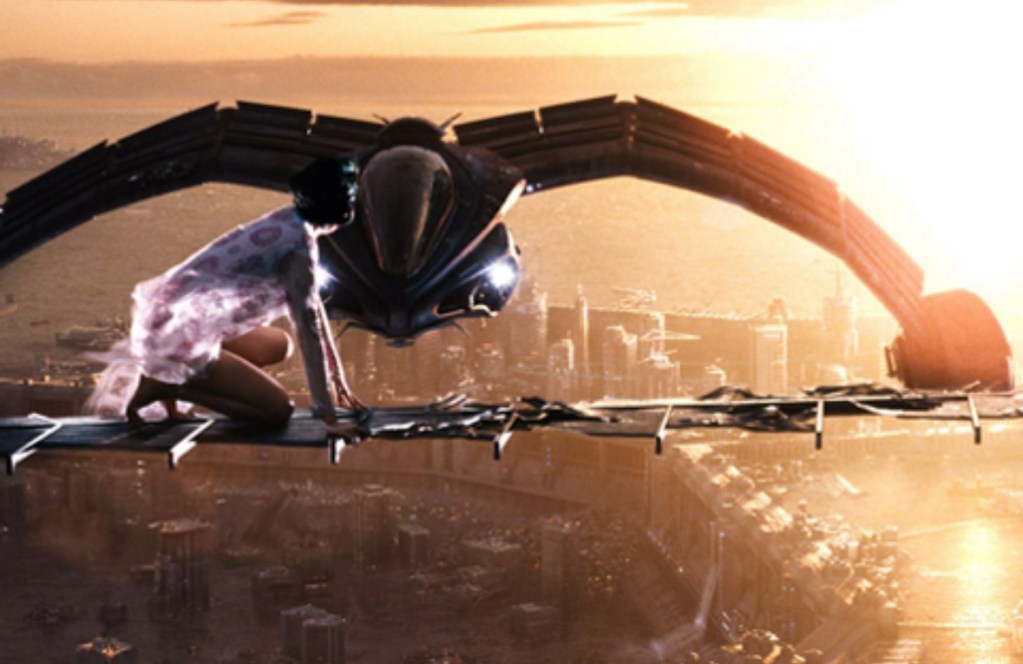
What can we expect from the future of German sci-fi cinema?
1. Technological Advancements
With advancements in special effects and CGI, German sci-fi films are ready to compete globally. These technologies allow for more immersive worlds and compelling stories.
2. Diverse Storytelling
Modern German sci-fi explores a wide range of themes, from dystopian futures to space exploration. This diversity not only keeps the genre fresh but also attracts a broader audience.

3. Global Recognition
Films like Cloud Atlas demonstrate Germany’s ability to produce high-quality sci-fi that resonates worldwide. This trend is likely to continue as more German films gain international recognition.
Supporting German sci-fi films means embracing unique perspectives on the human condition in our technology-driven era. By doing so, we contribute to the growth of a genre that challenges us to think critically about our future.

Finale
German science fiction films stand out in the world of European sci-fi. They offer a unique blend of cultural influence and storytelling that’s hard to find elsewhere. The impact of historical moments like the Weimar Republic and the rise of totalitarian regimes has shaped their narratives, making them deeply reflective of societal shifts and technological advances.
What makes German sci-fi distinct isn’t just its historical context but its artistic approach. Unlike other European sci-fi movies, German films often delve into philosophical questions about identity, reality, and humanity’s future. This creates a rich tapestry of thought-provoking cinema that goes beyond simple entertainment.
To truly appreciate the artistry behind these films, dive into the recommended list. Each movie offers something special. If reluctant to watch the entire list above, then watch at least these three:
- “Metropolis” – Fritz Lang’s groundbreaking vision
- “World On A Wire” – Fassbinder’s exploration of virtual reality
- “Hell” – Tim Fehlbaum’s post-apocalyptic thriller
Give these films a try, and you’ll get a sense of the diverse themes and innovative storytelling that define German science fiction. It’s sure to be a cinematic journey that will challenge your perceptions and ignite your imagination.
So what are you waiting for? Explore, enjoy, and experience the best German Science Fiction has to offer through the lens of these masterpieces of German filmmaking.
Discover more from Fear Planet
Subscribe to get the latest posts sent to your email.
