
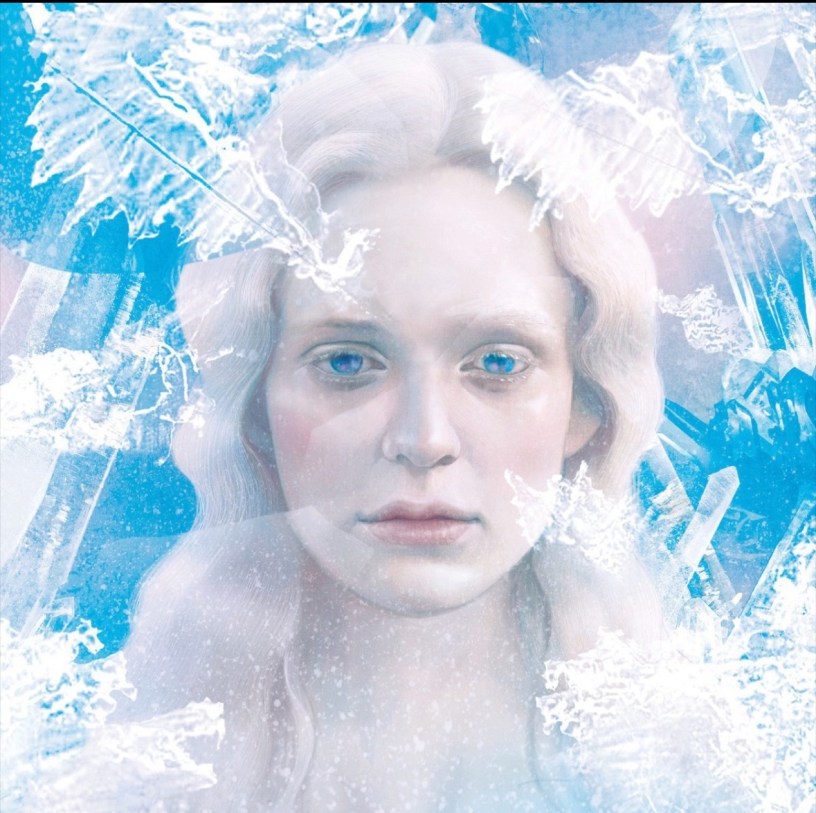
Welcome, Fear Planet denizens, to another journey into the unknown, where the margins of reality are blurred and where shadows of our deepest fears take shape. Today, we explore the haunting world of Anna Kavan’s “Ice,” a novel that transcends conventional genres and leaves lash marks on the psyche.
The Enigmatic World of “Ice”
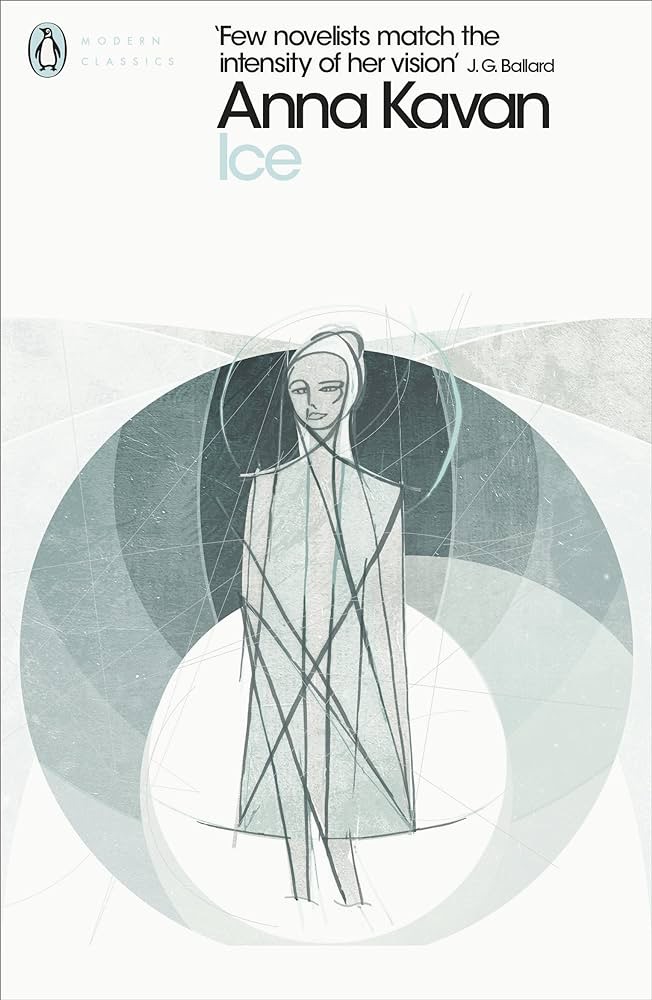
Anna Kavan’s “Ice” is a novel that resists easy categorization. It is a work of science fiction, a psychological thriller, and a dystopian nightmare all rolled into one. Published in 1967, “Ice” has garnered a cult following for its enigmatic narrative and haunting prose. The story unfolds in a world on the brink of an apocalyptic ice age, where the relentless advance of glaciers threatens to engulf everything in its path.
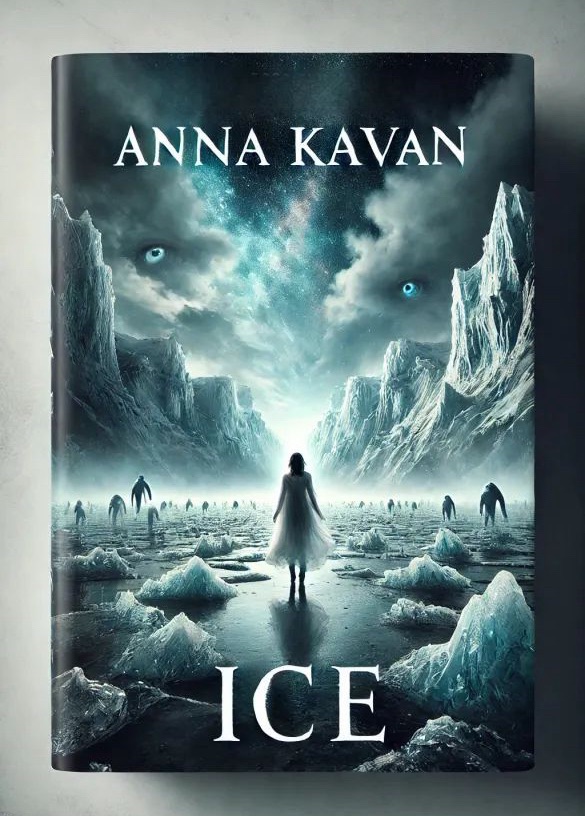
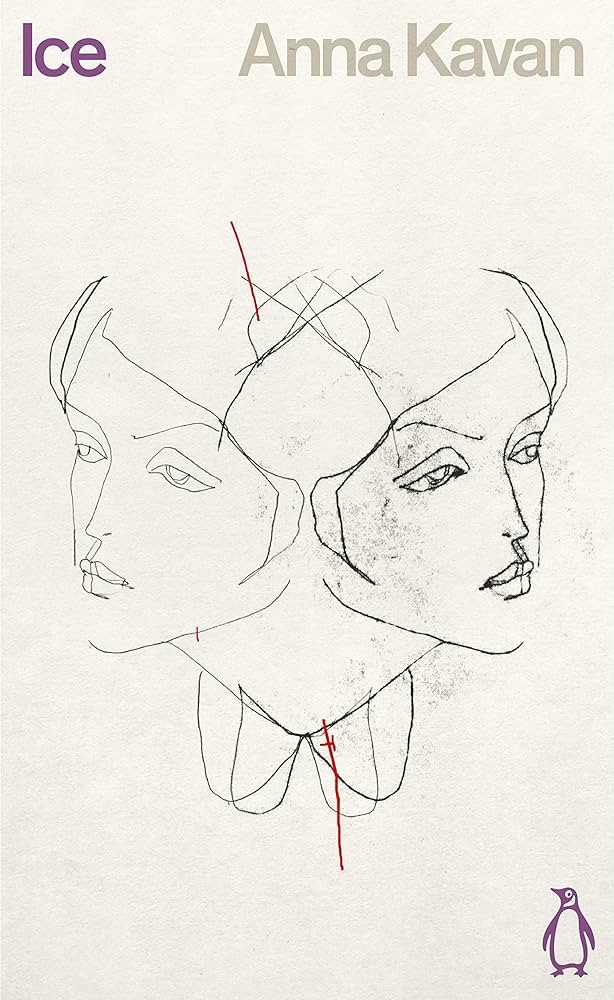
The novel’s protagonist, an unnamed narrator, embarks on a desperate quest to find and rescue a fragile, ethereal woman known only as “the girl.” This quest takes him through a series of surreal landscapes, each more nightmarish than the last, as he battles both external and internal demons. The girl, who is often depicted as a victim of violence and oppression, becomes a symbol of unattainable desire and the elusive nature of reality.

A Narrative Shrouded in Mystery
Kavan’s writing style is as enigmatic as the story itself. The narrative is fragmented and dreamlike, with shifts in time and perspective that disorient the reader. This disorientation is intentional, mirroring the protagonist’s own sense of confusion and helplessness. The prose is poetic and evocative, painting vivid images of a world in decay.
One of the most striking aspects of “Ice” is its atmosphere. Kavan masterfully creates a sense of claustrophobia and impending doom. The relentless advance of the ice serves as a metaphor for the protagonist’s own psychological descent. The cold, barren landscapes reflect his inner turmoil, and the ever-present threat of annihilation looms over every page.
Themes of Obsession and Control
At its core, “Ice” is a novel about obsession and control. The protagonist’s quest to find the girl is driven by an obsessive need to possess and protect her. This obsession is mirrored by the authoritarian figures in the novel, who seek to control and dominate both the girl and the world around them. The girl herself is a passive figure, caught in the crossfire of these competing forces.
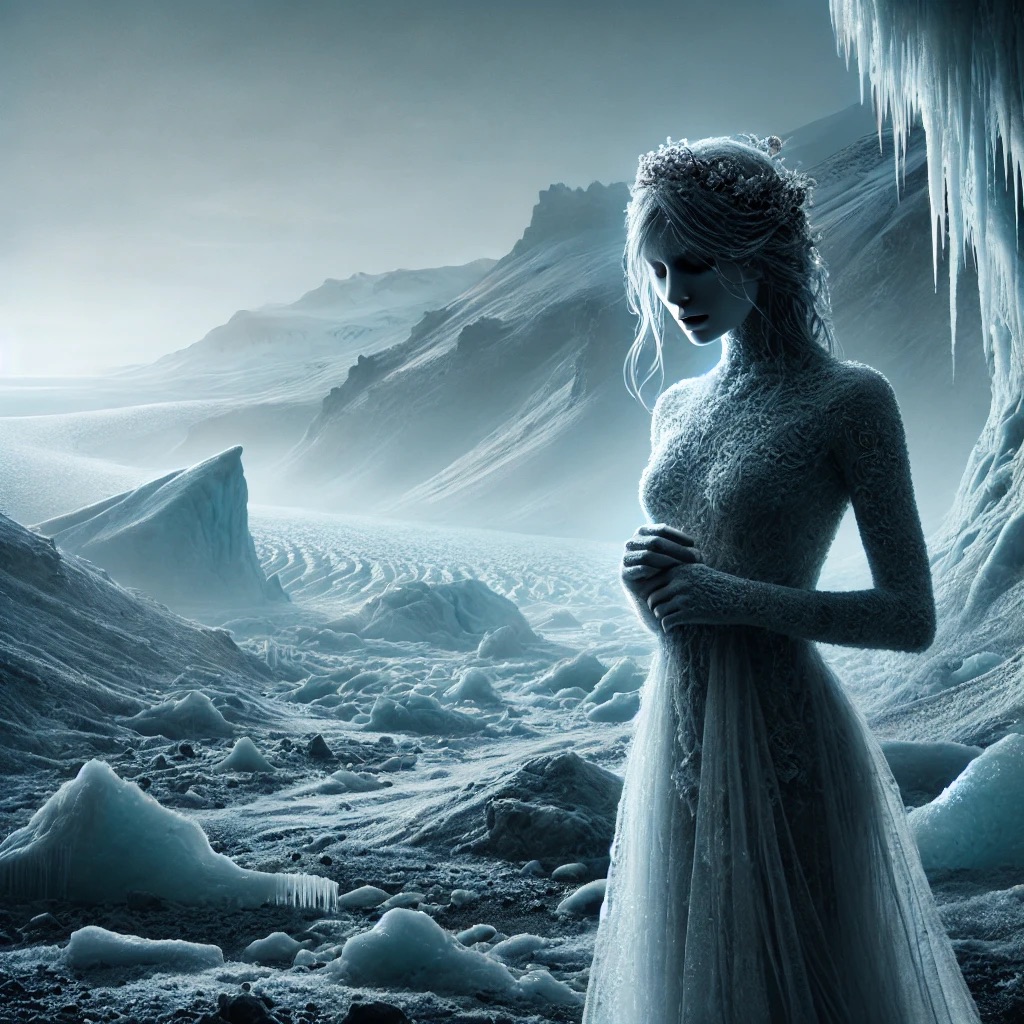
Kavan’s portrayal of the girl is both haunting and disturbing. She is often depicted as a victim, subjected to violence and abuse. Yet, she also possesses an otherworldly quality, a sense of fragility and beauty that makes her both alluring and unattainable. This duality adds to the novel’s sense of unease, as the reader is left questioning the nature of reality and the true motivations of the characters.
A Reflection of Kavan’s Own Struggles
To fully appreciate “Ice,” it is important to understand the context in which it was written. Anna Kavan, born Helen Woods, was a writer who struggled with mental illness and addiction throughout her life. Her own experiences with depression and drug addiction are reflected in the novel’s themes of isolation and despair.
Kavan’s use of the ice as a metaphor for her own psychological struggles is particularly poignant. The relentless advance of the ice mirrors her own battle with depression, a force that threatens to engulf and destroy her. The novel’s fragmented narrative and dreamlike quality also reflect her own sense of disorientation and detachment from reality.
A Timeless Masterpiece
Despite its bleak themes, “Ice” is a novel that captivates and mesmerizes. Kavan’s prose is both beautiful and haunting, drawing the reader into a world that is both alien and familiar. The novel’s exploration of obsession, control, and the nature of reality is as relevant today as it was when it was first published.
“Ice” is a novel that defies easy interpretation. It is a work that demands to be read and reread, each time revealing new layers of meaning. It is a testament to Kavan’s skill as a writer that she is able to create a world that is both terrifying and mesmerizing, a world that lingers in the mind long after the final page has been turned.

Coda
In the end, “Ice” is a novel that leaves a lasting impression. It is a work of art that challenges the reader to confront their own fears and obsessions. It is a journey into the heart of darkness, a descent into the abyss that is both terrifying and exhilarating.
For those who dare to venture into the world of “Ice,” be prepared for a journey unlike any other. It is a novel that will haunt your dreams and linger in your thoughts, a testament to the power of the written word to evoke the deepest emotions and fears.
So, Fear dwellers, if you are looking for a novel that will challenge and captivate you, look no further than Anna Kavan’s “Ice.” It is a masterpiece of sci-fi horror that will leave you breathless and yearning for more.
Discover more from Fear Planet
Subscribe to get the latest posts sent to your email.
