

Venturing into the vast expanse of science fiction can be a daunting task, with towering giants like Isaac Asimov and Ray Bradbury casting long shadows over the genre. While their works are undoubtedly classics, there exists a treasure trove of hidden gems waiting to be discovered, penned by authors who have flown under the radar of mainstream popularity. These unsung heroes of science fiction have crafted tales that are just as thought-provoking, imaginative, and mesmerizing as their more famous counterparts.

From dystopian thrillers to intergalactic odysseys, this post will take you on a journey to uncover the lesser-known masters of science fiction, introducing you to new authors, books, and ideas that will (hopefully) expand your understanding of the genre and leave you hungry for more. So, power-up your tricorders and get ready to explore the uncharted territories of science fiction, where the unknown awaits and the limits to the imagination doesn’t exist.
Preface: Why You Should Look Beyond the Classics
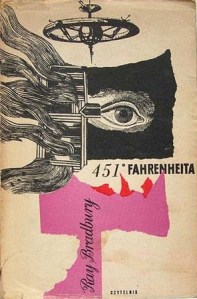
For many of us, the world of science fiction is synonymous with the iconic names of Asimov, Bradbury, and Heinlein. These legendary authors have undoubtedly shaped the genre, leaving an indelible mark on our collective imagination. Their works, such as “I, Robot,” “Fahrenheit 451,” and “Stranger in a Strange Land,” have become synonymous with science fiction itself. However, this reverence for the classics can sometimes lead to a narrow focus, causing us to overlook the incredible wealth of hidden gems that lie beyond the familiar boundaries of these literary giants.


The truth is that science fiction is a vast and diverse genre, with a rich tapestry of voices, styles, and ideas waiting to be discovered. By venturing beyond the familiar names, you’ll uncover a universe of fresh perspectives, innovative storytelling, and thought-provoking themes that will expand your understanding of the genre and challenge your assumptions. In this blog post, we’ll embark on a journey to uncover some of the most remarkable, yet often overlooked, science fiction authors and works that deserve your attention.
Get ready to explore new worlds, encounter fascinating characters, and experience the thrill of discovery that only science fiction can provide!

The Lesser-known Pioneers of Science Fiction
Delving into the realm of science fiction, it’s easy to get caught up in the grandeur of iconic authors like Isaac Asimov and Ray Bradbury, whose works have become synonymous with the genre. However, there exists a vast expanse of pioneering writers who have contributed significantly to the evolution of science fiction, yet remain shrouded in relative obscurity. These forgotten visionaries have not only shaped the course of the genre but have also inspired generations of writers to come.

From the groundbreaking works of Hugo Gernsback, who coined the term “science fiction” and founded the first science fiction magazine, Amazing Stories, to the trailblazing efforts of women like Clare Winger Harris, who penned some of the earliest science fiction stories in the early 20th century, these pioneers have left an indelible mark on the genre. Their innovative ideas, prophetic visions, and daring storytelling have influenced the likes of Asimov, Bradbury, and countless other luminaries of science fiction.

By venturing beyond the familiar names, we uncover a rich tapestry of forgotten classics, hidden gems, and overlooked masterpieces that offer a fresh perspective on the genre. It’s time to rediscover the pioneers who have been hiding in plain sight, and to celebrate their contributions to the ever-expanding universe of science fiction.
Octavia Butler: The Mother of Afrofuturism

In the annals of science fiction, few authors have made as profound an impact as Octavia Butler, a trailblazing writer who boldly defied the genre’s traditional boundaries. Dubbed the “Mother of Afrofuturism,” Butler’s groundbreaking works not only explored the intersection of science fiction, African diasporic culture, and feminism but also challenged the dominant white, male-centric narrative that had long defined the genre. Through her writing, Butler delved into the complexities of power, identity, and social justice, crafting richly nuanced characters that continue to captivate readers today.

With novels like “Kindred” and “Parable of the Sower,” Butler masterfully wove together elements of science fiction, fantasy, and horror to create a unique literary landscape that was both unflinchingly honest and deeply unsettling. Her protagonists, often strong, black women, navigated dystopian landscapes, confronting the darker aspects of human nature and the consequences of unchecked power. Through their struggles, Butler shed light on the experiences of marginalized communities, forcing readers to confront the harsh realities of racism, sexism, and oppression.

Butler’s influence extends far beyond her own writing, inspiring a new generation of science fiction authors, including Nnedi Okorafor, N.K. Jemisin, and Tananarive Due, who have continued to push the boundaries of the genre. As a result, her legacy has become a beacon, illuminating the path for a more diverse, inclusive, and vibrant science fiction landscape.
Exploring the Works of Joanna Russ and Feminist Science Fiction
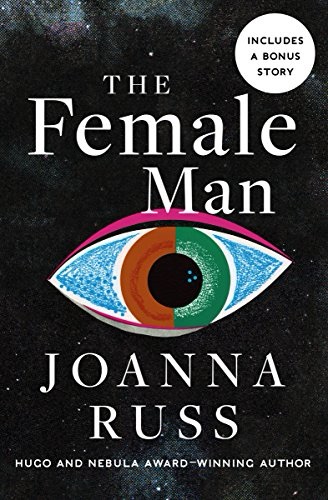
As we delve deeper into the realm of science fiction, we find ourselves at the threshold of a revolution that has been quietly simmering beneath the surface. Feminist science fiction, a genre that has long been overlooked and underappreciated, is finally getting the recognition it deserves. And at the forefront of this movement is the trailblazing work of Joanna Russ. A celebrated author, critic, and academic, Russ’s writing is a testament to the power of feminist thought in shaping the narrative of science fiction.

With her groundbreaking novel “The Female Man” (1975), Russ boldly challenged the patriarchal norms that had long dominated the genre. This seminal work, a blend of science fiction, fantasy, and social commentary, follows the lives of four women, each living in different parallel universes, as they navigate the complexities of gender, identity, and power. Through her characters, Russ masterfully deconstructs the notion of femininity, exposing the inherent biases and stereotypes that have long confined women to predetermined roles.

Russ’s work is not only a testament to her own genius but also a reflection of the broader feminist movement of the 1960s and 1970s. Her writing is a call to arms, urging readers to question the status quo and challenge the dominant narratives that have shaped our understanding of the world. By exploring the intersection of science fiction and feminism, Russ’s work opens up new avenues for thought, sparking conversations about the role of women in society, the consequences of technological advancements, and the very fabric of human identity.

As we venture further into the realm of feminist science fiction, we find ourselves surrounded by a diverse array of voices, each one adding its own unique perspective to the genre. From the lyrical prose of Ursula K. Le Guin to the provocative explorations of Octavia Butler, the landscape of science fiction is forever changed by the presence of these trailblazing women. And at the heart of this revolution lies the groundbreaking work of Joanna Russ, a testament to the transformative power of feminist thought in shaping the narrative of science fiction.
The Visionary Worlds of Samuel R. Delany

As we blast deeper into the uncharted territories of science fiction, we come across a visionary mastermind who has been pushing the boundaries of the genre for over five decades. Samuel R. Delany, a towering figure in the realm of science fiction, has created worlds that are at once mesmerizing, unsettling, and thought-provoking. With a career spanning over 50 years, Delany has crafted a unique brand of science fiction that defies categorization, blending elements of mythology, philosophy, and social commentary.
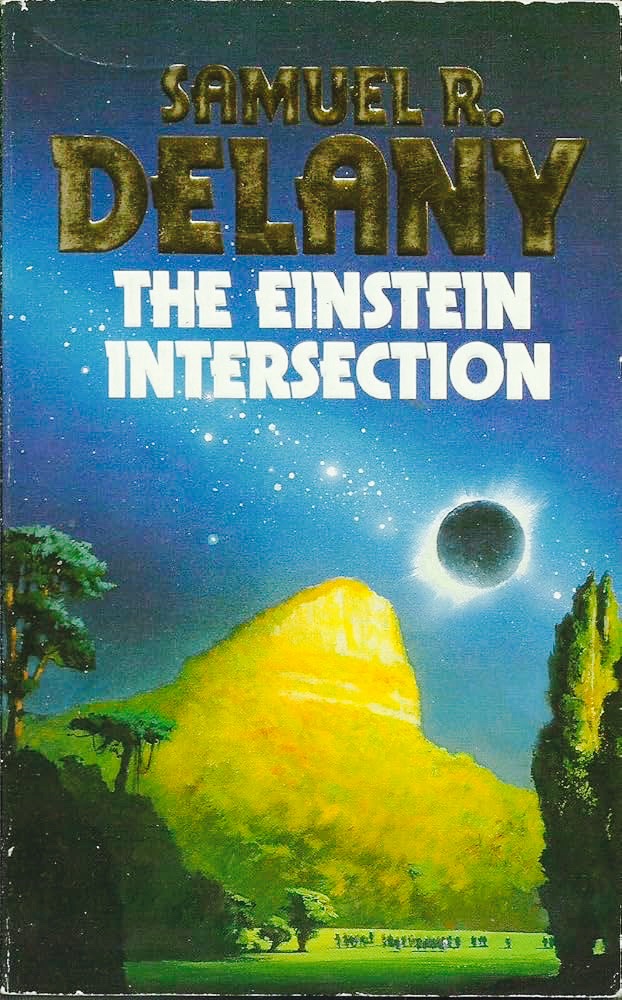
Delany’s works are a testament to his boundless imagination, which has given birth to some of the most fascinating and complex fictional universes. His writing is a masterclass in world-building, where the boundaries between reality and fantasy are blurred, and the reader is transported to realms that are both familiar and strange. From the sprawling, intricately detailed metropolis of Bellona in “Dhalgren” to the surreal, dreamlike landscapes of “The Einstein Intersection”, Delany’s worlds are a marvel to behold.

What sets Delany apart from his contemporaries is his unwavering commitment to exploring the human condition, often through the lens of queer theory, postcolonialism, and critical race theory. His works are not just exercises in science fiction, but rather a deep dive into the complexities of human identity, culture, and society. As a result, his fiction is both a reflection of our collective anxieties and a beacon of hope for a more inclusive, equitable future.

Discovering the Cyberpunk Masters: Bruce Sterling and Rudy Rucker
As we delve deeper into the realm of science fiction, we find ourselves in the midst of a revolution – a cyberpunk revolution, to be precise. This subgenre, characterized by its gritty, high-tech, and often dystopian themes, has captivated readers and inspired new waves of writers. Among the pioneers of this movement are two visionaries: Bruce Sterling and Rudy Rucker. These cyberpunk masters have not only pushed the boundaries of science fiction but have also redefined the genre, leaving an indelible mark on the literary landscape.

Bruce Sterling, the author of seminal works like “Heavy Weather” and “Islands in the Net”, is renowned for his prophetic visions of a future where technology and humanity are inextricably intertwined. His writing is a masterclass in world-building, weaving intricate narratives that explore the consequences of emerging technologies on society. Sterling’s unique blend of social commentary, political satire, and philosophical introspection has earned him a devoted following among science fiction enthusiasts.

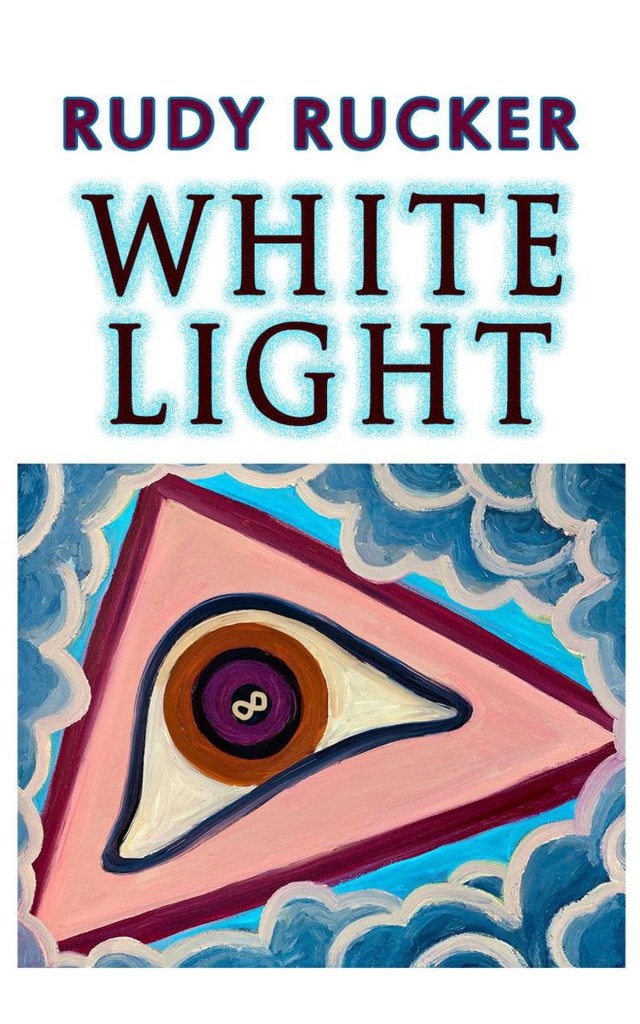
Rudy Rucker, on the other hand, is the master of blending science fiction with surrealism and humor. His novels, such as “White Light” and “Spaceland”, are a testament to his boundless creativity, as he explores the frontiers of artificial intelligence, virtual reality, and interdimensional travel. Rucker’s writing is a kaleidoscope of ideas, a dizzying array of concepts that will leave you questioning the very fabric of reality.

Together, Sterling and Rucker have expanded the scope of science fiction, inspiring a new generation of writers to explore the uncharted territories of cyberpunk. Their works are a testament to the genre’s versatility, pushing the boundaries of what is possible and challenging readers to reexamine their understanding of the world and its future.
The Hidden Gems of Modern Science Fiction
As we venture beyond the familiar terrain of Asimov and Bradbury, we find ourselves in a vast, uncharted expanse of modern science fiction, teeming with hidden gems waiting to be discovered. Here, the boundaries of the genre are pushed to their limits, and the possibilities are endless. In this realm, authors are not afraid to experiment, to challenge, and to subvert our expectations. They highlight the complexities of humanity, the consequences of technological advancements, and the intricacies of the human condition.
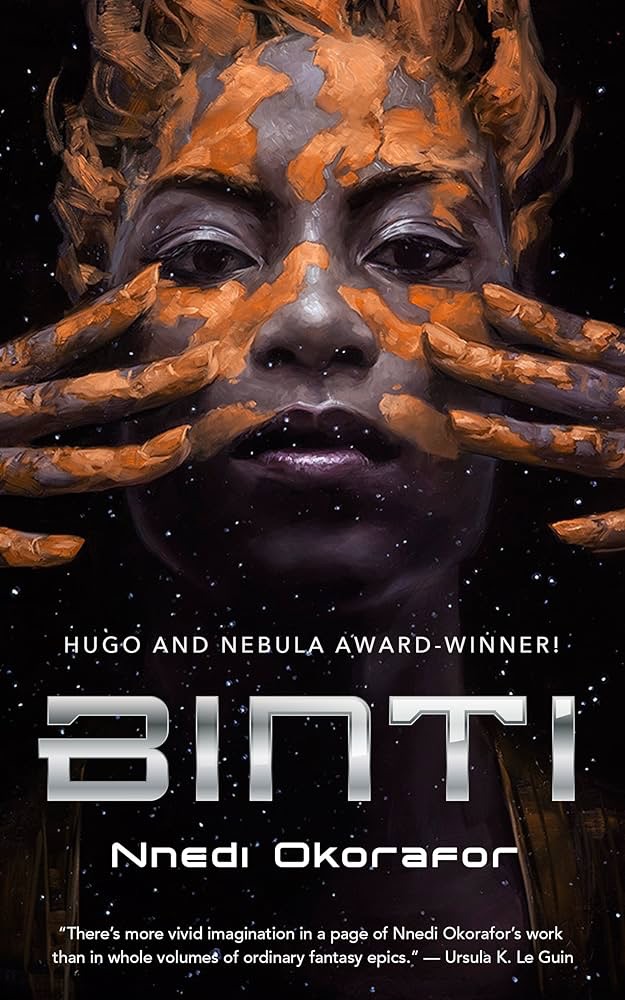
From the neuro-diverse protagonists of Nnedi Okorafor’s “Binti” series to the eco-feminist dystopia of N.K. Jemisin’s “Broken Earth” trilogy, these modern masters of science fiction are redefining the genre and expanding its scope. With each turn of the page, they invite us to confront the unknown, to question our assumptions, and to reimagine the future. In this section, we’ll embark on a journey to uncover the hidden gems of modern science fiction, and discover the authors who are shaping the genre’s future.

Nnedi Okorafor: Bringing African Culture to the Forefront
In the vast expanse of science fiction, few authors have managed to weave together the rich tapestry of African culture, mythology, and futurism with the same level of mastery as Nnedi Okorafor. This Nigerian-American writer has been quietly revolutionizing the genre, breathing new life into the traditional sci-fi narrative with her unique blend of African diasporic culture, folklore, and futuristic imagination.

Okorafor’s works are a testament to the power of diverse perspectives in science fiction. Her novels, such as the Hugo and Nebula Award-winning “Binti” trilogy, transport readers to a world where African culture is not just a backdrop, but a vibrant, living, breathing entity that informs the very fabric of the story. With each page, Okorafor conjures up a richly detailed universe that is at once familiar and strange, inviting readers to immerse themselves in the rhythms and cadences of African culture.
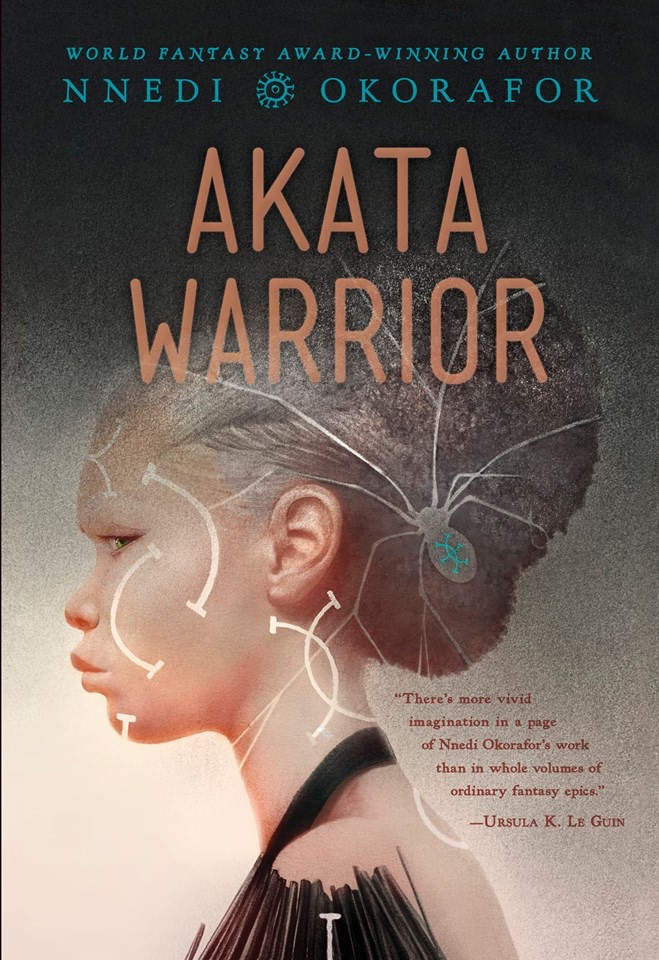
From the mystical powers of the Himba people to the futuristic cities of a post-apocalyptic Africa, Okorafor’s writing is a masterclass in world-building, seamlessly blending the boundaries between science fiction, fantasy, and mythology. Her characters are multidimensional, complex, and deeply human, grappling with the same universal themes of identity, belonging, and purpose that resonate with readers of all backgrounds.
Cixin Liu: The Rise of Chinese Science Fiction
As the curtains of Western dominance in science fiction slowly draw open, a new wave of authors from diverse backgrounds is emerging, bringing with them fresh perspectives and unique voices. One such trailblazer is Cixin Liu, the Chinese science fiction author who has been making waves globally with his thought-provoking and imaginative works. Liu’s rise to fame is a testament to the growing influence of Chinese science fiction, a genre that has been thriving in the shadows for decades.
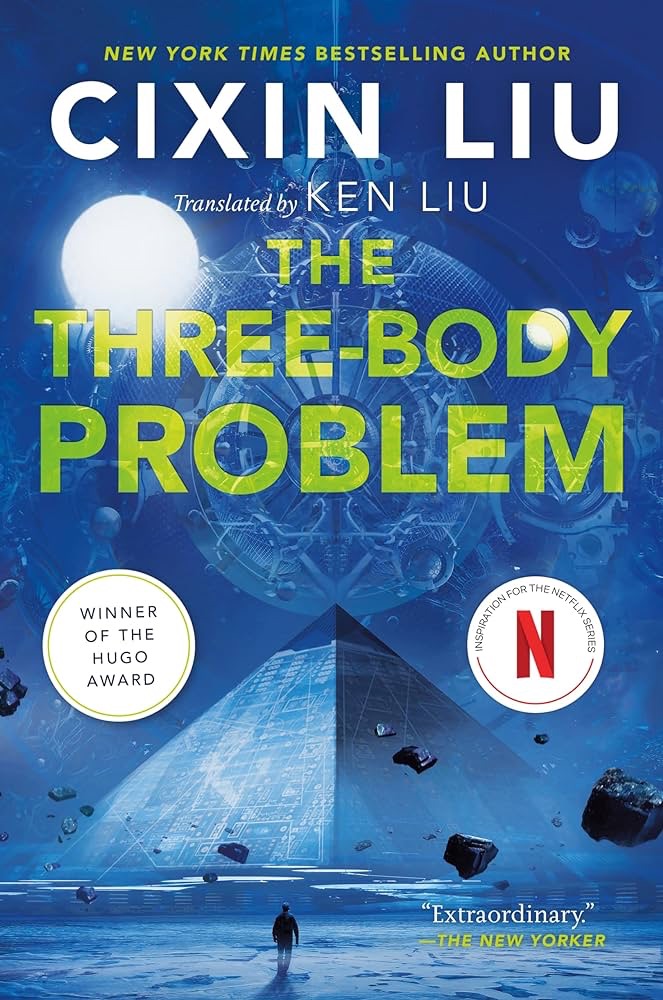
With his debut novel “The Three-Body Problem”, Liu burst onto the international scene, earning the Hugo Award for Best Novel in 2015. This groundbreaking trilogy, which includes “The Dark Forest” and “Death’s End”, has been hailed as a masterpiece of science fiction, delving into the complexities of first contact with an alien civilization. Liu’s work is not only a testament to his mastery of the genre but also an exploration of China’s complex history, cultural identity, and its place in the modern world.
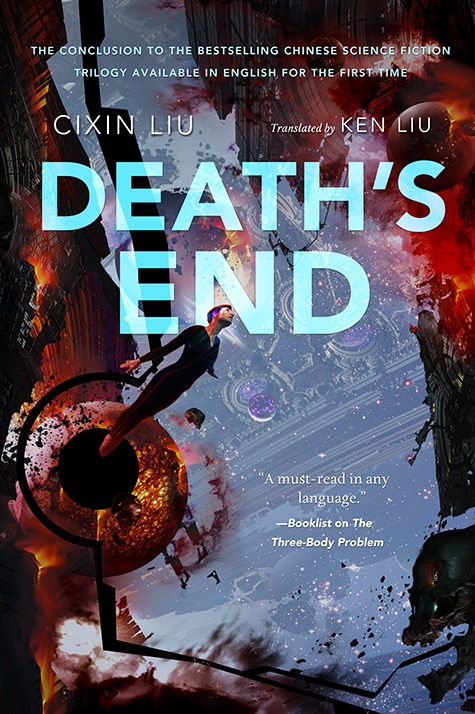
Through his writing, Liu has opened doors to a new era of science fiction, one that is no longer defined by the traditional Western narrative. His success has paved the way for other Chinese authors, such as Hao Jingfang and Xia Jia, to gain international recognition, and has sparked a renewed interest in the rich and diverse world of Chinese science fiction. As the genre continues to evolve, Cixin Liu’s contributions will undoubtedly remain a beacon of inspiration, guiding readers and writers alike into the uncharted territories of the future.
Where to Start: A Beginner’s Guide to Reading Hidden Gem Authors
Embarking on a journey to discover the hidden gems of science fiction can be a daunting task, especially for those who are new to the genre. With a vast array of authors, books, and sub-genres to explore, it’s easy to feel overwhelmed. But fear not, dear reader! This beginner’s guide is designed to provide a gentle introduction to the world of science fiction, pointing you in the direction of some of the most incredible, yet lesser-known authors and their works.
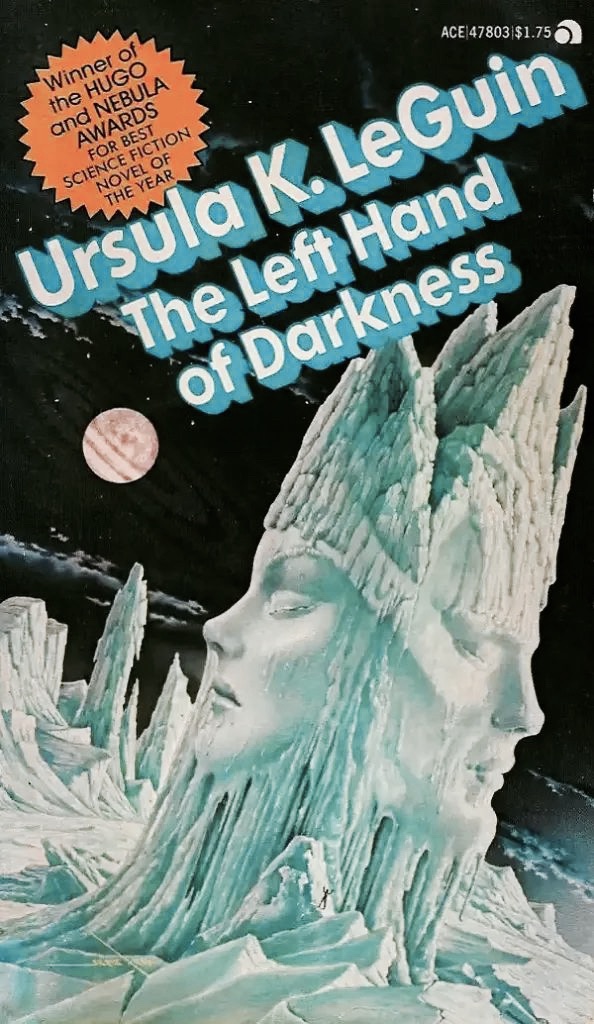
Start by exploring the shelves of your local library or bookstore, where you’ll likely stumble upon authors like Ursula K. Le Guin, Octavia Butler, and Joanna Russ. These pioneers of science fiction have written some of the most thought-provoking and imaginative works in the genre, and their books are often easily accessible.

Next, venture into the world of online forums and communities, where you’ll find a wealth of recommendations and discussions about science fiction authors and books. Websites like Goodreads, Reddit’s r/scifi, and online forums dedicated to science fiction can provide a treasure trove of suggestions and insights from fellow readers.
Finally, don’t be afraid to explore beyond the boundaries of traditional science fiction. Delve into the realms of fantasy, horror, and speculative fiction, where you’ll often find authors who blend genres and push the boundaries of storytelling. By following these steps, you’ll be well on your way to uncovering the hidden gems of science fiction and discovering a new world of authors and books that will leave you spellbound.
The Influence of Hidden Gems on the Science Fiction Genre
The influence of hidden gems on the science fiction genre cannot be overstated. While Asimov and Bradbury may have paved the way for the genre, it’s the lesser-known authors who have quietly pushed the boundaries, challenging conventions and inspiring new generations of writers. These hidden gems have not only expanded the scope of science fiction but have also infused it with fresh perspectives, ideas, and styles. They have tackled complex themes, such as social commentary, environmentalism, and existentialism, adding depth and nuance to the genre.

Moreover, their works have often served as a catalyst for the evolution of sub-genres, such as cyberpunk, biopunk, and solarpunk, which have further enriched the science fiction landscape. By uncovering these hidden gems, we not only gain a deeper appreciation for the genre’s diversity but also discover new inspirations, new worlds, and new ideas that continue to shape the course of science fiction.
Coda
As we’ve meandered through the vast expanse of science fiction, venturing beyond the iconic works of Asimov, Clarke, and Bradbury, we’ve uncovered a treasure trove of hidden gems that await discovery. These lesser-known authors, novels, and series offer a fresh perspective on the genre, often pushing the boundaries of what we thought was possible in the realm of science fiction.
By exploring beyond the classics, you’ll not only expand your understanding of the genre but also discover new voices, ideas, and worlds that will resonate with you on a deeper level. You’ll find that the themes, characters, and narratives that resonate with you today are not limited to the pioneers of the genre, but are instead being continued and evolved by a new generation of authors.
Moreover, delving into the hidden gems of science fiction will allow you to experience the genre in a more nuanced and diverse way. You’ll encounter unique perspectives, styles, and approaches that will challenge your assumptions and broaden your horizons. You’ll discover that science fiction is not just about robots, space travel, and dystopian futures, but about exploring the human condition, questioning the status quo, and imagining a better tomorrow.
So, Fear Planet urges you to take the leap and venture beyond the familiar shores of the visages plastered on the Mt. Rushmore of SF. There’s a vast, uncharted territory of science fiction waiting to be explored, and we’re confident you’ll find the journey well worth it.

Discover more from Fear Planet
Subscribe to get the latest posts sent to your email.
