
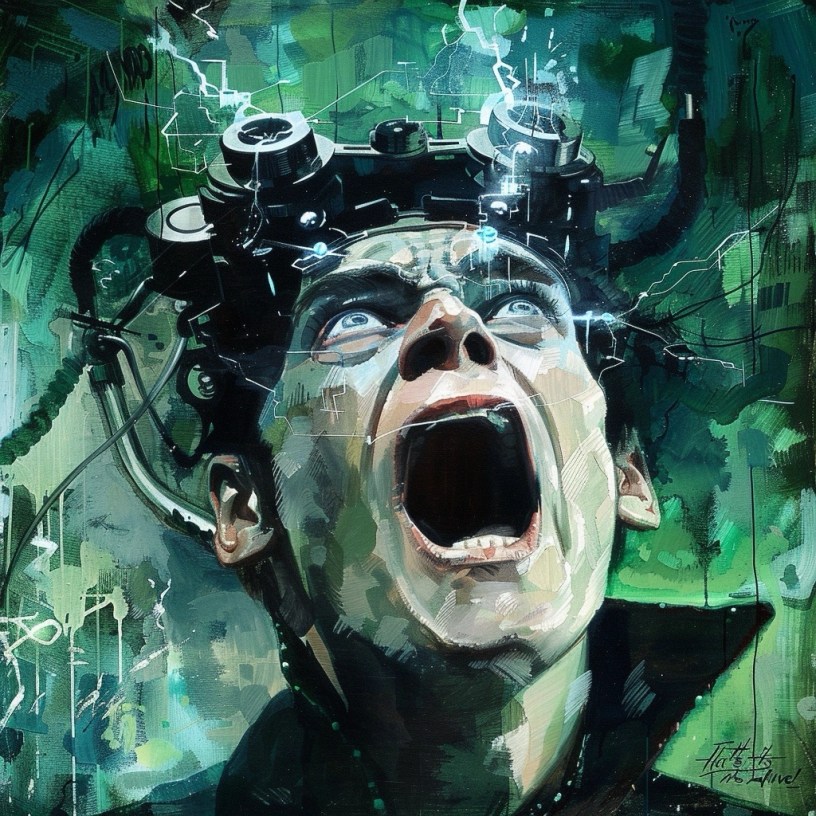
In the myriad dimensions of fiction and film, few character archetypes capture our imagination quite like the mad scientist. These deranged geniuses, with their wild hair, maniacal laughs, and questionable ethics, have become iconic figures in popular culture. They embody our fascination with the potential of science and our fear of its misuse.
Today, we’re diving into the world of beakers, Tesla coils, and unhinged brilliance to explore the top 20 mad scientists who have left an indelible mark on our collective psyche. Buckle up, dear reader, for a journey through the minds of fiction’s most delightfully deranged intellectuals!
1. Dr. Victor Frankenstein
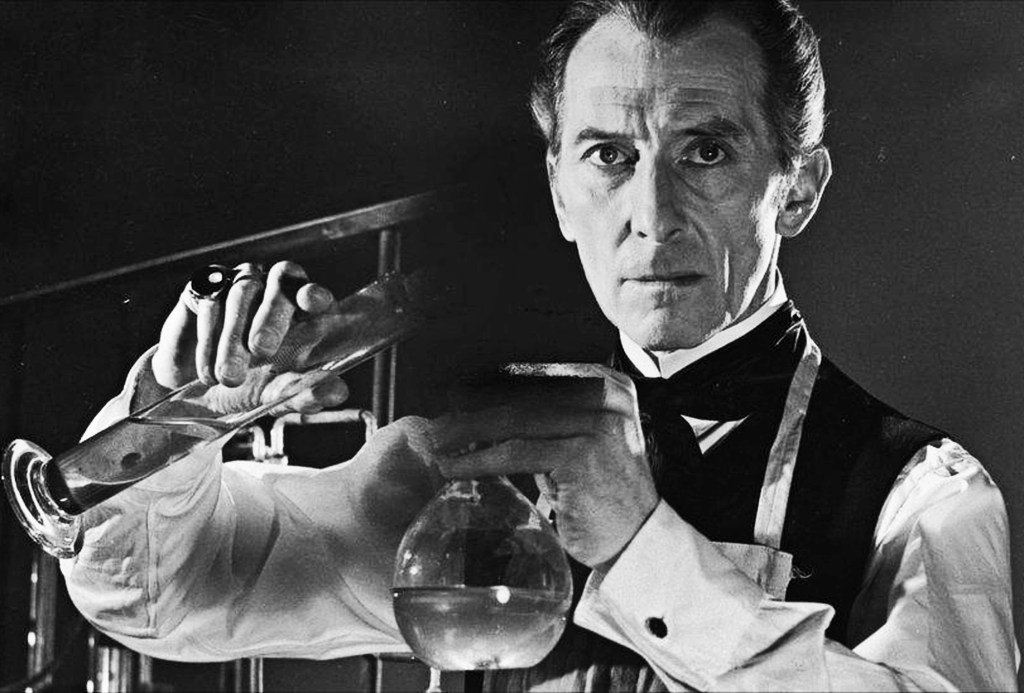
No list of mad scientists would be complete without the OG himself, Dr. Victor Frankenstein. Mary Shelley’s 1818 novel “Frankenstein; or, The Modern Prometheus” introduced us to this ambitious young scientist who dared to play God by creating life from death. Frankenstein’s monster became a cultural icon, but it’s the doctor’s hubris and subsequent horror at his own creation that truly define the mad scientist archetype.

Fun fact: Shelley was inspired to write “Frankenstein” during a ghost story competition with Lord Byron and her future husband, Percy Bysshe Shelley. Talk about a productive vacation!
2. Dr. Henry Jekyll (and Mr. Hyde)

Robert Louis Stevenson’s 1886 novella “Strange Case of Dr. Jekyll and Mr. Hyde” gave us the ultimate split personality. Dr. Jekyll’s experiments in separating the good and evil sides of human nature resulted in the monstrous Mr. Hyde. This tale of a scientist consumed by his own creation has been adapted countless times, cementing Jekyll’s place in the mad scientist hall of fame.
3. Dr. Moreau
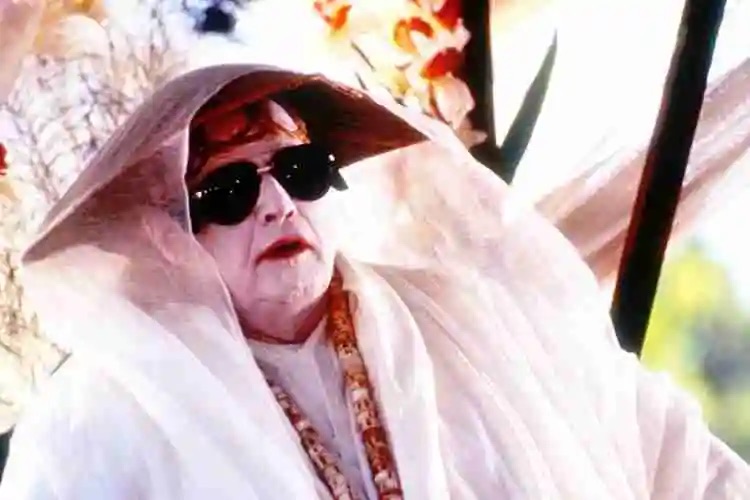
H.G. Wells’ 1896 novel “The Island of Dr. Moreau” introduced us to a mad scientist who took genetic engineering to horrifying extremes. Dr. Moreau’s experiments in creating human-animal hybrids on a remote island pushed the boundaries of science and ethics. His character serves as a cautionary tale about the dangers of unchecked scientific ambition.
4. Dr. Julius No
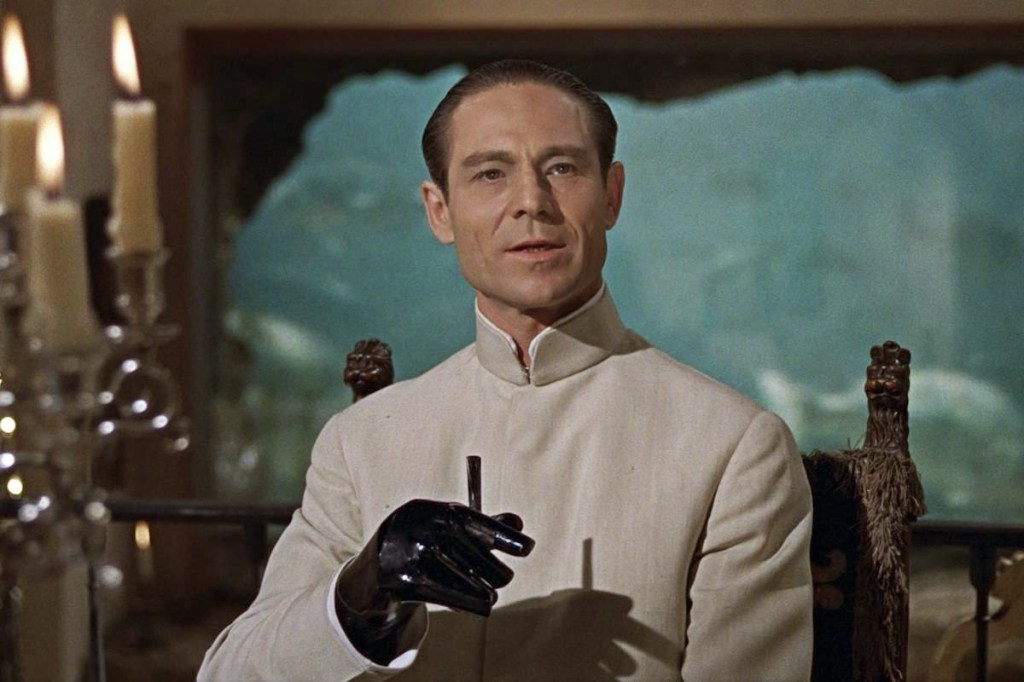
Ian Fleming’s James Bond novels gave us many memorable villains, but Dr. Julius No stands out as a quintessential mad scientist. With his metal hands and nuclear reactor, Dr. No embodies the Cold War era’s fears of science gone wrong. His appearance in the first Bond film, “Dr. No” (1962), set the standard for many Bond villains to come.
5. Dr. Emmett “Doc” Brown
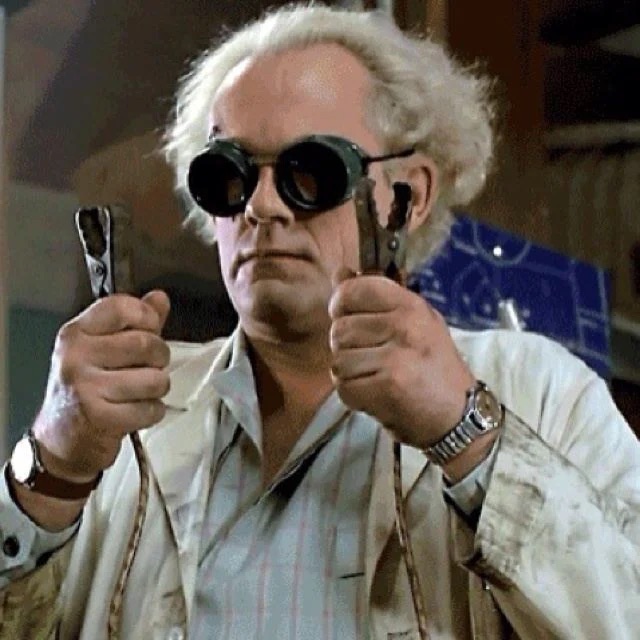
Not all mad scientists are villains! Christopher Lloyd’s portrayal of Dr. Emmett Brown in the “Back to the Future” trilogy (1985-1990) gave us a lovable, eccentric genius whose time-travel experiments led to some of cinema’s most beloved adventures. With his wild white hair and catchphrase “Great Scott!”, Doc Brown became the friendly face of mad science for a generation.
6. Dr. Herbert West
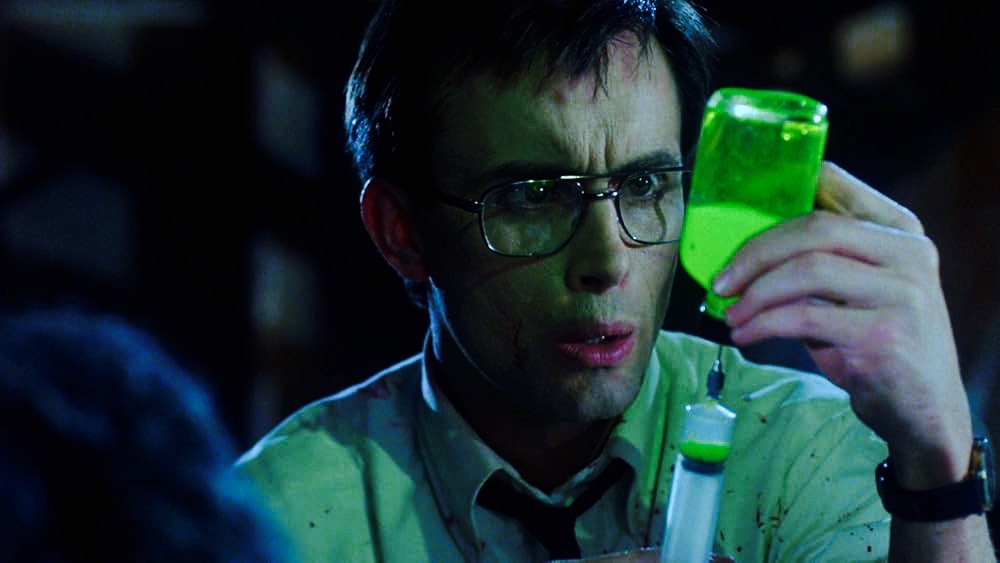
H.P. Lovecraft’s short story “Herbert West–Reanimator” (1922) introduced us to a medical student obsessed with conquering death. Dr. West’s experiments in reanimating corpses lead to increasingly horrific results. The character gained wider recognition through the cult classic film “Re-Animator” (1985), where Jeffrey Combs’ manic performance perfectly captured West’s single-minded pursuit of scientific breakthrough at any cost.
7. Dr. Strangelove
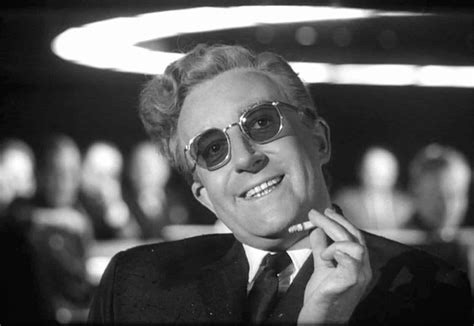
Stanley Kubrick’s 1964 black comedy “Dr. Strangelove or: How I Learned to Stop Worrying and Love the Bomb” gave us one of cinema’s most memorable mad scientists. Peter Sellers’ portrayal of the wheelchair-bound, Nazi-sympathizing nuclear war expert Dr. Strangelove is a masterclass in dark humor. His barely contained glee at the prospect of nuclear annihilation perfectly encapsulates the film’s satirical take on Cold War paranoia.
8. Seth Brundle

David Cronenberg’s 1986 remake of “The Fly” transformed the 1958 B-movie into a body horror classic. Jeff Goldblum’s portrayal of Seth Brundle, a scientist whose teleportation experiment goes horribly wrong when he accidentally merges with a housefly, is both tragic and terrifying. Brundle’s gradual transformation from brilliant scientist to grotesque human-insect hybrid is a masterpiece of practical effects and a cautionary tale about the dangers of rushing scientific progress.
9. Dr. Elsa Kast and Clive Nicoli
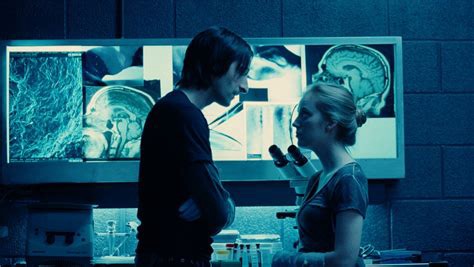
Vincenzo Natali’s 2009 sci-fi horror film “Splice” gave us not one, but two mad scientists for the price of one. Adrien Brody and Sarah Polley play geneticists who create a human-animal hybrid in secret. Their creation, Dren, grows rapidly and develops complex emotions, leading to a series of increasingly disturbing events. Kast and Nicoli’s descent from respected scientists to morally compromised experimenters is a chilling exploration of scientific ethics in the age of genetic engineering.
10. Dr. Clayton Forrester
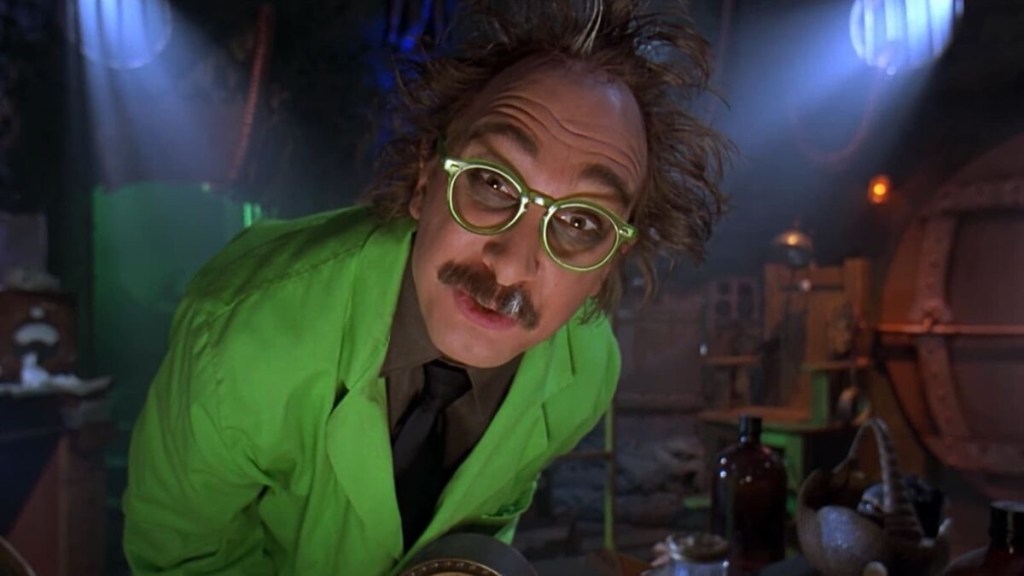
For fans of “Mystery Science Theater 3000,” Dr. Clayton Forrester is the mad scientist who started it all. Played by Trace Beaulieu, Forrester’s plan to take over the world by subjecting humanity to the worst movies ever made is delightfully absurd. His green lab coat, glasses, and wild hair became iconic, perfectly embodying the show’s playful take on the mad scientist trope.
11. Rick Sanchez
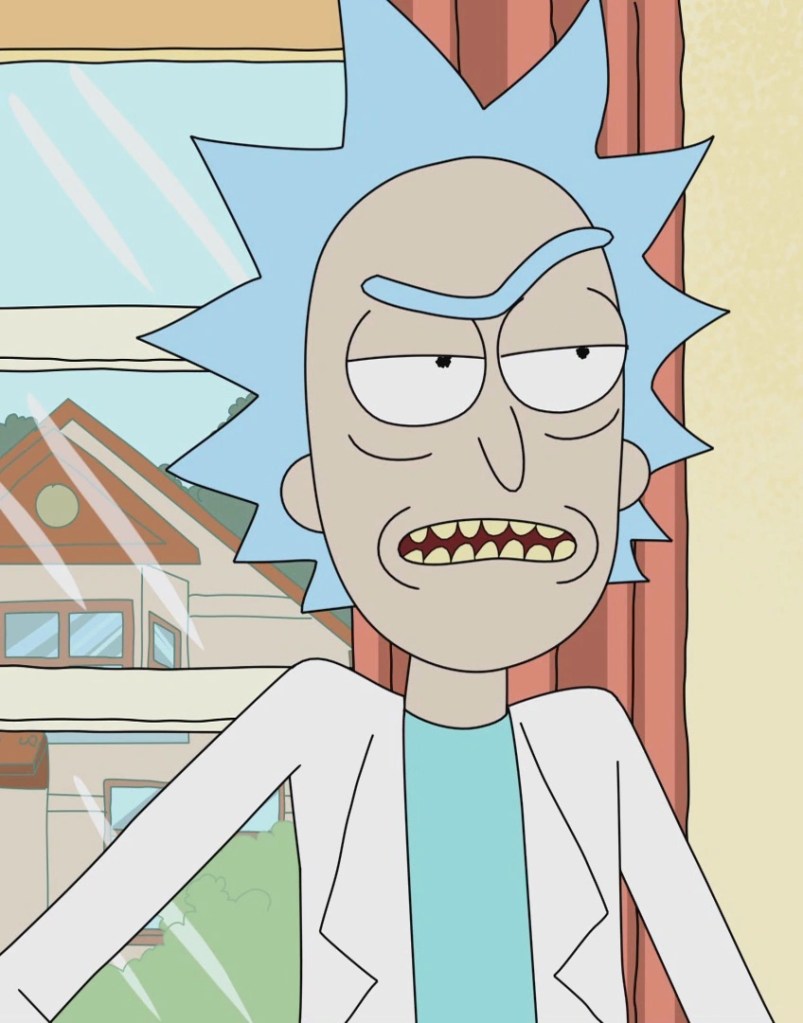
Animation has given us some truly memorable mad scientists, but few can match the sheer chaos of Rick Sanchez from “Rick and Morty.” Voiced by Justin Roiland, Rick is a dimension-hopping alcoholic genius whose experiments and adventures constantly endanger his family and the multiverse. His catchphrase “Wubba lubba dub dub!” and nihilistic worldview have made him a cultural icon for a new generation of sci-fi fans.
12. Professor Farnsworth
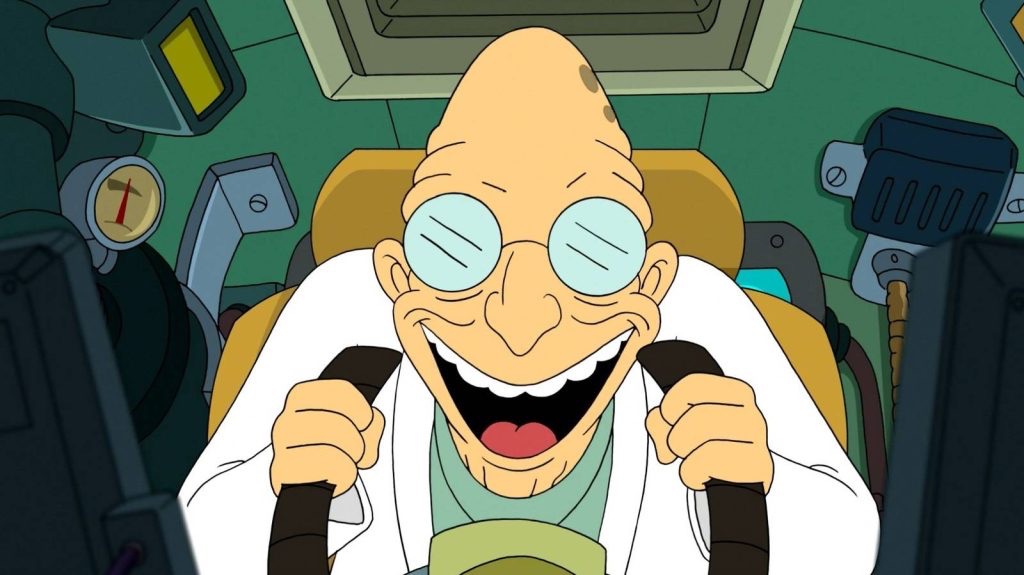
Speaking of animated mad scientists, we can’t forget about Professor Hubert J. Farnsworth from “Futurama.” Voiced by Billy West, the 160-year-old scientist and owner of Planet Express is responsible for countless insane inventions, from the Smell-O-Scope to the What-If Machine. His catchphrase “Good news, everyone!” usually precedes a dangerous mission or experiment, making him one of animation’s most lovable mad scientists.
13. Dr. Arliss Loveless
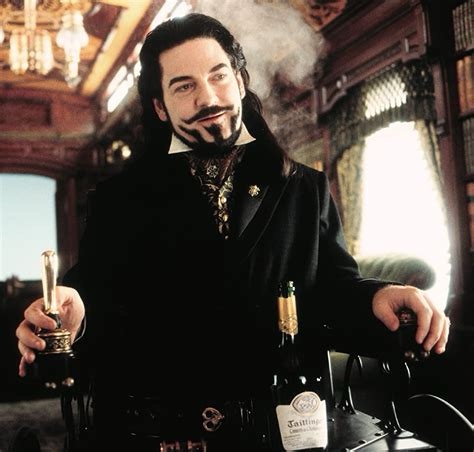
Kenneth Branagh’s portrayal of Dr. Arliss Loveless in the 1999 steampunk western “Wild Wild West” is a delightful blend of camp and menace. A Confederate scientist turned supervillain, Loveless plans to divide the United States using a giant mechanical spider. His flamboyant personality and steampunk gadgets make him a standout example of the mad scientist archetype in a unique setting.
14. Dr. Evil

Mike Myers’ Dr. Evil from the “Austin Powers” franchise is a hilarious parody of every Bond villain and mad scientist trope rolled into one. With his bald head, facial scar, and pinky-to-the-lip gesture, Dr. Evil became an instant pop culture icon. His increasingly ridiculous schemes for world domination and comically low ransom demands (“One million dollars!”) perfectly capture the absurdity of many classic movie villains.
15. Dr. Horrible
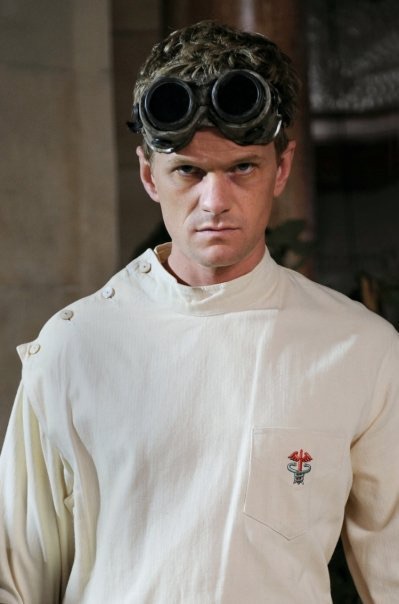
Joss Whedon’s musical web series “Dr. Horrible’s Sing-Along Blog” (2008) gave us one of the most sympathetic mad scientists in pop culture. Neil Patrick Harris stars as the aspiring supervillain Dr. Horrible, whose attempts to join the Evil League of Evil are complicated by his crush on do-gooder Penny. Dr. Horrible’s journey from bumbling villain to tragic antihero is both hilarious and heartbreaking, making him a unique entry in the mad scientist pantheon.
16. Dr. Nefario
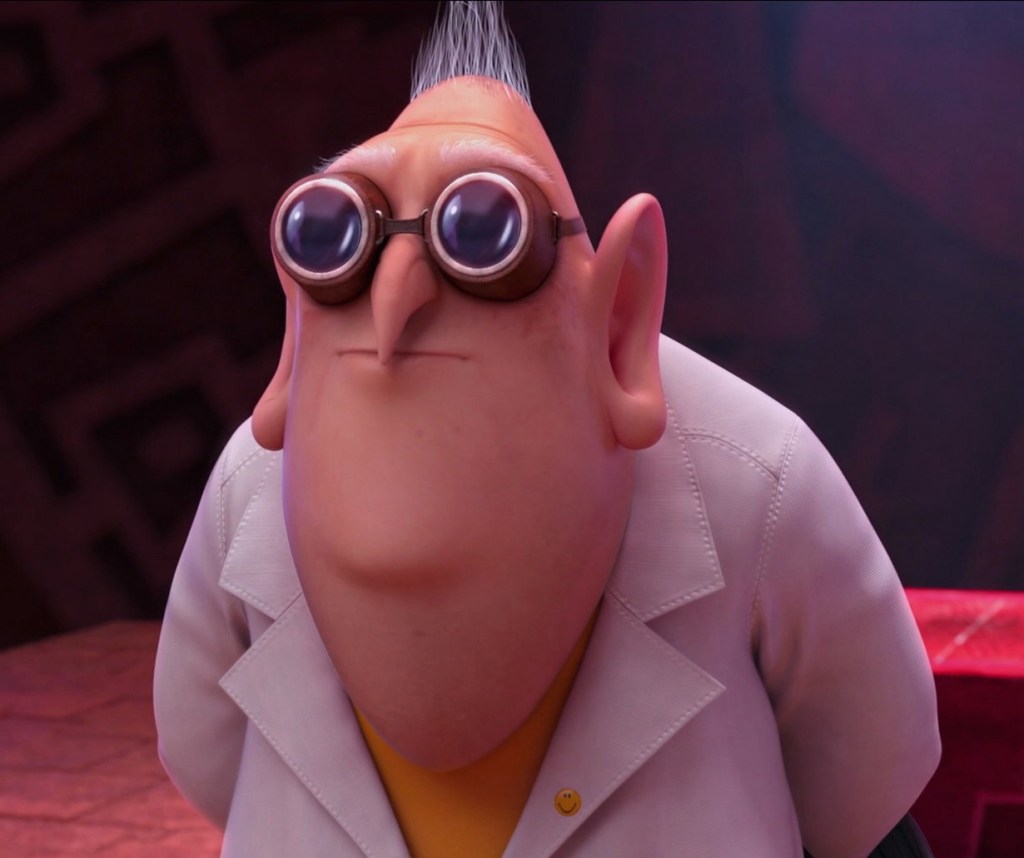
While the Minions may steal the show in the “Despicable Me” franchise, we can’t overlook Gru’s gadget man, Dr. Nefario. Voiced by Russell Brand, this elderly inventor is responsible for creating Gru’s arsenal of villainous devices. From the Freeze Ray to the Fart Gun, Dr. Nefario’s creations are the perfect blend of menace and slapstick, making him a favorite among younger fans of mad science.
17. Dr. Otto Octavius
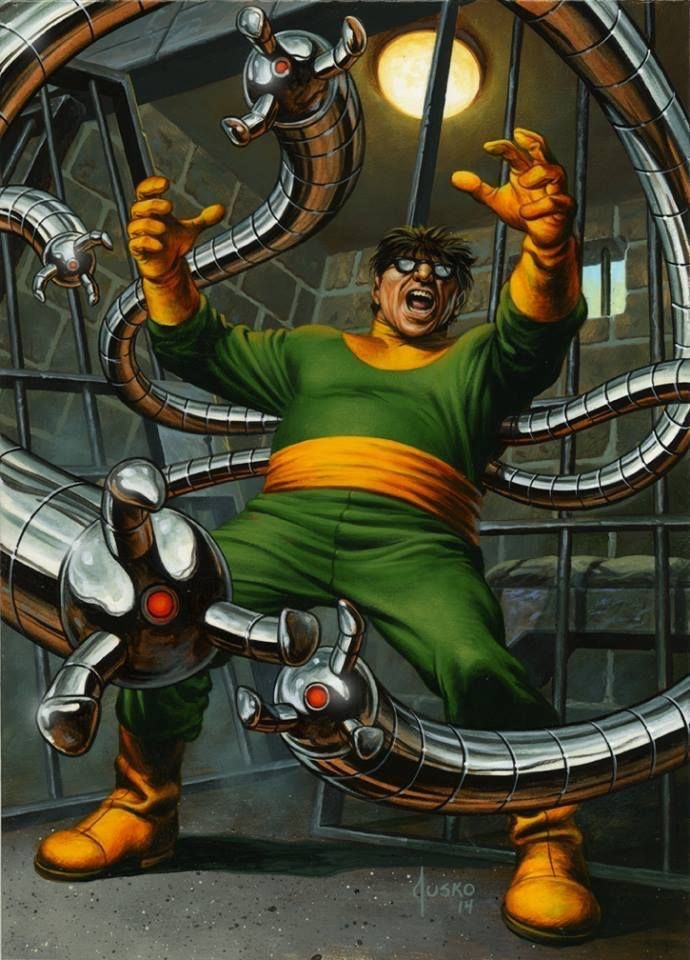
Comic books are full of mad scientists, but few are as tragic as Dr. Otto Octavius, better known as Doctor Octopus. A brilliant nuclear physicist, Octavius becomes fused with his mechanical arms after an accident, leading him down a path of villainy. Alfred Molina’s portrayal in “Spider-Man 2” (2004) and “Spider-Man: No Way Home” (2021) brought depth and pathos to the character, making him one of the most memorable comic book mad scientists on screen.
18. Dr. Poison
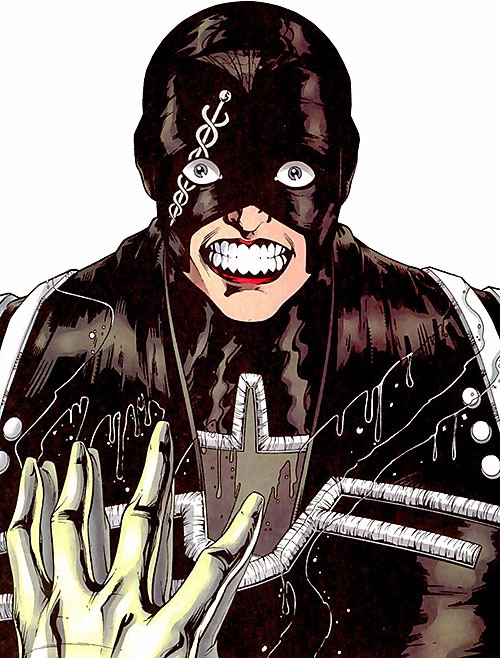
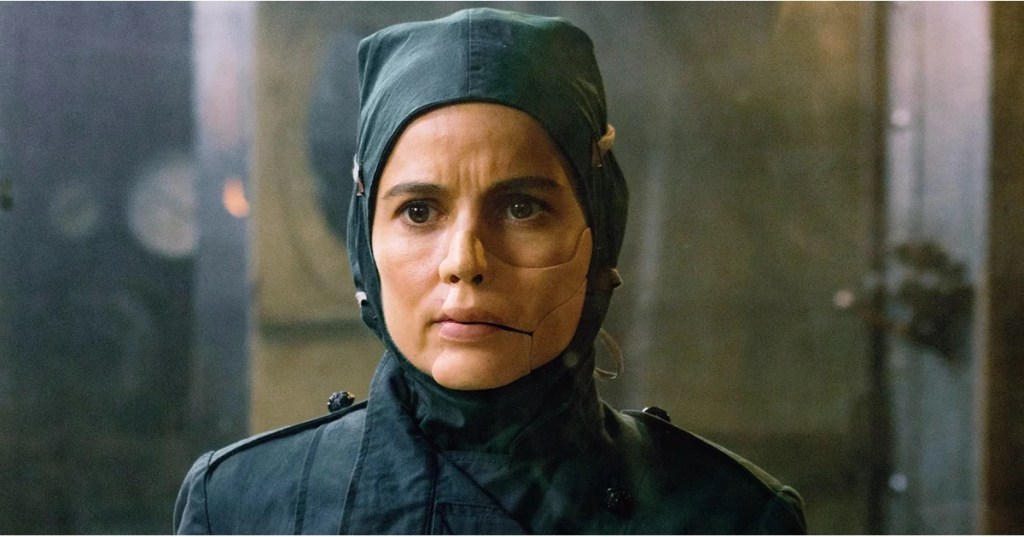
While not as well-known as some entries on this list, Dr. Poison from the Wonder Woman comics (and the 2017 film) deserves recognition. Created in 1942, Dr. Poison was one of the first female mad scientists in comics. Her expertise in chemistry and poisons makes her a formidable foe for Wonder Woman. Elena Anaya’s portrayal in the film, complete with a facial prosthetic to hide chemical burns, brought a chilling intensity to the character.
19. Dr. Egon Spengler

The “Ghostbusters” franchise gave us a team of scientist heroes, but Egon Spengler stands out as the quintessential mad scientist of the group. Played by Harold Ramis, Egon’s deadpan delivery and obsession with the paranormal made him a fan favorite. His willingness to “sacrifice himself testing his equipment” and collect spores, molds, and fungus as a hobby cement his status as a lovable mad scientist.
20. Dr. Rotwang
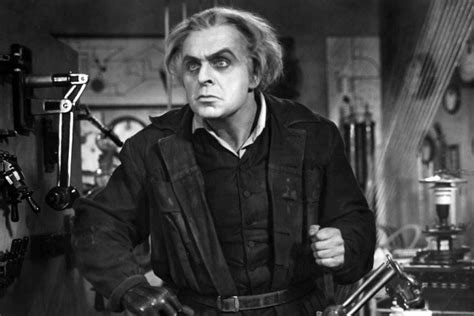
We end our list with one of cinema’s earliest mad scientists, Dr. Rotwang from Fritz Lang’s 1927 silent classic “Metropolis.” With his wild hair, gloved hand, and creation of the film’s iconic female robot, Rotwang set the visual template for many mad scientists to come. His laboratory, with its Tesla coils and strange apparatus, became the standard for mad scientist lairs in film and television for decades.
The Enduring Allure of Mad Science
As we’ve seen from this list, mad scientists come in all shapes and sizes, from tragic antiheroes to comical villains to lovable eccentrics. But what is it about these characters that continue to fascinate us?
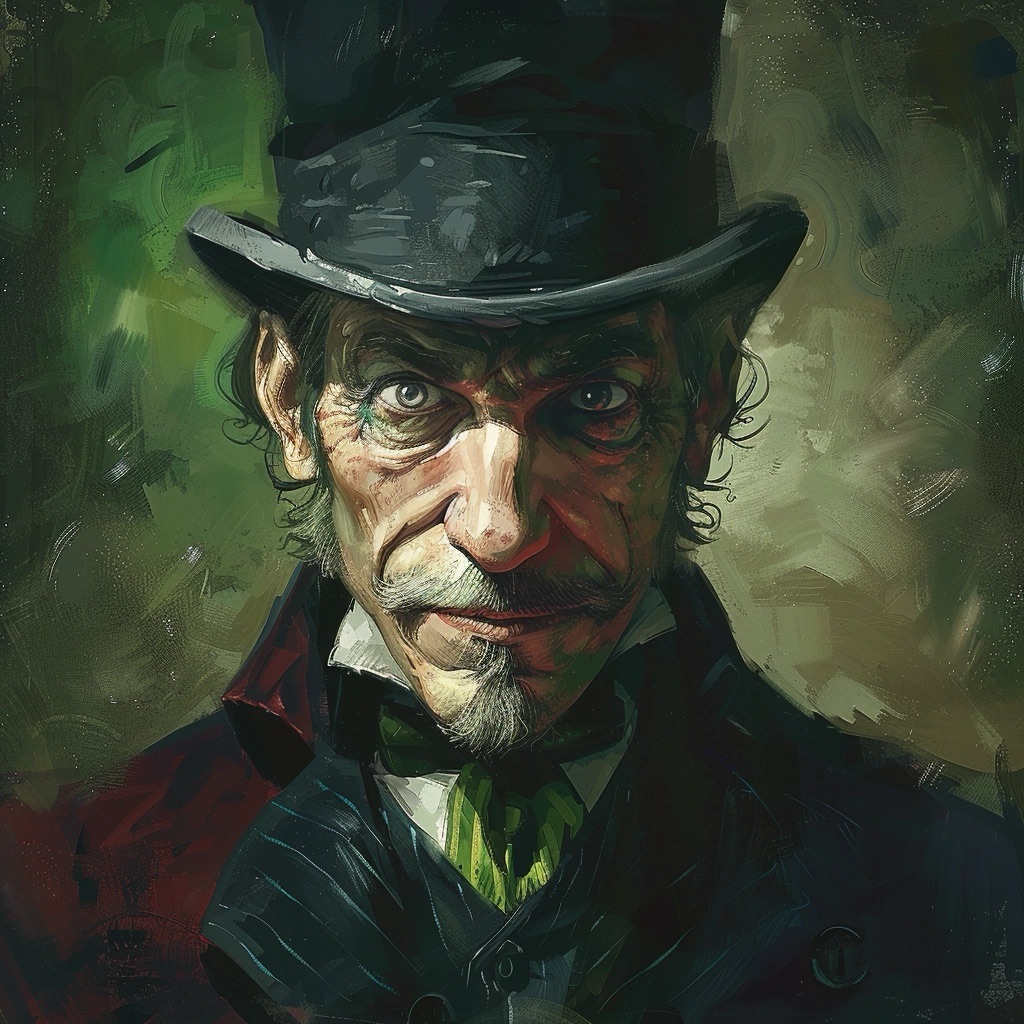
Perhaps it’s because mad scientists represent both the promise and peril of unchecked scientific progress. They embody our awe at the potential of human intellect and our fear of its misuse. In a world where scientific advancements are rapidly changing our lives, mad scientists serve as cautionary tales, reminding us of the importance of ethics in scientific pursuit.
Moreover, mad scientists often serve as proxies for our own desires to break free from societal constraints. Their willingness to defy conventional wisdom and pursue their visions, no matter how outlandish, can be strangely inspiring (even if we don’t condone their methods).
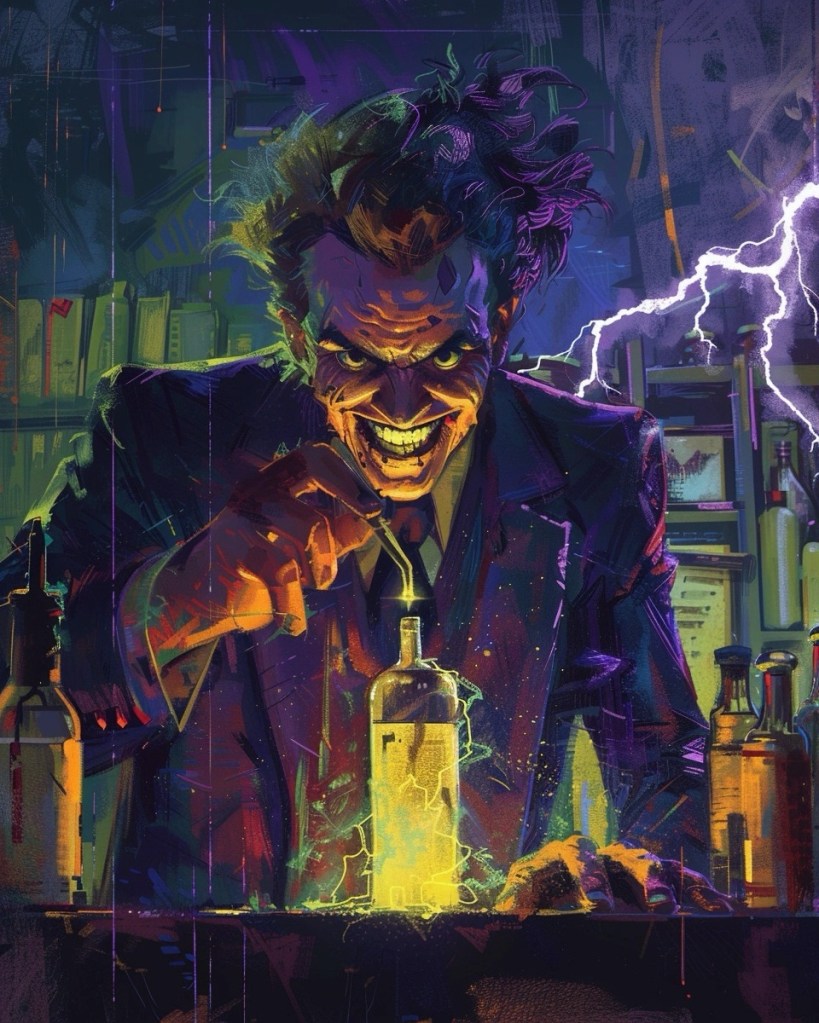
From a storytelling perspective, mad scientists are incredibly versatile characters. They can drive the plot forward with their inventions, serve as compelling villains or antiheroes, provide comic relief, or offer commentary on the role of science in society. This versatility ensures that the mad scientist archetype will continue to evolve and captivate audiences for generations to come.
Coda: The Method in the Madness
As we close the lab door on our exploration of fiction’s top mad scientists, it’s clear that these characters are far more than mere caricatures. They reflect our complex relationship with science and progress, serving as both cautionary tales and aspirational figures.
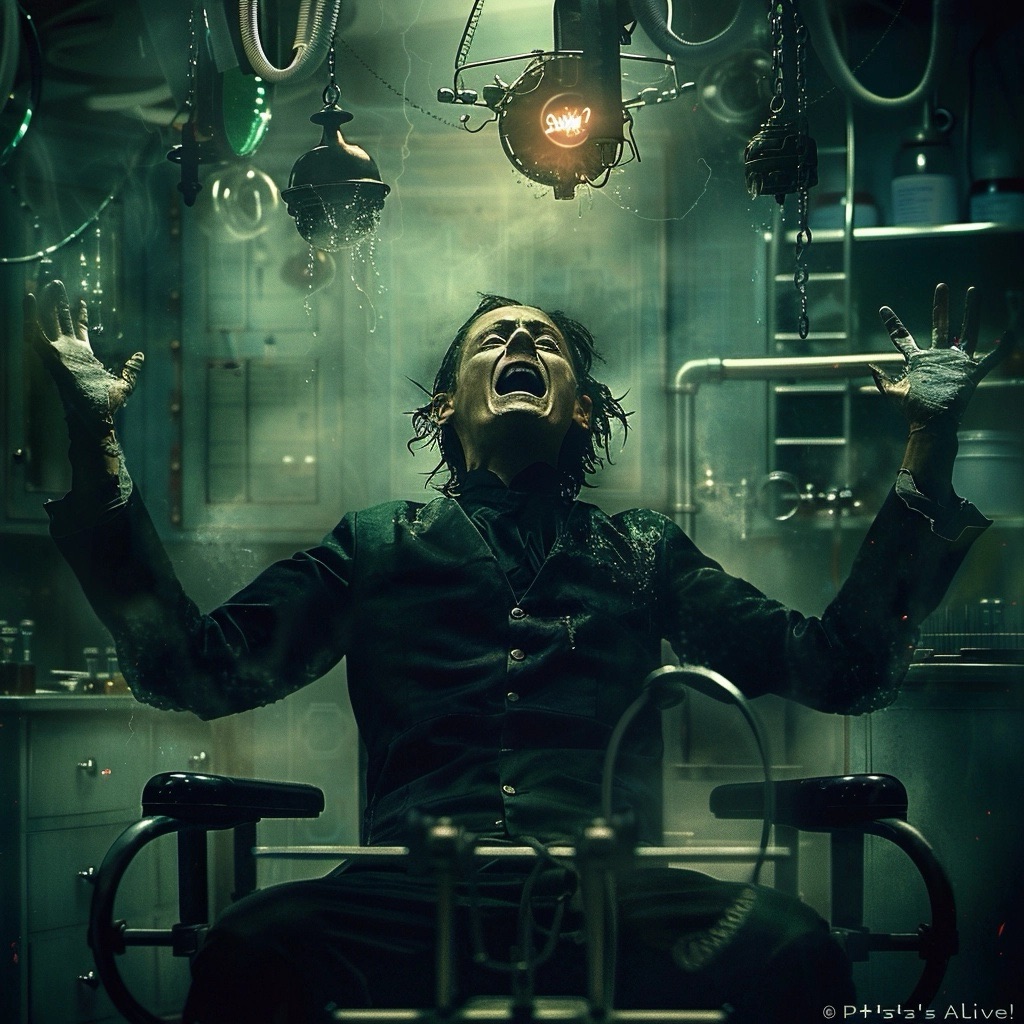
Whether they’re creating life, bending the laws of physics, or simply trying to take over the world, mad scientists continue to push the boundaries of our imagination. They remind us of the thin line between genius and insanity, and the importance of tempering scientific ambition with ethical consideration.
So the next time you encounter a wild-haired, lab coat-wearing character cackling over a bubbling beaker, take a moment to appreciate the rich tradition they’re part of. After all, in the world of fiction, it’s often the “mad” ones who drive the most fascinating stories.
Now, if you’ll excuse me, I have some experiments of my own to attend to. Don’t worry, I promise they’re perfectly safe… mostly.
Discover more from Fear Planet
Subscribe to get the latest posts sent to your email.

Comments are closed.