
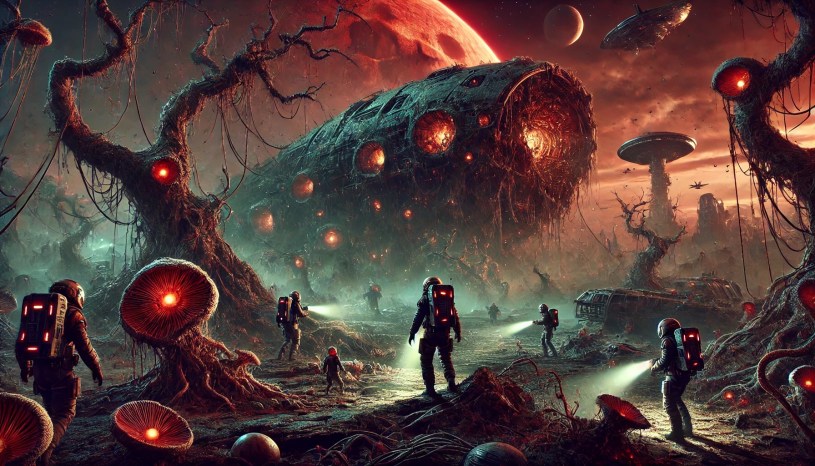
Welcome, void wanderers, to the spine-tingling intersection of science fiction and horror. It’s a place where the wonders of technology collide with our deepest, darkest fears. Where the vastness of space becomes a claustrophobic nightmare, and the promise of scientific progress morphs into unimaginable terror.
In this literary labyrinth, Fear Planet has unearthed 25 gems that will make your neurons fire and your heart race. From classic tales that birthed the genre to mind-bending modern masterpieces, we’re counting down the crème de la creep of SF literature!
Note: This list does not only feature full length novels, but also novellas and short story collections, just so you know.
So, warm up those warp drives, spacefarers. Things are about to get weird, wild, and cosmically terrifying.
The List
25. Parasite by Mira Grant

In this chilling tale of medical horror, a miracle cure becomes humanity’s worst nightmare. SymboGen Corporation has developed a genetically engineered tapeworm that bolsters the human immune system. But when the parasites start taking control of their hosts, society descends into chaos.
Grant crafts a disturbingly plausible scenario, blending cutting-edge science with pulse-pounding suspense. The novel’s strength lies in its exploration of symbiosis gone awry and the blurred lines between parasite and host. With its mix of body horror and apocalyptic themes, Parasite will leave you itching with paranoia long after the final page.
24. Under the Skin by Michel Faber

Prepare for a surreal and unsettling journey through the Scottish Highlands. Isserley, an alien in human disguise, prowls the roads in search of male hitchhikers. But her mission is far more sinister than mere abduction.
Faber’s prose is hypnotic, lulling readers into a false sense of security before unleashing moments of stark brutality. The novel masterfully subverts expectations, transforming from sci-fi thriller to profound meditation on humanity and empathy. Under the Skin burrows deep into your psyche, leaving you questioning the very nature of what it means to be human.
23. The Strain by Guillermo del Toro and Chuck Hogan
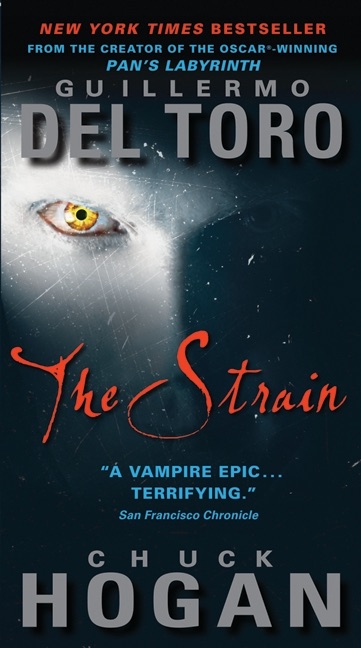
When a plane lands at JFK with all passengers seemingly dead, it unleashes an ancient strain of vampirism upon New York City. As the infection spreads like wildfire, a small band of survivors must fight to save humanity.
Del Toro and Hogan reinvent vampire lore for the 21st century, crafting bloodsuckers that are more virus than mythical creature. The novel’s cinematic pacing and visceral imagery showcase del Toro’s visual flair. While it occasionally stumbles into cliché, The Strain remains a gripping pandemic thriller that will leave you eyeing that paper cut with newfound suspicion.
22. Seed of Evil by Barrington J. Bayley

This collection of short stories plunges readers into Bayley’s fevered imagination. From parasitic alien invaders to reality-bending technology, each tale pushes the boundaries of cosmic horror.
Bayley’s writing crackles with ideas, presenting mind-bending concepts that challenge perception. While some stories feel underdeveloped, the best entries linger in the mind like half-remembered nightmares. Seed of Evil showcases an author unafraid to explore the darker corners of science fiction, cultivating horrors that bloom in the shadows of human progress.
21. The Fireman by Joe Hill

A highly contagious spore causes spontaneous human combustion, leaving civilization in ashes. Amidst the chaos, a mysterious figure known as the Fireman offers hope by harnessing the infection’s deadly power.
Hill ignites a bonfire of imagination, crafting a post-apocalyptic world that smolders with tension. The novel’s sprawling narrative occasionally meanders, but strong character work and incendiary set pieces keep the pages turning. With its exploration of human nature in crisis, The Fireman proves that Hill has inherited his father’s talent for conjuring infernal visions that illuminate the best and worst of humanity.
20. Boneshaker by Cherie Priest

Cherie Priest’s steampunk zombie apocalypse novel, set in an alternate 1880s Seattle, promises an intriguing premise but falls short in execution. The story follows a mother and son grappling with their family’s dark legacy in a city ravaged by a mysterious gas that turns people into the undead.
While Priest’s world-building is extensive, it often feels like empty calories, failing to truly capture the essence of steampunk or gaslight fantasy[5]. The characters lack depth, and the dialogue is painfully dull. Despite its potential for exploring complex family dynamics and historical context, Boneshaker stumbles, offering little more than a hollow shell of an action-adventure story.
19. Infected by Scott Sigler
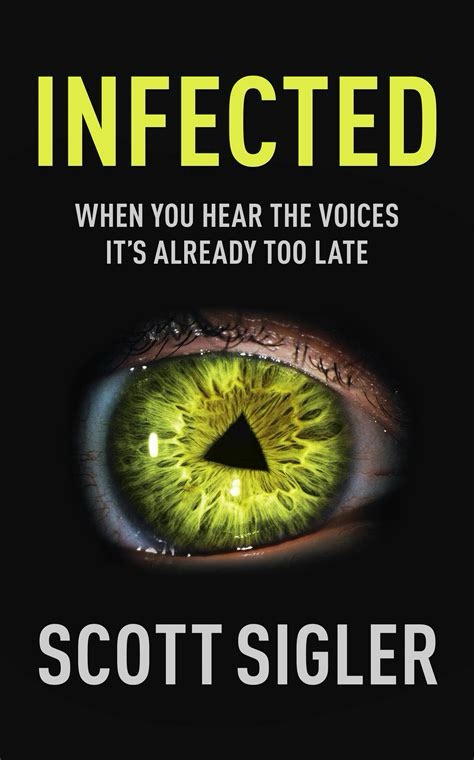
Sigler’s Infected takes body horror to new heights with its tale of an alien invasion via microscopic machines. The story alternates between Perry Dawsy, an ex-football player battling the parasitic infection, and a CIA team investigating a string of gruesome murders.
Sigler excels in crafting visceral, stomach-churning horror that will make your skin crawl[4]. The short, punchy chapters ratchet up the tension, creating a sense of urgency reminiscent of old-time radio dramas. However, on closer inspection, the characters feel one-dimensional, and the reliance on hypnosis as a plot device strains credibility. Infected is a gore-fest that delivers on shock value but may leave readers hungry for more substance.
18. The Luminous Dead by Caitlin Starling
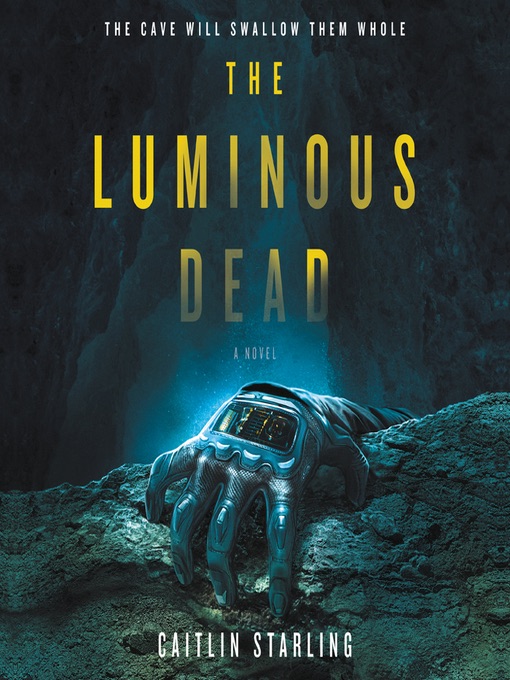
Set on a desolate mining planet, The Luminous Dead follows Gyre Pierce as she descends into treacherous cave systems in search of valuable minerals. What begins as a straightforward job quickly spirals into a psychological nightmare as Gyre faces isolation, manipulation, and the possibility of otherworldly horrors lurking in the darkness.
Starling crafts a claustrophobic atmosphere that will have readers gasping for air. The novel excels in its exploration of the human psyche under extreme conditions, blurring the lines between reality and hallucination. While the pacing occasionally lags, The Luminous Dead offers a fresh take on the survival horror genre, illuminating the depths of human resilience and the shadows that dwell within us all.
17. Annihilation by Jeff VanderMeer
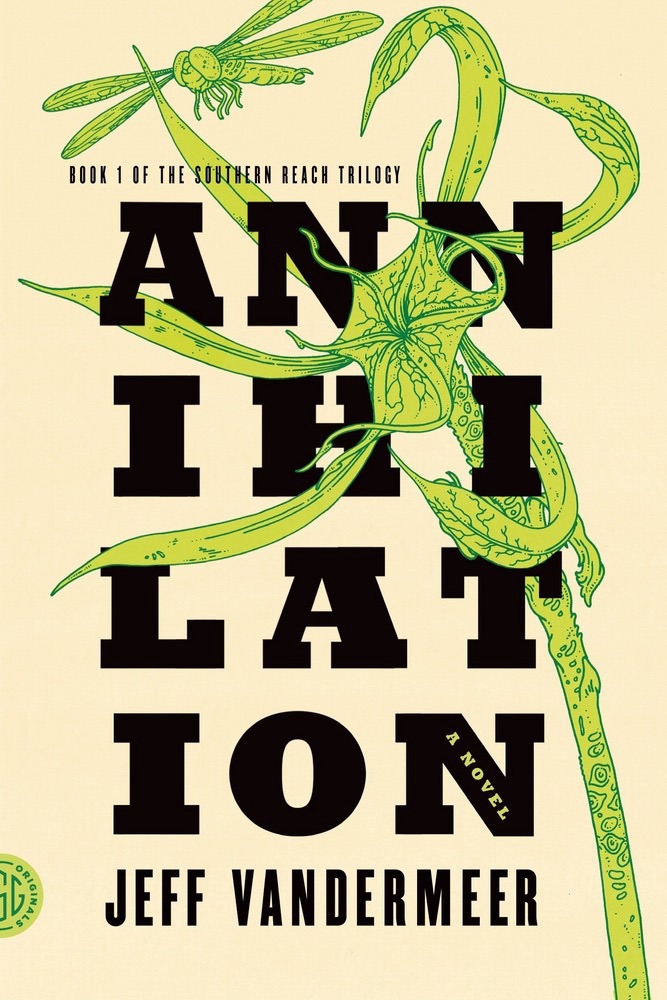
VanderMeer’s Annihilation plunges readers into the bizarre ecosystem of Area X, a mysterious coastal region that defies explanation. The story follows a biologist on the twelfth expedition into this surreal landscape, where previous missions have ended in disaster.
The novel’s strength lies in its ability to create an atmosphere of constant unease and wonder. VanderMeer’s prose is hypnotic, drawing readers deeper into the enigma of Area X with each page[2]. The biologist’s clinical observations provide a fascinating contrast to the increasingly strange and terrifying phenomena she encounters. While some may find the lack of concrete answers frustrating, Annihilation’s power lies in its ability to evoke a sense of cosmic dread and the unknowable nature of the universe.
16. Ship of Fools by Richard Paul Russo
Russo’s Ship of Fools takes the haunted house trope and launches it into space. The generation ship Argonos has wandered the galaxy for centuries, its inhabitants long forgetting their original mission. When they encounter a mysterious alien vessel, the crew must confront both external horrors and the darkness that lurks within their own society.
The novel expertly blends science fiction with gothic horror, creating a claustrophobic atmosphere despite the vastness of space. Russo explores themes of faith, purpose, and the cyclical nature of human civilization. While the pacing can be slow at times, the mounting tension and philosophical underpinnings make Ship of Fools a thought-provoking journey into the heart of human nature and our place in the cosmos.
15. The Day of the Triffids by John Wyndham

In this post-apocalyptic classic, most of humanity is blinded by a mysterious green light in the sky. The few sighted survivors must contend with mobile, carnivorous plants called triffids that begin attacking humans.
Wyndham crafts a chilling vision of societal collapse, exploring how quickly civilization can unravel. The novel’s strength lies in its exploration of human nature and morality in the face of catastrophe. While some find the pacing slow at times, The Day of the Triffids remains a thought-provoking meditation on humanity’s relationship with nature and technology.
14. Jurassic Park by Michael Crichton

Crichton’s techno-thriller follows the disastrous consequences when an eccentric billionaire uses genetic engineering to recreate living dinosaurs for a theme park. As chaos theory predicts, the park’s safeguards fail spectacularly.
With its blend of cutting-edge science and pulse-pounding action, Jurassic Park is a masterclass in suspense. Crichton’s meticulous research lends credibility to the premise, while raising profound questions about the ethics of genetic manipulation. Though some characters lack depth, the novel’s exploration of humanity’s hubris in the face of nature’s power remains compelling.
13. The Stand by Stephen King

King’s epic post-apocalyptic novel depicts a world devastated by a man-made superflu. The survivors coalesce around two opposing figures – the benevolent Mother Abagail and the demonic Randall Flagg – setting the stage for a battle between good and evil.
The Stand showcases King’s talent for creating vivid, relatable characters thrust into extraordinary circumstances. Its sprawling narrative can meander, but the novel’s exploration of human nature in crisis is deeply affecting. With its blend of supernatural horror and societal commentary, The Stand stands as one of King’s most ambitious and enduring works.
12. Blood Music by Greg Bear

In this mind-bending tale, a rogue scientist injects himself with intelligent microorganisms of his own creation. The “noocytes” rapidly evolve, consuming first their creator, then all of North America in a “plague” of hyper-evolved consciousness.
Bear’s novel is a mind-boggling exploration of the potential and perils of biotechnology. The story’s shift from personal horror to cosmic transformation is breathtaking in scope. While some readers may find the latter half too abstract, Blood Music remains a visionary work that challenges our understanding of consciousness and reality itself.
11. The Girl with All the Gifts by M.R. Carey
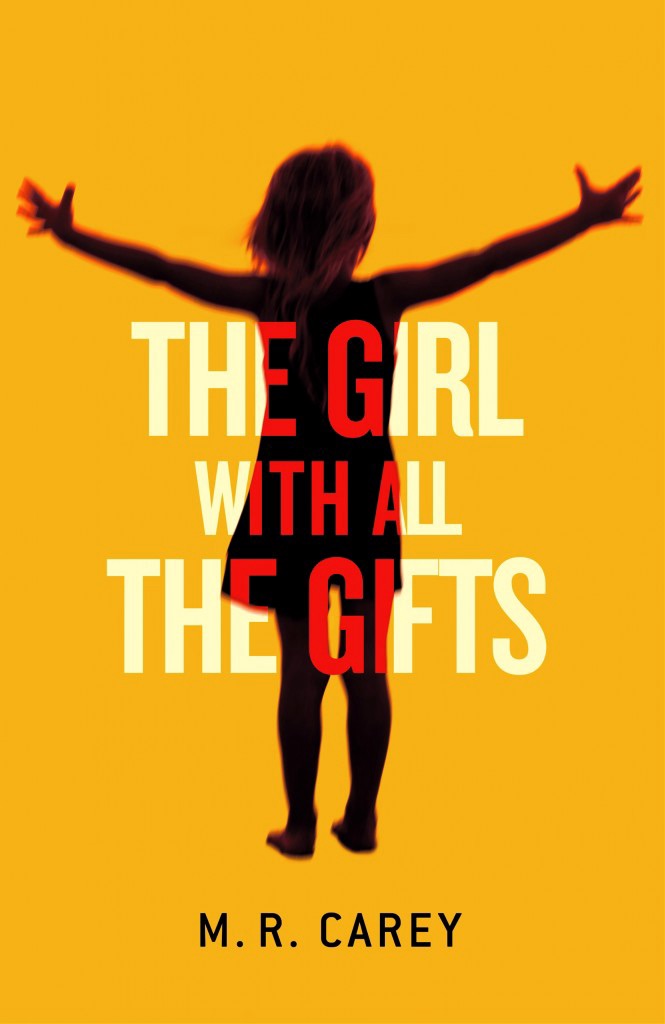
Set in a world ravaged by a fungal infection that turns humans into mindless “hungries,” this novel follows Melanie, an infected child who retains her mind. As she and her protectors journey across a ruined Britain, they confront both external threats and difficult moral choices.
Carey crafts a fresh take on the zombie apocalypse, using it as a lens to explore humanity, sacrifice, and evolution. The novel’s strength lies in its complex characters and the ethical dilemmas they face. With its blend of horror, heart, and philosophical depth, The Girl with All the Gifts offers a poignant meditation on what it means to be human.
10. Carrion Comfort by Dan Simmons
Simmons’ epic horror novel delves into the terrifying concept of psychic vampires who can control others’ minds. Set against the backdrop of 20th-century history, the story follows survivors battling these monstrous “mind vampires” who have shaped world events for their own amusement.
Carrion Comfort is a sprawling, ambitious work that blends horror, alternate history, and philosophical musings on violence and morality. Simmons’ unflinching depiction of brutality and suffering makes for a challenging read, but the novel’s intricate plot and exploration of human nature keep readers engaged. While its length may deter some, those who persevere will find a richly rewarding, if deeply disturbing, experience.
9. Leviathan Wakes by James S.A. Corey

The first installment in The Expanse series, Leviathan Wakes introduces readers to a future where humanity has colonized the solar system. The story follows two main characters: James Holden, a reluctant ship captain, and Detective Miller, tasked with finding a missing girl.
Corey crafts a compelling space opera that balances political intrigue, action, and mystery. The novel excels in its world-building, painting a vivid picture of life in space. While some characters may feel underdeveloped initially, the plot’s momentum and the promise of a larger conspiracy keep readers invested. Leviathan Wakes sets the stage for an expansive and thrilling series that science fiction fans will eagerly devour.
8. Bad Brains by Kathe Koja
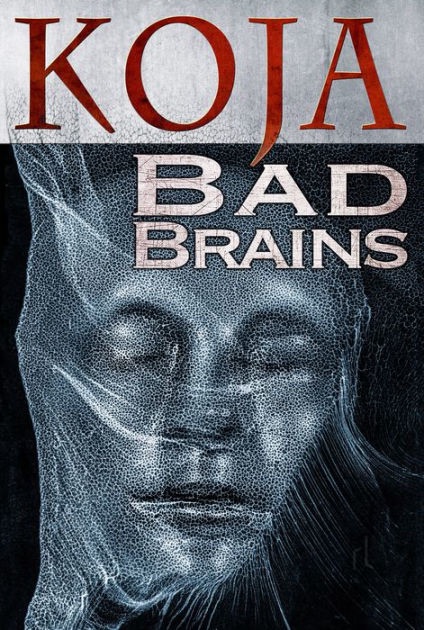
Koja’s novel follows Austen, a former artist struggling with the aftermath of a head injury that has robbed him of his artistic abilities. As Austen grapples with his new reality, the line between sanity and madness begins to blur.
Bad Brains is a haunting exploration of creativity, identity, and the fragility of the human mind. Koja’s prose is visceral and disorienting, mirroring Austen’s fractured perception. While not a traditional horror novel, its psychological depth and unsettling atmosphere create a sense of creeping dread that lingers long after the final page.
7. The Andromeda Strain by Michael Crichton
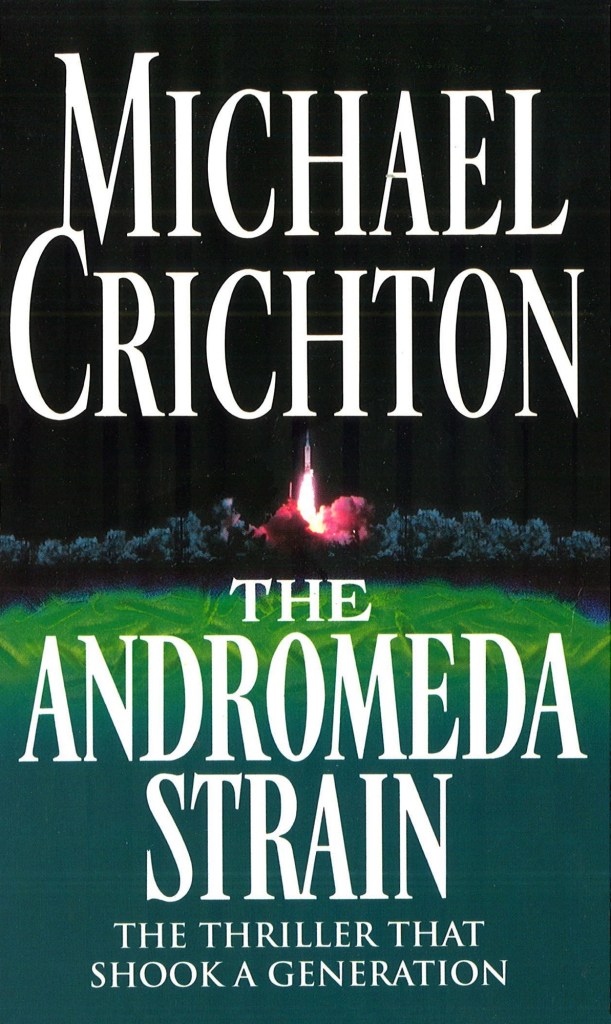
Crichton’s techno-thriller follows the Wildfire team, a group of scientists racing against time to contain a deadly extraterrestrial microorganism that has decimated a small Arizona town. As they study the organism in a top-secret facility, they must also contend with its rapid mutations and the threat of a nuclear failsafe.
The Andromeda Strain showcases Crichton’s talent for blending scientific detail with pulse-pounding suspense. The novel’s clinical tone and focus on procedure create a chilling sense of realism, making the threat feel all too plausible. While some characters lack depth, the book’s exploration of humanity’s hubris in the face of the unknown remains as relevant today as when it was first published.
6. Who Goes There? by John W. Campbell Jr.
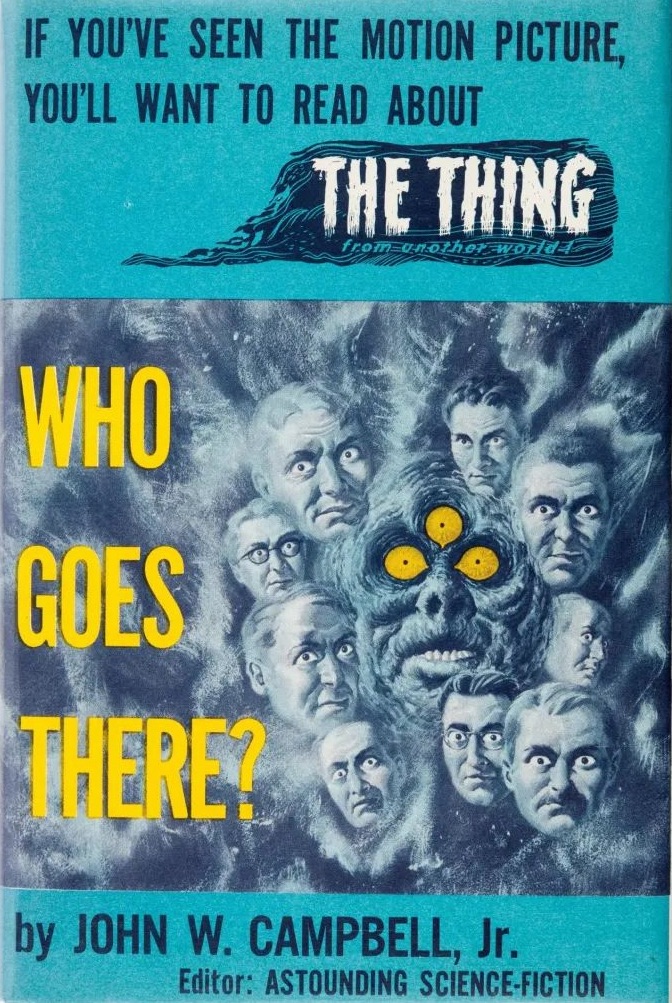
This seminal science fiction horror novella tells the story of an Antarctic research station that discovers a frozen alien spacecraft. As they thaw out the craft’s occupant, they realize it’s a shape-shifting creature capable of perfectly imitating any living being.
Campbell’s tale of paranoia and isolation has become a classic of the genre, inspiring multiple film adaptations. The novella’s strength lies in its claustrophobic atmosphere and the mounting tension as characters struggle to determine who among them is still human. Who Goes There? explores themes of identity, trust, and the nature of humanity in the face of the utterly alien, cementing its place as a cornerstone of science fiction horror.
5. The Island of Doctor Moreau by H.G. Wells
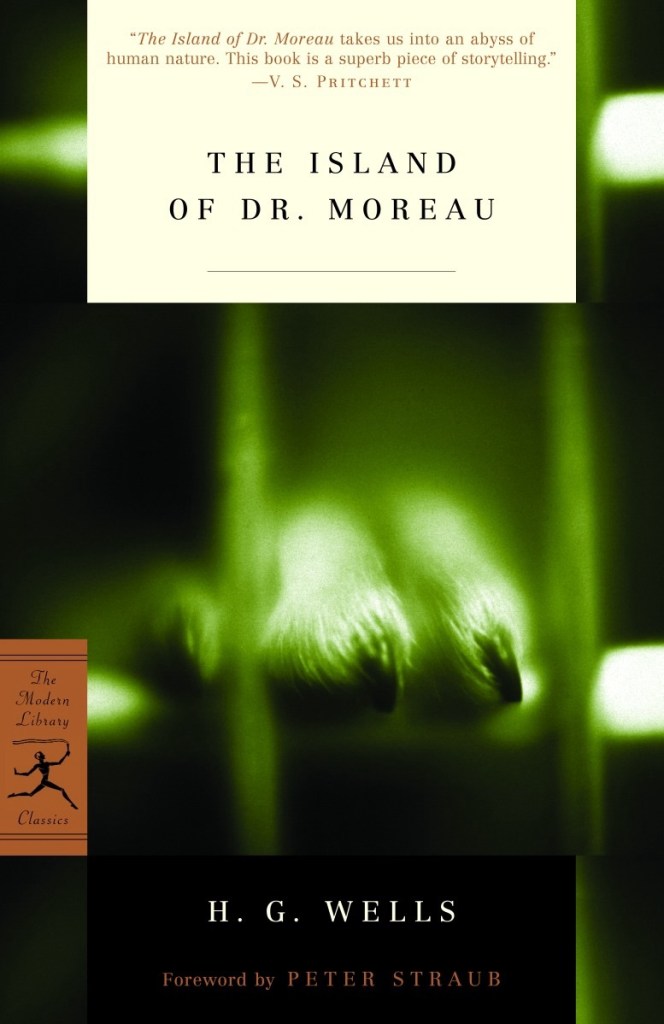
Set in the late 19th century, the novel follows Edward Prendick, a shipwrecked man who finds himself on a mysterious island ruled by the brilliant but mad scientist Dr. Moreau. Prendick discovers that Moreau is conducting grotesque experiments, transforming animals into human-like creatures through vivisection. As the beast-men struggle with their dual nature, the island descends into chaos, forcing Prendick to confront the blurred lines between humanity and animality.
The Island of Doctor Moreau stands as one of the greatest sci-fi horror novels for its profound exploration of ethical boundaries in science and the nature of humanity. Wells masterfully weaves themes of evolution, morality, and the consequences of playing God into a gripping narrative.
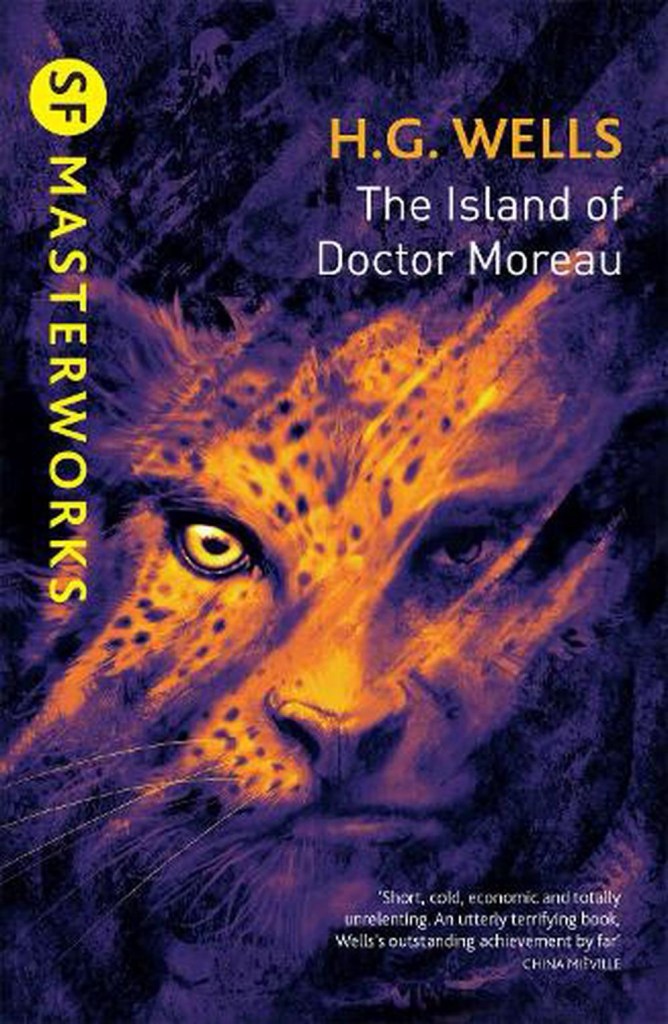
The novel’s vivid depiction of the beast-men and their struggle with the “Law” serves as a chilling metaphor for human civilization’s tenuous grip on morality. Its critique of Victorian attitudes towards science and animal rights was groundbreaking for its time and continues to resonate in contemporary debates about genetic engineering and animal testing.
The novel’s lasting influence on science fiction and its ability to provoke deep philosophical questions cement its place as a classic of the genre.
4. Blindsight by Peter Watts
In the near future, Earth encounters an alien probe, prompting a mission to investigate its origin. The crew of the spaceship Theseus, led by a vampire and consisting of transhuman specialists, journeys to the edge of the solar system. There, they encounter a mysterious alien vessel and must grapple with questions of consciousness, intelligence, and the nature of humanity in the face of truly alien life.
Blindsight earns its place among the greatest sci-fi horror novels through its uncompromising exploration of consciousness and intelligence. Watts’ rigorous scientific approach and his willingness to challenge fundamental assumptions about sentience create a deeply unsettling narrative.
The novel’s strength lies in its ability to evoke a sense of cosmic dread while engaging with cutting-edge concepts in neuroscience and evolution. Blindsight’s depiction of posthuman characters and technologies blurs the line between human and alien, forcing readers to question their understanding of consciousness and identity. Its combination of hard science fiction and psychological horror creates a uniquely disturbing and thought-provoking experience that continues to challenge readers long after they’ve finished the book.
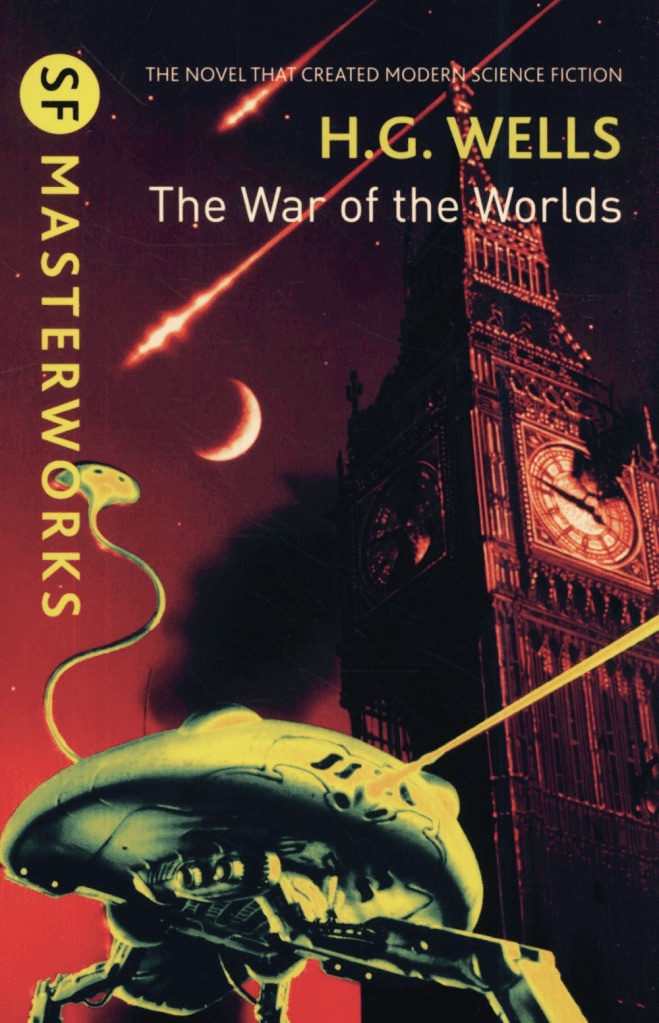
3. The War of the Worlds by H.G. Wells
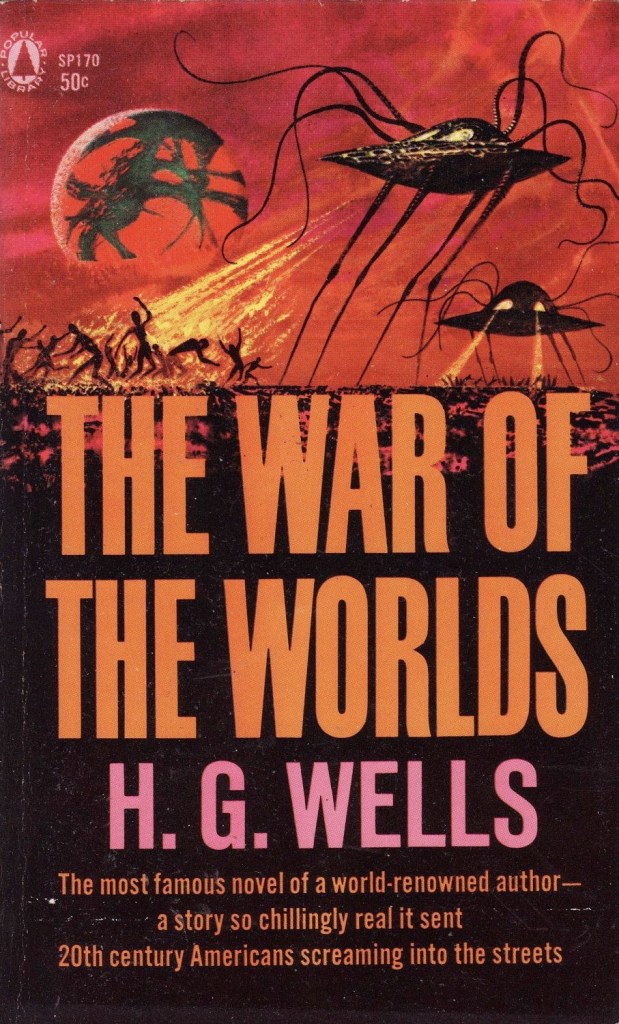
Set in Victorian England, the novel depicts a Martian invasion of Earth. The unnamed narrator witnesses the arrival of cylindrical spacecraft and the emergence of terrifying tripod fighting machines. As the Martians devastate human civilization with advanced weaponry, the narrator struggles to survive and reunite with his wife. The invasion is ultimately thwarted not by human efforts, but by terrestrial bacteria to which the Martians have no immunity.
The War of the Worlds stands as one of the greatest sci-fi horror novels for its groundbreaking depiction of alien invasion and its profound influence on the genre. Wells’ vivid descriptions of the Martian war machines and their devastating weapons created a template for countless future works.
The novel’s exploration of human resilience in the face of overwhelming technological superiority resonates deeply, while its critique of imperialism adds layers of social commentary.
The book’s scientific plausibility, combined with its atmospheric portrayal of a collapsing civilization, creates a sense of terror that has endured for over a century. Its lasting impact on literature, film, and even real-world scientific endeavors solidifies its status as a cornerstone of science fiction horror.
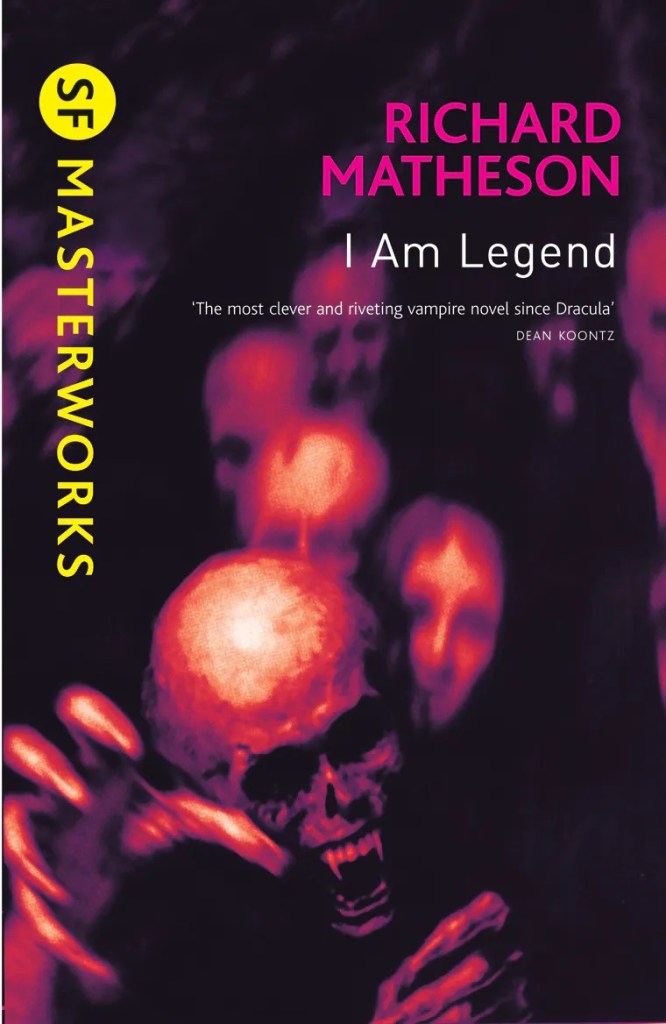
2. I Am Legend by Richard Matheson
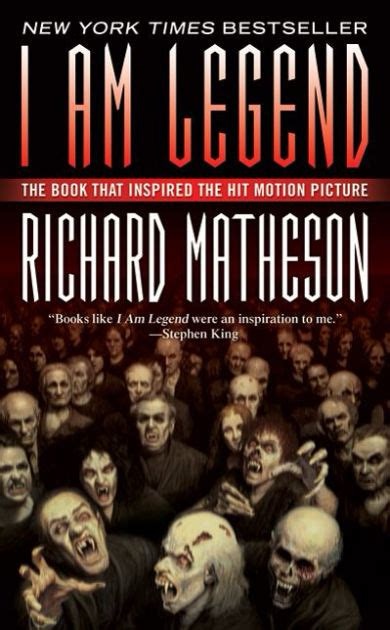
Robert Neville is the last human survivor in a world overrun by vampires. By day, he hunts and stakes the sleeping undead; by night, he barricades himself in his home against their attacks. As Neville struggles with loneliness and despair, he searches for a scientific explanation for the plague. His research leads to a startling discovery about the nature of the vampires and his own place in this new world order.
I Am Legend earns its place among the greatest sci-fi horror novels through its revolutionary approach to vampire fiction and its profound exploration of isolation and humanity. Matheson’s blend of scientific rationalism with supernatural horror created a new paradigm for the genre, influencing countless works of vampire and zombie fiction.
The novel’s psychological depth, as it delves into Neville’s struggle with loneliness and his questioning of his own humanity, elevates it beyond mere monster fiction. The book’s exploration of what it means to be “normal” in a changed world, and its shocking twist ending, force readers to confront their own assumptions about morality and monstrosity. Its themes of adaptation, survival, and the nature of humanity in crisis continue to resonate, making it a timeless classic of science fiction horror.
1. Frankenstein by Mary Shelley
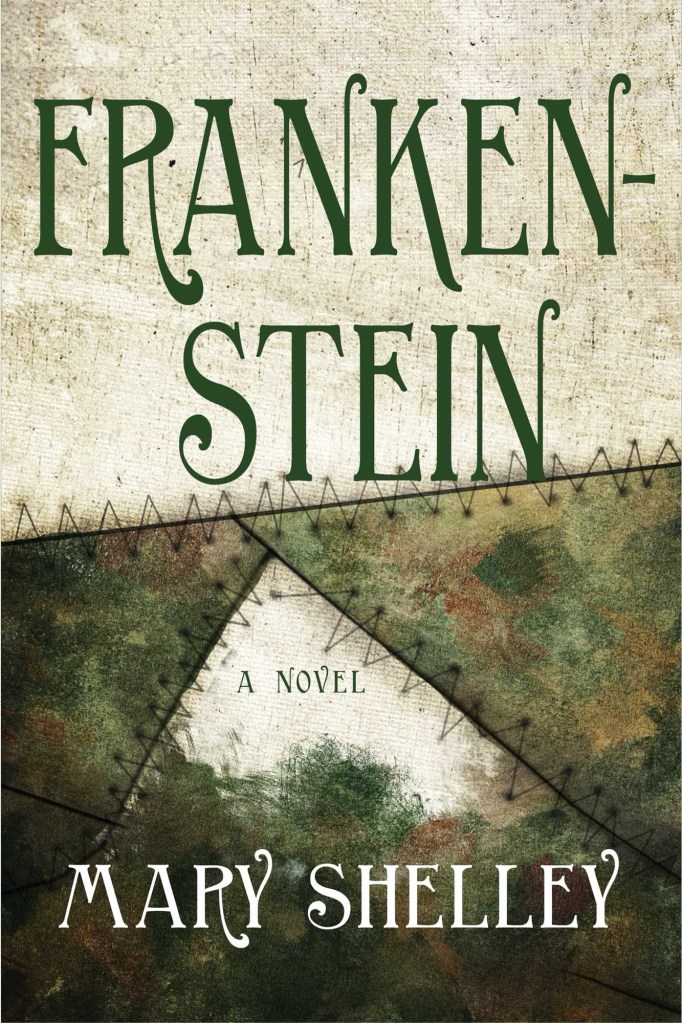
Victor Frankenstein, a brilliant scientist, succeeds in creating life from dead tissue. However, horrified by his creation’s appearance, he abandons it. The creature, intelligent but shunned by society, seeks revenge on its creator. As Frankenstein and his monster engage in a deadly game of cat and mouse, both are consumed by their obsessions, leading to tragedy for all involved.
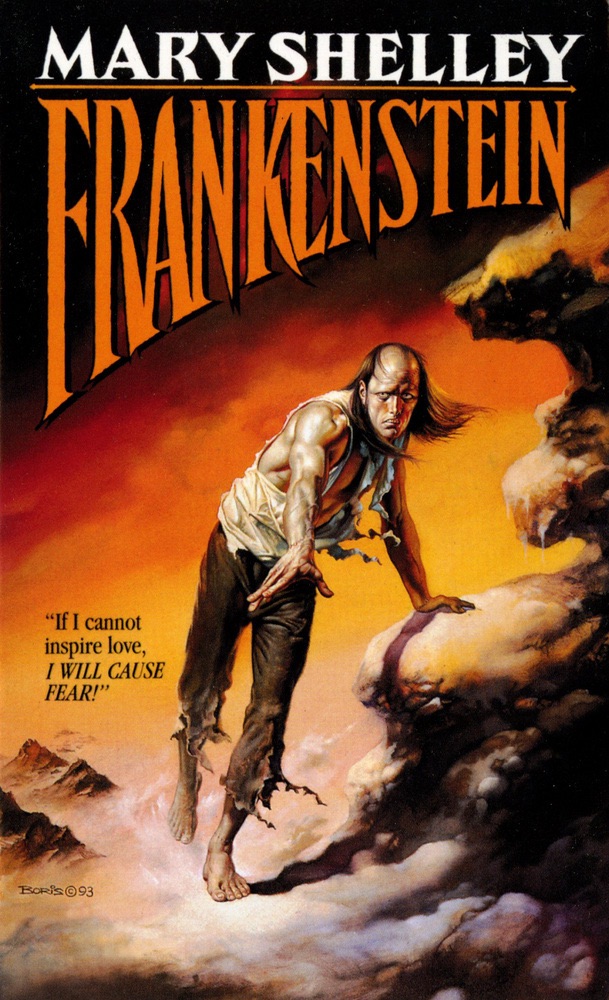
Frankenstein stands at the pinnacle of science fiction horror for its pioneering role in the genre and its enduring exploration of profound themes. Shelley’s novel, often considered the first true science fiction work, set the template for the “mad scientist” archetype and the dangers of unchecked scientific ambition. The book’s Gothic atmosphere and psychological depth create a pervasive sense of dread that has captivated readers for two centuries.

Frankenstein’s greatest strength lies in its complex moral landscape, forcing readers to sympathize with both the creator and his abandoned creation. The novel’s exploration of responsibility, the nature of humanity, and the consequences of playing God continue to resonate in an age of genetic engineering and artificial intelligence. Its influence on literature, film, and popular culture is immeasurable, cementing its status as the greatest science fiction horror novel of all time.
Coda
And there you have it, folks – a journey through the twisted corridors of science fiction horror that would make even the bravest astronaut’s space-suit sprout a few extra sweat stains. From Mary Shelley’s groundbreaking “Frankenstein” to Peter Watts’ mind-bending “Blindsight,” we’ve traversed two centuries of literary nightmares that continue to haunt our collective imagination.
These 25 books remind us that the most terrifying monsters aren’t always lurking under the bed – sometimes they’re hiding in a petri dish, or behind the flickering screen of an AI interface. They challenge us to confront our fears about technology, progress, and the very nature of humanity itself.
So, whether you’re a seasoned horror aficionado or a sci-fi newbie dipping your toes into the dark waters of the genre, there’s something on this list to keep you up at night. Just remember: when that little voice in your head says, “Don’t open that airlock,” or “Maybe we shouldn’t reanimate the dead,” you might want to listen to it. But, come to think of it, where’s the fun in that?
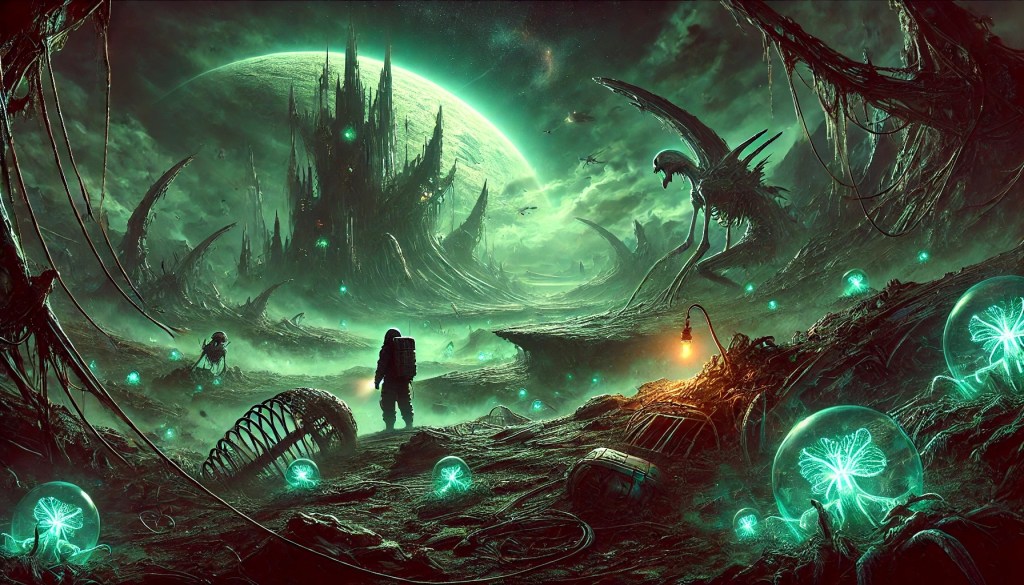
Hungry for more literary frights and futuristic delights? Don’t leave your reading list to chance (or to potentially malevolent AI). Subscribe to Fear Planet and join our community of sci-fi horror enthusiasts. We’ll keep you updated on the latest bone-chilling releases, share in-depth analyses of genre classics, and maybe even help you figure out how to survive the inevitable robot uprising.
Once again, thank you for visiting Fear Planet. Stay safe out there in the endless void…
Discover more from Fear Planet
Subscribe to get the latest posts sent to your email.

Comments are closed.