
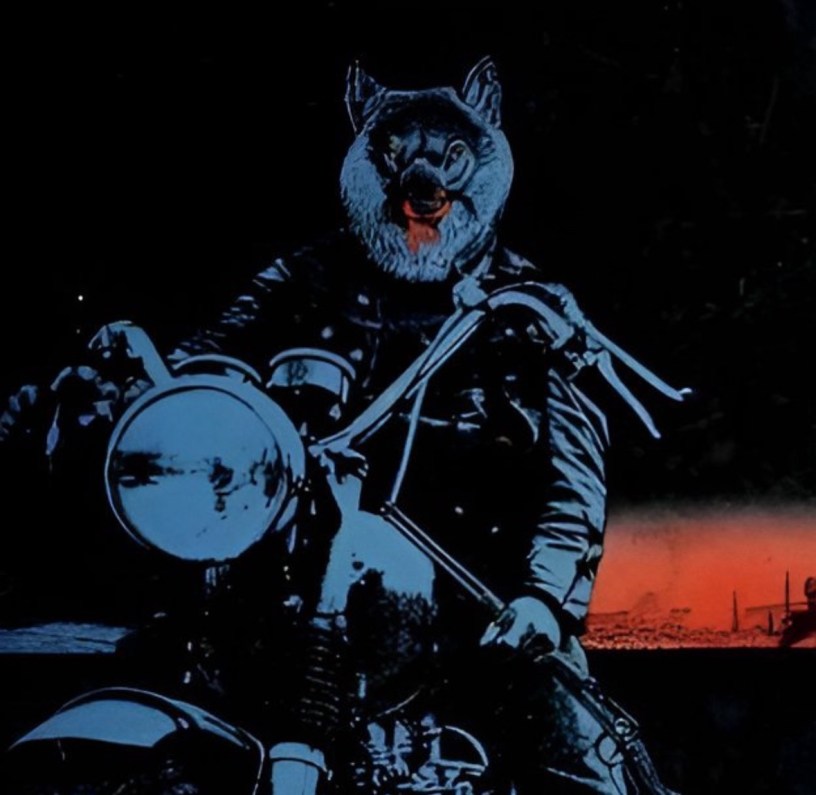
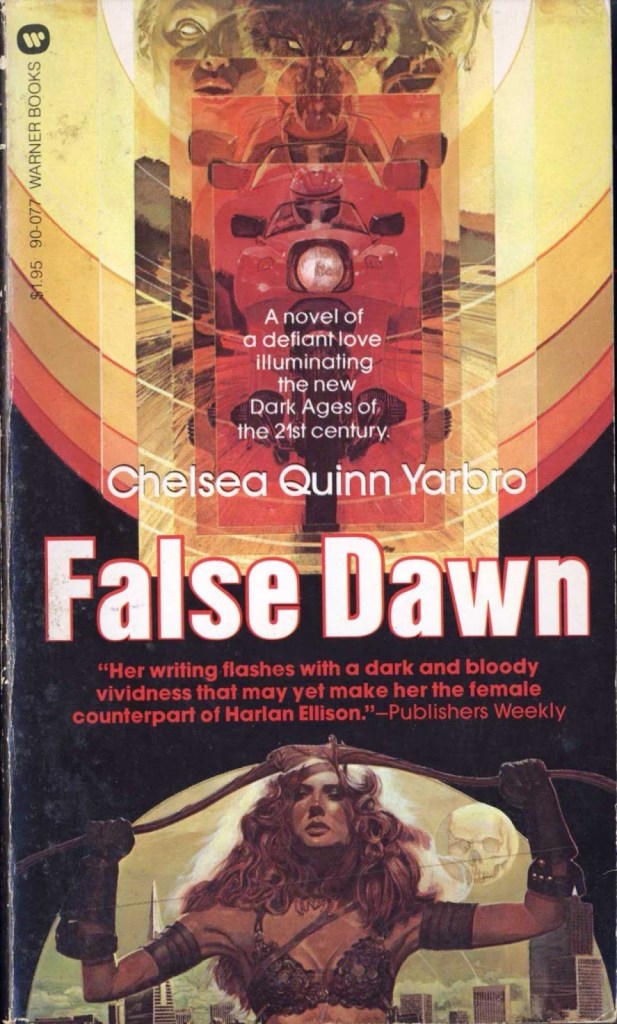
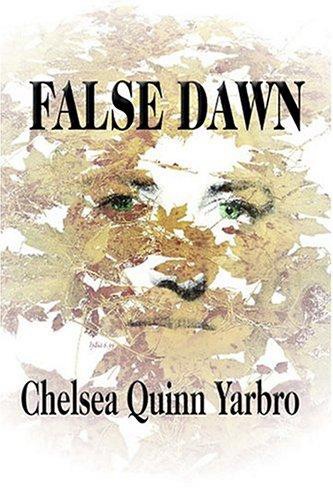
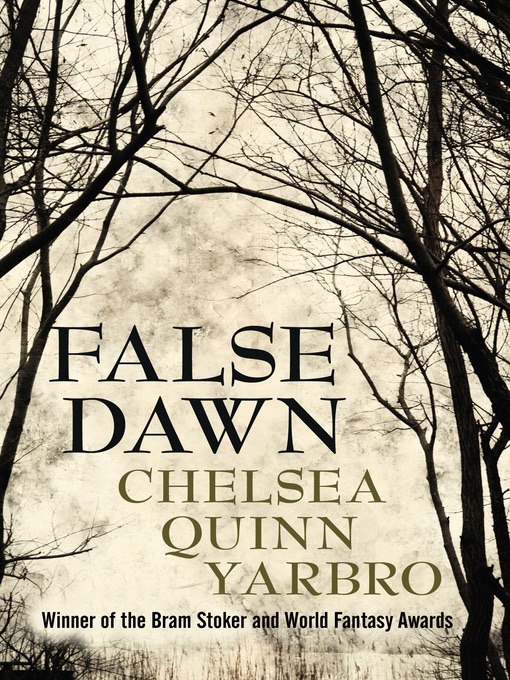
Among the greatest science fiction novels, Chelsea Quinn Yarbro’s “False Dawn” stands as a haunting beacon, illuminating the darkest corners of human nature and the potential consequences of our present-day actions. Published in 1978, this gritty sci-fi yarn paints a chilling picture of a world ravaged by pollution, violence, and genetic mutation. Let’s wade into the murky waters of Yarbro’s dystopian future and explore why this lesser-known gem deserves a place on every sci-fi aficionado’s bookshelf.
Setting the Scene: A World Gone Mad
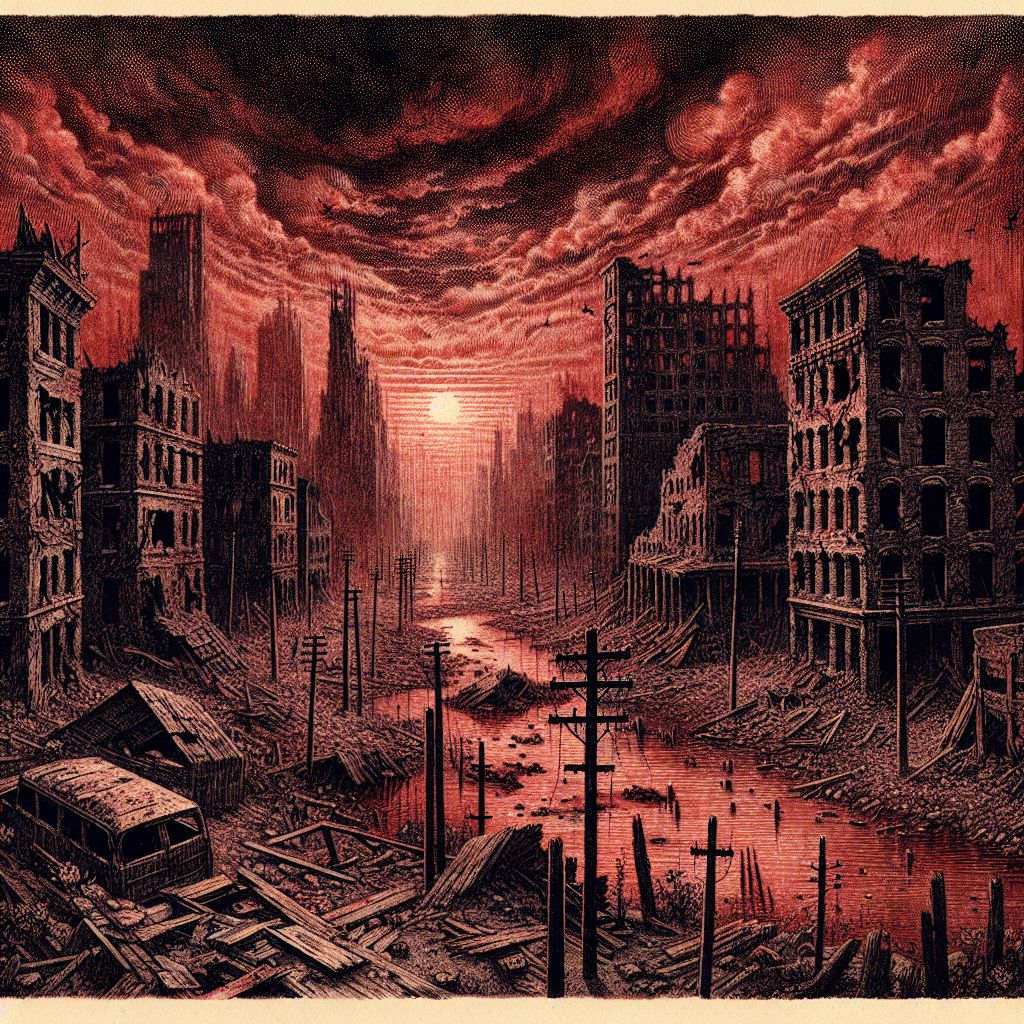
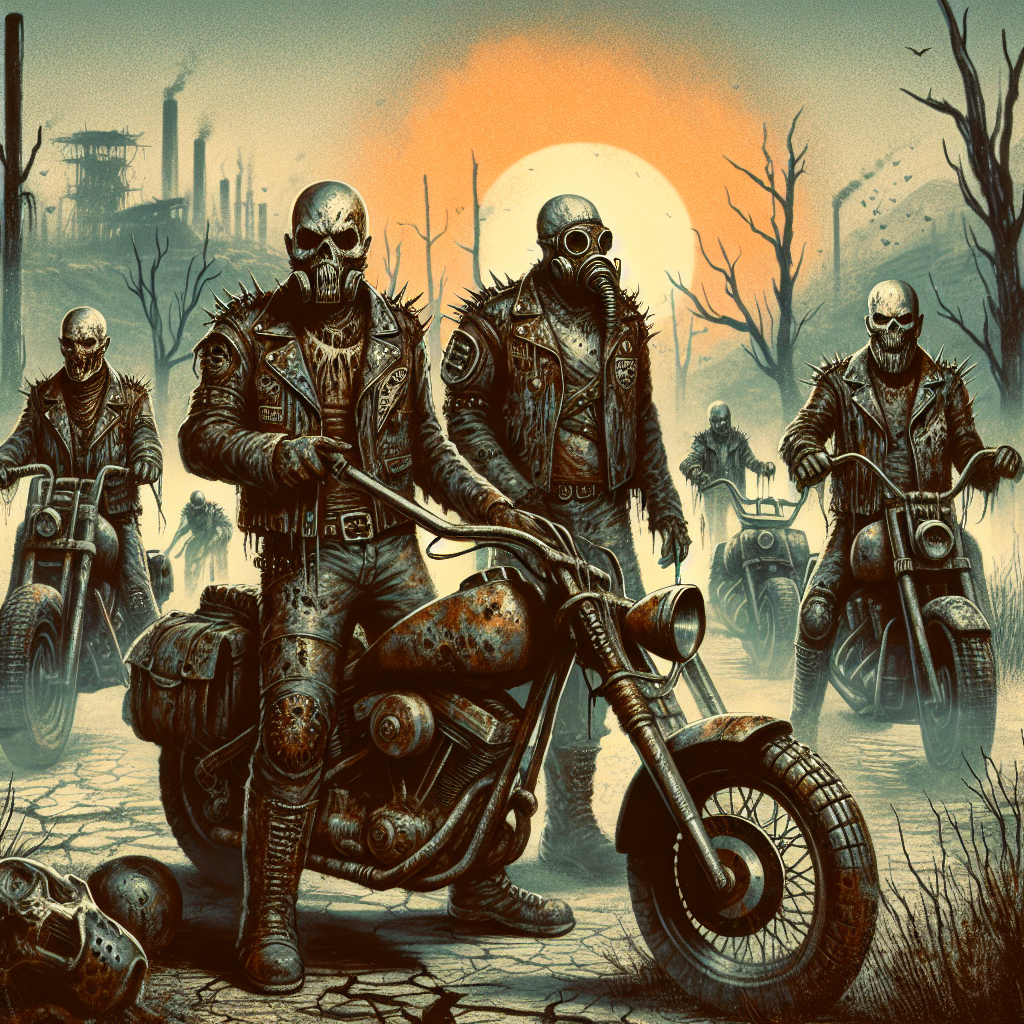
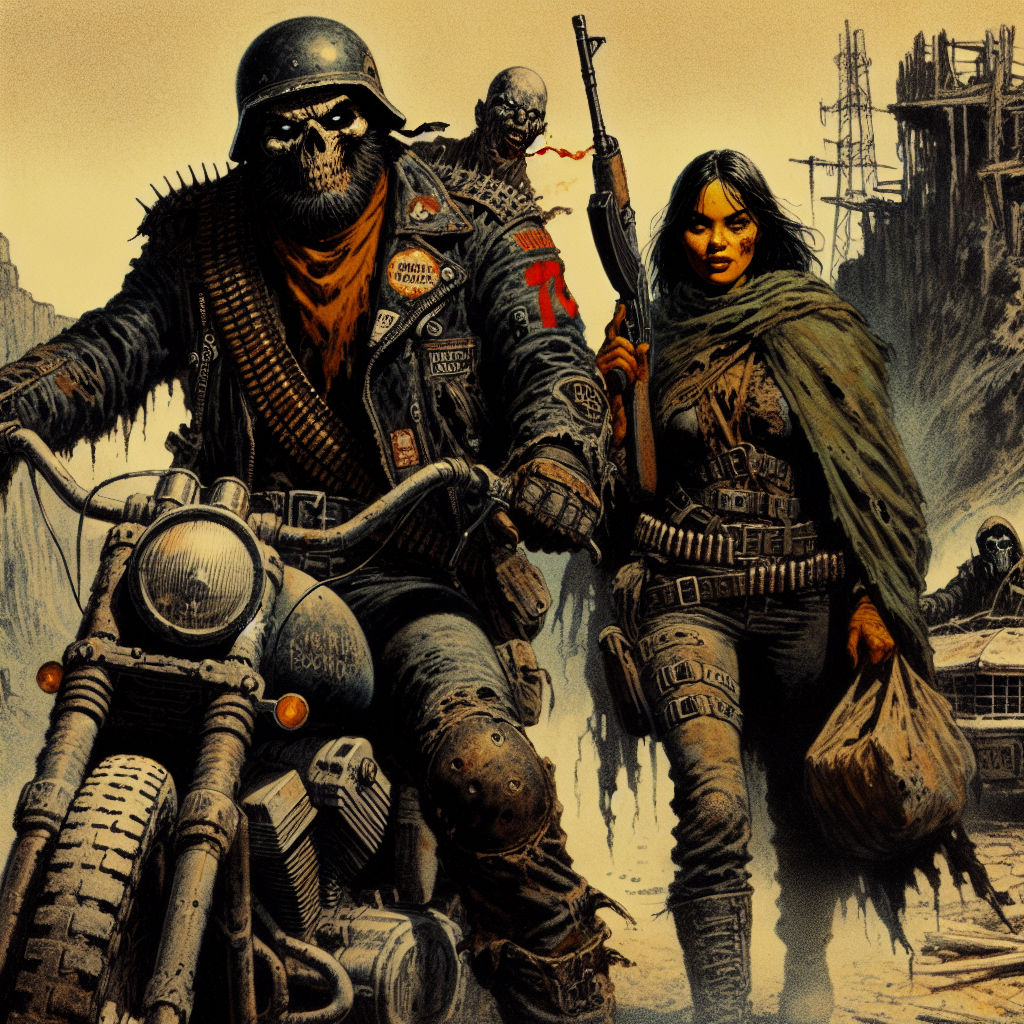
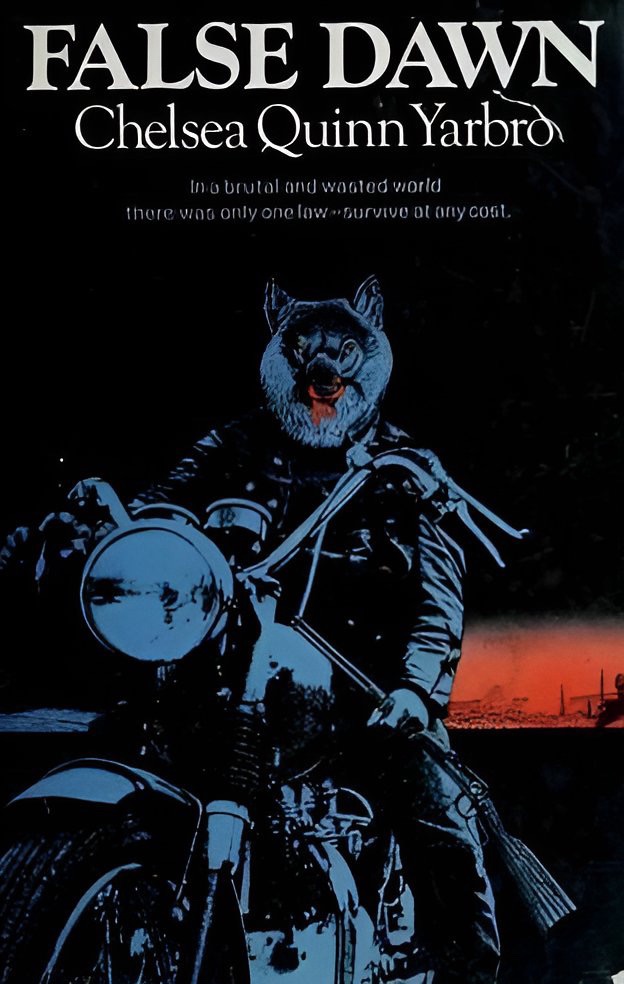
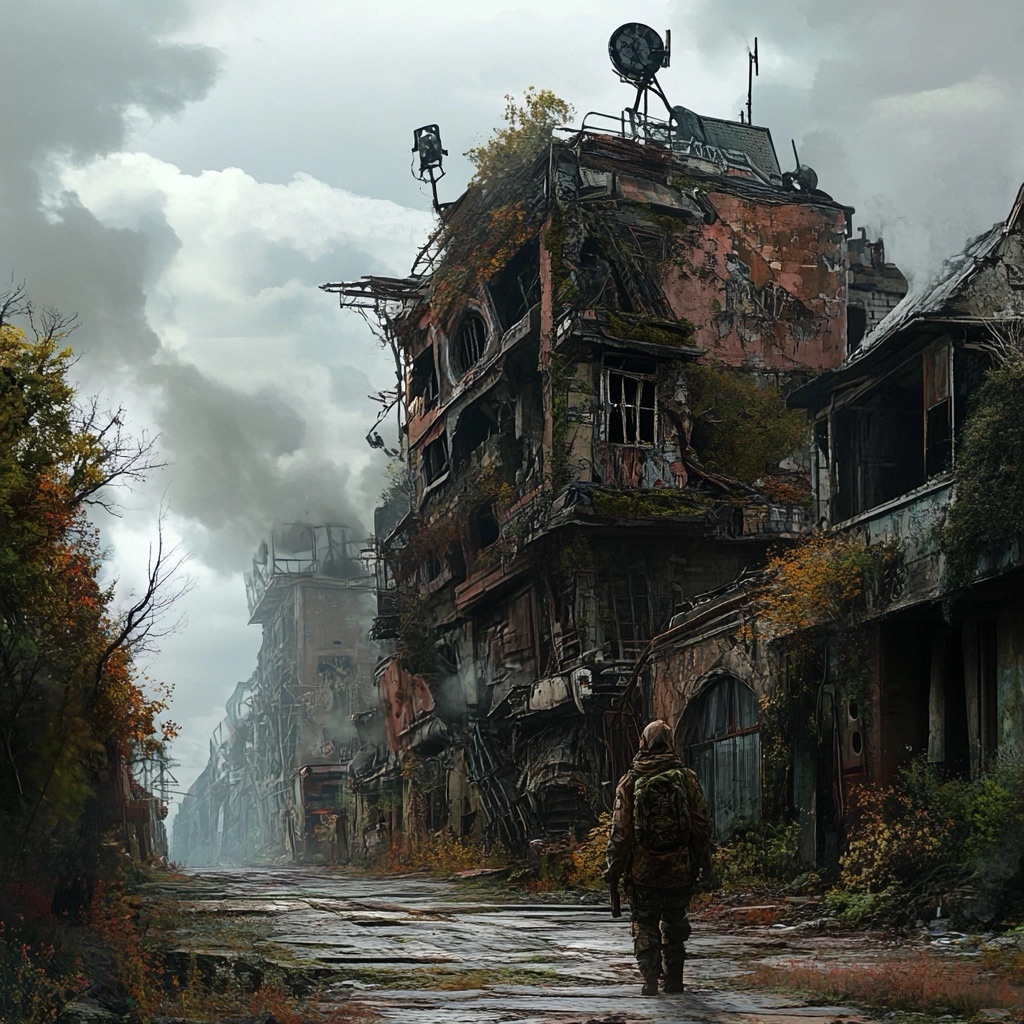
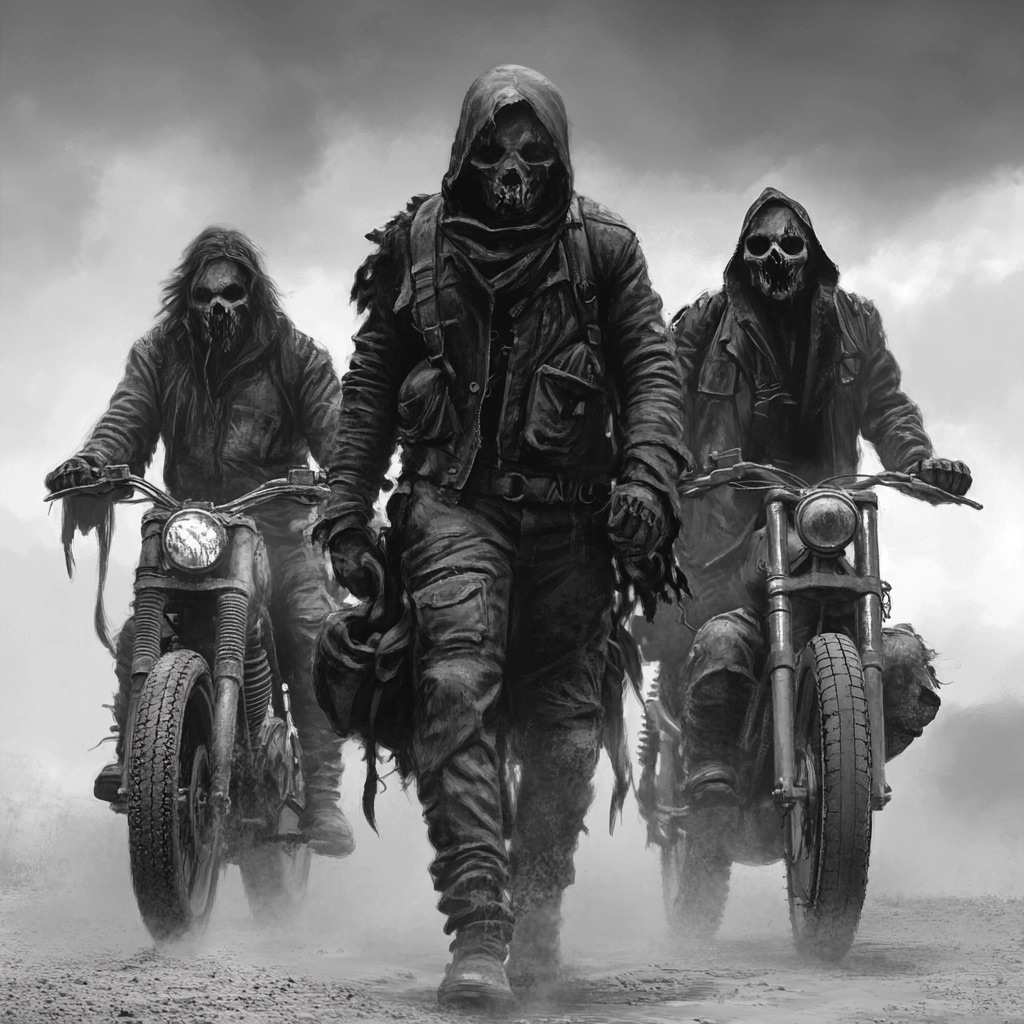
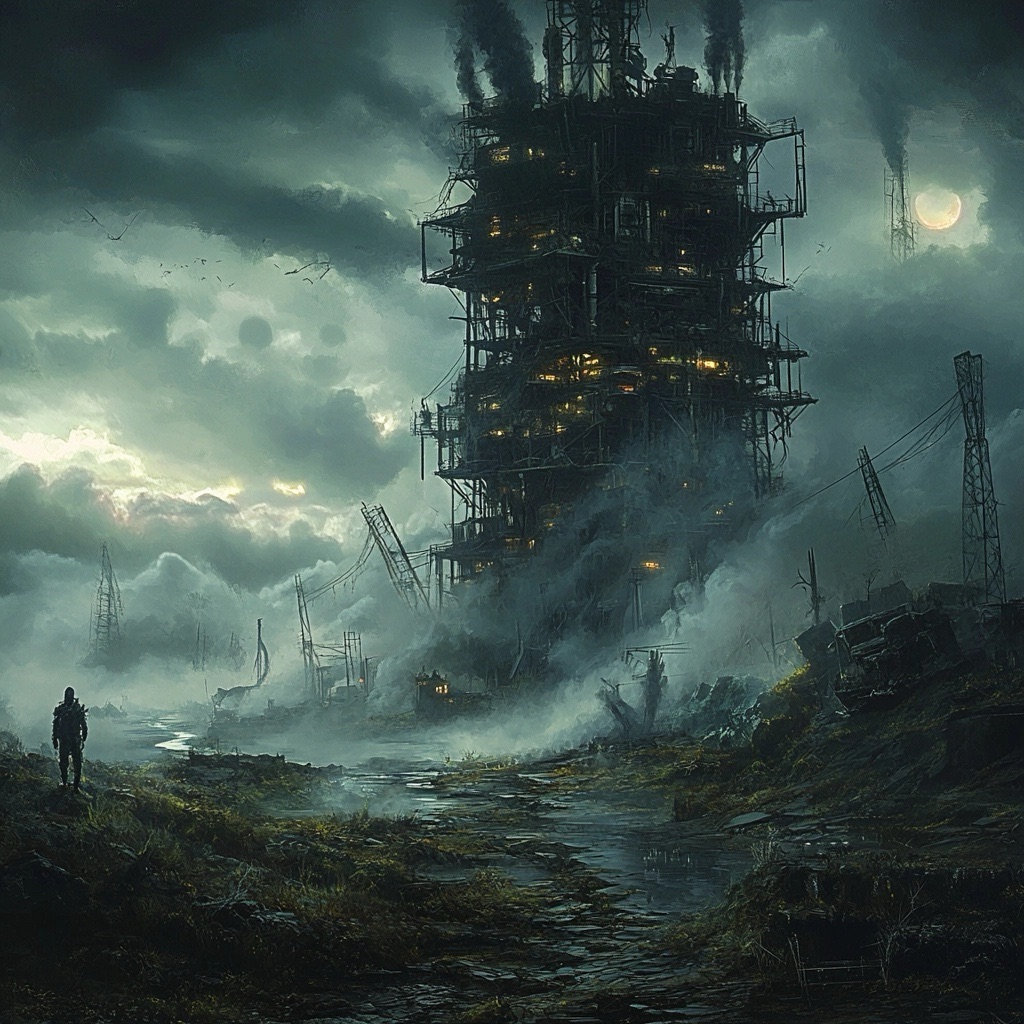
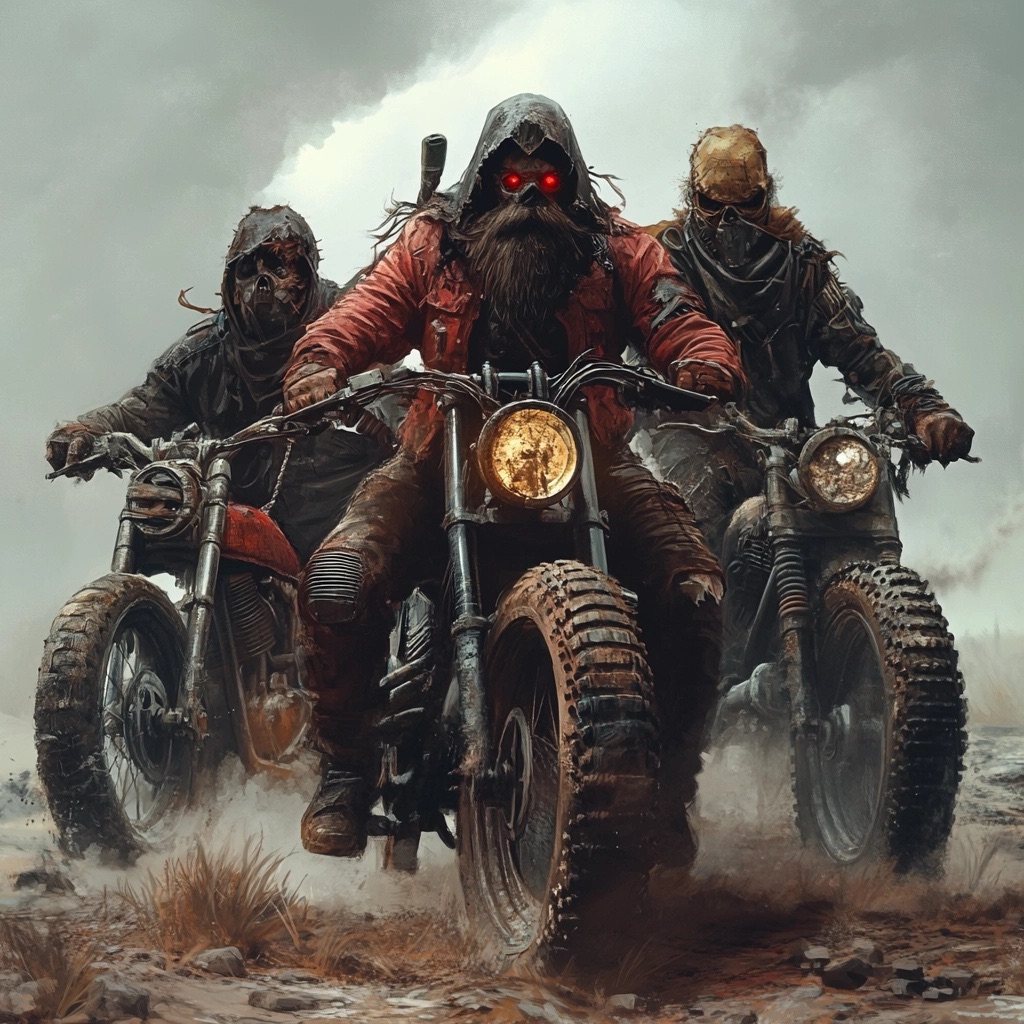
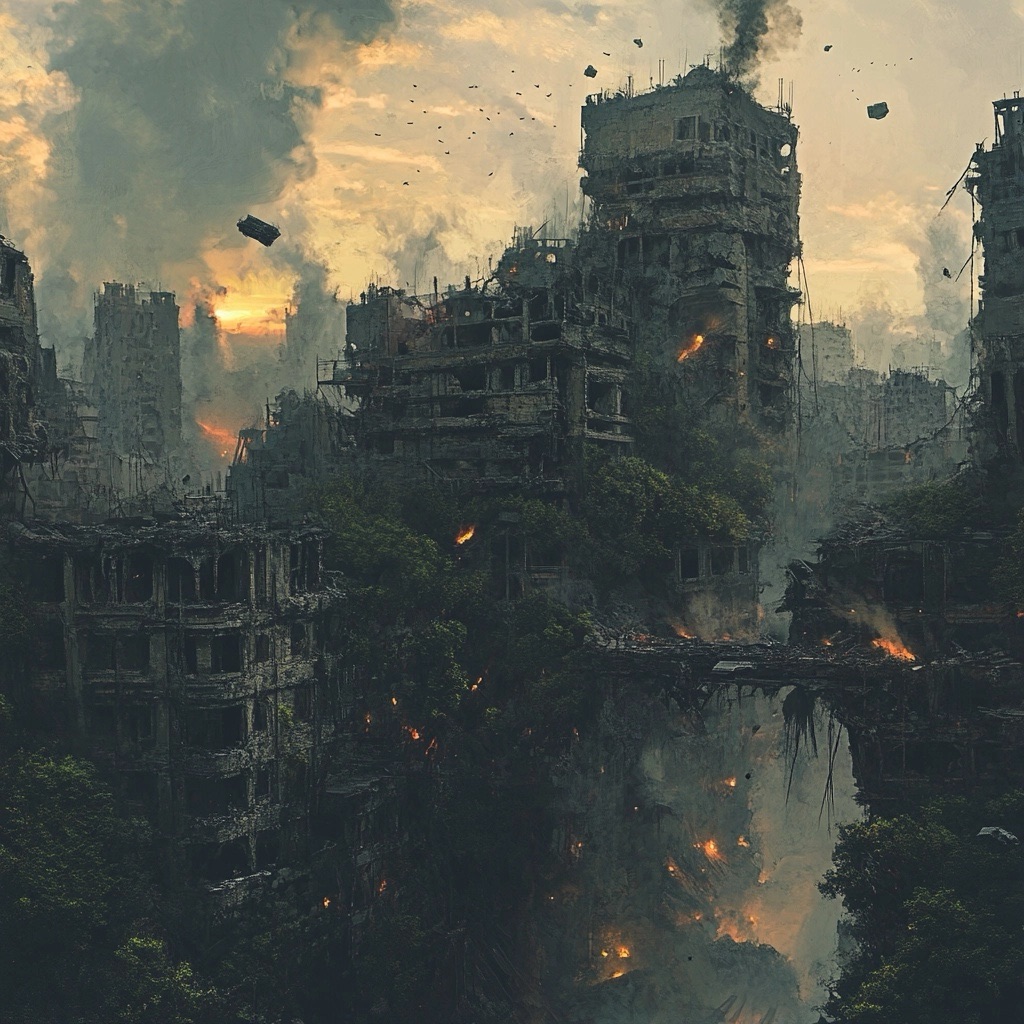
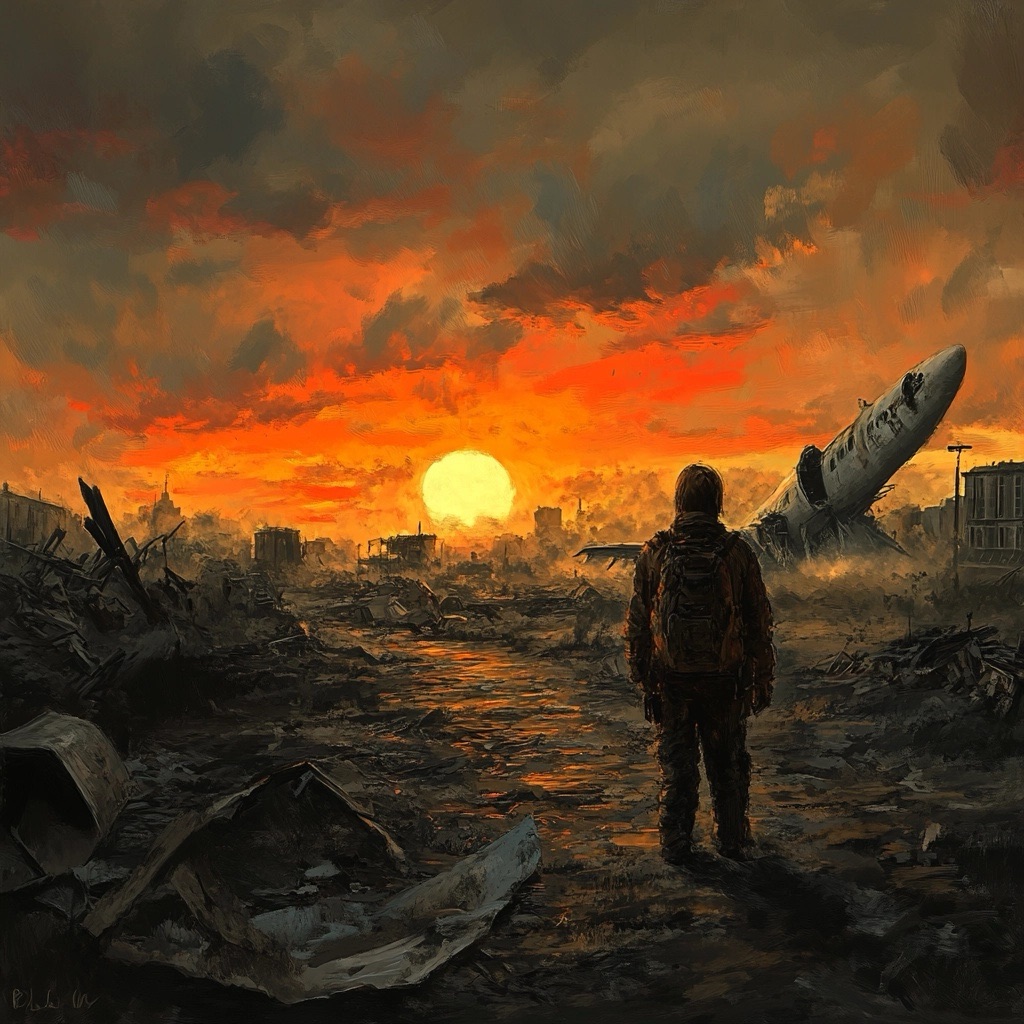
Imagine a Northern California stripped bare of its lush forests and vibrant cities, replaced by a toxic wasteland where survival is a daily struggle. This is the brutal reality Yarbro thrusts us into, a world where the air itself can kill and clean water is a precious commodity. The remnants of civilization cling to existence in remote areas, constantly under threat from roving bands of “Pirates” – violent men who’ve embraced the chaos of this new world order.
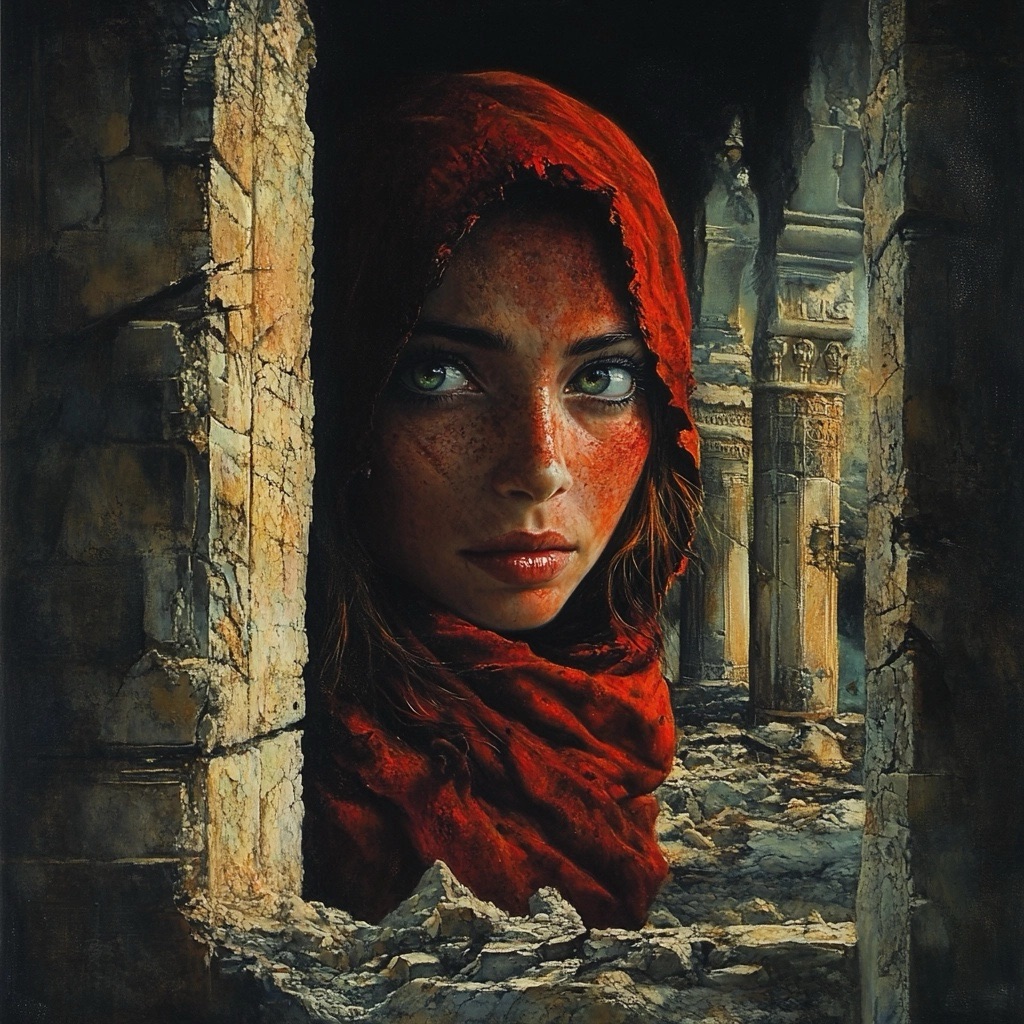
At the heart of this desolation, we find our protagonist, Thea – a woman born into this harsh reality, never knowing the comforts of the world that came before. Thea is a “Mutant,” one of many genetically altered individuals who’ve adapted to survive in this poisoned environment. Her journey through this unforgiving landscape forms the backbone of Yarbro’s narrative, offering a unique perspective on a world gone mad.
The Last Vestiges of Humanity
Yarbro doesn’t pull any punches in her depiction of humanity’s darker impulses. With no law enforcement to speak of, the strong prey on the weak, and violence becomes a way of life. It’s a sobering reminder of how quickly the veneer of civilization can crumble when pushed to its limits.
Yet, amidst this bleakness, Yarbro weaves a thread of hope in the form of Thea’s relationship with Montague, a former Pirate leader she encounters on her journey. Their unlikely bond serves as a counterpoint to the brutality surrounding them, showcasing the resilience of human connection even in the direst circumstances.
A Cautionary Tale for Our Times
While “False Dawn” is undoubtedly a work of fiction, its themes resonate eerily with our current global challenges. The novel’s depiction of environmental devastation serves as a stark warning about the potential consequences of unchecked pollution and disregard for our planet’s health.
Yarbro’s exploration of fear and prejudice towards those who are different – in this case, the Mutants – mirrors real-world issues of discrimination and xenophobia. It’s a reminder that in times of crisis, our treatment of “the other” often reveals the true measure of our humanity.
The Ghosts of Civilization Past
One of the most fascinating aspects of “False Dawn” is the contrast Yarbro draws between those born before and after the apocalyptic event. Thea, having never known the world as it was, struggles to comprehend the seemingly frivolous habits and possessions of the old world. This generational divide adds depth to the narrative, forcing readers to question their own values and the things they take for granted.
Montague, on the other hand, serves as a living link to the past, carrying the weight of all that’s been lost. His perspective adds a layer of poignancy to the story, highlighting the magnitude of what humanity has destroyed.
A Love Story Amidst the Ruins
At its core, “False Dawn” is also a love story – albeit one set against the bleakest of backdrops. Thea and Montague’s relationship develops slowly and realistically, forged in the crucible of shared hardship and mutual dependence. It’s a testament to Yarbro’s skill as a writer that she manages to craft a believable romance without sugarcoating the harsh realities of their world.
Their quest for the mythical “Cold Lake” – a rumored safe haven – serves as both a physical journey and a metaphorical one. It represents hope in a world where hope seems foolish, and the human drive to find meaning and connection even in the darkest of times.
Yarbro’s Unflinching Gaze
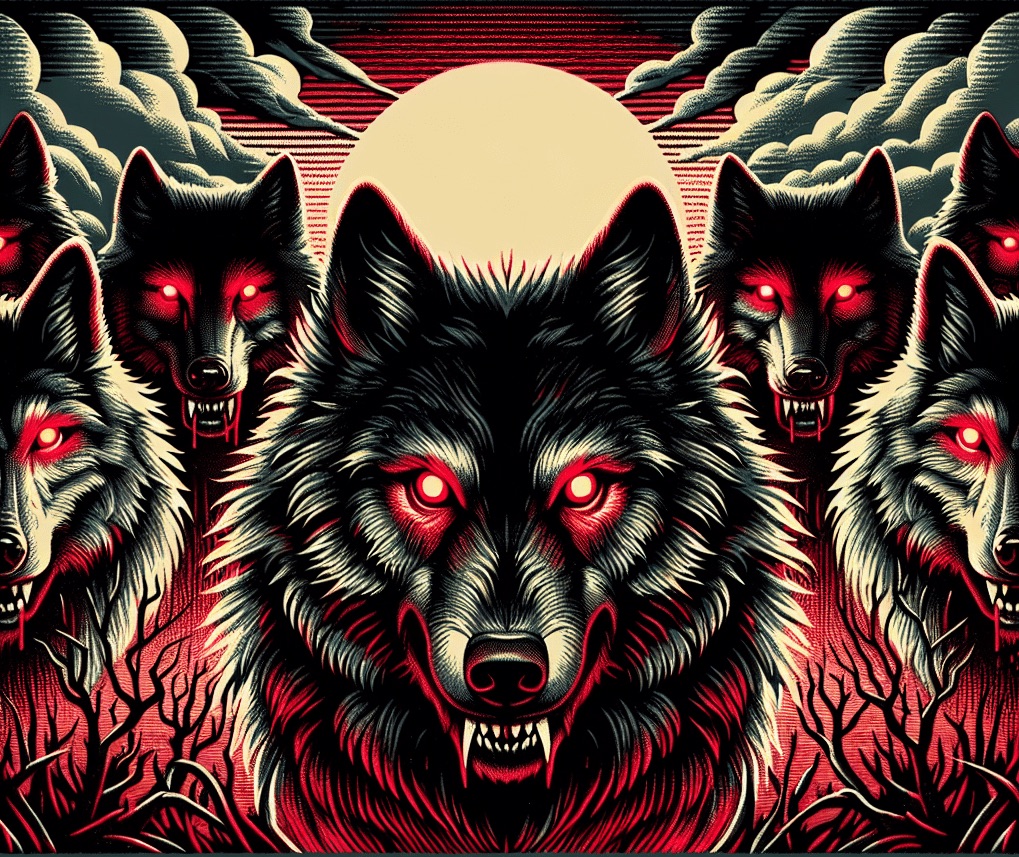
One of the strengths of “False Dawn” is Yarbro’s unflinching gaze when it comes to depicting the horrors of this post-apocalyptic world. From the very first page, which describes a mutilated woman hanging from a billboard, about to be devoured by wild dogs, Yarbro sets a tone of gritty realism that permeates the entire novel. This isn’t a sanitized version of the apocalypse – it’s raw, brutal, and often deeply disturbing.
Yet, Yarbro’s vivid descriptions serve a purpose beyond mere shock value. They immerse the reader fully in Thea and Montague’s reality, making their struggles and triumphs all the more impactful. By the end of the novel, you feel as if you’ve walked every painful step alongside them, experienced every moment of fear and fleeting joy.
A Pioneering Work in Environmental Sci-Fi
It’s worth noting that “False Dawn” was one of the first post-apocalyptic novels to focus on environmental collapse rather than nuclear war or other more traditional doomsday scenarios. This forward-thinking approach sets it apart from many of its contemporaries and gives it a chilling relevance to modern readers grappling with the realities of climate change and environmental degradation.
Yarbro’s vision of a world poisoned by pollution and ravaged by unchecked industrial practices serves as a stark warning about the potential consequences of our actions. It’s a reminder that sometimes the most insidious threats are the ones that creep up on us slowly, rather than arriving with a bang.
The Complexity of Survival
One of the most compelling aspects of “False Dawn” is its exploration of what it truly means to survive in a world that seems determined to kill you. Thea and Montague face constant threats – from the toxic environment, from other humans, and from their own bodies as they struggle with the effects of radiation and mutation.
Yarbro doesn’t shy away from the moral compromises and difficult decisions her characters must make to stay alive. This adds a layer of psychological depth to the novel, forcing readers to question what they might do in similar circumstances. It’s easy to judge from the comfort of our current world, but “False Dawn” challenges us to truly put ourselves in the shoes of its desperate protagonists.
A Critique of Human Nature
While the environmental themes of “False Dawn” are certainly prominent, the novel also serves as a scathing critique of human nature. The Pirates, with their brutal treatment of women and their mission to eradicate all mutants, represent the worst aspects of humanity – intolerance, violence, and a fear of the “other”.
Yet, Yarbro doesn’t paint all of humanity with the same brush. Through characters like Thea and Montague, she shows that even in the darkest of times, there’s potential for compassion, love, and selflessness. This nuanced approach to human nature adds depth to the narrative and prevents it from falling into simplistic “good vs. evil” territory.
The Power of Hope
Despite its bleak setting and often harrowing events, “False Dawn” is ultimately a novel about hope. Thea’s unwavering belief in the existence of Cold Lake, a safe haven for mutants, drives the narrative forward. Even when faced with overwhelming evidence to the contrary, she clings to this hope, using it as a beacon to guide her through the darkness.
This theme of hope in the face of despair is what elevates “False Dawn” from a simple survival story to something more profound. It speaks to the indomitable human spirit, our ability to find meaning and purpose even in the most dire circumstances.
The Abrupt Ending: A Point of Contention
One aspect of “False Dawn” that has divided readers is its rather abrupt ending. Some have found it unsatisfying, feeling that Thea and Montague’s journey is left unfinished. However, others argue that the open-ended conclusion fits perfectly with the novel’s themes of uncertainty and the constant struggle for survival in this harsh world.
Regardless of one’s opinion on the ending, it certainly provokes discussion and reflection – a hallmark of truly impactful literature. The ambiguity leaves room for readers to imagine their own conclusions, perhaps mirroring the uncertainty faced by the characters themselves in their quest for a better future.
Stylistic Choices: Enhancing the Atmosphere
Yarbro’s writing style in “False Dawn” is as stark and unforgiving as the landscape she describes. Her prose is lean and efficient, mirroring the stripped-down existence of her characters. This stylistic choice serves to immerse the reader fully in the post-apocalyptic world, where every word and action must have purpose to ensure survival.
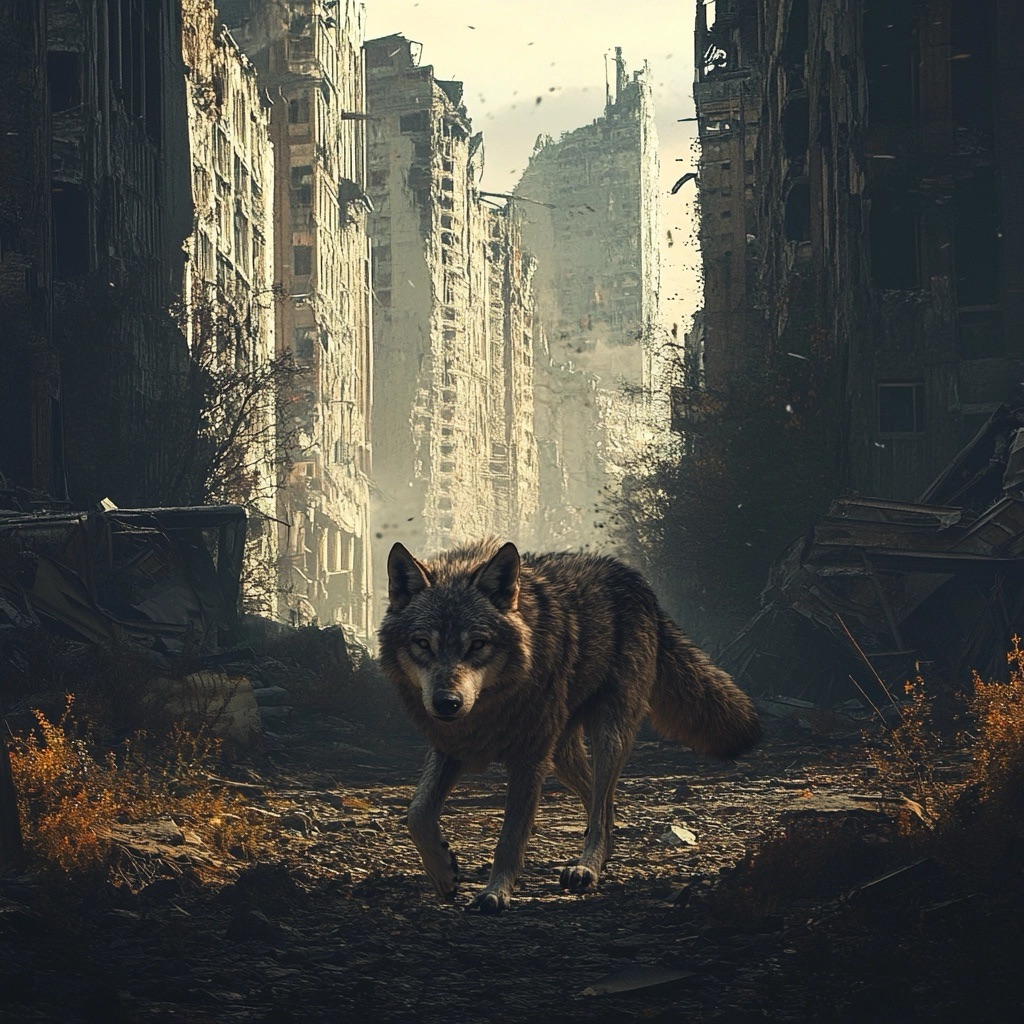
The author’s background in historical fiction shines through in her attention to detail, particularly in describing the remnants of the old world that Thea and Montague encounter on their journey. These glimpses of a lost civilization add depth to the setting and serve as poignant reminders of all that has been lost.
Themes That Resonate Today
While “False Dawn” was written over four decades ago, many of its themes feel startlingly relevant to modern readers. The novel’s exploration of environmental destruction, societal collapse, and the treatment of “others” in times of crisis all resonate strongly with current global concerns.
The fear and persecution of mutants in the novel can be seen as an allegory for various forms of discrimination and xenophobia that persist in our world today. Yarbro’s portrayal of how quickly society can turn on those perceived as different serves as a stark warning about the fragility of social progress.
A Feminist Perspective
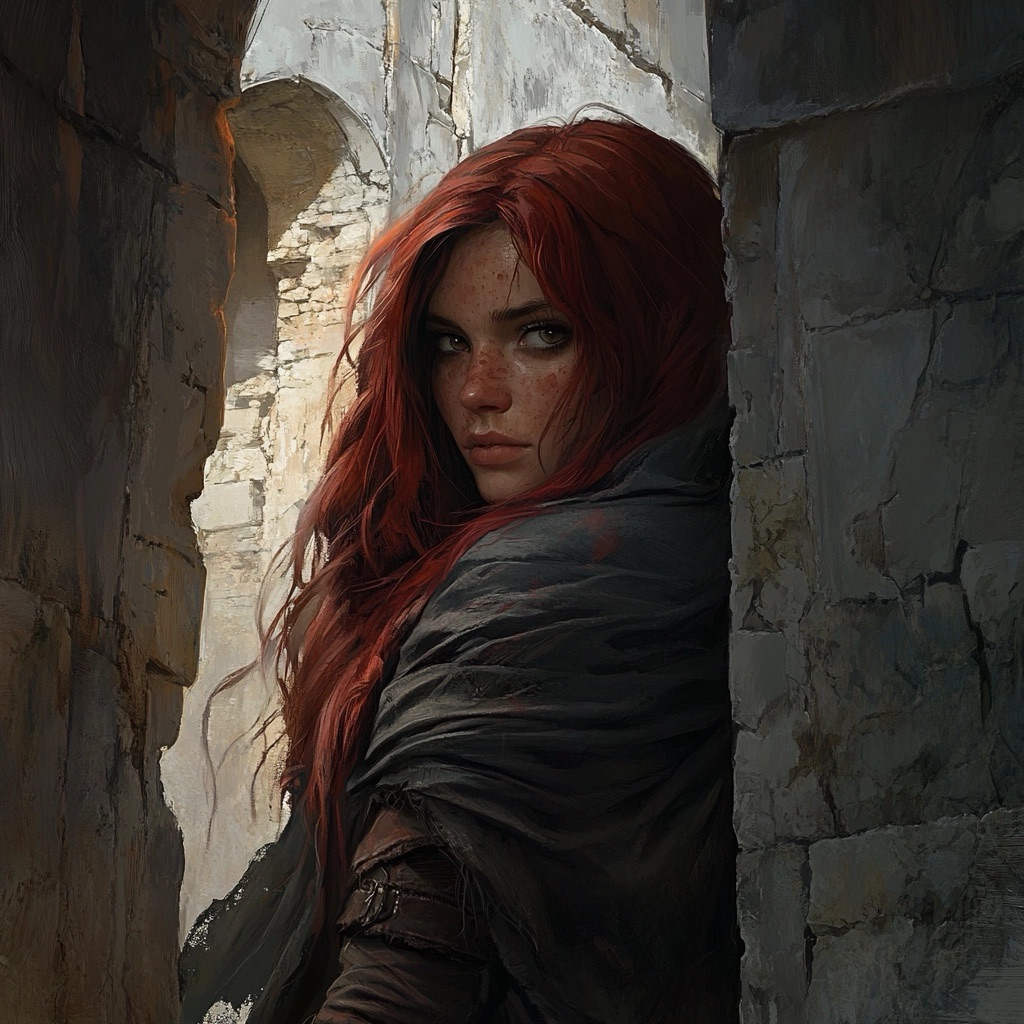
It’s worth noting that Yarbro, speaking at a symposium on post-holocaust literature, explicitly warned against the idea that a societal collapse would lead to greater equality for women. She argued that such an event would likely result in a regression to more primitive and oppressive social structures.
This perspective is reflected in “False Dawn,” where we see the brutal treatment of women by the Pirates and the constant threat of sexual violence that Thea faces. However, through Thea’s strength and agency, Yarbro also presents a counterpoint – a vision of female resilience and power even in the most challenging circumstances.
The Expanded Novel: A Mixed Blessing?
Interestingly, “False Dawn” was originally a short story that Yarbro later expanded into a full-length novel. Some critics, like John Clute writing in the Magazine of Fantasy and Science Fiction, felt that this expansion diluted the impact of the original story. Clute argued that the episodic nature of the novel’s plot diminished the powerful parallels between Thea’s personal trauma and the devastation of the land that were so effective in the short story format.
However, many readers appreciate the additional depth and character development that the novel-length version provides. The expanded format allows Yarbro to more fully explore her themes and create a more immersive post-apocalyptic world.
Final Thoughts: A Challenging But Rewarding Read
“False Dawn” is not an easy read. Its bleak vision of the future and unflinching portrayal of human cruelty can be challenging to digest. However, for those willing to brave its harsh landscape, the novel offers rich rewards. It’s a thought-provoking exploration of human nature, environmental responsibility, and the power of hope in the face of overwhelming odds.
Yarbro’s novel serves as both a warning and a call to action. It forces us to confront the potential consequences of our current path and challenges us to do better. At the same time, through characters like Thea and Montague, it reminds us of the resilience of the human spirit and our capacity for compassion even in the darkest of times.
In the end, “False Dawn” stands as a powerful entry in the post-apocalyptic genre. Its influence can be seen in many later works, and its themes continue to resonate with readers today. Whether you’re a long-time fan of post-apocalyptic fiction or new to the genre, “False Dawn” deserves a place on your reading list. It’s a powerful reminder of the resilience of the human spirit and the importance of holding onto our humanity, even in the face of unimaginable adversity. In Thea’s journey, we see reflections of our own struggles and hopes, making “False Dawn” not just a glimpse into a possible future, but a profound exploration of what it means to be human in any era.
Discover more from Fear Planet
Subscribe to get the latest posts sent to your email.

Comments are closed.