

Hey there, fellow fright fanatics. Today, Fear Planet is venturing into the deliciously dark realm where terror meets technology, where monsters meet meteorites, and where silent screams reverberate through the vast emptiness of space. That’s right, we’re talking about the marriage of horror and science fiction today – a match made in the heavens (or perhaps in some nightmarish laboratory).
Now, I know what some of you are thinking. “Aren’t horror and sci-fi two completely different genres?” Well, you’re not entirely wrong. But here’s the thing: these two seemingly disparate genres have been doing the intergalactic tango for decades, and the results are out of this world (pun absolutely intended). So let’s talk about it – the intersection of horror and science fiction.
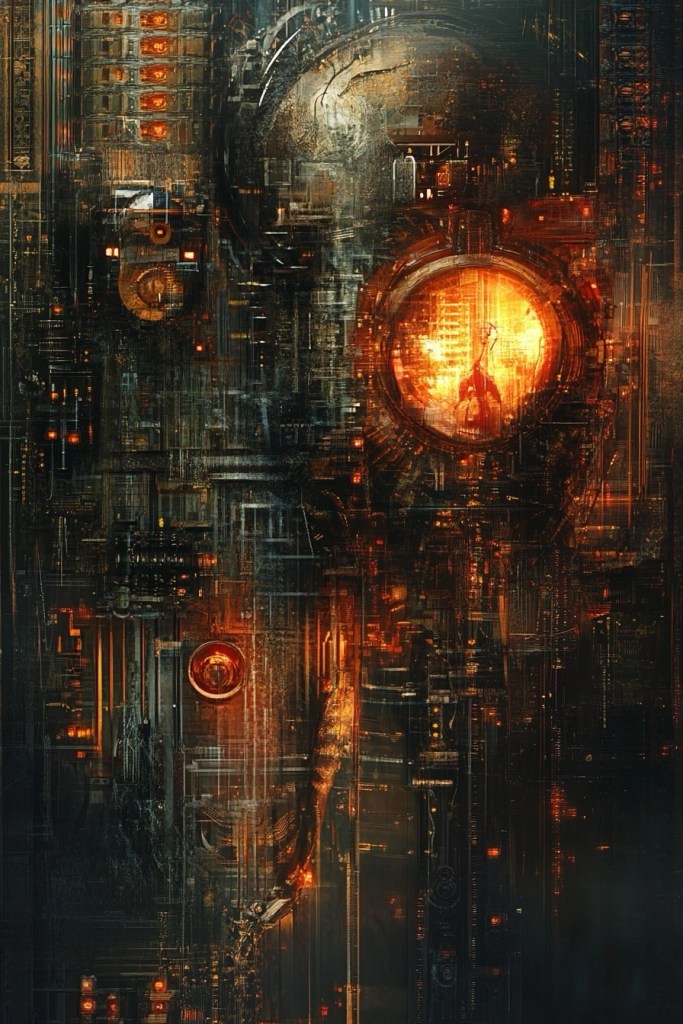
When Horror First Courted Sci-fi
First let’s rewind the clock a bit. Imagine this: it’s 1818, and a young Mary Shelley is sitting around a fireplace with her pals, including the famous poet Lord Byron. They’re swapping ghost stories, as one does, when suddenly – BAM! – inspiration strikes. The result? “Frankenstein; or, The Modern Prometheus,” a tale that many consider the birth of both science fiction and the modern horror novel. Talk about killing two birds with one lightning-powered stone!
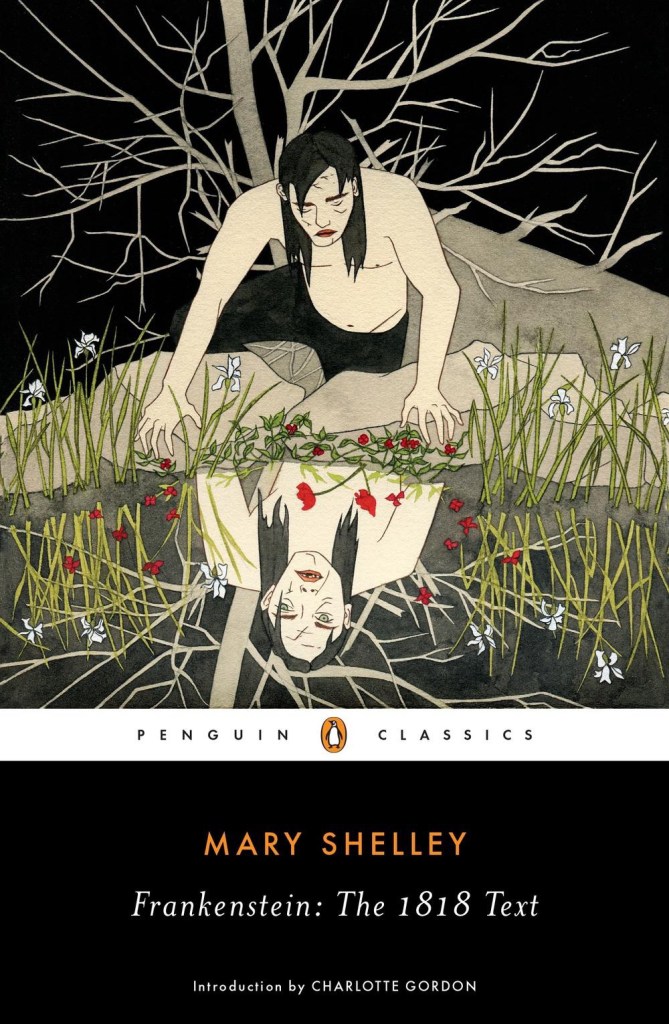
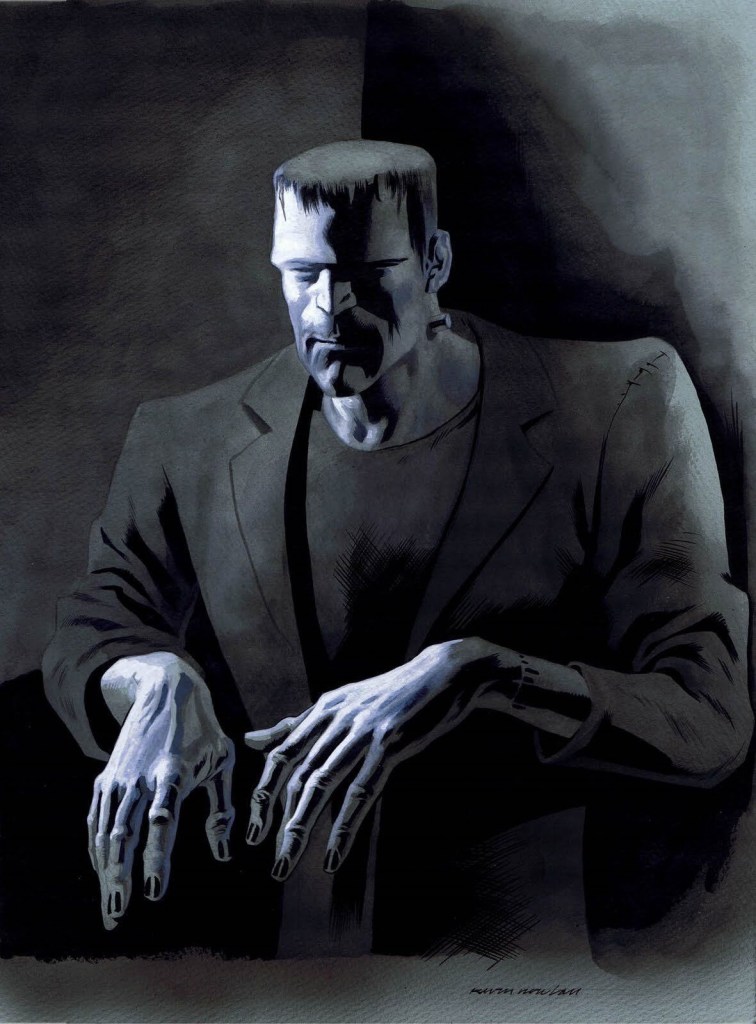
Shelley’s masterpiece set the stage for a beautiful friendship between horror and sci-fi. It asked the big questions: “What happens when science goes too far?” and “Who’s the real monster here?” These themes would become the backbone of countless stories to come, blending the terror of the unknown with the awe of scientific discovery.
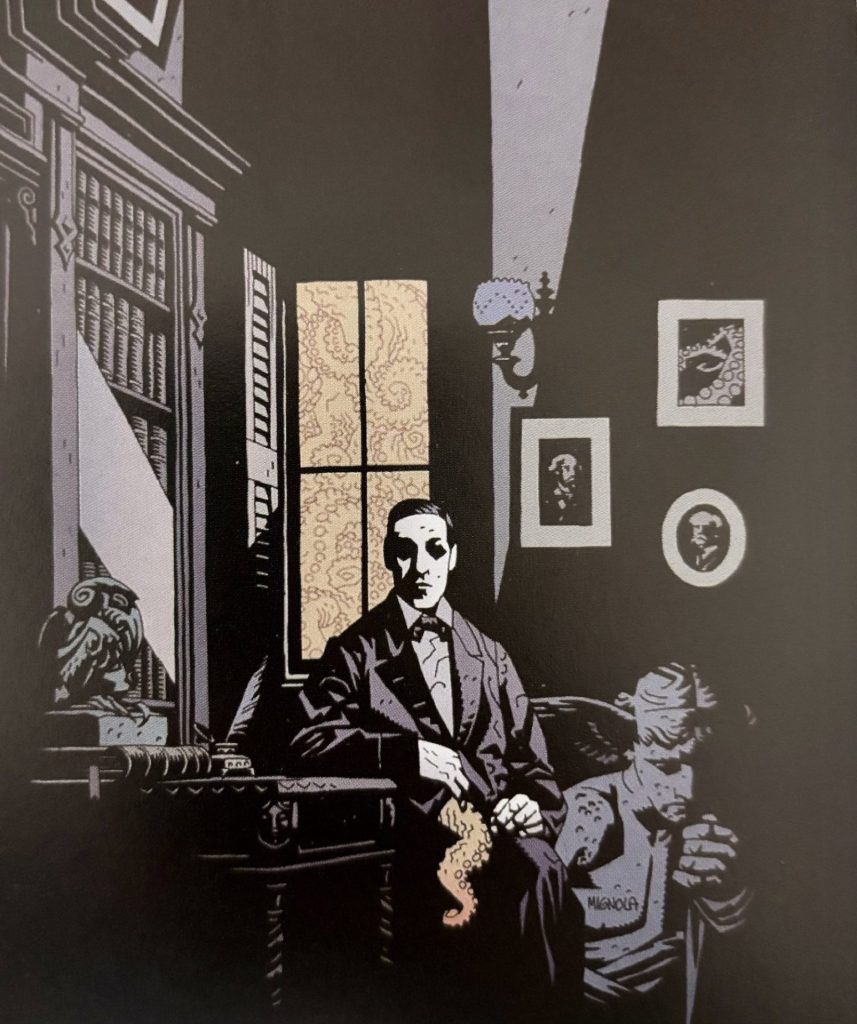
Fast forward to the early 20th century, and we’ve got H.P. Lovecraft scribbling away in his dimly lit study, conjuring up cosmic horrors that would make even the bravest astronaut wet their space suit. Lovecraft’s work, with its blend of otherworldly terrors and pseudo-scientific explanations, further cemented the bond between horror and sci-fi. I mean, who needs sleep when you can stay up all night pondering the existence of ancient alien gods, am I right?
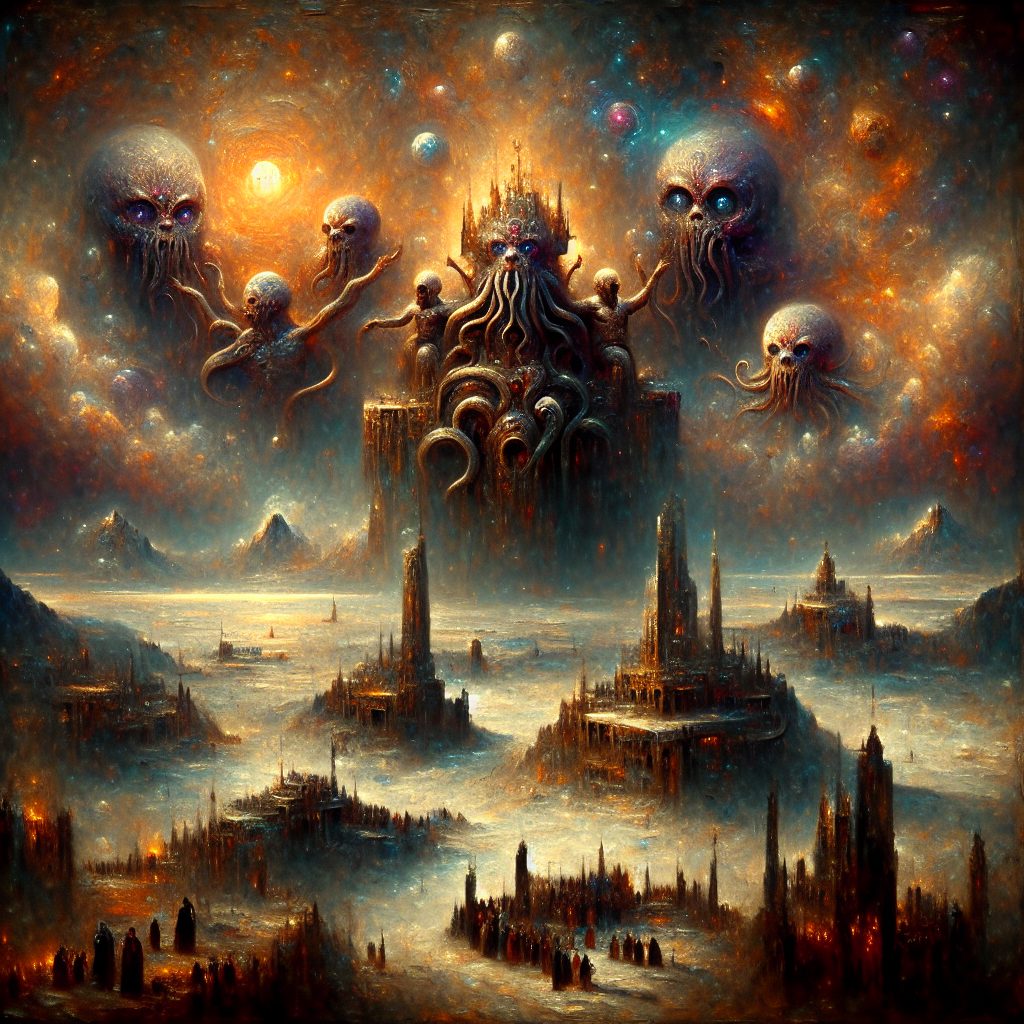
The Engagement of Horror and Sci-fi
The real explosion of horror-sci-fi goodness came with the advent of film and television. Suddenly, those terrifying aliens and mad scientists weren’t just in our imaginations – they were right there on the screen, making us spill our popcorn and hide behind our sofas.
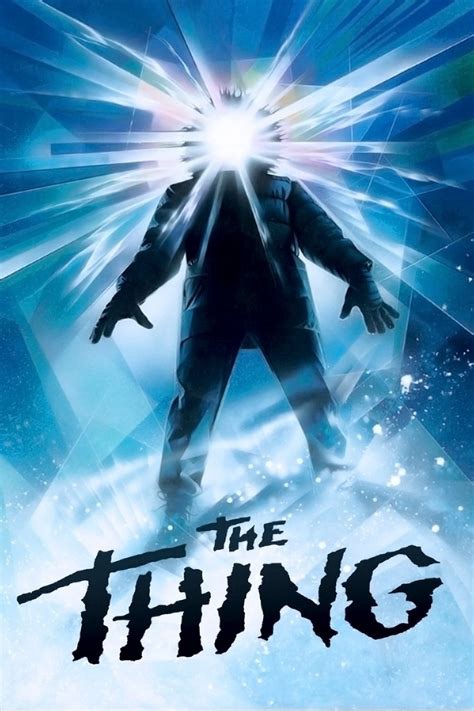
Take “The Thing” (1982), for example. John Carpenter’s masterpiece of paranoia and body horror is set in the isolated wasteland of Antarctica, where a shape-shifting alien wreaks havoc on a group of researchers. It’s got all the hallmarks of classic horror – isolation, mistrust, gruesome deaths – but with a distinctly sci-fi twist. The alien’s ability to perfectly mimic other life forms isn’t just terrifying; it’s a chilling exploration of identity and what it means to be human. Deep stuff for a movie with exploding dog-aliens, huh?
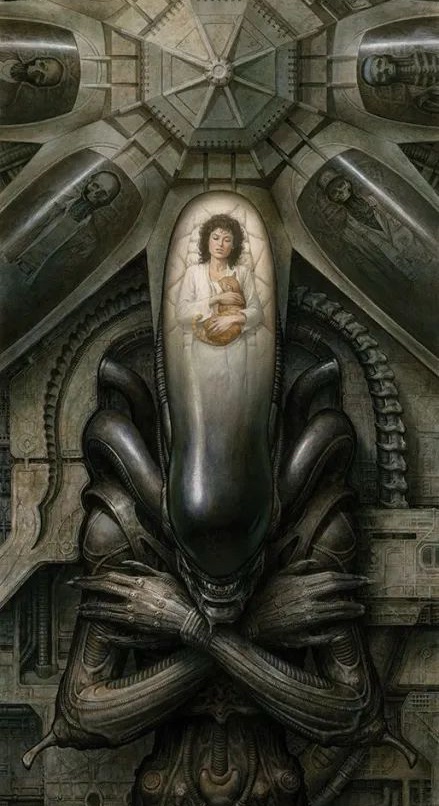
Or how about “Alien” (1979)? Ridley Scott’s claustrophobic nightmare in space took the haunted house trope and launched it into orbit. The result? A perfect blend of sci-fi spectacle and gut-wrenching horror. The Xenomorph isn’t just a monster; it’s a perfectly evolved killing machine, a dark mirror to humanity’s own drive to survive and reproduce. Plus, that chest-burster scene? Still makes me queasy after all these years.
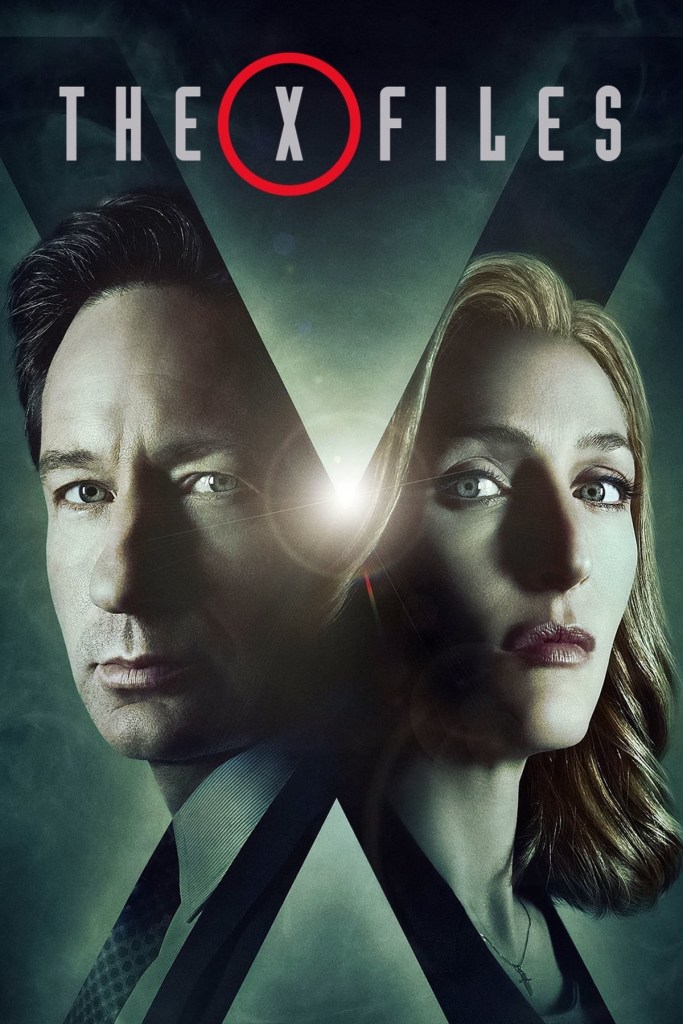
But it’s not just movies that have been playing in this terrifying sandbox. Television has given us some truly unforgettable horror-sci-fi hybrids. “The X-Files” spent nine seasons (plus a revival) exploring the murky waters where government conspiracies meet alien invasions and monster-of-the-week frights. Mulder and Scully’s investigations into the paranormal often veered into pure horror territory, with episodes like “Home” (you know, the one with the inbred family) pushing the boundaries of what was acceptable on network TV.
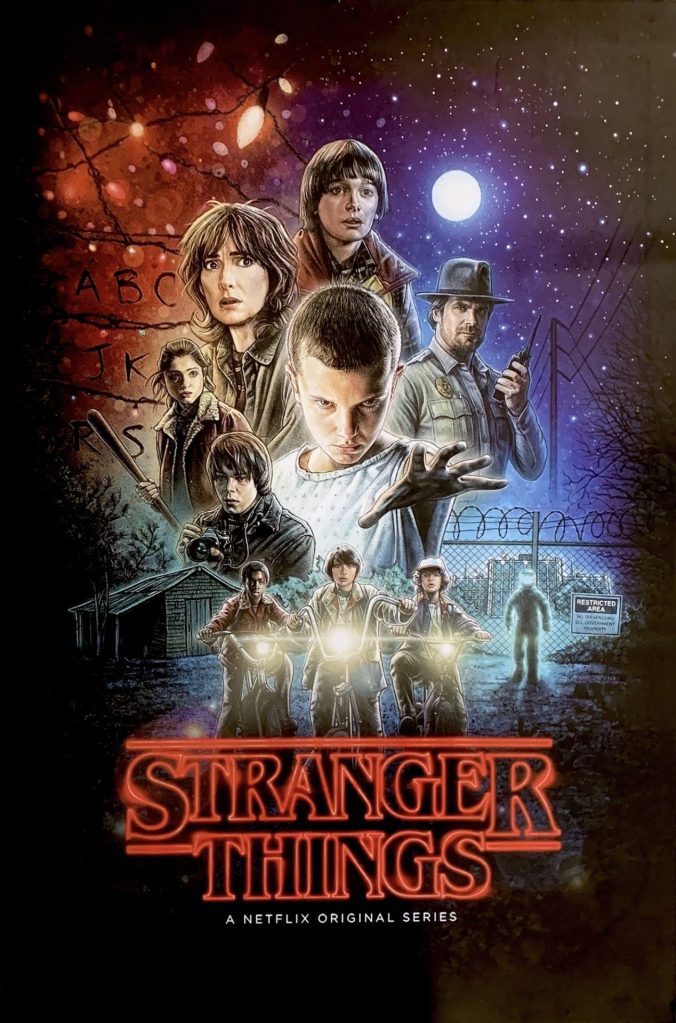
More recently, “Stranger Things” has captured the imaginations of millions with its nostalgic blend of ’80s sci-fi and horror tropes. The Upside Down isn’t just a parallel dimension; it’s a dark reflection of our world, populated by monsters that embody our deepest fears. And let’s be real, the Demogorgon is basically the love child of H.R. Giger and a venus flytrap on steroids.
Literature and the Birth of Sci-Horror Fiction
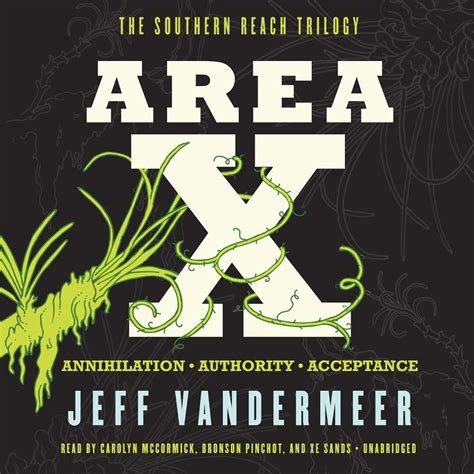
But hey, let’s not forget about the written word. While movies and TV shows might get all the flashy special effects, books have been quietly pushing the boundaries of horror-sci-fi for years. Take Jeff VanderMeer’s “Southern Reach Trilogy,” for instance. These mind-bending novels explore an mysterious area known as Area X, where the laws of nature seem to have gone on vacation. It’s part ecological horror, part existential sci-fi nightmare, and 100% guaranteed to make you question reality.
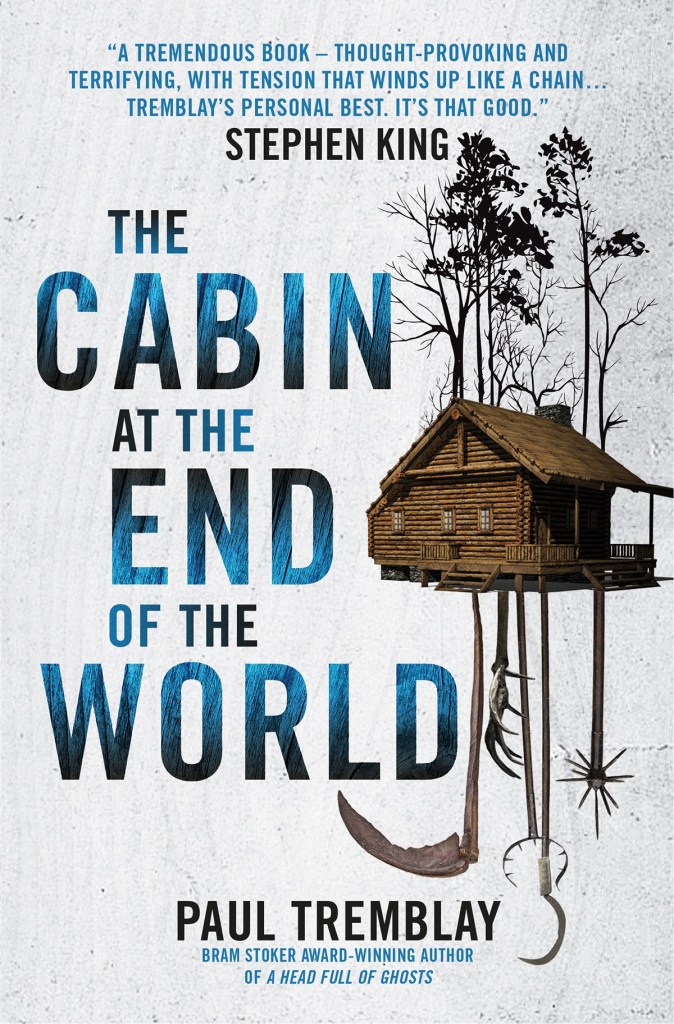
Or how about “The Cabin at the End of the World” by Paul Tremblay? This nail-biter of a novel takes the home invasion horror trope and gives it a sci-fi twist that’ll leave you reeling. Without spoiling too much (because seriously, you need to read this one), it blends apocalyptic themes with intimate, personal terror in a way that’ll have you checking the locks on your doors and windows.
Now, I can hear some of you grumbling in the back. “Isn’t this just lazy storytelling? Throwing a bunch of aliens and monsters together and calling it a day?” Hell no! When done right, the marriage of horror and sci-fi is anything but lazy. In fact, it’s a match made in heaven (or perhaps in some distant, terrifying corner of the universe).
A Lot in Common
Both horror and science fiction share a common goal: they want to make us question our place in the universe. Horror does this by tapping into our primal fears, making us confront the darkness that lurks just beyond the edge of our understanding. Science fiction, on the other hand, pushes us to imagine new possibilities, to look beyond our current limitations and ask “what if?”
When these two genres come together, magic happens. We get stories that not only scare us but make us think. They challenge our assumptions about the world and our place in it. They ask us to confront our fears of the unknown, of change, of the vastness of the universe and our own insignificance within it.
Take “Black Mirror,” for example. While not strictly horror, many episodes of this anthology series blend sci-fi concepts with horrifying outcomes. Episodes like “White Christmas” or “USS Callister” use futuristic technology as a lens to examine very real, very human horrors. It’s not just about the tech; it’s about what that tech reveals about us as a species.
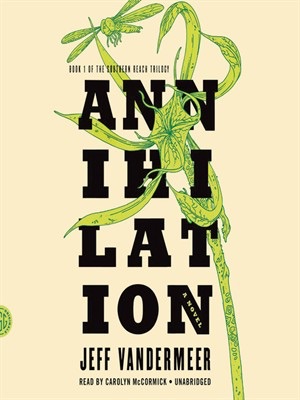
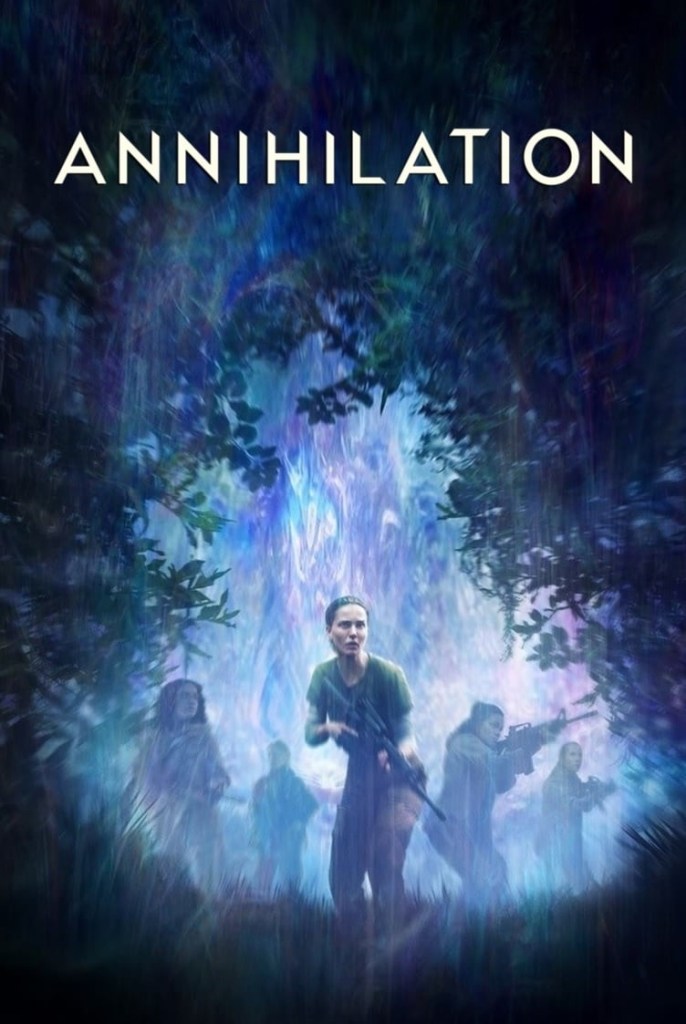
Or consider “Annihilation,” both the novel by Jeff VanderMeer and its film adaptation. This story takes the concept of alien invasion and turns it on its head. The “invader” in this case isn’t a conquering force or a malevolent entity; it’s more like a virus, rewriting the very DNA of our world. The horror comes not from jump scares or gore, but from the existential dread of facing something truly alien, something that challenges our very understanding of life itself.
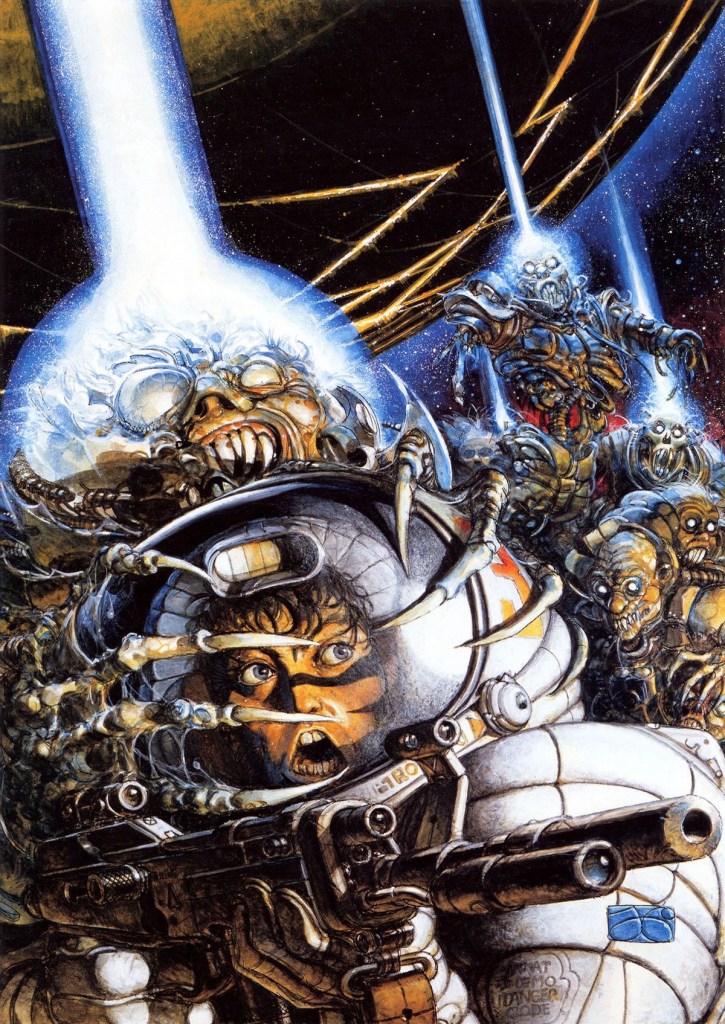
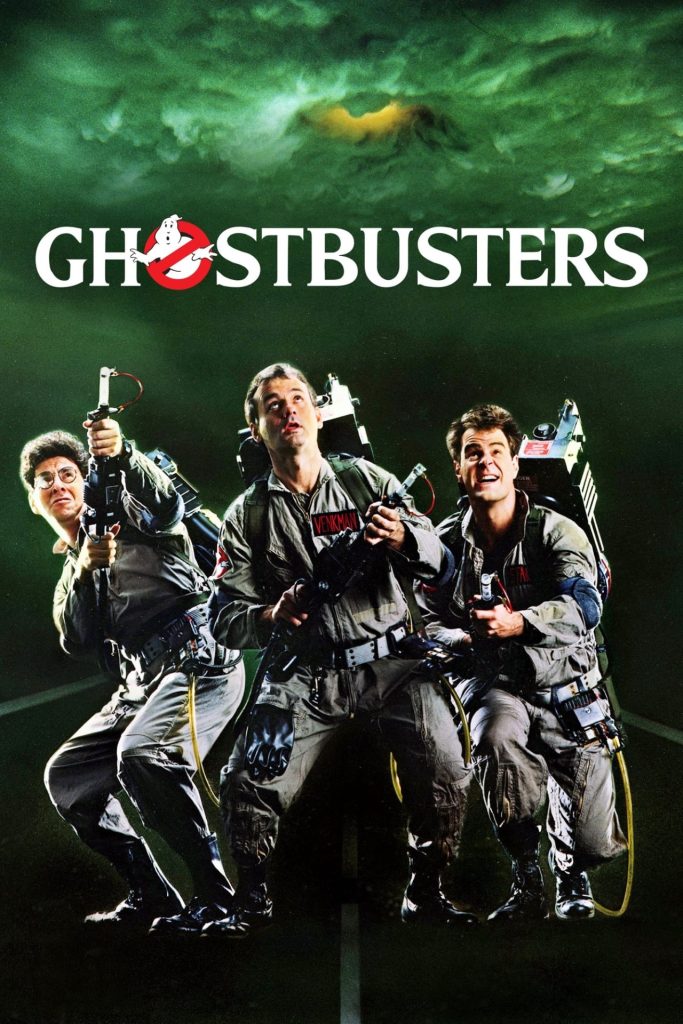
But let’s lighten the mood a bit, shall we? Because not all horror-sci-fi has to be doom and gloom. Sometimes, it can be downright fun. Just look at “Ghostbusters.” Here’s a movie that takes the classic ghost story and gives it a pseudo-scientific twist. Our heroes aren’t exorcists or mediums; they’re scientists with proton packs and a converted hearse. It’s a perfect blend of sci-fi gadgetry and supernatural spookiness, all wrapped up in a comedy bow.
The marriage of horror and sci-fi isn’t just about creating bigger, badder monsters or more elaborate death scenes. It’s about expanding the boundaries of what scares us. It’s about taking our fears – of the dark, of the unknown, of loss of control – and projecting them onto a cosmic scale.
Cosmic Musings
In a world where technology is advancing at a breakneck pace, where our understanding of the universe is constantly expanding, the blend of horror and sci-fi feels more relevant than ever. We’re living in an age where the lines between science fact and science fiction are increasingly blurred. Artificial intelligence, genetic engineering, virtual reality – these aren’t just plot devices anymore. They’re our reality.
And that’s where horror-sci-fi really shines. It gives us a safe space to explore our anxieties about these advancements. It allows us to ask the hard questions: What happens when AI becomes sentient? What are the consequences of meddling with our genetic code? What horrors might await us in the depths of space?
But it’s not all doom and gloom. The marriage of horror and sci-fi shows us that even in the face of unimaginable terrors, human ingenuity and courage can prevail. Whether it’s Ellen Ripley facing down the Xenomorph Queen or the kids from Hawkins battling the Mind Flayer, these stories remind us of our capacity for bravery and resilience.
As we look to the future, it’s clear that the unholy union of horror and sci-fi is here to stay. With advances in CGI and virtual reality, filmmakers and game developers have more tools than ever to bring their terrifying visions to life. Just imagine strapping on a VR headset and finding yourself face-to-face with a Lovecraftian horror from beyond the stars. (On second thought, maybe don’t imagine that. I’d like you to be able to sleep tonight.)
In literature, authors continue to push the boundaries of what’s possible when you blend the scientific with the supernatural. From the eco-horror of Jeff VanderMeer to the tech-noir nightmares of Philip K. Dick, there’s no shortage of mind-bending, spine-tingling tales to keep us up at night.
Coda
And so, fellow fear enthusiasts, I encourage you to embrace this beautiful, terrifying hybrid genre. Dive into that book about interdimensional parasites. Queue up that movie about the haunted space station. Because in the end, that’s what horror-sci-fi is all about: facing our fears, exploring the unknown, and maybe, just maybe, coming out the other side a little braver and a little wiser.
And who knows? The next time you hear a bump in the night, it might not be a ghost or a monster. It might be a visitor from another world, coming to probe your… uh, let’s just say “mind.” Sweet dreams, everyone!
P.S. If you’re looking for some recommendations to get started on your horror-sci-fi journey, here are a few of my personal favorites:
- “The Expanse” series by James S. A. Corey (books and TV show)
- “Event Horizon” (film)
- “Blindsight” by Peter Watts (novel)
- “Black Mirror” (TV series)
- “The Thing” (1982 film)
Thanks for reading, void wanderers. Stay scared, stay curious, and most importantly, stay human. Or at least, try to make sure the person next to you is still human and not a body snatcher.
This is Fear Planet, signing off. Until next time, take care of yourselves.
Discover more from Fear Planet
Subscribe to get the latest posts sent to your email.

Comments are closed.