
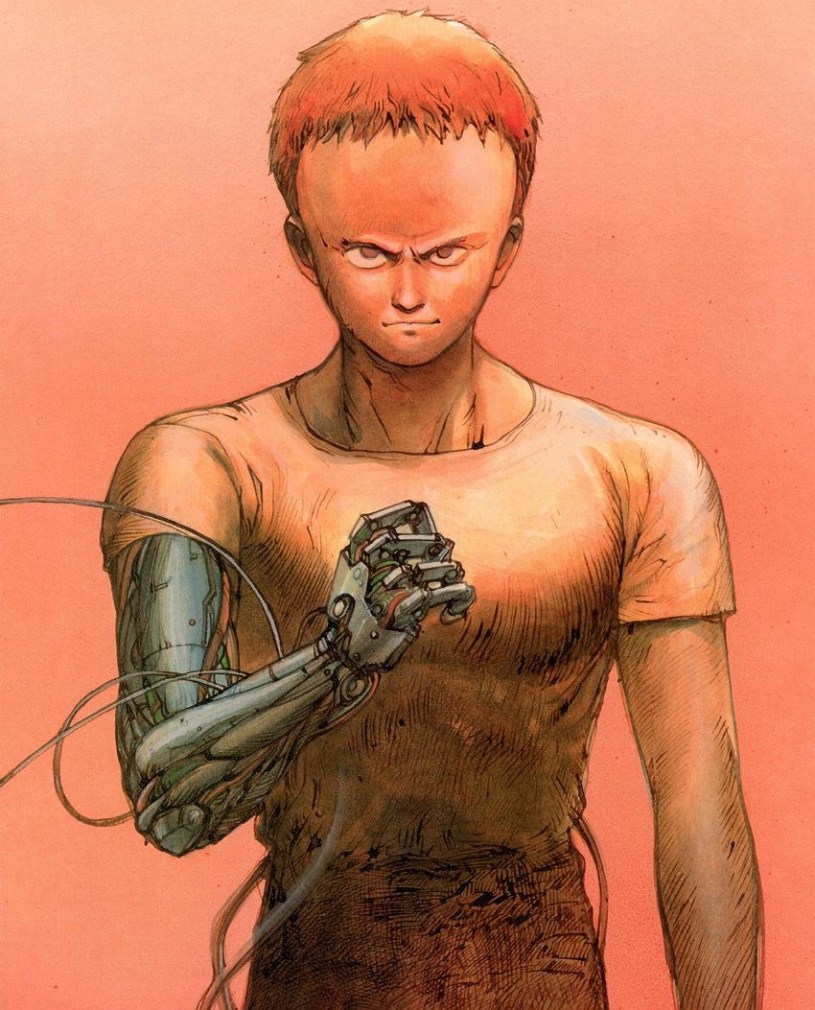
I’ve always been drawn to the way Japanese creators envision the future. There’s something uniquely captivating about how manga artists blend cultural influences, technological speculation, and human drama to craft stories that resonate across borders. Today, I invite you on a journey through ten of the most groundbreaking science fiction manga series that have shaped the medium and continue inspiring readers and creators worldwide.
1. Akira: The Cyberpunk Classic That Defined a Genre
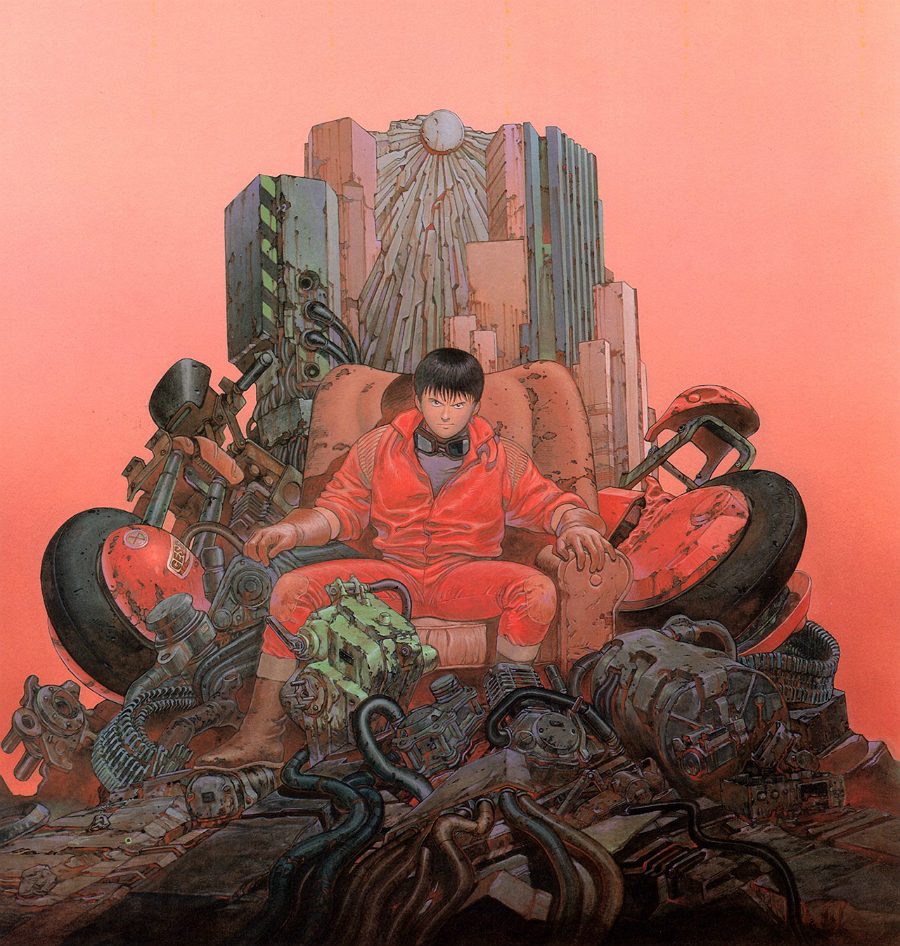
When I first picked up Katsuhiro Otomo’s “Akira,” I knew I was holding something special. This landmark cyberpunk series, which ran from 1982 to 1990, isn’t just a manga – it’s a cultural touchstone that has influenced everything from Hollywood blockbusters to street fashion.
Set in a post-apocalyptic Neo-Tokyo, “Akira” follows childhood friends Kaneda and Tetsuo as they become entangled in a web of government conspiracies, psychic powers, and social unrest. What struck me most about the series was how Otomo managed to create a world that felt both alien and eerily familiar. The sprawling cityscapes of Neo-Tokyo, with their neon-lit alleyways and towering skyscrapers, serve as a perfect backdrop for a story that explores themes of power, corruption, and the consequences of unchecked scientific advancement.
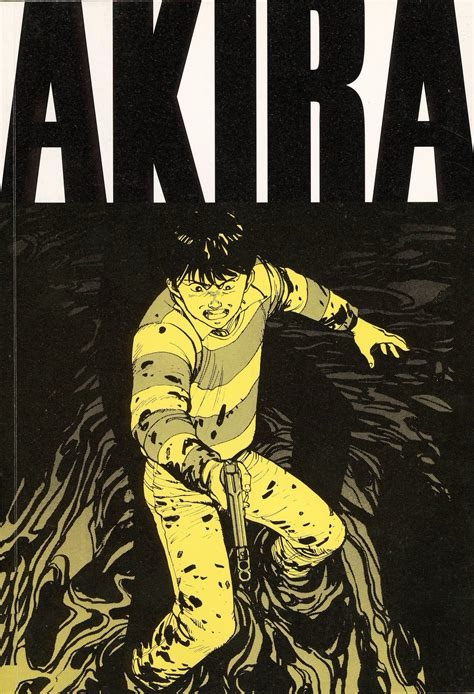
But “Akira” isn’t just about its setting. The relationship between Kaneda and Tetsuo forms the emotional core of the story, and watching their friendship strain under the weight of Tetsuo’s newfound abilities is genuinely heartbreaking. It’s this human element that elevates “Akira” from a simple sci-fi romp to a profound exploration of how power can corrupt and alienate us from those we care about most.
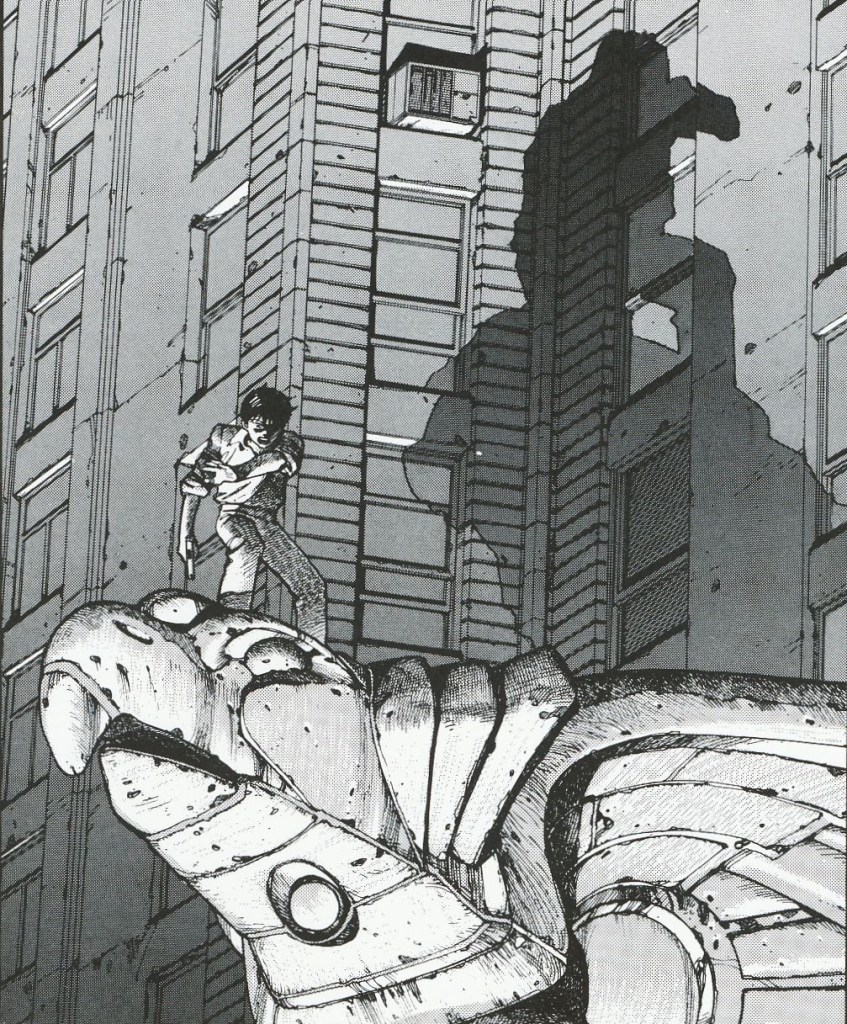
Otomo’s artwork is nothing short of stunning. Each panel is crammed with intricate details that bring Neo-Tokyo to life, and the action sequences are so dynamic they practically leap off the page. It’s no wonder that the 1988 anime adaptation of “Akira” played a crucial role in popularizing anime in the West – the source material is just that visually arresting.
2. Pluto: A Robotic Reimagining of a Classic Tale
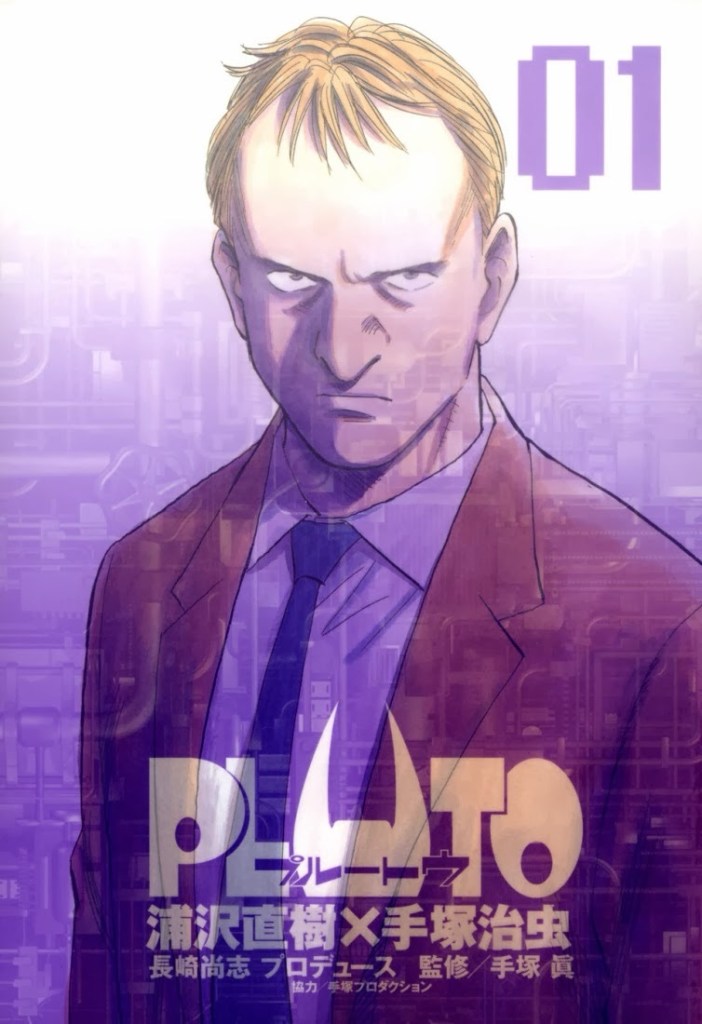
Naoki Urasawa’s “Pluto” holds a special place in my heart. As a reimagining of Osamu Tezuka’s “Astro Boy” story “The Greatest Robot on Earth,” it manages to pay homage to its source material while crafting something entirely new and thought-provoking.
Set in a world where humans and highly advanced robots coexist, “Pluto” follows Gesicht, a robot detective, as he investigates a series of murders targeting the world’s most sophisticated robots. What begins as a straightforward mystery quickly evolves into a complex exploration of what it means to be human in a world where the line between man and machine is increasingly blurred.
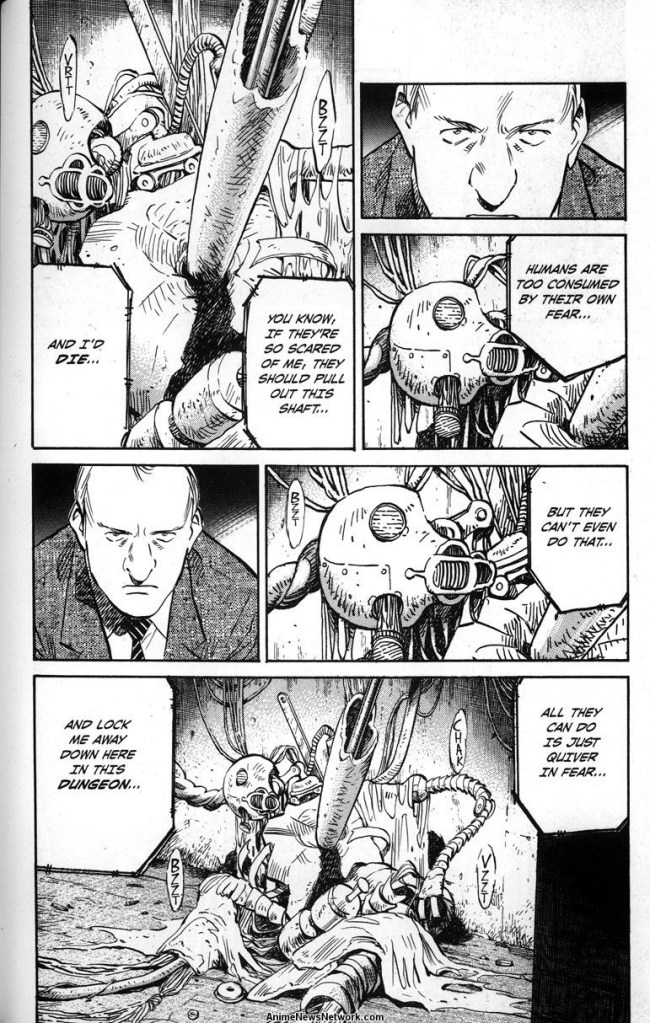
Urasawa’s storytelling prowess shines throughout “Pluto.” The way he gradually peels back the layers of the mystery, revealing connections to a past war and Gesicht’s own history, kept me on the edge of my seat. But what really sets “Pluto” apart is its nuanced examination of artificial intelligence, consciousness, and the ethical implications of creating sentient beings.
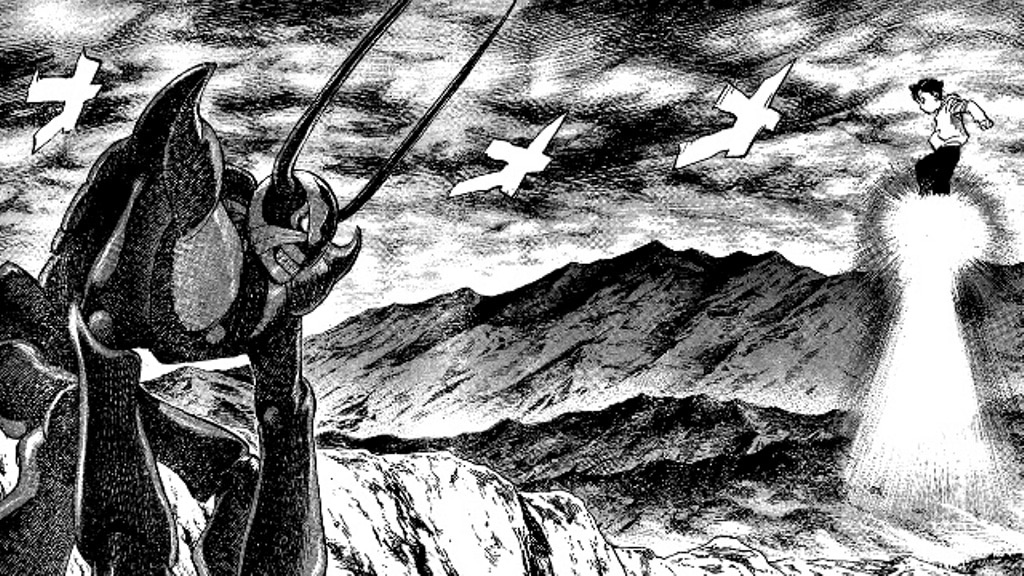
The characters in “Pluto,” both human and robot, are incredibly well-realized. Gesicht, in particular, is a fascinating protagonist. Watching him grapple with his own nature and the concept of emotions is both compelling and deeply moving. The relationships between the characters, especially the interactions between Gesicht and Atom (the “Astro Boy” counterpart), serve as a catalyst for exploring the complex dynamics between humans and robots.
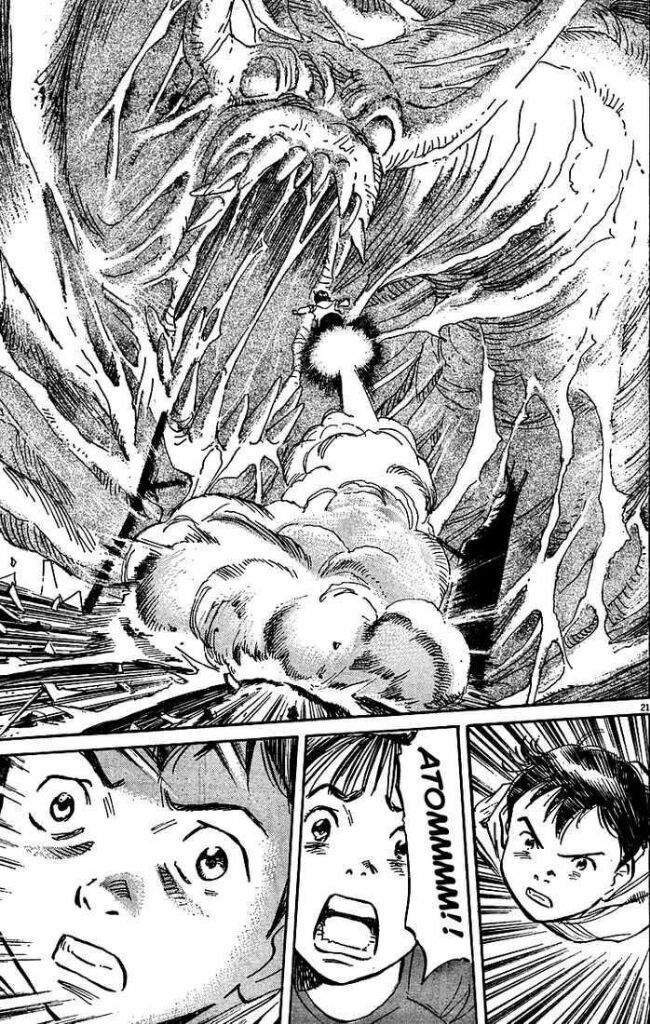
Artistically, “Pluto” is a masterclass in visual storytelling. Urasawa’s attention to detail and expressive character designs bring the world to life, while his use of cinematic panel layouts creates a sense of tension and unease that perfectly complements the narrative.
3. 20th Century Boys: Nostalgia and Conspiracy Collide
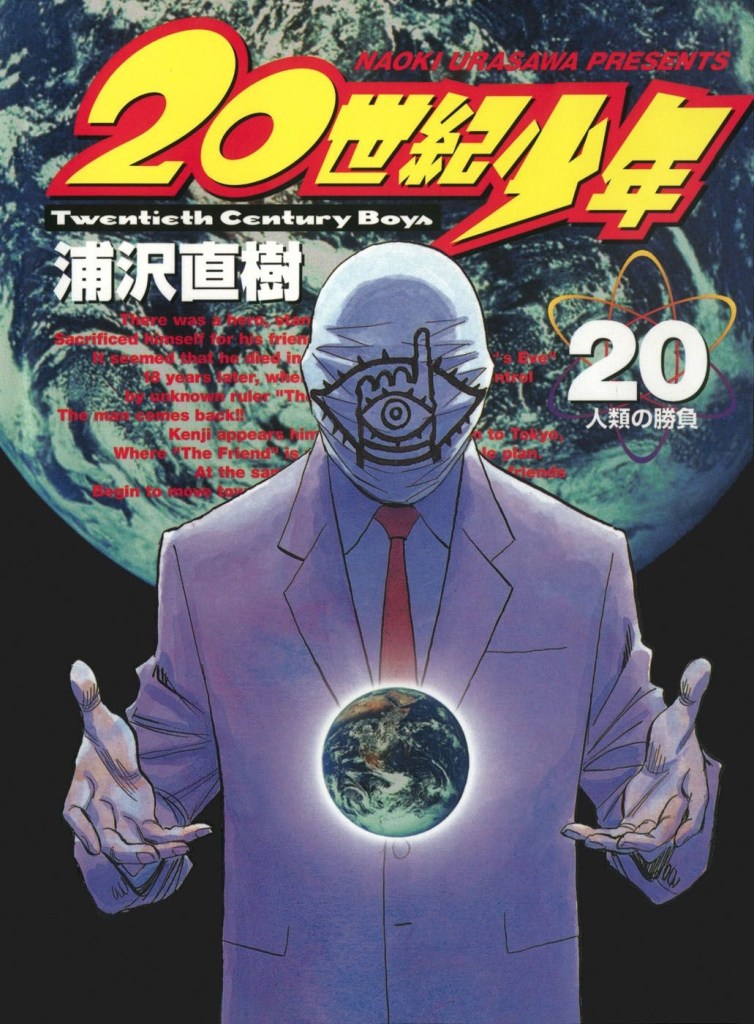
Naoki Urasawa strikes again with “20th Century Boys,” a series that masterfully blends elements of science fiction, mystery, and coming-of-age drama. This sprawling epic, which spans multiple decades, follows a group of childhood friends who must confront a cult threatening to bring about the end of the world – a cult whose symbol and prophecies bear an uncanny resemblance to the ones they created as children.
What I love most about “20th Century Boys” is how it taps into the power of nostalgia. The story jumps between different time periods, showing us the characters as both children and adults. This structure allows Urasawa to explore how our past shapes our present and future, and how the dreams and fears of childhood can have far-reaching consequences.
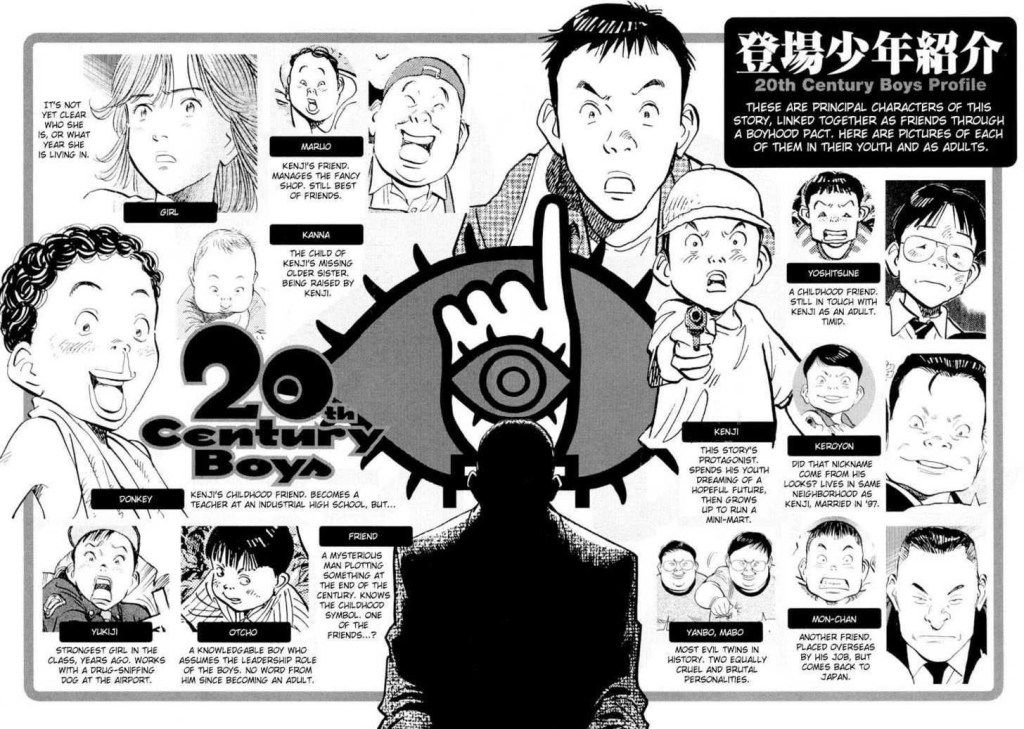
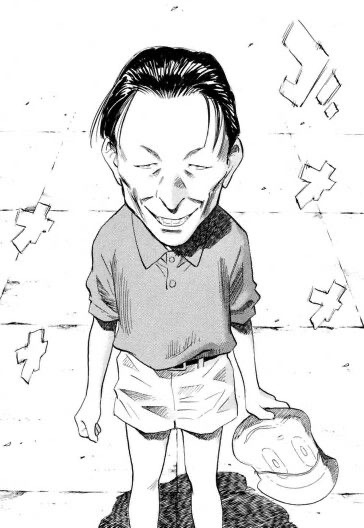
The central mystery of the cult and its enigmatic leader, known only as “Friend,” is utterly engrossing. Urasawa expertly weaves together numerous plot threads, dropping tantalizing clues and shocking revelations that kept me guessing until the very end. The way he incorporates elements of pop culture, from rock music to tokusatsu shows, adds an extra layer of depth to the world-building and helps ground the more fantastical elements of the story.
But what truly elevates “20th Century Boys” is its cast of characters. The core group of friends feels incredibly real, with their own quirks, flaws, and personal struggles. Watching them reunite as adults to confront the sins of their past is both thrilling and poignant. Kenji, the main protagonist, is particularly well-realized. His journey from failed musician to reluctant hero is one of the most compelling character arcs I’ve encountered in manga.
4. Made in Abyss: Beauty and Horror in the Depths
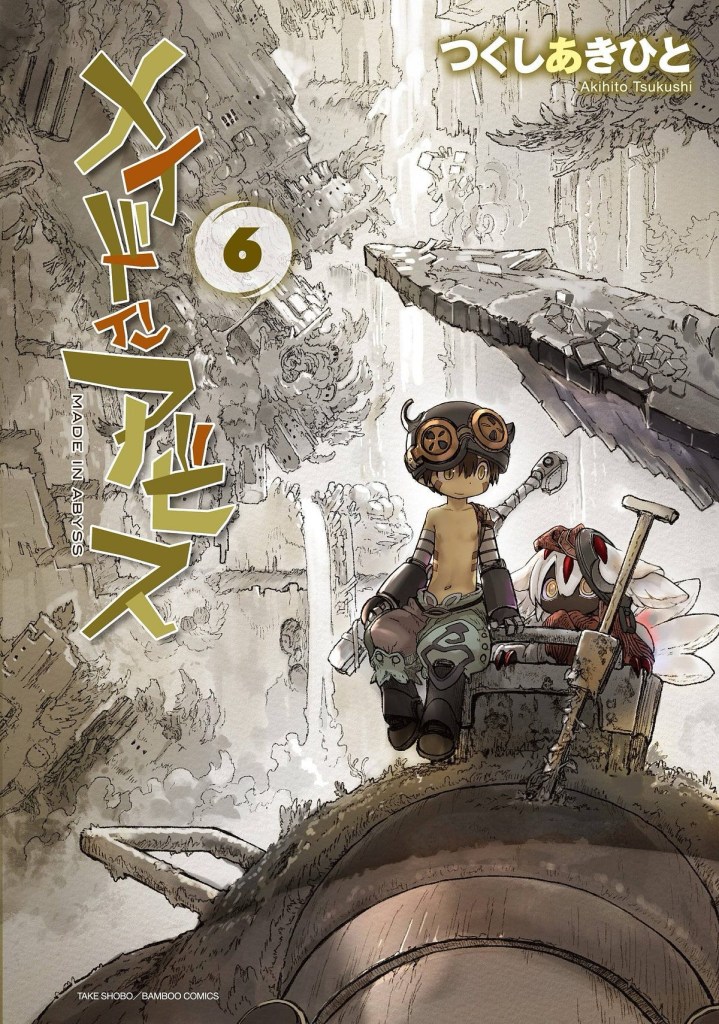
When I first stumbled upon Akihito Tsukushi’s “Made in Abyss,” I was immediately struck by the contrast between its cute, almost Ghibli-esque art style and the dark, often disturbing nature of its story. This juxtaposition is at the heart of what makes “Made in Abyss” such a unique and compelling series.
The story follows Riko, a young orphan girl living in a town built around the edge of a massive, mysterious hole known as the Abyss. Along with her robot companion Reg, Riko embarks on a perilous journey into the depths of the Abyss, searching for her lost mother and uncovering the secrets of this strange, vertical world.
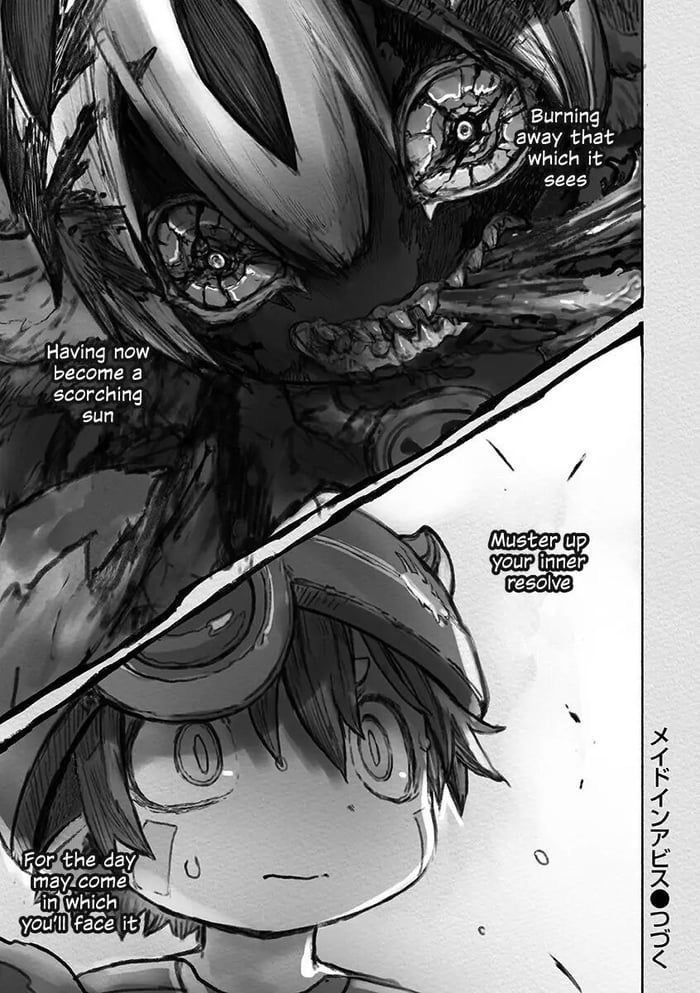
What sets “Made in Abyss” apart is its world-building. The Abyss itself is a character, with each layer presenting new wonders and horrors. Tsukushi’s imagination seems boundless as he populates this world with bizarre creatures, ancient relics, and mind-bending natural phenomena. The deeper Riko and Reg descend, the more dangerous and alien their surroundings become, creating a palpable sense of tension and discovery.
But “Made in Abyss” isn’t just about exploration. At its core, it’s a story about the human drive to push beyond our limits, even in the face of unimaginable danger. The series doesn’t shy away from the consequences of this drive, depicting the physical and psychological toll of the characters’ journey in often graphic detail.
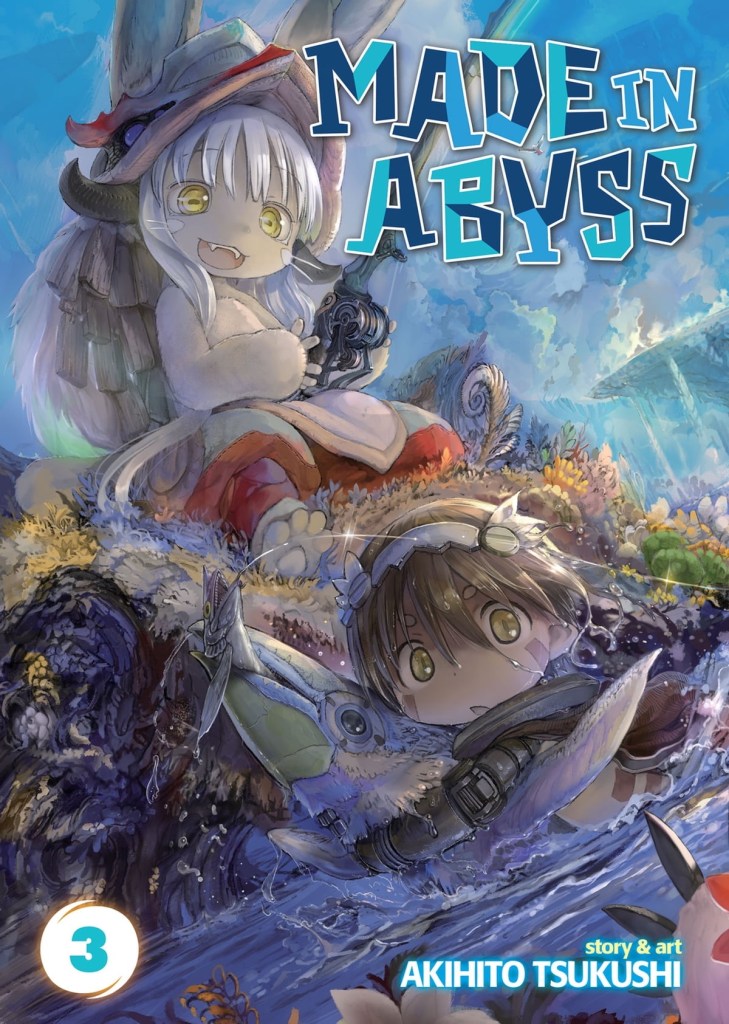
This brings me to one of the most controversial aspects of “Made in Abyss” – its depiction of violence and body horror, particularly involving children. While these elements can be shocking and uncomfortable, I believe they serve a purpose in highlighting the harsh realities of the world Tsukushi has created. The series forces us to confront the cost of curiosity and the lengths people will go to in pursuit of knowledge and adventure.
Despite its darker elements, “Made in Abyss” is also filled with moments of beauty and wonder. The bond between Riko and Reg is genuinely heartwarming, and the series’ exploration of friendship and found family in the face of adversity is deeply touching.
5. Gintama: Sci-Fi Comedy with a Samurai Twist
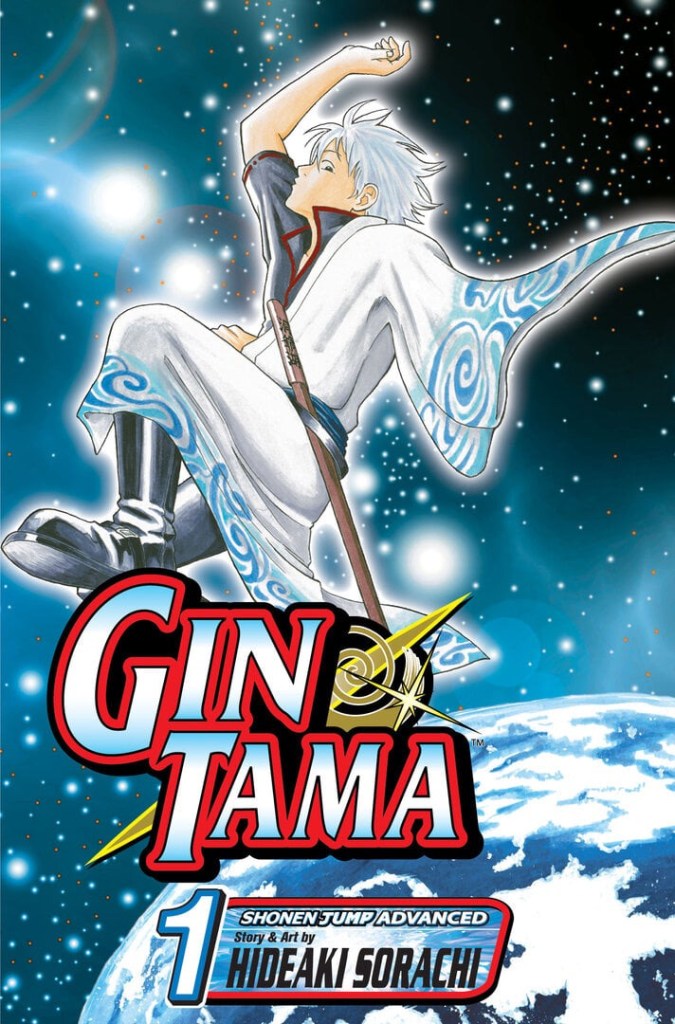
Hideaki Sorachi’s “Gintama” is unlike any other manga I’ve ever read. Set in an alternate Edo period where aliens have invaded and taken over Japan, this series manages to blend historical fiction, science fiction, and absurdist comedy into something truly unique and entertaining.
The story follows Gintoki Sakata, a former samurai who now works as a freelance handyman alongside his friends Shinpachi and Kagura. What I love about “Gintama” is how it uses its bizarre premise as a springboard for all sorts of wild adventures and social commentary. One chapter might be a straightforward action story, while the next could be a parody of other popular manga series or a satirical take on modern Japanese society.
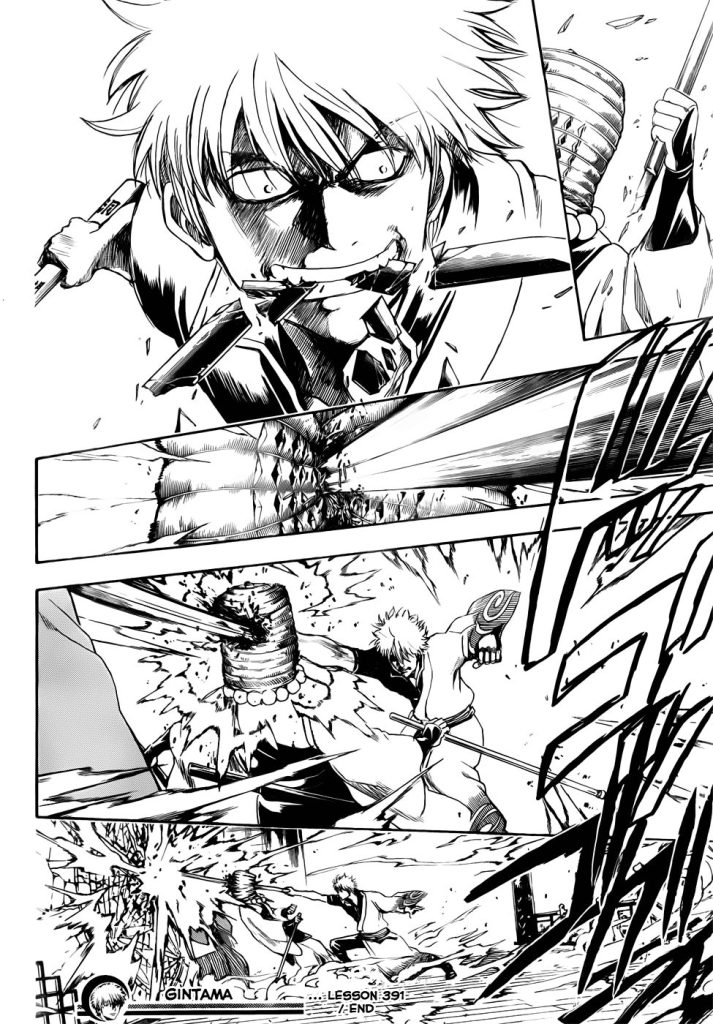
Sorachi’s sense of humor is the real star of “Gintama.” The series is filled with clever wordplay, slapstick comedy, and fourth-wall-breaking gags that never fail to make me laugh. But what’s truly impressive is how Sorachi balances this humor with moments of genuine emotion and character development. Despite its often ridiculous nature, “Gintama” has a heart, and it’s not afraid to explore themes of loyalty, friendship, and finding one’s place in a changing world.
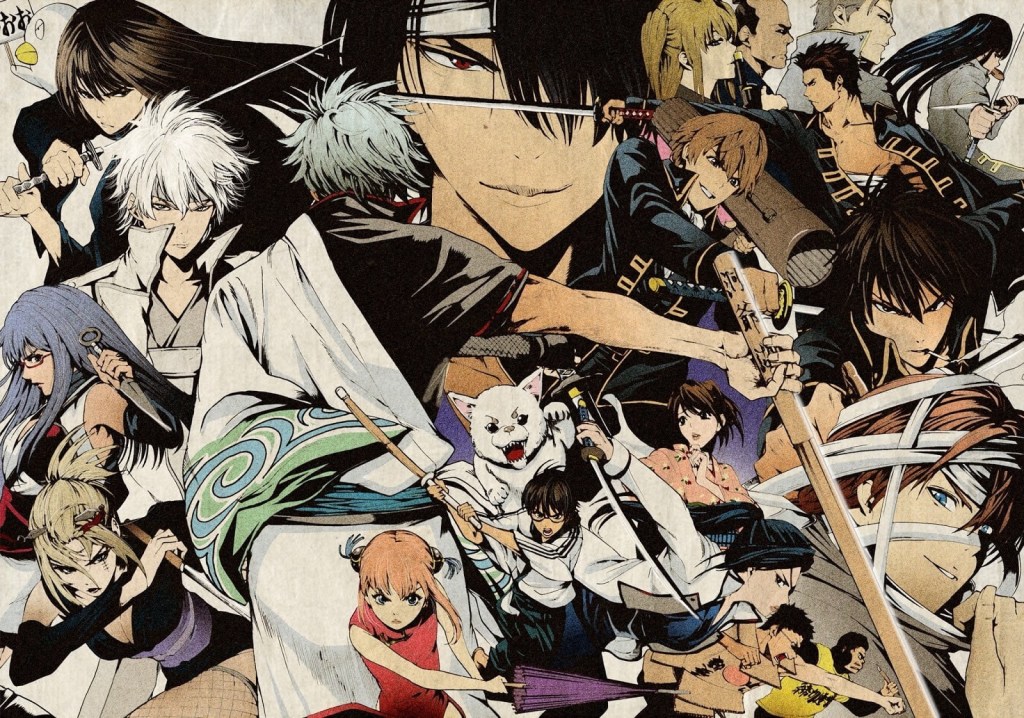
The characters of “Gintama” are another highlight. Gintoki, with his lazy demeanor and sweet tooth, is an unconventional but endearing protagonist. The supporting cast is equally memorable, from the straight-laced Shinpachi to the super-strong alien girl Kagura. Even minor characters get their moments to shine, often returning in later arcs in unexpected ways.
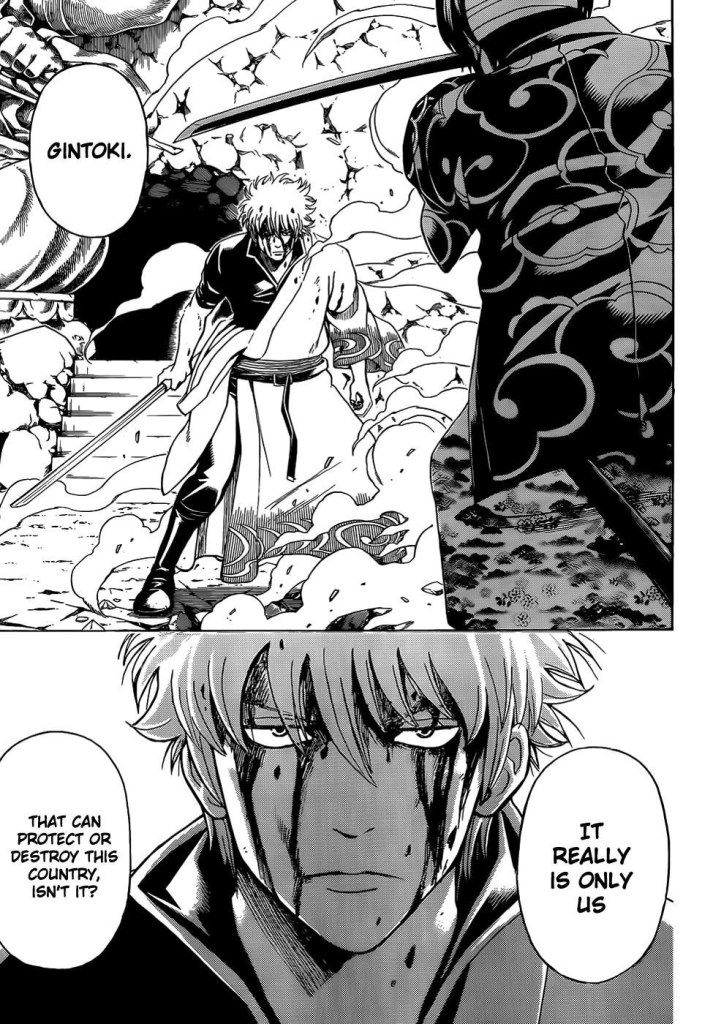
What I find most impressive about “Gintama” is its longevity. Running for over 15 years, the series managed to stay fresh and funny throughout its run, constantly reinventing itself while staying true to its core appeal. It’s a testament to Sorachi’s creativity and the strength of the world he created.
6. Land of the Lustrous: A Gem of Unique Storytelling
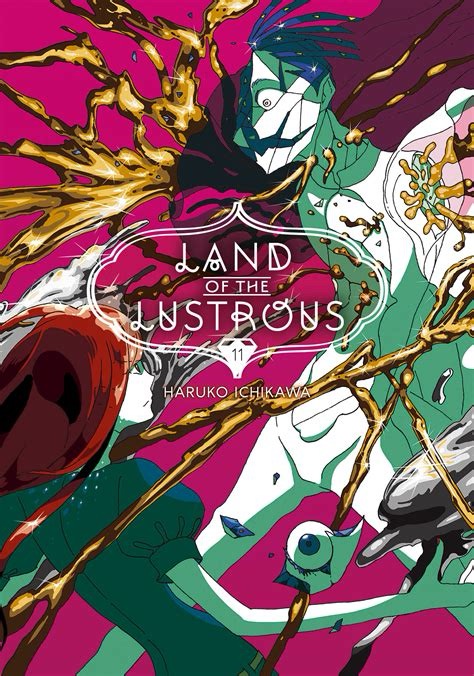
Haruko Ichikawa’s “Land of the Lustrous” is one of the most visually striking and conceptually unique manga I’ve ever encountered. Set in a far-future Earth where crystalline beings called Gems defend themselves against invaders from the Moon, this series blends elements of science fiction, fantasy, and philosophical inquiry to create something truly special.
What immediately stands out about “Land of the Lustrous” is its art style. Ichikawa’s delicate linework and innovative use of negative space create a dreamlike, otherworldly atmosphere that perfectly suits the story. The designs of the Gems themselves are particularly impressive, with their translucent bodies and hair that seems to flow like liquid crystal.
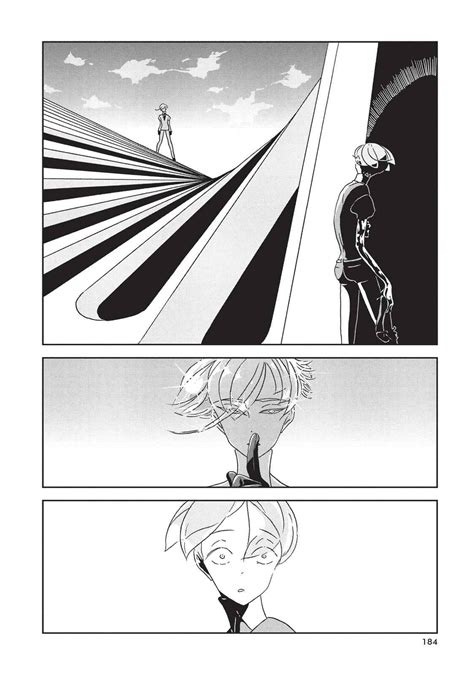
But “Land of the Lustrous” is more than just pretty pictures. At its core, it’s a story about identity, purpose, and the nature of consciousness. The protagonist, Phosphophyllite (Phos for short), begins the story as the weakest and most brittle of the Gems. Watching Phos struggle to find their place in this strange society, gradually changing both physically and mentally as the story progresses, is both fascinating and deeply moving.
What I find most intriguing about “Land of the Lustrous” is how it uses its fantastical premise to explore very human themes. The Gems’ immortality and ability to be broken and reassembled raise questions about the nature of the self and the impact of trauma on identity. The mysterious Lunarians and their motives serve as a catalyst for examining the concepts of purpose and existence.
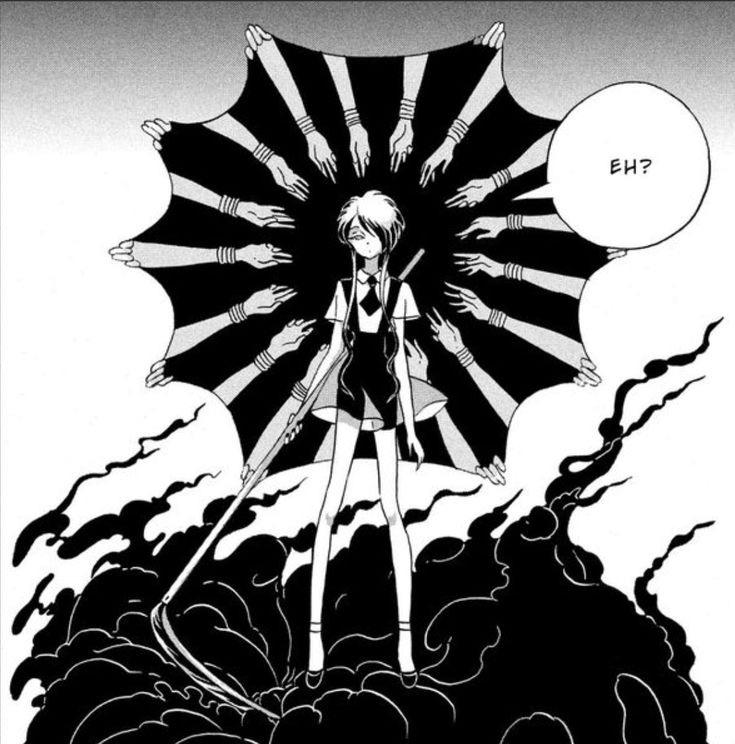
The world-building in “Land of the Lustrous” is also top-notch. Ichikawa gradually reveals the history and nature of this post-apocalyptic world, each new revelation adding layers of complexity to the story. The society of the Gems, with its strict hierarchy and assigned roles, provides fertile ground for exploring themes of social structure and individual worth.
7. Orange: A Heartfelt Tale of Second Chances
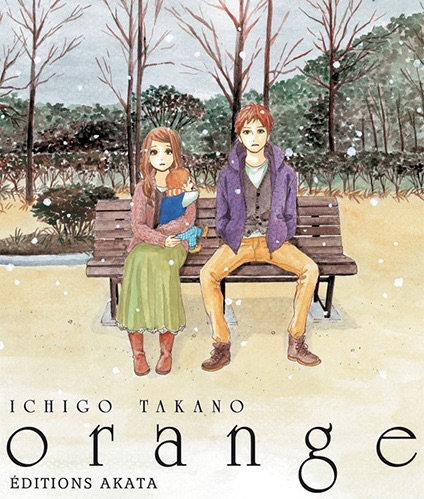
Ichigo Takano’s “Orange” might not seem like traditional science fiction at first glance, but its use of time travel to explore themes of regret, friendship, and the butterfly effect of our choices makes it a unique and emotionally resonant entry in the genre.
The story follows Naho Takamiya, a high school student who receives a letter from her future self. The letter contains instructions on how to prevent a tragedy involving Kakeru, a transfer student who will soon join her class. As Naho struggles to follow the letter’s advice and change the future, she and her friends learn valuable lessons about the importance of communication, supporting one another, and living without regrets.
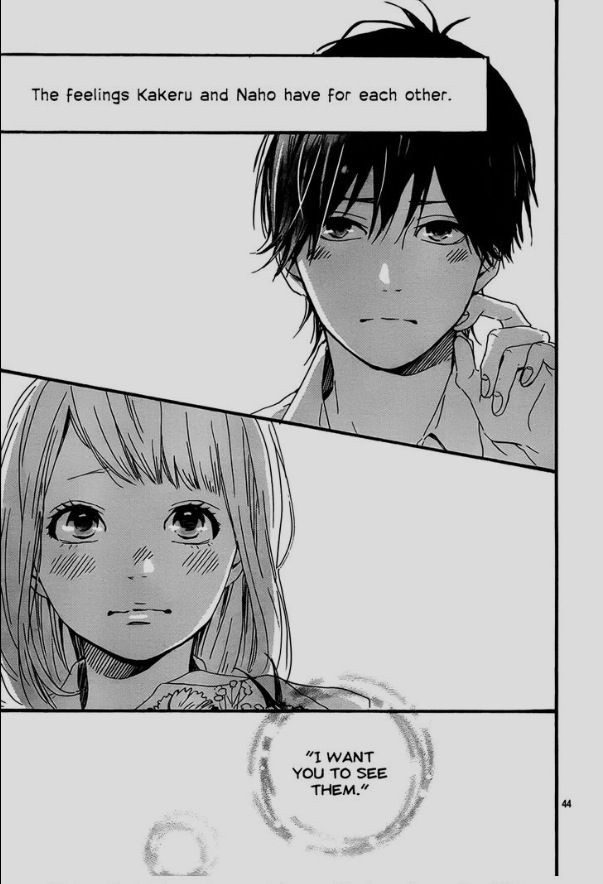
What struck me most about “Orange” is how grounded it feels despite its sci-fi premise. The time travel element is used sparingly, serving more as a framing device for a deeply human story about friendship, first love, and mental health. Takano’s portrayal of teenage emotions and relationships feels authentic and relatable, making it easy to invest in the characters’ struggles.
The art in “Orange” is another highlight. Takano’s clean, expressive style brings the characters to life, perfectly capturing the subtle shifts in emotion that drive the story. The use of color in key scenes (a rarity in manga) adds an extra layer of visual storytelling that enhances the emotional impact of pivotal moments.

One of the things I appreciate most about “Orange” is how it handles the topic of depression and suicide. Through Kakeru’s story, the manga explores the impact of loss, the importance of reaching out for help, and the difference that having a support system can make. It’s a sensitive and nuanced portrayal of a difficult subject, one that resonates long after you’ve finished reading.
8. Yokohama Kaidashi Kikou: A Serene Post-Apocalyptic Journey
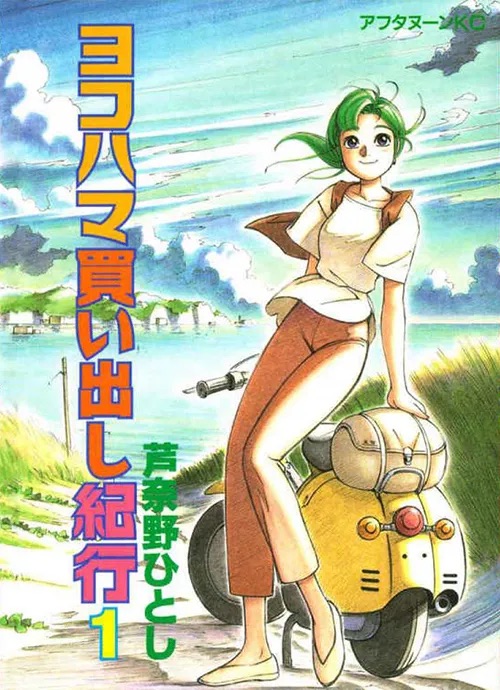
Hitoshi Ashinano’s “Yokohama Kaidashi Kikou” (often abbreviated as YKK) is unlike any post-apocalyptic story I’ve ever read. Set in a world where humanity is slowly fading away, this slice-of-life manga follows Alpha, a robot cafe owner, as she navigates the quiet beauty of a world in decline.
What sets YKK apart is its tone. Rather than focusing on the drama or action typically associated with post-apocalyptic settings, Ashinano crafts a gentle, contemplative narrative that finds beauty in the everyday. The world may be ending, but life goes on, and there’s still joy to be found in a cup of coffee, a scenic view, or a conversation with a friend.
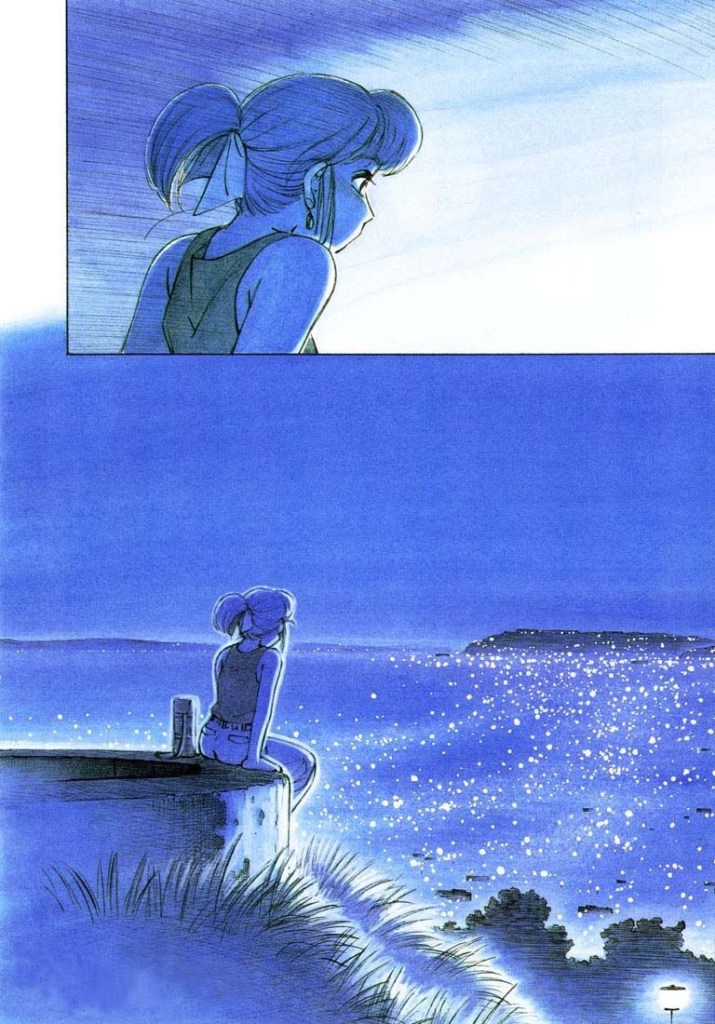
Alpha is a fascinating protagonist. As an android, she experiences time differently than humans, allowing her to provide a unique perspective on the changes occurring around her. Watching her interact with the remaining humans and explore the evolving landscape is both heartwarming and melancholic.
The artwork in YKK is absolutely stunning. Ashinano’s detailed backgrounds and soft, atmospheric style perfectly capture the serene mood of the story. Each panel feels like a painting, inviting the reader to linger and soak in the ambiance of this fading world.
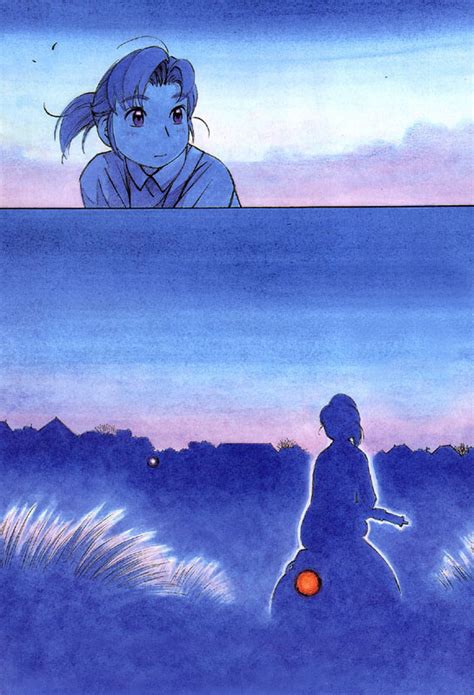
What I find most compelling about YKK is how it encourages reflection on our own world and experiences. By showing us a future where humanity’s time is coming to an end, it prompts us to appreciate the beauty of our own lives and the world around us. It’s a reminder to slow down, to savor the little moments, and to find wonder in the everyday.
9. Kaiju No. 8: A Fresh Take on Monster Mayhem
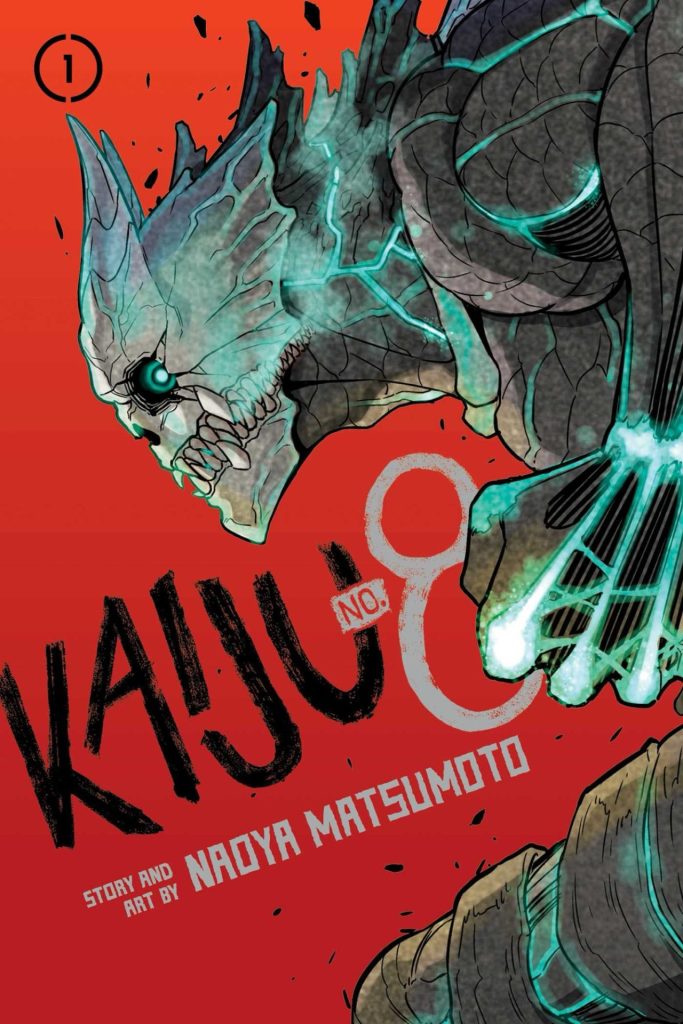
Naoya Matsumoto’s “Kaiju No. 8” burst onto the manga scene in 2020 and quickly became one of my favorite new series. It offers a fresh and exciting take on the kaiju (giant monster) genre, blending action, humor, and heart in a way that feels both familiar and innovative.
The story follows Kafka Hibino, a 32-year-old man who works for a company that cleans up after kaiju attacks. Kafka has always dreamed of joining the Defense Force that fights these monsters, but his age and circumstances have held him back. His life takes a dramatic turn when he gains the ability to transform into a kaiju himself, opening up new possibilities and dangers.
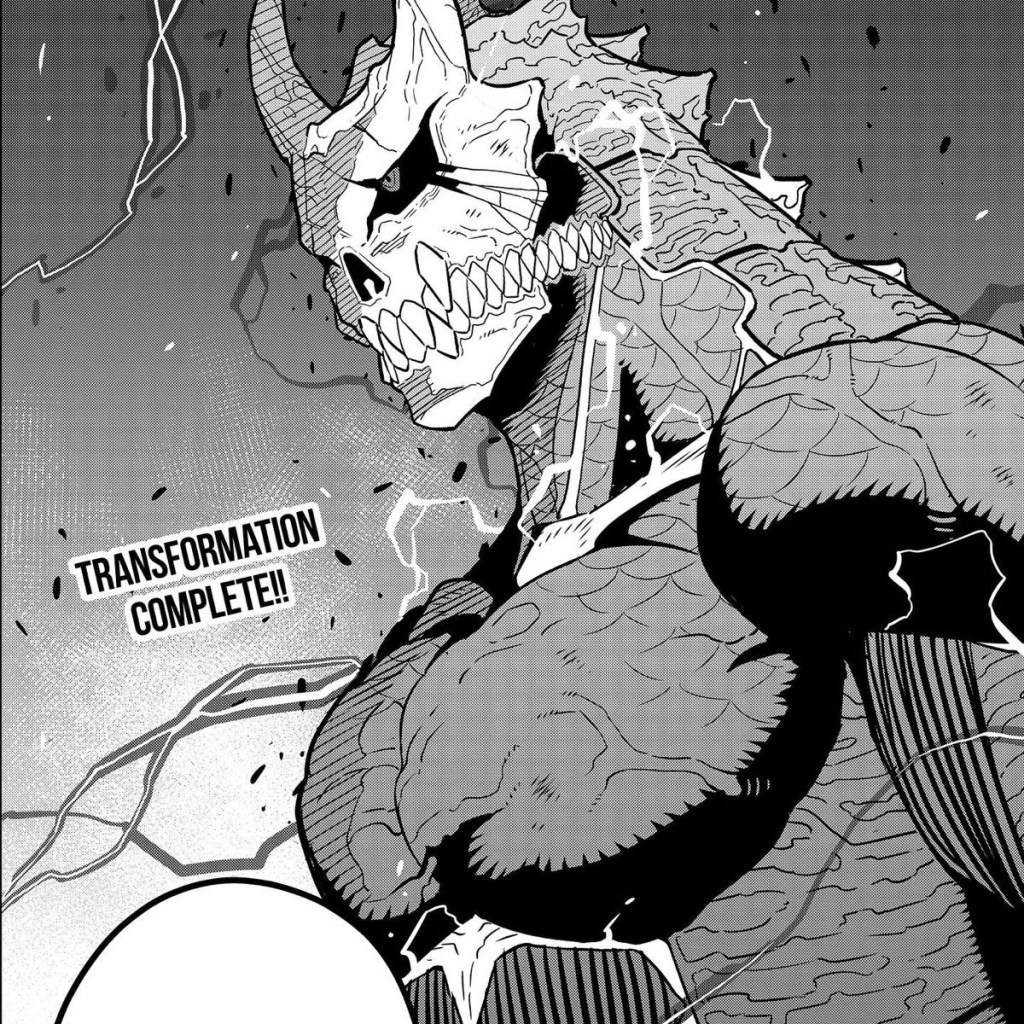
What I love about “Kaiju No. 8” is how it plays with genre conventions. The idea of a protagonist who can become the very thing he’s supposed to fight isn’t new, but Matsumoto puts a unique spin on it by focusing on an older, initially unsuccessful character. Kafka’s journey from disillusioned cleaner to potential hero is both inspiring and relatable, especially for readers who might feel like they’ve missed their chance to pursue their dreams.
The action in “Kaiju No. 8” is top-notch. Matsumoto’s dynamic art style brings the kaiju battles to life, with each monster having a distinct and memorable design. But what really makes the series shine is its character work. The relationships between Kafka and his colleagues, particularly his childhood friend Mina and the young prodigy Reno, add depth and emotional stakes to the high-octane action.
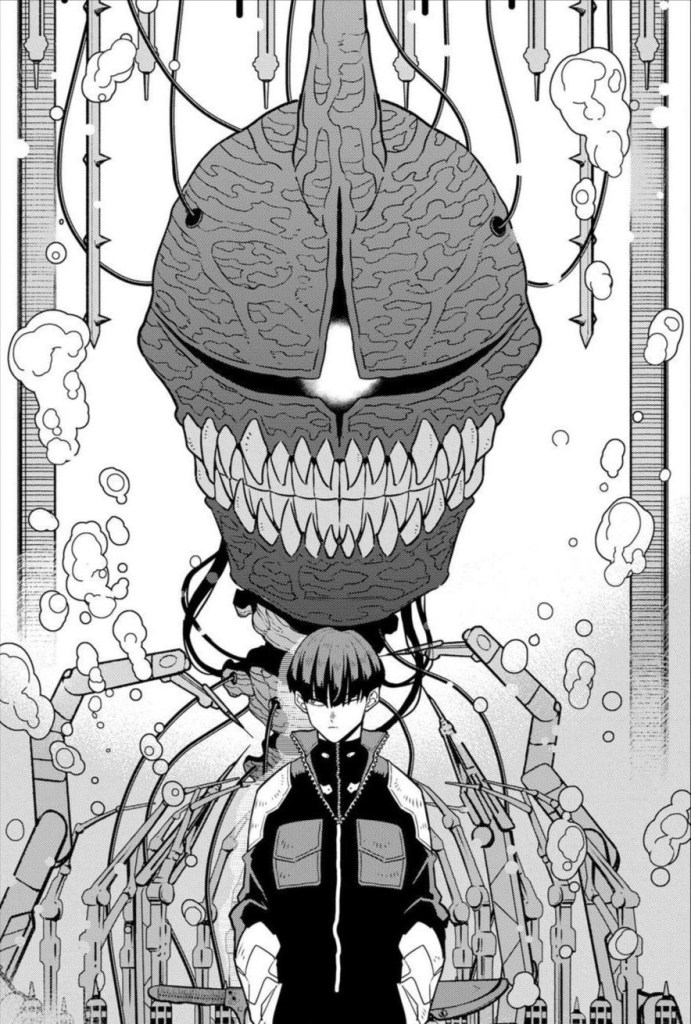
I’m also impressed by how “Kaiju No. 8” balances its tone. While there’s plenty of humor, particularly in Kafka’s reactions to his newfound abilities, the series doesn’t shy away from darker themes. The constant threat of kaiju attacks and the toll they take on society adds a layer of tension and urgency to the story.
10. Astro Boy: The Timeless Tale That Started It All
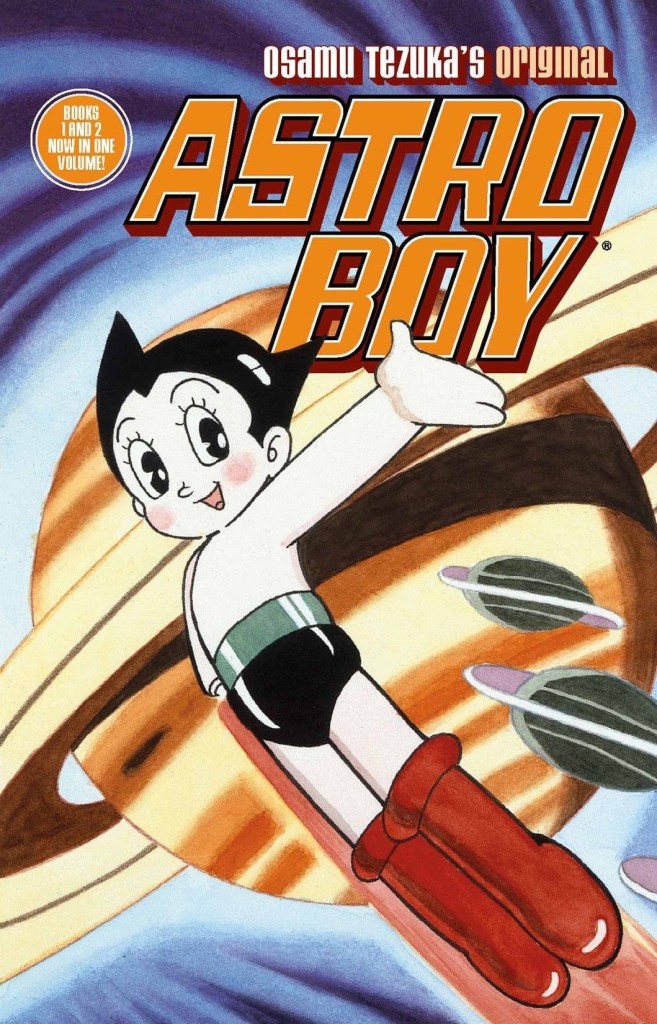
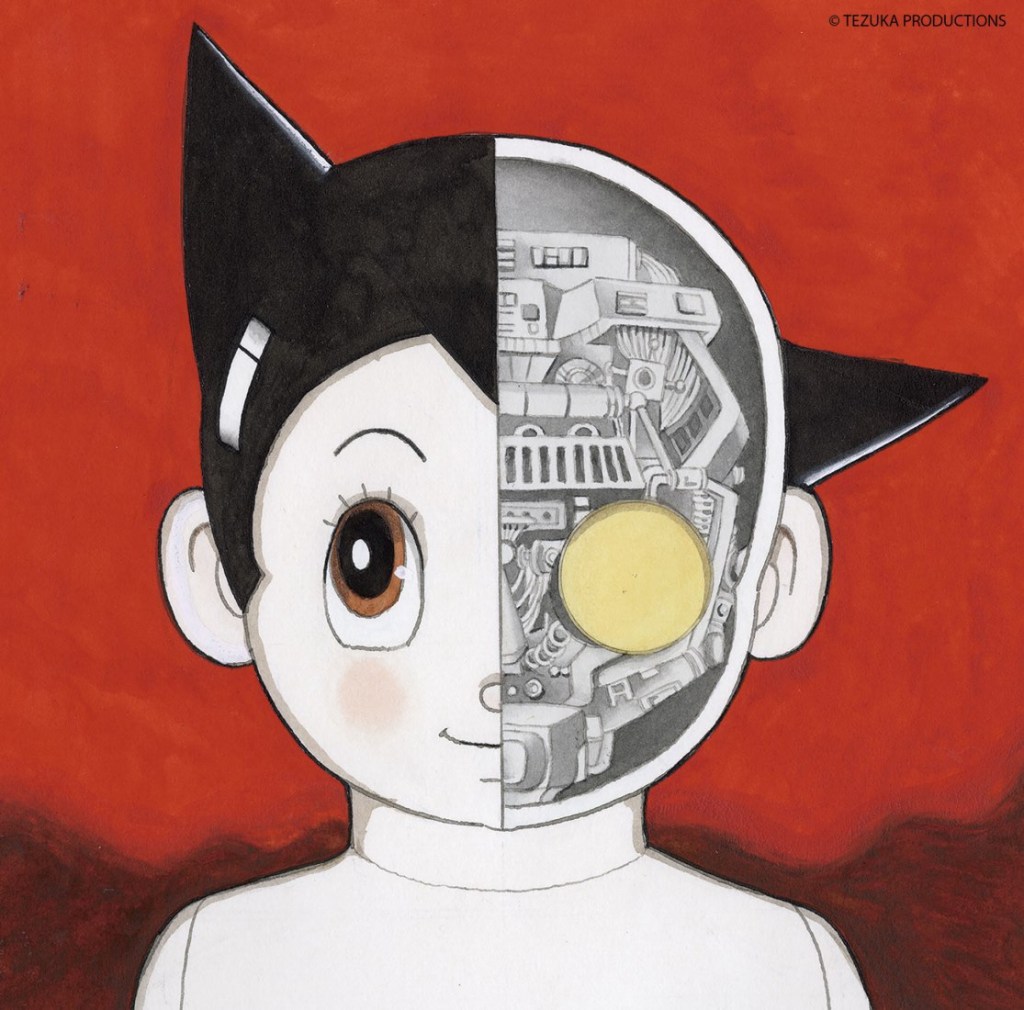
No discussion of science fiction manga would be complete without mentioning Osamu Tezuka’s “Astro Boy.” First published in 1952, this groundbreaking series not only helped define the manga medium but also laid the foundation for many of the sci-fi themes and tropes that we still see in manga and anime today.
“Astro Boy” tells the story of a robot child created by a grieving scientist to replace his deceased son. When the robot, Astro, fails to grow like a human child, he’s abandoned and eventually finds a new home with a kinder scientist. From there, Astro embarks on a series of adventures, using his incredible powers to fight evil and bridge the gap between humans and robots.
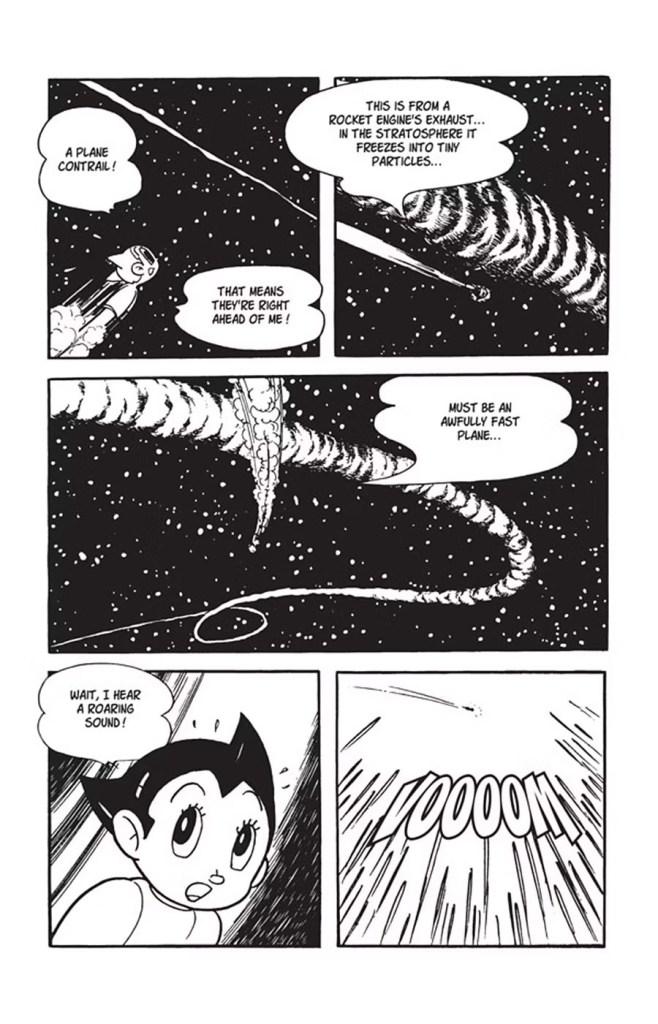
What strikes me most about “Astro Boy,” especially when revisiting it today, is how ahead of its time it was. Tezuka was exploring themes of artificial intelligence, robot rights, and the ethical implications of creating sentient beings decades before these became hot topics in mainstream science fiction. The series asks profound questions about what it means to be human and whether consciousness and emotions can be artificially created.
Tezuka’s art style, while simple by today’s standards, was revolutionary for its time. His dynamic layouts and expressive character designs helped establish the visual language of manga and anime. It’s fascinating to see how his influence still resonates in modern works.
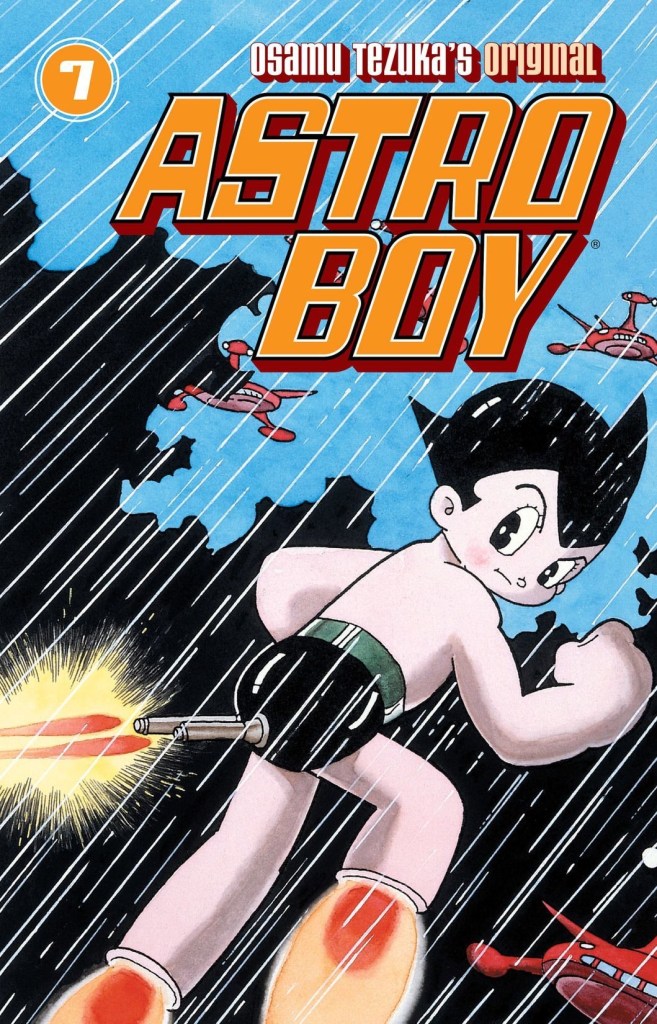
But what really makes “Astro Boy” timeless is its heart. At its core, it’s a story about a child trying to find his place in the world, dealing with issues of identity, acceptance, and moral responsibility. These themes are just as relevant today as they were in the 1950s, which is why Astro Boy continues to resonate with new generations of readers.
Coda
As I reflect on these ten groundbreaking series, I’m struck by the incredible diversity and creativity on display. From cyberpunk dystopias to post-apocalyptic slice-of-life, from time travel romance to kaiju action, science fiction manga offers something for every taste.
What sets these manga apart, in my opinion, is their ability to use fantastical premises to explore deeply human themes. Whether it’s “Akira” examining the corrupting nature of power, “Pluto” questioning the nature of consciousness, or “Orange” exploring the weight of our choices, these stories use science fiction as a lens to examine our own world and experiences.
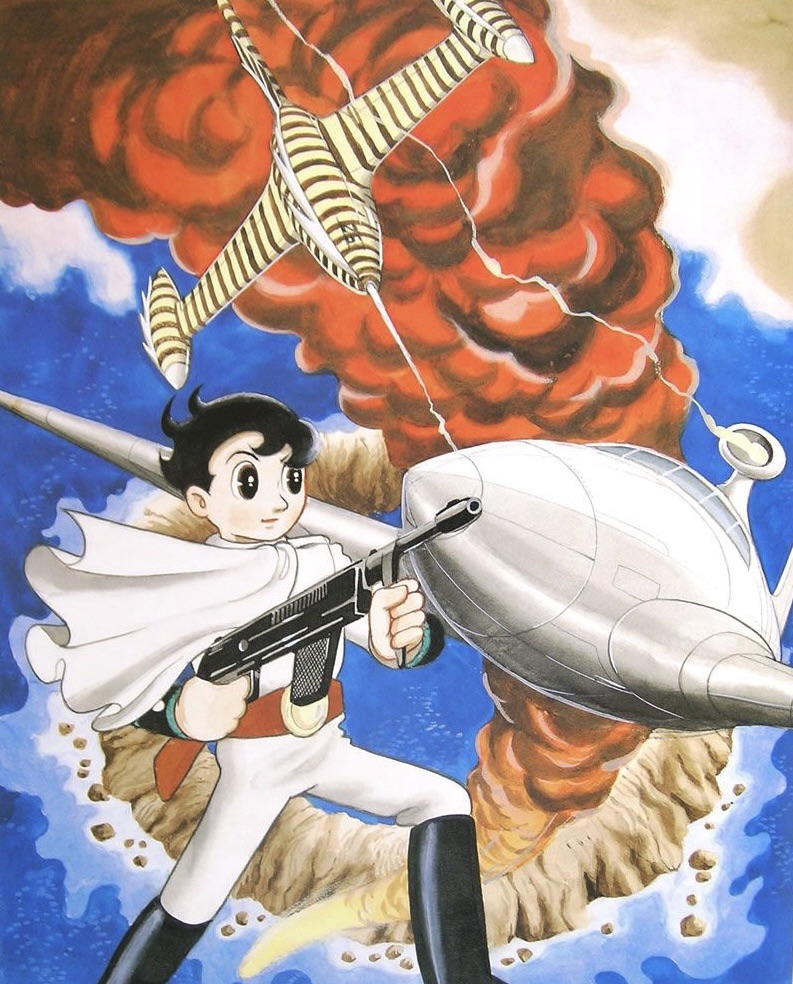
I’m also impressed by the visual storytelling on display in these manga. From Otomo’s intricate cityscapes to Ichikawa’s ethereal gem people, these artists push the boundaries of what’s possible in black and white illustrations. Their work demonstrates that manga can be every bit as visually stunning as any other medium.
As we look to the future of science fiction manga, I’m excited to see how new creators will build on this legacy. With series like “Kaiju No. 8” gaining popularity, it’s clear that there’s still plenty of room for innovation in the genre. I’m particularly interested in seeing how manga artists will tackle emerging technologies and social issues in their work.
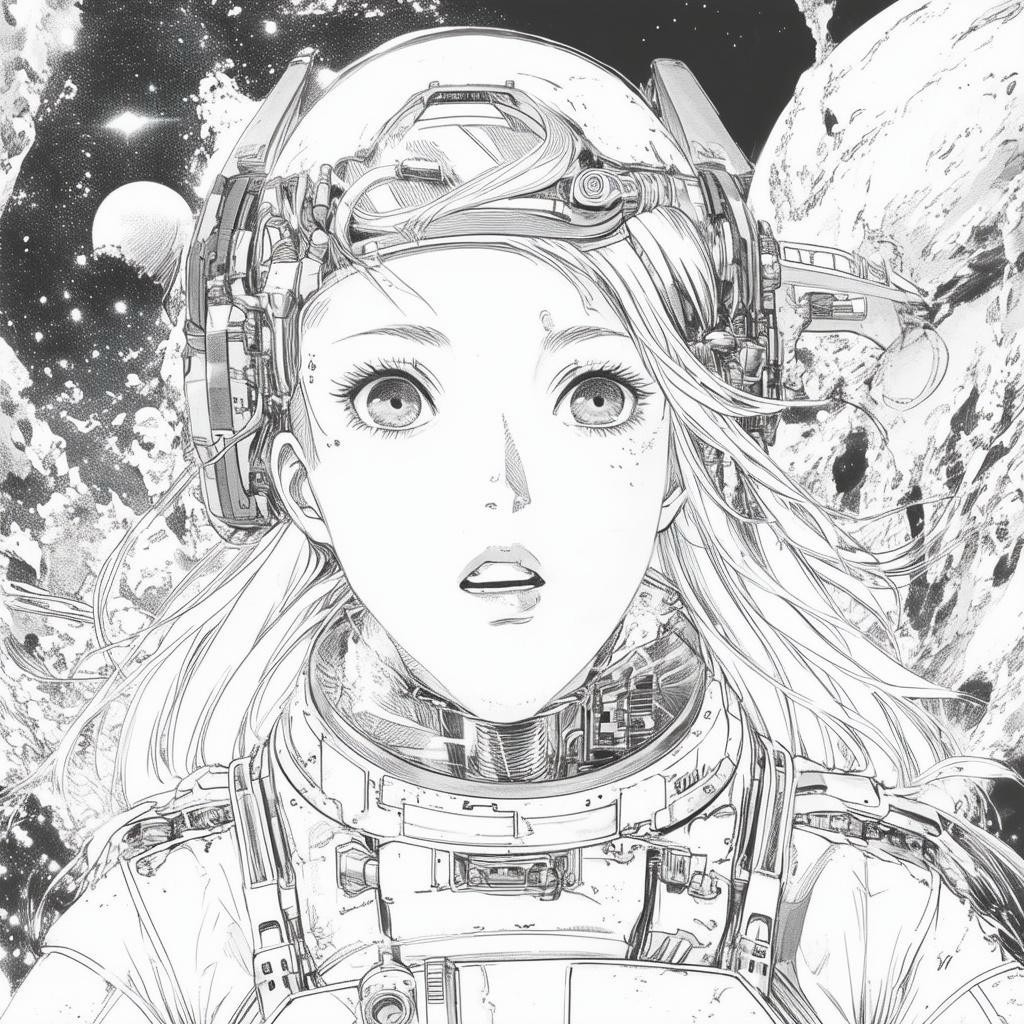
For readers new to science fiction manga, I hope this list provides a good starting point for exploration. Each of these series offers a unique vision of the future (or an alternate present), and I believe there’s something here for everyone, whether you’re a hardcore sci-fi fan or just dipping your toes into the genre.
To wrap it up, science fiction manga represents some of the most innovative and thought-provoking storytelling in the medium. These ten series are just the tip of the iceberg, but they showcase the incredible range and depth that manga artists can achieve when imagining the world of tomorrow. Whether you’re looking for action, romance, philosophy, or just a glimpse into a different world, science fiction manga has you covered. So pick up one of these series, and prepare to have your mind expanded and your imagination ignited.
Discover more from Fear Planet
Subscribe to get the latest posts sent to your email.

Comments are closed.