
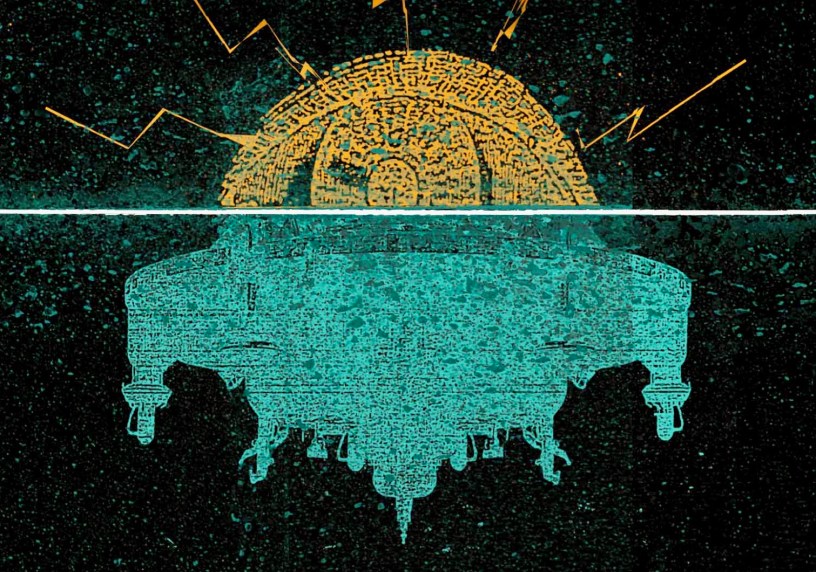
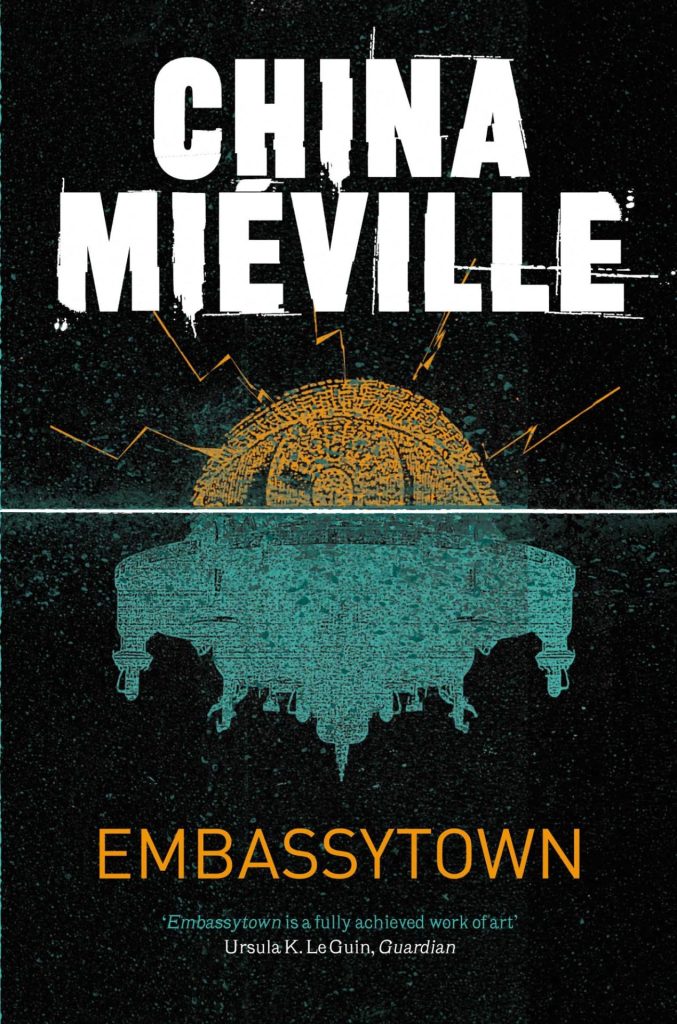
I’ve devoured countless sci-fi novels that push the boundaries of imagination over the last three decades. Few have left me as intellectually stimulated and emotionally invested as China Mieville’s Embassytown. This mind-twisting masterpiece isn’t just another space opera; it’s a linguistic odyssey that challenges our very understanding of language, truth, and reality.
The Allure of Arieka: Setting the Stage
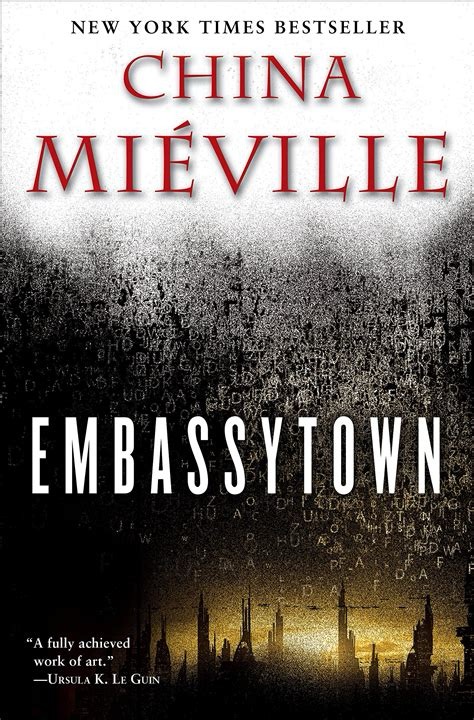
I first cracked open Embassytown way back in 2011. I was transported to the alien world of Arieka, and Mieville’s vivid prose painted a picture of a planet teetering on the edge of the known universe, where humans and the enigmatic Ariekei (or Hosts) coexist in a delicate balance. The titular Embassytown, a human outpost nestled within the larger Ariekei city, became my home for the duration of this captivating tale.
As I followed the journey of Avice Benner Cho, our protagonist and fellow explorer of this strange new world, I couldn’t help but marvel at Mieville’s world-building prowess. Every detail, from the bizarre architecture to the intricate social structures, felt meticulously crafted and utterly believable. I shouldn’t have been surprised. This was, after all, the man who gave us Perdido Street Station.
Language: The Heart of Embassytown
At its core, China Mieville’s Embassytown is a love letter to language. The novel’s central conceit – the Ariekei’s unique form of communication known simply as Language – is nothing short of brilliant. As I delved deeper into the story, I found myself fascinated by the two key features of Language:
- The need for simultaneous speech from two mouths
- The inability to lie or even speculate
These constraints on communication aren’t just clever plot devices; they’re the foundation for a profound exploration of how language shapes our perception of reality. As someone who’s always been intrigued by the Sapir-Whorf hypothesis (the idea that the structure of a language influences its speakers’ worldview), I was thrilled to see Mieville take this concept to its logical extreme.

The Ambassadors: Bridging Two Worlds
The human solution to the Language barrier – the Ambassadors – is equally fascinating. These specially bred pairs of identical twins, capable of speaking Language simultaneously, serve as the vital link between humans and Ariekei. As I read about their unique role in Embassytown society, I couldn’t help but draw parallels to real-world interpreters and diplomats, albeit with a distinct sci-fi twist.
Similes Made Flesh
One of the most mind-bending aspects of Language in Embassytown is the concept of living similes. The Ariekei’s literal approach to language means they create similes by having individuals perform specific actions. Our protagonist, Avice, becomes one such simile in her youth – a living metaphor in an alien tongue. This idea stuck with me long after I finished the book, making me ponder the nature of metaphor and meaning in our own languages.

Themes That Resonate: More Than Just Words
While language is undoubtedly the star of the show, China Mieville’s Embassytown explores a rich tapestry of themes that elevate it beyond mere linguistic speculation.
Colonialism and Cultural Interaction
As I followed the evolving relationship between humans and Ariekei, I couldn’t help but see echoes of Earth’s colonial history. The initial symbiosis that gives way to “pure colonial domination” when the Hosts become addicted to a form of human language is a powerful allegory for real-world power dynamics. Mieville doesn’t shy away from the uncomfortable realities of colonialism, presenting a nuanced view of collaboration, resistance, and rebellion.
The Power of Addiction
The Ariekei’s addiction to the new Ambassador EzRa’s speech serves as a chilling metaphor for substance abuse and its societal impacts. As I watched the alien society crumble under the weight of this linguistic drug, I found myself drawing parallels to the opioid crisis and other addiction epidemics that have plagued human communities.
Truth, Lies, and the Power of Fiction
Perhaps the most thought-provoking aspect of Embassytown is its exploration of truth and falsehood. In a world where lying is literally impossible, the introduction of untruth becomes a revolutionary act. The Ariekei’s fascination with human concepts of fiction and lying, culminating in events like the “Festivals of Lies,” made me reconsider the role of storytelling and imagination in our own society.

Style and Reception: A Challenging but Rewarding Read
I’ll be the first to admit that China Mieville’s Embassytown isn’t an easy read. Mieville’s prose is dense, filled with neologisms and complex ideas that demand the reader’s full attention. There were moments when I had to pause, re-read a passage, and let the concepts sink in. But for me, that’s part of the charm.
The novel’s challenging nature is balanced by its immense intellectual rewards. Each page is packed with ideas that lingered in my mind long after I’d set the book down. It’s no surprise that Embassytown won the 2012 Locus Award for Best Science Fiction Novel – it’s a work that pushes the boundaries of what science fiction can achieve.

The Genesis of Genius: Mieville’s Inspirations
As I dug deeper into the background of Embassytown, I was fascinated to learn about the various inspirations that shaped this unique novel. Mieville’s long-standing interest in language and communication is evident throughout the book, but it’s the blend of influences that truly sets it apart.
The author’s desire to “riff off a lot of quite classic science fictional tropes” while putting his own spin on them results in a work that feels both familiar and utterly original. I could see echoes of classic sci-fi concepts like subspace travel and communication across vast distances, but twisted into something entirely new.

Perhaps most intriguing is the revelation that the seed of Embassytown was planted when Mieville was just 11 years old. The idea of dual-voiced aliens, scribbled in an old exercise book, evolved over 25 years into this complex examination of language and society. It’s a testament to the power of childhood imagination and the value of nurturing those early creative sparks.
Political Implications: A Mirror to Our World
One aspect of Embassytown that particularly resonated with me was its exploration of political themes. The novel serves as a powerful allegory for colonialism and resistance movements, reflecting Mieville’s interest in exploring these issues through a sci-fi lens.
The evolution of the human-Ariekei relationship from symbiosis to domination mirrors the trajectory of many historical colonial encounters. The varied responses of the Hosts to this new form of oppression – from collaboration to violent rebellion – reflect the complex reactions often seen in colonized peoples.

I found the framing of the Hosts’ violent actions as a “generous act” to free future generations particularly poignant. It explores the concept of intergenerational trauma and the sacrifices made in long-term resistance to oppression – themes that are all too relevant in our own world.
The Linguistic Legacy of Embassytown
As a language enthusiast, I can’t overstate the impact of Embassytown on my understanding of communication. Mieville’s exploration of how language shapes thought and reality has made me more aware of the power of words in our own world.
The novel’s engagement with postwar linguistic philosophy and ideas from thinkers like Wittgenstein adds a layer of intellectual depth that rewards multiple readings. I’ve found myself returning to certain passages, each time uncovering new insights into the nature of language and meaning.

Moreover, Embassytown has changed the way I approach other science fiction works dealing with alien communication. It sets a high bar for linguistic speculation in the genre, challenging other authors to think more deeply about the nature of language in their own world-building.
Coda
China Mieville’s Embassytown shines as a unique and brilliant star in the constellation that is sci-fi literature. It’s a novel that demands much from its readers but rewards them tenfold with its rich exploration of language, colonialism, and the nature of reality itself.
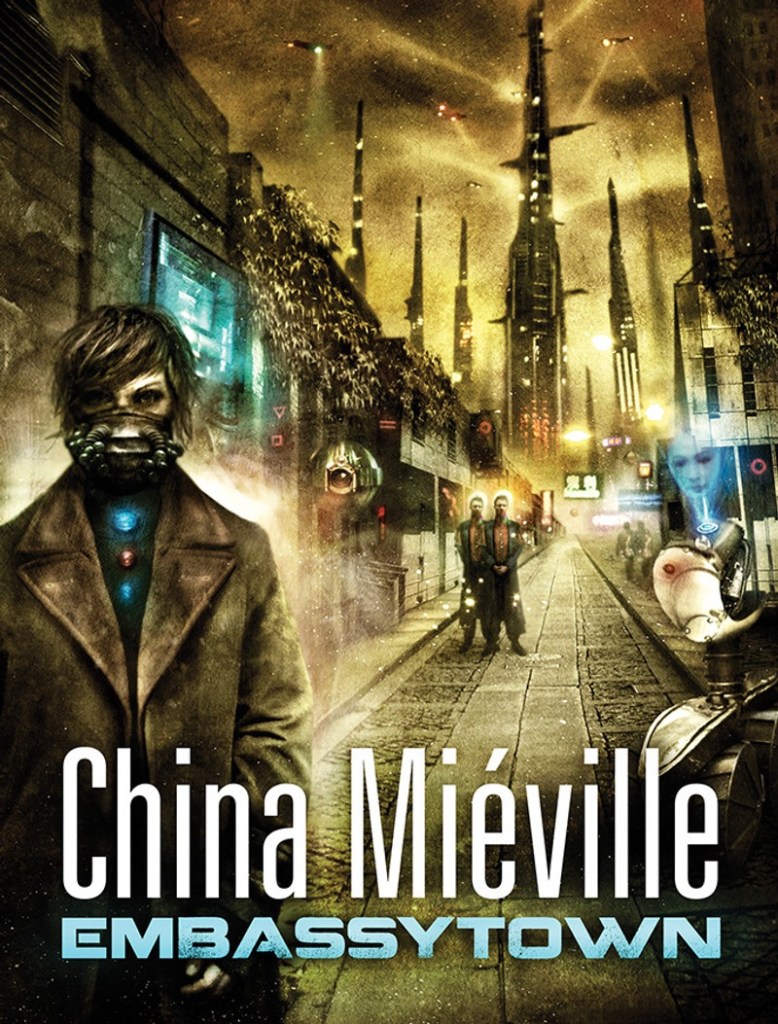
For me, Embassytown isn’t just a great sci-fi novel; it’s a transformative reading experience that has altered my perception of language and communication. It’s a book that continues to resonate with me, sparking new thoughts and insights with each revisit (and I’ve read it three times by now; I’ve yet to tire of it).
If you’re looking for challenging, thought-provoking science fiction that pushes the boundaries of the genre, I can’t recommend Embassytown enough. It’s a linguistic labyrinth well worth getting lost in – just be prepared for your own relationship with language to be forever changed by the experience.

Discover more from Fear Planet
Subscribe to get the latest posts sent to your email.
