
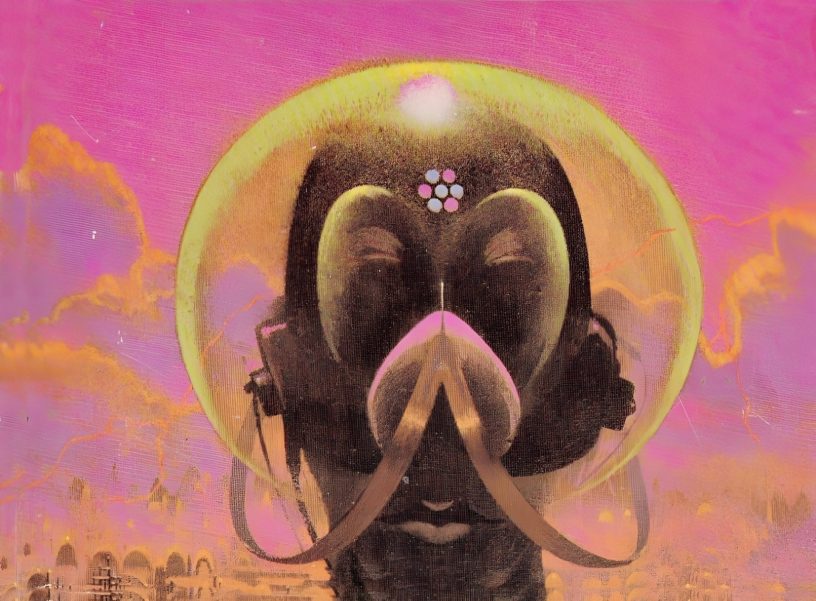
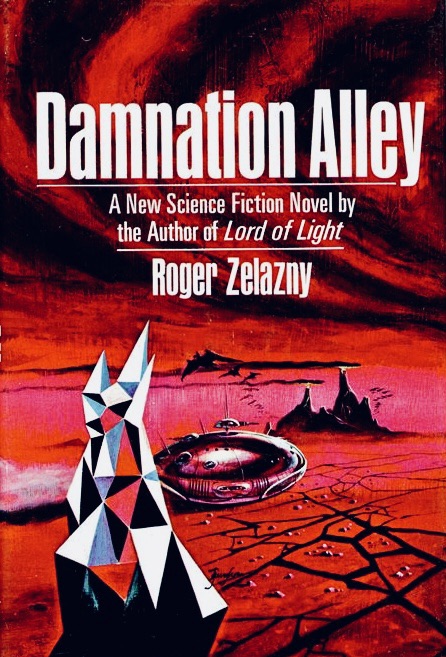
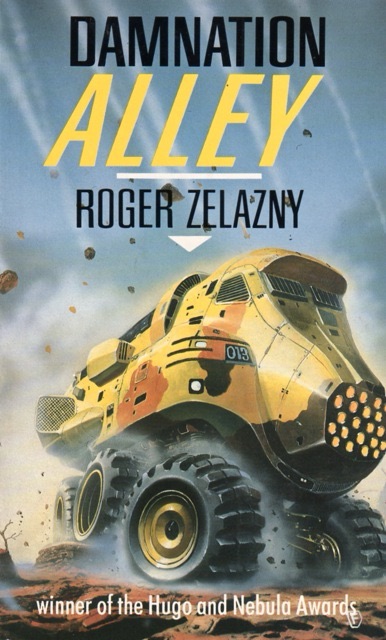
Over the course of my four decades as a SF fan, I’ve read my fair share of post-apocalyptic novels. Few have left as lasting an impression on me as Roger Zelazny’s “Damnation Alley.” Published in 1969, this gritty tale of survival and redemption has become a cornerstone of the genre, inspiring countless works across various media. Today, I want to take you on a deep dive into this remarkable book, exploring its plot, themes, and enduring impact on popular culture.
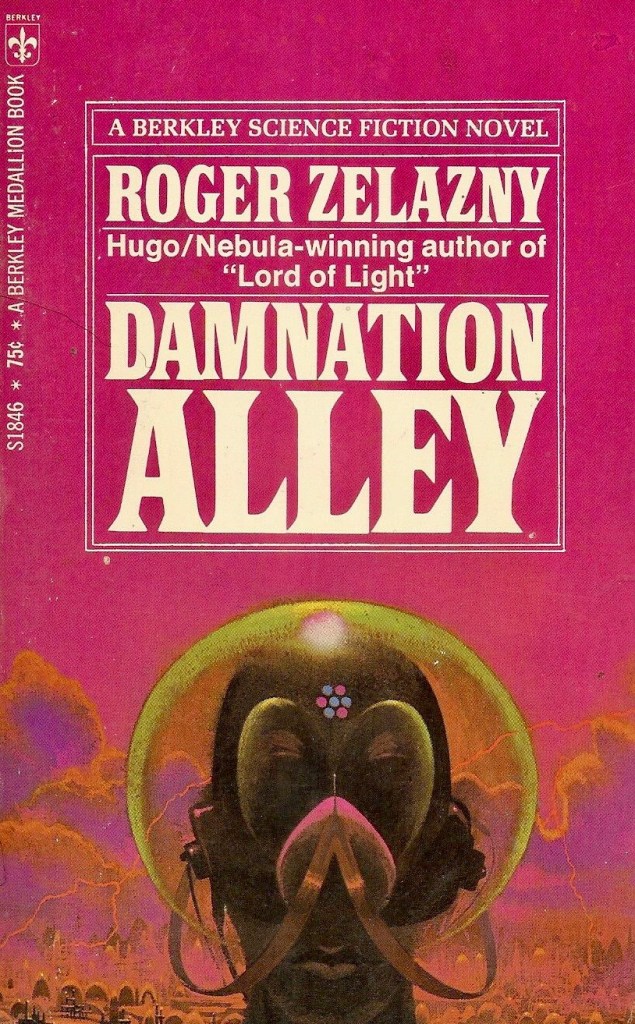
The Genesis of Damnation Alley
Before we plunge into the radioactive wastelands of Zelazny’s America, it’s worth noting the interesting origin of “Damnation Alley.” The novel actually began its life as a novella, published in 1967. Zelazny expanded it into a full-length novel two years later, largely at the urging of his agent who saw potential for a film adaptation.
Interestingly, Zelazny himself preferred the novella version, viewing the expansion as more of a commercial endeavor than a creative one. This tidbit adds an intriguing layer to our appreciation of the work, doesn’t it? It makes you wonder how the story might have differed if Zelazny had followed his artistic instincts rather than commercial considerations.
Synopsis: A Perilous Journey Across a Shattered America
Setting the Stage
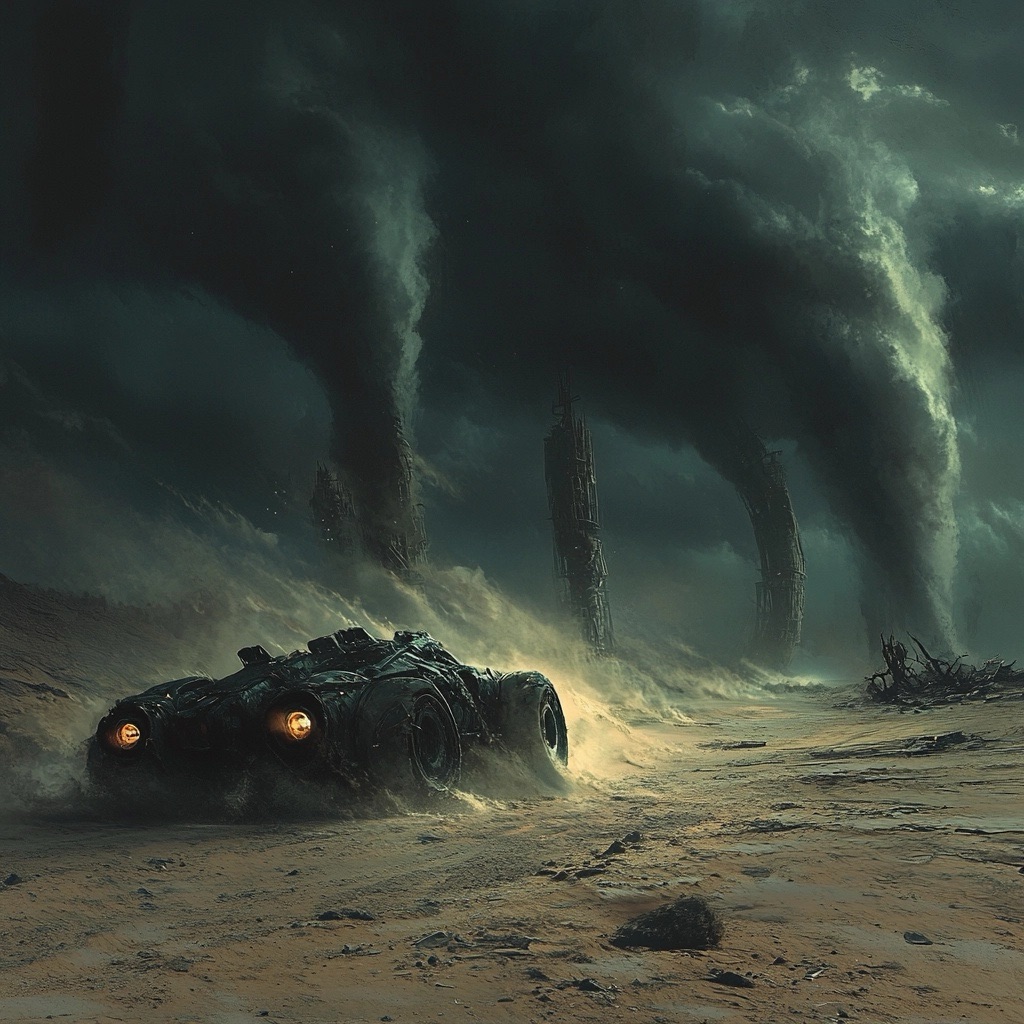
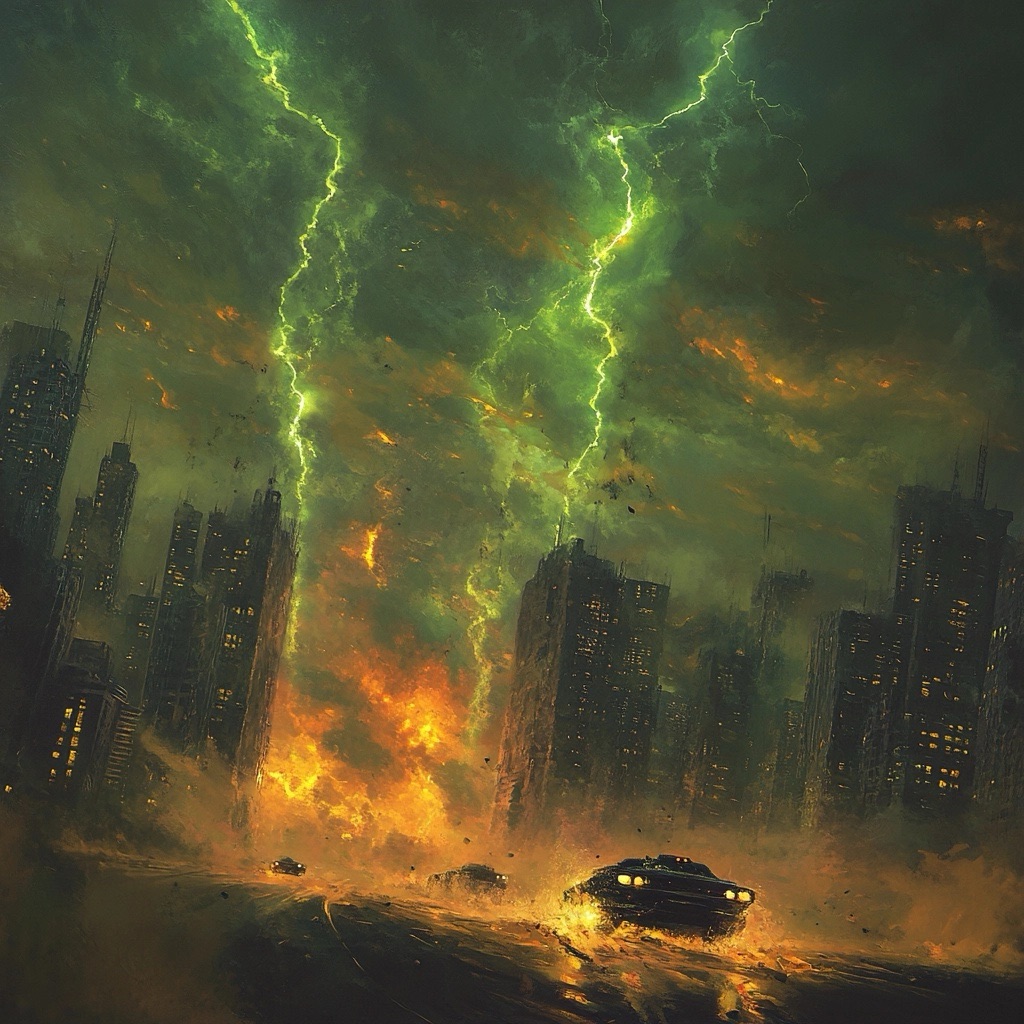
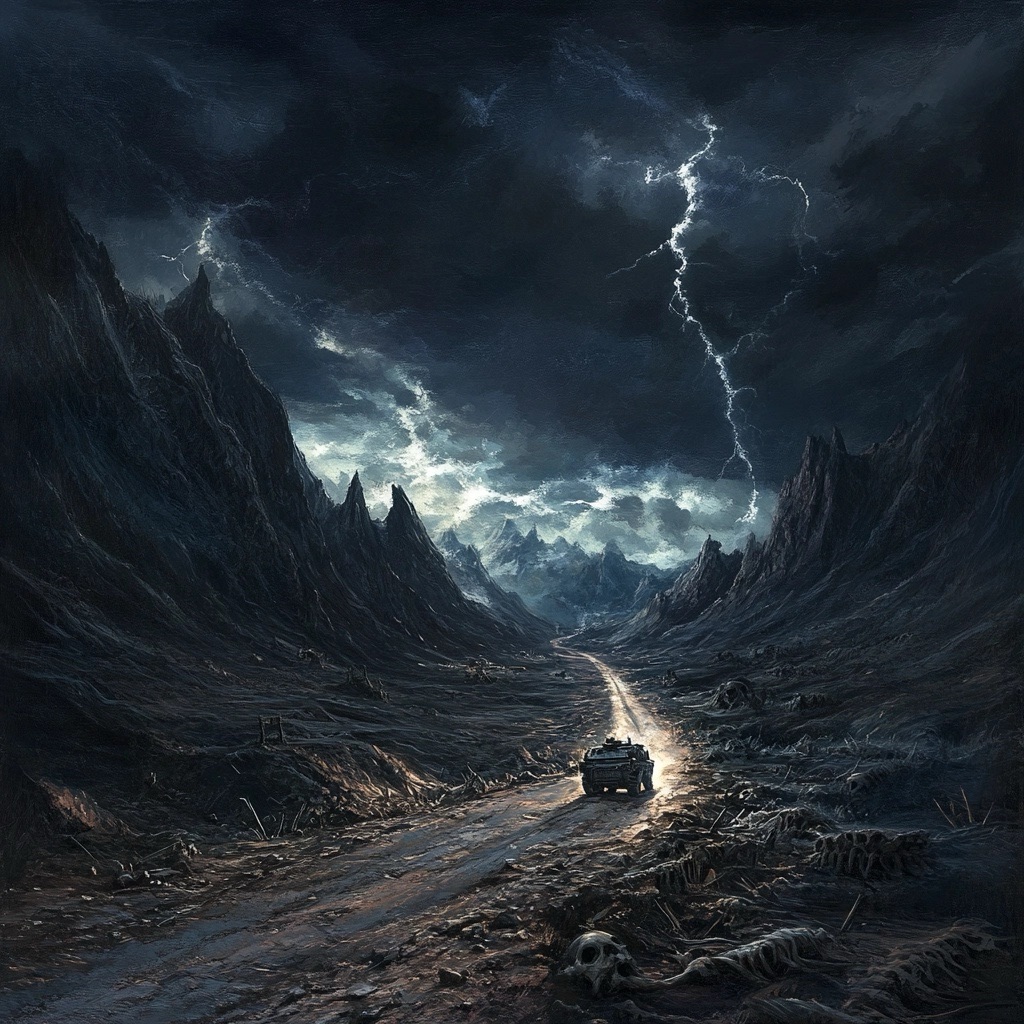
“Damnation Alley” unfolds in a United States ravaged by nuclear war. The landscape is unrecognizable, transformed into a nightmarish wasteland of radioactive storms, mutated creatures, and isolated pockets of humanity struggling to survive. The once-great cities of America have been reduced to fortified enclaves, barely holding out against the chaos that surrounds them.
Enter Hell Tanner
Our protagonist is Hell Tanner, a former Hell’s Angel and hardened criminal. Tanner is no hero; he’s a rough, amoral character who’s spent most of his life on the wrong side of the law. But it’s precisely this background that makes him the perfect candidate for a suicide mission that could save thousands of lives.
The Mission
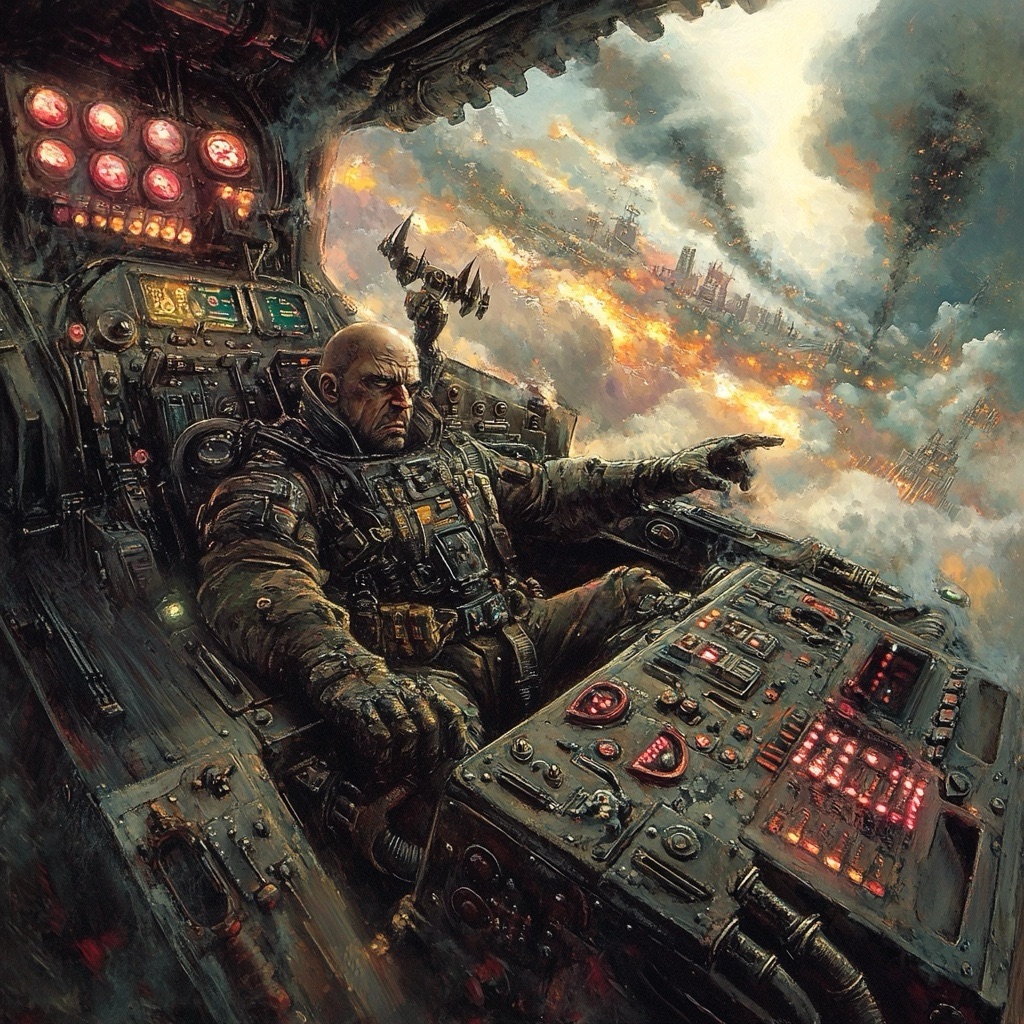
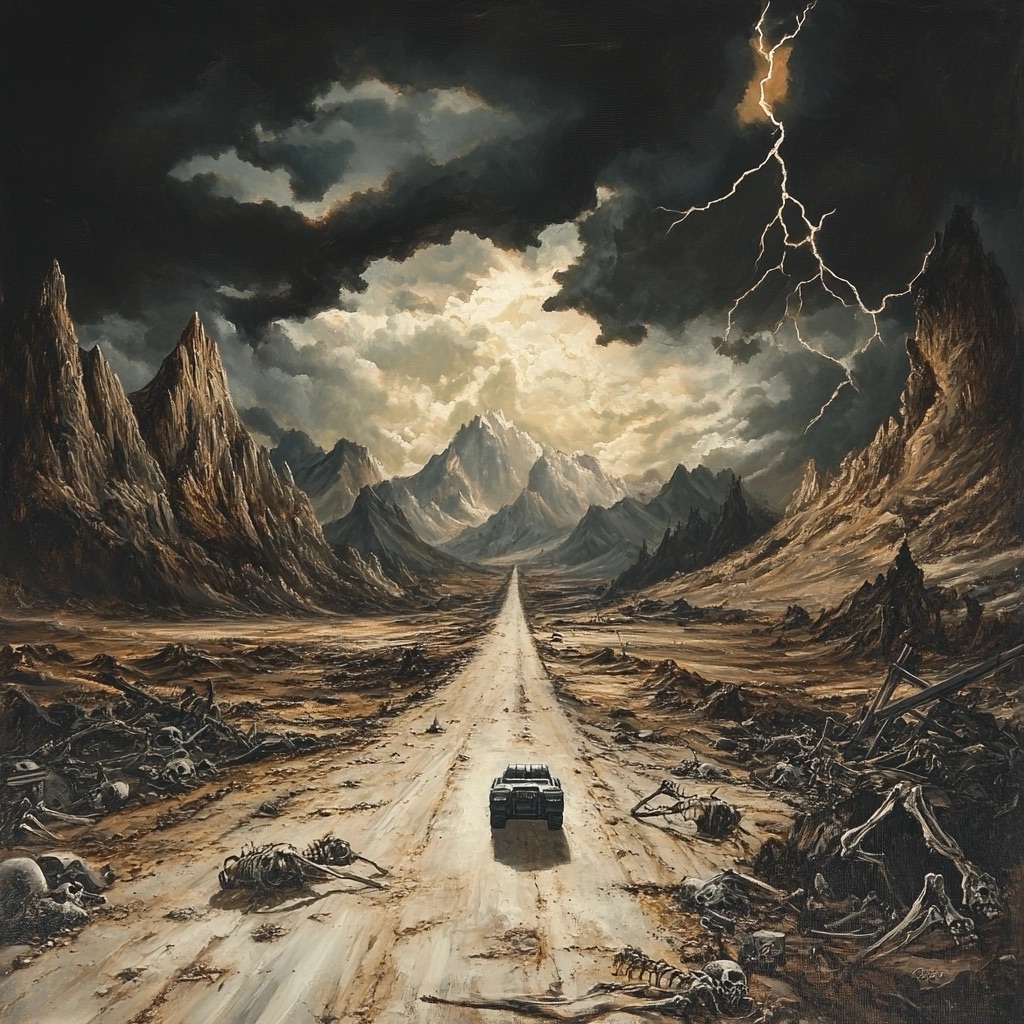
A deadly plague has broken out in Boston, one of the last major population centers on the East Coast. The only hope lies in a vaccine developed in California. The problem? Delivering it across the treacherous expanse of the former United States, now known as “Damnation Alley.”
Tanner is offered a full pardon for his crimes if he agrees to drive the vaccine across the country. It’s a journey that’s claimed the lives of everyone who’s attempted it so far. But for Tanner, it’s a chance at redemption – and freedom.
The Journey Begins
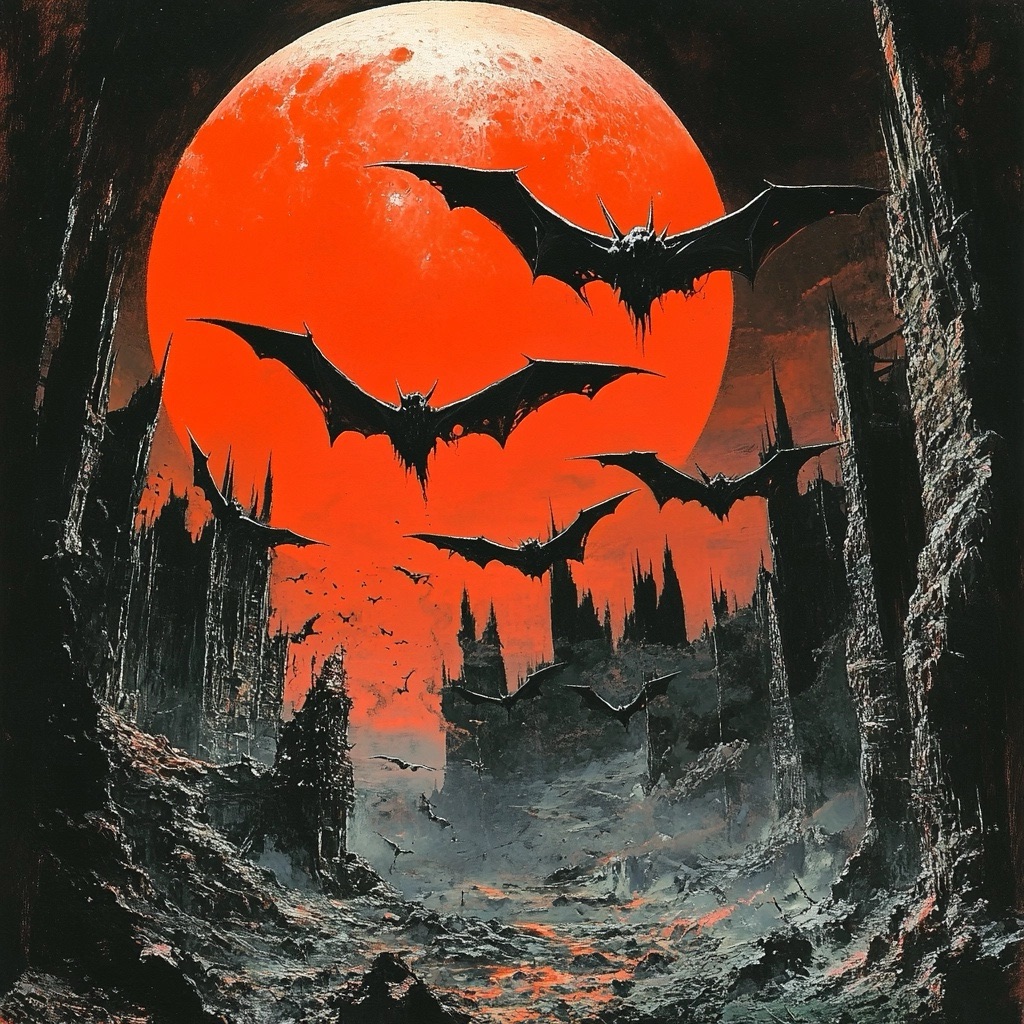
Equipped with a heavily armored vehicle bristling with weapons, Tanner sets out from Los Angeles. Almost immediately, he faces challenges that would break a lesser man. Radioactive storms lash the landscape, threatening to fry both Tanner and his precious cargo. Mutated creatures, from giant bats to monstrous Gila monsters, attack at every turn.
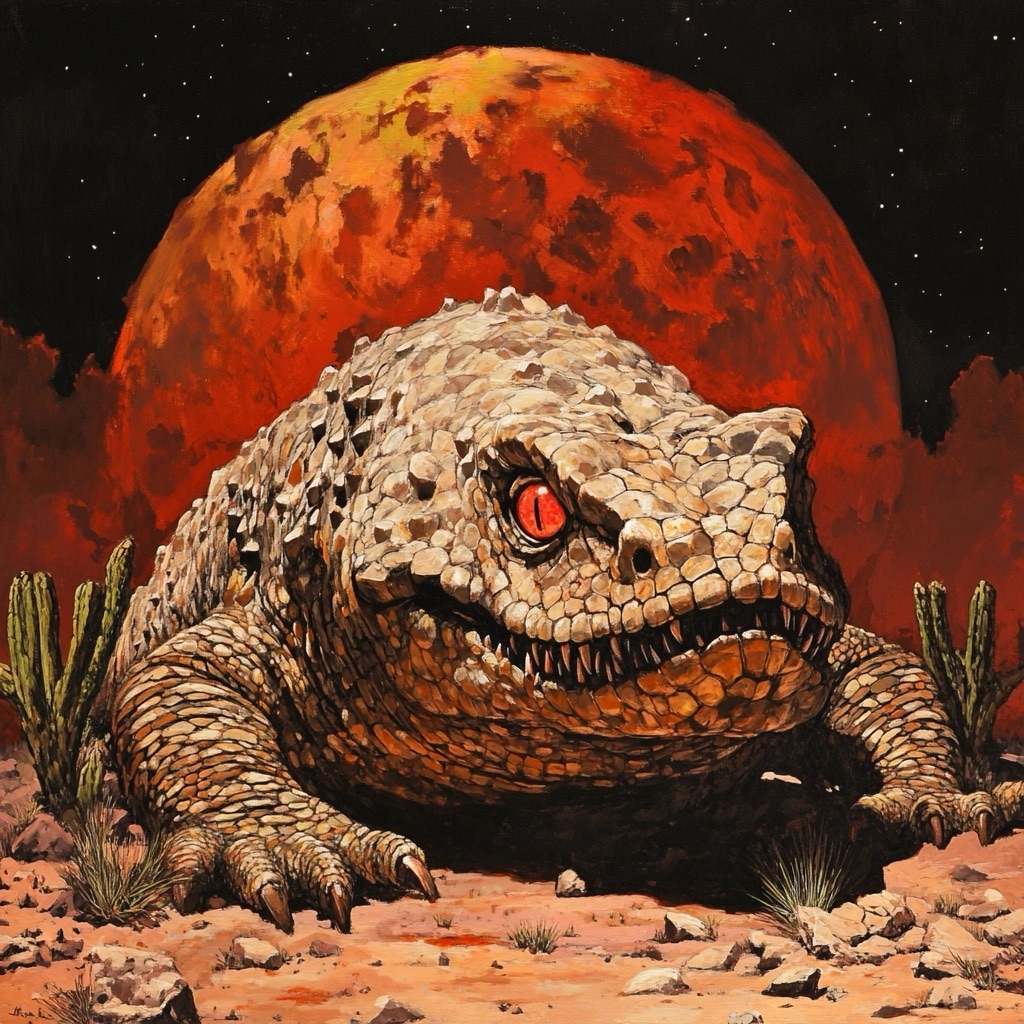
But it’s not just the environment and mutant fauna that Tanner has to contend with. Human survivors, driven mad by radiation and desperation, pose an equally deadly threat. Tanner navigates through cult-controlled territories and lawless zones where might makes right.
Unexpected Allies
Along the way, Tanner reluctantly picks up a few companions. There’s a young woman named Corny, survivor of a destroyed city, and Greg, a naive but determined teenager. These unexpected allies not only aid Tanner in his mission but also serve as a catalyst for his own personal growth.
The Final Push
As Tanner and his makeshift crew approach their destination, the challenges intensify. They face their greatest test in the ruins of Detroit, now home to a particularly vicious gang of survivors. In a heart-stopping climax, Tanner must use every trick and skill at his disposal to complete his mission and deliver hope to the plague-stricken survivors of Boston.
Review: A Thrilling Ride Through a Masterfully Crafted Wasteland
Having read “Damnation Alley” multiple times over the years, I can confidently say it stands as one of the most gripping post-apocalyptic novels ever written. Zelazny’s vivid prose brings the devastated landscape to life in a way that’s both terrifying and mesmerizing.
Masterful World-Building
One of the novel’s greatest strengths is Zelazny’s world-building. He paints a picture of a transformed America that’s both believable and nightmarish. The details are sparse but effective, allowing the reader’s imagination to fill in the gaps. From the treacherous weather patterns to the mutated wildlife, every aspect of this new world feels carefully considered and internally consistent.
A Flawed but Compelling Protagonist
Hell Tanner is not your typical hero, and that’s what makes him so fascinating. He’s rough, often cruel, and initially motivated purely by self-interest. But as the story progresses, we see glimpses of humanity beneath his hardened exterior. His gradual transformation throughout the journey is subtle and believable, never feeling forced or out of character.
Pacing and Tension
Zelazny’s pacing is relentless. The story moves at breakneck speed, with each new challenge ramping up the tension. Yet despite this rapid-fire pacing, Zelazny still finds moments for character development and world-building. It’s a delicate balance, and he nails it perfectly.
Themes of Redemption and Survival
While “Damnation Alley” is undoubtedly an action-packed adventure, it’s not without depth. The novel explores themes of redemption, the nature of heroism, and the lengths people will go to survive. Tanner’s journey is as much an internal one as it is a physical trek across a devastated continent.
A Few Minor Quibbles
If I had to nitpick, I might say that some of the secondary characters could have been more fully developed. Additionally, some readers might find the relentless pace exhausting. However, these are minor issues that don’t significantly detract from the overall experience.
The Lasting Impact of Damnation Alley
“Damnation Alley” has left it’s mark on the science fiction genre, inspiring numerous works across various media. Two particularly notable examples are the Judge Dredd storyline “The Cursed Earth” and the Fallout video game series.
Inspiring Judge Dredd’s “The Cursed Earth”
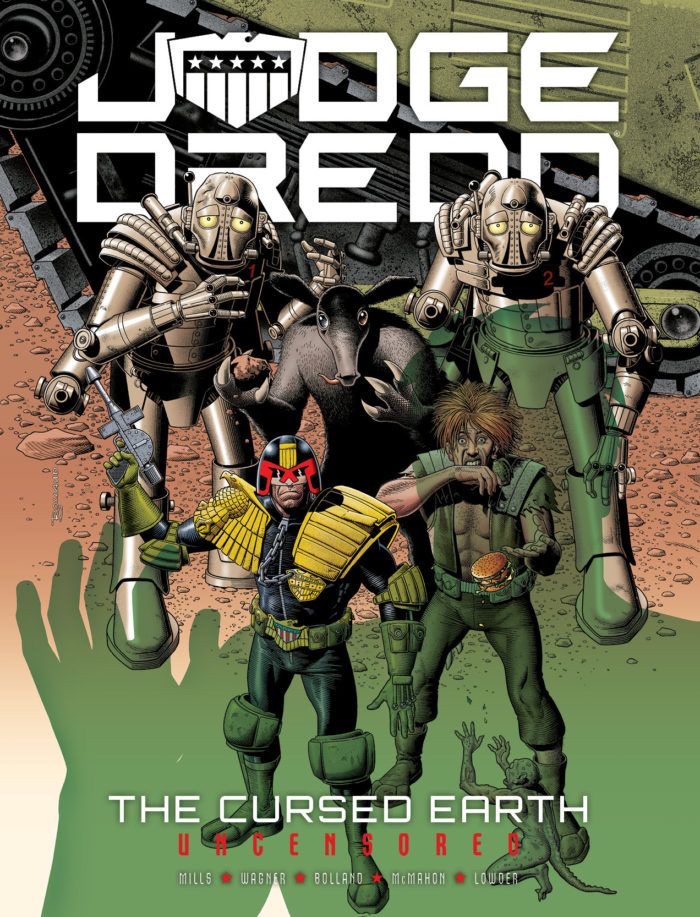
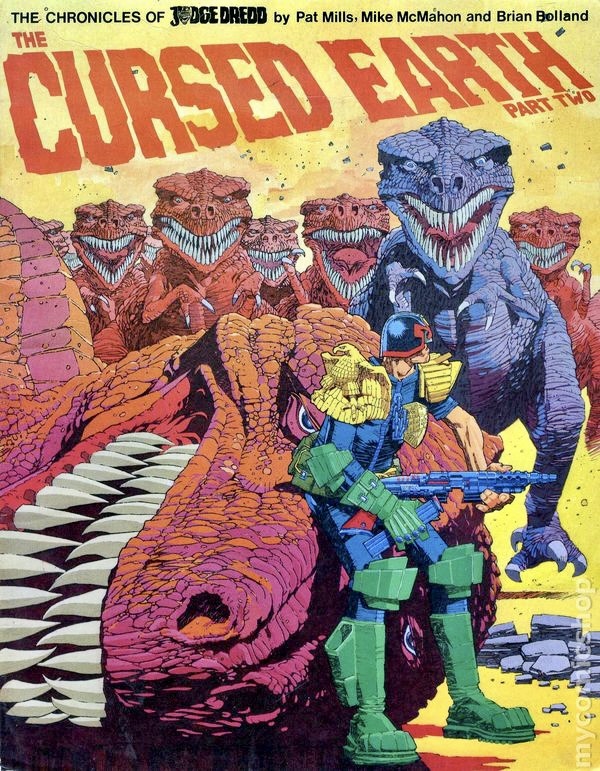
The influence of “Damnation Alley” on the Judge Dredd comic series from the British magazine 2000AD is most evident in the epic storyline “The Cursed Earth.” This 25-part saga, first published in 1978, bears striking similarities to Zelazny’s novel.
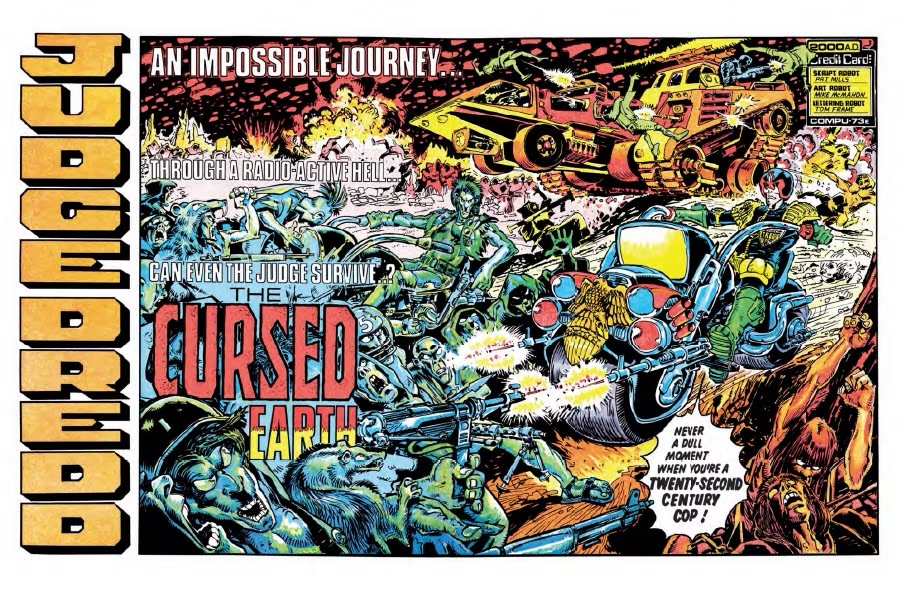
In “The Cursed Earth,” Judge Dredd must transport a vaccine across the radioactive wasteland between Mega-City One and Mega-City Two. Sound familiar? The journey is fraught with dangers eerily reminiscent of those faced by Hell Tanner: mutants, hostile survivors, and treacherous landscapes.
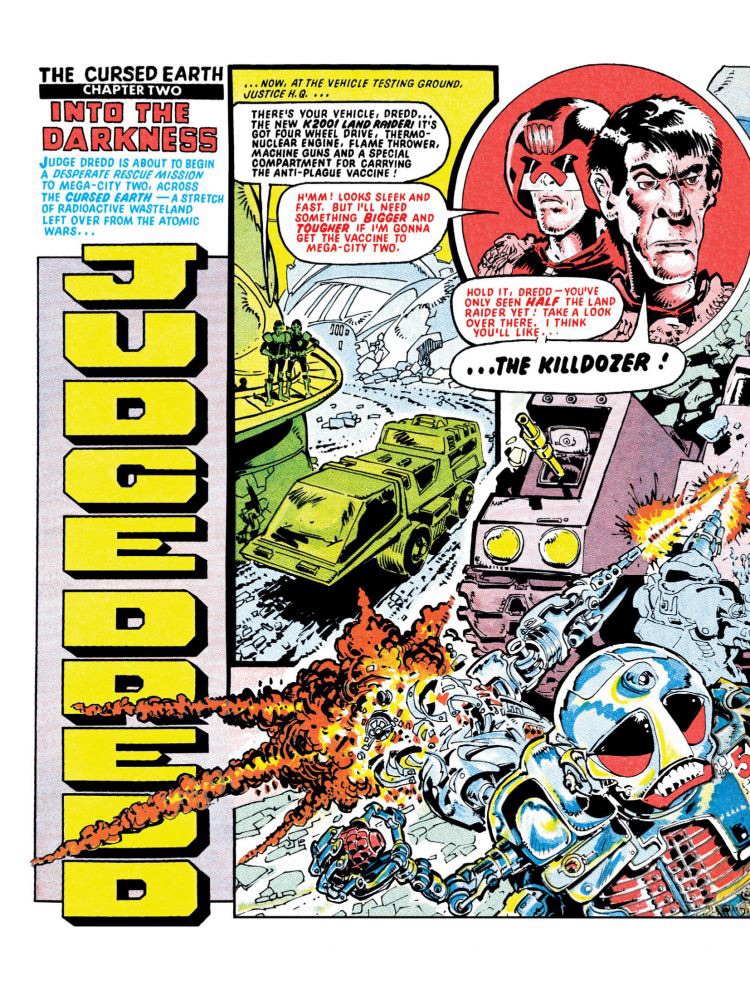
Even the presence of an anti-hero companion (Spikes Harvey Rotten in “The Cursed Earth”) mirrors the unlikely allies Tanner accumulates in “Damnation Alley.” The creators of Judge Dredd have acknowledged Zelazny’s influence, with artist Mike McMahon citing “Damnation Alley” as a direct inspiration for the story’s visual style.
Shaping the Fallout Universe
The impact of “Damnation Alley” on the Fallout video game series is equally significant. While Fallout draws from numerous post-apocalyptic sources, Zelazny’s novel clearly helped shape its world and themes.
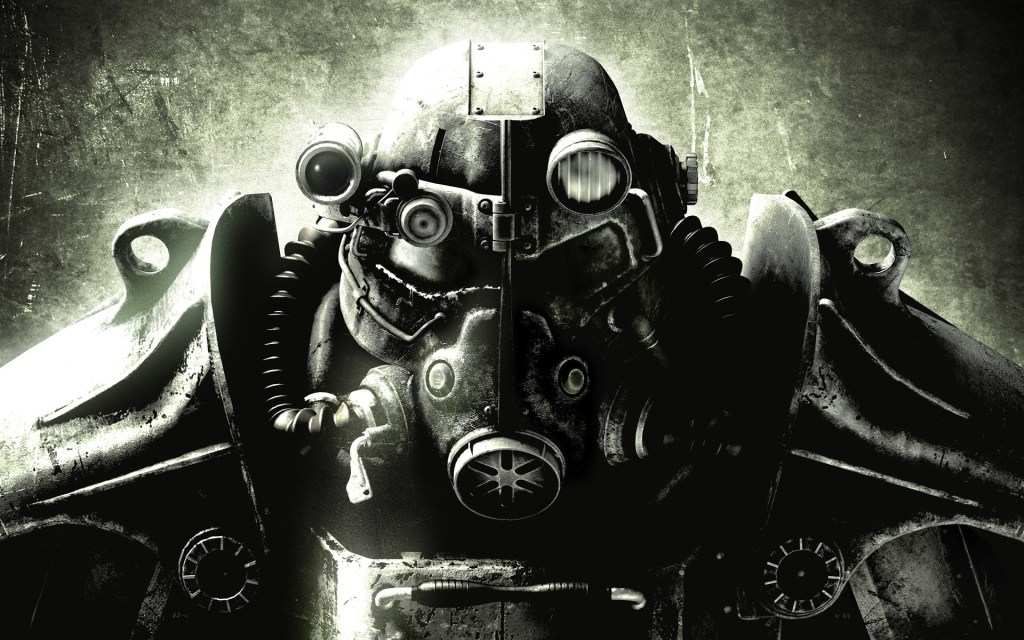
The most obvious parallel is in the setting: a post-nuclear America filled with mutated creatures and isolated pockets of civilization. The dangerous journey across this wasteland, a central element of many Fallout games, echoes Tanner’s trek in “Damnation Alley.”
Fallout: New Vegas, in particular, bears a strong resemblance to Zelazny’s work. The Mojave Wasteland, with its treacherous weather patterns and mutated wildlife, could easily be a section of Damnation Alley. The “Lonesome Road” DLC for New Vegas even more explicitly mirrors Zelazny’s novel, featuring a perilous journey through a devastated landscape.
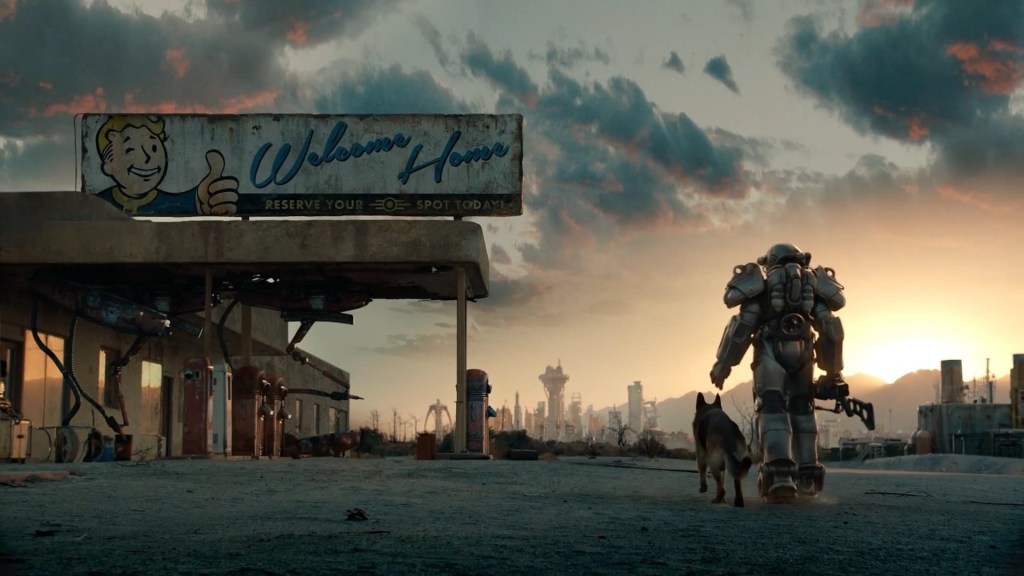
Moreover, the moral ambiguity of many Fallout protagonists, often emerging from less-than-heroic backgrounds to potentially save (or further doom) the wasteland, resonates strongly with Hell Tanner’s character arc.

Coda: A Timeless Post-Apocalyptic Classic
More than five decades after its publication, “Damnation Alley” remains a thrilling and thought-provoking read. Its influence can be seen in countless works of post-apocalyptic fiction, from comics and video games to films and television series.
What makes “Damnation Alley” endure is not just its action-packed plot or vivid world-building, but its exploration of human nature in extreme circumstances. Through Hell Tanner’s journey, we’re forced to consider what it means to be a hero, and whether redemption is possible even for the most hardened individuals.
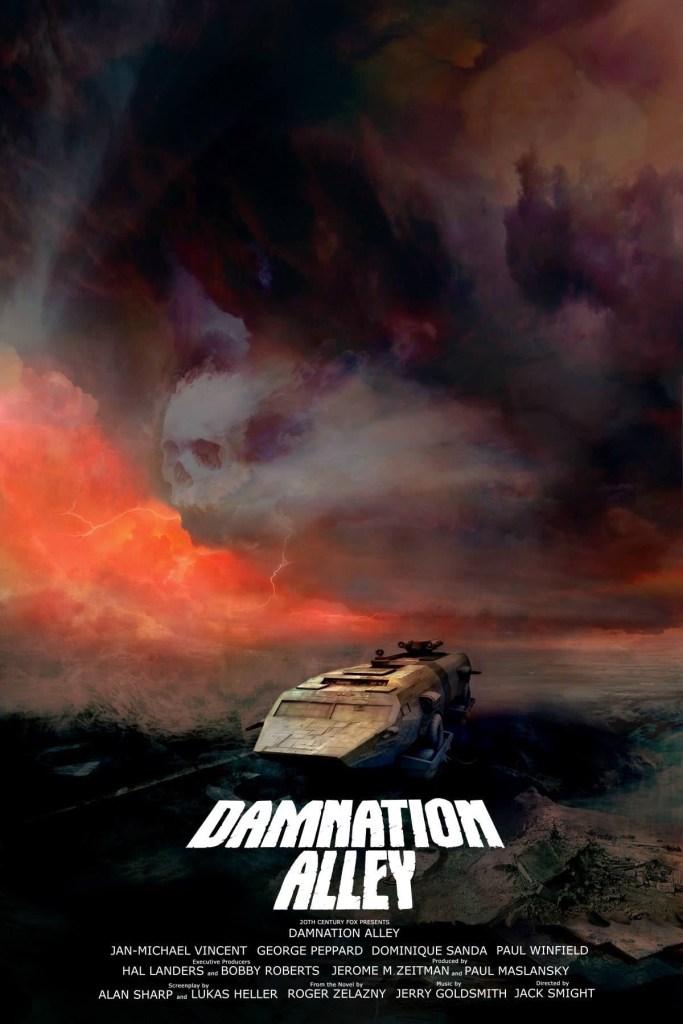
For fans of post-apocalyptic fiction, “Damnation Alley” is essential reading. It’s a masterclass in tension-building and world-crafting, wrapped in a narrative that keeps you on the edge of your seat from start to finish. And for those new to the genre, there’s no better place to start than this classic that helped shape the post-apocalyptic landscape we know today.
So suit up and strap in, keep an eye out for radioactive storms and mutant bats, and prepare for a wild ride down Damnation Alley. It’s a journey you won’t soon forget.
Discover more from Fear Planet
Subscribe to get the latest posts sent to your email.

Post-apocalyptic stories are a niche offering, unfortunately, except for the rare bird like Stephen King’s The Stand. Most of the genre ends up out-of-print within a few short years of their publication, as readers and critics move on to newer, more scintillating new offerings. This is unfortunate, because in series like DEATHLANDS (starring Ryan Cawdor and his merry men of gun-toting maniacs) we can experience a kind of reality which fortunately doesn’t exist. — Come visit my website, and leave some comments, if you like (www.dark.sport.blog)
LikeLike
Hi Greg. Thanks for the insightful commentary. I agree with everything you said, though I’ve yet to read DEATHLANDS. It sounds right up my alley. And I’ve visited your site – it’s great.
LikeLike
I’ve often wondered how much of an influence this was on the Deathlands series. One other bit of trivia: the British space-rock band Hawkwind put out a great track also called “Damnation Alley” based on the book.
LikeLiked by 1 person
I did not know that! Thanks for the information about Hawkwind. Now I have to go listen to that track ASAP
LikeLike