
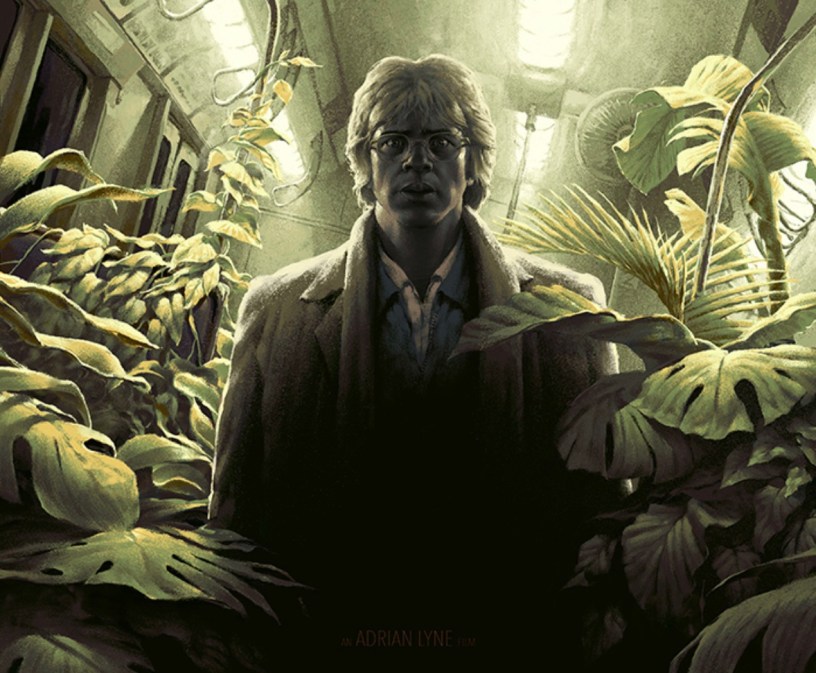
Have you ever had a dream so vivid, so terrifying, that you woke up gasping for air, unsure of what was real and what wasn’t? Now imagine living in that state constantly, unable to distinguish reality from hallucination. Welcome to the world of Jacob Singer in Adrian Lyne’s mind-bending psychological horror film, “Jacob’s Ladder” (1990).
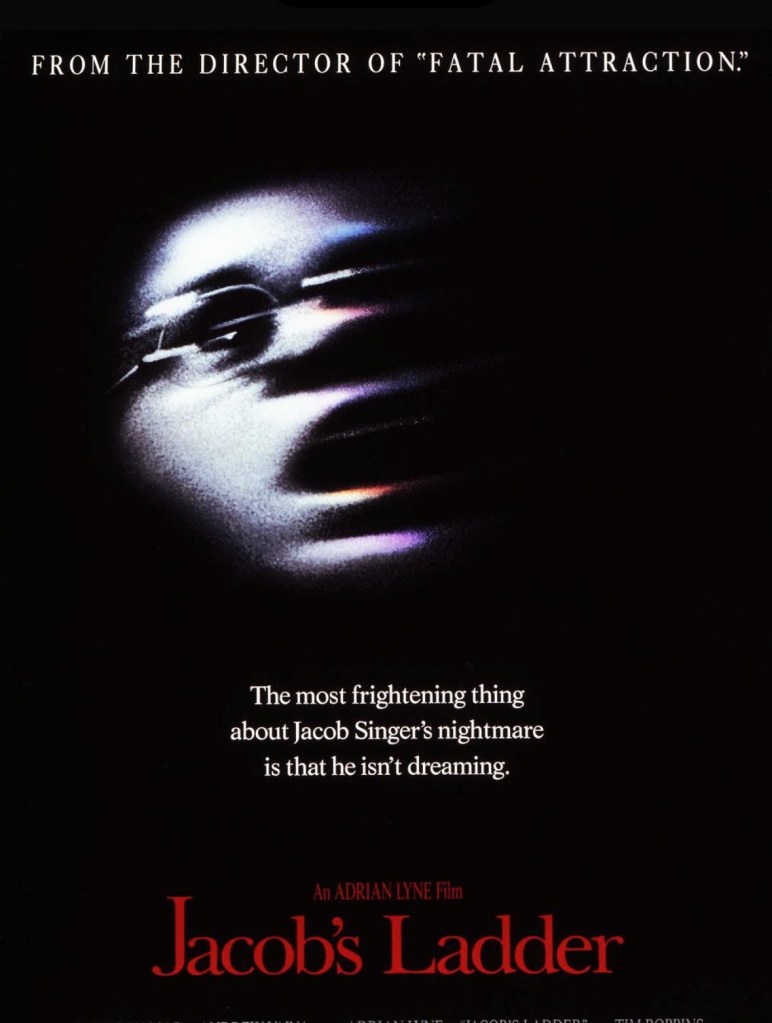
As a self-proclaimed sci-fi and horror fanatic, I’ve seen my fair share of films that attempt to blur the lines between reality and nightmare. But few have left me as unsettled and introspective as “Jacob’s Ladder.” This cult classic takes us on a harrowing journey through the fractured psyche of a Vietnam War veteran, exploring themes of trauma, guilt, and the nature of reality itself.
Down the Rabbit Hole: A Synopsis
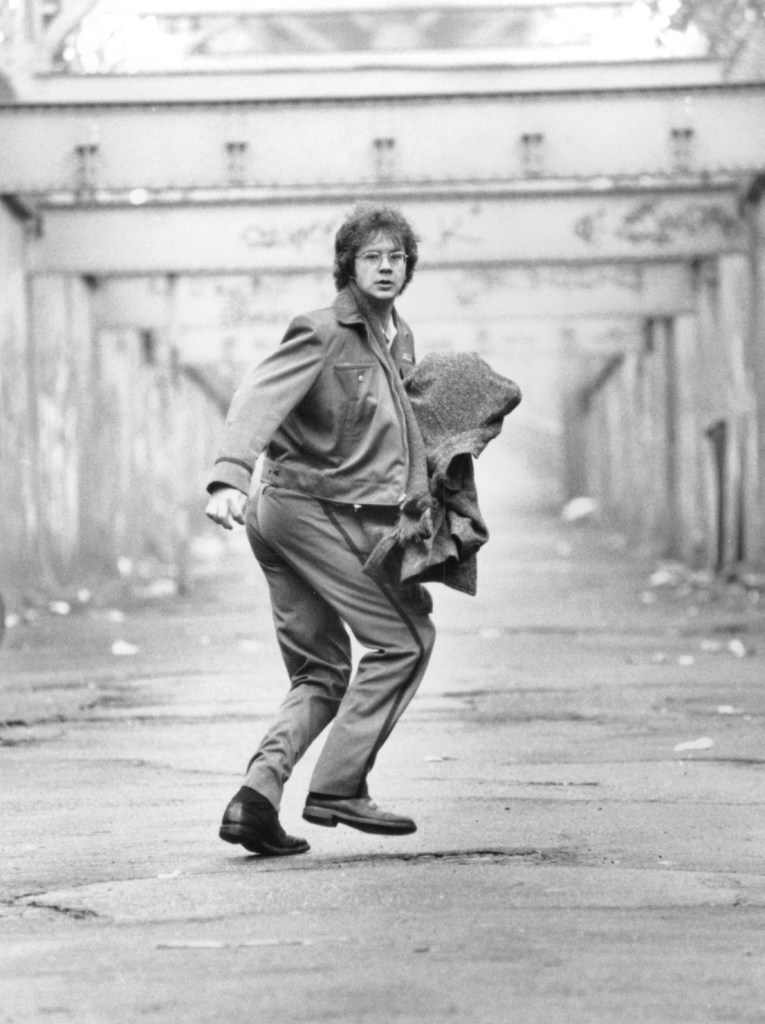
“Jacob’s Ladder” follows Jacob Singer (Tim Robbins in a career-defining performance), a Vietnam War veteran whose grip on reality is tenuous at best. The film opens with a chaotic battle scene in the Mekong Delta, where Jacob’s unit is suddenly attacked. In the midst of the chaos, Jacob is bayoneted – a moment that will haunt him long after the war has ended.

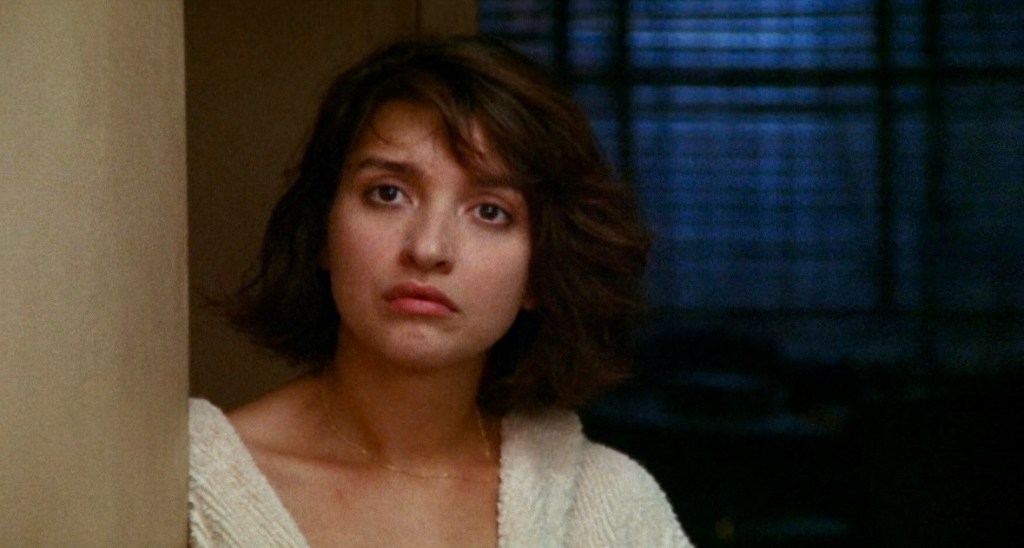
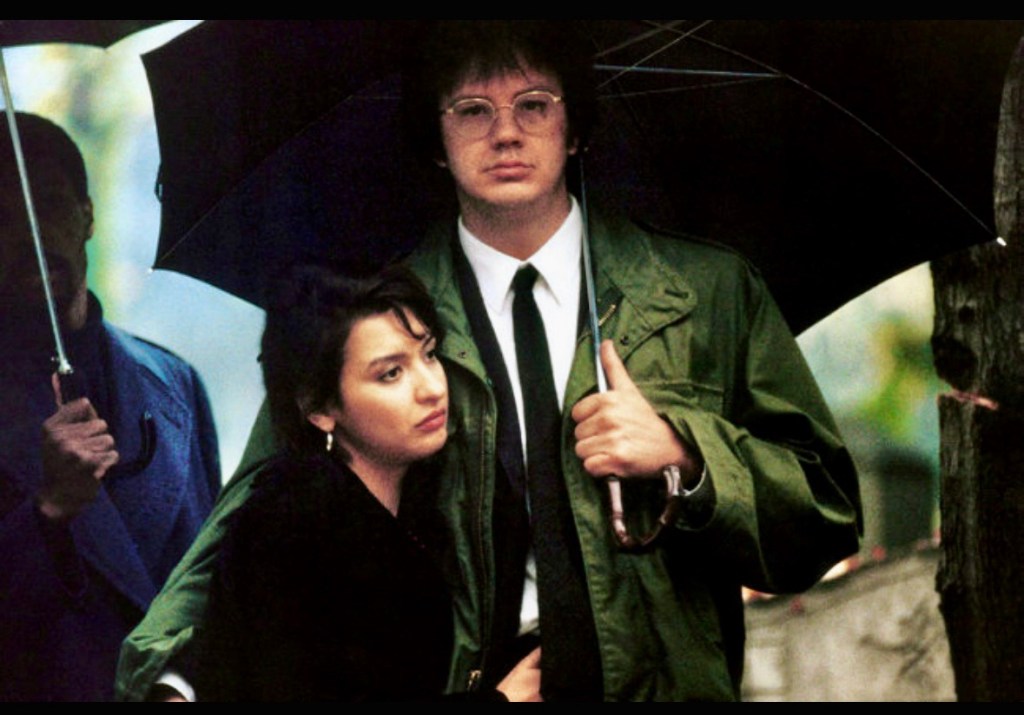
Fast forward to 1975, and we find Jacob working as a postal clerk in New York City, living with his girlfriend Jezzie (Elizabeth Peña). But Jacob’s life is far from normal. He’s plagued by horrific visions – faceless figures with vibrating heads, demonic creatures lurking in the shadows, and glimpses of his dead son Gabe (Macaulay Culkin in a small but impactful role).
As Jacob’s mental state deteriorates, he begins to suspect that his experiences are linked to a secret military experiment. He reconnects with his former platoon mates, who are suffering similar hallucinations. They believe they were subjected to a mind-altering drug called “The Ladder,” designed to increase aggression in soldiers.
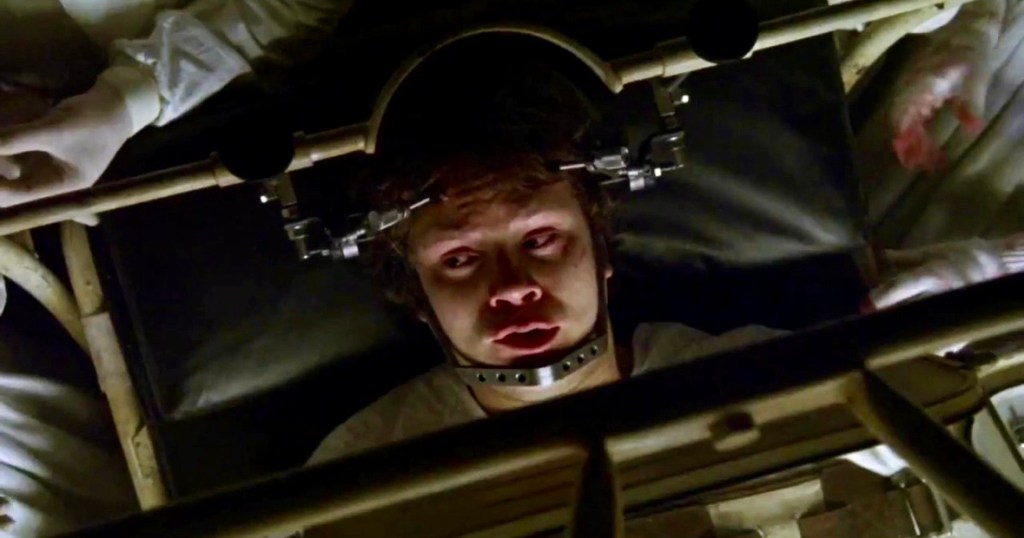
The narrative weaves between different timelines and realities, keeping both Jacob and the audience off-balance. We see flashes of another life where Jacob is still married to his first wife Sarah (Patricia Kalember) and Gabe is still alive. These moments of normalcy only serve to heighten the horror of Jacob’s waking nightmare.
Throughout his ordeal, Jacob is aided by his chiropractor and confidant, Louis (Danny Aiello), who serves as a sort of guardian angel figure. Louis offers cryptic advice about letting go of earthly attachments, hinting at a deeper spiritual struggle underlying Jacob’s experiences.
The film builds to a climactic revelation where Jacob learns the truth about “The Ladder” from a chemist involved in the experiments, Michael Newman (Matt Craven). This triggers a final vision of Jacob’s last moments in Vietnam, where he realizes that his fatal wound came not from an enemy soldier, but from one of his own comrades driven mad by the drug.
In the end, we’re left to question everything we’ve seen. Was Jacob’s entire post-war life a dying hallucination? Was he in a form of purgatory, struggling to accept his own death? The film leaves these questions deliberately ambiguous, inviting multiple interpretations.
The Sci-Fi Twist: Chemical Warfare of the Mind
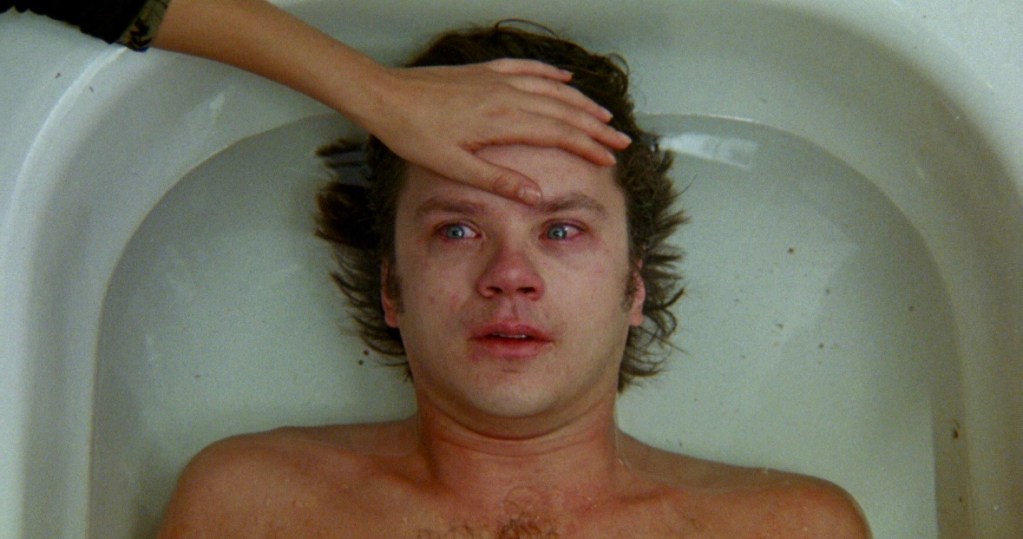
While “Jacob’s Ladder” is primarily a psychological horror film, it incorporates several sci-fi elements that elevate it beyond a simple ghost story. The central conceit of “The Ladder” – an experimental drug designed to enhance soldier performance – taps into very real anxieties about military experimentation and the ethics of chemical warfare.
The idea of a drug that can fundamentally alter a person’s perception of reality is a classic sci-fi trope, but “Jacob’s Ladder” takes it to new and terrifying heights. The film suggests that the drug’s effects linger long after exposure, blurring the lines between hallucination and reality in ways that are both fascinating and deeply disturbing.
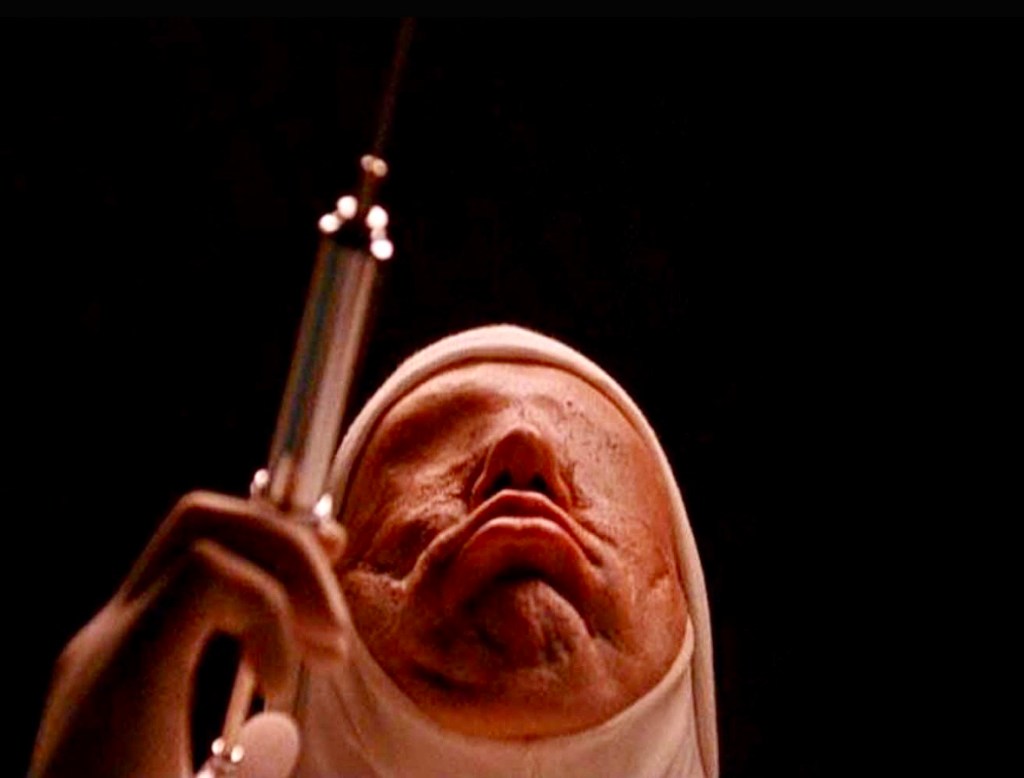
There’s also a hint of government conspiracy that adds another layer of sci-fi intrigue. The idea that Jacob and his fellow soldiers were unwitting test subjects in a secret military experiment is chilling, especially when you consider the real-life history of such experiments.
But what I find most compelling about the sci-fi elements in “Jacob’s Ladder” is how they serve the film’s deeper themes. The drug becomes a metaphor for the way trauma alters our perception of the world, creating a reality that can be just as horrifying as any hallucination.
Descent into Madness: The Horror of the Mind
Where “Jacob’s Ladder” truly excels is in its portrayal of psychological horror. This isn’t a film about jump scares or gore (although there are certainly moments of body horror that will make you squirm). Instead, it’s about the terror of losing your grip on reality, of being unable to trust your own mind.

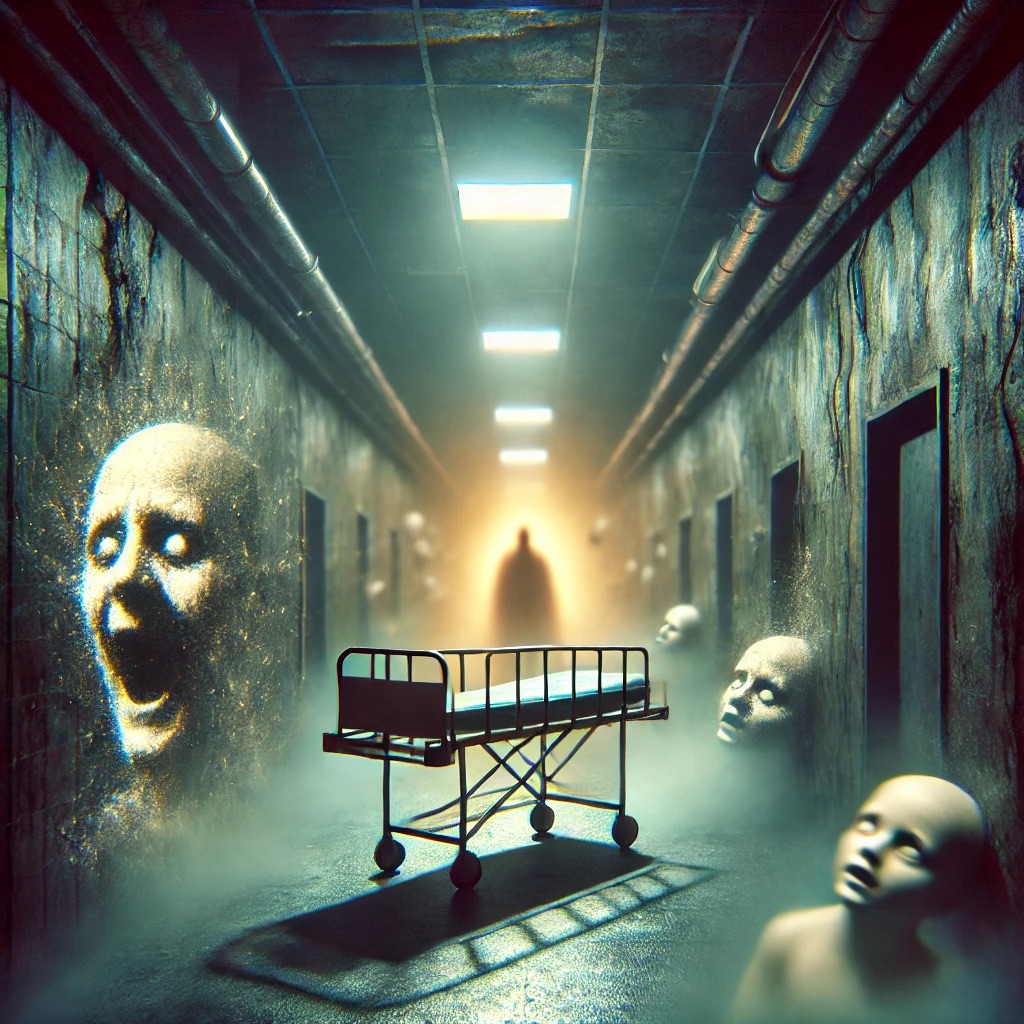
The film’s use of surreal, nightmarish imagery is masterful. From the infamous “head-shaking” effect to the grotesque creatures Jacob encounters, each vision is designed to unsettle and disorient. What makes these moments truly horrifying is the way they’re seamlessly integrated into otherwise mundane scenes. A subway ride becomes a descent into hell. A party transforms into a demonic orgy. The line between reality and hallucination becomes so blurred that we, like Jacob, can no longer tell what’s real.
But the true horror of “Jacob’s Ladder” lies in its exploration of trauma and guilt. Jacob’s visions are manifestations of his unresolved grief over his son’s death and his experiences in Vietnam. The film suggests that sometimes, our own minds can be the most terrifying monsters of all.
Symbolism and Subtext: Peeling Back the Layers
One of the aspects of “Jacob’s Ladder” that has kept me coming back to it over the years is its rich symbolism and layered subtext. The film is ripe for interpretation, with religious and philosophical references woven throughout.
The title itself is a biblical reference to the ladder that Jacob sees in a dream, connecting heaven and earth. In the film, this becomes a metaphor for Jacob’s struggle between life and death, reality and illusion. The character of Louis, with his sage advice about letting go, can be seen as a kind of angelic guide on this journey.
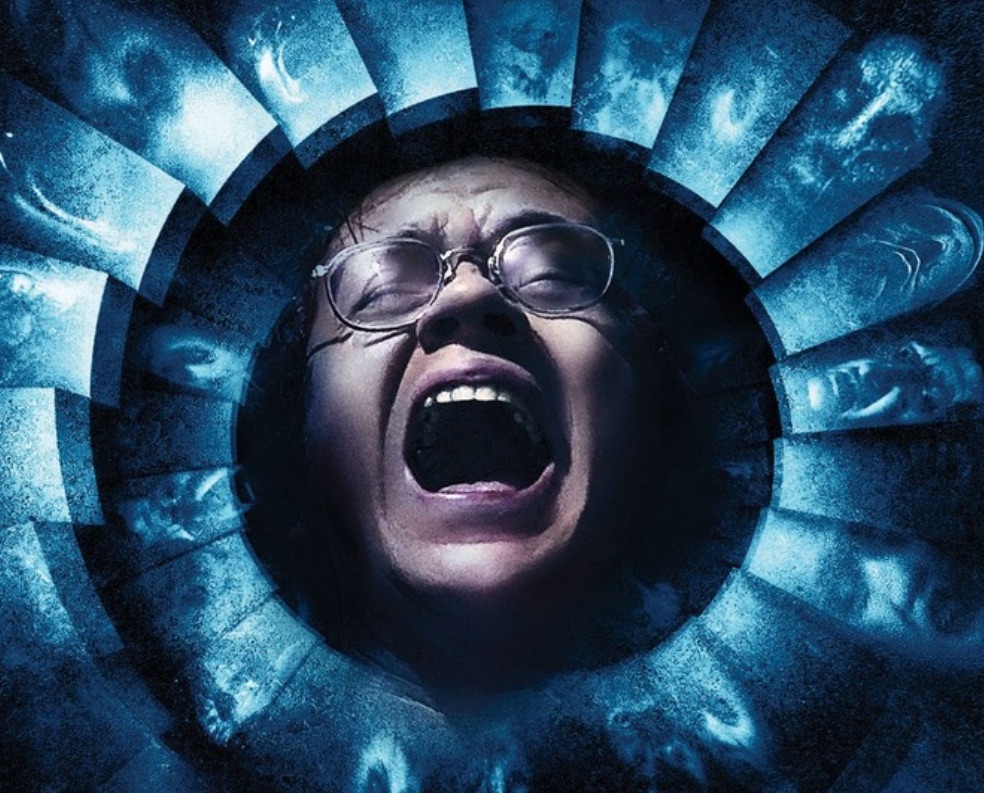
The film’s structure, with its non-linear narrative and blurred realities, mirrors Jacob’s fractured psyche. It’s a brilliant formal choice that puts us directly in Jacob’s headspace, experiencing his disorientation and confusion firsthand.
There’s also a strong allegorical element to the story. Jacob’s journey can be seen as a form of purgatory, a space between life and death where he must confront his fears and guilt before finding peace. This interpretation adds a poignant, almost beautiful dimension to what could otherwise be a bleak and hopeless tale.
PTSD and Trauma on Screen
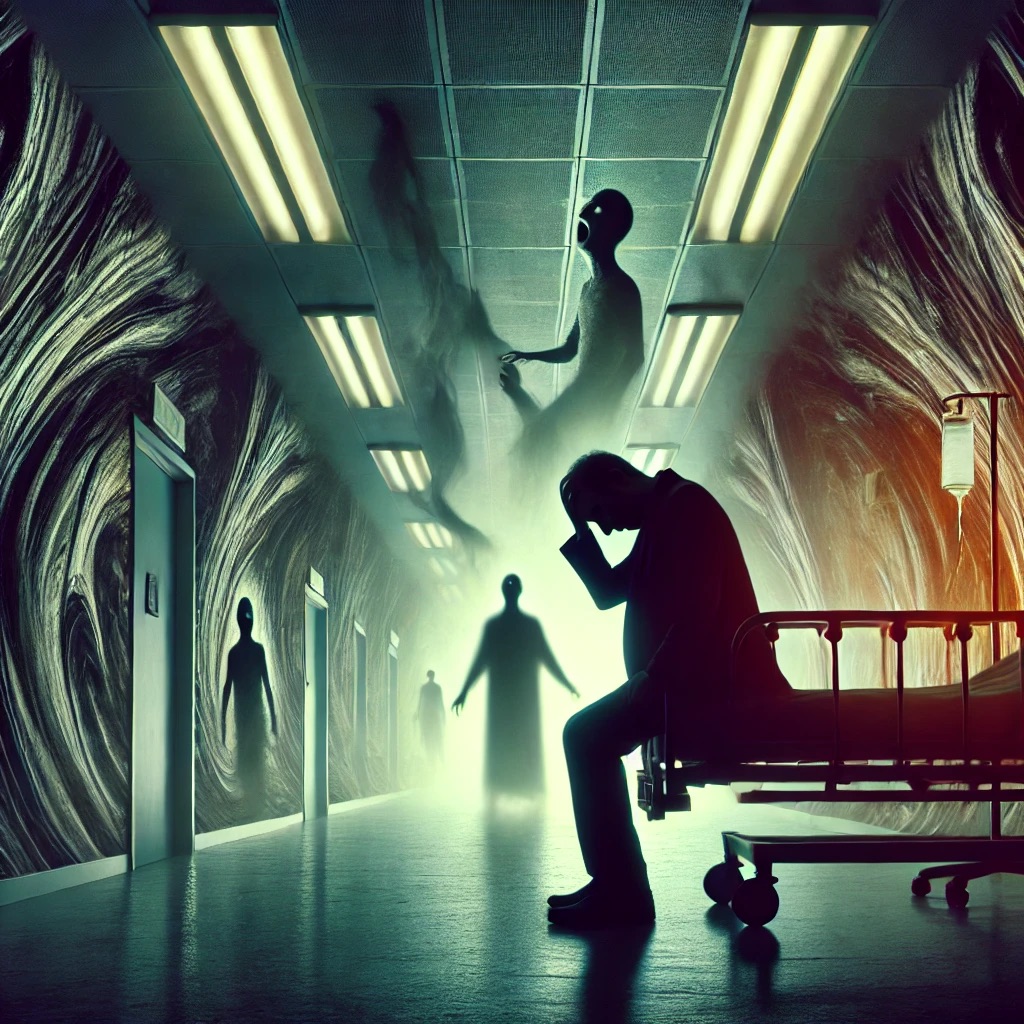
What struck me most on my recent rewatch of “Jacob’s Ladder” was how ahead of its time it was in its portrayal of PTSD and trauma. While not explicitly diagnosed in the film, Jacob exhibits many classic symptoms of PTSD – flashbacks, hypervigilance, emotional numbness, and dissociation.
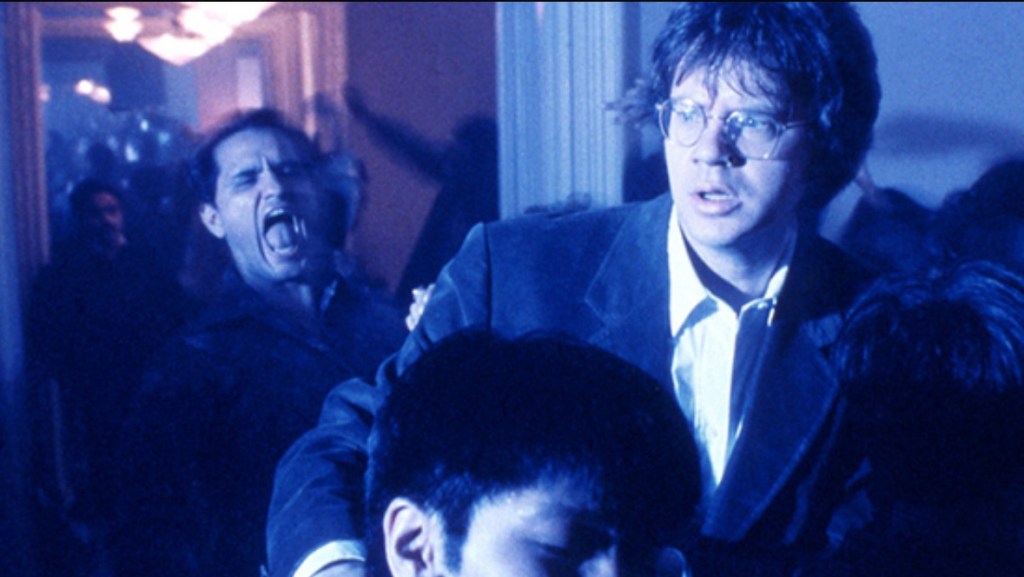
The film’s depiction of these symptoms is harrowing and deeply empathetic. It doesn’t shy away from showing the full impact of trauma, not just on the individual but on their relationships and their entire world view. Jacob’s struggle to connect with Jezzie, his paranoia, his moments of emotional volatility – all of these feel painfully real.
Moreover, “Jacob’s Ladder” understands that trauma isn’t just about reliving the past. It’s about how the past reshapes our present and future. Jacob’s visions aren’t simply flashbacks to Vietnam; they’re a complex interweaving of memory, guilt, fear, and desperate hope.
In an era where mental health is finally getting the attention it deserves, “Jacob’s Ladder” feels more relevant than ever. It reminds us of the invisible wounds that many veterans and trauma survivors carry, and the desperate need for understanding and support.
A Personal Reflection
I first watched “Jacob’s Ladder” as a teenager, and I’ll admit, a lot of it went over my head at the time. I was drawn in by the horror elements and the mind-bending plot, but I missed much of the deeper meaning. Revisiting it now, with more life experience under my belt, I’m struck by how much more it resonates.
The film’s exploration of guilt, grief, and the struggle to make sense of a chaotic world feels all too relevant in our current times. Jacob’s journey, as harrowing as it is, also offers a glimmer of hope. It suggests that even in our darkest moments, there’s a possibility for understanding and peace.
What I appreciate most about “Jacob’s Ladder” is that it doesn’t offer easy answers. It respects its audience enough to leave room for interpretation and personal reflection. It’s a film that stays with you long after the credits roll, inviting you to question your own perceptions and confront your own demons.

If You Enjoyed “Jacob’s Ladder”…
If “Jacob’s Ladder” left you hungry for more mind-bending psychological horror, here are a few recommendations to keep you up at night:
- “Mulholland Drive” (2001): David Lynch’s masterpiece of surreal horror will have you questioning reality long after it’s over.
- “Donnie Darko” (2001): Another cult classic that blends sci-fi and psychological horror with themes of time travel and alternate realities.
- “The Machinist” (2004): Christian Bale’s haunting performance as an insomniac factory worker will get under your skin.
- “Shutter Island” (2010): Martin Scorsese’s psychological thriller shares themes of memory, guilt, and shifting realities.
- “Hereditary” (2018): For a more recent film that captures the same sense of creeping dread and psychological horror.
- “Angel Heart” (1987): A noir-tinged horror that shares “Jacob’s Ladder’s” interest in memory and identity.
- “Stay” (2005): A lesser-known gem that plays with perception and reality in intriguing ways.
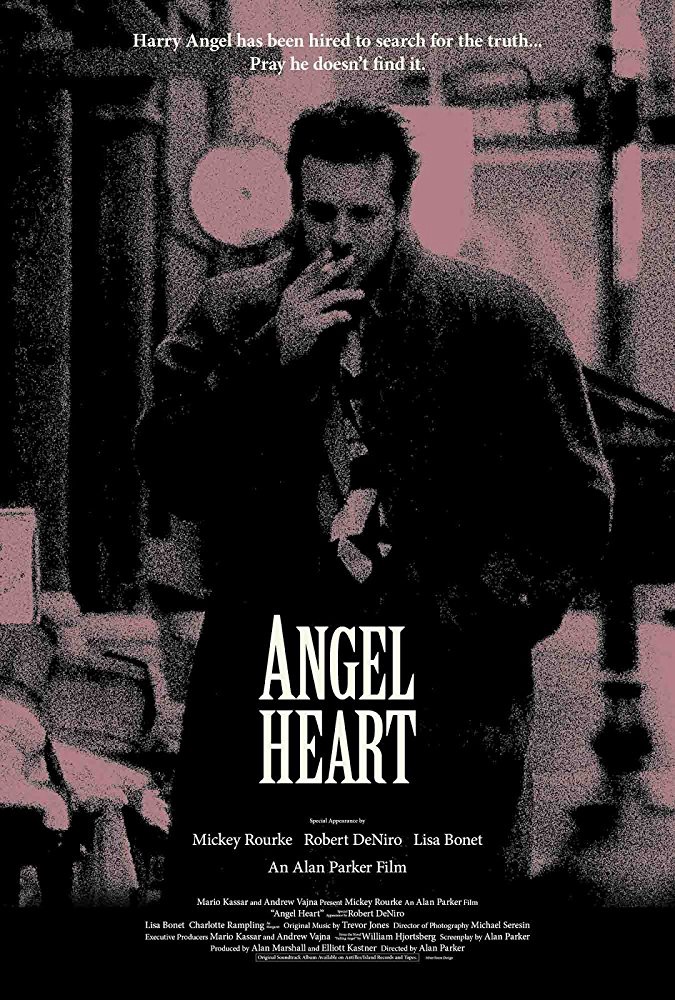
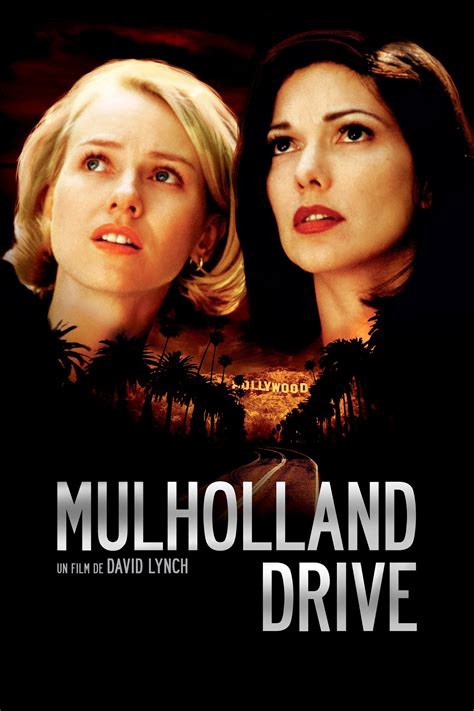
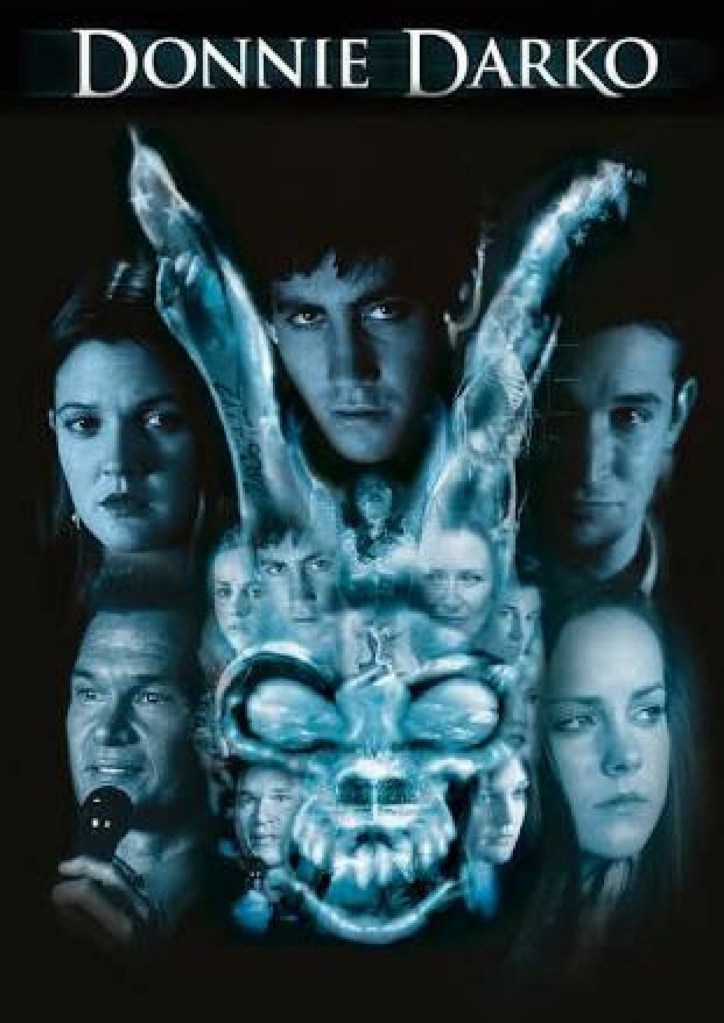
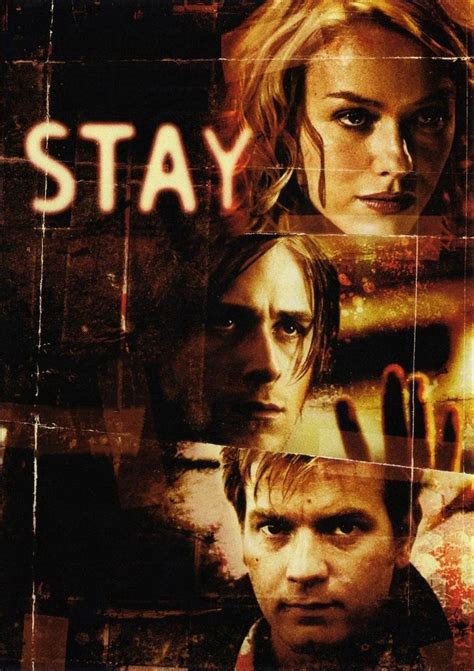
These films all share “Jacob’s Ladder’s” interest in the fragility of the human mind and the nature of reality. They’re perfect for those nights when you’re in the mood to have your perception of the world thoroughly shaken.
In the end, “Jacob’s Ladder” is more than merely a horror film or a sci-fi mind-bender. It’s a piercing meditation on trauma, guilt, and the human condition. It reminds us that sometimes, the most terrifying journeys are the ones we take within our own minds. But it also suggests that even in our darkest moments, there’s a possibility for understanding and peace.
Discover more from Fear Planet
Subscribe to get the latest posts sent to your email.
