
Over the years I’ve had the pleasure of visiting countless imaginary worlds crafted by brilliant minds. But few authors have fascinated me quite like Poul Anderson (1926-2001). His ability to blend hard science with rich storytelling is something to behold. Today, I want to share with you what I consider to be Anderson’s five best novels – works that have not only stood the test of time but continue to inspire and challenge new readers decades after their publication (at least, according to YouTube and Amazon reviews of his works).
Whether you’re new to the genre or a seasoned sci-fi veteran, Anderson’s best books offer something special. They’re not just great stories; they’re gateways to new ways of thinking about our universe and our place in it. So, let’s enter hyperspace and marvel at the sheer imaginary might of Poul Anderson’s incredible imagination.
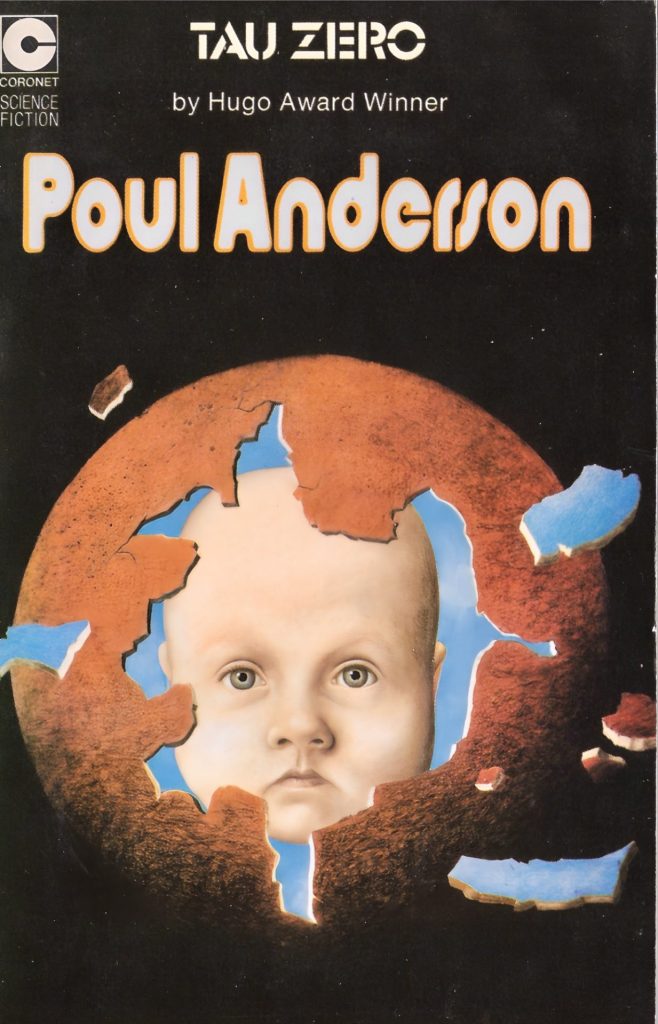
1. Tau Zero: A Journey to the Edge of Time
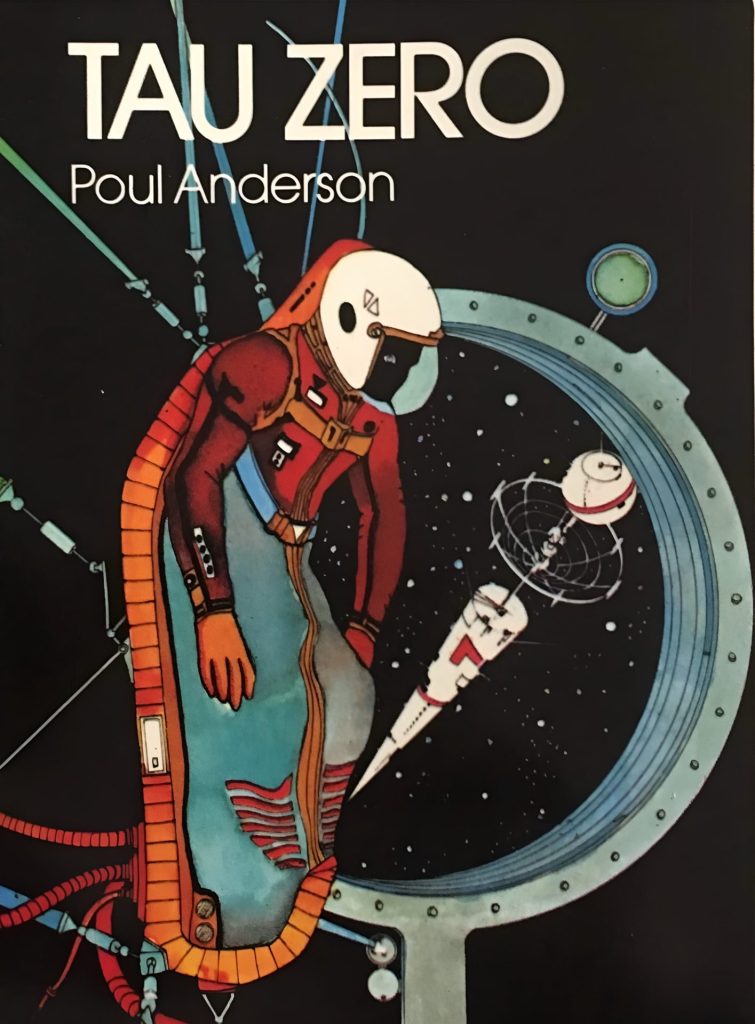
First on our list is “Tau Zero,” a novel that I believe perfectly encapsulates Anderson’s genius. This book isn’t just a story; it’s a mind-bending exploration of relativistic physics wrapped in a gripping tale of human endurance.
The plot follows the crew of the starship Leonora Christine, who find themselves on an uncontrolled acceleration towards the speed of light. What starts as a routine colonization mission turns into a harrowing journey across time and space. As the ship’s velocity increases, time dilation effects become more pronounced, and the crew watches centuries, then millennia, pass by in the outside universe.
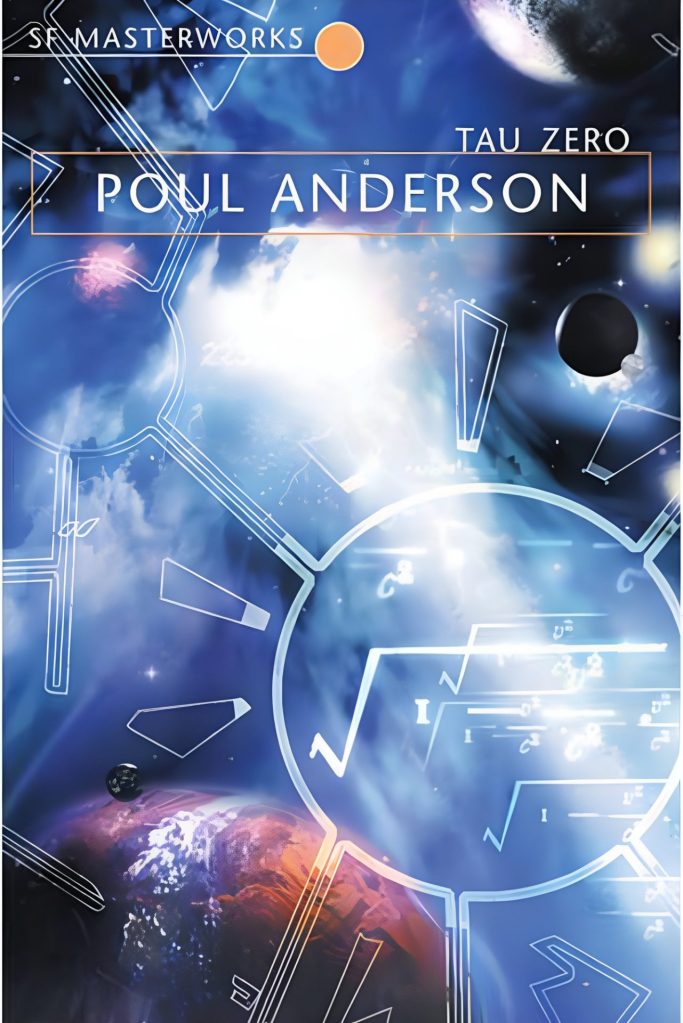
What I love about “Tau Zero” is how Anderson masterfully balances the hard science aspects with the human drama. The physics behind the Bussard ramjet and the consequences of near-light-speed travel are explained with impressive accuracy. But it’s the psychological toll on the characters that really draws you in. How do you cope when everyone and everything you’ve ever known has long since turned to dust?
This novel challenges us to contemplate our place in the vast expanse of the cosmos. It’s a perfect starting point for anyone new to Anderson’s work, offering a taste of his scientific rigor and his ability to craft compelling characters in extraordinary situations.
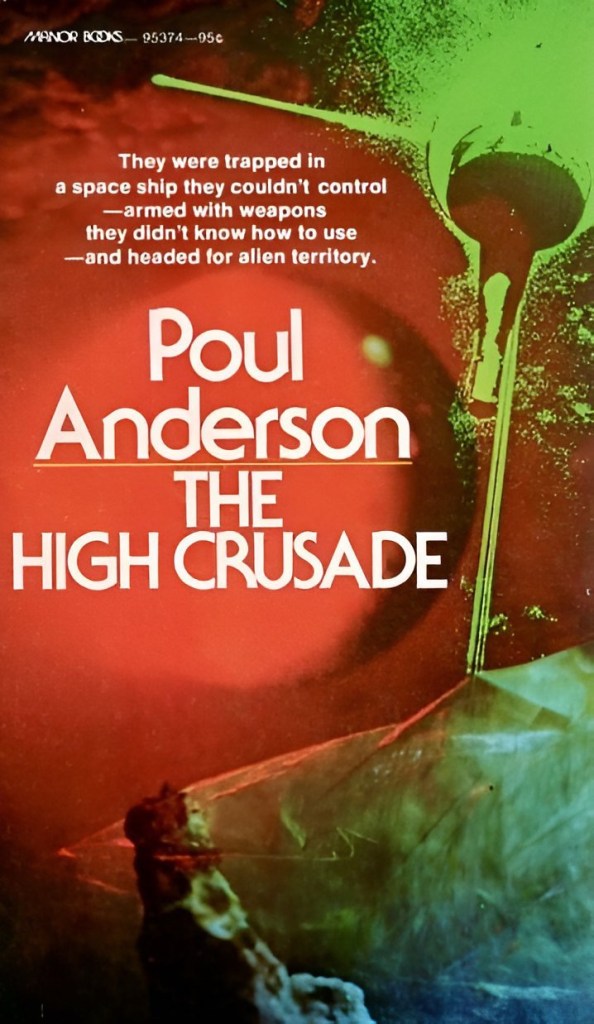
2. The High Crusade: Medieval Knights Meet Alien Invaders
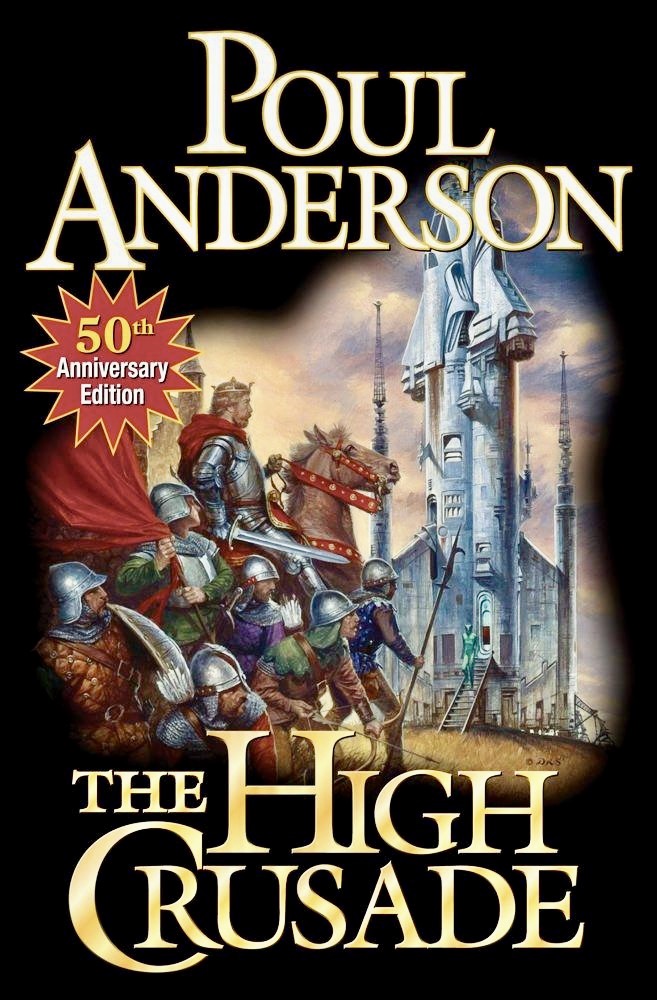
If “Tau Zero” showcases Anderson’s hard sci-fi chops, “The High Crusade” demonstrates his versatility and sense of humor. This novel is a delightful mash-up of science fiction and historical fiction that never fails to bring a smile to my face.
Picture this: it’s 1345, and an alien spaceship lands in a small English village. The medieval inhabitants, led by Sir Roger de Tourneville, manage to capture the ship and decide to use it to take their crusade to the stars. What follows is a rollicking adventure that turns the typical “alien invasion” trope on its head.
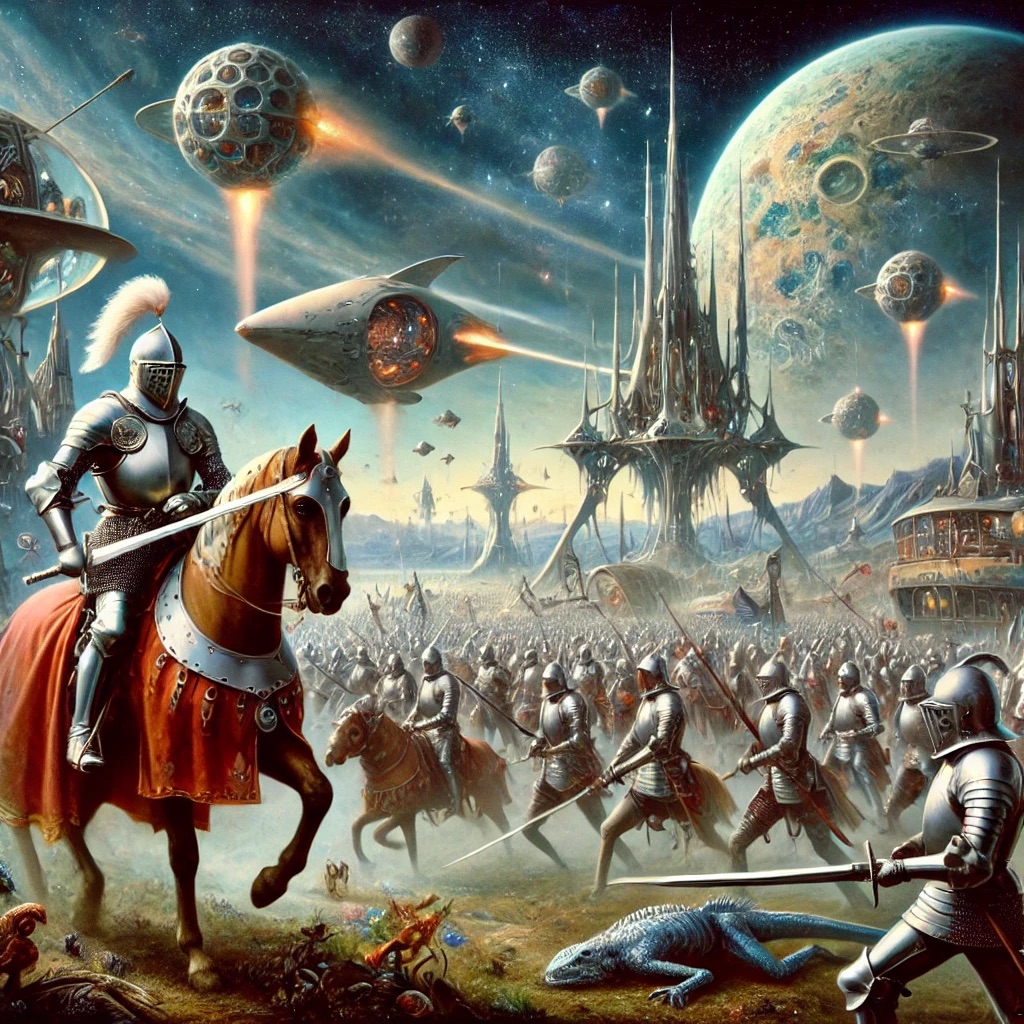
What I find most impressive about “The High Crusade” is how Anderson manages to make this outlandish premise not just believable, but thought-provoking. The clash between medieval human ingenuity and advanced alien technology raises interesting questions about the nature of progress and the resilience of the human spirit.
The novel is narrated by Brother Parvus, a monk accompanying the expedition, whose deadpan observations add an extra layer of humor to the proceedings. It’s this blend of adventure, humor, and historical detail that makes “The High Crusade” such a joy to read.
For newcomers to Anderson’s work, this novel offers a lighter entry point than some of his harder sci-fi. It’s a great example of how science fiction can be both entertaining and intellectually stimulating. It was also nominated for the prestigious Hugo Award in 1961.
3. Brain Wave: Intelligence Unleashed
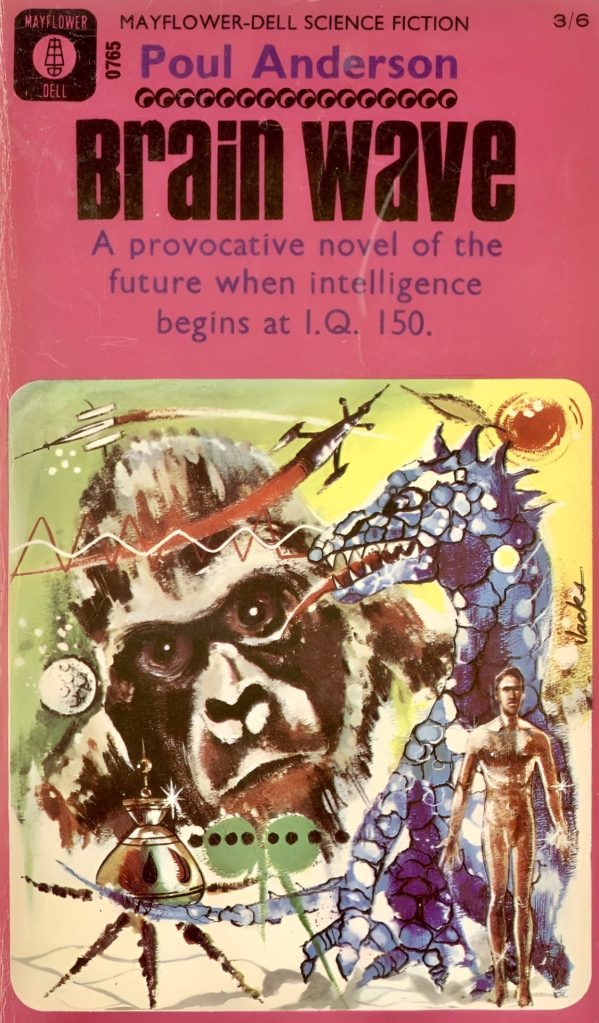
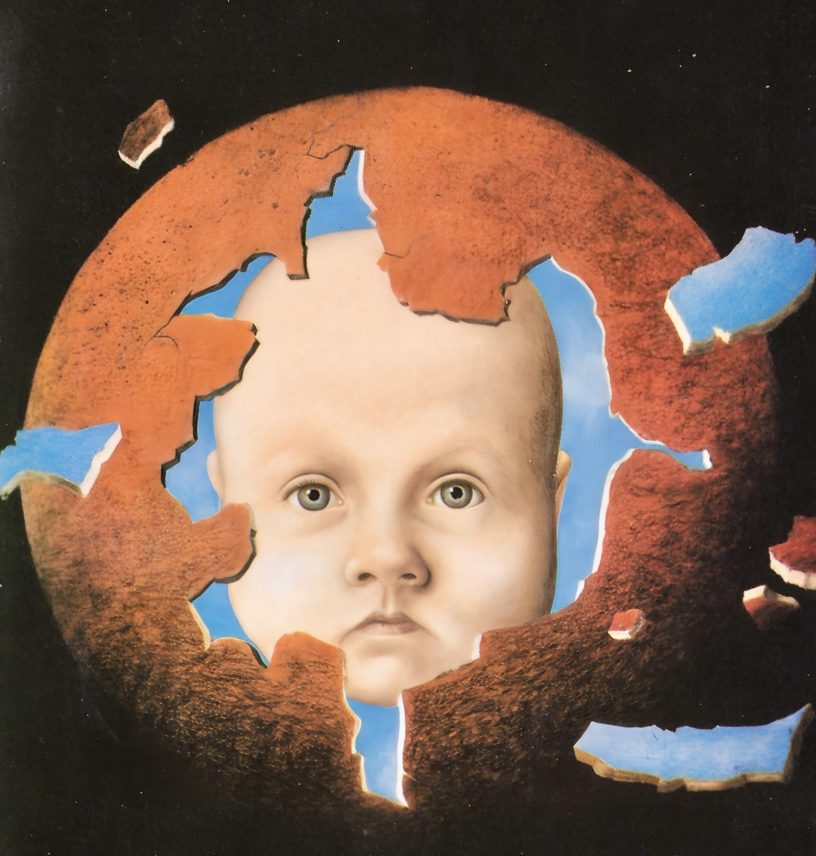
“Brain Wave” is a novel that never fails to fascinate me, no matter how many times I revisit it. The premise is simple yet profound: what if the Earth suddenly emerged from an intelligence-dampening field, causing the IQ of every living creature to increase dramatically?
Anderson takes this concept and runs with it, exploring the far-reaching consequences on individuals, society, and even non-human animals. We follow several characters, including the physicist Peter Corinth and his wife Sheila, as they navigate this brave new world of enhanced cognition.
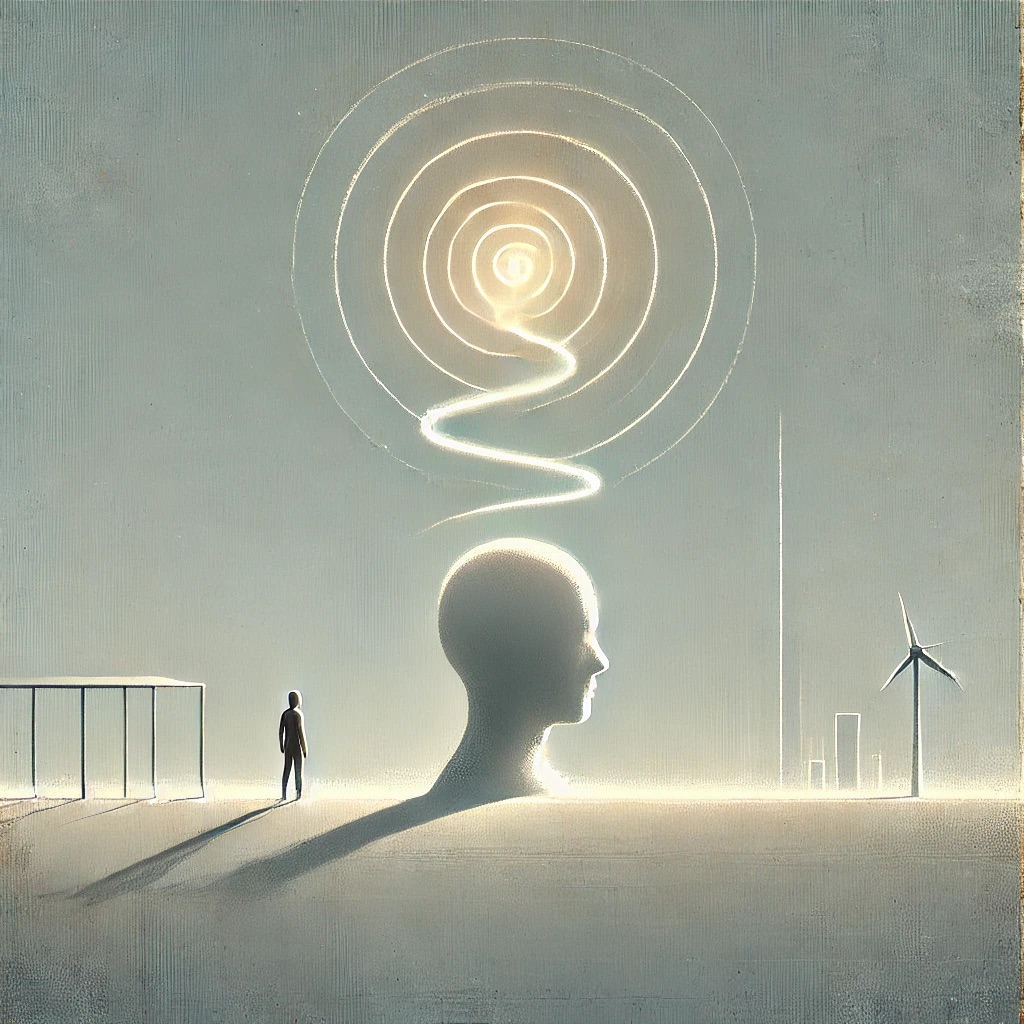
What I find most compelling about “Brain Wave” is how it challenges our assumptions about intelligence and its role in society. Anderson doesn’t present increased intelligence as an unmitigated good; instead, he shows us a world thrown into chaos as social structures crumble and individuals struggle to cope with their newfound mental capabilities.
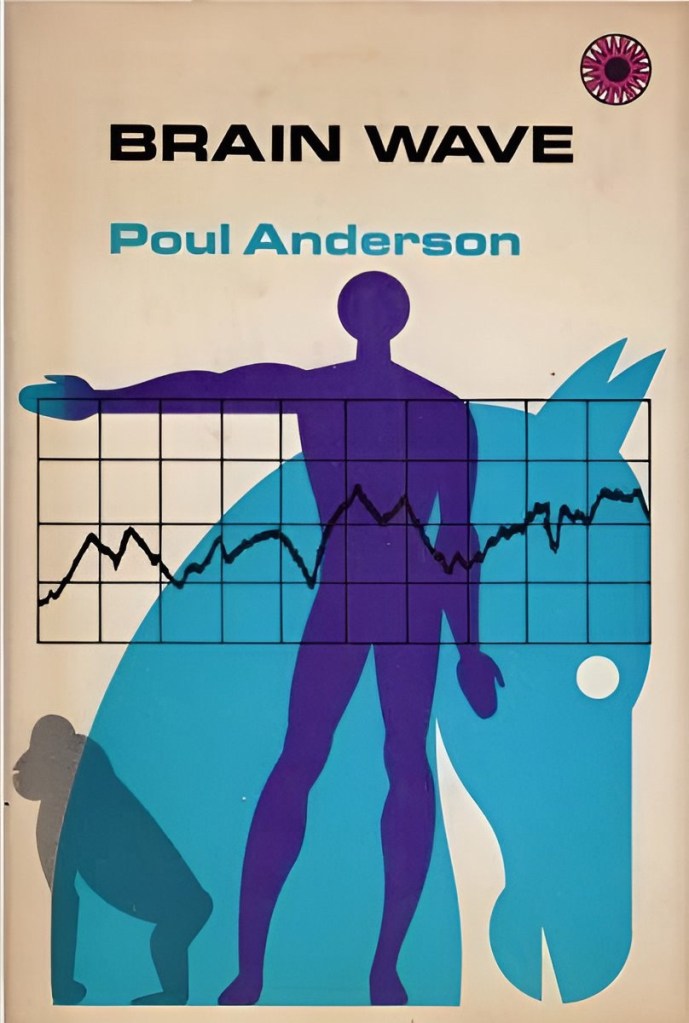
The novel raises thought-provoking questions: How would our world change if everyone suddenly became a genius? Would it lead to utopia or chaos? What does it mean to be human when our fundamental cognitive abilities are altered?
For readers new to Anderson’s work, “Brain Wave” offers a perfect blend of high-concept science fiction and astute social commentary. It’s a novel that will make you think long after you’ve turned the last page.
4. The Boat of a Million Years: Immortality Across the Ages
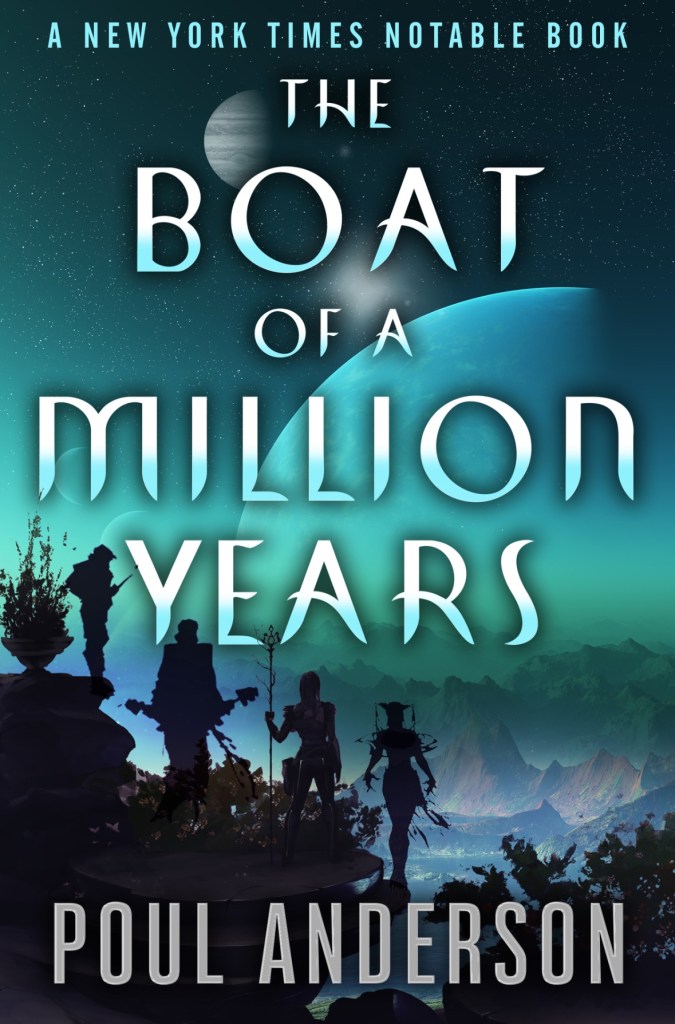
“The Boat of a Million Years” is perhaps Anderson’s most ambitious work, and it’s one that I find myself returning to time and time again. This sweeping epic follows a group of immortals from ancient times to the far future, offering a unique perspective on human history and the nature of immortality.
What sets this novel apart is its scope and depth. Anderson takes us on a journey through various historical periods, from ancient Phoenicia to medieval Europe to the distant future. Each era is richly detailed, showcasing Anderson’s extensive historical knowledge and his ability to bring different time periods to life.
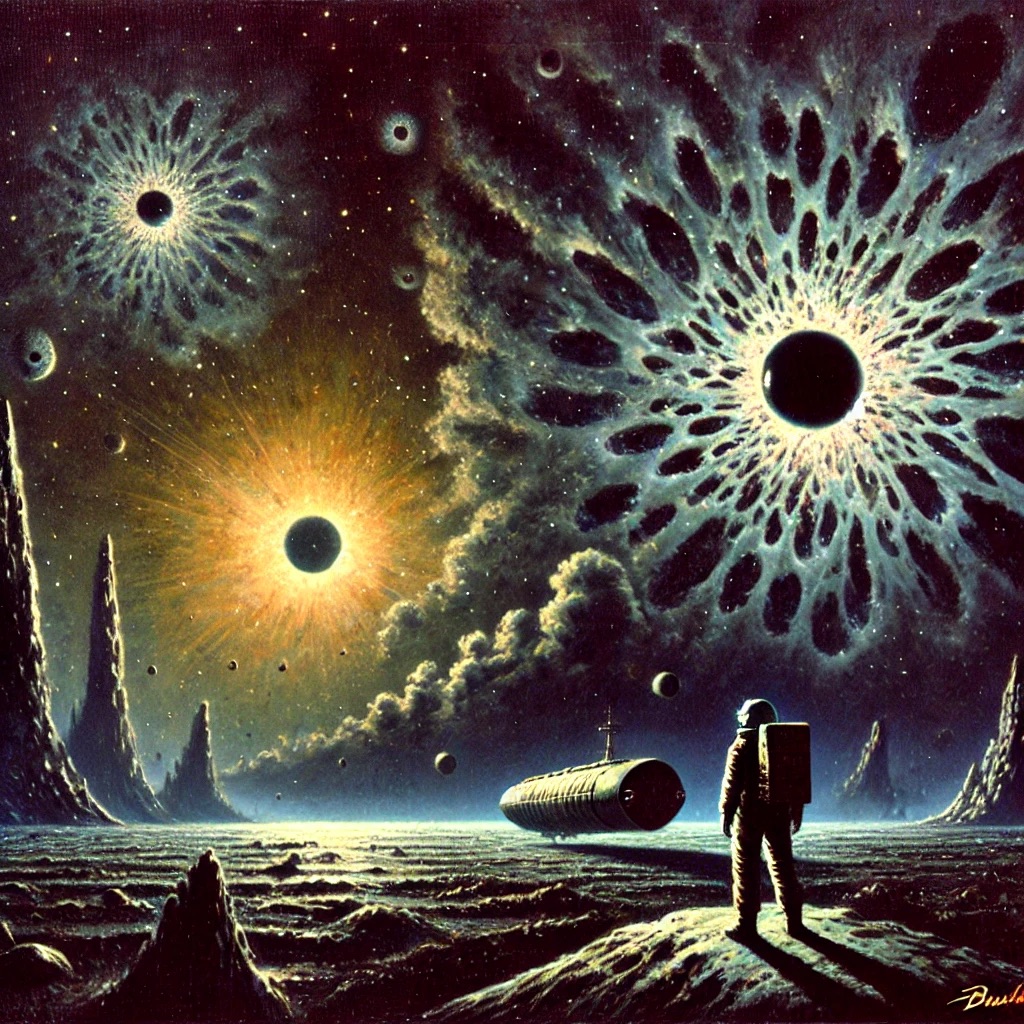
But it’s not just a history lesson. At its core, “The Boat of a Million Years” is a profound meditation on what it means to be human. The immortal characters grapple with loneliness, the search for meaning, and the challenge of maintaining their humanity as the world changes around them.
I’m particularly drawn to the character of Hanno, the Phoenician sailor who serves as a central figure throughout the narrative. His journey from ancient mariner to interstellar explorer encapsulates the novel’s themes of adaptation and the quest for purpose.
For readers new to Anderson’s work, this novel might seem daunting due to its length and scope. But I encourage you to dive in. It’s a rich, rewarding read that offers a unique perspective on human history and the human condition.
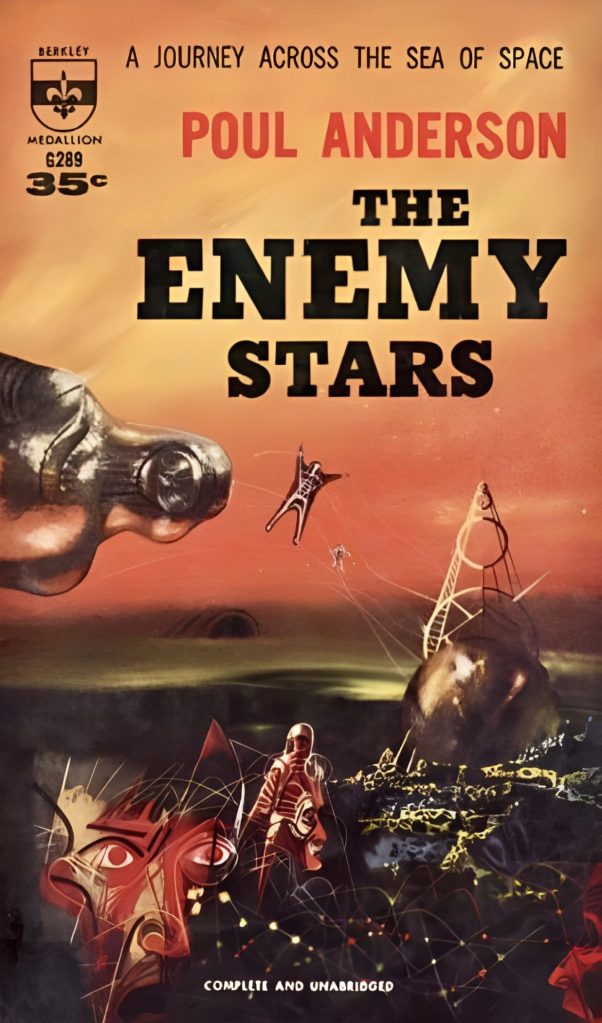
5. The Enemy Stars: Survival in the Void

Rounding out our list is “The Enemy Stars,” a novel that combines hard sci-fi elements with a compelling story of survival and first contact. While perhaps less well-known than some of Anderson’s other works, I believe it’s a hidden gem that deserves more attention.
The story follows four crew members of the spaceship Southern Cross, sent to explore a dead star. When disaster strikes, leaving them stranded in deep space, they must fight for survival against overwhelming odds. As if that weren’t enough, they also encounter an alien species, adding another layer of complexity to their predicament.
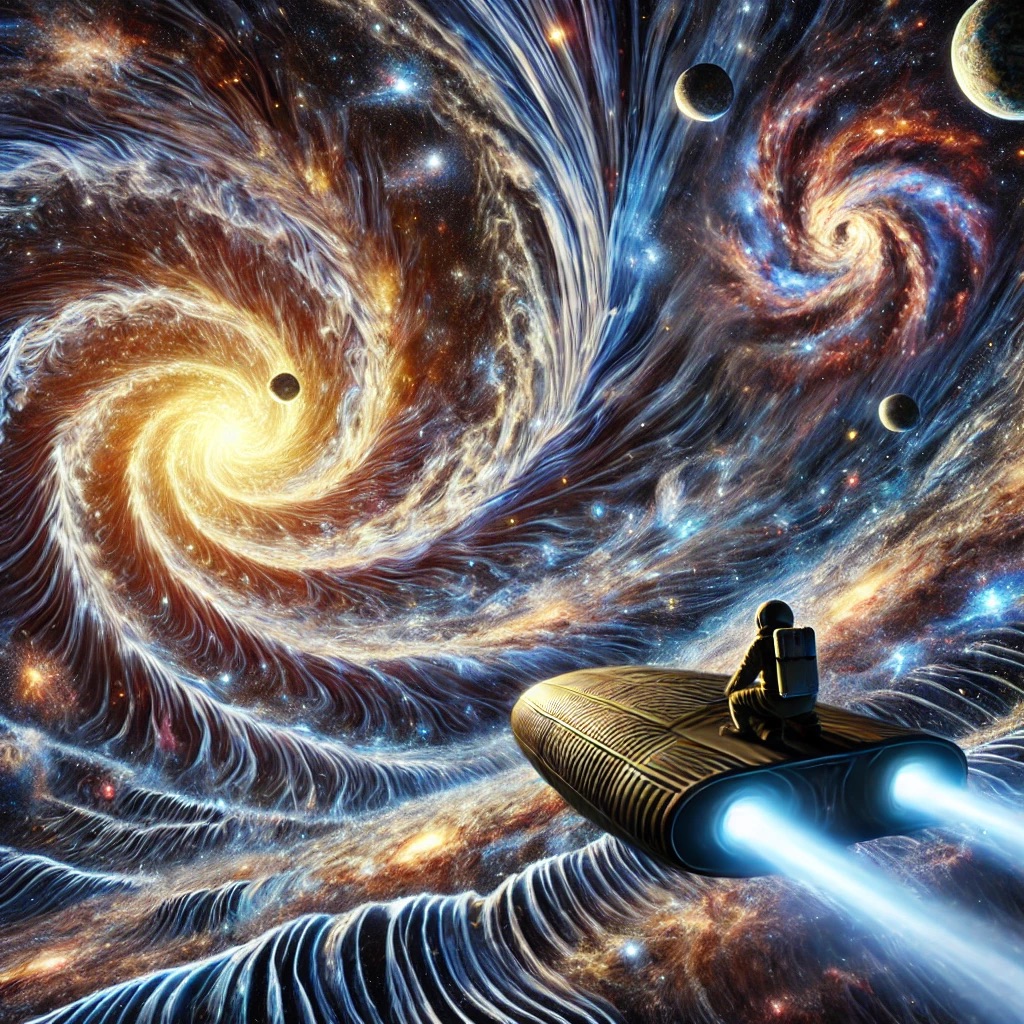
What I love about “The Enemy Stars” is how it captures the vastness and indifference of space. Anderson’s descriptions of the cosmos are awe-inspiring, reminding us of our small place in the universe. At the same time, the focus on the crew’s struggle for survival grounds the story in human drama.
The novel also delves into philosophical territory, with the characters engaging in existential discussions as they face their mortality. It’s this blend of hard science, survival story, and philosophical inquiry that makes “The Enemy Stars” such a compelling read.
For those new to Anderson’s work, this novel offers a great introduction to his style of hard science fiction. It’s a taut, suspenseful story that also encourages us to ponder deeper questions about humanity’s place among the stars.
Why These Novels Matter Today
As I reflect on these five novels, I’m struck by how relevant they remain today. In an age of rapid technological advancement and societal change, Anderson’s explorations of human nature in the face of cosmic challenges feel more pertinent than ever.
“Tau Zero” asks us to consider the psychological impact of space travel and time dilation – questions that are becoming increasingly relevant as we look to become an interplanetary species. “The High Crusade” reminds us that human ingenuity can overcome seemingly insurmountable technological gaps, a lesson that resonates in our era of digital disruption.
“Brain Wave” explores the implications of cognitive enhancement, a topic that’s gaining relevance as we develop more advanced AI and consider the possibility of human augmentation. “The Boat of a Million Years” encourages us to take the long view of human history and consider our impact on the future, while “The Enemy Stars” reminds us of the harsh realities of space exploration and the importance of human cooperation in the face of adversity.
Revisiting Anderson’s Worlds
For those of you who are already familiar with these works, I encourage you to revisit them. Like all great literature, Anderson’s novels reveal new layers of meaning with each reading. You might find that your perspective has changed since your last encounter, allowing you to appreciate different aspects of the stories.
For example, when I first read “Tau Zero” as a teenager, I was captivated by the hard science elements and the sense of adventure. Rereading it as an adult, I find myself more drawn to the psychological aspects – the way the characters cope with isolation and the loss of everything they’ve known.
Similarly, “The Boat of a Million Years” takes on new significance as I’ve grown older. The immortals’ struggle to find meaning in an ever-changing world resonates differently now, offering insights into how we all navigate the passage of time and the evolution of society.
Coda
As we come to the end of our journey through Poul Anderson’s best novels, I’m reminded of why I fell in love with science fiction in the first place. These stories don’t just entertain us; they challenge us to think differently about our world and our place in the universe.
Anderson’s work embodies the best of what science fiction can be. It’s scientifically rigorous yet deeply human, exploring complex ideas through compelling narratives and unforgettable characters. Whether you’re a longtime fan or a curious newcomer, these five novels offer a gateway to worlds of wonder and ideas that will stay with you long after you’ve turned the last page.
So, pick up one of these books and embark on your own journey through Anderson’s imagination. Whether you’re accelerating towards the end of time in “Tau Zero,” jousting with aliens in “The High Crusade,” or contemplating immortality in “The Boat of a Million Years,” you’re in for an unforgettable ride.
And who knows? Maybe, like me, you’ll find yourself returning to these stories again and again, always discovering something new. After all, that’s the magic of great science fiction – it grows with us, offering new insights and sparking new questions with each encounter.
Happy reading, Fear Planet denizens. The universes of Poul Anderson await!

Discover more from Fear Planet
Subscribe to get the latest posts sent to your email.
