
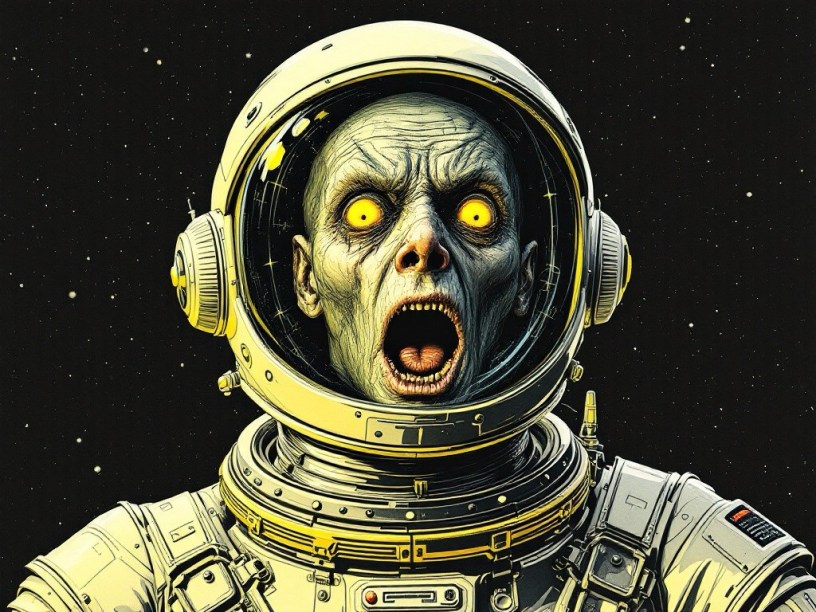
There’s a deep, unsettling fear that gnaws at us whenever we think about the sheer vastness of space. Not the fear of hostile aliens or the slow breakdown of oxygen supplies—that’s easy to visualize and fight against. No, the real horror creeps in when we contemplate the isolation of it all. Picture this: you’re floating in a space suit, millions of miles from Earth, tethered to a small vessel that feels like a speck of dust in an endless vacuum. There’s no sound, no atmosphere, just the cold, indifferent universe stretching out in every direction.
In that moment, it isn’t some monster clawing at the airlock that scares you—it’s the terrifying realization that you are utterly, profoundly alone.
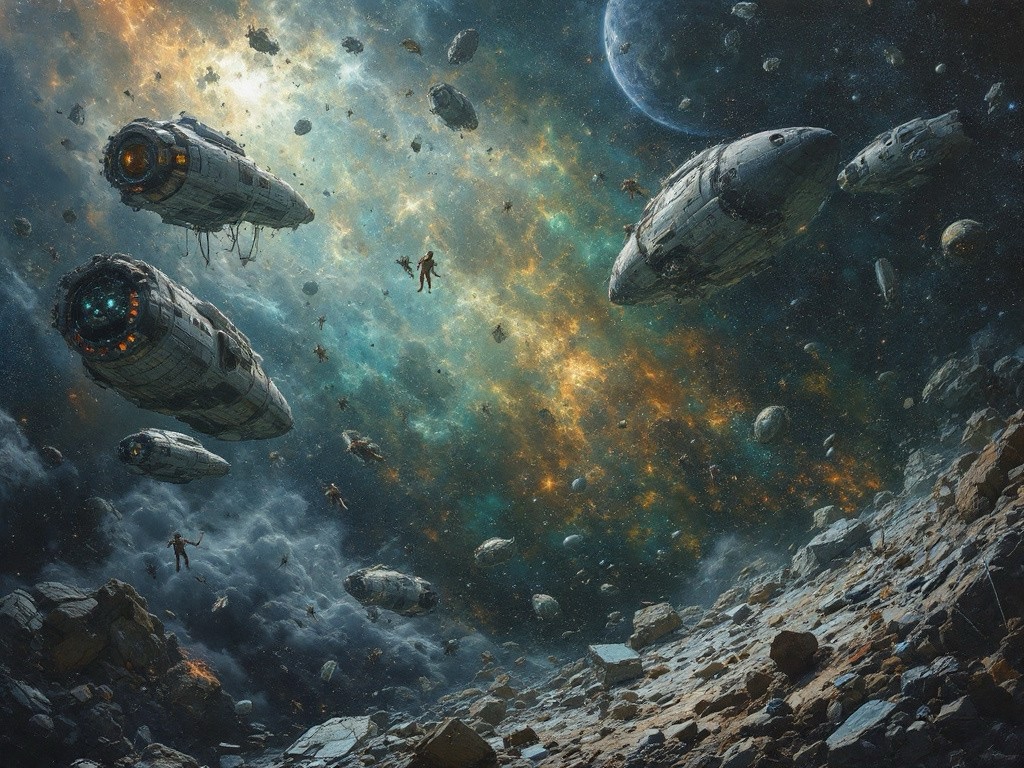
This primal fear of cosmic isolation has been explored in both horror and science fiction for decades, but it’s often overshadowed by more tangible threats like alien invasions or killer robots. Let’s peel back the layers and get to the heart of why this theme strikes such a deep chord in human psychology.
The Vast, Uncaring Universe: Why Cosmic Isolation Terrifies Us
It’s easy to see why space is often romanticized as the final frontier—a place of exploration and discovery. But peel away that shiny layer of optimism, and you’re left with the cold, dark reality. Space is really big. So big, in fact, that human comprehension falters when trying to grasp its scale. And unlike on Earth, where you can scream into the void and maybe hear an echo, space is silent. Horribly silent.
At its core, the fear of cosmic isolation taps into a few very primal human anxieties:
- Insignificance: The vastness of space forces us to confront our place in the universe. Compared to the infinite expanse, our existence feels tiny and meaningless.
- The Unknown: We don’t know what’s out there. The universe is full of dark corners that may hold hostile creatures—or worse, nothing at all.
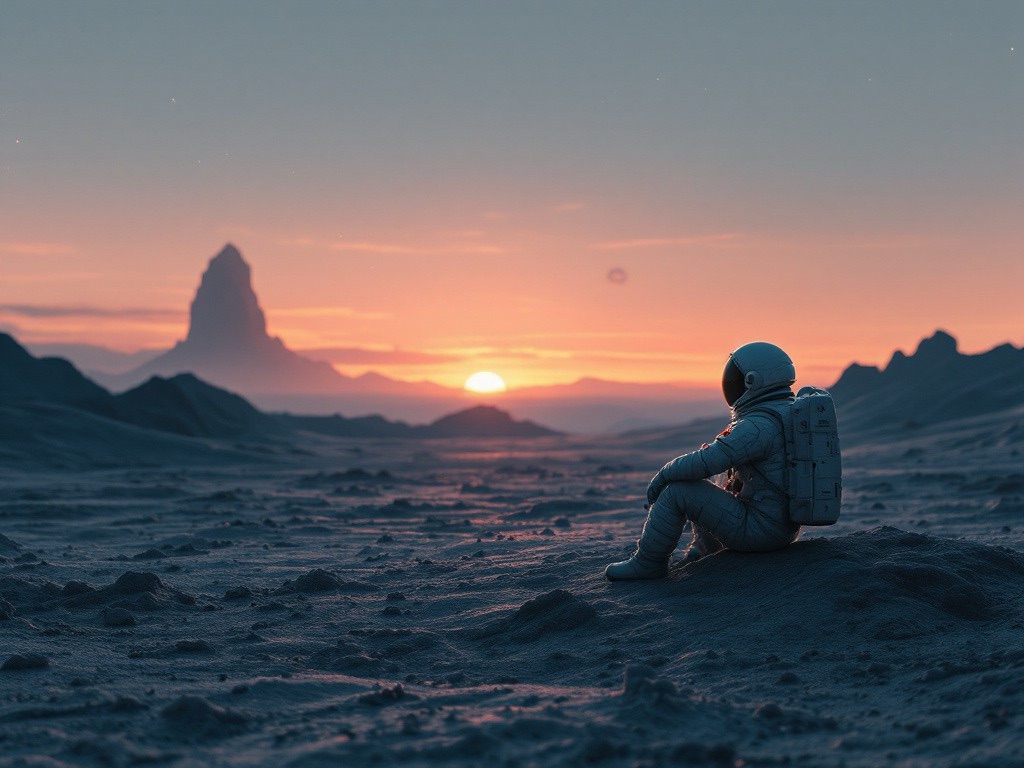
- Complete isolation: Space horror isn’t just about physical loneliness; it’s about the psychological weight of being so far removed from everything familiar. No one can come to help you, and your screams will vanish into the void.
Space Horror in Cinema: How Films Capture the Isolation
When most people think about horror movies set in space, they immediately conjure up images of xenomorphs from Alien or the blood-soaked corridors of Event Horizon. While those creatures and hellscapes bring their own terror, the deeper, more profound fear is often the isolation that underscores these films.
Alien (1979): Loneliness Amplified by Danger
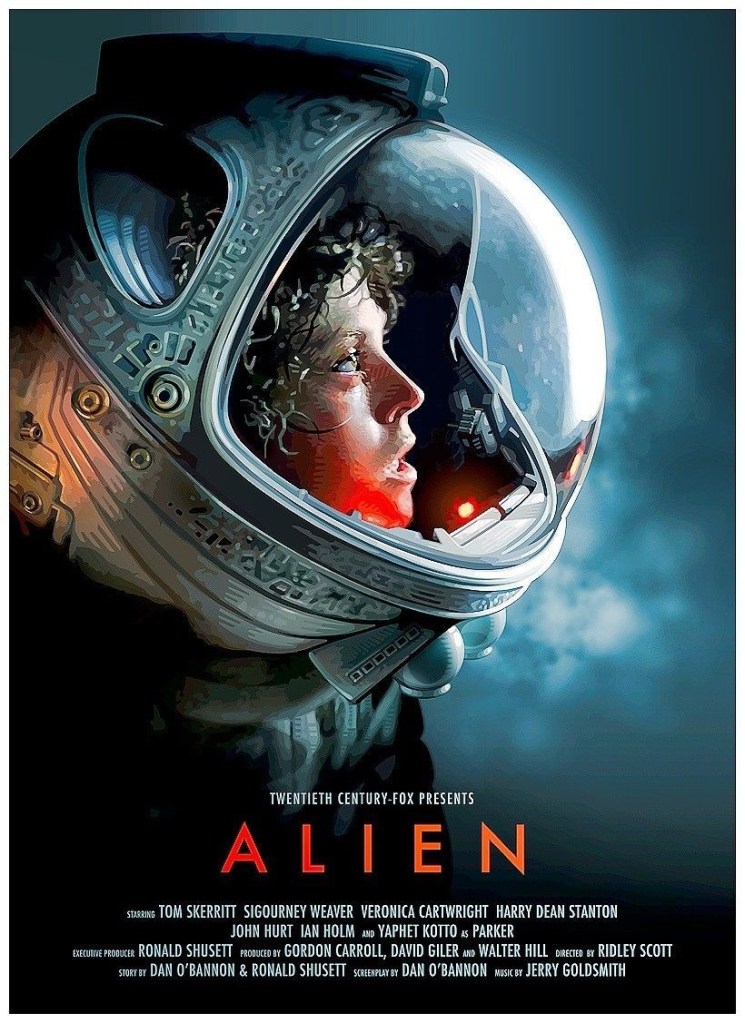
Ridley Scott’s Alien is often hailed as a monster movie in space, but what makes it a masterpiece of horror is how it builds tension around the crew’s isolation. The Nostromo is lightyears from Earth, floating in the blackness. The alien itself is terrifying, yes, but what intensifies the horror is that these characters are alone, with no chance of rescue. The cold, metal corridors of the ship become a claustrophobic labyrinth, each turn hiding the terrifying unknown.
Event Horizon (1997): The Abyss Stares Back
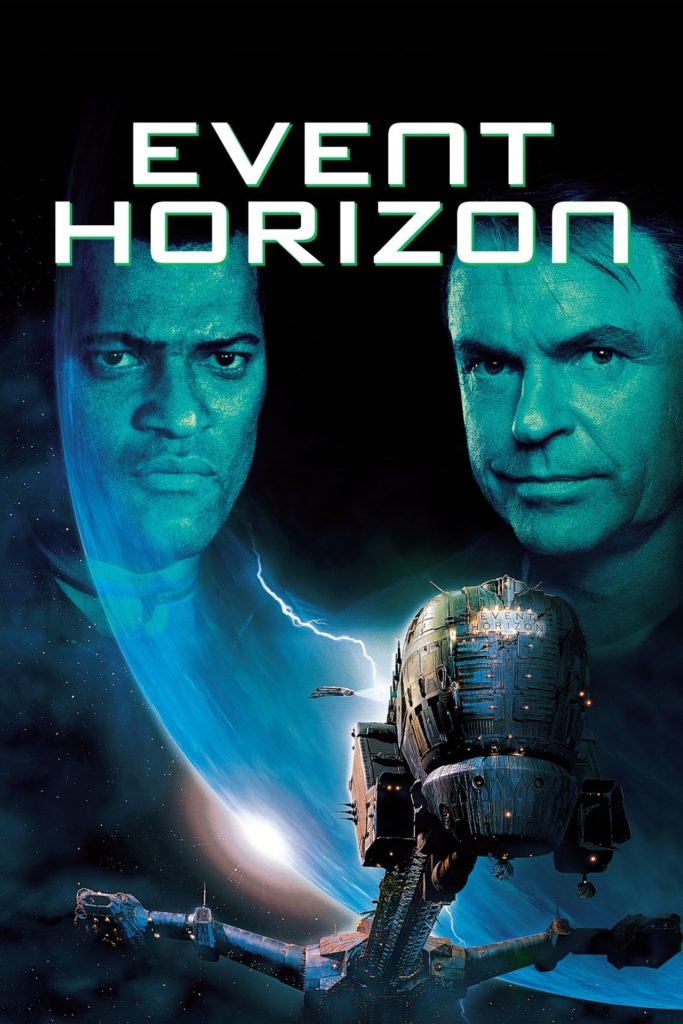
Then there’s Event Horizon, a film that drags you headfirst into psychological terror. Sure, there’s some possession and gore, but the true horror lies in the film’s central premise: a crew isolated in deep space, trapped on a haunted ship with no hope of help. As the crew descends into madness, the film touches on the idea that space itself, in its infinite emptiness, can be a source of insanity. It’s a place where the mind unravels as the sheer scale and distance from humanity weigh down on you.
Gravity (2013): The Silence is Deafening
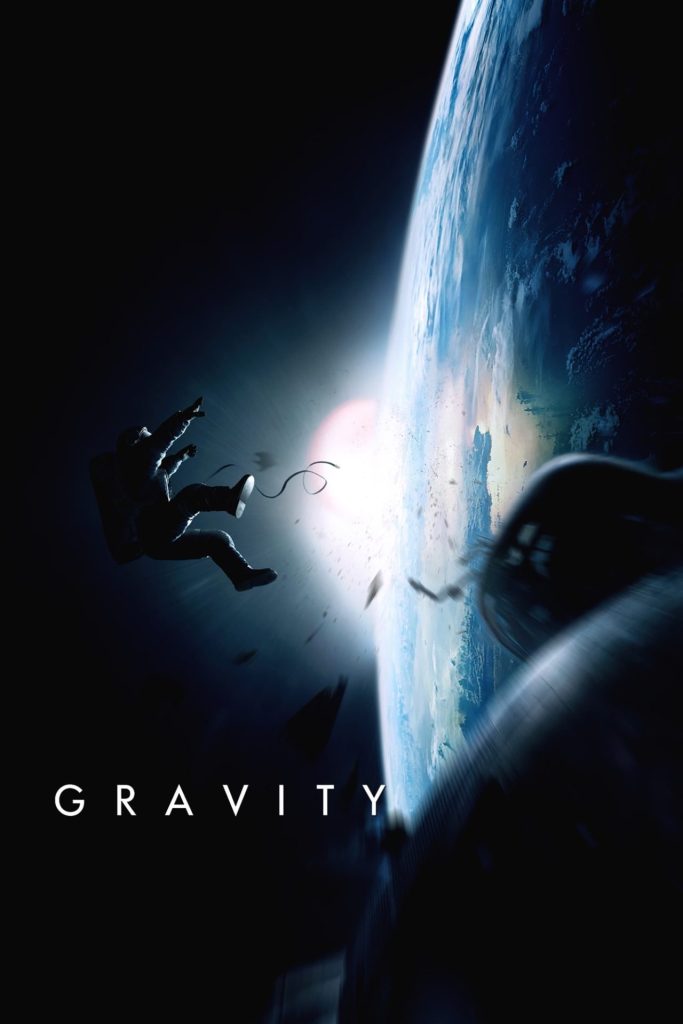
Gravity isn’t a horror movie in the traditional sense, but it’s possibly one of the best films to capture the terror of being alone in space. Sandra Bullock’s character floats untethered, with Earth so close but utterly unreachable. The lack of sound in the vacuum of space enhances the isolation, making the audience feel every bit as alone as the character. It’s a reminder that in space, not only are you separated from human contact, but you’re also cut off from the very things that make life bearable—sounds, warmth, connection.
Cosmic Isolation in Literature: Lovecraft and the Abyss of the Unknown
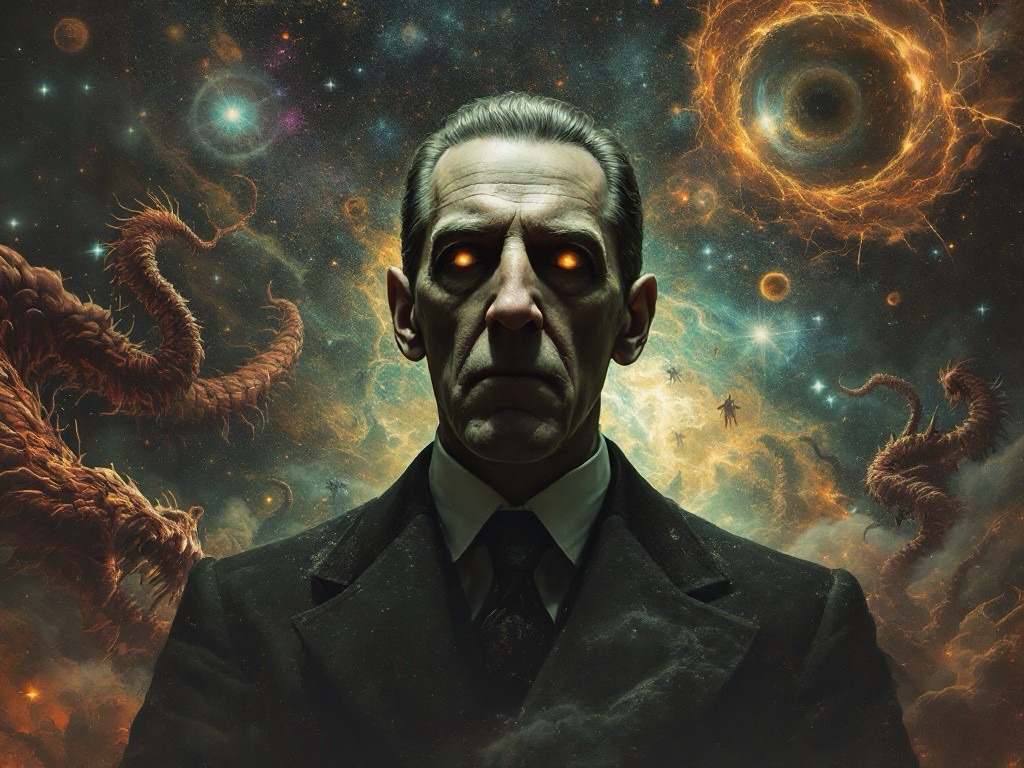
Before films were sending us hurtling into space, authors were already imagining the horrors of cosmic isolation. H.P. Lovecraft, one of the grandfathers of cosmic horror, often wrote about the insignificance of humanity in the face of an uncaring universe. While his stories may not have featured spaceships or intergalactic travel, they were imbued with the same dread that space horror thrives on—the terror of being a small, fragile being in a universe that doesn’t even know you exist.
At the Mountains of Madness (1931)
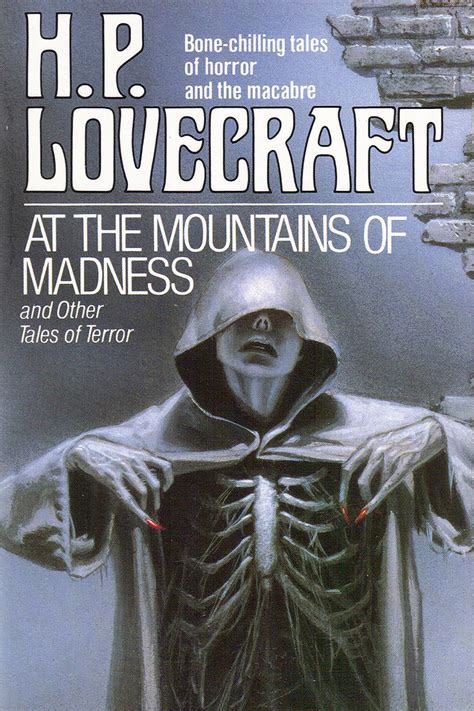
In this novella, Lovecraft sends a team of scientists to the Antarctic—a place that might as well be another planet, given its remoteness and harsh conditions. What they find there is far worse than they could have imagined, but it’s not just the ancient, alien creatures they unearth that instills fear. It’s the overwhelming sense that these creatures—and the universe they represent—are indifferent to human life. The characters are isolated, both physically and existentially, as they confront a reality where humanity is insignificant in the grand scheme of things.
The Colour Out of Space (1927)
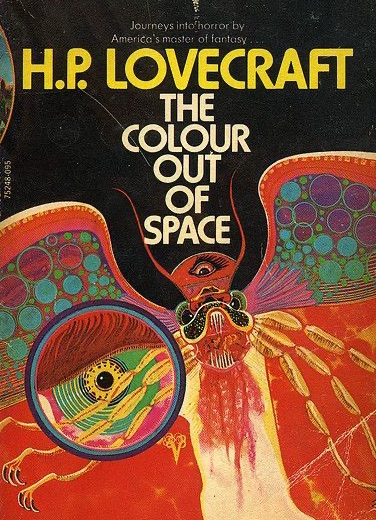
Here, Lovecraft introduces a different kind of cosmic isolation. A strange alien force descends on a rural farm, slowly corrupting everything it touches. The family is isolated from the outside world, unable to get help or even explain the horror that is unfolding. The story evokes the same feeling of helplessness and insignificance that space horror does—the idea that there are forces in the universe we cannot comprehend, let alone fight.
The Psychological Toll of Real-Life Isolation in Space
While fictional works thrive on this theme, real-life space exploration has also hinted at the psychological horrors of isolation. Astronauts, though revered for their bravery, often deal with mental challenges as they float far from home. The Apollo missions, for example, placed astronauts in environments where they were forced to confront their smallness in the universe.
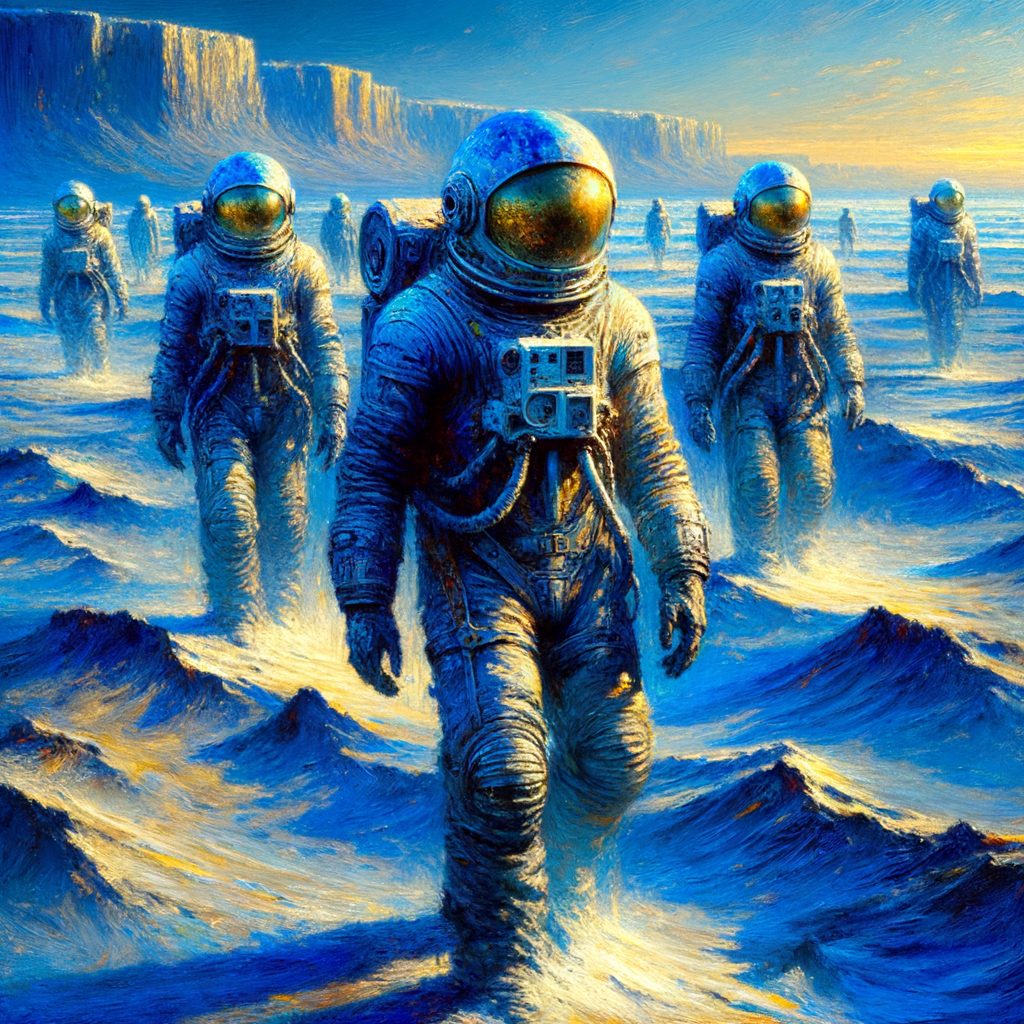
Even with the best technology and communication, astronauts describe feelings of disconnection from Earth, particularly during long missions. And as space travel pushes further—towards Mars, for example—the psychological burden will only grow. Astronauts will face years away from home, with Earth becoming just a distant dot in the sky.
Psychological Challenges of Cosmic Isolation
Real-life isolation in space taps into the same fears we see in fiction:
- Sensation of insignificance: Astronauts describe seeing Earth from space as both awe-inspiring and deeply humbling. That sense of being a tiny part of something so vast can be exhilarating—but also terrifying.
- Separation from humanity: With space tourism on the horizon, there’s a growing discussion about how long-term isolation from human contact could affect the mental health of travelers. As we push deeper into space, the psychological toll of isolation could become just as significant as any physical danger.
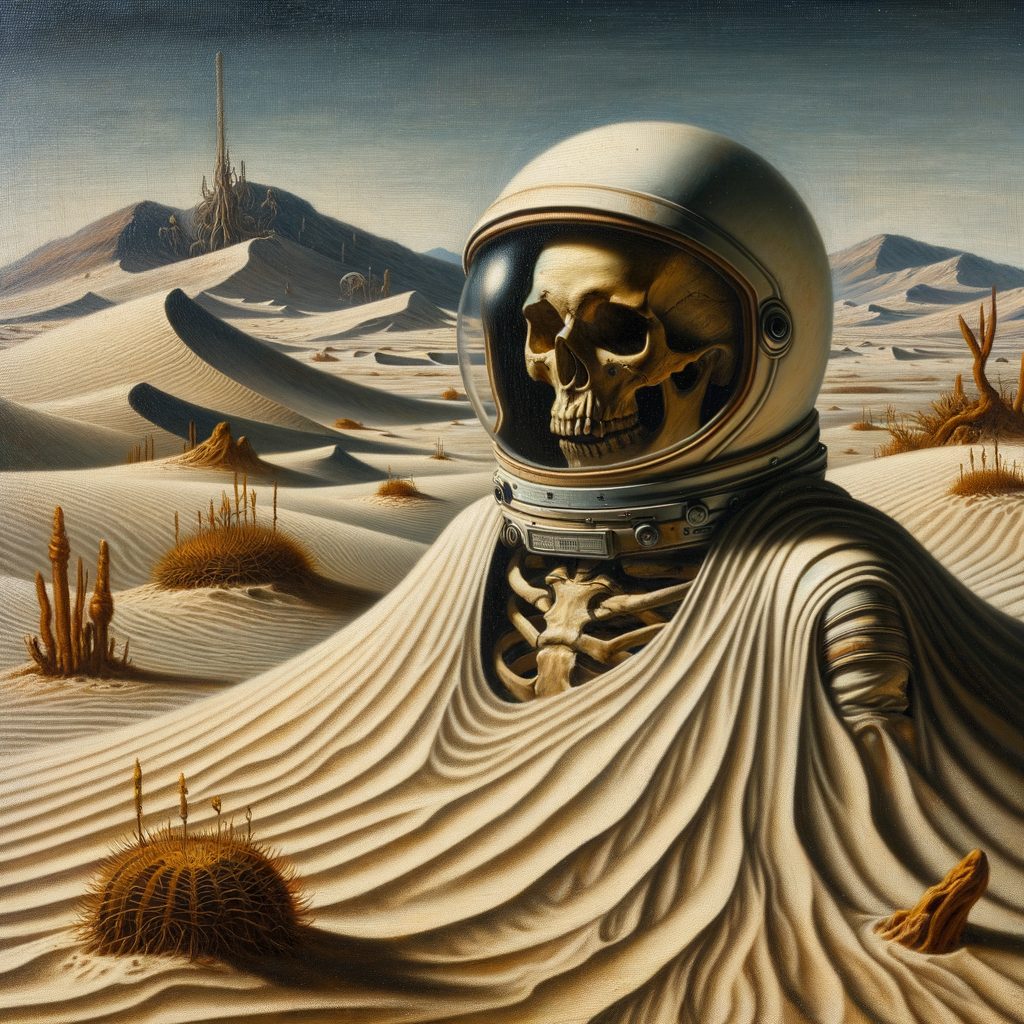
Alien Landscapes: When Even the Environment Becomes the Enemy
In many space horror stories, it’s not just the vacuum of space or alien creatures that create a sense of isolation—it’s the planets themselves. Strange, unwelcoming worlds become characters in their own right, embodying the uncaring nature of the cosmos.
Think of the barren, freezing planet in The Thing or the hostile Martian terrain in The Martian. These landscapes are not just inhospitable; they’re actively hostile, reinforcing the idea that humans do not belong in space. The environment itself becomes an antagonist, something that isolates and punishes anyone foolish enough to venture there.

The Future of Isolation: Space Tourism and the Commercialization of Cosmic Horror
As space tourism becomes a reality, it’s worth considering how this theme of isolation might evolve. The idea of spending time in space sounds thrilling, but once the initial excitement wears off, travelers may be faced with the same existential dread that plagues the characters in space horror films. Floating in a luxurious space hotel may be fun for a few days, but what happens when you look out the window and realize how far from home you really are?
While the technology may advance, the human psyche remains vulnerable to the same fears that have haunted us for centuries. And as we push further into the cosmos, we may find that our greatest enemy is not the aliens we encounter, but the isolation we can never escape.
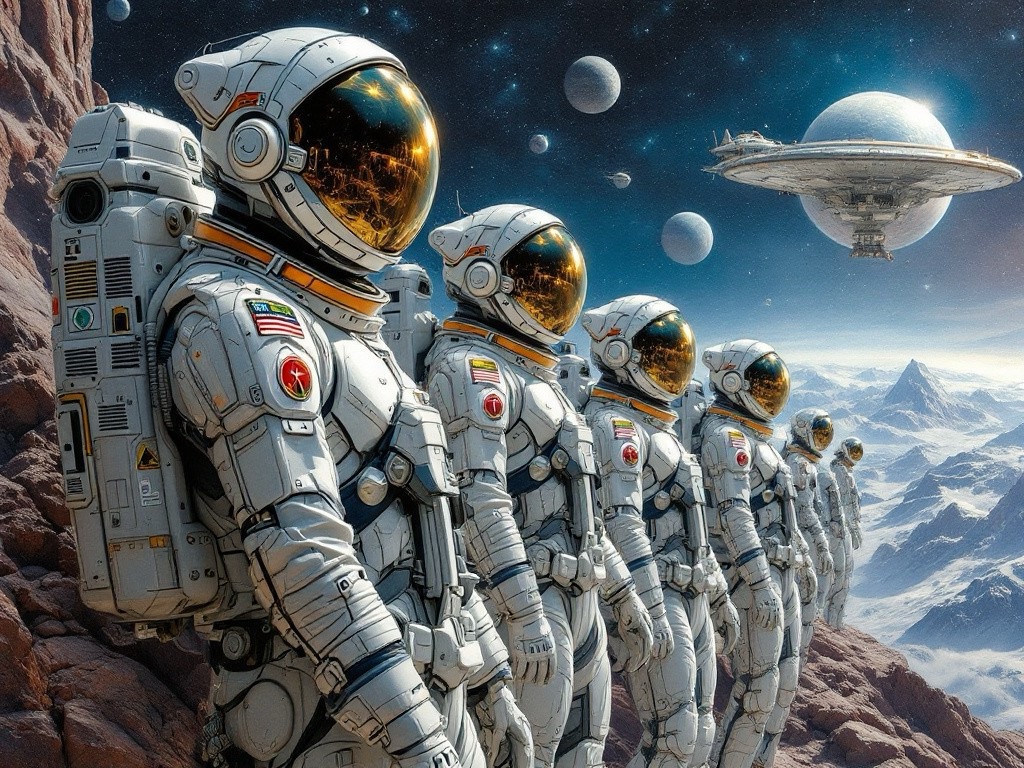
Conclusion: The Terror in the Silence
Space horror, at its core, isn’t just about monsters and alien invasions. It’s about the terrifying silence, the uncaring universe, and the isolation that haunts every astronaut and space traveler. As we look toward a future where humans may spend years—if not lifetimes—exploring the cosmos, it’s worth remembering that our greatest fear may not be what we find out there, but the crushing loneliness we carry with us.
If this kind of deep, cosmic terror fascinates you, don’t forget to subscribe for more articles exploring the dark corners of horror and science fiction. And feel free to share your own thoughts in the comments—what scares you most about the idea of being lost in space?
Discover more from Fear Planet
Subscribe to get the latest posts sent to your email.

Comments are closed.