
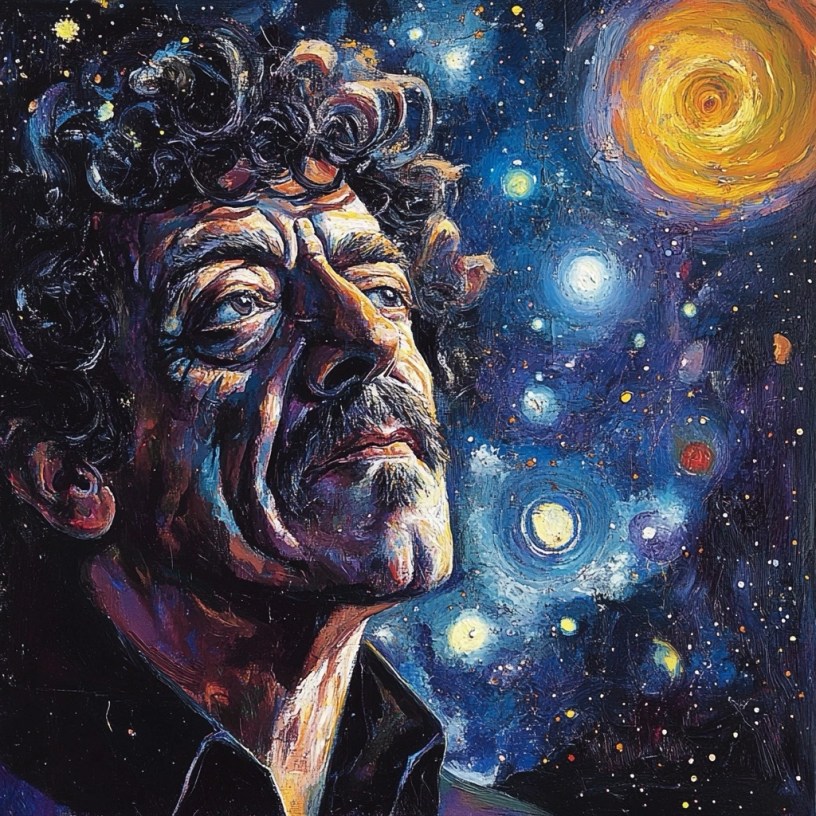
After spending the better part of two decades devouring every Kurt Vonnegut novel (some multiple times), dog-earing countless pages, and filling margins with excited scribbles, I figured it’s finally time to attempt the impossible: ranking all 14 of his novels. Fair warning – this is completely subjective and probably influenced by which book I happened to read during particularly formative moments of my life.
“We are what we pretend to be, so we must be careful about what we pretend to be.” This quote from “Mother Night” has become something of a personal mantra, but honestly, every Vonnegut novel contains at least one line that feels like it was written specifically for you.
Let’s sally forth, shall we?
14. Slapstick (1976)
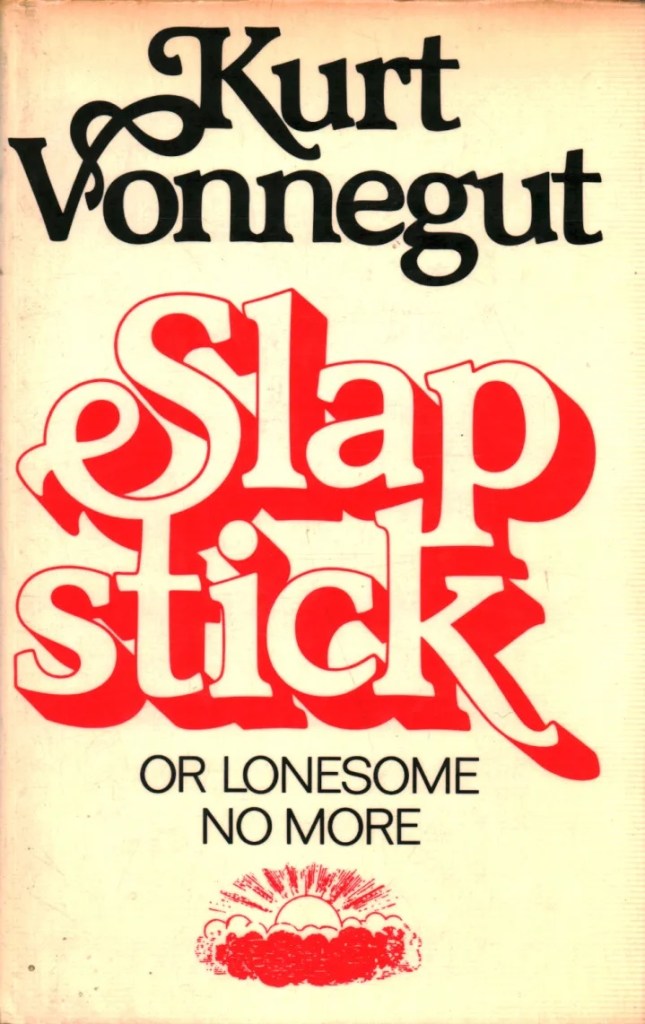
Even Vonnegut gave this one a D, and while I hate to agree with an author’s harsh self-assessment, he might have been onto something. Following the story of Dr. Wilbur Daffodil-11 Swain, the novel explores themes of loneliness and artificial families. While it has its moments of brilliant social commentary, particularly about American isolation, it lacks the tight narrative control of his better works. Still, even Vonnegut’s “worst” novel is worth reading.
13. Deadeye Dick (1982)
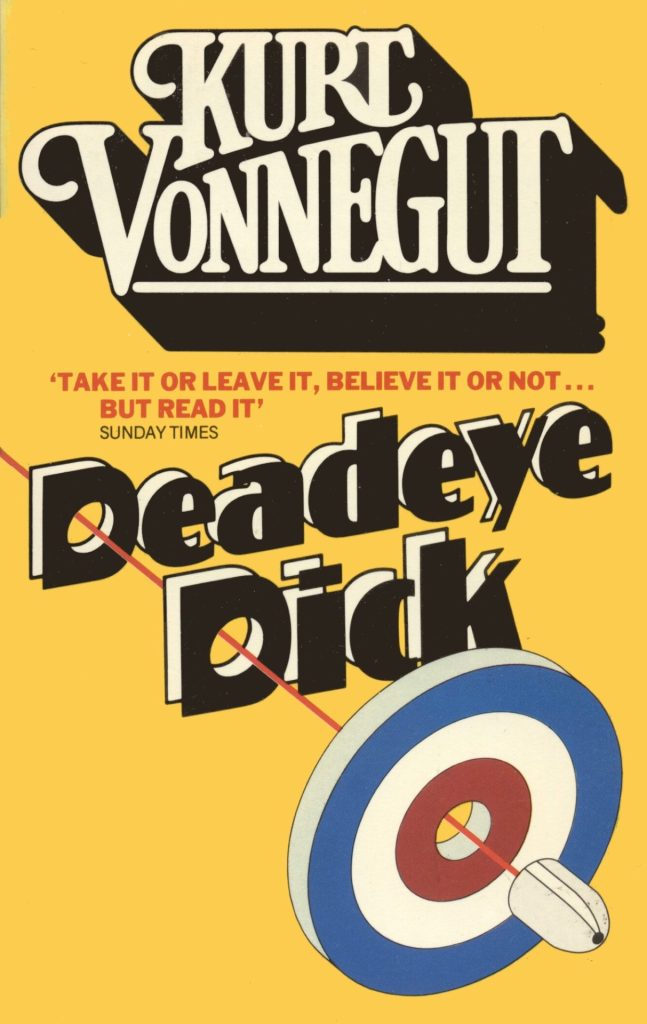
The tale of Rudy Waltz, who accidentally kills a pregnant woman when he was a child, feels like Vonnegut working through some personal demons. While the dark humor is there, the novel sometimes struggles to balance its heavy themes with its satirical elements. That said, the scenes in Haiti are absolutely brilliant.
12. Hocus Pocus (1990)
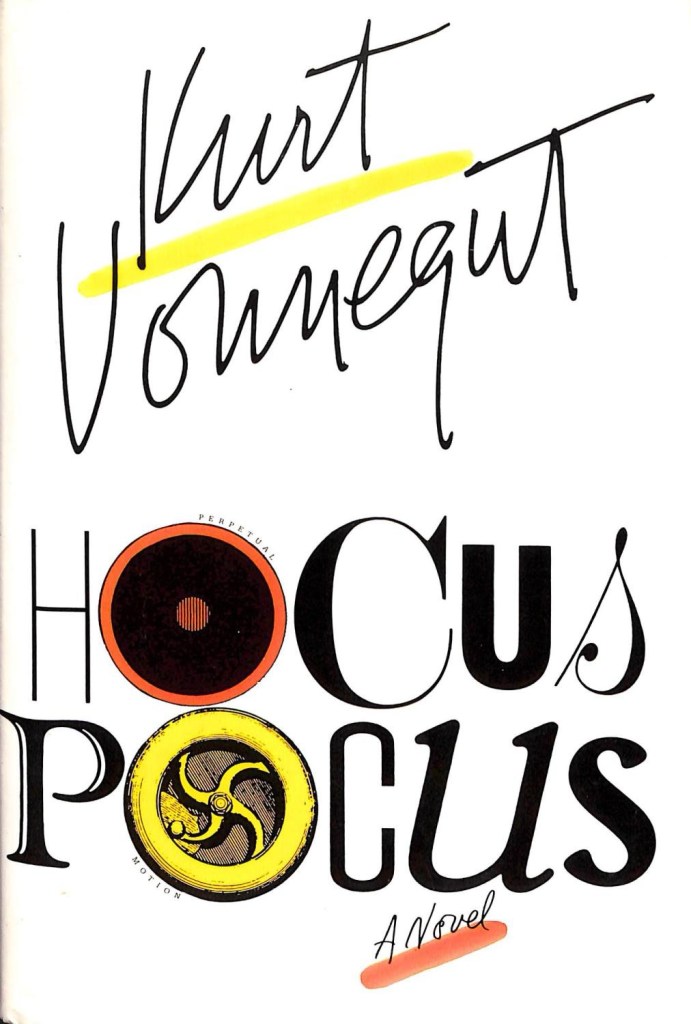
This late-career novel about a Vietnam vet turned prison worker has some genuinely incredible moments. The structure – supposedly written on hundreds of scraps of paper – is classic Vonnegut experimentation. While not his strongest overall work, its commentary on privatization and education feels eerily prescient today.
11. Jailbird (1979)
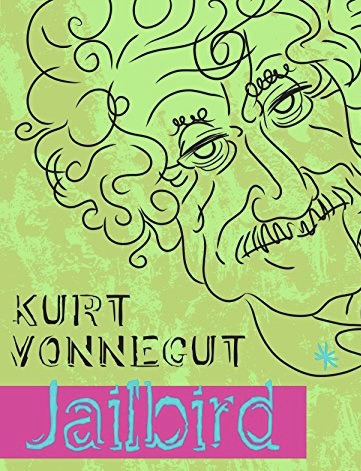
Walter F. Starbuck’s story of Watergate and corporate America showcases Vonnegut’s ability to blend historical fact with satirical fiction. The RAMJAC Corporation subplot is pure genius, even if the overall narrative sometimes meanders.
10. Timequake (1997)
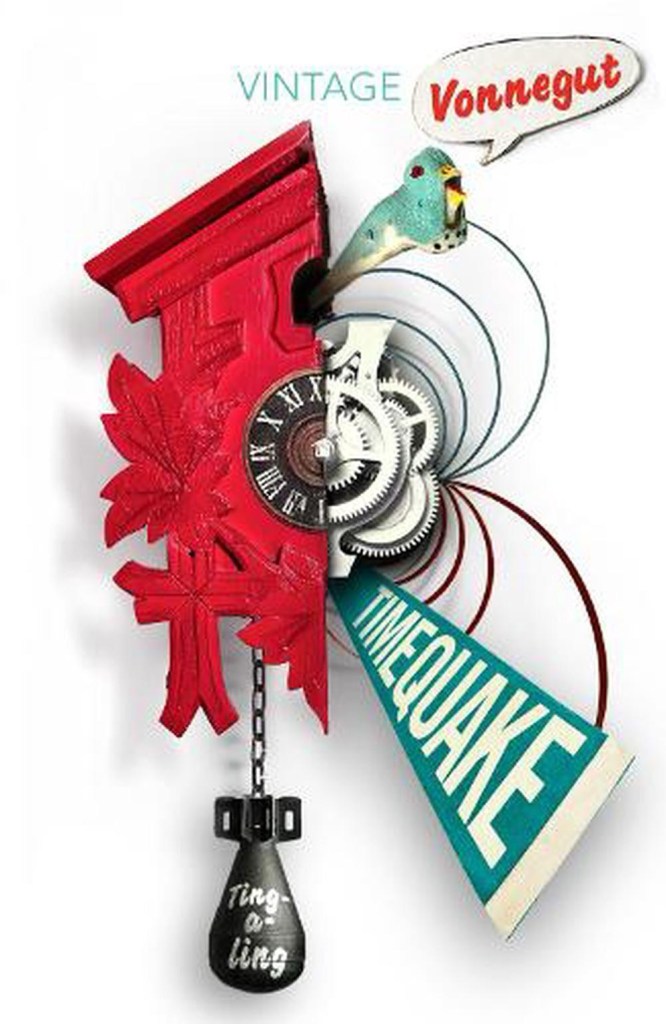
Vonnegut’s final novel is really half-novel, half-memoir, and better for it. The premise – everyone has to relive the years 1991-2001 exactly as before – is fascinating, but it’s the personal reflections and appearances of Kilgore Trout that make this a fitting farewell.
9. Galápagos (1985)
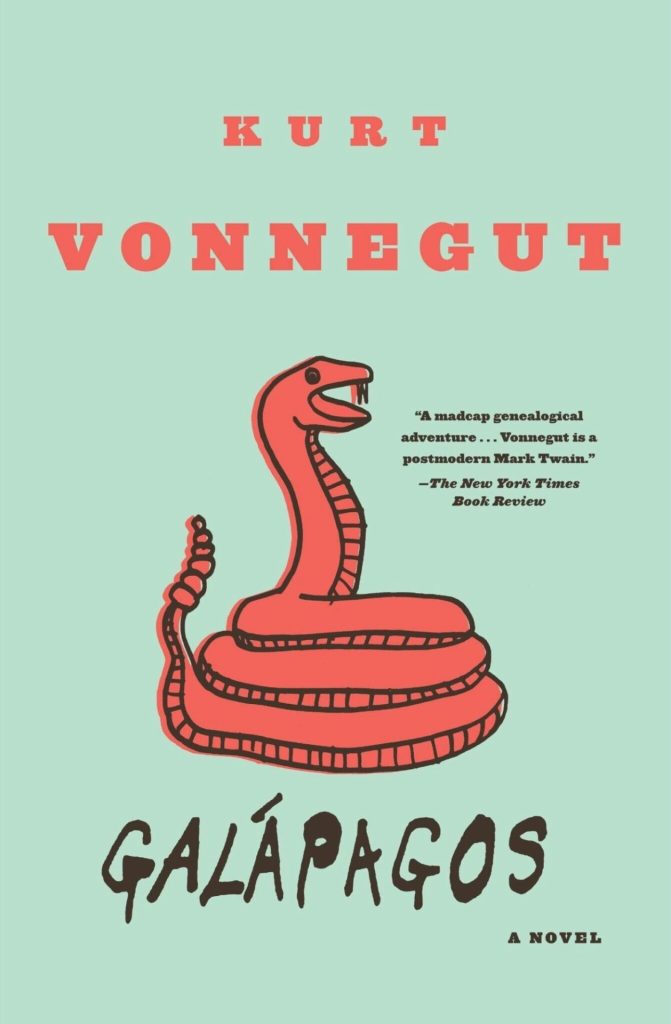
A million years into the future, humans have evolved into seal-like creatures. Only Vonnegut could pull off this premise while delivering cutting commentary about human evolution and “big brains.” The narrator being a ghost is just icing on the cake.
8. Player Piano (1952)
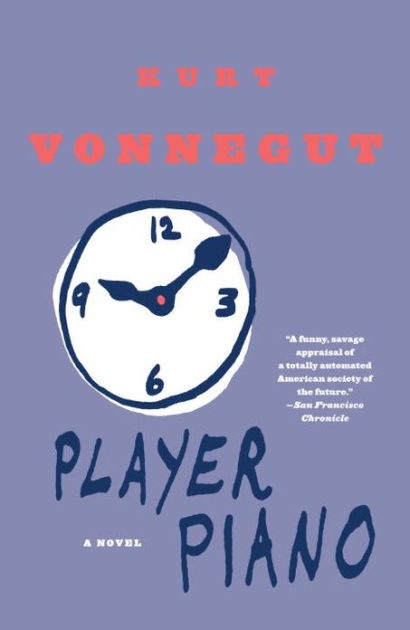
Vonnegut’s first novel might have seemed like science fiction in 1952, but its tale of automation replacing human workers feels downright prophetic today. While you can see him still finding his voice, the raw talent and social consciousness are already fully formed.
7. God Bless You, Mr. Rosewater (1965)
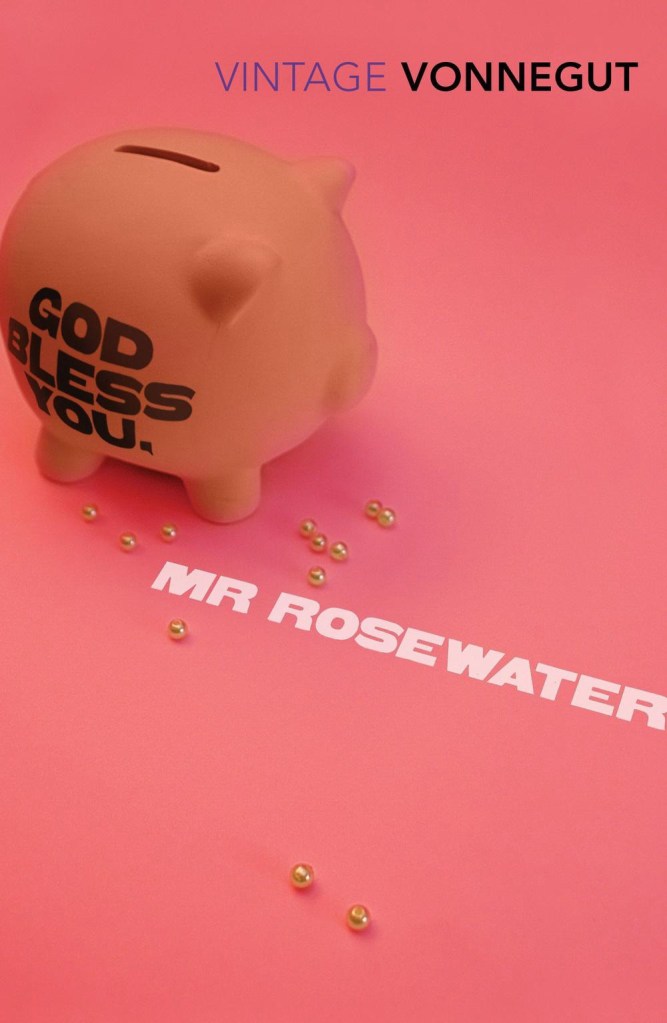
Eliot Rosewater might be my favorite Vonnegut character. A millionaire determined to help others while possibly going insane? The novel’s exploration of wealth, mental health, and human kindness is absolutely stunning. Plus, it features some of Kilgore Trout’s best appearances.
6. Breakfast of Champions (1973)
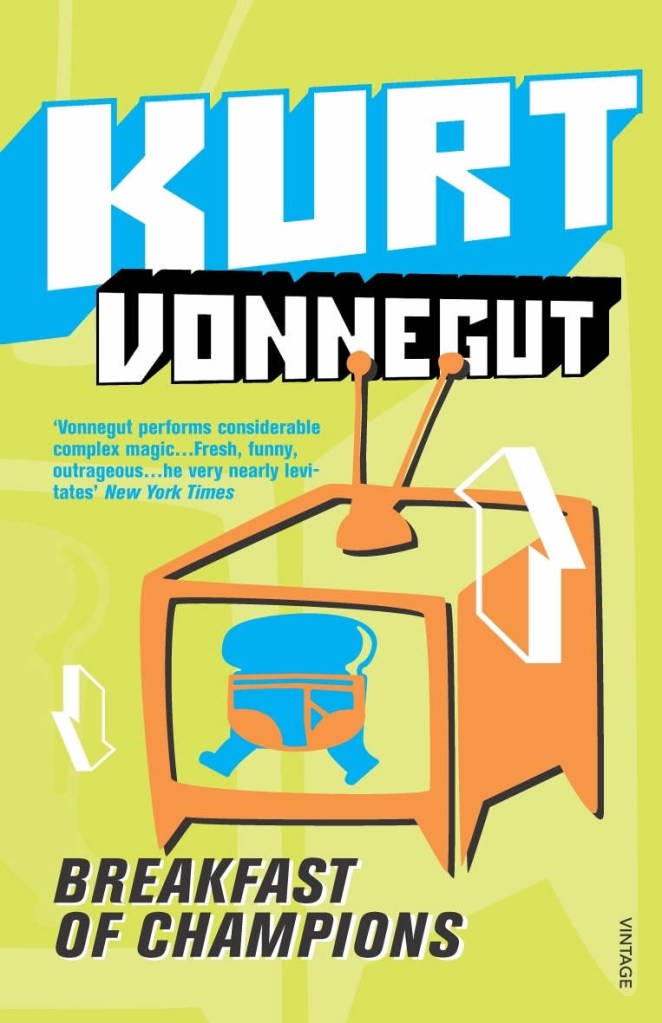
Vonnegut gave this one a C, but I respectfully disagree. This meta-fictional masterpiece, complete with the author’s own illustrations, is like nothing else in literature. Yes, it’s weird. Yes, it’s experimental. That’s exactly why it works.
5. Bluebeard (1987)
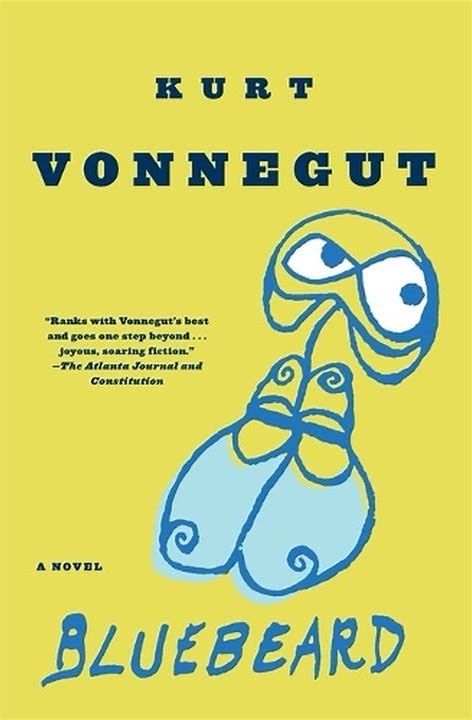
This late-career gem about an abstract expressionist painter hiding a literal war secret in his barn is criminally underrated. Rabo Karabekian’s story is both a meditation on art and a powerful anti-war statement. The reveal at the end literally made me gasp out loud.
4. The Sirens of Titan (1959)
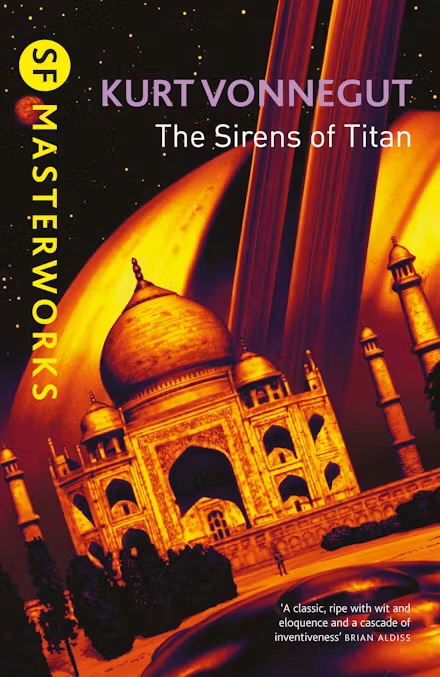
Only his second novel, and already Vonnegut was operating at near-peak power. A sprawling space opera that reveals the entire purpose of human civilization is to deliver a spare part to a stranded alien? Brilliant. The character of Winston Niles Rumfoord, existing as a wave phenomenon between Earth and Betelgeuse, is unforgettable.
3. Mother Night (1961)
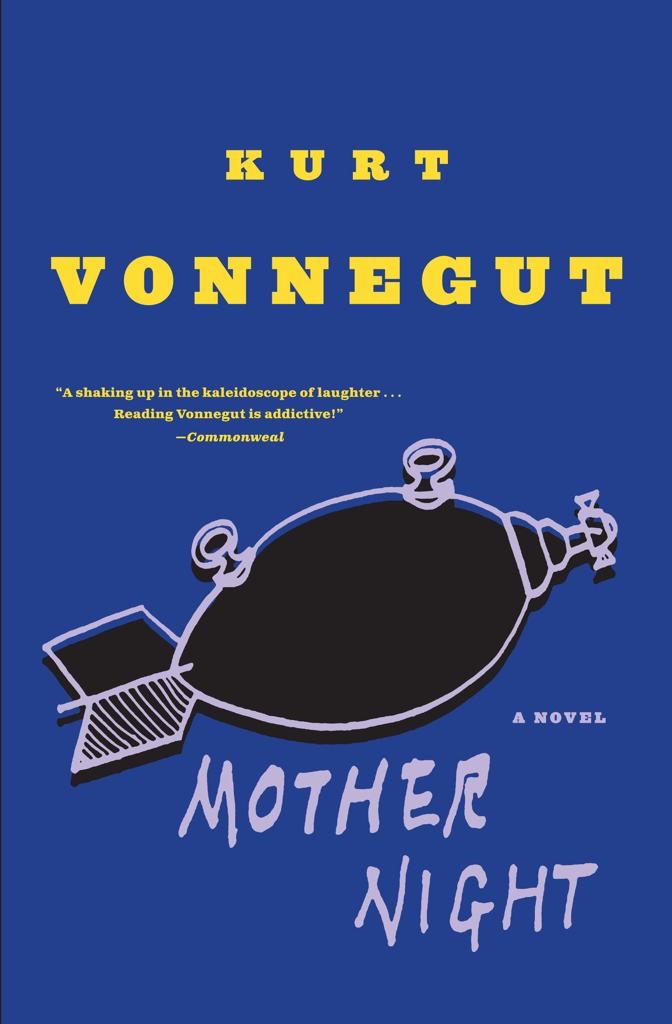
“We are what we pretend to be” comes from this devastating exploration of identity and morality. Howard W. Campbell Jr.’s story of being an American spy posing as a Nazi propagandist raises questions that have no easy answers. The fact that Vonnegut based some characters on real people he met in Dresden makes it even more powerful.
2. Cat’s Cradle (1963)
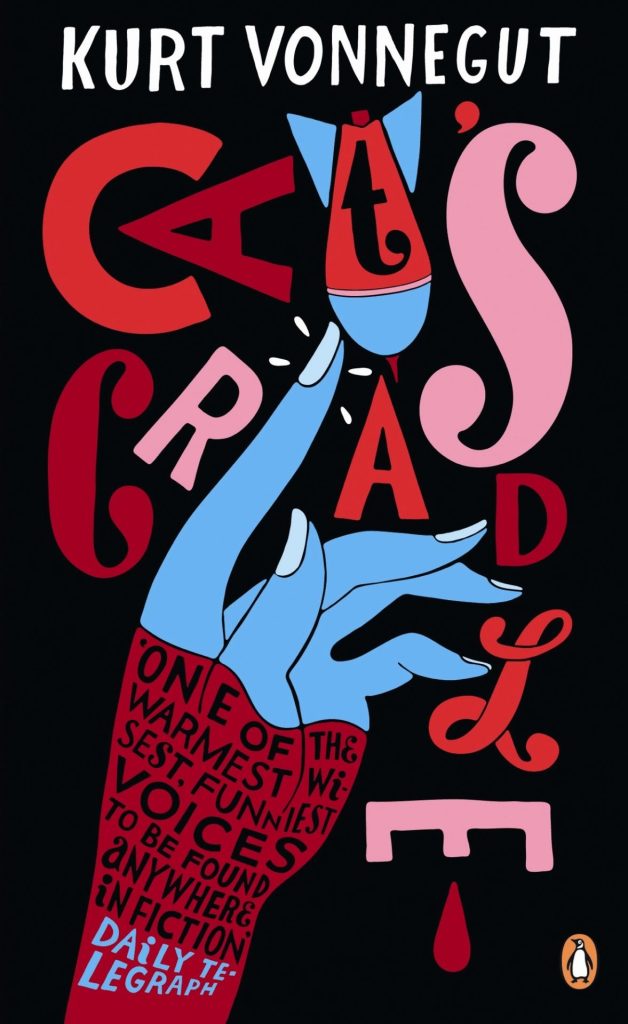
Ice-nine, Bokononism, and the end of the world – this novel has everything. The fictional religion of Bokononism, based on acknowledging that all religion is built on lies but that noble lies can make life better, is perhaps Vonnegut’s greatest creation. The fact that he wrote this while working as a PR man for General Electric adds delicious irony to its anti-science message.
1. Slaughterhouse-Five (1969)
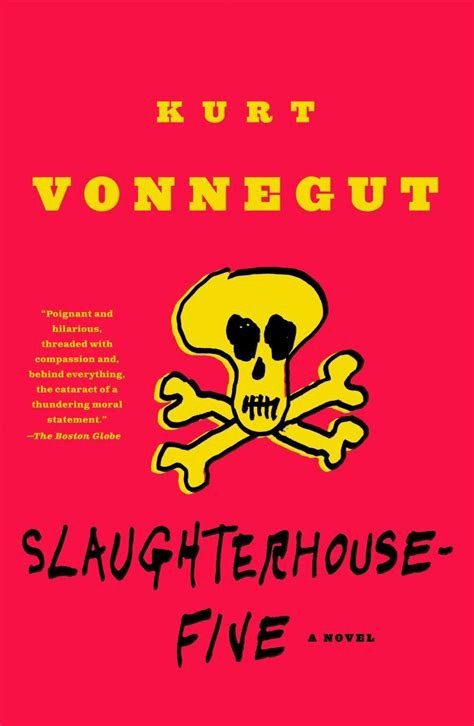
Was there ever any doubt? Vonnegut spent 24 years trying to write about Dresden, and when he finally did, he created a masterpiece. Billy Pilgrim’s journey through time, space, and war creates a perfect blend of autobiography, science fiction, and anti-war statement. The phrase “So it goes” appears 106 times in the novel, and each one hits like a hammer blow.
A Personal Note on Ranking Art
Vonnegut himself graded his works: “Slaughterhouse-Five” got an A+, while “Breakfast of Champions” received a C. But here’s the beautiful thing about literature – these rankings, including mine, are deeply personal. Your list might look completely different, and that’s exactly as it should be.
What makes Vonnegut’s work so enduring isn’t just his mastery of satire or his blend of science fiction with social commentary. It’s his profound humanism, his ability to make us laugh while breaking our hearts, and his talent for finding hope in the darkest places.
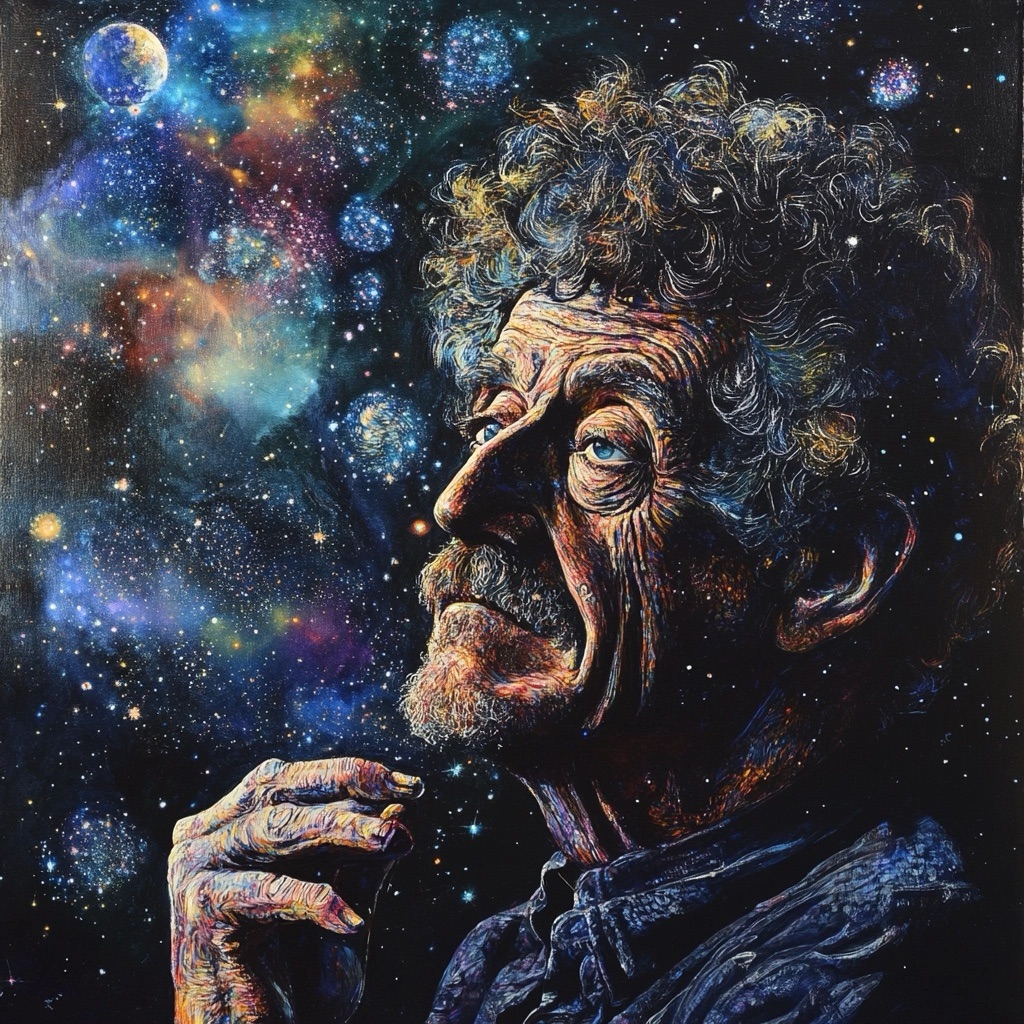
As he wrote in “Timequake,” “We are here on Earth to fart around. Don’t let anybody tell you any different.” But through his novels, Vonnegut did much more than fart around – he created a body of work that continues to speak to new generations, making us think, feel, and maybe become better humans along the way.
So it goes.
Discover more from Fear Planet
Subscribe to get the latest posts sent to your email.
