
As science fiction goes, not many novels have hit as hard as Richard K. Morgan’s “Altered Carbon.” First published in 2002, this cyberpunk thriller has pulled in book lovers with its intricate story, deep characters, and big, thought-provoking ideas. In this review, I’ll try to break down the novel’s highs and lows, take a look at its Netflix adaptation (briefly), and discuss why “Altered Carbon” is still a favorite topic for sci-fi fans.
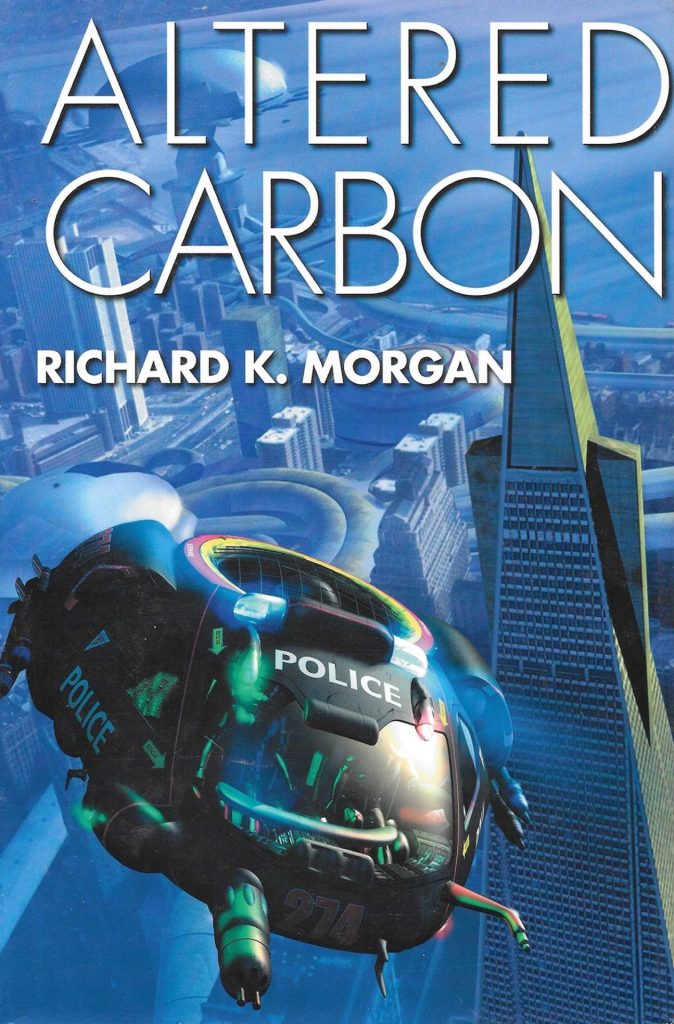
The Novel: A Noir-Tinged Cyberpunk Romp
Synopsis (Spoiler Warning)
Spoiler Alert: The following section contains major plot details from “Altered Carbon.” If you haven’t read the book and wish to avoid spoilers, please skip to the next section.
“Altered Carbon” is set in a future where human consciousness can be digitized and transferred between bodies, known as “sleeves.” The story follows Takeshi Kovacs, a former elite soldier turned private investigator, who is hired by the wealthy Laurens Bancroft to solve Bancroft’s own murder.
Bancroft, a member of the ultra-rich “Meth” class (named after the biblical Methuselah), was killed, but his consciousness was restored from a backup. With no memory of his death, Bancroft believes he was murdered and tasks Kovacs with uncovering the truth.
As Kovacs investigates, he becomes embroiled in a web of corruption, violence, and deceit. He encounters various characters, including Kristin Ortega, a police officer with a personal stake in the case, and Miriam Bancroft, Laurens’ manipulative wife.
The investigation leads Kovacs through the seedy underbelly of Bay City (formerly San Francisco), uncovering a conspiracy involving illegal human trafficking, virtual torture, and the dark secrets of the Bancroft family. Kovacs must navigate this treacherous landscape while grappling with his own past and the ethical implications of a world where death is no longer permanent for the wealthy.
The novel culminates in a series of shocking revelations, including the truth behind Bancroft’s death and the extent of corruption among the Meths. Kovacs ultimately solves the case but at great personal cost, leaving readers to ponder the moral ambiguities of this technologically advanced but ethically compromised world.
Critical Analysis
Morgan’s “Altered Carbon” is a well-regardded as a standout in the world of cyberpunk fiction. As I was diving into this novel, I couldn’t help but be blown away by how masterfully it meshes hardboiled detective fiction with cutting-edge sci-fi concepts. What really got me thinking was Morgan’s brilliant world-building – I mean, imagine a future where your consciousness is basically just another product to be bought and sold, if you’ve got the cash.
The whole concept of “sleeving” fascinates me. It’s not just some cool sci-fi gimmick; it really made me grapple with deep questions about who we are and what makes us us. I found myself getting angry as I read, seeing how this technology that could potentially benefit everyone instead becomes another tool for the wealthy to literally achieve immortality while the poor make do with bargain-bin bodies.
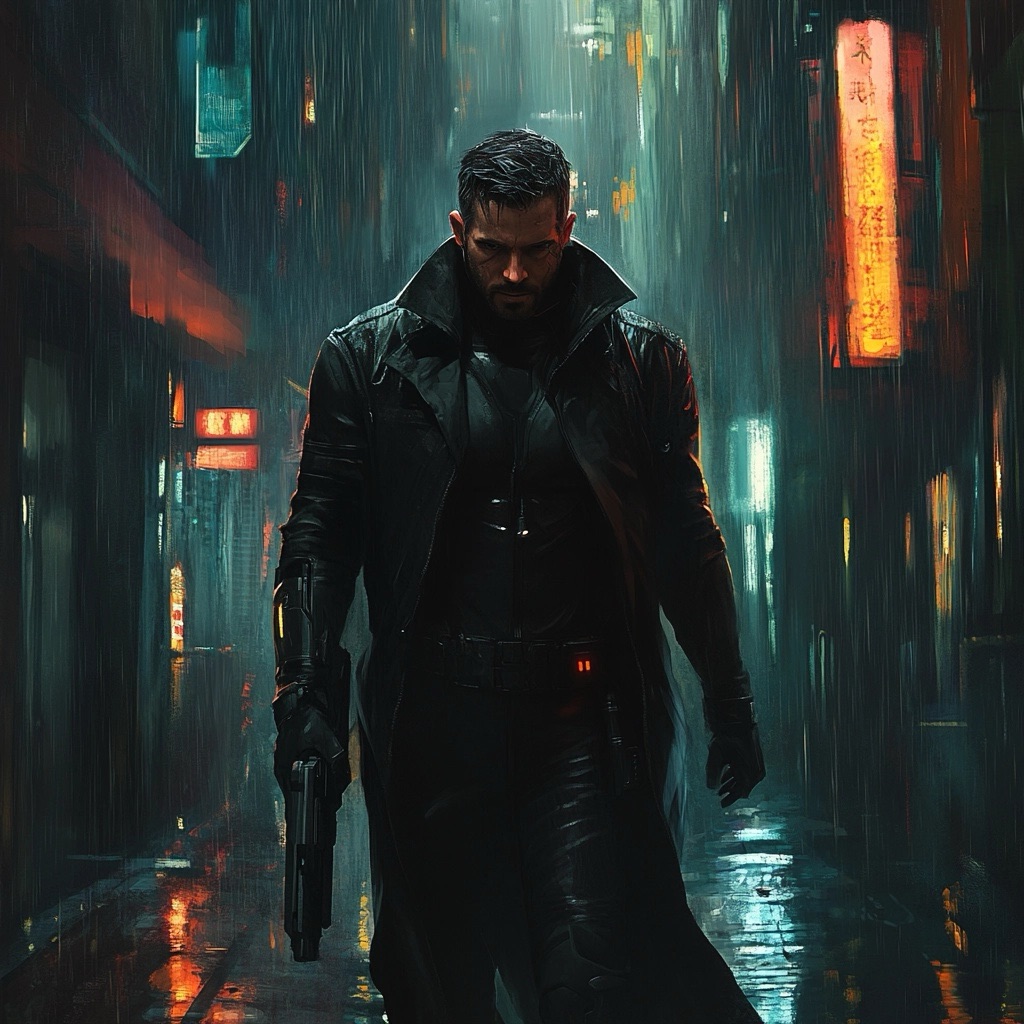
I fell hard for Takeshi Kovacs as a protagonist. There’s something compelling about his cynical worldview and morally ambiguous choices – exactly what you’d want in a noir detective navigating this dark future. His background as an Envoy adds this fascinating layer to how he sees and interacts with this world. I kept thinking about how his military training shapes his perspective on everything he encounters.
Now, I’ll be honest – this book isn’t going to be everyone’s cup of tea. I had to backtrack a few times to keep the plot straight in my head, and I know some of my sci-fi loving friends struggled with the complexity. And let’s just say Morgan doesn’t pull any punches with the violent and sexual content. While I think it fits the noir-cyberpunk fusion he’s going for, I definitely warn my friends about it before recommending the book.
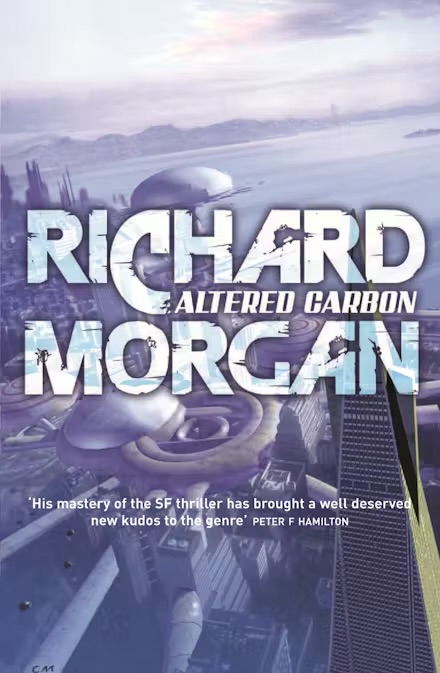
I got completely lost in Morgan’s writing style. His rich descriptions really pulled me into this dark, tech-noir world. Sometimes I found myself rereading passages just to soak in the atmosphere he creates. Though I should mention that this same detailed approach occasionally had me checking my watch – there were moments when I wished he’d pick up the pace a bit.
And speaking of pacing, that first chunk of the book? Whew. I had to push through quite a bit of tech-speak and world-building before finding my groove. I remember thinking “Okay, Richard, I get it – you’ve built an intricate future, but can we get to the story?” Don’t get me wrong – I ultimately appreciated all that setup, but it definitely demands some patience from readers.
Even with these small issues, “Altered Carbon” is still a major highlight in the cyberpunk genre. It digs into big questions about consciousness, identity, and how technology changes society, making it more than just a sci-fi thriller.
Now here’s a bit of a bonus for you Fear Planet denizens – a brief discussion of the Netflix series!
The Series: From Page to Screen
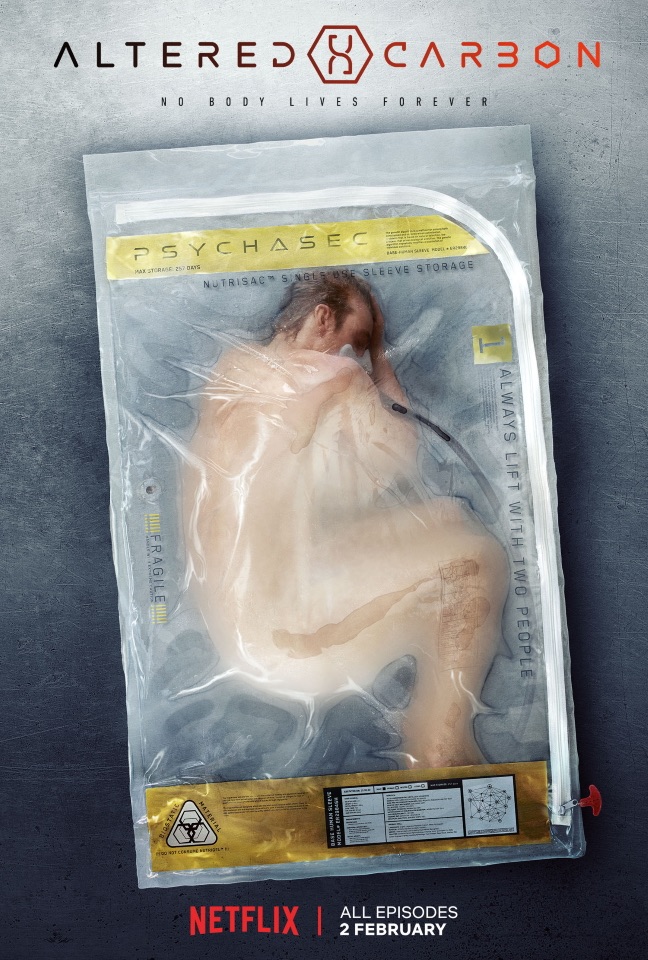
Adaptation Overview
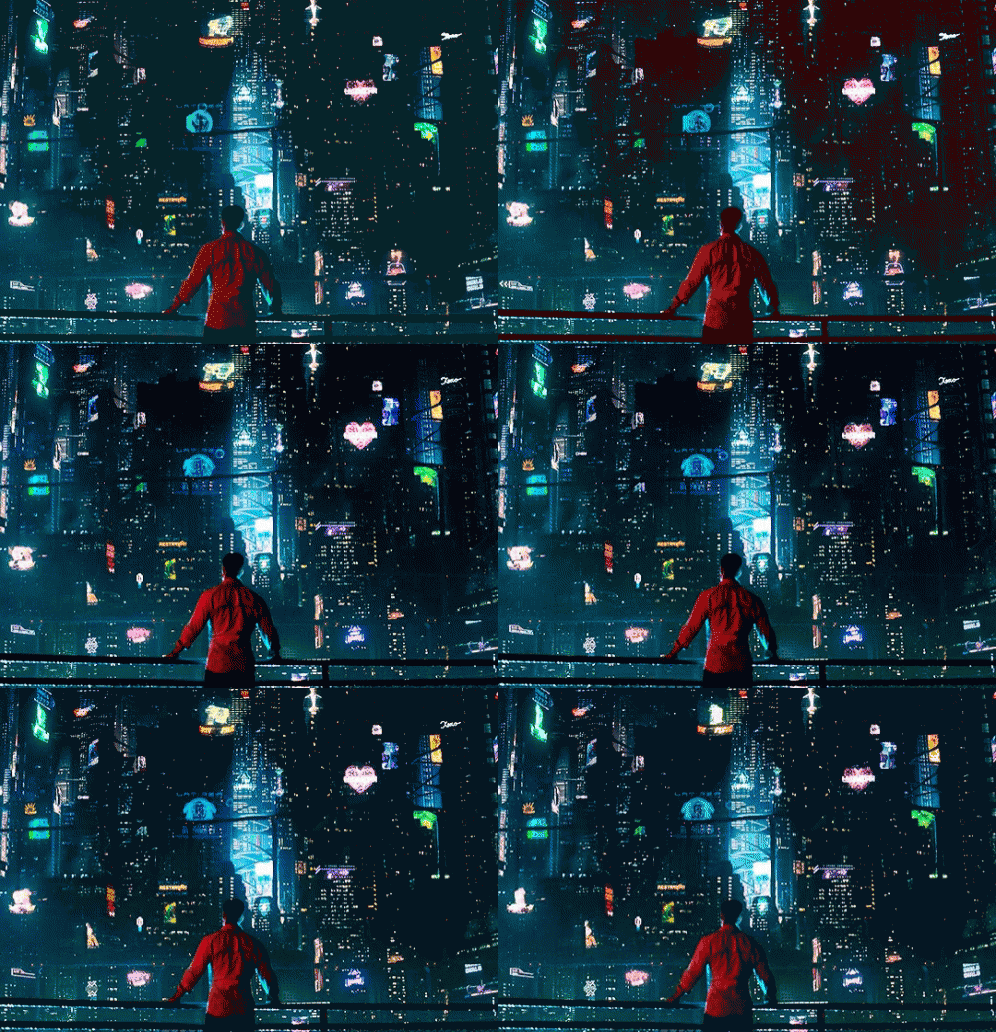
When Netflix announced they were adapting “Altered Carbon,” I was equal parts excited and nervous – you know how it goes with book adaptations. When it finally dropped in 2018, I spent a whole weekend binge-watching it, completely mesmerized by how they’d brought Bay City to life. The production team absolutely nailed the visual aesthetic I’d imagined while reading: all those neon-soaked streets and towering skyscrapers had me glued to my screen.
I thought Joel Kinnaman did a solid job as Kovacs in that first season, and I appreciated how closely they stuck to Morgan’s original storyline. Every time I saw those stunning visual effects, I caught myself thinking, “So THIS is what they’ve been doing with that Netflix budget!” The world felt tangible, lived-in, exactly how I’d pictured it while reading.
But I’ve got to be honest – something felt missing. While I was watching, I kept thinking about all those mind-bending philosophical questions that made me fall in love with the book. You know those quiet moments where Kovacs contemplates identity and mortality? They often got sidelined for another (admittedly spectacular) action sequence. Don’t get me wrong – I love a good fight scene, but Morgan’s deeper themes deserved more screen time.
The pacing also drove me a bit crazy. Some episodes had me checking my phone, while others felt like they were rushing through crucial plot points I’d hoped they’d explore more deeply. And don’t even get me started on some of the character changes! While I actually enjoyed some of their fresh takes, other modifications had me shouting at my TV, “That’s not how it happened in the book!” Though I’ve got friends who loved these changes, arguing they made the story more suitable for television.
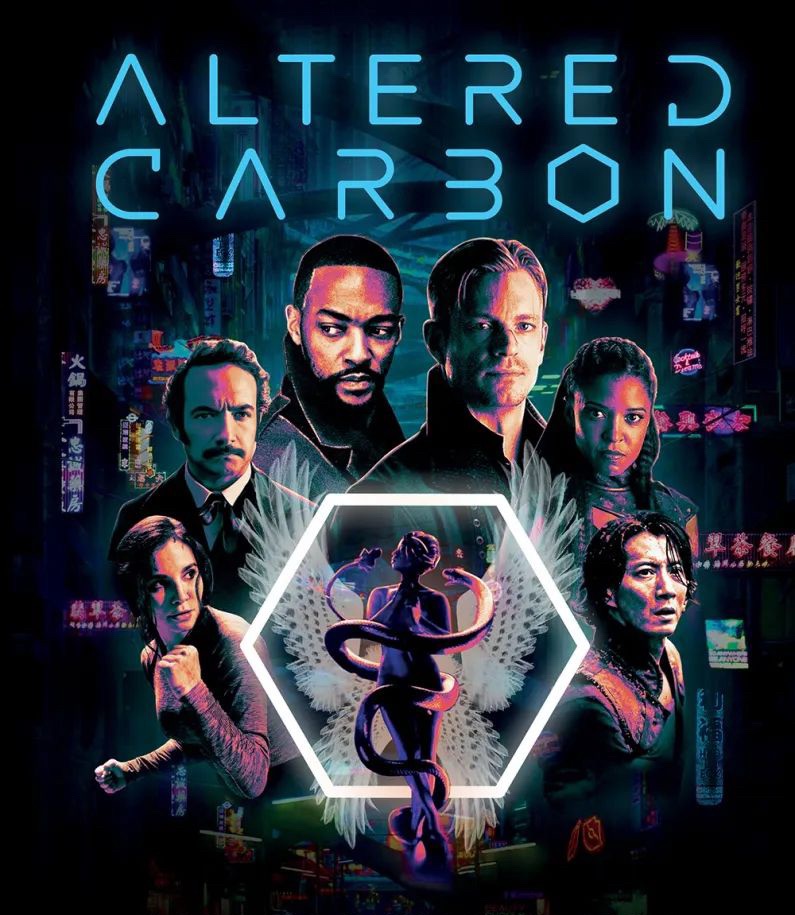
Season 2: A Departure from the Source
The second season of “Altered Carbon” strayed quite a bit from Morgan’s novels as well, with Anthony Mackie stepping into the role of Kovacs. Watching season two was quite a rollercoaster for me – and not always in a good way. Don’t get me wrong, I was intrigued when they announced Mackie would be taking over as Kovacs. After all, the whole concept of “resleeving” means we should expect different actors, right? And Mackie’s got serious acting chops. But something felt… off.
The more I watched, the more I found myself scratching my head at how far they’d wandered from Morgan’s source material. It felt like I was watching a different show altogether – like someone had taken the cyberpunk aesthetic and basic premise but forgotten what made the story special in the first place. I kept waiting for that deep, philosophical edge that had me hooked in the books, but it never quite materialized.
Sure, they tried some new things, and I respect that kind of creative risk-taking. But I couldn’t shake this nagging feeling that they’d lost the plot – literally and figuratively. By the end of the season, I found myself reaching for my copy of the book just to remind myself why I fell in love with this universe in the first place. The sharp commentary on class inequality, the exploration of identity – all these themes that Morgan handled so brilliantly just seemed to fade into the background.
Critical Reception
Overall, the “Altered Carbon” TV series got mixed reviews. While the ambition and visual style were praised, the uneven pacing, inconsistent character development, and lack of the book’s depth held it back.
According to most critics, the show’s exploration of the ethics around “sleeving” technology often took a backseat to the flashy action scenes and plot twists, and I agree. This left me feeling like it missed a chance to really dig into the philosophical issues that made the novel so riveting. Oh well..
Coda
Every time I revisit Richard K. Morgan‘s “Altered Carbon,” I’m struck by how it’s shaped not just cyberpunk, but modern science fiction as a whole. I often find myself lying awake at night, mulling over the questions Morgan forces us to confront: What makes us who we are? What happens to humanity when death becomes optional – at least for some? Sure, the book isn’t perfect (what is?), but I can’t think of many other novels that have made me question my assumptions about consciousness and identity quite like this one.
As for the Netflix series, I’ve got mixed feelings. On one hand, it’s been incredible watching my non-reader friends discover this world I’ve loved for years. I’ve had some fantastic late-night discussions about consciousness and immortality with people who might never have picked up the book. That alone makes the adaptation worthwhile in my book. And let’s be real – seeing Bay City come to life on screen was pretty mind-blowing, even when they didn’t quite nail everything from the novel.
But you know what really gets me excited? Seeing how Morgan’s vision continues to influence new writers and creators. Every time I spot a fresh take on consciousness uploading or body-swapping in contemporary sci-fi, I can’t help but think about how “Altered Carbon” helped pave the way. It’s like watching ripples spread across a pond – and I, for one, can’t wait to see where those ripples lead us next.
For you Fear Planet denizens into cyberpunk, noir detective fiction, or thought-provoking SF, “Altered Carbon” is a must-read. It offers a glimpse into a possible future that is both fascinating and terrifying, forcing us to ponder the question: In a world where death is no longer permanent, what does it truly mean to be human?
Discover more from Fear Planet
Subscribe to get the latest posts sent to your email.
