
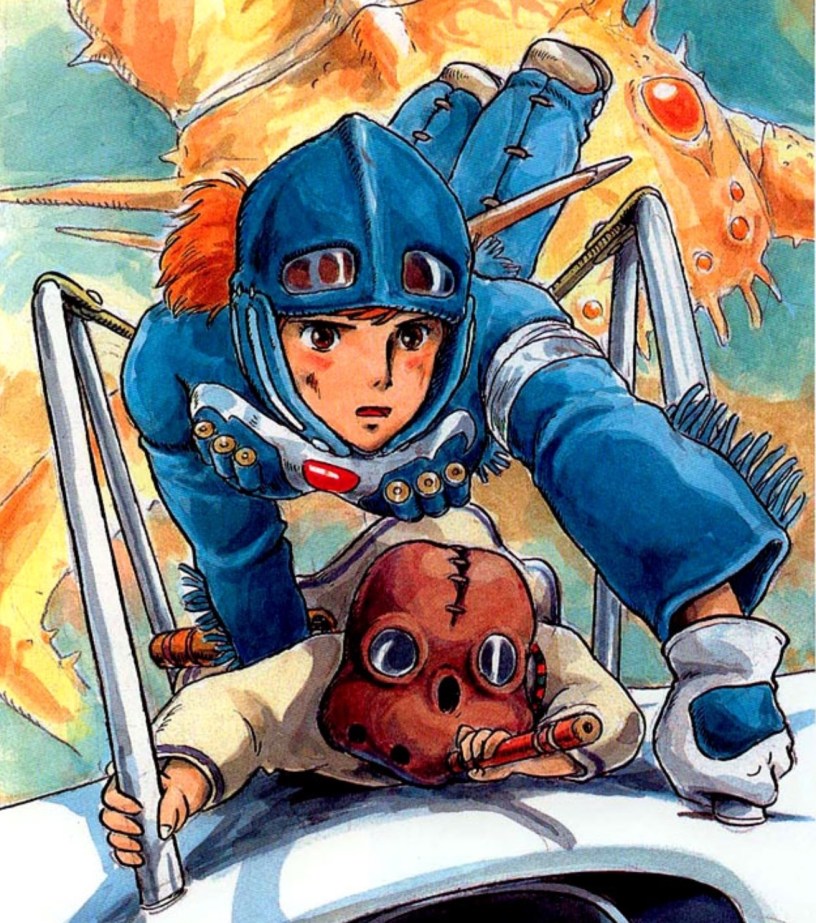
If you’ve never read Hayao Miyazaki’s Nausicaä of the Valley of the Wind manga, you’re missing out on a sprawling masterpiece of ecological science fiction that feels just as relevant today as it did when it was first serialized in 1982. While many people know Nausicaä through the stunning 1984 animated film of the same name, the manga is a vastly deeper and more complex exploration of Miyazaki’s vision, spanning seven volumes and 12 years of storytelling. Let’s dive into the history of this incredible work, explore its inspirations, and unpack why the manga stands out as one of the greatest achievements in speculative fiction.

The Origin of Nausicaä: Mythology, Environmentalism, and Personal Reflections
Miyazaki’s inspiration for Nausicaä came from a variety of sources, both ancient and modern. The character’s name and personality were partially inspired by Nausicaä, the kind and independent princess from Homer’s Odyssey. In Homer’s epic, Nausicaä is a nature-loving figure who shows great compassion to the stranded Odysseus. Miyazaki encountered this character through Bernard Evslin’s Japanese translation of a Greek mythology dictionary, which emphasized her imagination and love for nature—qualities Miyazaki would imbue in his protagonist.

He also drew on Japanese folklore, particularly the Heian-era tale The Lady Who Loved Insects, about a noblewoman who rejects societal norms in favor of her fascination with insects and nature. This influence is clear in Nausicaä’s deep empathy for the giant arthropods known as Ohmu and her unique ability to see beauty where others see only danger.
Miyazaki’s fascination with speculative fiction also played a role. Works like Frank Herbert’s Dune, Moebius’ Arzach comic, and Ursula K. Le Guin’s Earthsea series influenced his intricate world-building and ecological themes. Some have even called Nausicaä “anime’s answer to Dune.” However, Miyazaki’s take is distinctly his own, rooted in a Japanese sensibility that emphasizes animism and the interconnectedness of all life.

But Miyazaki’s inspiration wasn’t purely literary. His personal experiences shaped much of the manga’s thematic core. The mercury poisoning disaster in Minamata Bay, Japan, profoundly affected him. Watching how nature adapted to the poisoned environment, Miyazaki envisioned the polluted yet purifying Sea of Corruption in Nausicaä, a toxic forest that purifies the Earth’s polluted soil while remaining hostile to humans.
The Manga: A Post-Apocalyptic Epic
The Nausicaä manga is set in a post-apocalyptic world, a thousand years after the catastrophic “Seven Days of Fire” left the Earth ravaged by pollution and dominated by toxic ecosystems. The Sea of Corruption, with its gigantic insects and poisonous spores, is a central force in the story, both feared and misunderstood by humanity. At its heart is Nausicaä, the young princess of the Valley of the Wind, a small, peaceful kingdom on the edge of this deadly forest.
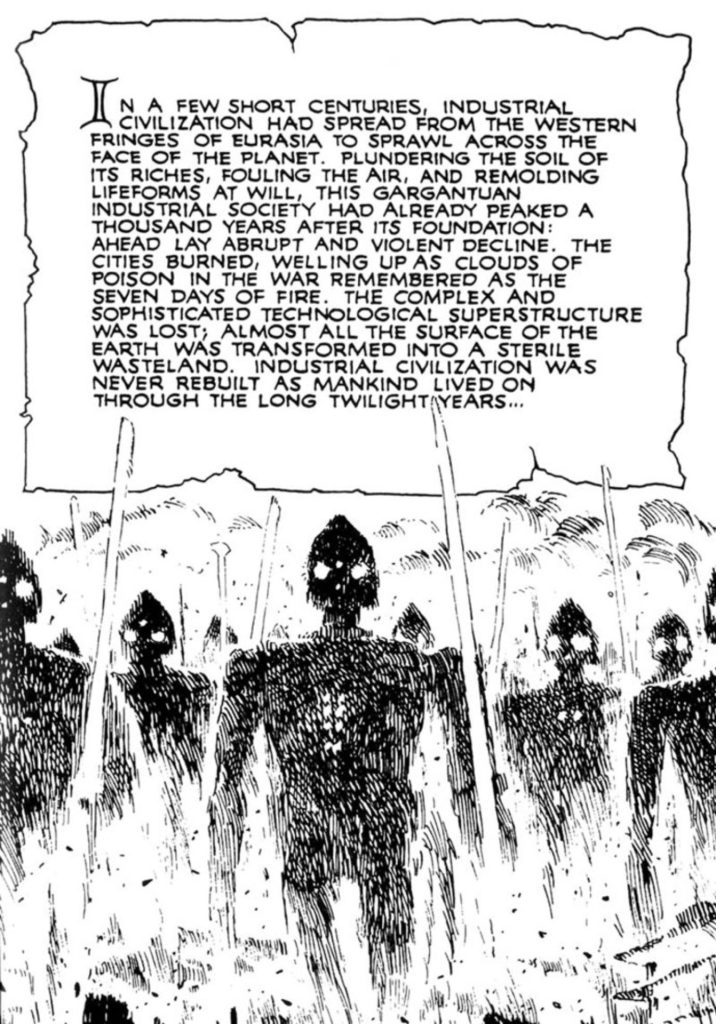
As the story unfolds, Nausicaä is drawn into a war between the militaristic Torumekian Empire and the religious Dorok Principalities. Both factions seek to control ancient weapons and technologies to dominate the other, but Nausicaä’s journey reveals the deeper truth about their world. She learns that the Sea of Corruption is not a malevolent force but a necessary mechanism for purifying the Earth. This discovery challenges humanity’s view of nature as an adversary and positions Nausicaä as a mediator between humans and the natural world.
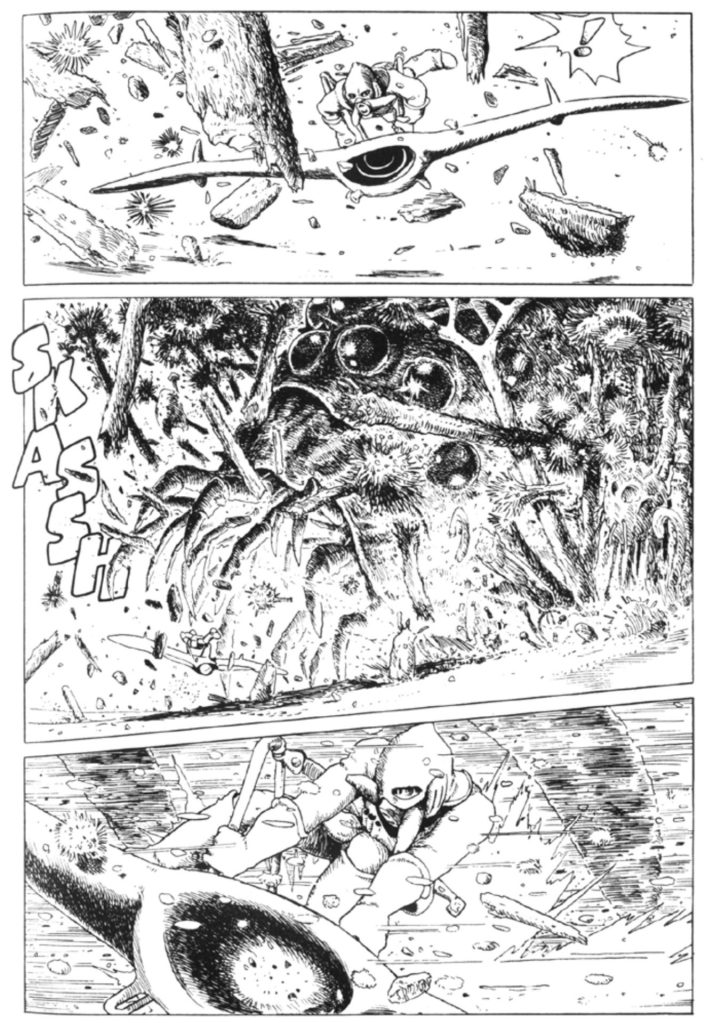
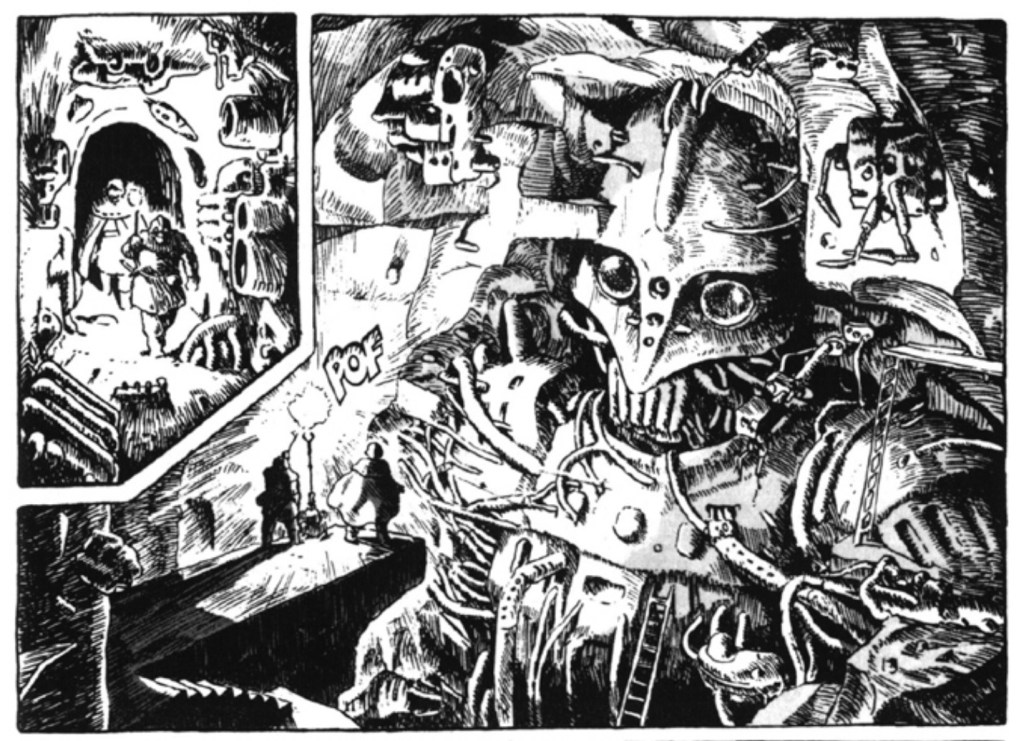
The story doesn’t shy away from exploring the dark side of human nature. Themes of greed, hubris, and the destructive legacy of ancient technologies are woven throughout the narrative. The Crypt of Shuwa, an ancient AI repository of knowledge, represents humanity’s attempts to control evolution and ecology—a temptation Nausicaä ultimately rejects in favor of coexistence with nature.
Miyazaki’s Art: A Visual Masterpiece
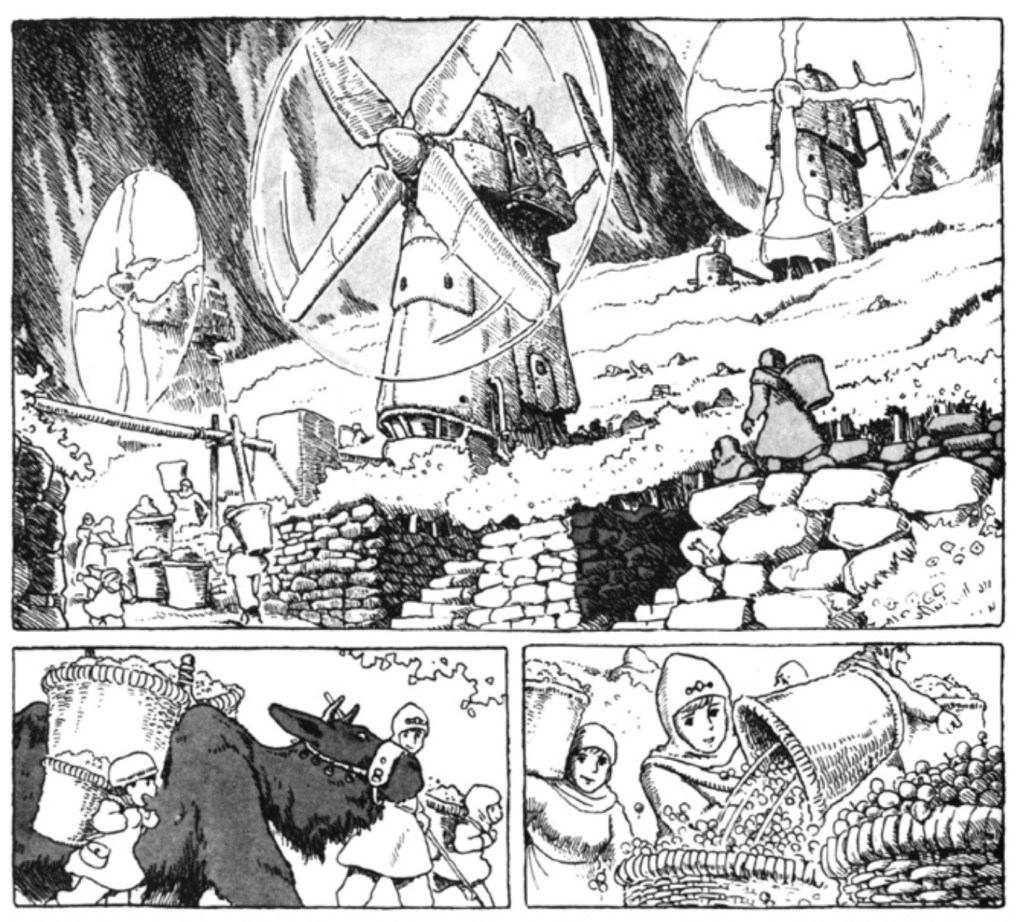
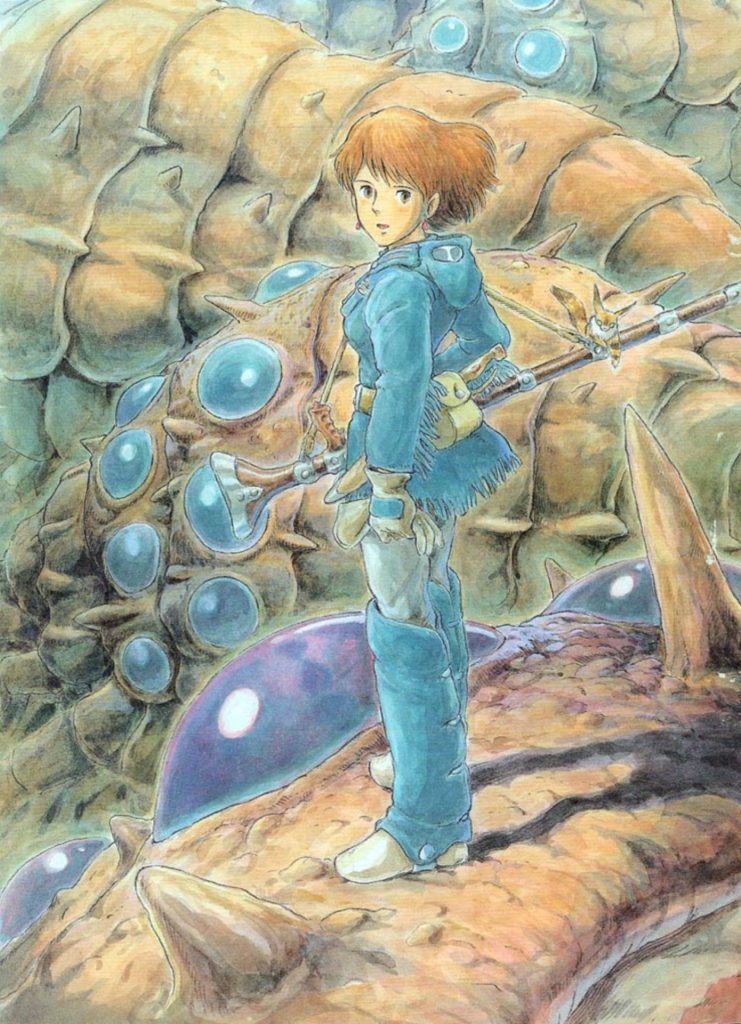
One of the most remarkable aspects of Nausicaä of the Valley of the Wind is Miyazaki’s stunning artwork. Each panel of the manga is a testament to his meticulous attention to detail and his ability to convey both grandeur and intimacy. The landscapes of the Sea of Corruption are intricately rendered, evoking both awe and dread. The giant Ohmu, with their layered shells and expressive eyes, feel alive on the page, showcasing Miyazaki’s talent for imbuing even alien creatures with emotion and depth.
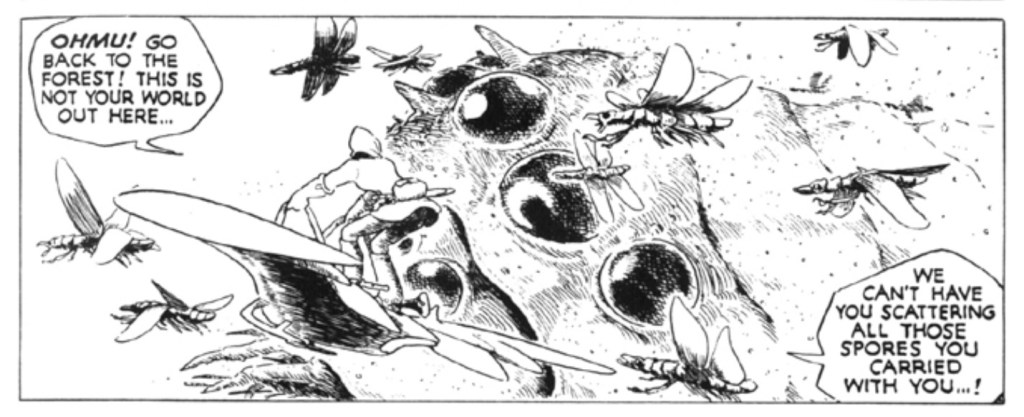
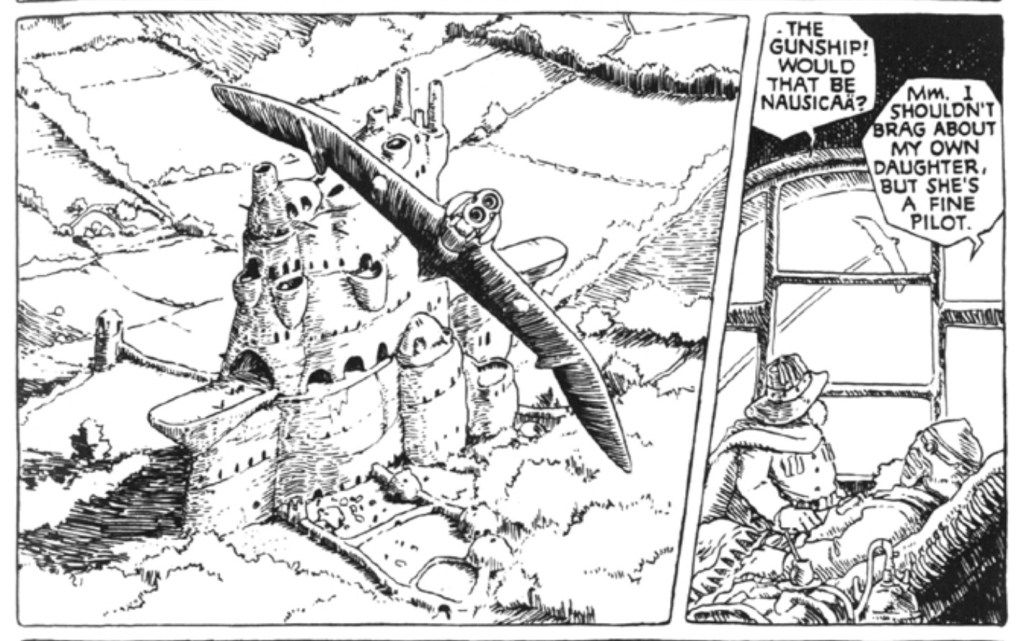
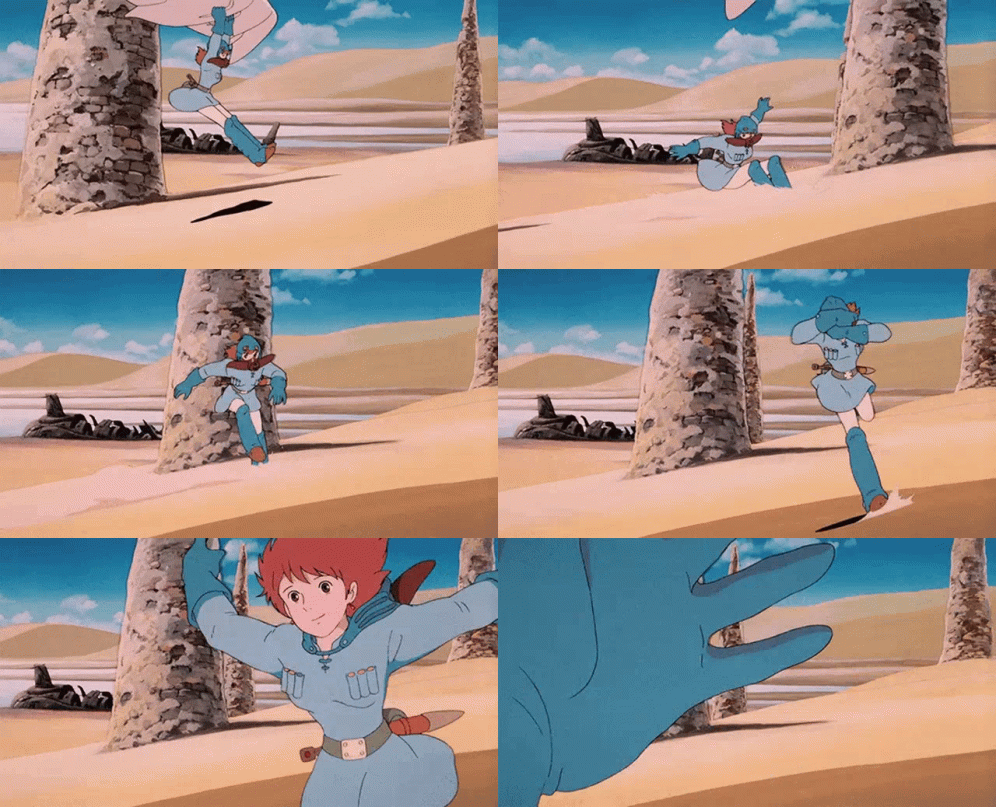
What sets Miyazaki’s art apart is its fluidity. The action scenes are dynamic, yet never chaotic, with a sense of movement that draws the reader into the narrative. Equally captivating are the quieter moments: Nausicaä gliding through the skies on her mehve, the interplay of light and shadow in the toxic forest, or the intricate patterns of ancient ruins. These details not only enhance the story’s immersive quality but also reflect Miyazaki’s deep reverence for nature and his belief in the interconnectedness of all life.
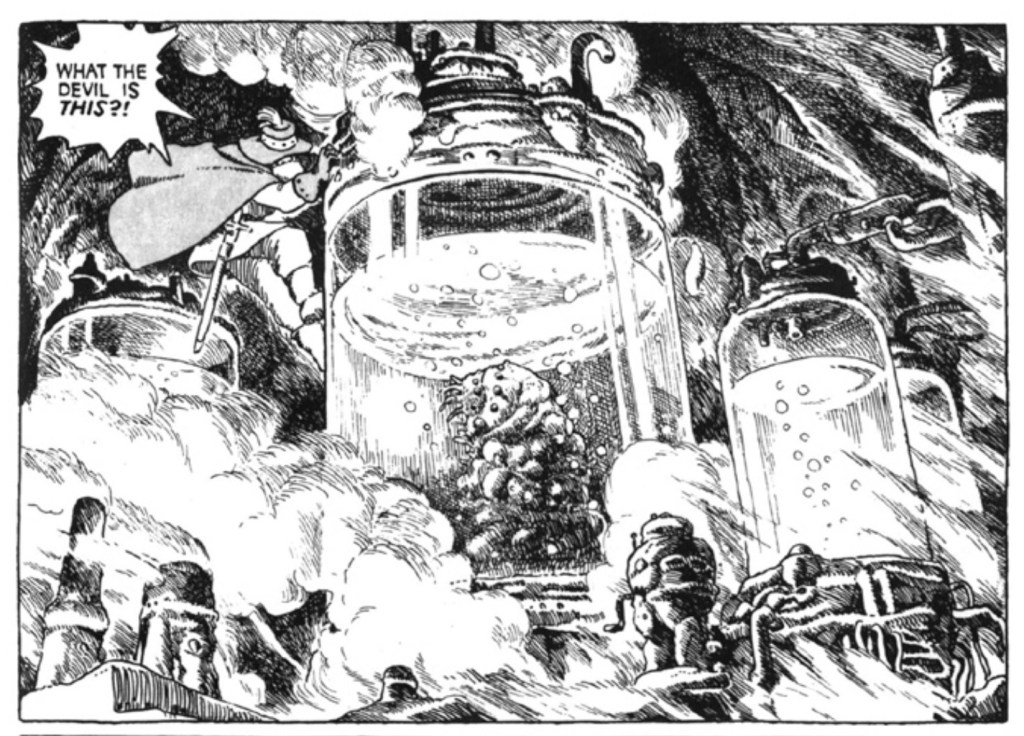
The art also serves to underscore the manga’s themes. The contrast between the decaying remnants of human civilization and the thriving ecosystems of the Sea of Corruption visually reinforces the idea that nature, even in its most dangerous forms, is a force of renewal and balance. Miyazaki’s ability to communicate complex emotions through his characters’ expressions further elevates the story, making Nausicaä’s struggles and triumphs all the more impactful.
Key Themes: Beyond Environmentalism
While Nausicaä is often celebrated for its environmental message, the manga’s themes go far deeper:
- Pacifism and Leadership: Nausicaä is a rare protagonist who embodies both strength and compassion. Despite being thrust into violent conflicts, she consistently seeks nonviolent solutions, valuing all forms of life. Her leadership is defined by empathy and understanding, a stark contrast to the power-hungry rulers around her.
- Spirituality and Animism: The story’s animistic elements—the idea that nature is alive and imbued with spirit—add a layer of spiritual depth. Nausicaä’s psychic connection with the Ohmu and other creatures underscores this bond.
- Feminine Strength: Nausicaä challenges traditional gender roles, combining bravery and strategic thinking with nurturing compassion. She’s a multi-dimensional heroine who doesn’t conform to stereotypes.
- Human Hubris: The manga critiques humanity’s technological overreach and its consequences. The remnants of ancient civilizations serve as cautionary tales of what happens when humans prioritize control over harmony.
The Film vs. The Manga: A Tale of Two Nausicaäs
The 1984 animated film Nausicaä of the Valley of the Wind is a masterpiece in its own right, but it only scratches the surface of the manga’s narrative. At the time of the film’s production, the manga was only partially complete, so the movie focuses on the first two volumes and simplifies many of the story’s complexities.
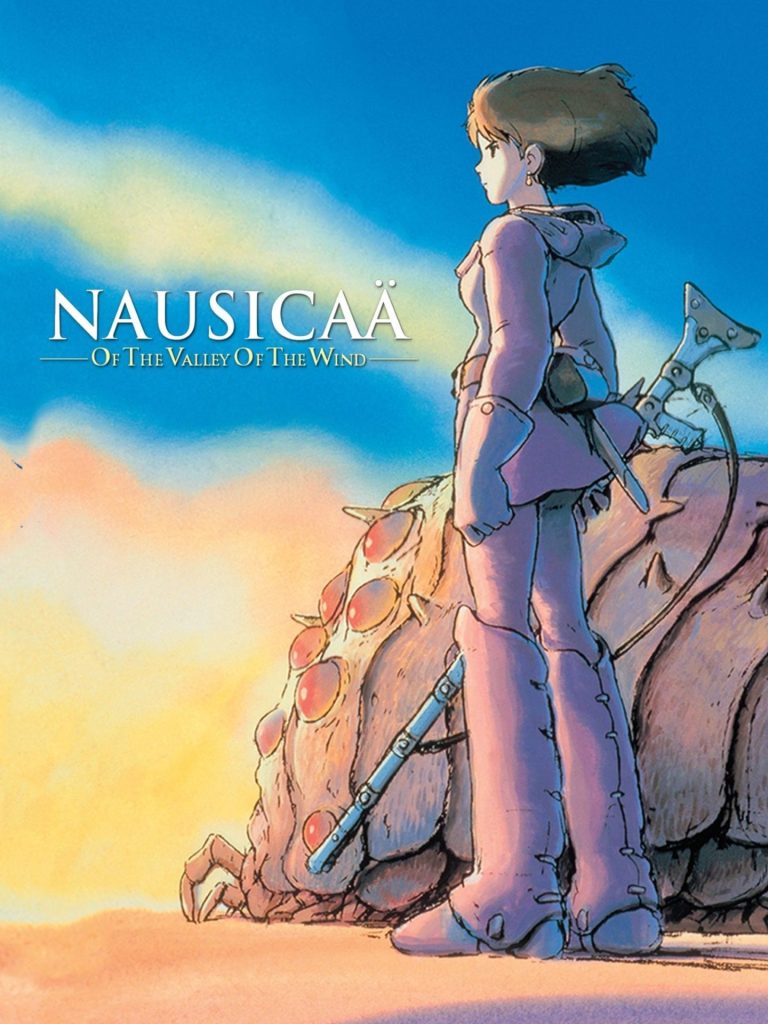
For instance, the film ends on a hopeful note, emphasizing harmony between humans and nature. The manga, however, delves much deeper into the consequences of humanity’s actions. It explores the darker aspects of war, the moral ambiguities of its characters, and the existential question of whether humanity deserves to survive after centuries of environmental destruction.
Characters like Kushana, the Torumekian princess, are also more nuanced in the manga. While she’s an antagonist in the film, the manga portrays her as a complex figure with her own motivations and moments of redemption. The manga’s additional factions, like the Dorok Principalities and the Forest People, enrich the world-building and add layers of political and philosophical intrigue.
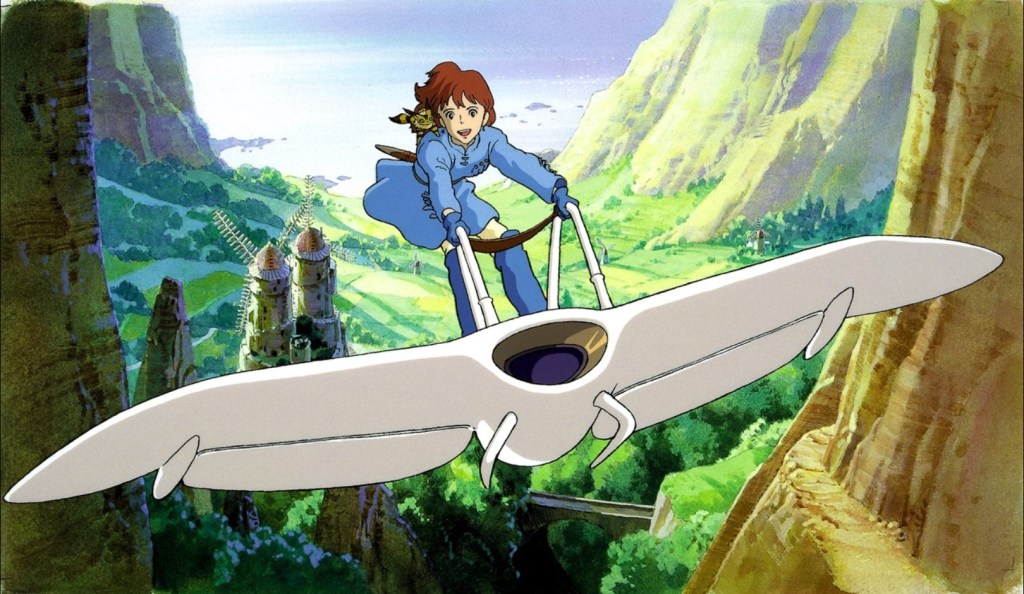
The manga’s ending is bittersweet, with Nausicaä rejecting the remnants of humanity’s destructive past, including the manipulative Crypt, and leaving humanity to forge its own path. It’s a powerful conclusion that emphasizes personal responsibility and the possibility of redemption, even in a flawed world.
Why Nausicaä Continues to Resonate
In an era of climate change and environmental crises, Nausicaä of the Valley of the Wind feels more urgent than ever. Its message of coexistence with nature, its critique of technological hubris, and its call for empathy and understanding resonate deeply in today’s world. Miyazaki’s vision reminds us that hope lies not in domination or exploitation but in humility and harmony.
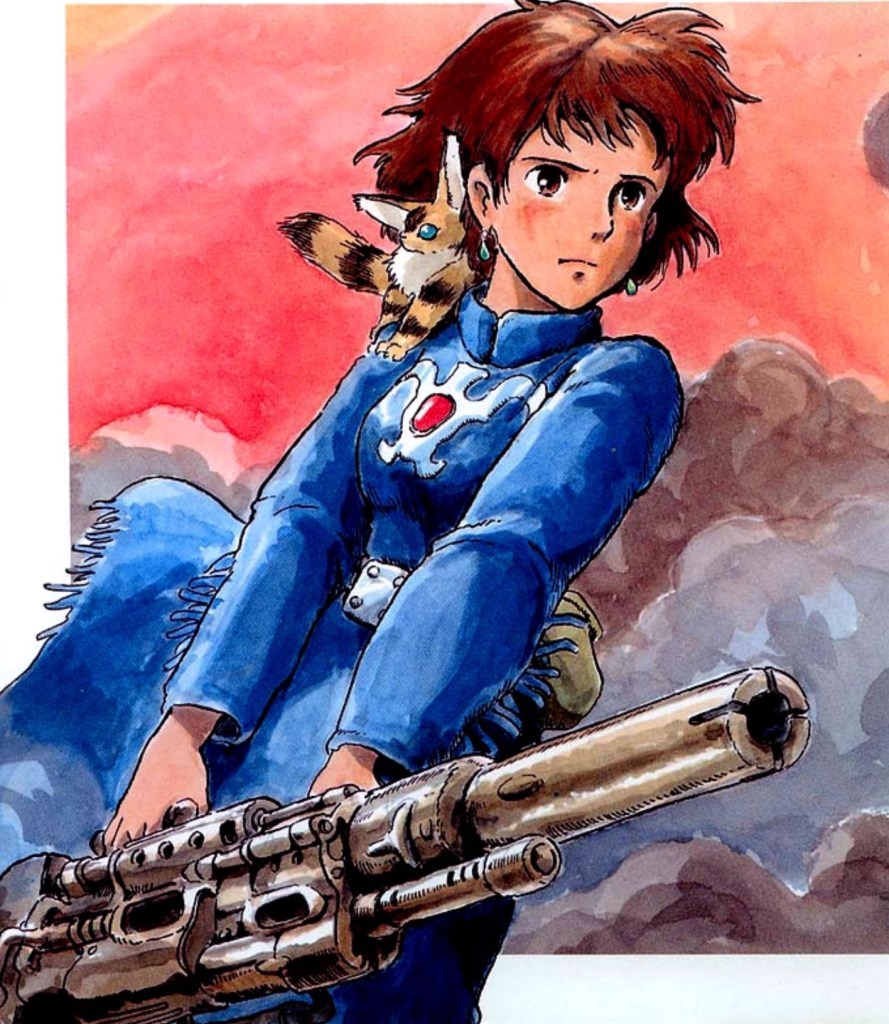
For me, what makes Nausicaä so enduring is its moral complexity. This isn’t a simple story of good versus evil. It’s a meditation on humanity’s flaws and potential, told through the lens of one of the most compelling protagonists in speculative fiction. Nausicaä’s journey is one of reconciliation—with nature, with others, and with herself.
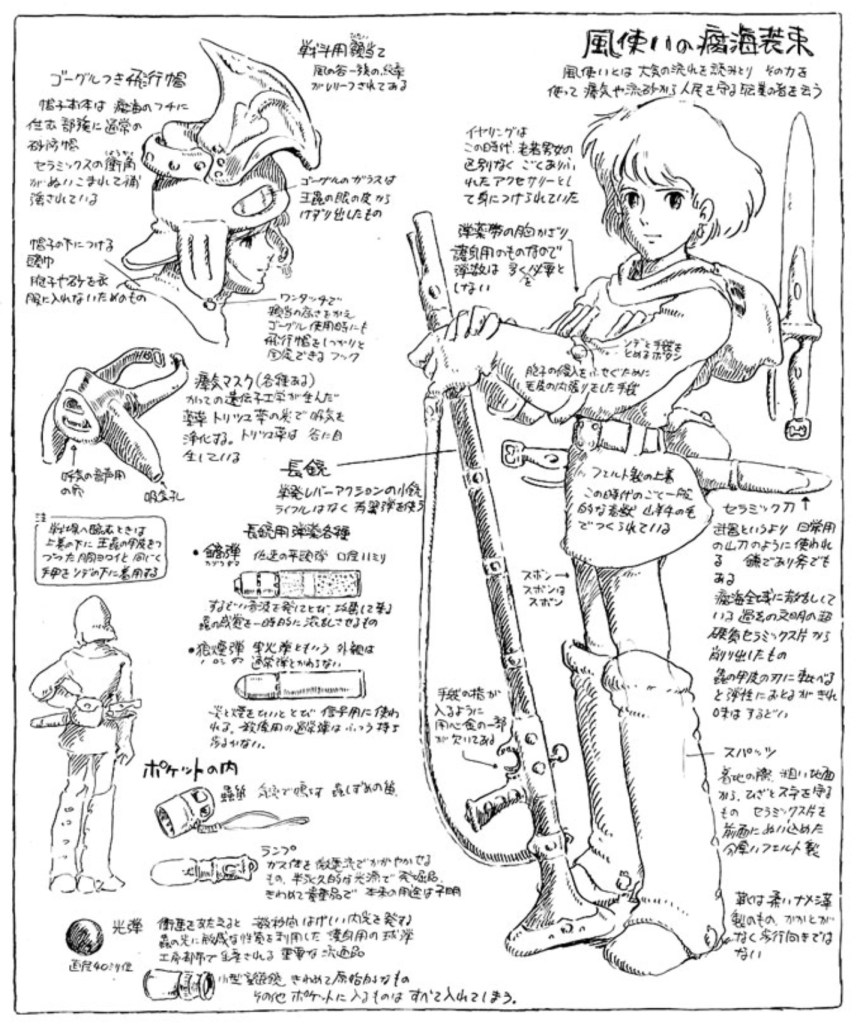
If you’ve only seen the film, I urge you to pick up the manga. It’s a deeper, richer experience that showcases Miyazaki’s storytelling genius in all its glory. Whether you’re a fan of science fiction, fantasy, or just incredible storytelling, Nausicaä of the Valley of the Wind is a must-read. Trust me, it will stay with you long after you’ve turned the final page.
* This article contains affiliate links. Purchasing through them will help support Fear Planet at zero extra cost to our readers. And if you do support us, thank you. You rock!
Discover more from Fear Planet
Subscribe to get the latest posts sent to your email.
