
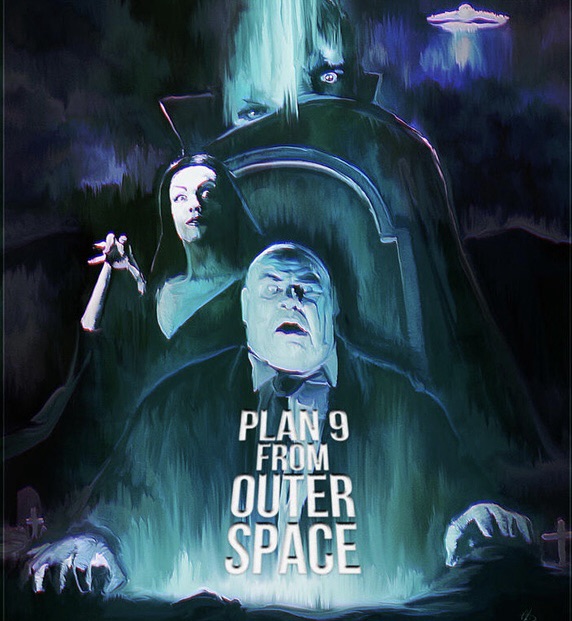
As cult cinema goes, there are few films as paradoxical, as confounding, and as outright legendary as Ed Wood’s 1959 opus, Plan 9 from Outer Space.
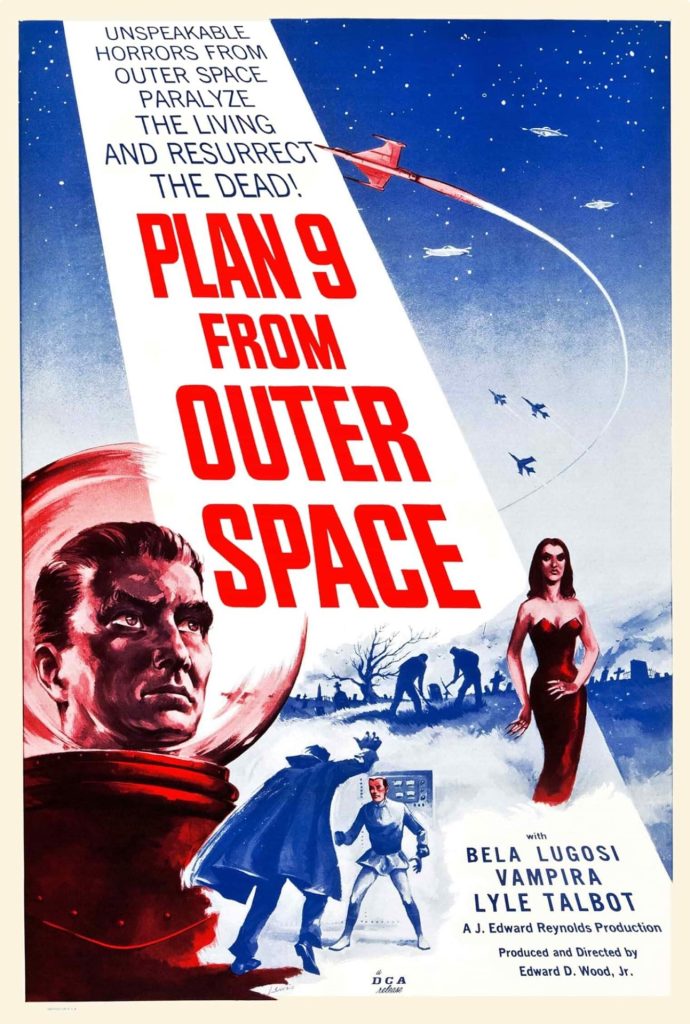
Famously dubbed the “worst movie ever made,” this quirky sci-fi disaster has somehow managed to ascend beyond its myriad faults to claim a special, almost sacred, place in film history. But why? What is it about this cinematic catastrophe that continues to captivate audiences more than six decades after its release?
It’s not just a film. It’s a phenomenon—a passion project that overcame its limitations to become an enduring testament to ambition, creativity, and unintentional comedy.
The Genesis of a Cult Classic
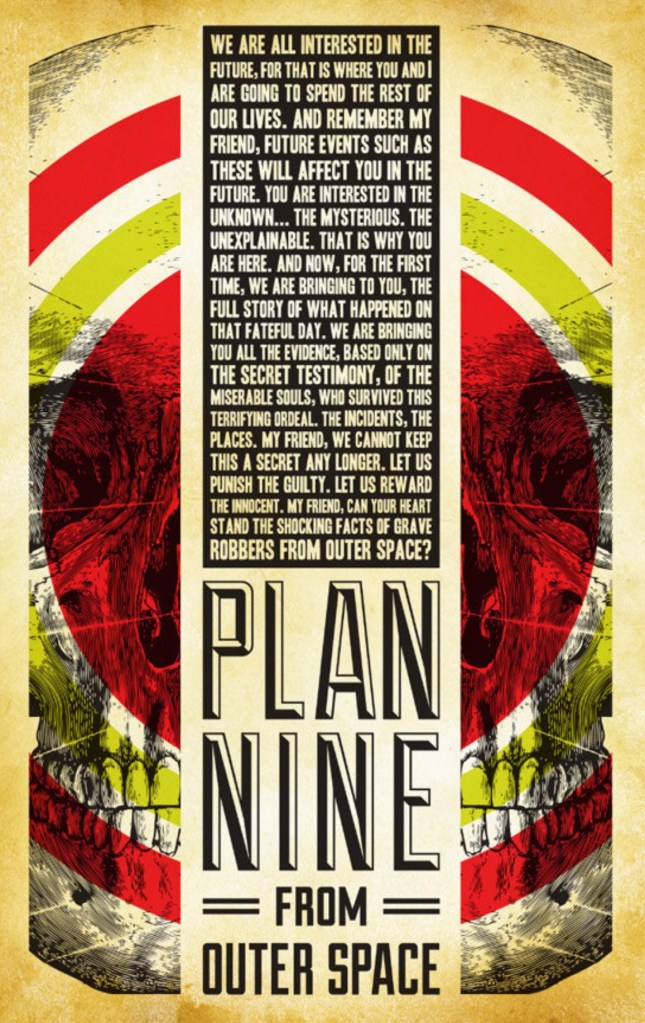
Originally titled Grave Robbers from Outer Space—a name that raised the hackles of its conservative financial backers—Plan 9 was rechristened to something slightly less provocative but infinitely more mysterious. Shot in 1956 and released three years later, the film was the product of Ed Wood’s indefatigable determination to make his mark on Hollywood, even if it meant working with an anemic budget, hastily constructed sets, and a crew that, to put it charitably, did the best they could.
It’s important to note that Plan 9 didn’t start out as a joke. Ed Wood was earnest in his desire to tell a gripping science fiction tale about alien intervention and the dangers of unchecked technological advancement. The film, however, became something else entirely—a chaotic, low-budget spectacle that has since become a cornerstone of cult cinema.
The Plot: Beautifully Absurd
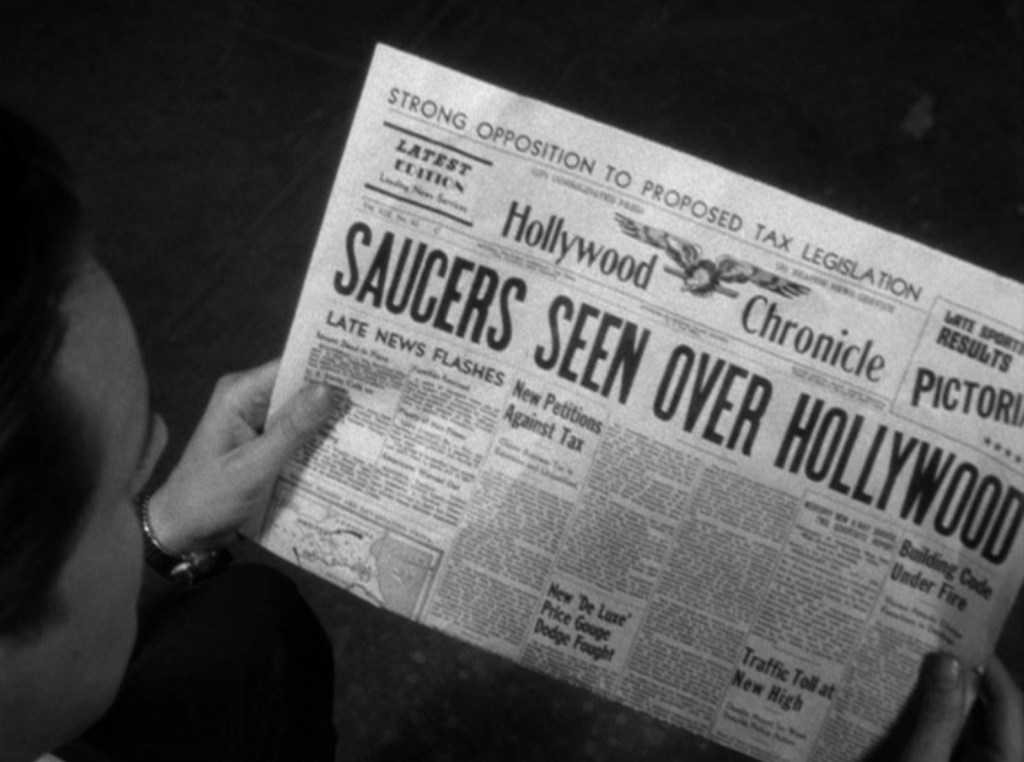
The story, if you can call it that, centers on a desperate extraterrestrial mission to save the universe. Fearing humanity’s potential to create a cataclysmic Solarnite bomb, the aliens devise Plan 9—resurrecting the recently deceased as zombies to scare the human race into abandoning their dangerous pursuits.
If the premise sounds like it could make for a compelling sci-fi thriller, rest assured the execution is anything but. Wooden dialogue, nonsensical plot twists, and scenes that seem to contradict themselves at every turn transform what might have been a forgettable B-movie into a mesmerizing fever dream. The sheer absurdity of Plan 9 ensures it’s more entertaining than the polished genre films it aspired to emulate.
Production Problems (and Why We Love Them)
Bela Lugosi’s Final, Awkward Farewell
No discussion of Plan 9 would be complete without mentioning the bizarre circumstances surrounding Bela Lugosi’s involvement. By the time production began, the iconic star of Dracula had already passed away, leaving behind only a few minutes of unrelated, silent footage shot by Wood. Instead of scrapping the character, Wood recruited his wife’s chiropractor, Tom Mason, as a stand-in. Mason bore no resemblance to Lugosi, a fact Wood tried to mask by having him walk around with a cape obscuring his face. It didn’t work.
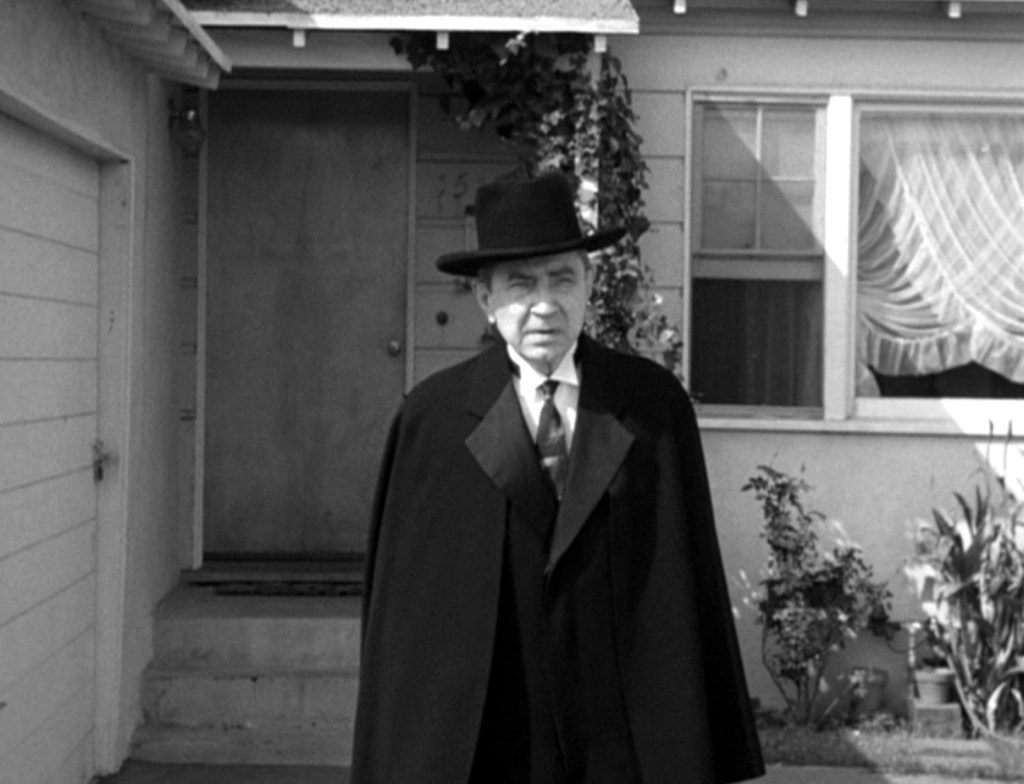
Far from being a distraction, this infamous decision has become one of the film’s most endearing quirks—a reminder of the lengths Wood would go to preserve his vision, no matter how awkward the outcome.
The “Special” Effects
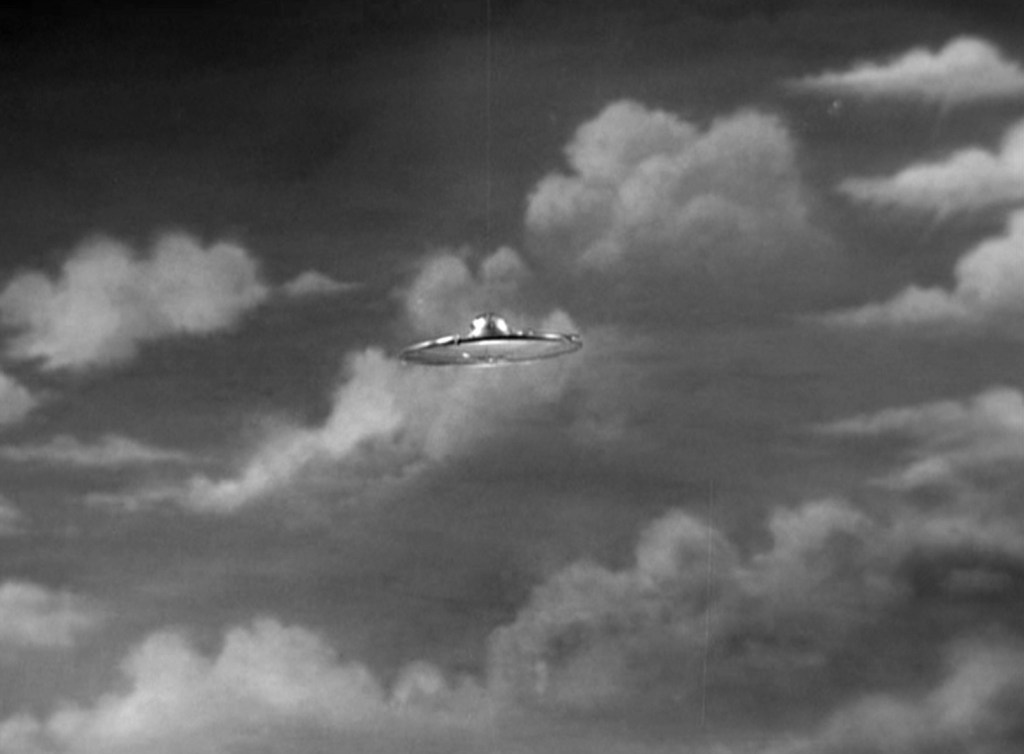
The technical aspects of Plan 9 are legendary in their ineptitude:
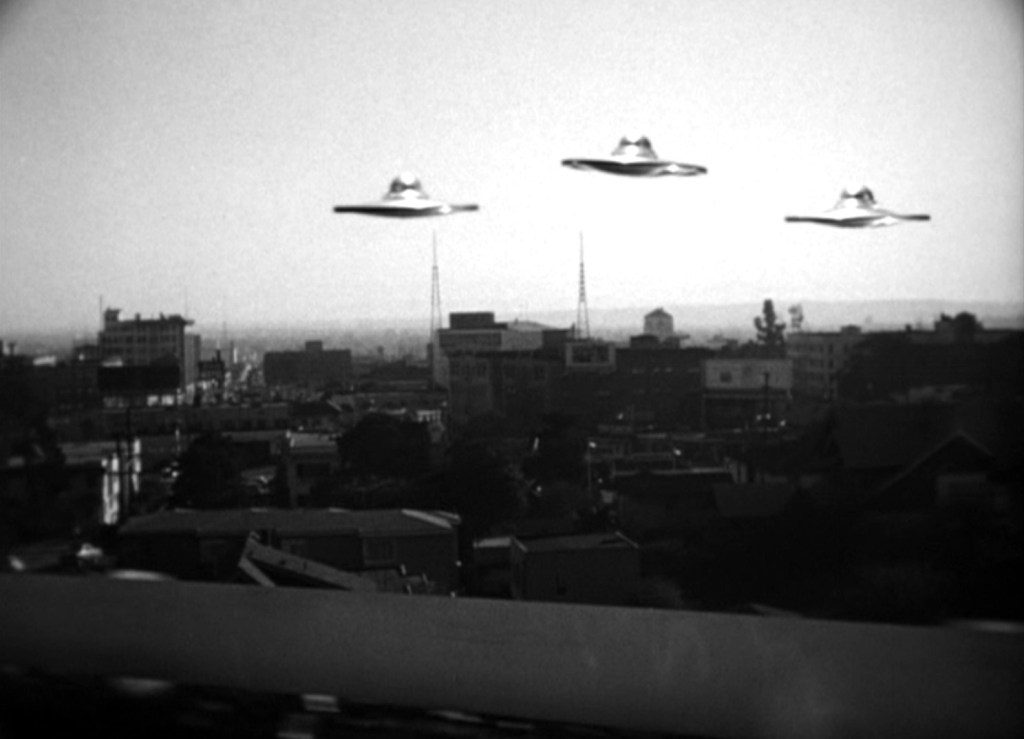
• Flying saucers crafted from spray-painted pie tins, visibly dangling from strings.
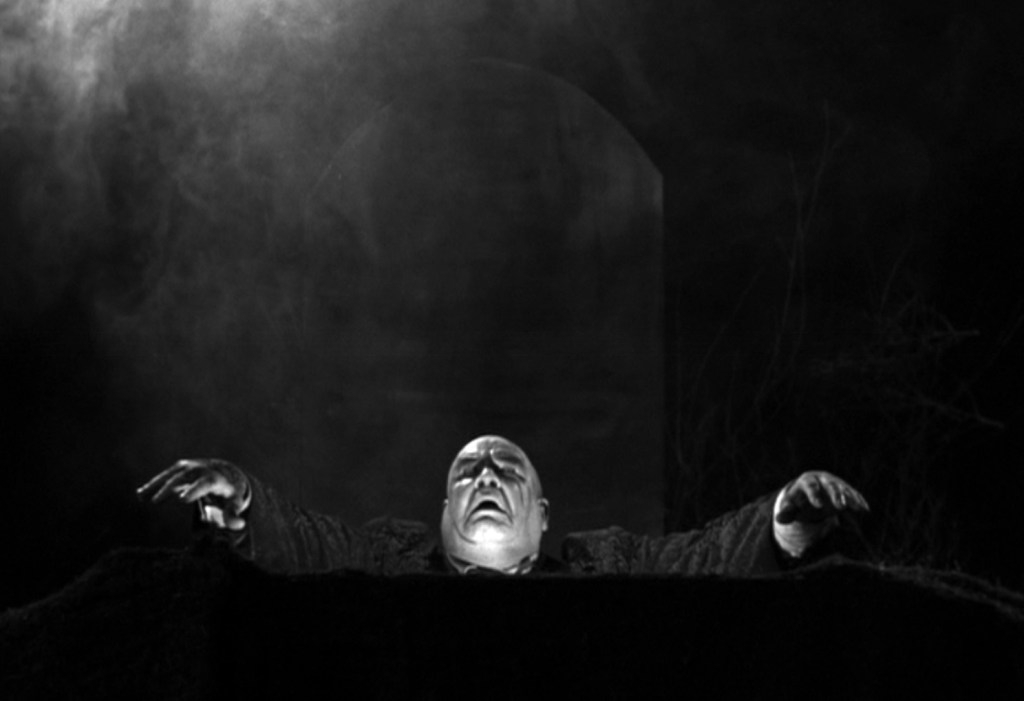
• Cardboard gravestones toppling under the slightest breeze.
• Jarring shifts between night and day within the same scene.
• Dialogue that barely syncs with the actors’ lip movements.
• Sets so flimsy that they seem in perpetual danger of collapse.
These flaws, rather than detracting from the viewing experience, add to its charm. Each wobbling tombstone and clumsy edit is a badge of honor, a testament to filmmaking perseverance in the face of overwhelming odds.
The Cast: A Kaleidoscope of Performances
The ensemble cast of Plan 9 contributes just as much to its mystique as its technical shortcomings. Among the highlights:
• Gregory Walcott as Jeff Trent, whose stiff, deadpan delivery gives every line the gravitas of a corporate memo.
• Maila Nurmi, better known as Vampira, whose silent performance as a zombie blends eerie grace with campy menace.
• Tor Johnson, the hulking former wrestler whose struggles with English resulted in some of the film’s most hilariously stilted dialogue.
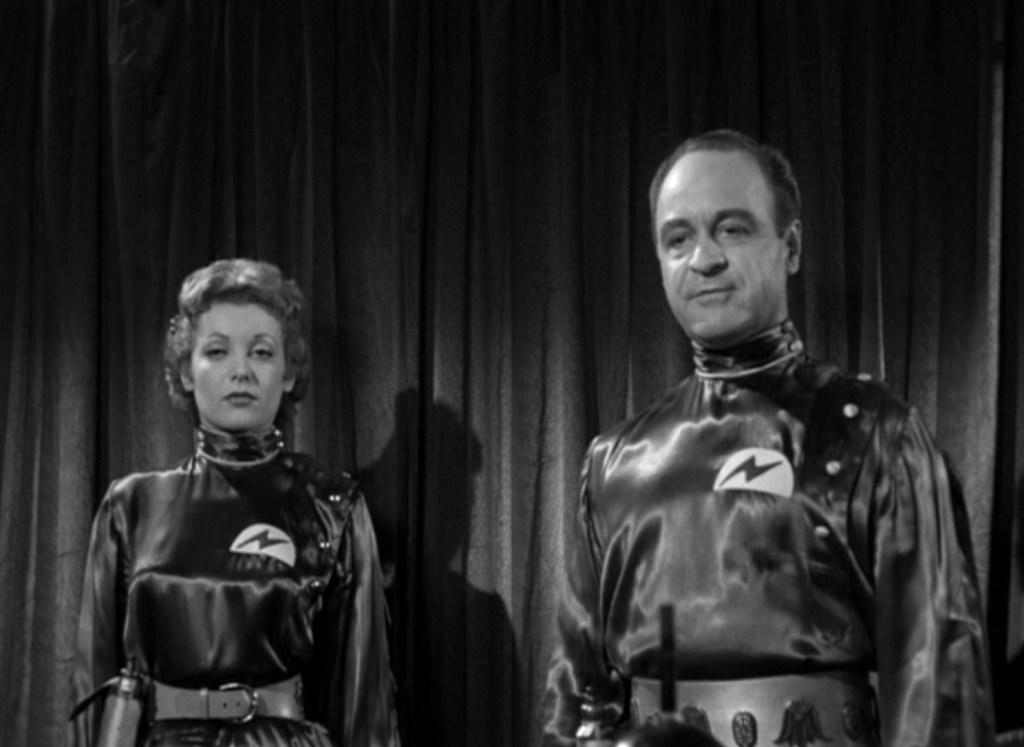
• Dudley Manlove as Eros, the alien who delivers his lines with Shakespearean intensity, even when they make no sense.
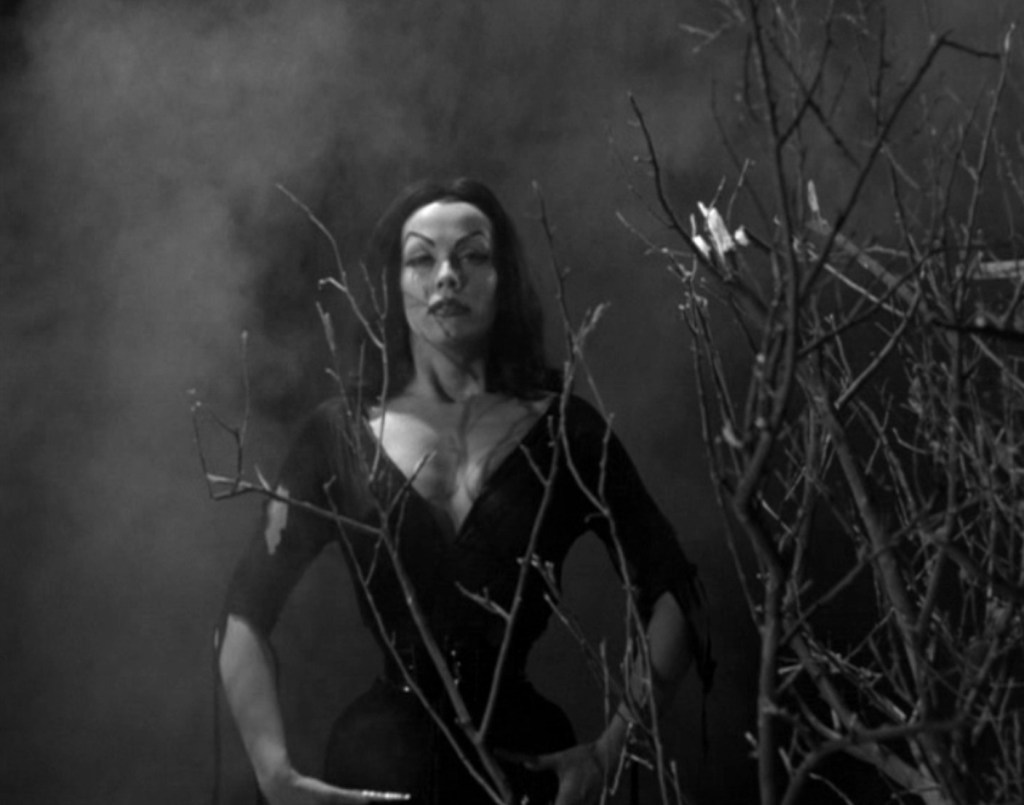
Together, this eclectic cast manages to elevate the film from simple badness to something truly unforgettable.
Ed Wood’s Unwavering Vision
What separates Plan 9 from a thousand other terrible movies is Ed Wood himself. Despite his obvious limitations as a filmmaker, Wood’s genuine passion for storytelling is impossible to ignore. His sincerity infuses the film with an infectious energy, turning what should have been a forgettable flop into a labor of love that resonates with audiences to this day.
Cultural Legacy: From Trash to Treasure
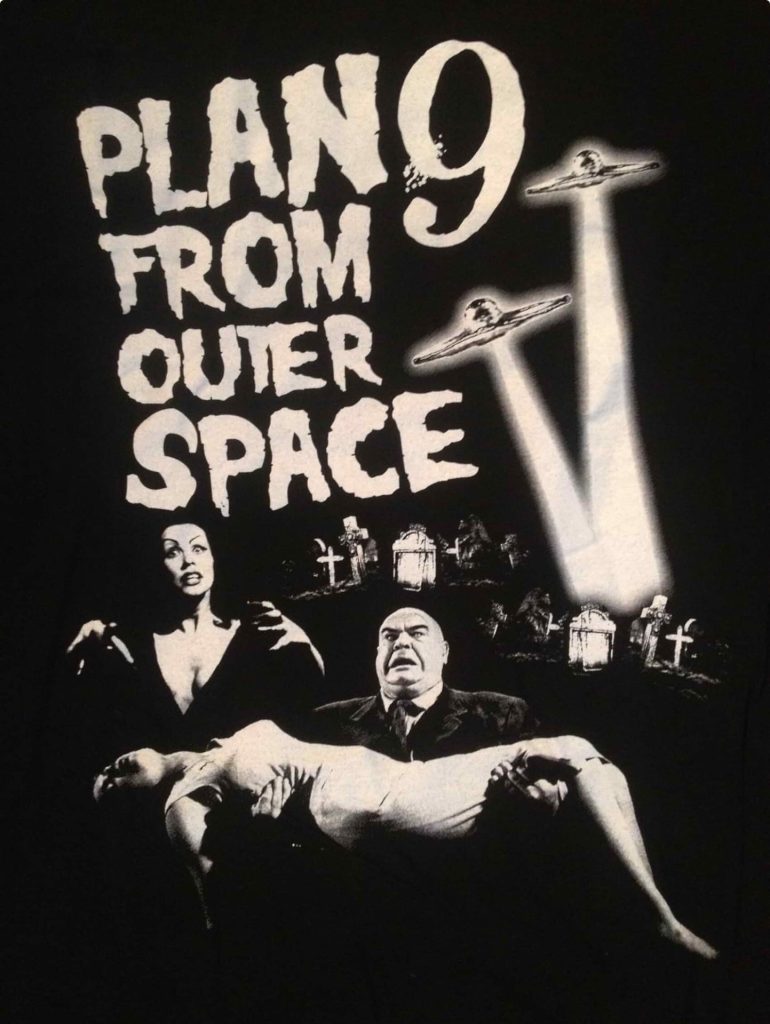
In 1980, Harry and Michael Medved’s book The Golden Turkey Awards crowned Plan 9 from Outer Space as the worst film ever made. Ironically, this dubious distinction ensured the movie’s immortality. Fans flocked to see the disaster for themselves, only to discover that it was more than just bad—it was fascinating.
The film’s enduring appeal lies in its “so bad it’s good” charm. Its combination of earnest ambition, technical failures, and unintentional humor has inspired generations of filmmakers, critics, and fans. Today, Plan 9 is celebrated at midnight screenings and lovingly parodied in pop culture. It’s a symbol of what happens when unbridled enthusiasm collides with creative chaos.
Why Plan 9 is Still a Great Watch
In an age of algorithmically optimized blockbusters and focus-grouped storytelling, Plan 9 from Outer Space stands as a defiant reminder of the human spirit. It’s raw, messy, and utterly unique. Its flaws are personal, its ambitions deeply heartfelt. Every mistake is a reflection of Ed Wood’s refusal to give up, his unyielding belief that passion could triumph over adversity.
Coda: The Glorious Triumph of Failure
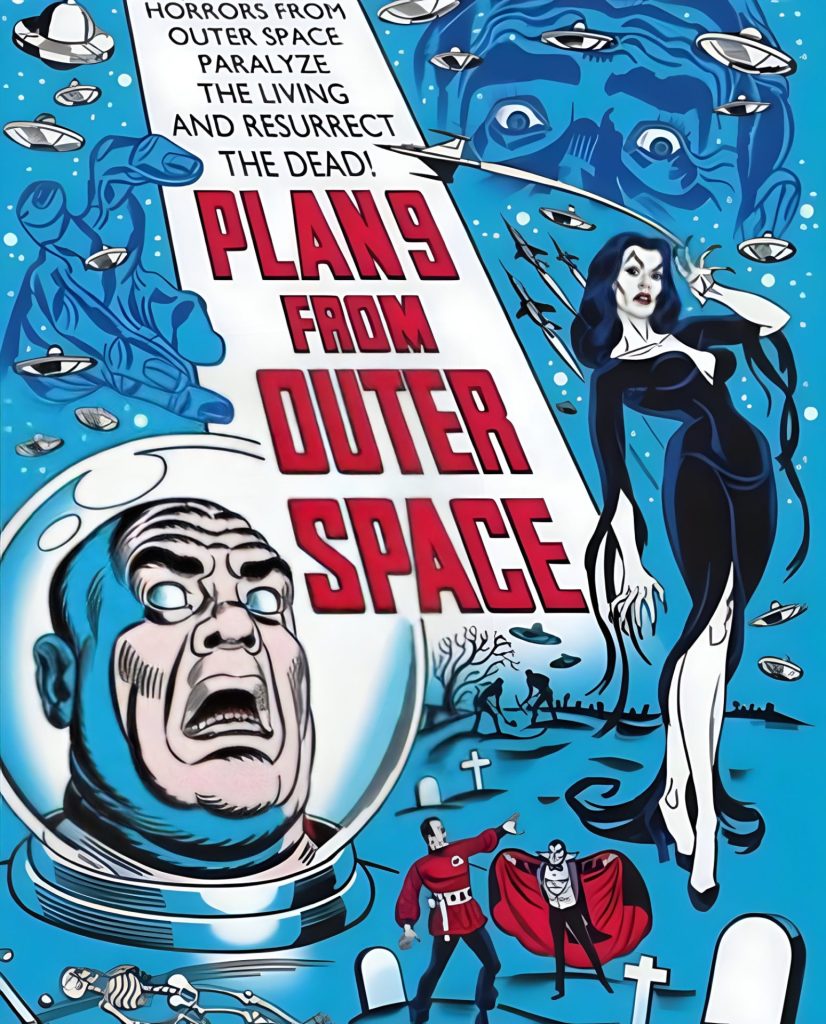
Far from being just a bad movie, Plan 9 from Outer Space is a love letter to filmmaking itself. Its flaws elevate it, its ambition inspires, and its sincerity endears it to audiences year after year. Ed Wood may have failed in his original goal, but in doing so, he created something far more enduring: a cinematic masterpiece of mishaps that will continue to entertain and amaze for generations to come.
Discover more from Fear Planet
Subscribe to get the latest posts sent to your email.
