

It’s hard to sit down and write this. The news hit me like a gut punch: Barry N. Malzberg is gone. December 19th, 2024. It feels like a key piece of the science fiction landscape has just crumbled. I know that’s a cliché, but with Barry, it’s the absolute truth. His writing… it meant so much to me, shaped my understanding of the genre in ways I’m still discovering. I feel a deep personal loss, as if a gruff but brilliant mentor has just signed off.

Barry wasn’t always an easy read. He wasn’t about space opera escapism or ray guns and bug-eyed monsters (though he certainly used those tropes). He was about the inside. The messy, uncomfortable, often darkly hilarious inside of the human condition, viewed through the distorted lens of science fiction. He held a mirror up to the genre itself, unflinchingly exposing its flaws and contradictions. And in doing so, he created something utterly unique and profoundly important.
I first encountered Malzberg in my late teens, stumbling across a battered paperback of Beyond Apollo. It was nothing like the science fiction I’d been devouring up to that point. It was claustrophobic, psychologically intense, and deeply cynical. I was initially repelled, then utterly captivated. It was like being shown a hidden room in a house I thought I knew well. That experience changed my perception of what science fiction could be, and it set me on a path to explore the darker, more experimental corners of the genre.
Barry Nathaniel Malzberg was born in 1939. His career spanned decades, producing a vast body of work: novels, short stories, essays, and collaborations. He worked as a literary agent for Scott Meredith before dedicating himself fully to writing. This experience gave him a unique insider’s perspective on the publishing world, which he often satirized in his fiction.
Trying to give a complete overview of his work is a daunting task. He was incredibly prolific, sometimes publishing multiple novels in a single year. But I’ll try to highlight some key themes and works.
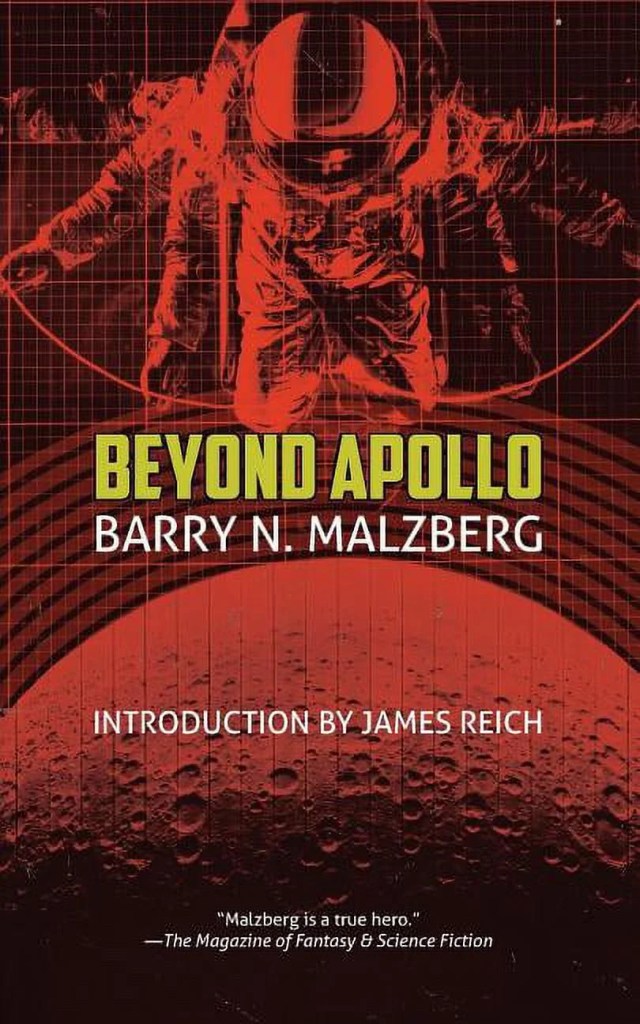
Malzberg often explored themes of alienation, paranoia, and the breakdown of communication. His characters are frequently trapped in bureaucratic nightmares, struggling against forces they can’t understand or control. He had a particular fascination with the inner lives of astronauts, as seen in Beyond Apollo (1972), perhaps his most famous work. This novel, told from the perspective of a psychologically unstable astronaut returning from a disastrous mission to Venus, is a masterpiece of unreliable narration and existential dread. It won the first John W. Campbell Memorial Award for Best Science Fiction Novel.
Another recurring theme in his work is the nature of reality itself. Novels like Herovit’s World (1973) and Galaxies (1975) blur the lines between fiction and reality, questioning the very act of storytelling. He frequently employed metafictional techniques, drawing attention to the artificiality of narrative and the author’s role in creating it.

His collaborations, particularly those with Bill Pronzini, produced a series of anthologies and collections like “Problems Solved” (2003) and “On Account of Darkness” (2004). These books demonstrate Malzberg’s versatility and his willingness to experiment with different formats and genres.
Beyond his fiction, Malzberg was also a prolific essayist and critic. His non-fiction works, such as The Engines of the Night: Science Fiction in the Eighties (1982), offer insightful and often provocative commentary on the science fiction field. He wasn’t afraid to challenge conventional wisdom or to criticize even the most revered figures in the genre.
His work wasn’t always easy to digest. It could be bleak, challenging, and even confrontational. But it was always intelligent, thought-provoking, and deeply human. He had a knack for exposing the anxieties and uncertainties of modern life, using the tools of science fiction to create powerful and unsettling allegories.
For those new to Malzberg, his extensive bibliography can be intimidating. So, here are five novels I’d recommend as a starting point:
* Beyond Apollo (1972): As I mentioned, this is his most famous work and a great introduction to his style. It’s a psychological thriller wrapped in a science fiction shell, exploring themes of guilt, madness, and the nature of heroism.
* Herovit’s World (1973): This novel is a mind-bending exploration of reality and fiction. It’s a metafictional tour-de-force that will leave you questioning everything you thought you knew about storytelling.
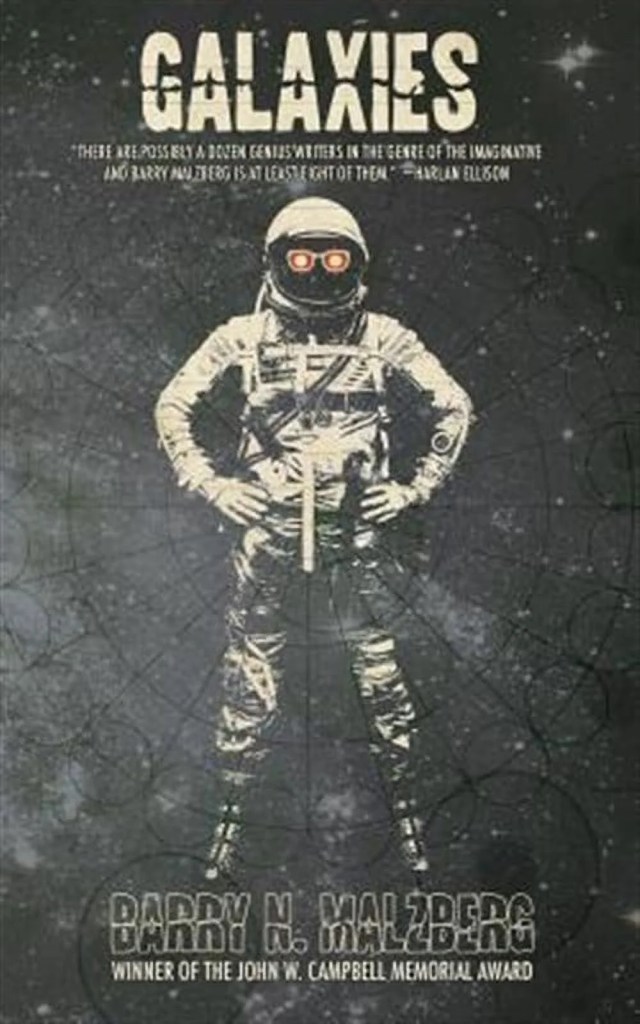
* Galaxies (1975): Another metafictional gem, Galaxies is a fragmented and experimental novel that explores the themes of memory, identity, and the nature of time.
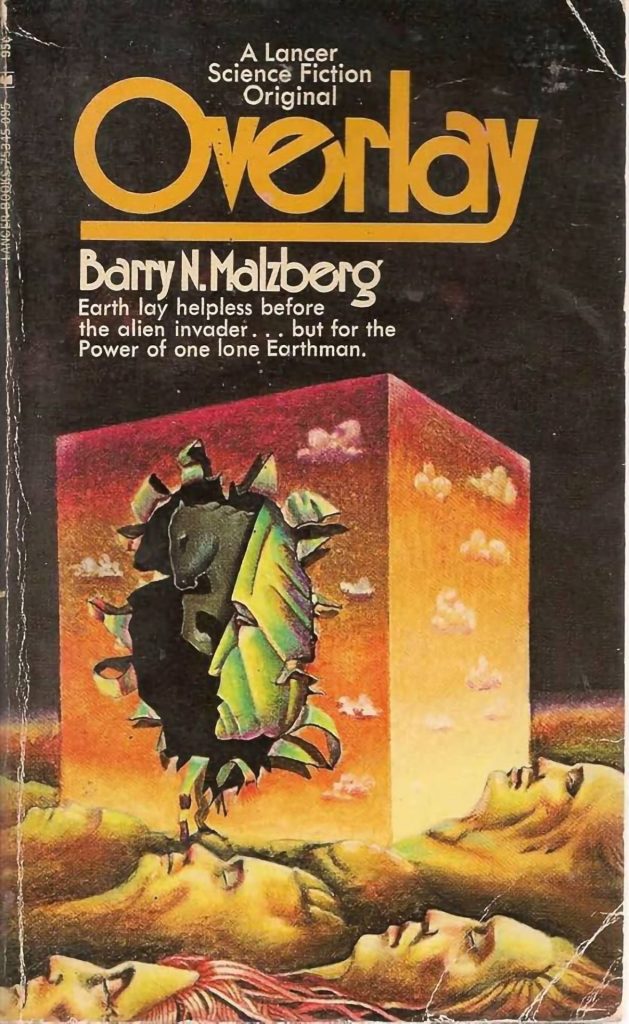
* Overlay (1972): A darkly satirical novel following four gamblers at racetracks who find themselves manipulated by an alien narrator working for “the Bureau.” The alien deliberately provides bad betting advice, ultimately compelling them toward an act of terrorism at the Belmont Stakes. Through this bizarre premise, Malzberg expertly explores themes of bureaucratic incompetence, self-destruction, and the fundamental flaws shared by both humans and their extraterrestrial manipulators. The novel showcases Malzberg’s signature blend of psychological insight and genre subversion, making it a distinctive entry in his bibliography.
* The Falling Astronauts (1971): The first installment in Malzberg’s acclaimed astronaut trilogy, this novel follows Richard Martin, a former astronaut whose career ended in crisis during an Apollo mission. Now serving as a press liaison for a subsequent space mission, Martin struggles with his new role while watching his marriage crumble under the weight of the space program’s demands. The novel masterfully deconstructs the heroic astronaut mythology, exposing the harsh reality behind the public facade. Through Martin’s story, Malzberg examines the dehumanizing effects of the space program and the toll it takes on both the astronauts and their families.
These five novels offer a good overview of Malzberg’s key themes and stylistic approaches. They’re challenging reads, but they’re also incredibly rewarding.
Coda
Barry N. Malzberg’s passing leaves a significant void in the science fiction world. He was a unique and vital voice, a writer who wasn’t afraid to push boundaries and challenge conventions. His work has had a profound impact on me, shaping my understanding of the genre and inspiring me to explore its darker and more experimental corners. I will miss his sharp wit, his uncompromising vision, and his profound insights into the human condition. His books will remain, though, a testament to his unique genius, waiting to unsettle and enlighten new generations of readers. He may be gone, but his work, thankfully, endures.
Discover more from Fear Planet
Subscribe to get the latest posts sent to your email.
