
Sci-Fi Gets Weird: When Spaceships Weren’t Enough
Alright, you Fear Planet denizens, prime your hyperdrives. We’re plunging headfirst into a period of science fiction that threw out the ray guns (mostly), traded in the square-jawed heroes for introspective anti-heroes, and generally decided that outer space was less interesting than inner space. I’m talking, of course, about the New Wave of science fiction. If the Golden Age was sci-fi’s adolescence, the New Wave was its rebellious, experimental, and sometimes downright psychedelic college years.
Before We Get Trippy: A Quick Stop at the Pre-Golden Age
Before we launch into the New Wave, it’s crucial to acknowledge the era that directly preceded the Golden Age: the pre-Golden Age, often referred to as the Pulp Era. This period, roughly spanning the 1920s and 1930s, saw science fiction emerge from its infancy, largely within the pages of pulp magazines like Amazing Stories, Wonder Stories, and Astounding Stories.
While these stories were full of imaginative concepts—ray guns, rocket ships, alien invasions, and mad scientists galore—they often lacked literary polish and scientific rigor. Plots were often simplistic, characters were two-dimensional, and the science was, shall we say, “flexible.” However, this era was vital in establishing the foundations of the genre, introducing many of the tropes and themes that would be further developed in later years. Think of it as the raw, unfiltered energy that would eventually be refined and focused by the Golden Age.
What the Heck Was the New Wave, Anyway?
The New Wave, emerging in the 1960s and continuing into the 1970s, was a reaction against what some perceived as the stale conventions of traditional science fiction. Writers felt that the genre had become too focused on technological hardware and outer space adventures, neglecting inner exploration and social commentary. They sought to inject new life into science fiction by experimenting with narrative techniques, exploring taboo subjects, and drawing inspiration from other literary movements, such as the French nouveau roman and the Beat Generation.
Think of it this way: Golden Age sci-fi was about exploring the vastness of the universe; the New Wave was about exploring the vastness of the human mind.
Key Characteristics: When Sci-Fi Got Its Groove On
Several defining characteristics mark the New Wave:
* Emphasis on Style and Experimentation: New Wave writers were less concerned with scientific accuracy and more interested in exploring new forms of storytelling. They experimented with stream-of-consciousness narration, nonlinear timelines, and fragmented narratives.
* Focus on Inner Space: Instead of focusing solely on outer space exploration, the New Wave delved into the inner landscapes of the human psyche. Stories often explored themes of consciousness, identity, and the impact of technology on the human mind.
* Social and Political Commentary: The New Wave was deeply engaged with the social and political issues of the time, including the Vietnam War, the Cold War, the rise of counterculture movements, and the growing awareness of environmental concerns.
* Influence of Other Genres: New Wave writers drew inspiration from a wide range of other genres, including literary fiction, surrealism, and horror, blurring the lines between science fiction and other forms of literature.
* Pessimistic and Dystopian Visions: In contrast to the generally optimistic outlook of the Golden Age, the New Wave often presented darker, more pessimistic visions of the future, reflecting the anxieties and uncertainties of the era.
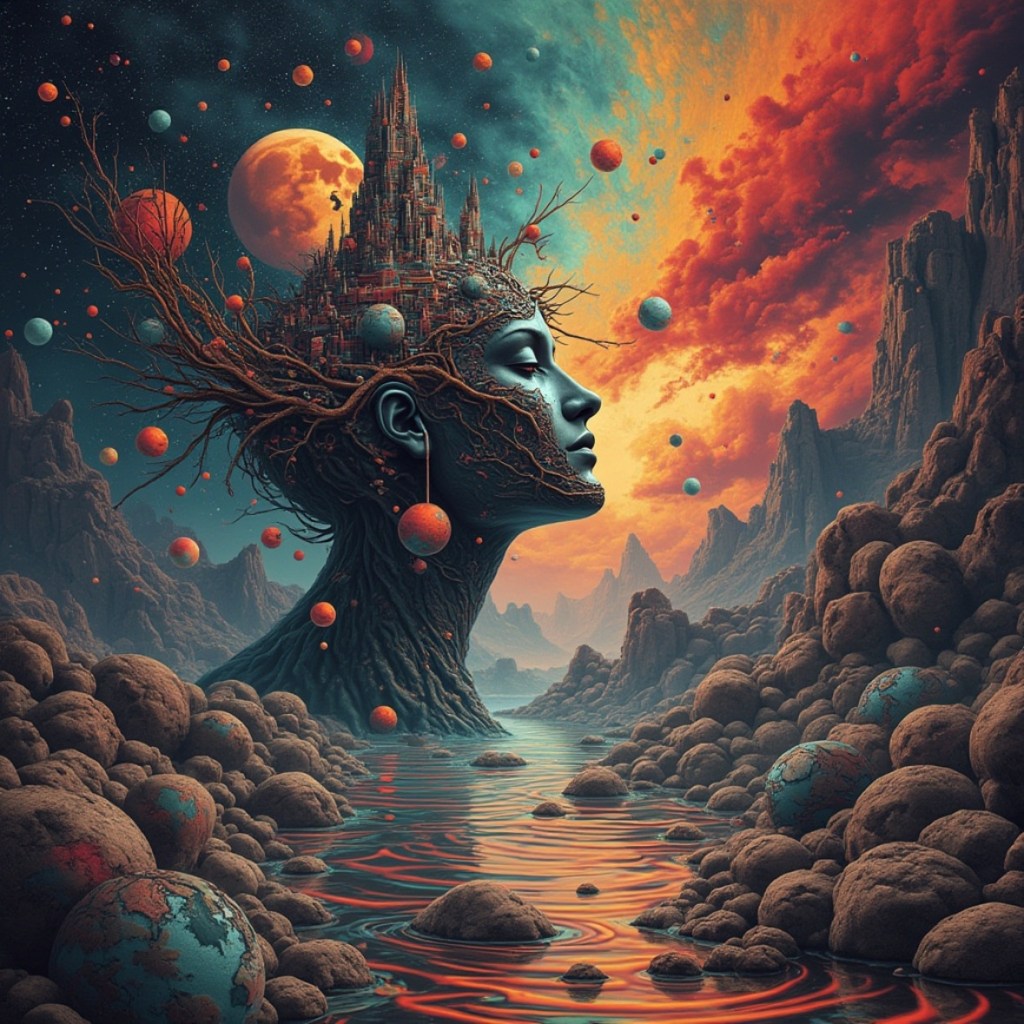
The Renegades: Writers Who Shook Things Up
The New Wave was driven by a group of innovative and often controversial writers who challenged the established norms of science fiction. Here are a few key figures:
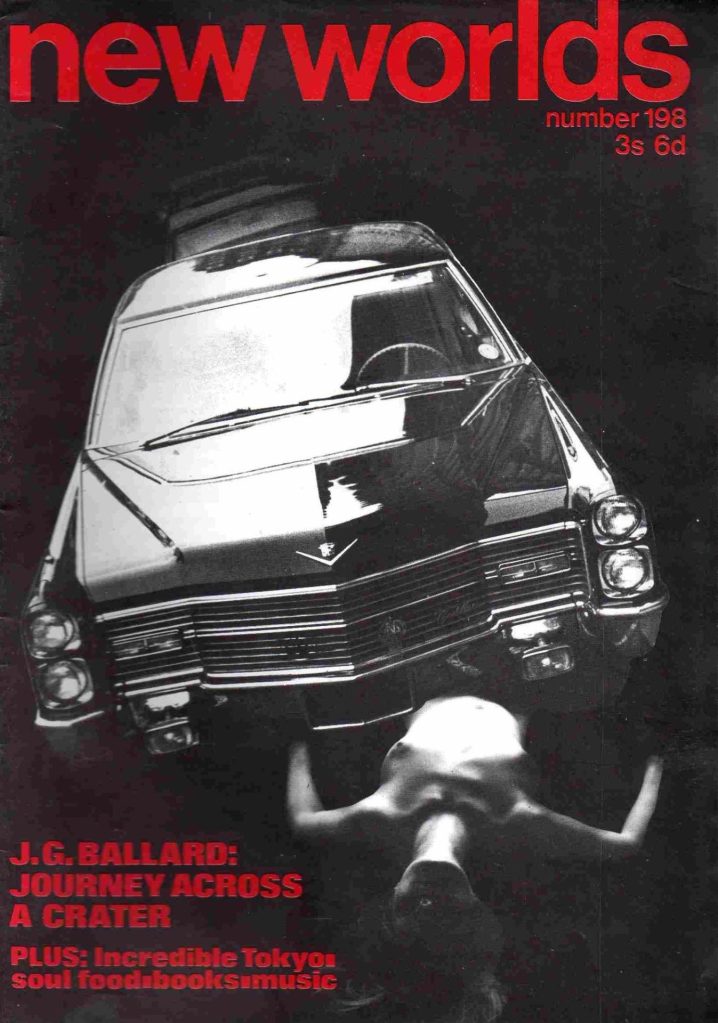
* J.G. Ballard: A master of dystopian and surreal fiction, Ballard explored the psychological impact of technology and urban environments. His works, such as Crash and High-Rise, are known for their unsettling imagery and exploration of the dark side of human nature.
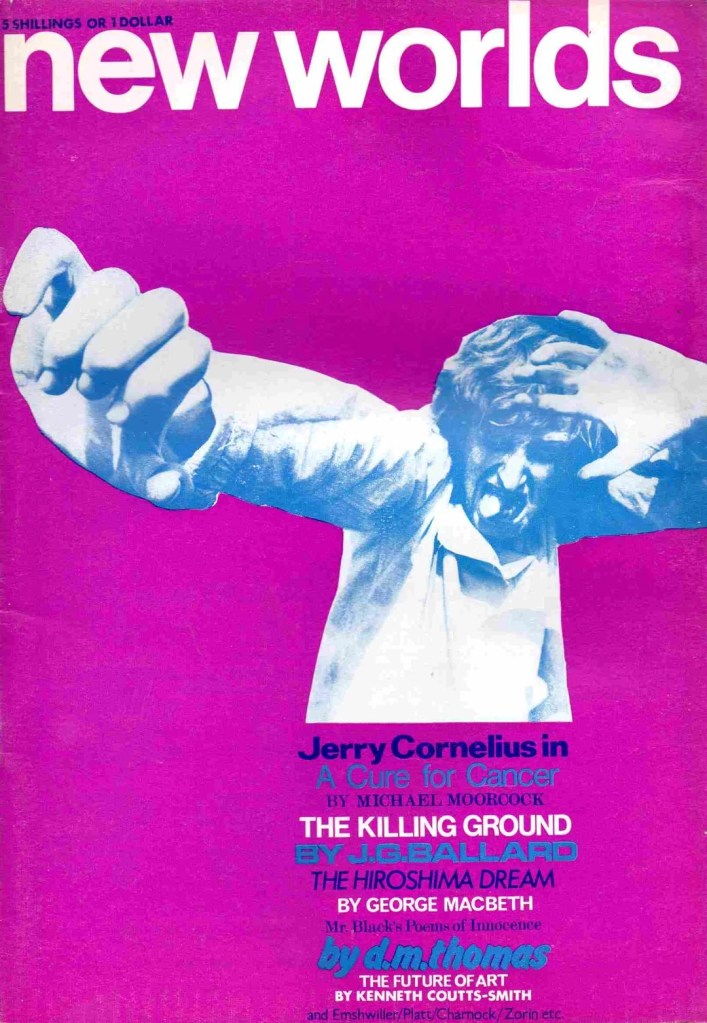
* Michael Moorcock: As editor of the British science fiction magazine New Worlds, Moorcock played a crucial role in promoting the New Wave. He also wrote his own influential works, such as Behold The Man and the Jerry Cornelius stories, which often blended fantasy and science fiction elements.
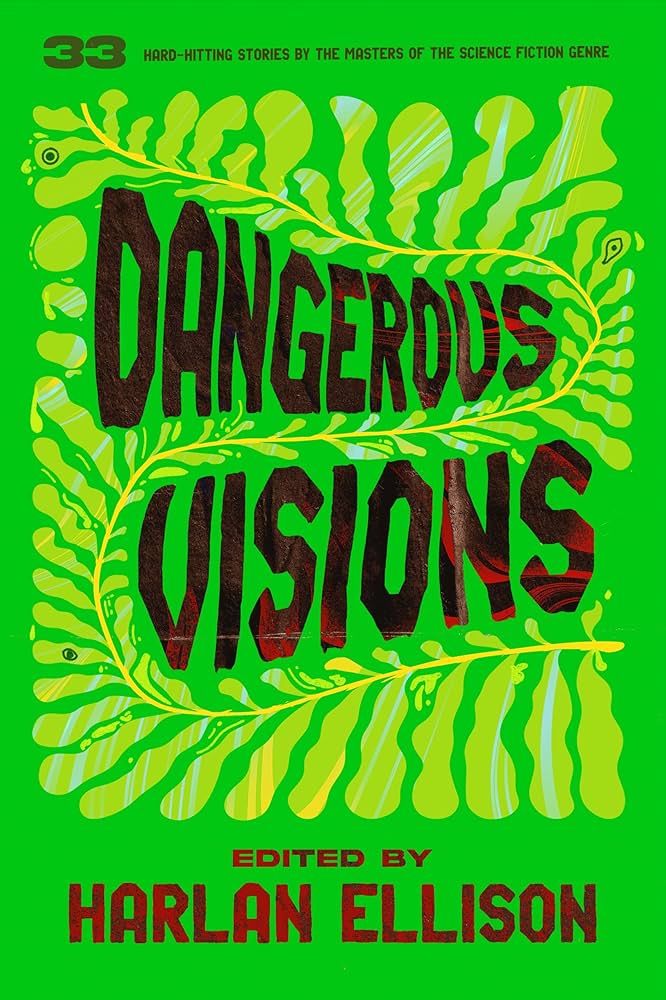
* Harlan Ellison: Known for his confrontational style and willingness to push boundaries, Ellison wrote a wide range of short stories that explored controversial themes and challenged conventional narrative structures. His anthology Dangerous Visions is considered a landmark of the New Wave.
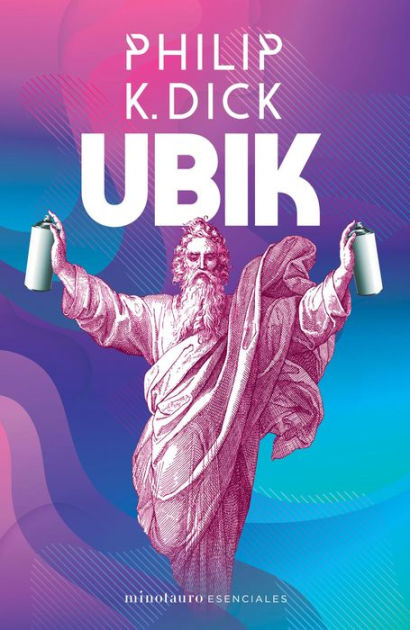
* Philip K. Dick: While not strictly a New Wave writer, Dick’s work, with its focus on paranoia, altered states of consciousness, and the blurring of reality and illusion, resonated strongly with the movement. His novels, such as Do Androids Dream of Electric Sheep? and Ubik, explored the nature of reality and the human condition in a rapidly changing world.
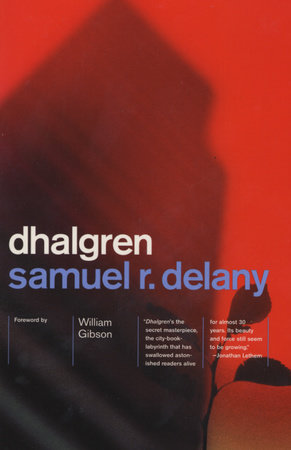
* Samuel R. Delany: Delany brought a new level of literary sophistication and social awareness to science fiction, exploring themes of race, sexuality, and identity in his complex and often experimental novels, such as Nova and Dhalgren.


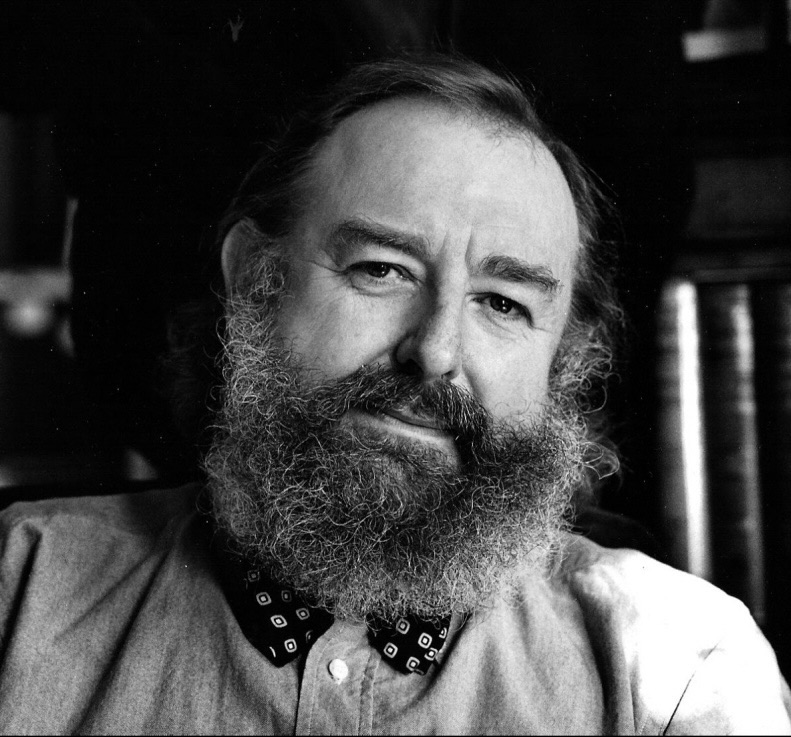


New Worlds: The Epicenter of the New Wave
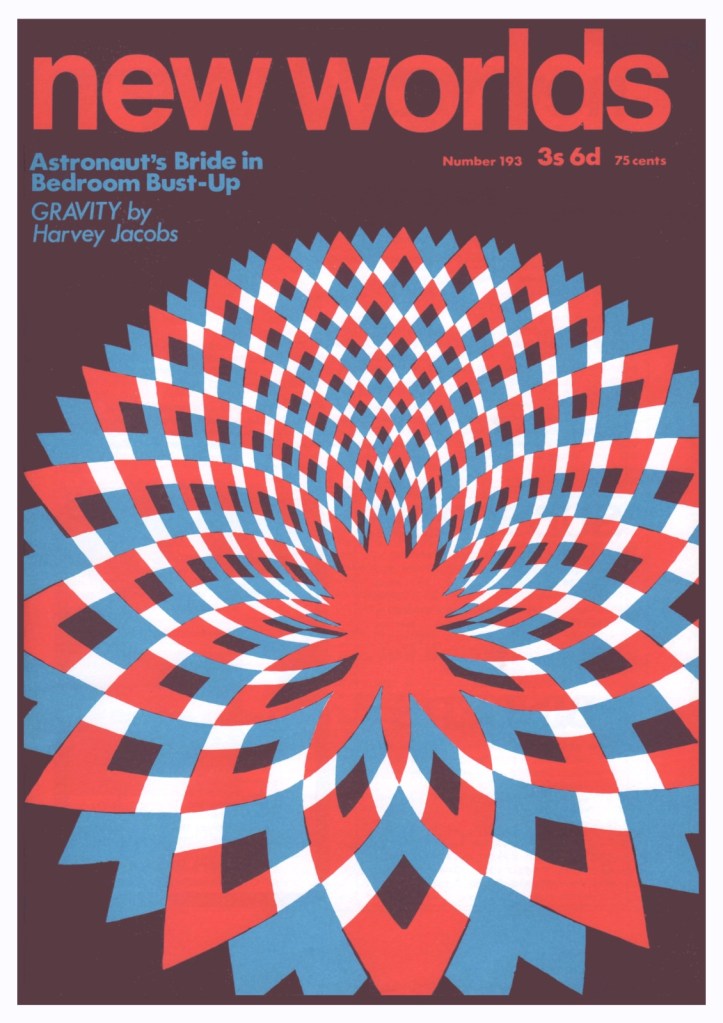
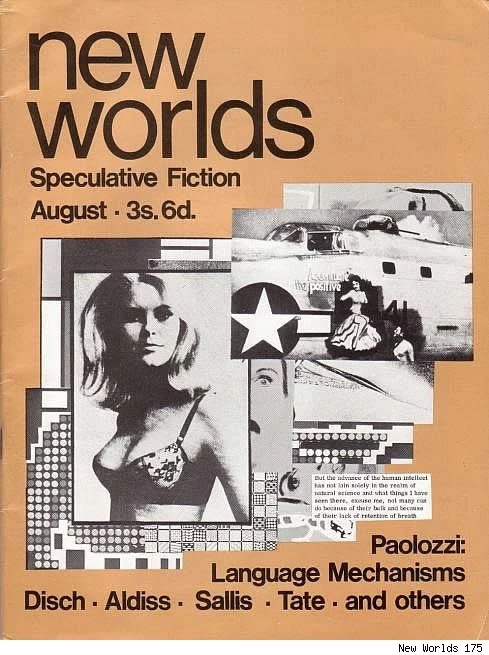
The British science fiction magazine New Worlds, under the editorship of Michael Moorcock, became the central hub for the New Wave. Moorcock encouraged writers to experiment with new forms and push the boundaries of the genre, publishing works that were often controversial and challenged conventional notions of what science fiction could be. New Worlds became a lightning rod for debate, attracting both praise and criticism for its radical approach.
Did The New Wave Actually Work?
The New Wave had a profound and lasting impact on science fiction. It broadened the scope of the genre, introducing new themes, styles, and perspectives. It challenged the dominance of hard science fiction and opened up space for more literary and experimental approaches. While some critics argued that the New Wave abandoned the core elements of science fiction, its influence can be seen in much of the science fiction that followed.
It paved the way for cyberpunk, biopunk, and other subgenres that explored the intersection of technology and culture in complex and nuanced ways. It also helped to bring science fiction into the literary mainstream, attracting the attention of critics and academics who had previously dismissed the genre as mere pulp entertainment.
Where to Start Your New Wave Trip
If you’re ready to take a trip down the New Wave rabbit hole, here are a few recommended starting points:
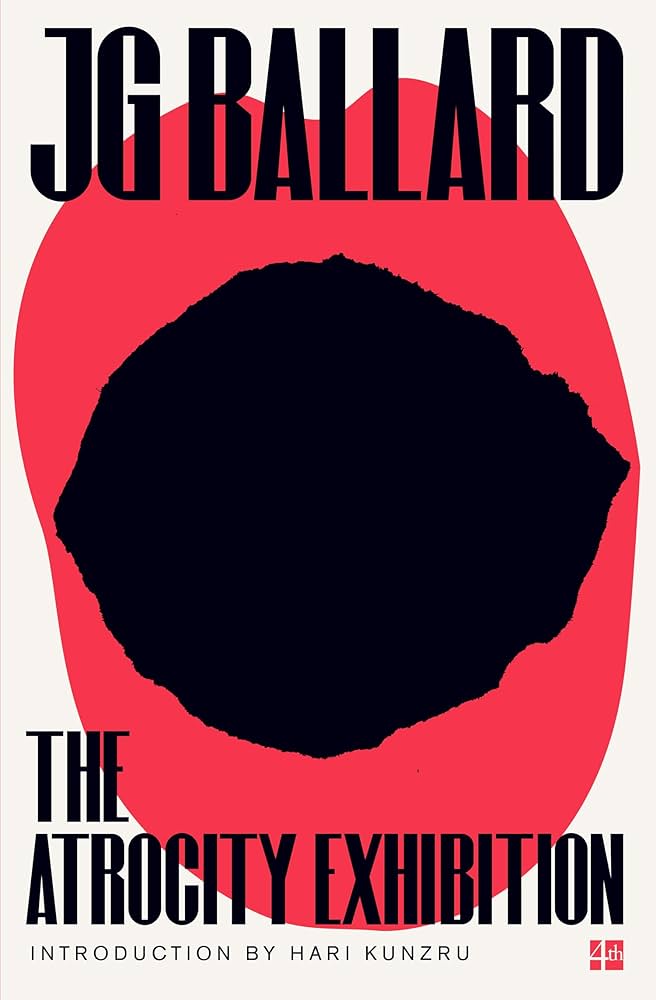
* J.G. Ballard’s The Atrocity Exhibition: A fragmented and disturbing exploration of media, violence, and technology.
* Harlan Ellison’s Dangerous Visions: An anthology of groundbreaking and often controversial stories.
* Philip K. Dick’s Ubik: A mind-bending exploration of reality, perception, and the nature of consciousness.
* Samuel R. Delany’s Dhalgren: A complex and experimental novel set in a decaying American city.
So, Was It All Worth It?
The New Wave was a turbulent and transformative period in the history of science fiction. It challenged conventions, pushed boundaries, and ultimately expanded the possibilities of the genre. While it may not be everyone’s cup of tea (or space tea, as it were), its influence is undeniable. It reminded us that science fiction can be more than just spaceships and aliens; it can be a powerful tool for exploring the human condition and grappling with the complex issues of our time. And sometimes, it can just be gloriously, wonderfully weird.
*Thanks for reading, Fear Planet denizens! If you want to revisit, save, highlight, and recall this article, we recommend you try out READWISE, our favorite reading management and knowledge retention app. All readers of Fear Planet automatically get a 60-day free trial.
This post was blasted into the social media stratosphere by HopperHQ, the best social media manager out there.
*This post contains affiliate links. Purchasing through them will help support Fear Planet at no extra cost to our readers. For more information, read our affiliate policy.
Discover more from Fear Planet
Subscribe to get the latest posts sent to your email.

Comments are closed.