

Okay, let’s talk cyberpunk.
Now, I know what you’re thinking: “Cyberpunk is dead. It’s been done to death.” But hear me out. While the neon-drenched, chrome-plated aesthetic might be a bit played out (though I still have a soft spot for it, don’t judge), the ideas that William Gibson birthed in Neuromancer are still absolutely electrifying. This book, published way back in 1984, wasn’t just a cool story – it was a cultural earthquake. It predicted the rise of the internet, artificial intelligence, and the blurring of lines between the physical and digital worlds with a chilling accuracy that still blows my mind.
And its influence on cinema? Let’s just say it’s undeniable.
The Matrix: The Obvious One (But Still Brilliant)

Look, we can’t talk about cyberpunk cinema without acknowledging The Matrix. It’s the most iconic example of Neuromancer’s impact, a breathtaking visual masterpiece that took Gibson’s ideas and exploded them onto the big screen. The Wachowskis masterfully translated the concept of “jacking in” to the virtual world, creating a mind-bending experience that resonated with audiences on a visceral level. Keanu Reeves as Neo, the reluctant messiah figure, perfectly embodies the cyberpunk hero – a loner with a troubled past thrust into a world of conspiracies and shadowy corporations.

The Matrix isn’t just a slick action movie. It’s a philosophical exploration of reality, questioning our perceptions and challenging us to think critically about the world around us. And let’s be honest, who hasn’t pondered the possibility of a simulated reality after seeing that iconic red pill/blue pill scene?
Blade Runner 2049: Modern Cyberpunk Done Right

Now, the original Blade Runner predates Neuromancer, but its themes of artificial intelligence, societal decay, and the search for identity are deeply intertwined with Gibson’s vision. Deckard, the “blade runner” tasked with hunting down rogue replicants, grapples with existential questions about his own humanity, a central concern in many cyberpunk narratives. The film’s stunning visuals, a blend of gritty realism and futuristic aesthetics, have become synonymous with the cyberpunk genre itself.

The 2017 Sequel, Blade Runner 2049, explores the ethical implications of creating artificial life, a theme that echoes throughout cyberpunk literature and film. Are replicants sentient beings deserving of rights? Or are they simply tools, disposable commodities? These questions continue to resonate today as advancements in AI become increasingly sophisticated.
Ghost in the Shell: Where Anime Meets Cyberpunk

If you’re looking for a truly mind-bending cyberpunk experience, look no further than Ghost in the Shell. This anime masterpiece dives deep into the philosophical and social implications of a hyper-connected world. The Major, a cyborg police officer with a mysterious past, grapples with questions of identity, consciousness, and the nature of reality in a world where the lines between human and machine are blurred.
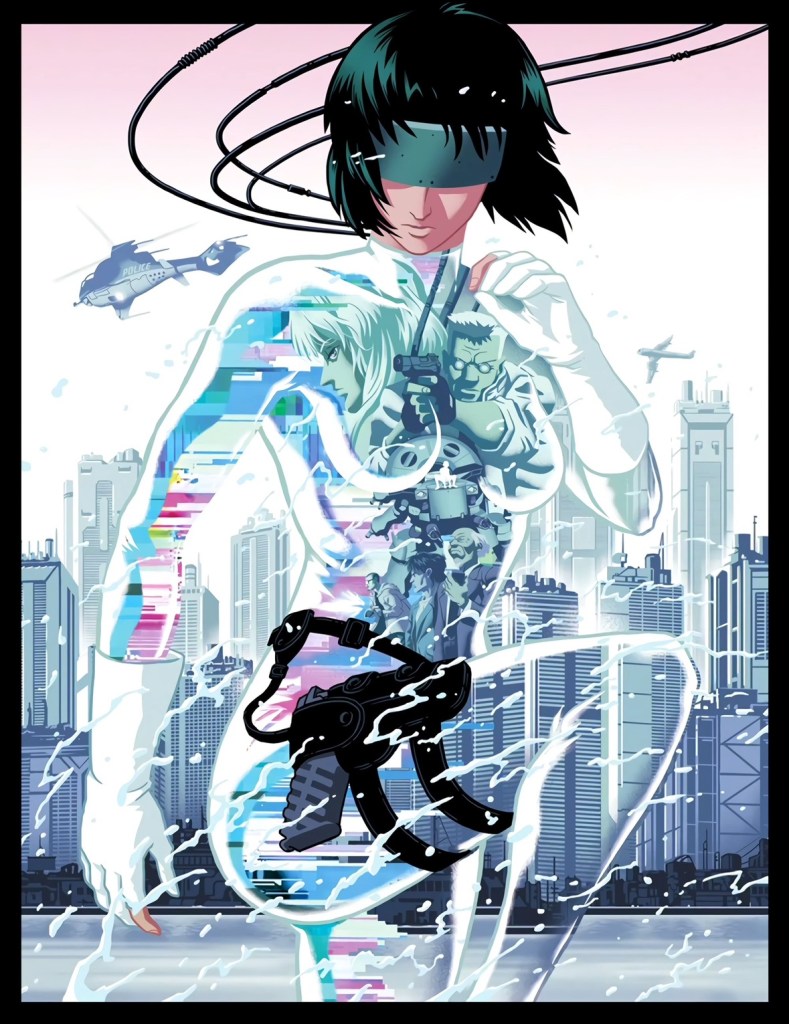
Ghost in the Shell is a visually stunning and intellectually stimulating film that explores themes of transhumanism, corporate control, and the very essence of what it means to be human. It’s a film that stays with you long after the credits roll, prompting you to question your own place in the rapidly evolving technological landscape.

Beyond the Blockbusters: Finding the Hidden Gems
While the big-budget blockbusters like The Matrix and Blade Runner are undeniable landmarks in cyberpunk cinema, there are many other films that deserve recognition for their unique interpretations of Gibson’s ideas.
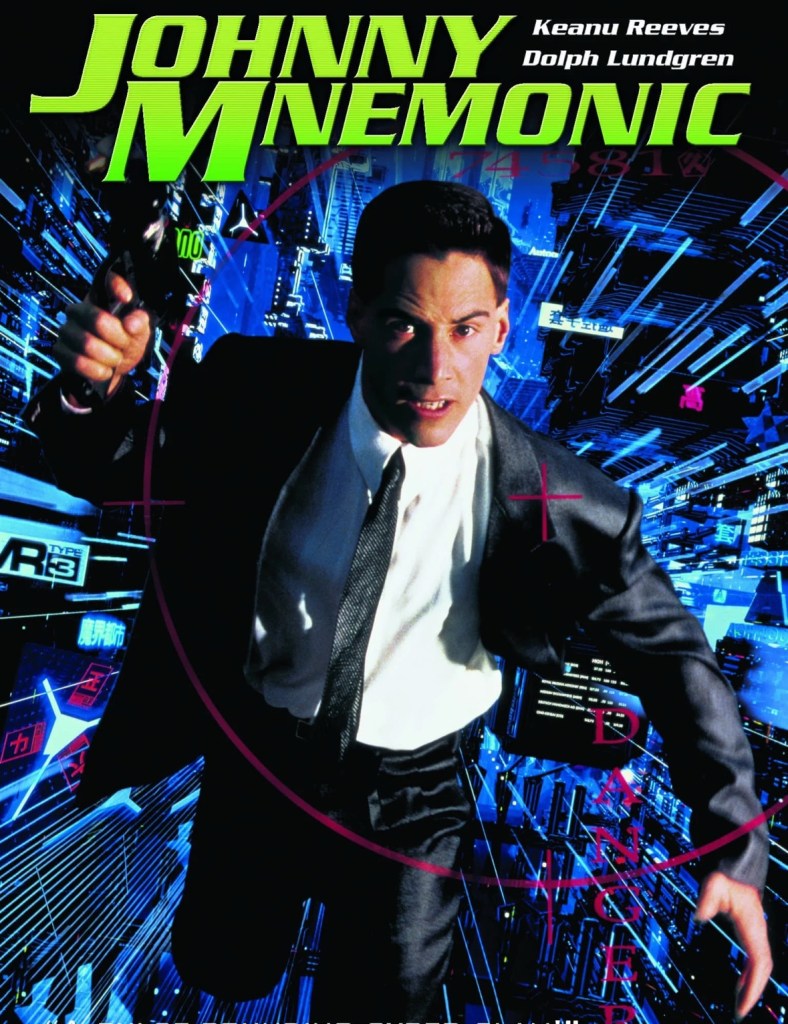
Johnny Mnemonic (1995): This film, starring Keanu Reeves once again, features a “data courier” who carries information directly in his brain. While it may not be a critical darling, it captures the seedy, cyberpunk atmosphere with its gritty visuals and cyberpunk-infused action sequences.
Akira (1988): This groundbreaking anime film, though not directly based on Neuromancer, shares many of its core themes, including the dangers of unchecked technological advancement and the struggle for individual freedom in a dystopian future.
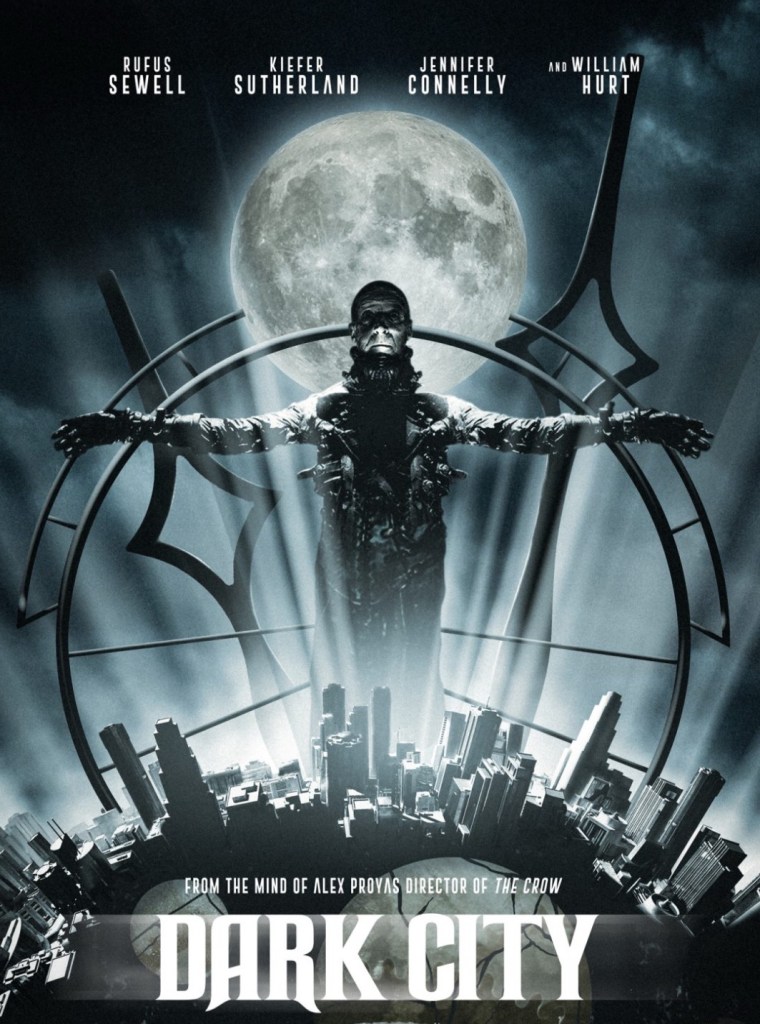
Dark City (1998): This visually stunning film explores themes of memory, identity, and the nature of reality, offering a unique and unsettling take on the cyberpunk aesthetic.

The Continuing Influence of Neuromancer
Even today, decades after its publication, Neuromancer continues to exert a profound influence on our culture. Its impact on cinema is undeniable, but its reach extends far beyond the silver screen. From video games like Deus Ex and Cyberpunk 2077 to popular music and fashion, the echoes of Gibson’s vision can be felt everywhere.
Neuromancer stands as a shining example of the power of the imagination. It’s also a reminder that the future is not predetermined, but rather a landscape shaped by our choices and our actions. And as we navigate the complexities of the digital age, the questions raised by Gibson’s groundbreaking novel remain as relevant as ever.
So the next time you’re watching a cyberpunk film, take a moment to appreciate the resonance of Neuromancer. And remember, the future is still being written.
What are your favorite cyberpunk films influenced by Neuromancer? Let me know in the comments below!

Discover more from Fear Planet
Subscribe to get the latest posts sent to your email.

Thanks for a great article! I’m only 100 pages into Neuromancer but I couldn’t resist searching for movies inspired by Gibson’s epic world-building. I agree enthusiastically with your choices and opinions, I suppose I’m going to have to play Deus Ex and Cyberpunk now too.
I wonder if Gibson and Iain M Banks influenced each other, the parallels seem strong to me. How often are we treated to a true world-builder who can nail plot, character, and tell a ripping yarn too?
Chris.
LikeLike
Thanks for reading, Chris! When researching films for this post I was actually surpirsed that I couldn’t find more examples. I guess there are lots of movies indirectly influenced by Gibson too.
Here’s a bit of blasphemy on my part: I’ve only read The Player of Games by Banks and nothing else, even though he’s a seminal force in SF. It’s something I hope to correct this year, and put some more of his Culture novels under my belt. If you can recommend some, that’d be great.
LikeLike