
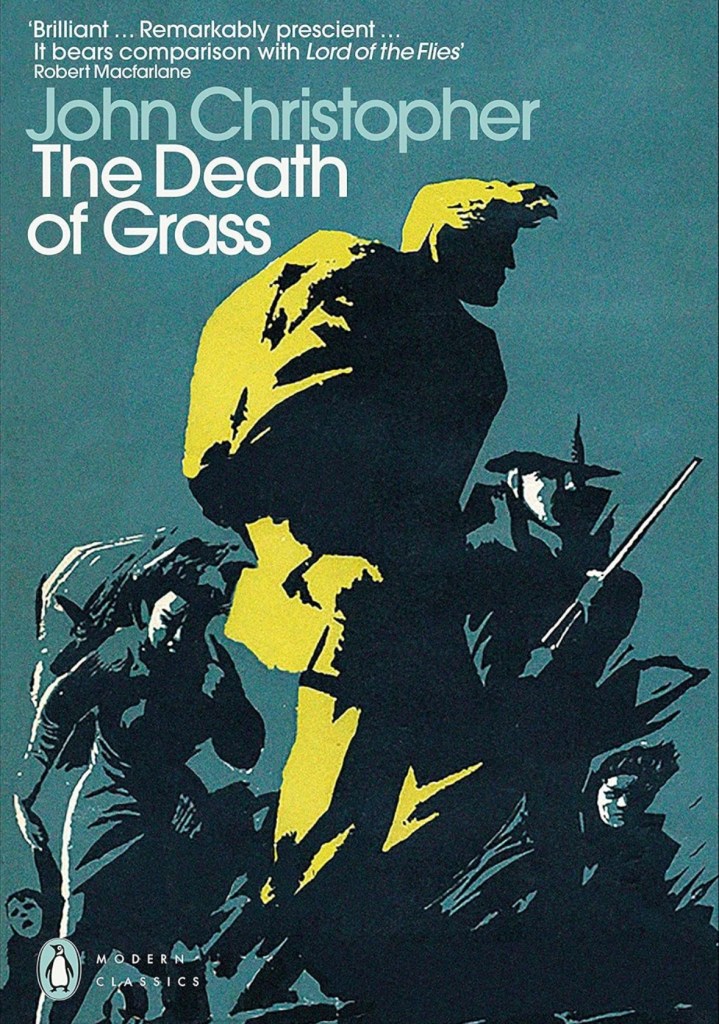
Every once in a while, I happen upon an old SF novel that doesn’t just entertain but shakes me to my core, forcing me to confront some hard truths about our world. John Christopher’s The Death of Grass is one of those books. Originally published in 1956, this dystopian classic is brutal, bleak, and alarmingly prescient. It’s not just another post-apocalyptic story, it’s a chilling parable about how civilization can unravel when the delicate balance of nature is destroyed.
Reading it for the first time was like watching a slow-motion car crash: I wanted to look away, but I couldn’t. The novel’s premise is how humanity crumbles when a mysterious virus wipes out grasses and crops isn’t just gripping; it feels frighteningly plausible in light of today’s ecological uncertainties. So, let’s step into the twisted world of The Death of Grass, explore its haunting narrative, and reflect on why this story still matters in modern times.
The Death of Grass: The Story
The novel begins innocently enough, introducing John Custance, the story’s everyman protagonist. John leads a comfortable, middle-class existence in post-war Britain with his wife Ann and their children. At first, the news reports about a mysterious virus decimating rice crops in Asia seem distant and tragic, but not something that will directly affect John’s insulated life.
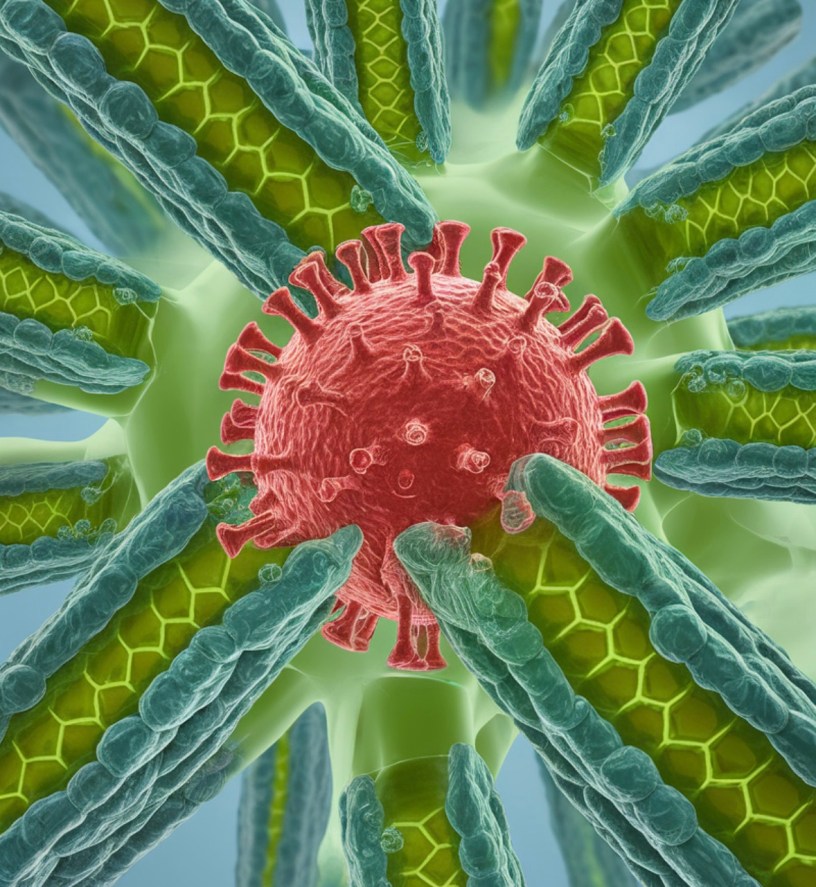
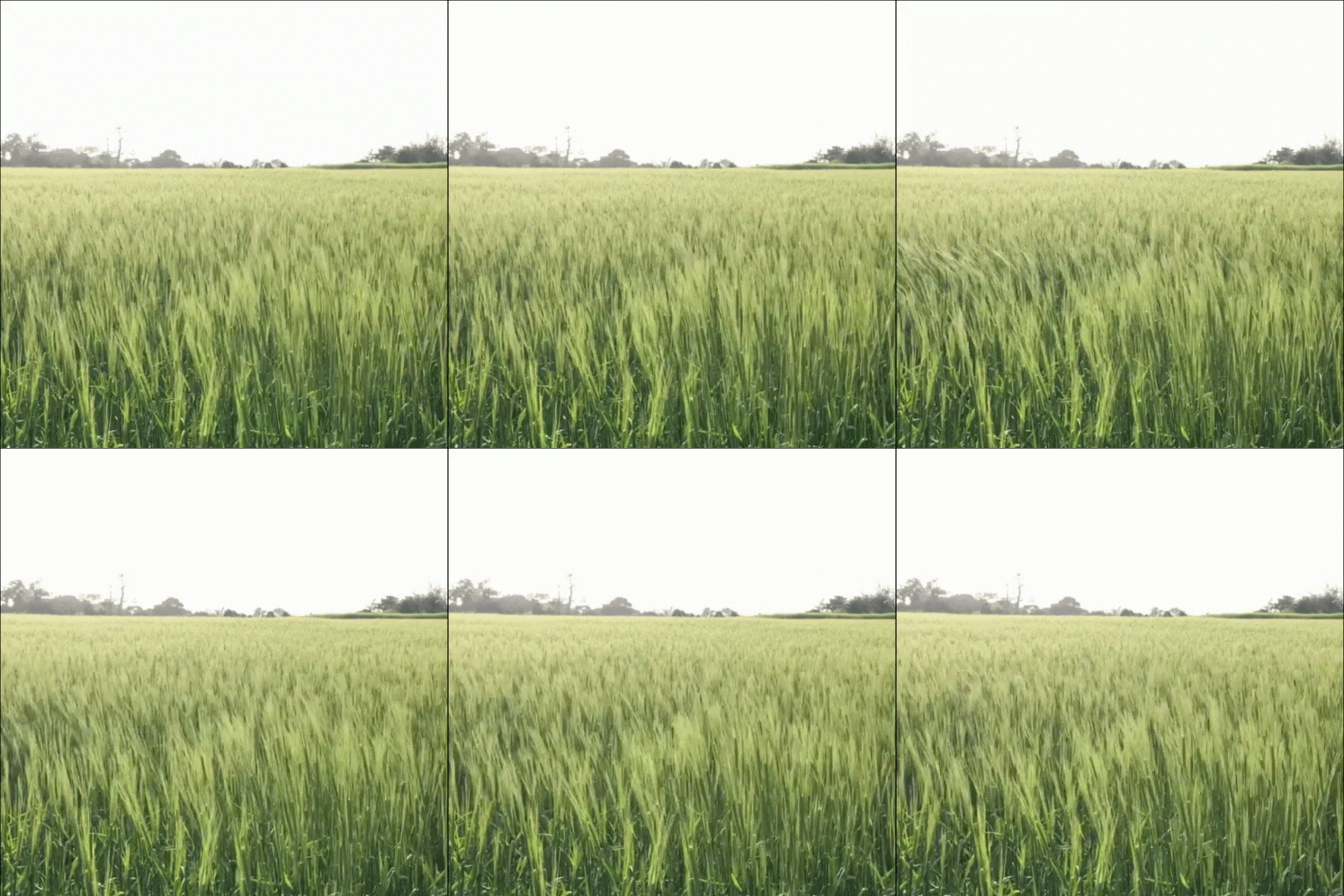
The virus, known as the Chung-Li virus, doesn’t stop with rice. It mutates and begins targeting all grasses: wheat, barley, rye, and even livestock feed. As staple crops vanish, the global food supply collapses. Governments scramble to contain the crisis, but it’s too much, too fast. Within months, entire nations are thrown into chaos.
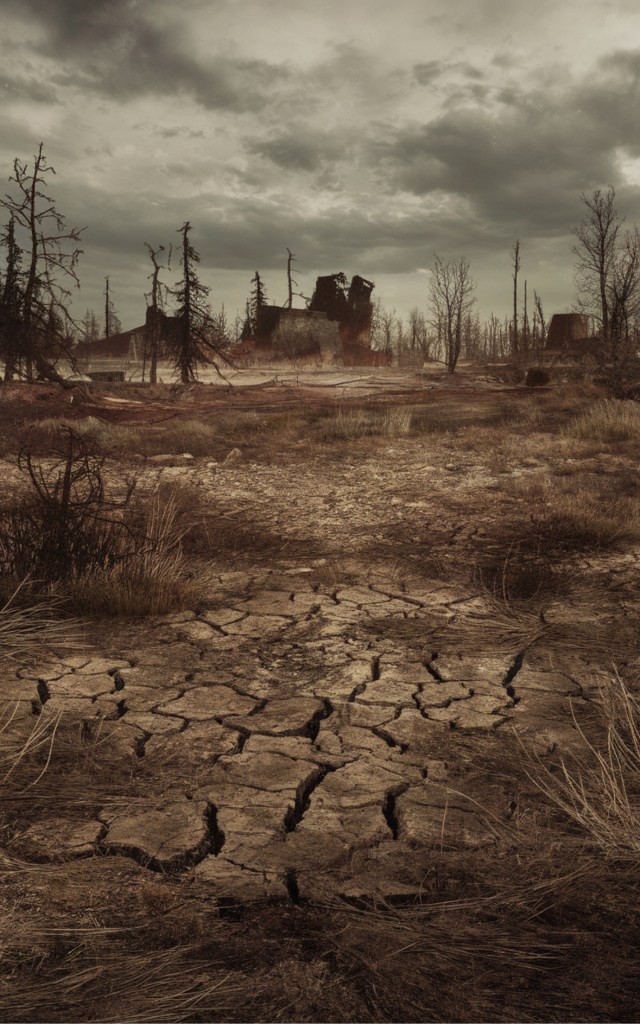
John and his family realize that their safe suburban life is no longer sustainable. Society begins collapsing around them: food shortages, rioting, and mass violence spread like wildfire. John’s brother, David, owns a remote potato farm in an isolated Westmorland valley called Blind Gill that’s naturally defensible due to its geography. The Custance family hopes this farm could become their sanctuary amid the chaos.
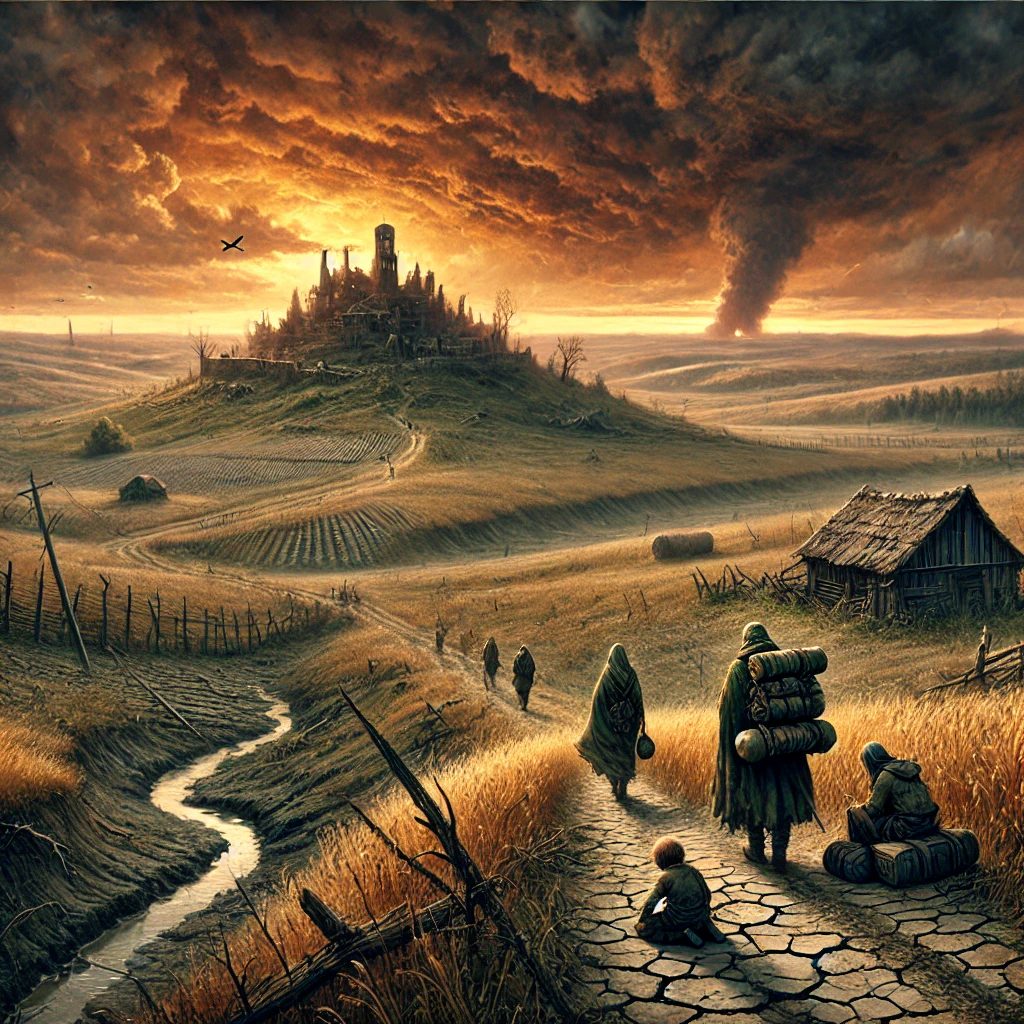
They set off on a desperate journey to David’s farm, joined by John’s best friend, Roger Buckley, and his wife. But the trip is far from straightforward. Along the way, their small group must reckon with the collapse of human morality. The further they travel, the more they must adapt to a world ruled by pure survival instinct. Families turn against each other, communities devolve into tribal warfare, and the veneer of civilization dissolves almost entirely.
By the time the survivors reach the farm, they have all changed, and not for the better. Violence, betrayal, and desperation have stripped them of their previous identities. What they find at the farm, too, is not at all what they expected. The novel’s conclusion leaves you questioning who the real enemy is – nature, or humanity itself.
Why The Death of Grass Feels Uncomfortably Real
Reading this book, I couldn’t help but think about how eerily plausible its premise is. A crop-killing virus doesn’t need to be the result of science fiction; it could be rooted in the all-too-real threats of climate change, monoculture farming, or even bioterrorism.
In the 21st century, we’ve seen glimpses of just how fragile our food systems are. Think of the locust swarms that devastated East Africa in 2020, the chronic droughts in California, or the unforeseen ripple effects of COVID-19 on global supply chains. We’re living on the edge of a knife, and The Death of Grass pushes that knife in deep.
The novel also feels relevant when considering the issue of biodiversity—or the lack thereof. Our modern agricultural systems rely heavily on a small number of staple crops, leaving them vulnerable to pests, diseases, and climate shifts. If a mutated fungus, virus, or bacteria wreaked havoc on, say, wheat or rice (which feed billions), we’d be staring down a global catastrophe.
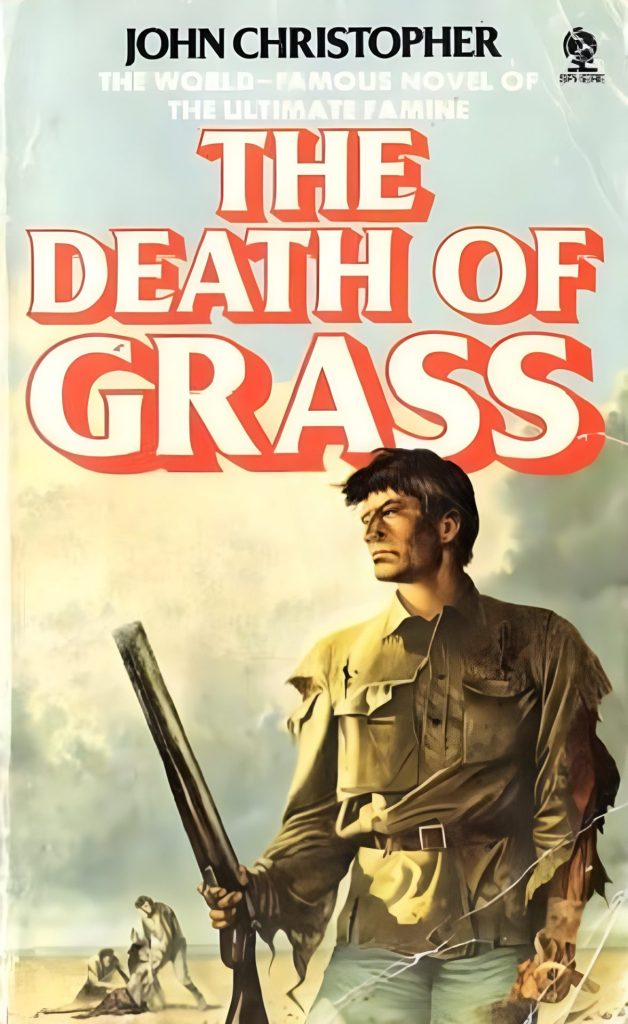
What makes Christopher’s vision so chilling is how quickly society collapses in the face of scarcity. In the novel, governments resort to planning the bombing of their own cities to control population and preserve resources. While that may seem extreme, history shows us that desperation leads to desperate measures. Think of food riots during economic recessions or the sheer panic that sets in when there’s a shortage of everyday goods. If toilet paper shortages could lead to brawls in grocery stores, imagine what widespread starvation would do.
The Most Shocking Scenes in The Death of Grass
Some moments in this novel are so horrifying that they’re seared into my memory. Here are a few of the most jaw-dropping:
1. The Government’s Plan for London
Early on, the British government develops an unthinkable plan to hydrogen bomb major cities including London to reduce the population and preserve dwindling food supplies. While Roger Buckley provides advance warning that allows the protagonists to escape before this plan is implemented, the cold calculation behind it showcases just how quickly order can turn into ruthless pragmatism.
2. The Murder of Innocent Farmers
When the group’s food supply runs out, they encounter a farming family peacefully eating breakfast. John orchestrates their murder, not in self-defense, but purely to steal their food. He justifies it with the chilling logic that “it was them or us.” The group then takes in the farmers’ teenage daughter, Jane, making her complicit in her own parents’ deaths.
3. Pirrie Shoots His Wife
One of the most shocking moments occurs when Millicent, the young wife of gun shop owner Pirrie, makes advances toward John during his watch duty. When Pirrie catches them kissing, he threatens to shoot her. Despite John’s attempts to intervene, Pirrie coldly asks if John concedes him “his rights” as a husband. Faced with Pirrie’s gun and the group’s dependence on his violent skills for survival, John horrifyingly nods his consent. Pirrie executes his wife on the spot, then takes Jane as his new bride.
4. The Mass Killing at the Road Block
The group encounters roadblocks controlled by armed men demanding payment for passage. When it becomes clear they’ll be robbed or killed, violence erupts. The group’s survival depends on their willingness to kill without hesitation—a moment that underscores how far they’ve fallen from their former morality.
5. The Confrontation at David’s Farm
The final chapters deliver the novel’s most gut-wrenching twist. When John’s group arrives at his brother David’s farm, they discover it’s full to capacity. David offers to let John and his immediate family enter, but refuses the rest of the group. John, feeling responsible for his followers and having evolved into a warlord, makes a devastating choice. He organizes a nighttime assault on the valley. In the violent battle that follows, both Pirrie and David are killed with David likely dying by John’s own bullet. John’s band takes the farm by force, and the novel ends with John contemplating building “a city” in the conquered valley.
What The Death of Grass Teaches Us
At its core, The Death of Grass is a cautionary tale about how humanity’s interconnected systems of agriculture, governance, morality are more fragile than we think. It forces us to ask: how would we behave if the systems we rely on were ripped away?
I also believe the novel warns us about the arrogance of believing we can control nature. In Christopher’s world, as in ours, we take the abundance of food for granted, assuming it’ll always be there. But as climate disasters, overpopulation, and ecological destruction remind us, Earth doesn’t owe us anything.
The book offers no comforting solutions; it isn’t a call to plant more crops or build more resilient food systems (though we should). Instead, it’s an unflinching look at human nature when stripped of resources and the moral compromises survival demands.
Could This Happen in the Real World?
Here’s the part that keeps me up at night: not only could The Death of Grass happen, but elements of it already are. Whether through disease, climate impacts, or political failures, the potential for catastrophic food shortages grows every year.
A key factor is climate change. Rising temperatures make crops more vulnerable to diseases and invasive species. For instance, wheat rust, a fungal disease, has been making a resurgence, threatening one of the world’s most vital crops.
Meanwhile, geopolitical tensions remind us how food can be weaponized. Grain blockades during times of war or sanctions already hint at how scarcity could create global instability. What’s terrifying is that a multi-breadbasket failure where two or more major agricultural regions experience simultaneous crop failures could send shockwaves through global markets, sparking a chain reaction like Christopher describes.
Final Thoughts
The Death of Grass is a warning we’d be wise to heed. What struck me most as I closed the book was this: the true horror wasn’t the Chung-Li virus but how quickly humanity unraveled in its wake and how even family bonds couldn’t survive when survival was at stake.
It’s a sober reminder that, beneath our technological advancements and social structures, we’re still animals fighting for survival. The novel shows us that in extreme circumstances, ordinary people become capable of extraordinary evil, justifying any action in the name of protecting those they love. That’s not a comforting thought, but it’s one worth considering as we face an uncertain environmental future.
So, if you haven’t read The Death of Grass, do yourself a favor: pick it up and let it challenge your worldview. At the very least, it might inspire you to plant a garden or think twice about how you treat the planet. After all, in Christopher’s world, and perhaps in ours, it’s not just the grass that dies; it’s the humanity we thought was unshakable.
Discover more from Fear Planet
Subscribe to get the latest posts sent to your email.
