

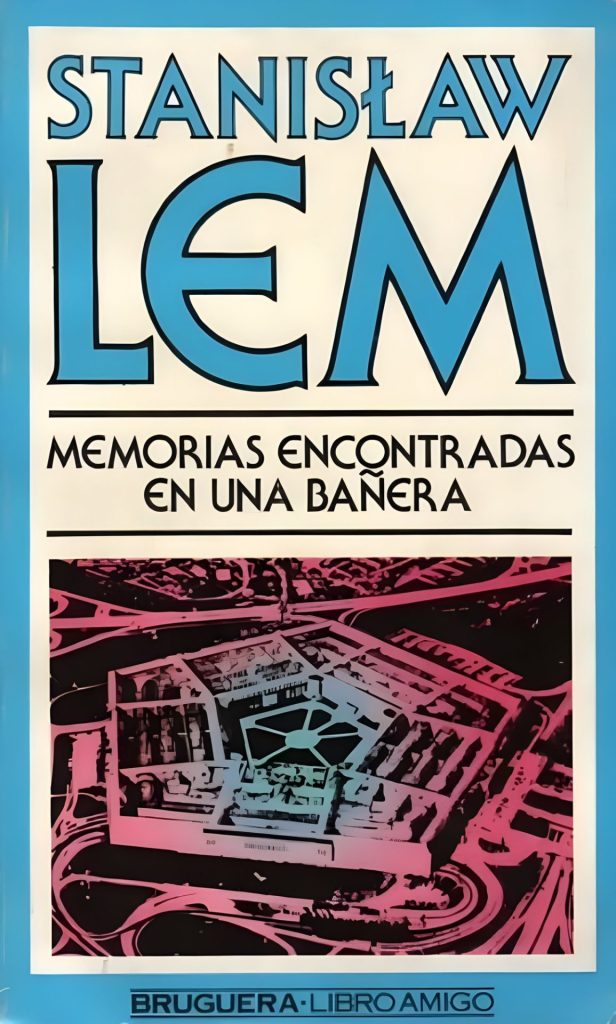
Hola, Fear Planet denizens. Today, I’m revisiting one of the most intricate and thought-provoking novels I’ve ever encountered: Memoirs Found in a Bathtub by the great SF master Stanisław Lem. This science fiction novel is a richly layered critique of bureaucracy, paranoia, and the eternal human quest for meaning. Reading it feels like exploring the labyrinthine corridors of some esoteric philosophy that only Lem (or Kafka) might fully comprehend, but its an enjoyable read nonetheless.
A World Where Paper is History
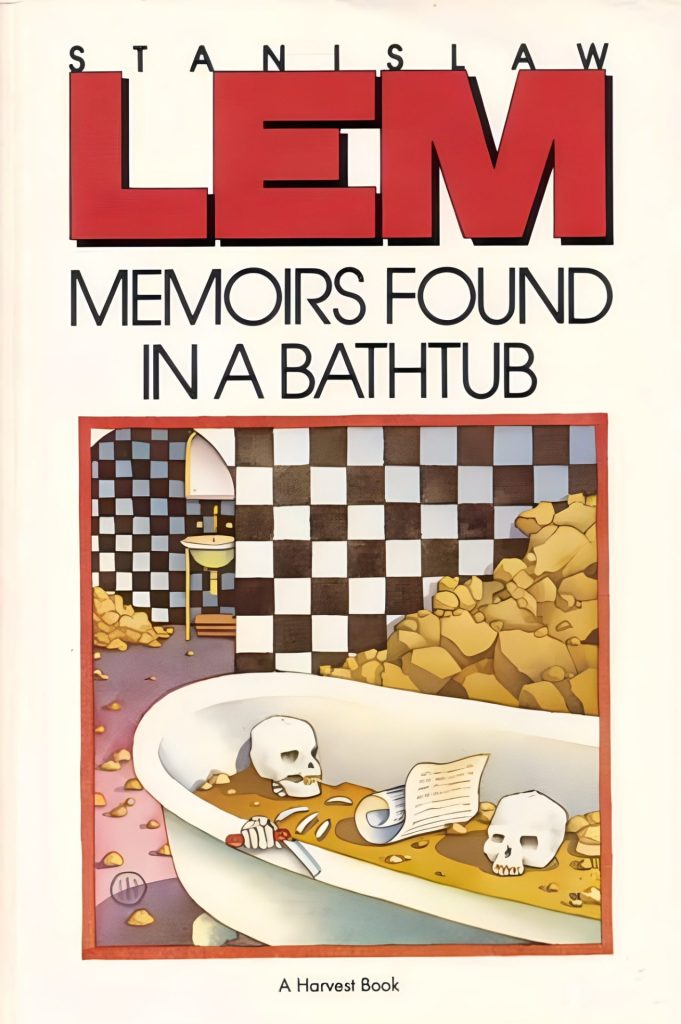
The novel’s premise transports us to a dystopian future where humanity has faced an apocalyptic event known as “papyrolysis,” a catastrophic eradication of all paper by a mysterious microbe. Imagine a world where books, documents, and all forms of paper documentation are obliterated, leading to the collapse of recorded history and civilization. In such a disoriented society, a manuscript from a bygone era—aptly found in a bathtub—emerges as a relic from the past.
This relic is our gateway to the novel’s core narrative. Discovered in the ruins of the “Third Pentagon,” a military complex submerged beneath what was once America (before the concept of “Ammer-Ka” became an enigma), the manuscript is a sardonic portrayal of bureaucratic excess and human folly. It’s a mixture of satire, dark humor, and profound philosophical inquiry.
Navigating the Kafkaesque Labyrinth
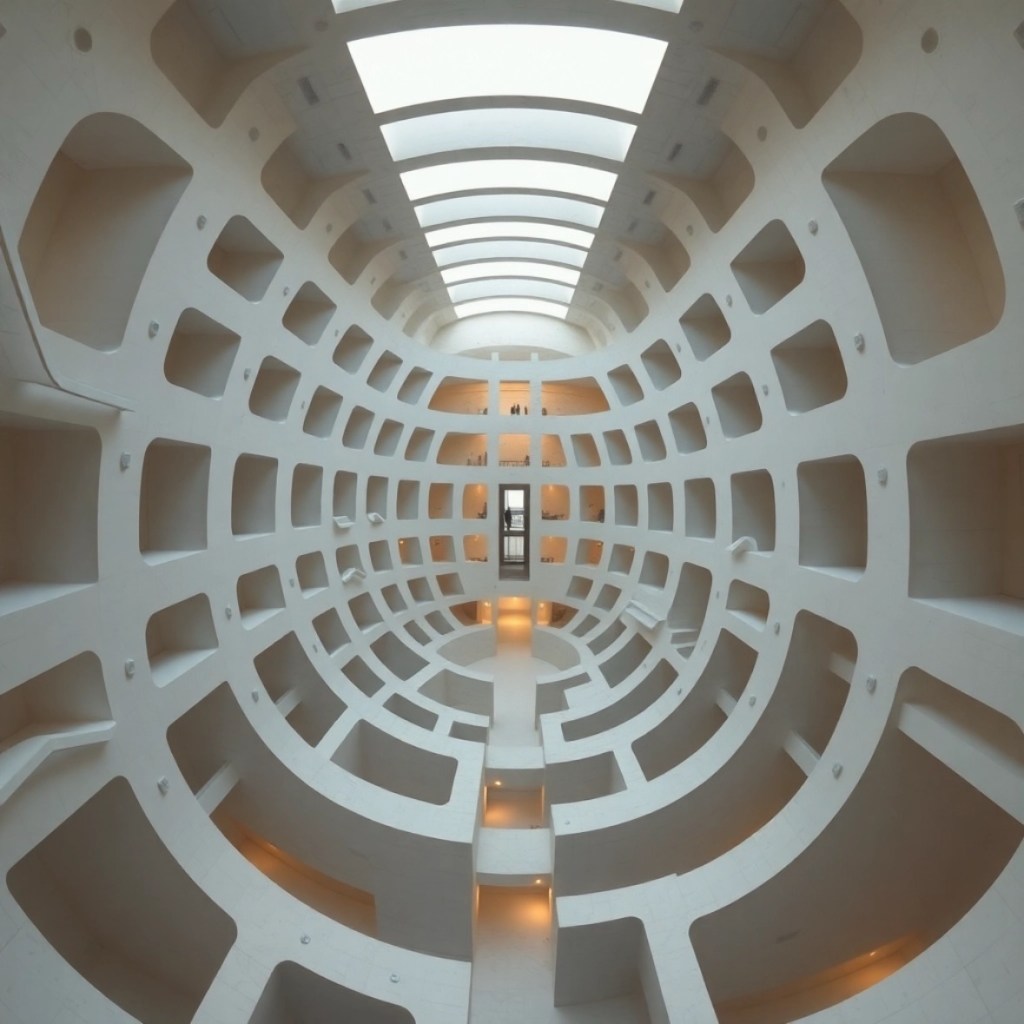
The central narrative is the diary of an unnamed protagonist trapped within “The Building,” an endless, windowless underground facility that functions as a caricature of bureaucratic and military intelligence operations. Our protagonist is assigned a “Mission,” but the details and purpose of this mission remain maddeningly obscure. Welcome to a world where clarity is elusive, and every direction leads deeper into confusion and chaos.
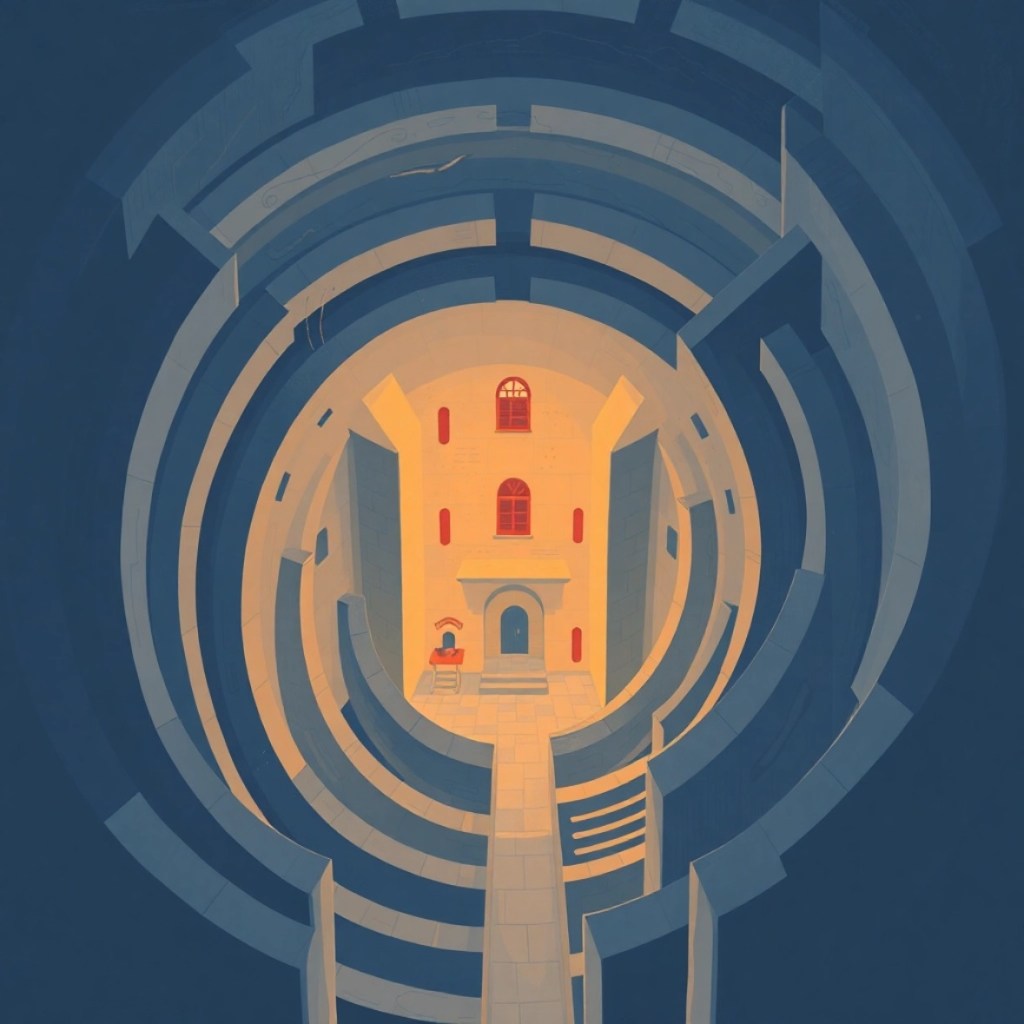
The Building is an overwhelming maze populated by spies, double agents, and paranoid bureaucrats, each more suspicious and secretive than the last. The protagonist’s journey is a desperate quest for understanding, undermined at every turn by the labyrinthine structure of The Building and the cryptic nature of those around him. Picture Kafka’s The Trial infused with absurdist humor and you get a hint of the disorienting experience Lem offers.
As the protagonist traverses the endless corridors and interacts with various characters, he becomes entangled in layers of deception and absurdity. Every conversation, every encounter adds to the confusion, reflecting his descent into paranoia and existential despair. The Building itself serves as a powerful metaphor for human existence—a closed system governed by meaningless rituals where individuals seek purpose in a sea of chaos.
Absurdity, Paranoia, and Existentialism: Thematic Deep Dive
Bureaucratic Absurdity
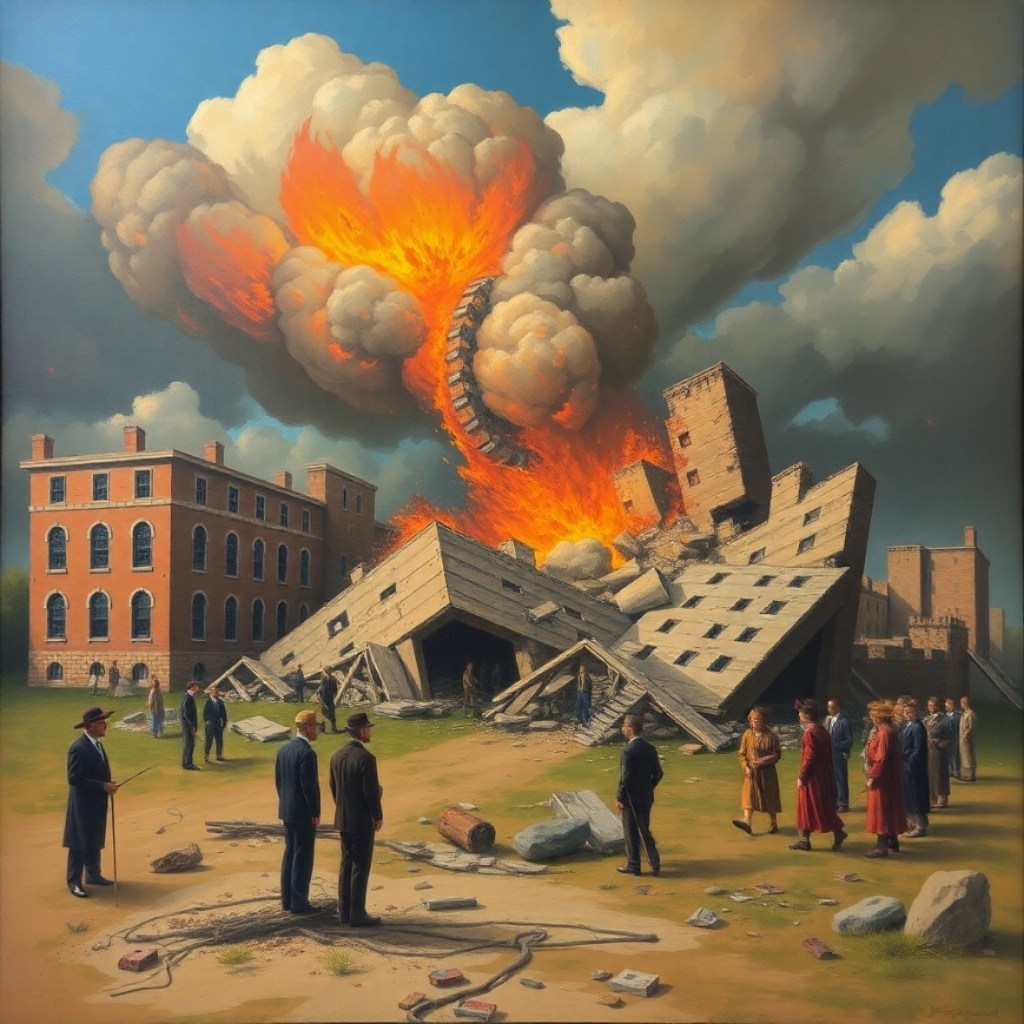
Lem skillfully uses The Building to satirize bureaucratic systems that prioritize procedures over substance. The protagonist’s interactions underscore a world where communication is obfuscated by jargon, codes, and layers of unnecessary complexity. It’s a brilliant critique that extends beyond Cold War-era intelligence agencies to encompass all hierarchical structures that dehumanize individuals.
In The Building, every action follows a predefined, convoluted protocol with no clear objective. It’s an environment where paperwork and regulations serve as ends in themselves, creating a stagnant, stifling atmosphere. The narrative mocks the inherent absurdity in such systems, where individuals become trapped in an endless loop of pointless activities.
Paranoia and Distrust
Paranoia pervades every aspect of life in The Building, making it a tangible character in the story. The protagonist can trust no one—not even himself. This relentless suspicion mirrors Lem’s own experiences under totalitarian regimes, where surveillance, secrecy, and ideological rigidity foster a climate of fear and paranoia.
Every encounter within The Building is laced with suspicion. Characters constantly probe for hidden motives, alliances, and betrayals. The protagonist’s descent into distrust reflects the systemic paranoia inherent in oppressive systems where individuals are monitored, manipulated, and coerced into conformity.
Existential Meaninglessness
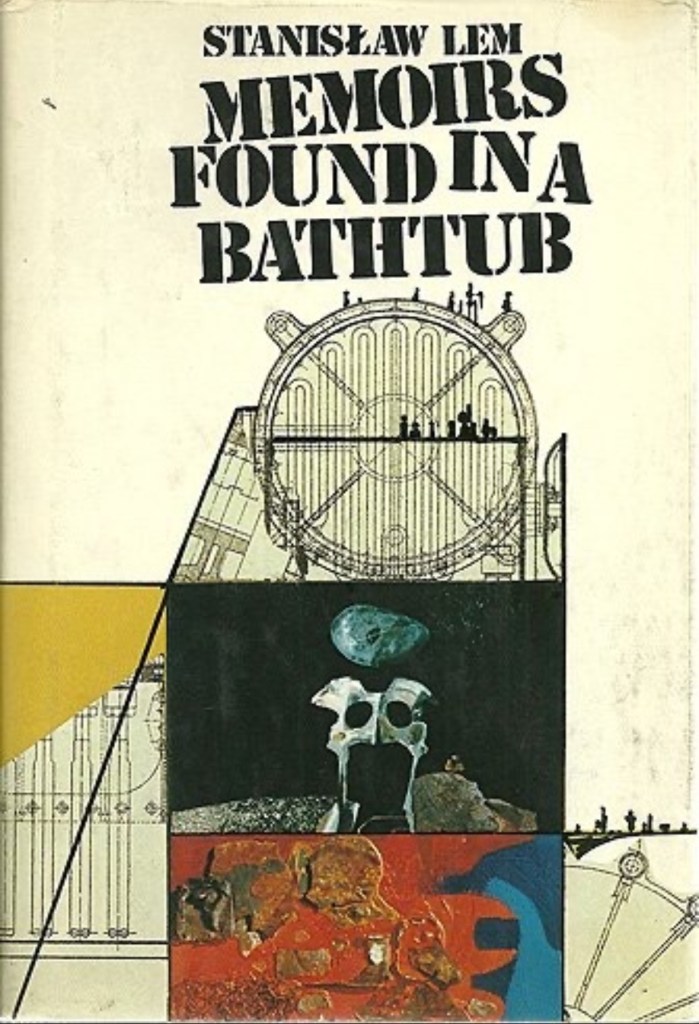
At its heart, Memoirs Found in a Bathtub is an existentialist inquiry into the human condition. The protagonist’s futile effort to decipher his Mission parallels humanity’s broader search for meaning in an indifferent universe. Lem suggests that meaning is not inherent but constructed, often arbitrarily, by individuals and societies.
The protagonist’s quest is a Sisyphean struggle, highlighting the inherent absurdity of the human condition. The Building becomes a microcosm of the larger, chaotic world we inhabit, where the search for purpose can lead to profound disillusionment. The ambiguous and abrupt ending of the novel underscores the futility of this search, leaving readers to confront the uncertainty of their own existential pursuits.
Satire and Humor: Light in the Darkness
Despite the grim themes, Lem masterfully infuses the novel with dark humor and absurdist scenarios. The historian’s attempts to interpret the manuscript through fragmented records serve as a satire on academic pretensions and ideological dogmatism. His clumsy efforts to contextualize “Ammer-Ka” lampoon the futility of reconstructing history through incomplete and distorted information.
The humor extends to the protagonist’s encounters within The Building, where convoluted hierarchies and nonsensical protocols parody the espionage culture of the Cold War era. The absurdity of bureaucratic rituals and the playfulness of Lem’s language provide a counterbalance to the darker philosophical themes, creating a narrative that is as entertaining as it is thought-provoking.
Intertextuality and Literary Influences
Lem’s work is steeped in literary intertextuality, drawing heavily from the writings of Franz Kafka. Like Kafka’s protagonists, Lem’s narrator is ensnared in an opaque system governed by arbitrary and illogical rules. However, Lem brings a unique flavor to his narrative, blending Kafkaesque existential dread with a more overt and playful sense of humor.
The title, Memoirs Found in a Bathtub, itself alludes to Jan Potocki’s The Manuscript Found in Saragossa. Both works share a labyrinthine structure and a blend of realism with fantastical elements, creating a narrative that is both surreal and deeply engaging. Lem’s ability to draw from these influences while crafting a story that feels fresh and original is a testament to his literary prowess.
Historical Context: The Shadow of Totalitarianism
To fully appreciate Memoirs Found in a Bathtub, it’s crucial to understand the historical context in which Lem wrote it. The novel emerged during Poland’s post-Stalinist thaw, a period marked by a degree of intellectual and artistic freedom but still shadowed by censorship and political repression. Lem’s experiences under both Nazi and Stalinist regimes profoundly shaped his worldview and are reflected in his work.
Bureaucracy and Totalitarianism
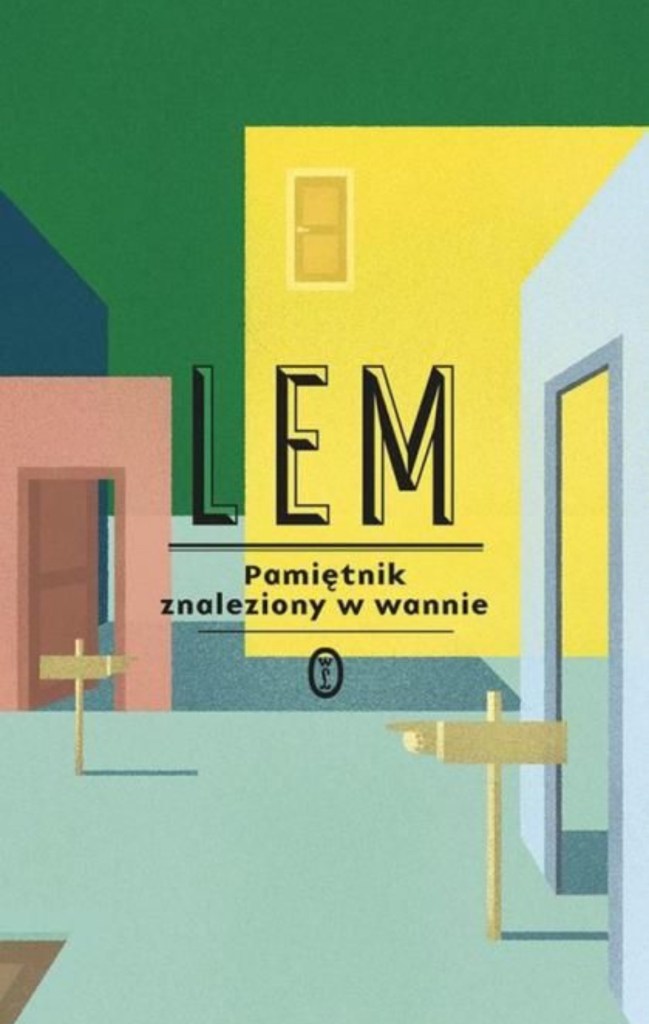
The Building’s labyrinthine structure symbolizes the dehumanizing effects of totalitarian bureaucracy. In mid-20th-century Poland, the communist regime imposed strict surveillance and ideological conformity, stifling individual autonomy. Lem satirizes these oppressive systems through the protagonist’s futile attempts to decipher his Mission—a task rendered impossible by the absurdity of The Building’s protocols.
The chaotic hierarchy and nonsensical rules within The Building illuminate the inefficiencies and paranoia of totalitarian regimes. The protagonist’s inability to distinguish allies from enemies, or truth from lies, echoes the pervasive distrust fostered by such environments. This atmosphere of fear and suspicion is a direct reflection of life under authoritarian rule, where individuals must constantly navigate a web of deceit and oppression.
Paranoia and Alienation
Paranoia is not just a theme but a palpable force in Memoirs Found in a Bathtub. The protagonist is under constant surveillance, manipulated by those around him, reflecting the pervasive monitoring and mistrust inherent in totalitarian societies. This climate of suspicion parallels Lem’s observations of ideological conformity and repression.
The protagonist’s isolation within The Building also serves as a metaphor for the alienation experienced by individuals in oppressive regimes. Personal relationships are fraught with distrust, and communities are fractured by ideological divides. Lem amplifies this sense of alienation by creating a world where reality itself is unstable, forcing readers to confront the existential uncertainty that defines life under such conditions.
Critique of Ideology
Lem’s critique extends beyond specific political systems to encompass the broader human tendency to seek meaning in chaotic or meaningless circumstances. The protagonist’s obsessive search for his Mission parallels humanity’s quest for purpose in an indifferent universe. Lem’s skepticism toward ideological dogmas, whether communist or capitalist, resonates throughout the novel, highlighting the dangers of absolute truths and the exploitation they often entail.
The Building’s advanced technology, rather than providing clarity and efficiency, exacerbates confusion and dehumanization. This critique aligns with Lem’s broader concerns about the unintended consequences of technological advancements, both in capitalist and communist contexts. The novel’s dystopian setting serves as a cautionary tale about the limitations and potential dangers of relying too heavily on technology to solve societal problems.

A Timeless Allegory
Memoirs Found in a Bathtub is a masterful blend of satire, dark humor, and philosophical inquiry. It transcends its historical context to offer a timeless exploration of the human condition. Lem’s novel challenges readers to navigate the labyrinth of bureaucracy, paranoia, and existential dread, reflecting the inherent absurdity of our search for meaning.
Whether you’re a fan of Kafka or just looking for a thought-provoking read, Memoirs Found in a Bathtub is a must-read. Its rich narrative and multifaceted themes offer endless avenues for interpretation and reflection. So, dive into the labyrinth and embrace the uncertainty—it’s a journey worth taking.
Discover more from Fear Planet
Subscribe to get the latest posts sent to your email.
