
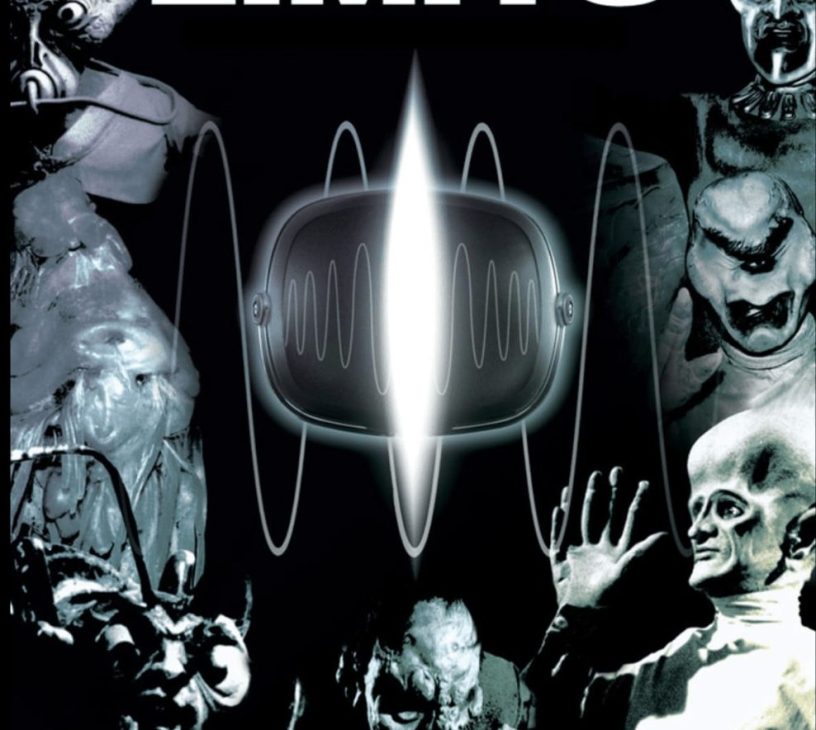
There’s something about classic science fiction anthology series that just gets under my skin in the best possible way. Perhaps that’s why I’ve always had a special place in my heart for “The Outer Limits” (1963-1965). While it only ran for two seasons, this groundbreaking show transformed science fiction storytelling, blending thought-provoking concepts with impressively creepy practical effects and existential dread. And that, Fear Planet Denizens, is my cup of tea.
Unlike its contemporary “The Twilight Zone,” which often veered into fantasy and the supernatural, “The Outer Limits” remained firmly planted in scientific speculation, even when that science was wonderfully outlandish. After revisiting the series recently, I felt compelled to rank what I consider the ten most extraordinary episodes. So, please “do not attempt to adjust your picture” as we count down these remarkable achievements in television history.
10. The Galaxy Being
Season 1, Episode 1
It feels appropriate to begin our countdown with the very episode that started it all. “The Galaxy Being” introduced viewers to the particular brand of philosophical science fiction that would define the series. Cliff Robertson stars as a radio engineer who accidentally makes contact with an energy-based alien from the Andromeda galaxy – and subsequently pulls the being to Earth.
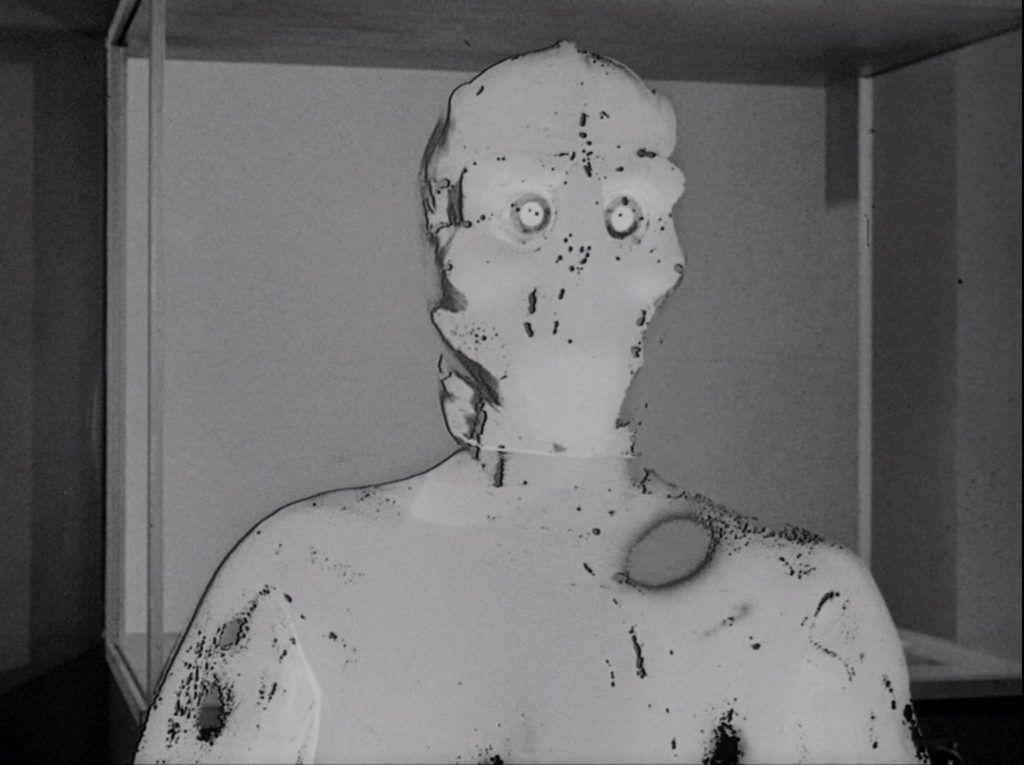
What strikes me most about this inaugural episode is how confidently it establishes the show’s ambitions. Rather than easing viewers in with something conventional, series creator Leslie Stevens immediately presents us with a contemplative narrative about communication, fear of the unknown, and humanity’s place in the cosmos. The alien itself – a luminous, transparent humanoid – remains one of the most visually striking creatures in television history. I’m particularly fond of how the being isn’t portrayed as malevolent, but rather as a curious entity trying to understand us just as much as we’re trying to understand it.
The episode’s lasting power comes from its earnest exploration of human potential for both violence and compassion when confronted with the truly alien. As series premieres go, this one boldly announced exactly what kind of thoughtful science fiction experience viewers could expect going forward.
9. Nightmare
Season 1, Episode 10
The psychological warfare depicted in “Nightmare” feels disturbingly relevant even today. Featuring Ed Nelson and James Shigeta, this claustrophobic episode follows Earth soldiers captured and interrogated by the grotesque alien Ebonites. What begins as a seemingly straightforward prisoner-of-war scenario evolves into something far more complex and psychologically devastating.
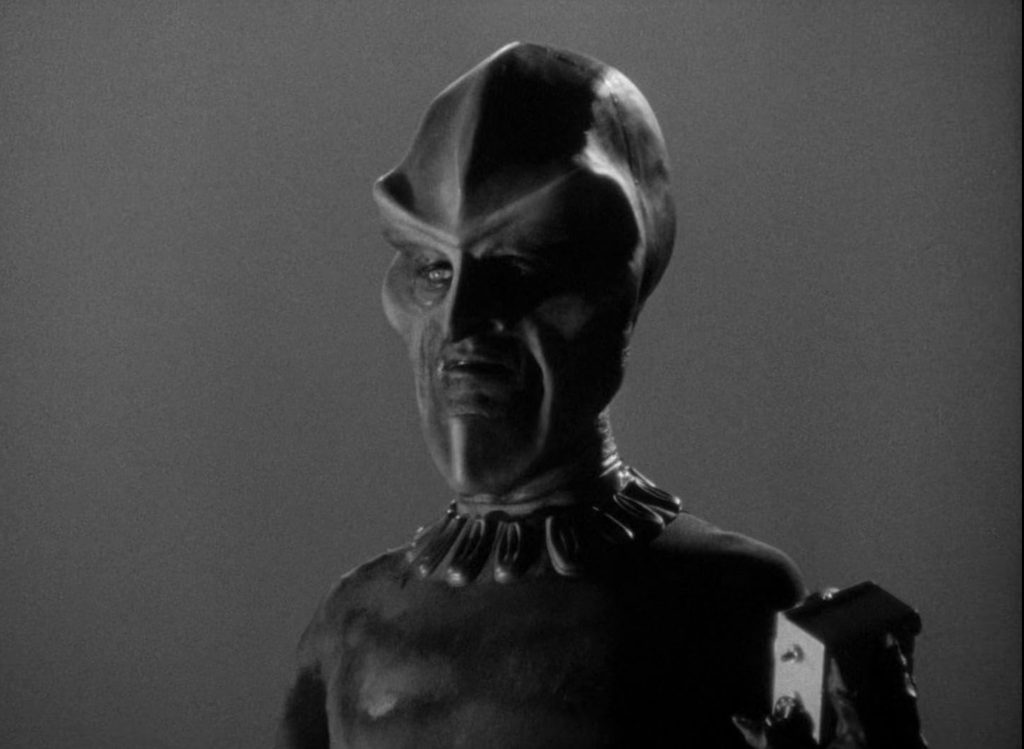
I’ve always appreciated how this episode uses its alien setting to explore very human questions about loyalty, resistance, and the breaking points of the human psyche. The Ebonites themselves are delightfully unsettling creations – their demonic appearance serving as the perfect visual representation of the soldiers’ worst fears. Ed Nelson delivers a remarkably nuanced performance for early television, portraying a man gradually unraveling under systematic psychological torture.
What elevates “Nightmare” beyond typical sci-fi fare is its unflinching examination of how quickly human solidarity can crumble under pressure. The episode’s notorious twist ending forces viewers to reconsider everything they’ve witnessed and question their own perceptions about who the “monsters” truly are. It’s precisely this kind of moral complexity that made “The Outer Limits” so ahead of its time.
8. A Feasibility Study
Season 1, Episode 29
There’s something profoundly unsettling about “A Feasibility Study,” which depicts an entire neighborhood mysteriously transported to an alien world as part of an evaluation to determine if humans would make suitable slaves. Joseph Stefano’s script builds tension masterfully, revealing the horrifying truth of the situation piece by piece.
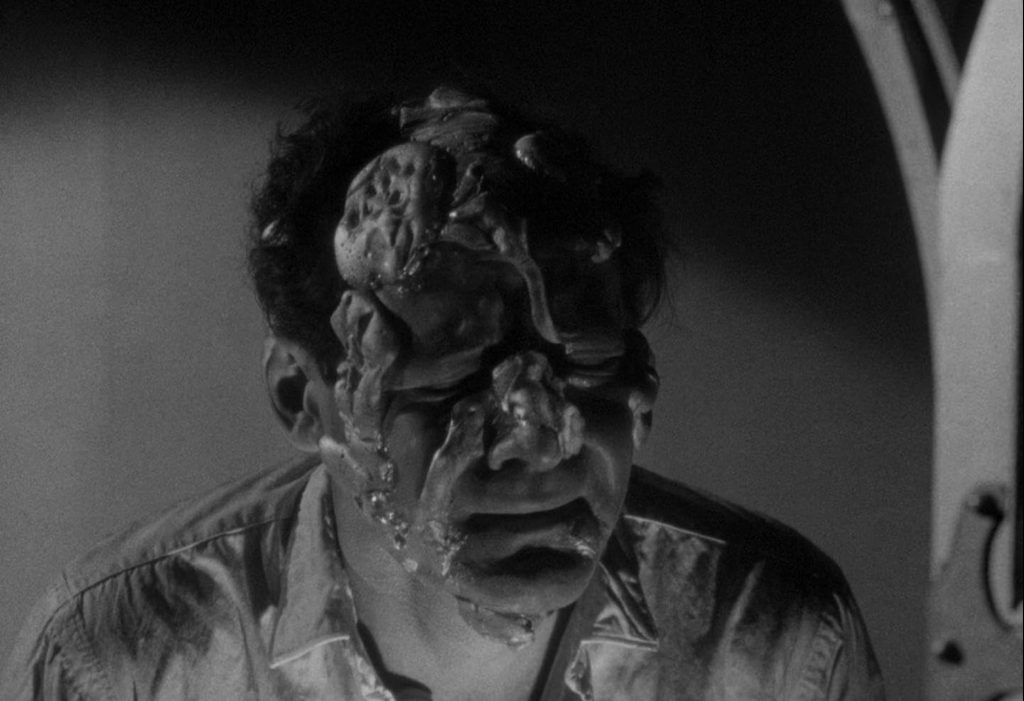
What I find most affecting about this episode is how it contrasts ordinary suburban life with cosmic horror. The residents’ gradual realization that they’ve become specimens in an alien experiment creates a mounting sense of dread that few television programs of the era could match. The alien Luminoids, paralyzed creatures who move via floating platforms, remain among the most uniquely conceived extraterrestrials in the series.
The episode culminates in what might be the most poignant ending in the entire series – a collective act of self-sacrifice that demonstrates the very best of humanity in the face of unimaginable circumstances. It’s a surprisingly emotional conclusion for a science fiction program of its era, showing that human dignity can triumph even in the most hopeless situations. This episode feels like a complete film rather than a television episode, with impressive scope and emotional depth.
7. The Inheritors
Season 2, Episode 10-11
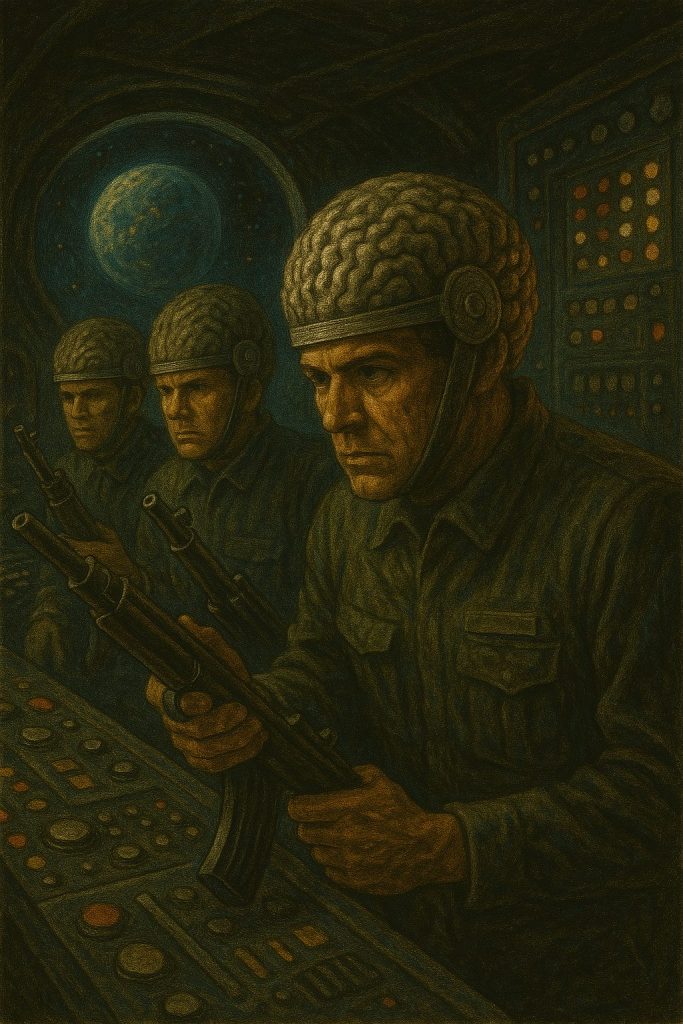
Robert Duvall leads this two-part episode as a government investigator looking into a bizarre case: four soldiers who have miraculously recovered from near-fatal head wounds and are now exhibiting genius-level intelligence. Their subsequent collaboration on a mysterious technological project – while simultaneously gathering orphaned children – makes for a compelling mystery that unfolds across the series’ only multi-part story.
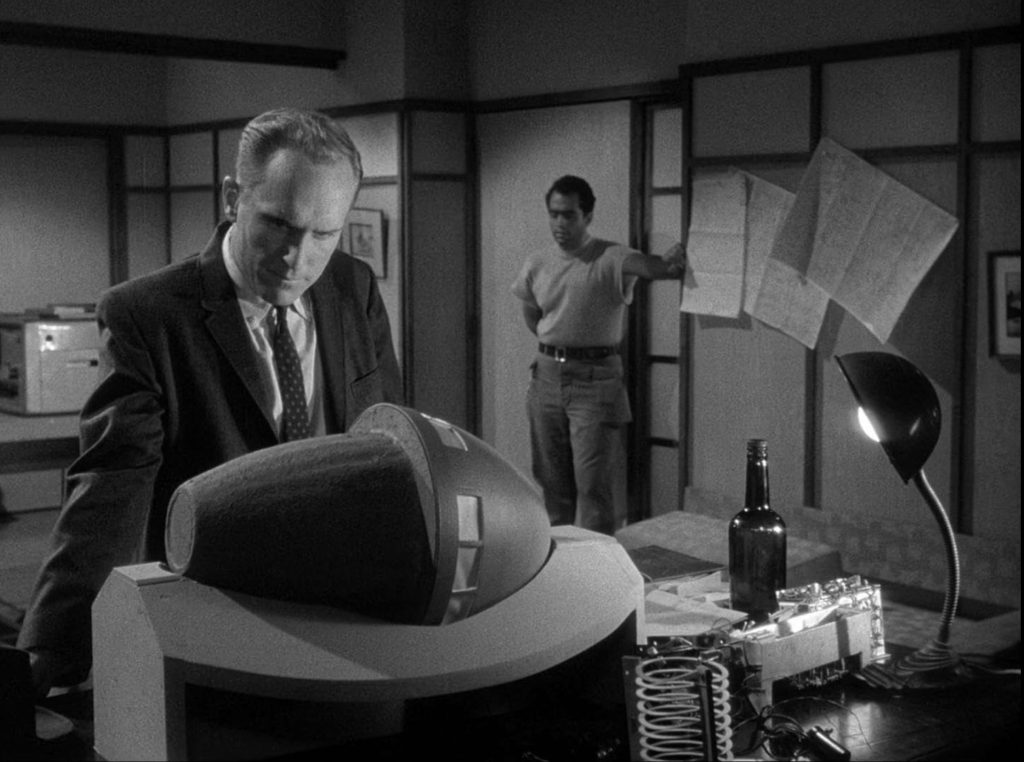
The expanded runtime allows “The Inheritors” to develop its characters and central mystery with unusual depth. Duvall brings gravitas to his role as the increasingly concerned investigator, and the gradual revelation of the soldiers’ true purpose creates genuine suspense. I particularly appreciate the methodical pacing, which allows the audience to piece together clues alongside the protagonist.
What makes this episode stand out to me is its unexpectedly optimistic conclusion – a rare departure for a series that often leaves viewers with lingering existential dread. After building tension throughout, “The Inheritors” resolves with a message about humanity’s potential that feels earned rather than saccharine. It’s a testament to the writers’ skill that they could surprise viewers with hope just as effectively as they could with despair.
6. The Architects of Fear
Season 1, Episode 3
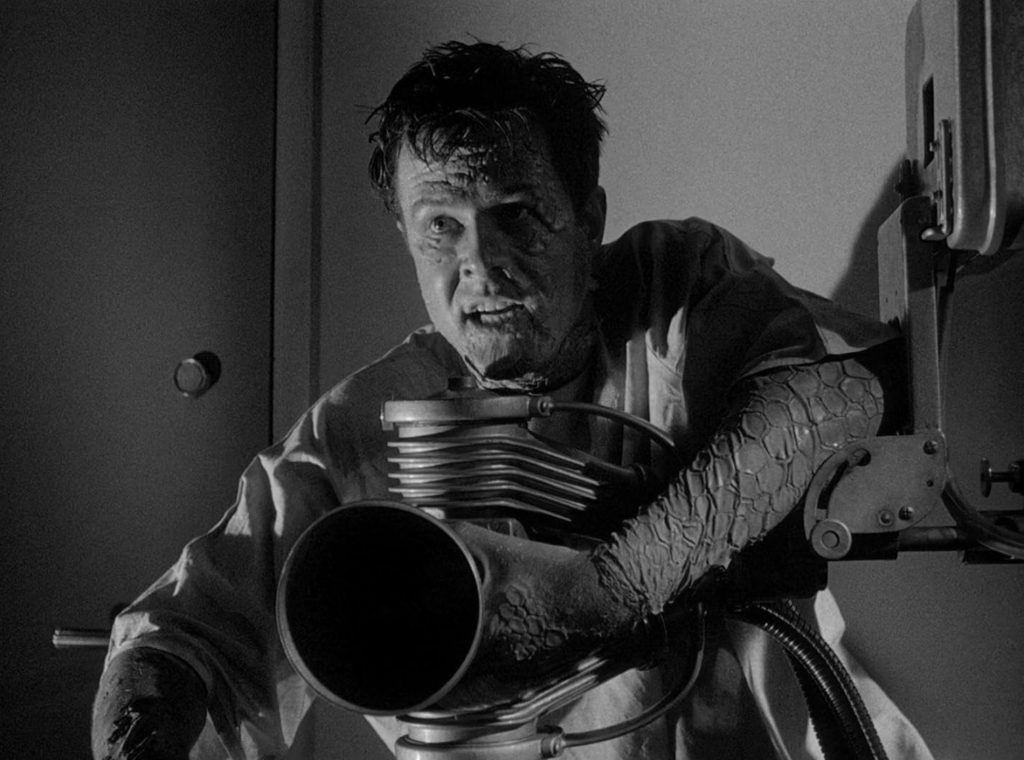
The premise of “The Architects of Fear” – scientists transforming one of their own into a fake alien to unite humanity against a common threat – may sound outlandish, but the episode treats this concept with remarkable emotional seriousness. Robert Culp delivers a heartbreaking performance as the scientist who sacrifices his humanity for what he believes is the greater good.
What fascinates me most about this episode is how it anticipates themes that would later be explored in Alan Moore’s influential graphic novel “Watchmen” (which some argue was directly inspired by this story). The ethical questions it raises about manipulation, sacrifice, and whether noble ends can justify terrible means remain as relevant today as they were in 1963.
The gradual physical transformation of Culp’s character – rendered through increasingly disturbing makeup effects – provides a visual manifestation of his psychological isolation. By the time he emerges as the fully-realized alien “Thetan,” the creature design (by legendary monster performer Janos Prohaska) creates a genuinely alien presence. The episode’s devastating conclusion serves as a powerful reminder that even the most well-intentioned deceptions often lead to tragedy – a recurring theme throughout the series.
5. Soldier
Season 2, Episode 1
Harlan Ellison’s brilliant “Soldier” introduces us to a warrior from the distant future accidentally thrown back to the 1960s. Trained from birth for nothing but combat in an endless war, this displaced soldier now faces his greatest challenge: learning to exist in a peaceful society.
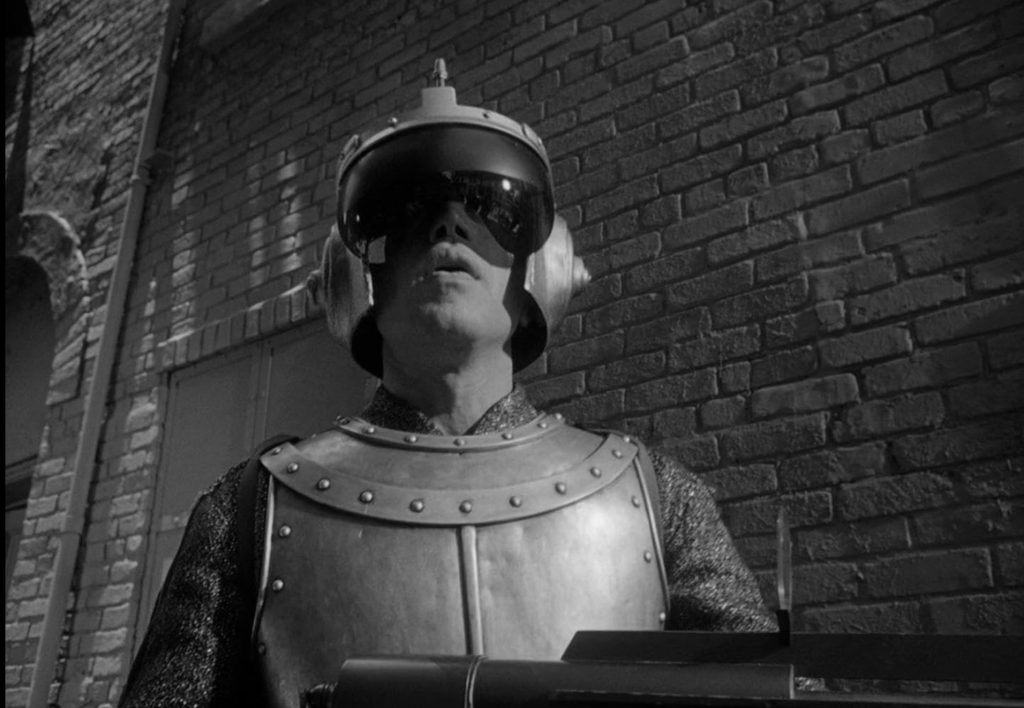
What resonates with me about this episode is its exploration of whether violence is inherent to human nature or merely conditioned. Michael Ansara’s performance as the soldier Qarlo captures both the character’s dangerous volatility and his growing capacity for change. The language barrier – Qarlo speaks a degraded future dialect – creates a fascinating communication challenge that adds layers to the narrative.
The episode skillfully balances action with philosophy, contrasting the soldier’s combat-oriented worldview with the values of the linguist who attempts to rehabilitate him. Ellison’s script is deceptively complex, using this fish-out-of-water premise to question whether humanity’s violent tendencies can truly be overcome. The haunting final scenes leave viewers pondering whether peace is ever truly possible, or if conflict is our inevitable destiny – questions that feel disturbingly relevant decades later.
“Soldier” carries additional cultural significance beyond its philosophical depth. In 1984, Harlan Ellison famously sued filmmaker James Cameron, claiming that “The Terminator” bore striking similarities to this episode. The lawsuit alleged that Cameron’s killer cyborg from the future closely mirrored Ellison’s time-displaced warrior. The case was ultimately settled out of court, with later releases of “The Terminator” including an acknowledgment to Ellison in the credits.
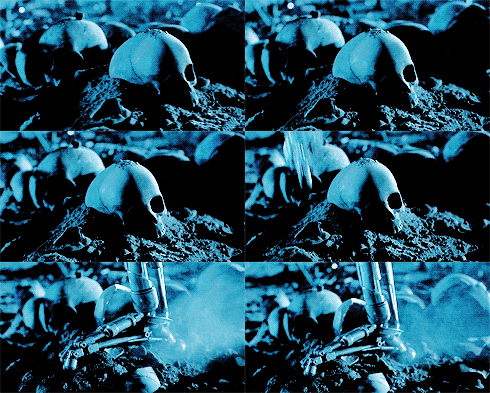
This controversy highlights the episode’s innovative premise and enduring influence on science fiction. When viewed today, the parallels between Qarlo’s fish-out-of-water struggle in a peaceful era and the Terminator’s deadly presence in 1984 Los Angeles feel undeniable, cementing “Soldier” as not just a brilliant hour of television but a foundational text that helped shape future science fiction narratives about time-displaced warriors.
4. The Sixth Finger
Season 1, Episode 5
David McCallum delivers one of the series’ most memorable performances in “The Sixth Finger,” portraying a miner who volunteers for an evolution-acceleration experiment. His transformation into a super-intelligent being with an enlarged cranium and a sixth finger on each hand serves as the visual representation of his mental advancement beyond ordinary humanity.

I’ve always been captivated by how this episode approaches the concept of evolution not just as physical change but as intellectual and spiritual transformation. McCallum brilliantly conveys his character’s growing alienation from humanity as his consciousness expands, regarding his former peers with a mixture of pity and disdain. John Chambers’ remarkable makeup effects enhance this performance, creating one of the most iconic looks in science fiction television.
What elevates this episode is its nuanced exploration of what it might truly mean to evolve beyond our current form. Rather than presenting a simplistic “advanced intelligence equals cold logic” narrative, the episode suggests that true evolution includes emotional and ethical development as well. The poignant conclusion avoids easy answers, leaving viewers to contemplate whether humanity is ready for such advancement – or if we might be better off evolving at our own natural pace.
3. The Bellero Shield
Season 1, Episode 20
Shakespeare meets science fiction in this mesmerizing tale of ambition and hubris. Martin Landau portrays a scientist whose invention of an impenetrable shield is weaponized by his power-hungry wife (brilliantly played by Sally Kellerman). When a peaceful alien inadvertently teleports into their laboratory, Kellerman’s Lady Macbeth-like character sees an opportunity to seize her husband’s technology for herself.
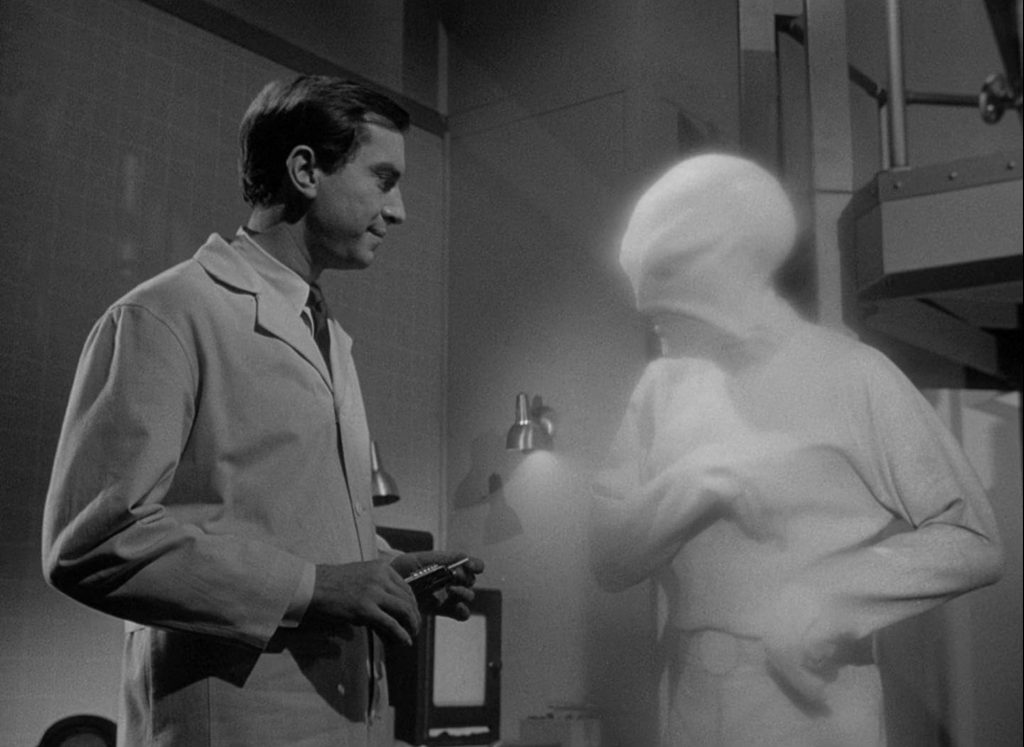
The Gothic horror elements blended with science fiction create a uniquely atmospheric episode. I’m particularly drawn to the alien visitor – a luminous being whose gentle nature contrasts dramatically with the human characters’ darker motivations. The creature design is simple yet effective, using light and sound to create an otherworldly presence that feels both advanced and vulnerable.
What makes “The Bellero Shield” special is how it uses science fiction trappings to explore timeless themes of ambition, betrayal, and moral corruption. Kellerman’s performance as she descends into madness – trapped behind the very shield she coveted – creates one of the most haunting conclusions in the series. The episode reminds us that often the most dangerous monsters aren’t alien visitors but the darkness within ourselves.
2. The Zanti Misfits
Season 1, Episode 14
If you’ve ever seen “The Zanti Misfits,” chances are you’ve never forgotten its titular creatures. These ant-like aliens with disturbing human faces (created through remarkable stop-motion animation) represent some of the most memorable monsters in television history. But what makes this episode truly exceptional is how it uses these unsettling creatures to deliver a damning commentary on human nature.
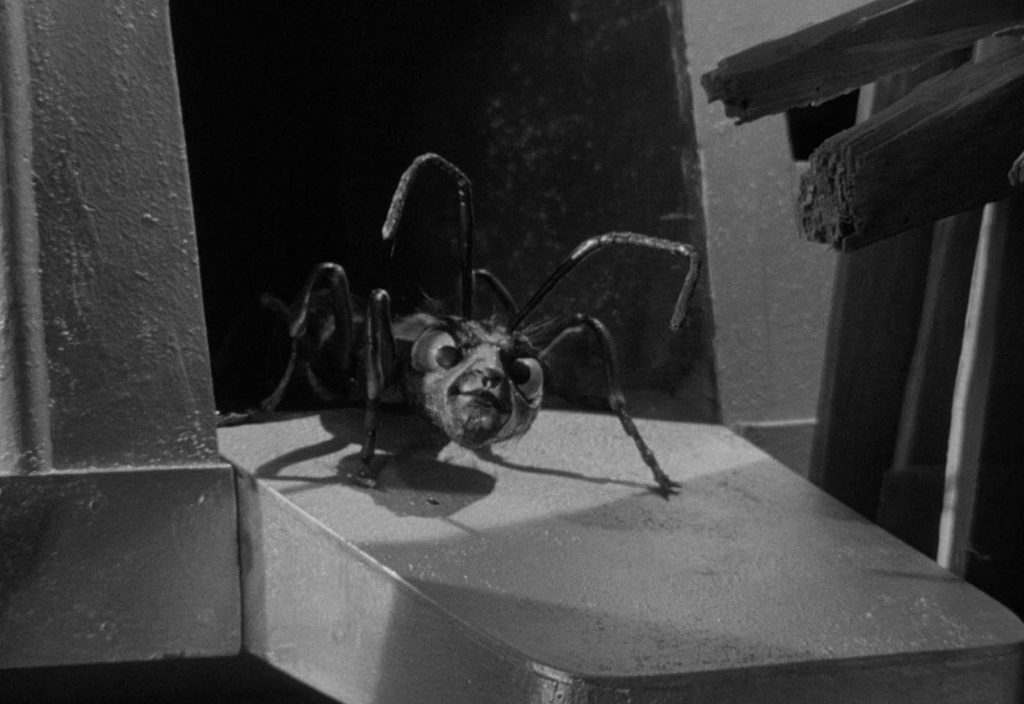
The premise – Earth designated as a penal colony for alien criminals – sets up what initially seems like a typical “monster of the week” story. However, Joseph Stefano’s script cleverly subverts expectations, ultimately revealing that the true savages may not be the Zanti but humanity itself. I’ve always appreciated how the episode builds tension through the gradual introduction of the aliens, making their eventual full appearance all the more impactful.
The episode’s unforgettable conclusion – in which the Zanti rulers reveal they selected Earth precisely because humans’ violent tendencies would ensure the execution of their criminals – delivers a gut-punch of moral complexity rarely seen in 1960s television. This masterful twist transforms a seemingly straightforward creature feature into a profound meditation on humanity’s capacity for violence. Each time I revisit this episode, I’m struck by how effectively it uses science fiction to hold up a mirror to our own darker impulses.
1. Demon with a Glass Hand
Season 2, Episode 5
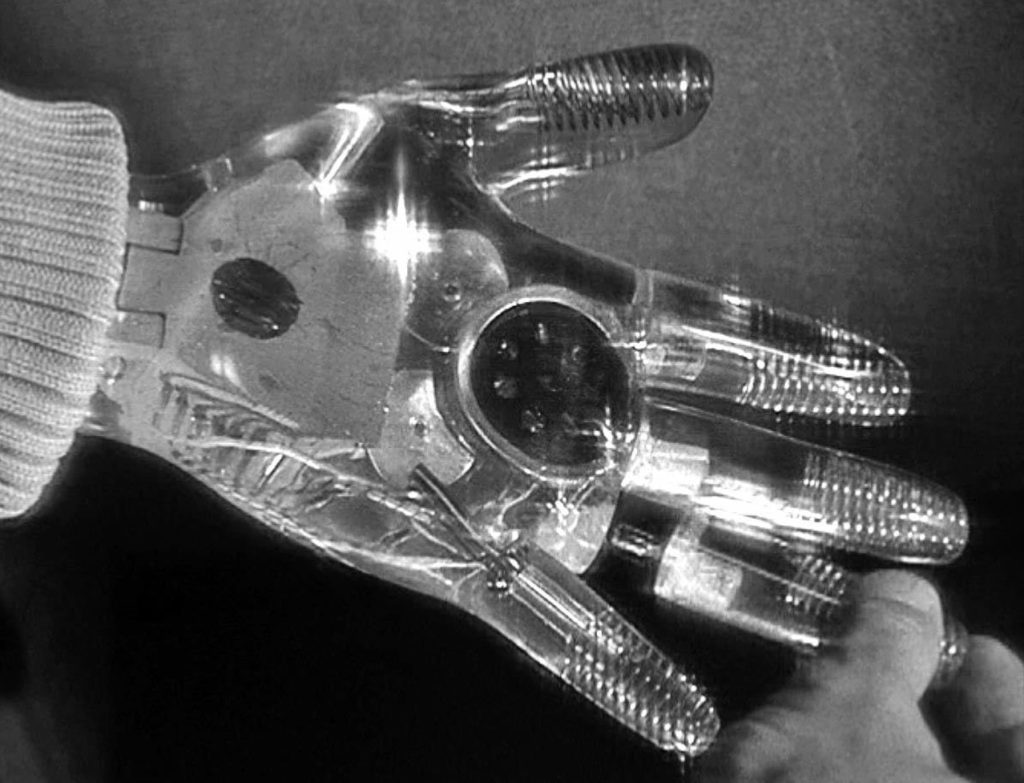
At the top of my list stands Harlan Ellison’s masterpiece “Demon with a Glass Hand.” Robert Culp stars as Trent, an amnesiac pursued by aliens through the corridors of the iconic Bradbury Building. His only clue to his identity is a computerized glass hand missing several fingers – components that contain fragments of his forgotten memory.
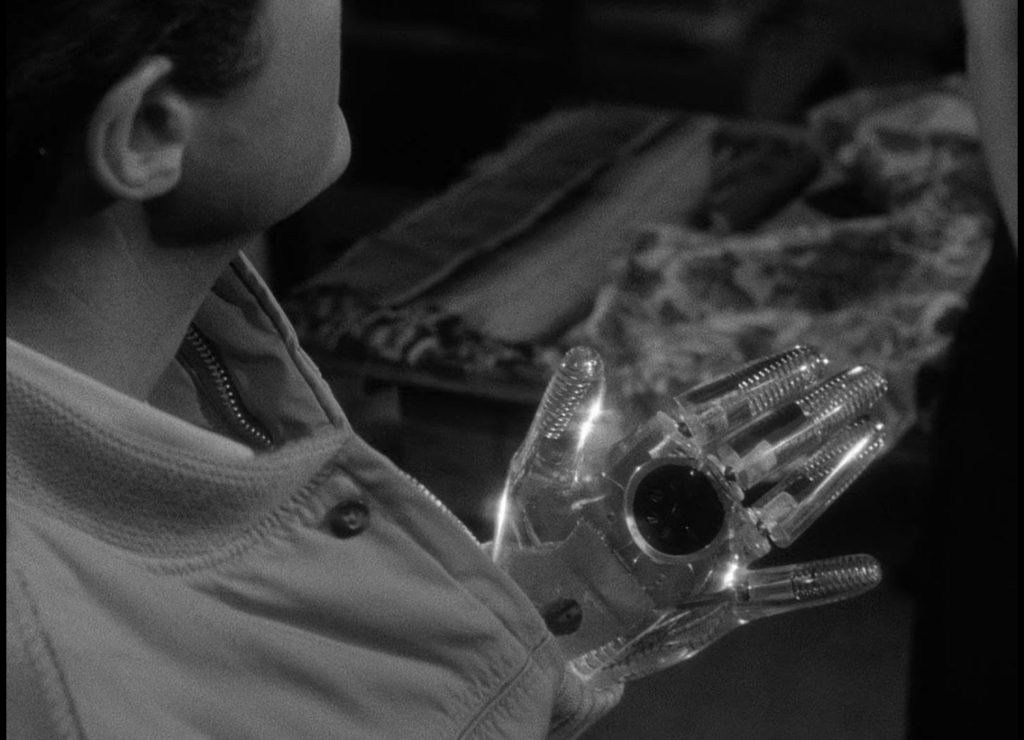
Everything about this episode feels meticulously crafted. The noir-influenced cinematography transforms the Bradbury Building into a labyrinthine battleground of shadow and light. Culp delivers a nuanced performance as a man desperately trying to understand his own existence while fighting for survival. The minimalist electronic score creates tension without ever overwhelming the philosophical underpinnings of the narrative.
What elevates this episode to true greatness is Ellison’s ingenious script, which gradually peels back layers of mystery to reveal a story about nothing less than the salvation of humanity. The revelation of Trent’s true nature – and the profound loneliness it entails – creates an emotionally resonant conclusion that lingers long after the episode ends. This perfect marriage of high-concept science fiction with deeply human themes represents everything that made “The Outer Limits” extraordinary.
When people mistakenly attribute this episode to “The Twilight Zone” (as many still do), it’s actually the highest compliment – recognition that “Demon with a Glass Hand” transcends typical television storytelling to become something truly special. With its perfect blend of suspense, philosophical depth, and emotional impact, it stands as the crowning achievement of this remarkable series.
Coda
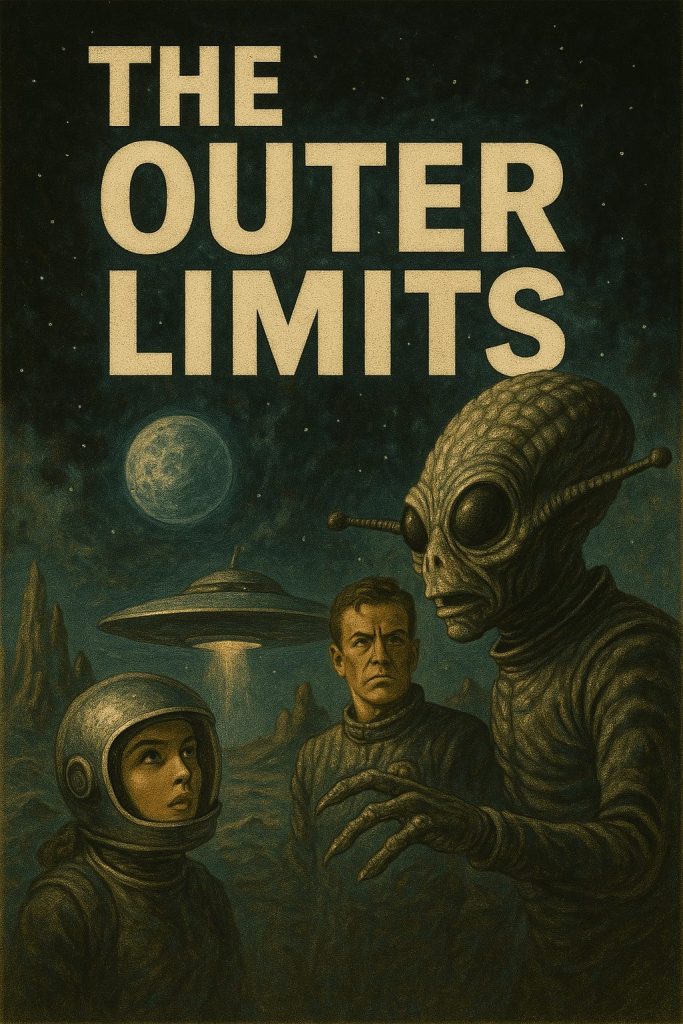
As we wrap up our trek through these ten exceptional episodes, it’s worth noting how influential “The Outer Limits” remains nearly six decades after its original broadcast. Its willingness to tackle profound questions about human nature, technological advancement, and our place in the cosmos – all while delivering memorable monsters and innovative visuals – established a template for thoughtful science fiction storytelling that continues to inspire creators today. There truly is nothing wrong with your television set – just the limitless boundaries of imagination and human potential being explored in ways that remain as relevant now as they were then.
*Thanks for reading, Fear Planet denizens! If you want to revisit, save, highlight, and recall this article, we recommend you try out READWISE, our favorite reading management and knowledge retention app. All readers of Fear Planet automatically get a 60-day free trial.
This post was blasted into the social media stratosphere by HopperHQ, the best social media manager out there.
*This post contains affiliate links. Purchasing through them will help support Fear Planet at no extra cost to our readers. For more information, read our affiliate policy.
Discover more from Fear Planet
Subscribe to get the latest posts sent to your email.

Nice piece Hern, my father’s work lives on through his fans. He loved his year on the show, wrote 12 episodes and polished every script. 16 hour days nearly killed him.
Thanks for keeping the flame burning.
Best
Dominic Stefano
LikeLiked by 1 person
I’m so glad you commented on this piece, Dominic. Your father was superb, and what an amazing career he had. Best wishes to you and yours.
LikeLike