

If you’re a fan of science fiction and horror, you know that awards season is a time of excitement, debate, and—every so often—a little bit of drama. But few moments in genre history are as fascinating, or as principled, as what happened in 1982 with Lisa Tuttle and her now-legendary Nebula Award REFUSAL. Steel yourselves, Fear Planet denizens—this is a story about integrity, controversy, and the kind of courage that goes beyond the page.
The Story Behind the Story
Lisa Tuttle’s “The Bone Flute” is a haunting, beautifully written short story that blends folklore, horror, and emotional resonance. When it was nominated for the Nebula Award for Best Short Story in 1982, it was up against some stiff competition. But as the ballots were cast, an uncomfortable truth came to light: not all nominees were playing on a level field.
Another nominee, George Guthridge, had sent copies of his story to voters, accompanied by a letter from his editor. In the pre-internet era, when access to all the nominated works wasn’t guaranteed, this was a big deal. Some stories were getting into the hands of voters more easily than others. Tuttle saw this as a form of campaigning—something that, to her, undermined the spirit of the awards.
A Bold Stand
Here’s where things get really interesting. Tuttle didn’t just grumble about the process. She took action. She wrote to the Nebula Awards director, asking to withdraw her story from consideration and calling for any stories that had been actively campaigned for to be disqualified. She wanted a fair process, where every story had an equal shot.
But fate (and the postal service) intervened. Her withdrawal request arrived too late. She had already won. When she was notified, she stood her ground and refused the award, asking that her reasons be made public at the ceremony.
The Fallout
Did the Science Fiction and Fantasy Writers of America (SFWA) honor her request? Not exactly. At the ceremony, her refusal wasn’t mentioned. The award was simply accepted on her behalf by someone else, as if nothing had happened. For many, this was a missed opportunity—a moment when the community could have had a real conversation about fairness, transparency, and the meaning of recognition.
Tuttle later described her decision as a “political” one, motivated by anger and a desire to stand up for what she believed was right. She never got the public acknowledgment she asked for, but her act of refusal has become a legendary moment in genre history.
Why Does This Matter?
As fans, we love to celebrate our favorite stories and authors. Awards are a big part of that. But Tuttle’s stand reminds us that the way we honor excellence matters just as much as the honor itself. Her protest was about more than just one story or one award—it was about the integrity of the entire process.
In a world where “for your consideration” campaigns are now standard practice, and where access to works is easier than ever, it’s easy to forget how much the landscape has changed. But the questions Tuttle raised—about fairness, transparency, and the true meaning of recognition—are still relevant.
More about Tuttle
What makes Tuttle’s stand even more significant is the extraordinary body of work she’s created throughout her career. While “The Bone Flute” might be famous for the award controversy, Tuttle’s literary contributions extend far beyond that single moment.
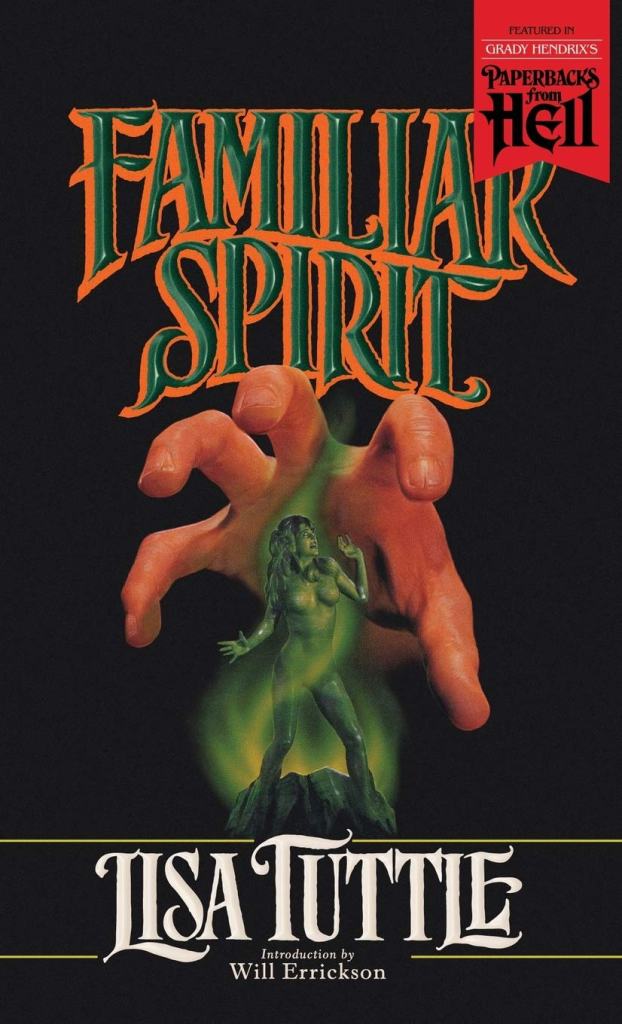
Her novel “Familiar Spirit” (1983) remains one of my favorite supernatural thrillers of all time. It’s a masterclass in psychological horror, exploring the thin line between genuine supernatural phenomena and the horrors born from human relationships. The tension builds so organically that you’ll find yourself holding your breath without realizing it.
Then there’s “The Pillow Friend” (1996), perhaps her most unsettling work. This dark fantasy about a childhood imaginary friend that manifests in increasingly disturbing ways throughout the protagonist’s life explores the dangers of wish fulfillment and the price of getting exactly what you desire. It’s profoundly disquieting in a way that lingers long after the final page.
I can’t discuss Tuttle without mentioning “Lost Futures” (1992), her Tiptree Award-finalist novel that explores parallel realities and paths not taken. It’s a haunting meditation on choice, regret, and identity that seamlessly blends science fiction concepts with deep psychological insight.
For those who enjoy collaborative works, “Windhaven” (1981), which Tuttle co-wrote with George R.R. Martin before his Game of Thrones fame, creates a richly detailed world where humans use artificial wings to fly between isolated island communities. It’s a testament to her world-building abilities and her skill at crafting characters with complex motivations.
Tuttle’s Resurgence in the Paperbacks from Hell Renaissance
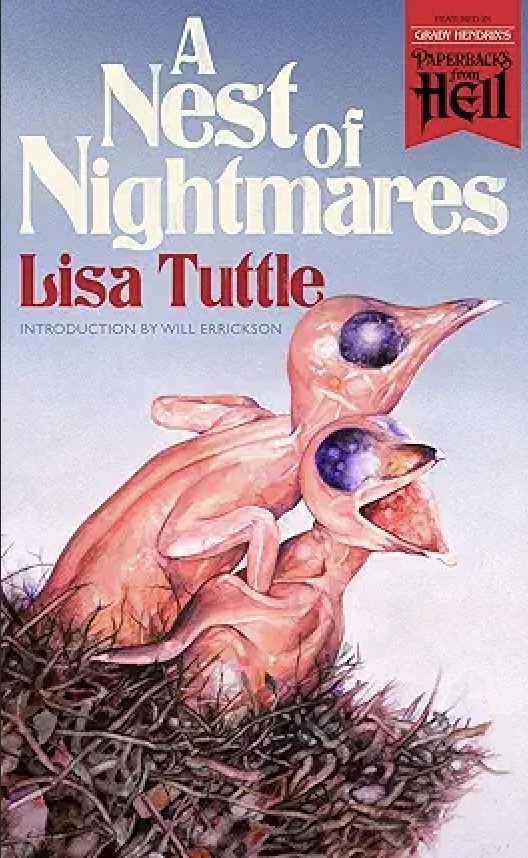
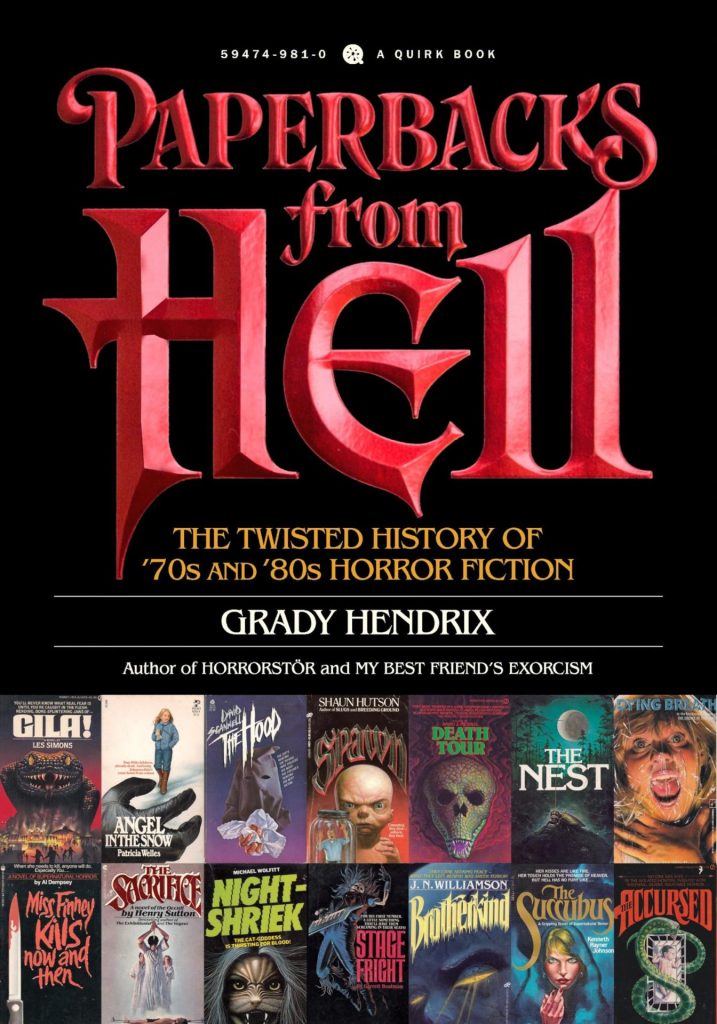
I’m thrilled to see Lisa Tuttle getting renewed attention through the fantastic Paperbacks from Hell reprint series. When Grady Hendrix started championing these forgotten horror gems in his brilliant non-fiction book, he opened a treasure chest of bizarre, bold, and brilliant works that had been gathering dust for decades. Tuttle’s “Familiar Spirit” and her short story collection “A Nest of Nightmares” were among the select few chosen for the Valancourt Books reprint collection, complete with gloriously remastered (and lurid) covers that capture the spirit of the paperbacks while giving them a fresh, collectible appeal. It’s a fitting tribute to an author whose work exemplifies the creative fearlessness that defined that golden era of horror fiction, and introduces her masterful psychological terrors to a whole new generation of readers who might otherwise never have discovered her.
Coda (and Some Recommendations)
Lisa Tuttle’s refusal of the Nebula Award is a story every sci-fi and horror fan should know. It’s a reminder that sometimes, the most courageous acts happen off the page. And it’s proof that, in the end, integrity is the greatest legacy a creator can leave behind.
If you’re new to Tuttle’s work, here’s where I recommend starting:
- “The Pillow Friend” for those who enjoy psychologically complex horror that defies easy categorization
- “Familiar Spirit” for supernatural horror with emotional depth
- “Lost Futures” for thoughtful science fiction that explores identity and choice
- “Windhaven” for immersive world-building and adventure
- “Memories of the Body” for her short fiction, including the infamous “The Bone Flute”
- “A Spaceship Built of Stone“, another excellent short story collection, which also includes “The Bone Flute”
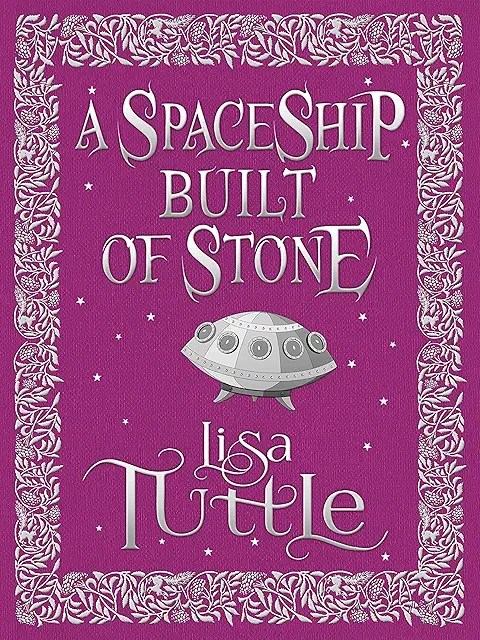
So next time you see “The Bone Flute” on a reading list, keep this in mind: it’s not just a great story. It’s a symbol of standing up for what’s right—even when it means walking away from the spotlight. And in a genre built on imagining better worlds (mostly), that’s a lesson worth taking to heart.
What Tuttle stories have you read? I’d love to hear your thoughts on her work in the comments below.
*Thanks for reading, Fear Planet denizens! If you want to revisit, save, highlight, and recall this article, we recommend you try out READWISE, our favorite reading management and knowledge retention app. All readers of Fear Planet automatically get a 60-day free trial.
This post was blasted into the social media stratosphere by HopperHQ, the best social media manager out there.
*This post contains affiliate links. Purchasing through them will help support Fear Planet at no extra cost to our readers. For more information, read our affiliate policy.
Discover more from Fear Planet
Subscribe to get the latest posts sent to your email.
