

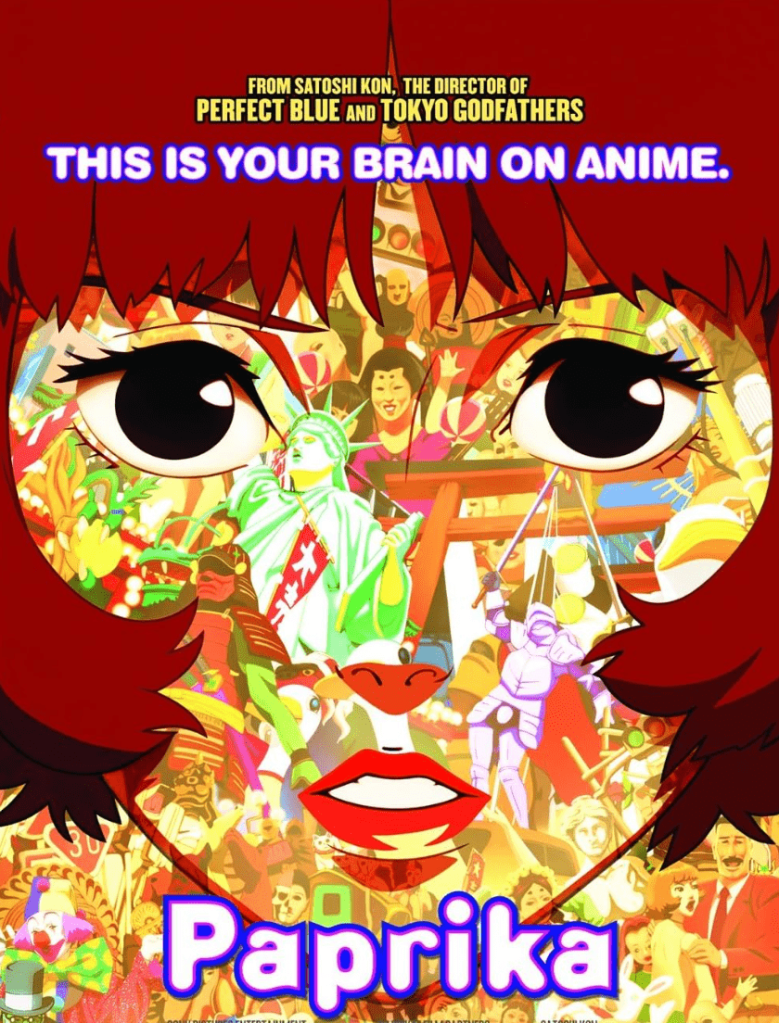
I’ll be honest – I put off rewatching Paprika for way too long. Maybe it was the fear that Satoshi Kon’s 2006 masterpiece wouldn’t hold up, or maybe I just wasn’t ready to have my brain scrambled again. But damn, was I wrong to wait.
Sitting through this film again after nearly a decade, I’m struck by how brutally relevant it feels in our current nightmare of digital surveillance and AI manipulation. Back when I first watched it in my college dorm, munching on ramen and thinking I was some kind of anime connoisseur, I saw it as this trippy dream movie with killer animation. Now? It feels like a warning we should’ve heeded.

The Setup That Still Works
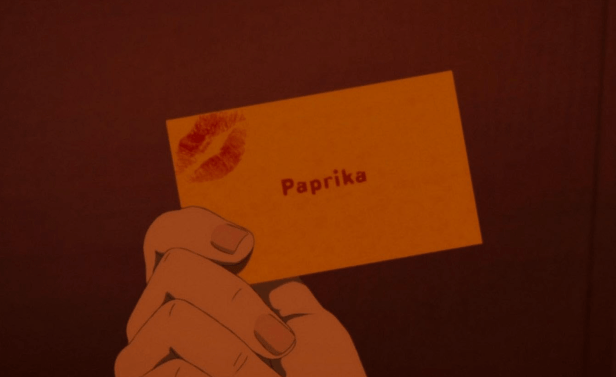
For those who haven’t experienced this fever dream, Paprika follows Dr. Atsuko Chiba, a no-nonsense psychiatrist who moonlights as “Paprika” – her dream-world alter ego who helps patients through experimental dream therapy. The tool of choice? The DC Mini, a device that lets therapists literally enter patients’ dreams. Sounds cool, right? Well, it gets stolen, and all hell breaks loose as the boundaries between dreams and reality start collapsing.
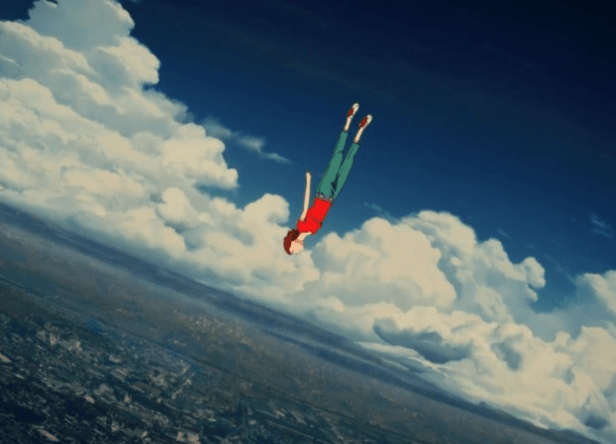
What strikes me now is how the film doesn’t waste time explaining its world. Kon trusts us to keep up as we’re thrown into this reality where dream invasion is just another Tuesday at the office. There’s something refreshingly arrogant about that approach – no hand-holding, no exposition dumps, just pure visual storytelling that respects the audience’s intelligence.
The Dual Identity That Actually Matters
The whole Dr. Chiba/Paprika split personality thing used to feel like a neat plot device to me. But rewatching it now, especially as someone who’s spent years crafting different online personas, it feels uncomfortably real. We all have our “professional” selves and our “authentic” selves, don’t we? The way Kon blurs the lines between Chiba’s buttoned-up research scientist and her liberated dream detective feels like a commentary on how we fragment ourselves to survive in different spaces.

What’s brilliant is how the film never explicitly explains their relationship. Are they the same person? Different aspects of the same consciousness? It doesn’t matter – the ambiguity is the point. In dreams, in digital spaces, in our professional lives, we’re all performing different versions of ourselves. The question isn’t which one is “real” – it’s whether we can integrate them without losing our minds.
That Parade Sequence Still Melts My Brain
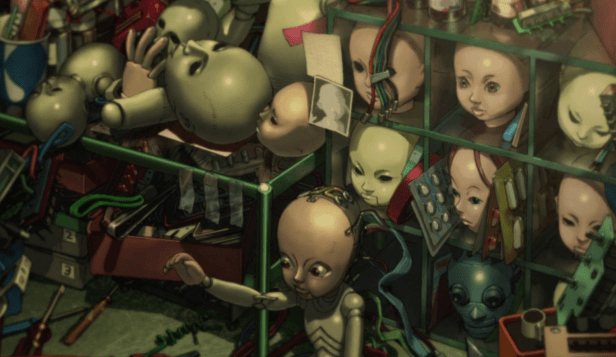
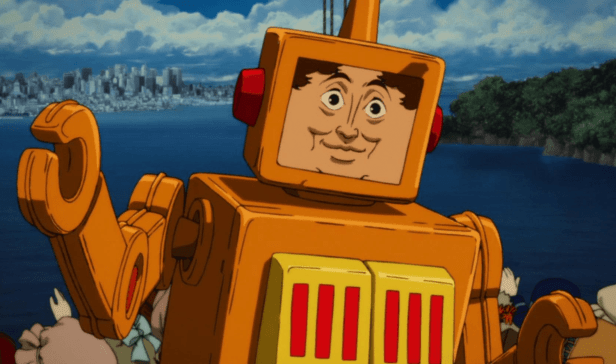
Let’s talk about the elephant in the room – that insane parade sequence that’s become the film’s calling card. Watching it again, I’m struck by how it operates on multiple levels simultaneously. On the surface, it’s pure visual spectacle – toys, dolls, and random objects marching through the streets in a fever dream of consumerism and childhood nostalgia.

But there’s something darker lurking underneath. The parade represents the chaos that erupts when our unconscious desires break free from rational control. It’s every repressed thought, every buried trauma, every secret shame given form and set loose on the world. The fact that it’s filled with children’s toys makes it even more unsettling – it’s our innocent facades cracking open to reveal the mess underneath.
The Tech Anxiety That Predicted Our Present
Here’s where the rewatch really got under my skin. Back in 2006, the idea of technology invading our dreams felt like science fiction. Now, with companies harvesting our data, AI systems analyzing our behavior patterns, and social media algorithms manipulating our emotions, the DC Mini feels less like fantasy and more like the logical next step.
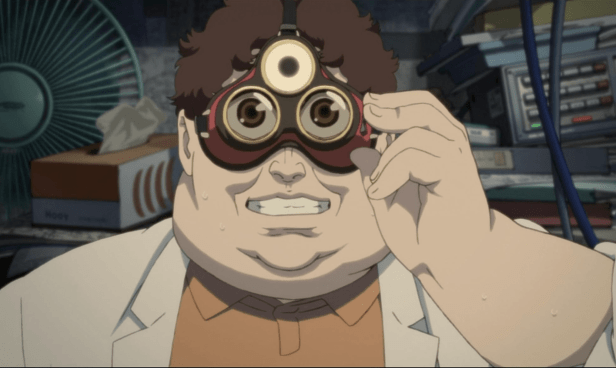
The film’s villains – Dr. Osanai and Chairman Inui – aren’t your typical mustache-twirling bad guys. They’re bureaucrats and scientists who’ve convinced themselves that controlling human consciousness is for the greater good. Sound familiar? Every time I see another story about tech companies “optimizing” our feeds or governments monitoring our digital footprints, I think about these characters and their calm certainty that they know what’s best for us.
Detective Konakawa: The Heart of the Film
What I missed in my first viewing was how crucial Detective Konakawa’s subplot is to the film’s emotional core. His recurring dreams about his dead friend and his guilt over abandoning filmmaking for police work provide the human anchor that keeps the film from floating away into pure abstraction.

Konakawa’s arc is about confronting the past and making peace with the choices that define us. His final scene, where he chooses to honor his friend’s memory by accepting his own path, hits different when you’re no longer young and convinced you can be anything. Sometimes the most radical act isn’t transformation – it’s acceptance.
Susumu Hirasawa’s Otherworldly Soundtrack
I’ve got to give props to Susumu Hirasawa’s score, which somehow manages to be both ethereal and unsettling. The guy was using Vocaloid technology before most people knew what that was, creating these artificial voices that perfectly capture the film’s themes of technological intrusion into human consciousness.
The music doesn’t just accompany the visuals – it creates its own narrative layer. Those recurring motifs help guide you through the film’s reality-bending transitions, providing sonic continuity when the visual logic breaks down. It’s the kind of soundtrack that works both as background score and as standalone listening experience.
Paprika vs Inception
You can’t watch Paprika without thinking about Inception, and honestly, that comparison does both films a disservice. While Nolan’s film borrows heavily from Kon’s visual playbook, it lacks the psychological complexity and emotional depth that makes Paprika special. Inception is about heists and action sequences; Paprika is about the fundamental nature of consciousness and identity.
The film’s influence extends beyond cinema too. You can see its fingerprints on everything from music videos to video games to contemporary anime. That fluid transition between reality and fantasy has become part of our visual vocabulary for depicting altered states of consciousness.
The Rewatch: My Thoughts
What makes this rewatch so powerful is how the film’s themes have only become more relevant. We’re living in an age where reality itself feels negotiable, where deepfakes and AI-generated content blur the lines between authentic and artificial, where our digital selves sometimes feel more real than our physical ones.
Paprika doesn’t offer easy answers to these questions – it’s too smart for that. Instead, it forces us to confront the complexity of consciousness in an age of technological mediation. It asks whether we can maintain our humanity when the boundaries between self and other, real and virtual, conscious and unconscious, are constantly shifting.
The Tragic Finale of a Master
Knowing that this was Kon’s final completed work adds another layer of poignancy to the viewing experience. The man who gave us Perfect Blue, Millennium Actress, and Tokyo Godfathers went out with perhaps his most ambitious statement about the nature of dreams and reality. There’s something fitting about that – a director who spent his career exploring the boundaries between fantasy and reality leaving us with a film that refuses to respect those boundaries at all.
Paprika isn’t just a great anime – it’s a prophetic work that anticipated the psychological challenges of our digital age. It’s a film that rewards multiple viewings, revealing new layers of meaning with each encounter. And it’s a reminder that the best science fiction doesn’t just entertain us – it prepares us for the future we’re already living in.
If you haven’t watched it, fix that. If you have, it’s time for a rewatch. Trust me, it hits different now.
*Thanks for reading, Fear Planet denizens! If you want to revisit, save, highlight, and recall this article, we recommend you try out READWISE, our favorite reading management and knowledge retention app. All readers of Fear Planet automatically get a 60-day free trial.
This post was blasted into the social media stratosphere by HopperHQ, the best social media manager out there.
*This post contains affiliate links. Purchasing through them will help support Fear Planet at no extra cost to our readers. For more information, read our affiliate policy.
Discover more from Fear Planet
Subscribe to get the latest posts sent to your email.
