
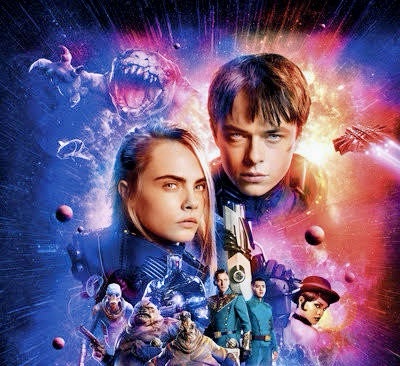
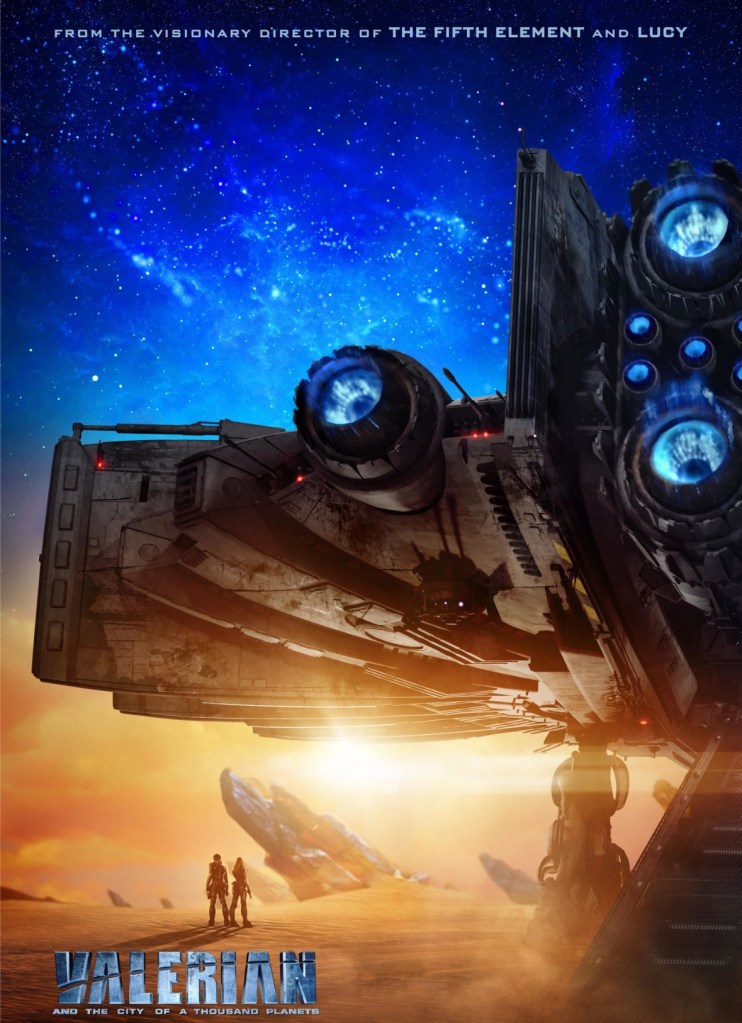
I’m about to make an argument that might sound completely insane: “Valerian and the City of a Thousand Planets” is actually a damn good time at the movies. Yes, I know what you’re thinking. The film that bombed spectacularly at the box office, earned middling reviews, and featured two leads with about as much chemistry as a wet matchstick? That “Valerian”?
Here’s the thing – I discovered this truth through the most honest critic I know: my 12-year-old daughter. Watching her eyes light up during the film’s most bonkers sequences, seeing her lean forward during the interdimensional market chase, hearing her gasp at the revelation of the Pearl planet’s destruction – I realized I’d been viewing this movie through the wrong lens entirely. Sometimes it takes a kid to remind you that pure spectacle, unburdened by cynicism, can be its own form of cinematic magic.
The Besson Vision: Four Decades in the Making
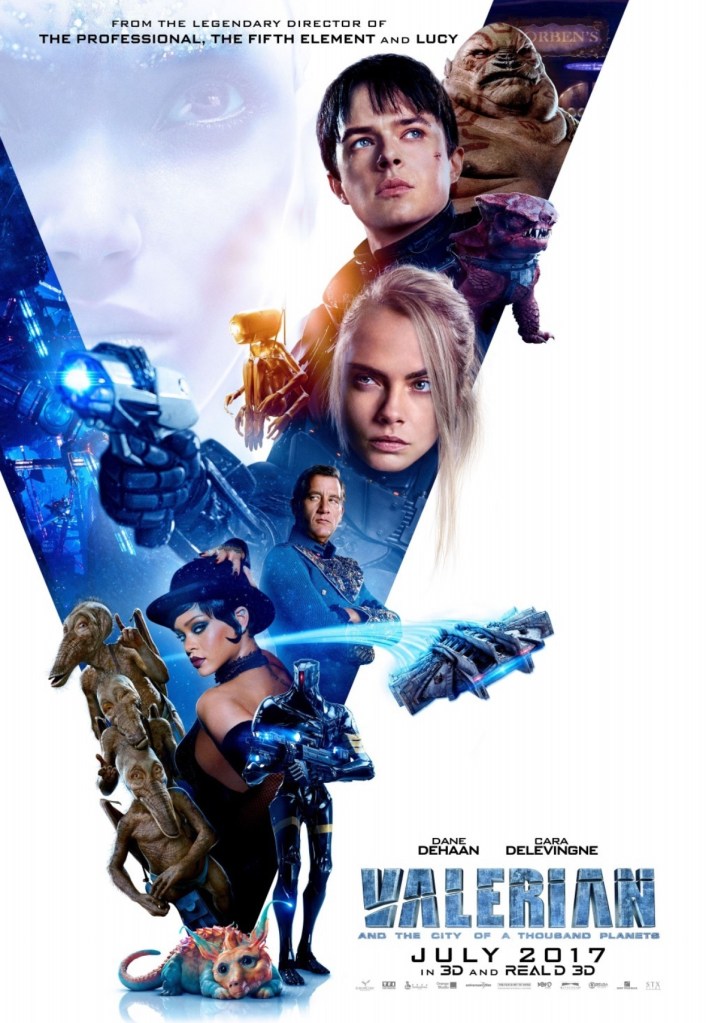
Luc Besson spent forty years dreaming about bringing “Valerian” to the screen, ever since he discovered the French comic series as a ten-year-old. That kind of obsessive passion creates something unique in cinema – a film that feels both deeply personal and wildly ambitious. With a $180 million budget, “Valerian” became the most expensive independent film ever made, and you can see every penny of that money splashed across the screen in the most gloriously excessive way possible.
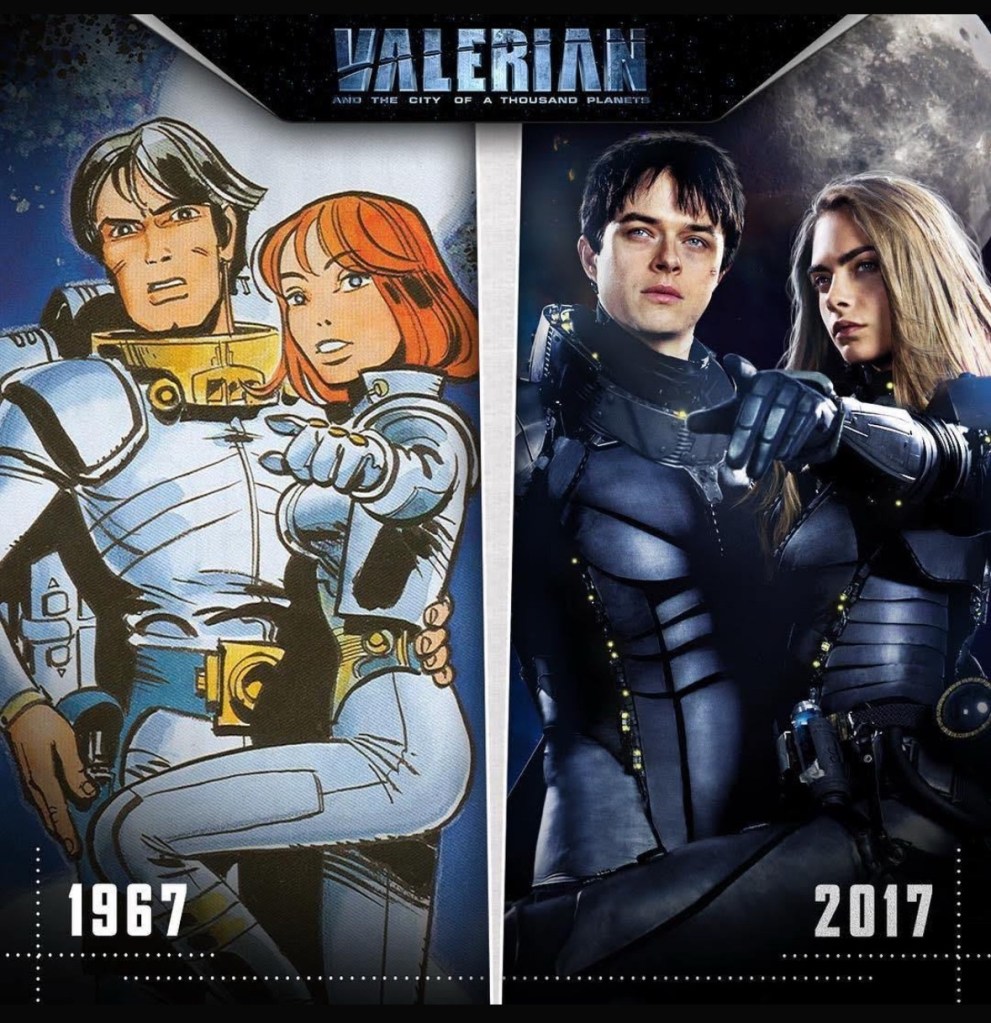
The source material, “Valérian et Laureline” by Pierre Christin and Jean-Claude Mézières, ran for 43 years and influenced everything from “Star Wars” to Besson’s own “The Fifth Element.” This isn’t some cash-grab adaptation – it’s a love letter to a comic that shaped science fiction visual storytelling for decades.
Plot Synopsis: Space Cops and Ancient Crimes
SPOILER WARNING: Major plot points revealed ahead
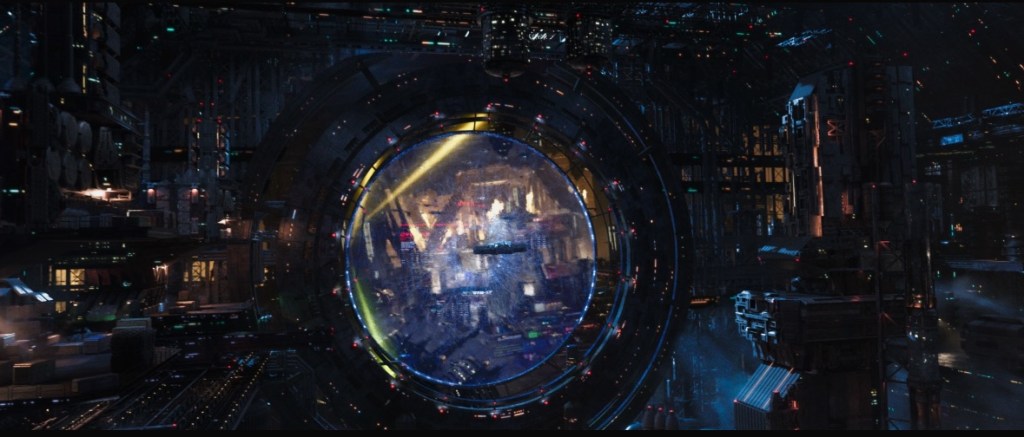
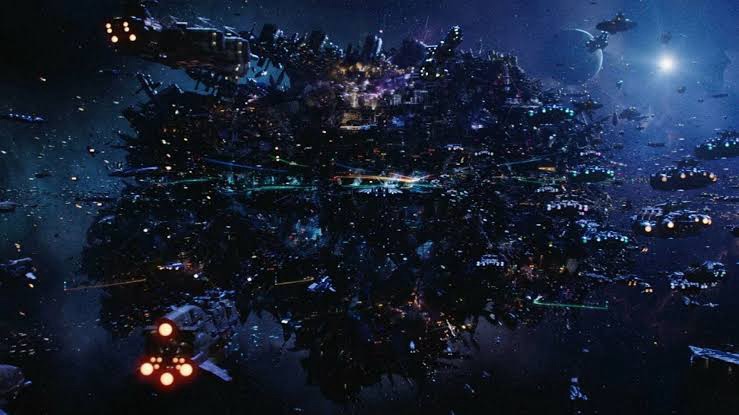
Set in the 28th century, the film takes place in a universe where humans have joined forces with thousands of alien species to create Alpha, a massive space-traveling city that houses 3,236 different species. Think of it as the ultimate cosmic melting pot, where the former International Space Station has evolved into a metropolis the size of a small planet.
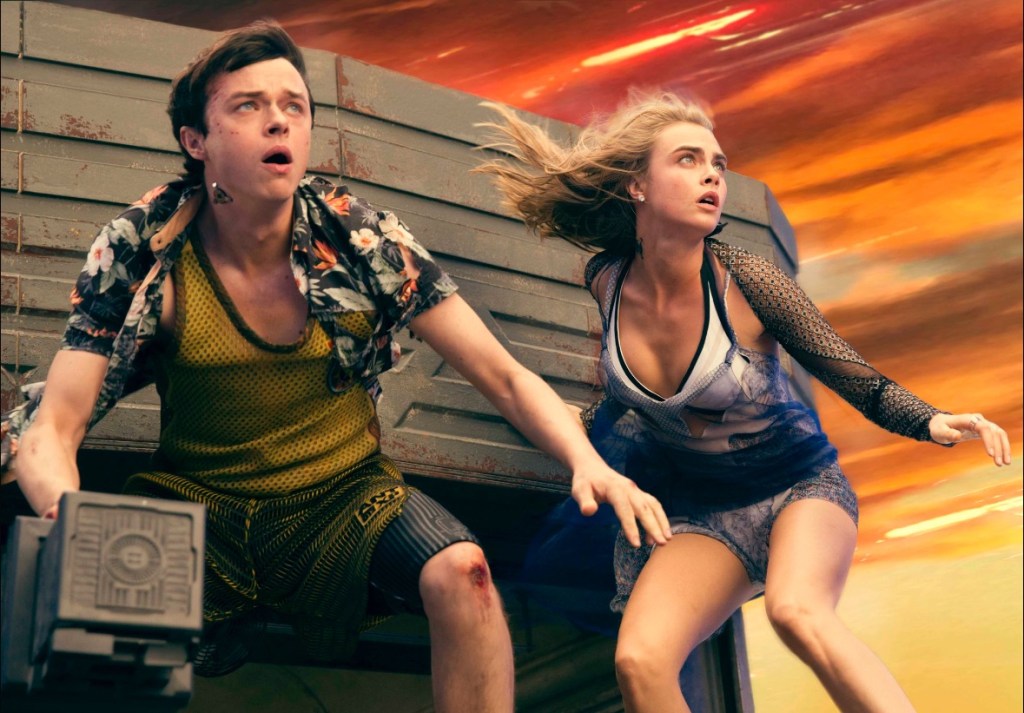
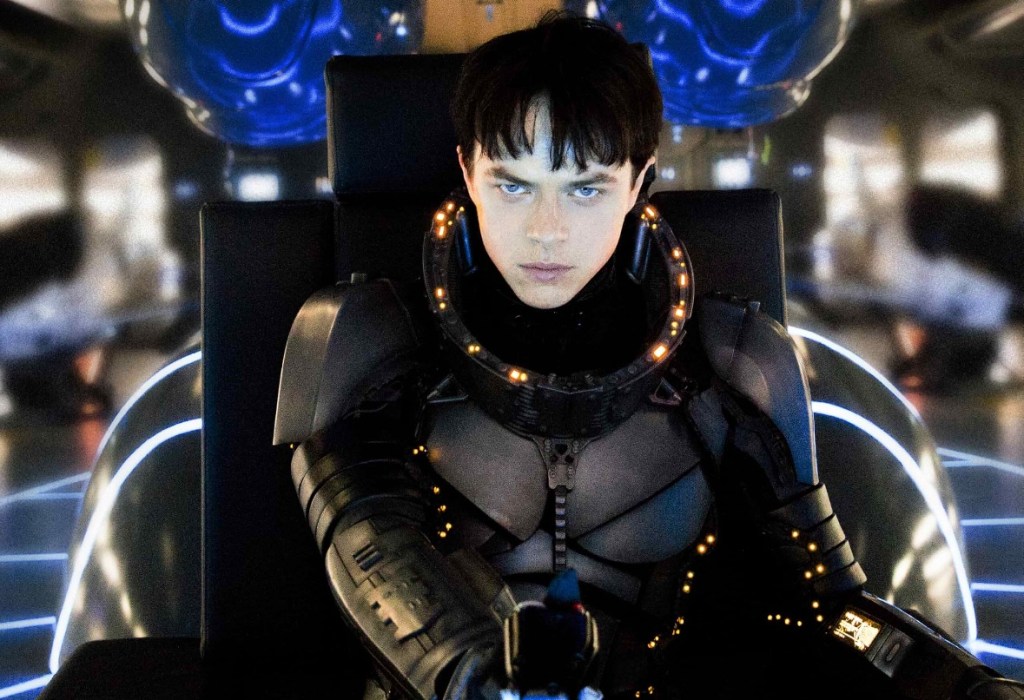
Our protagonists are Major Valerian (Dane DeHaan) and Sergeant Laureline (Cara Delevingne), special operatives for the United Human Federation whose job is basically being space cops for the entire universe. The film opens with them on a mission to retrieve a “converter” – a cute creature that can duplicate anything it eats – from a black market dealer.
This seemingly straightforward mission spirals into something much larger when they discover that Alpha is harboring a dark secret. The city’s core is infected by an expanding radioactive zone that threatens to destroy the entire station. As Valerian and Laureline investigate, they uncover a conspiracy that traces back to a war that destroyed the planet Mül thirty years earlier.
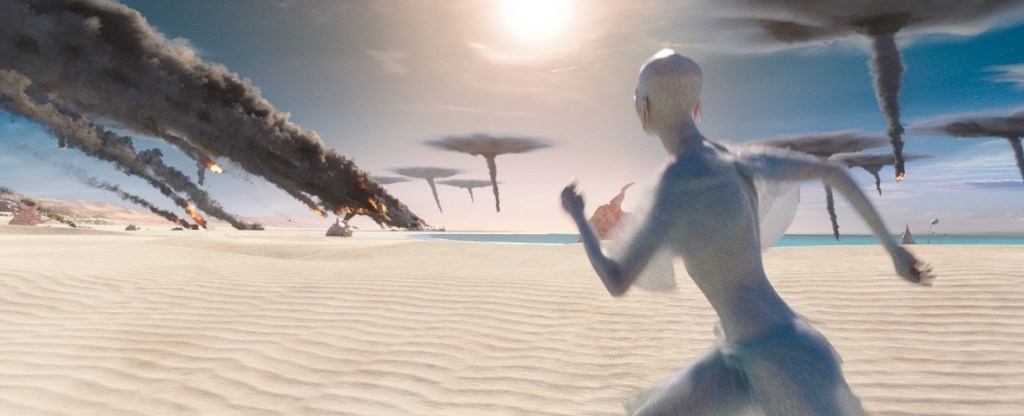
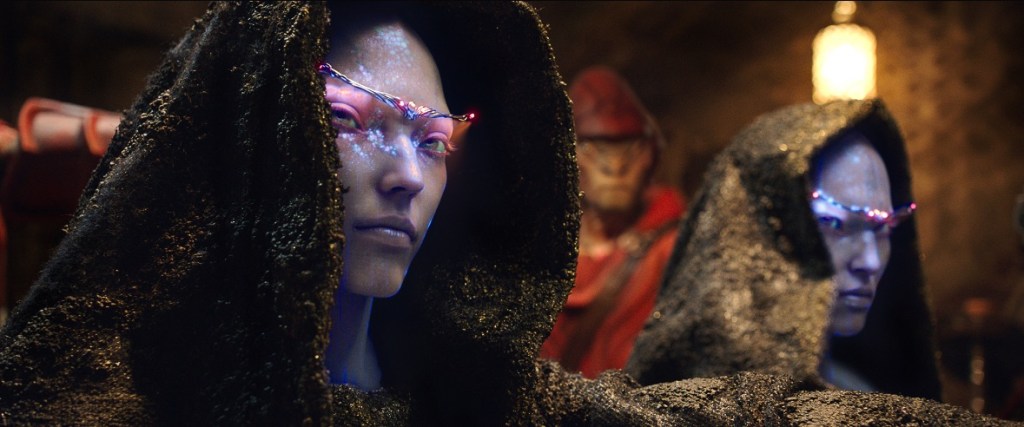
The Pearl race – ethereal, peaceful beings who lived on Mül – were wiped out when debris from a space battle crashed into their world. The few survivors have been living in the bowels of Alpha, planning their revenge against the human military officials who covered up the incident. Their leader, Emperor Haban-Lima, kidnaps the human Defense Minister and demands justice for his people’s genocide.
The film’s climax reveals that the military brass knew about the Pearl planet but decided the strategic value of their space battle was worth the collateral damage. It’s a story about institutional cover-ups, environmental destruction, and the price of progress – surprisingly heavy themes for what looks like a cotton candy space opera.
The Spectacle Defense: When Visual Excess Becomes Art
Here’s where I part ways with most critics: I think “Valerian” succeeds precisely because it’s so unabashedly committed to its own absurdity. This is a film that features an interdimensional market where Valerian can exist in two realities simultaneously, a shape-shifting entertainer named Bubble (played by Rihanna), and a sequence where our heroes get swallowed by a giant creature and have to navigate its digestive system.
The film contains 2,355 visual effects shots – nearly four times as many as “Rogue One.” Every single frame is crammed with impossible architecture, bizarre alien species, and environments that look like they were pulled from a fever dream. The Big Market sequence alone is worth the price of admission, creating a space where physical laws seem optional and visual logic operates on dream rules.
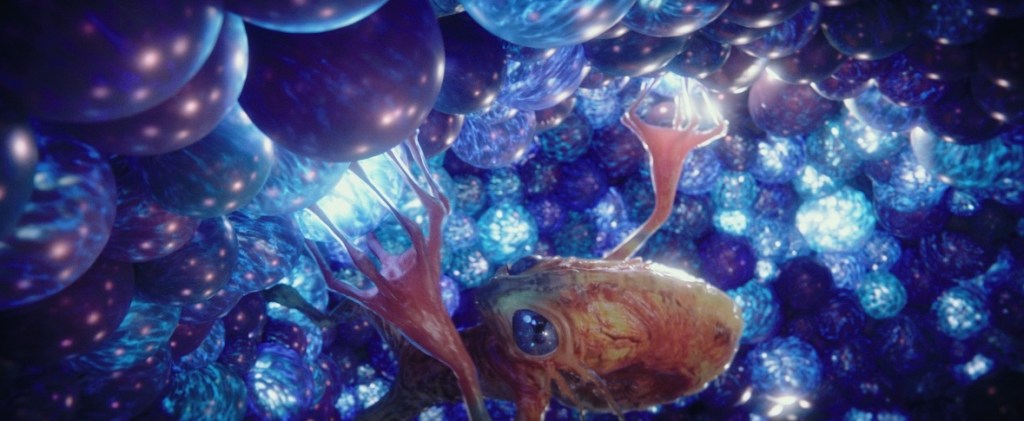
Watching my daughter react to these sequences reminded me of something I’d forgotten: sometimes cinema’s job isn’t to make sense, but to make us feel wonder. Her complete absorption in the film’s visual madness, her acceptance of its internal logic, showed me that I’d been approaching “Valerian” like a film critic instead of a moviegoer.
The Chemistry Problem: A Feature, Not a Bug
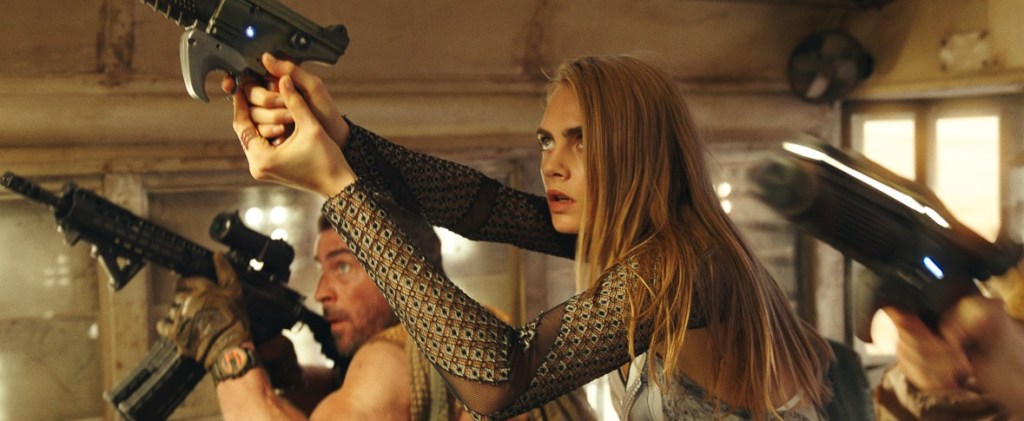
Everyone complains about the lack of chemistry between DeHaan and Delevingne, and they’re not wrong. But I’d argue this actually works in the film’s favor. Their relationship feels awkward and forced because that’s exactly what it is – two people thrust together by circumstances, trying to figure out if they actually like each other beyond their professional partnership.

Valerian spends the entire film trying to convince Laureline to marry him, while she remains skeptical of his motives. Their banter is stilted, their romantic moments feel uncomfortable, and their dynamic is uneven. But this isn’t a failure of casting – it’s an accurate portrayal of two people who work well together but haven’t figured out their personal relationship.
DeHaan, typically effective in smaller films, brings a neurotic energy to Valerian that makes him feel more human than your typical space hero. He’s not a swaggering Han Solo type – he’s a guy who’s good at his job but terrible at expressing his feelings. Delevingne, meanwhile, gives Laureline a no-nonsense competence that makes her the more capable partner. Their relationship feels real in its awkwardness.
The World-Building Achievement
Where “Valerian” truly excels is in creating a lived-in universe that feels both fantastical and functional. Alpha isn’t just a backdrop – it’s a character in its own right, with distinct neighborhoods, cultures, and ecosystems. The film shows us how different species have adapted to life in this artificial environment, from the peaceful Pearls to the militaristic Doghan-Daguis.
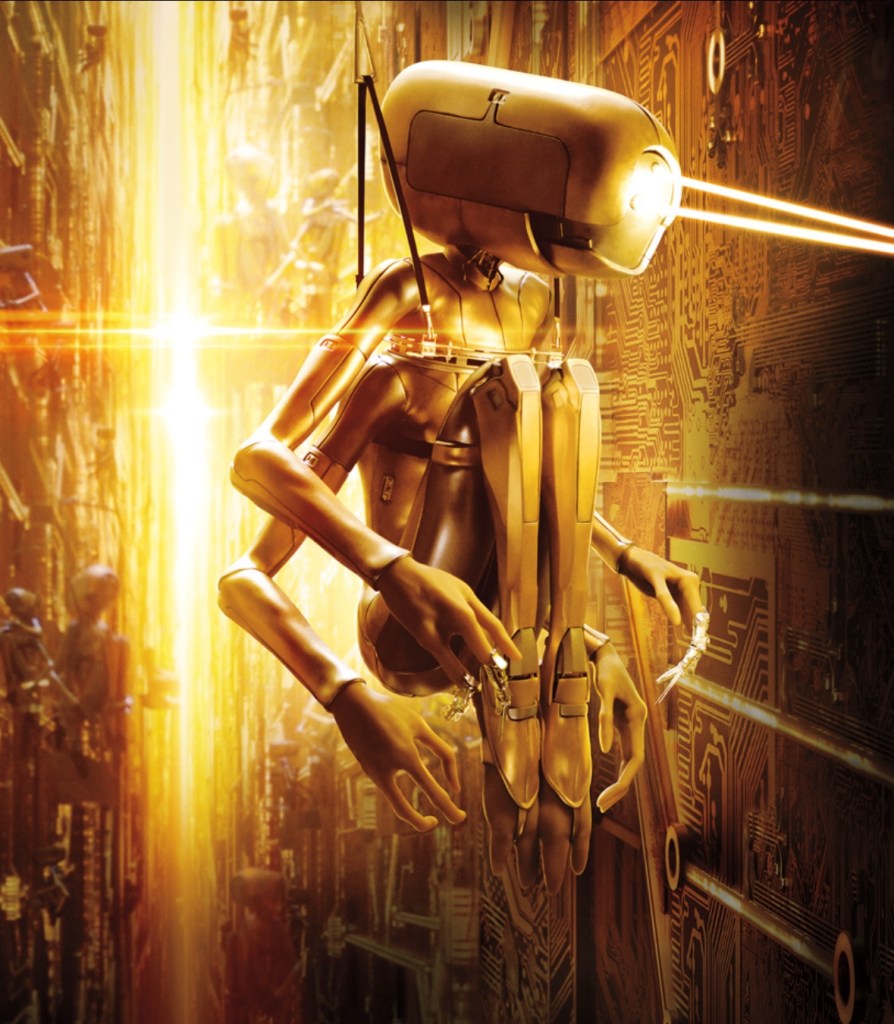
The production design, heavily influenced by Mézières’ original comic artwork, creates environments that feel both alien and familiar. Each sector of Alpha has its own visual language, its own architectural logic, and its own cultural identity. This isn’t just window dressing – it’s genuine world-building that makes the universe feel expansive and real.
The Emotional Core: Environmental Allegory
Beneath all the visual excess, “Valerian” is telling a story about environmental destruction and cultural genocide. The Pearl planet’s destruction serves as a metaphor for how indigenous peoples and their environments are often sacrificed for the “greater good” of military or economic interests.

The Pearls themselves are portrayed as an idealized society – peaceful, harmonious, and living in perfect balance with their environment. Their destruction represents the loss of something pure and irreplaceable, while the cover-up reflects how institutions protect themselves at the expense of justice.
This emotional core gives weight to all the visual spectacle. The film isn’t just showing off – it’s using its fantastic elements to explore real-world issues about power, responsibility, and the cost of progress.
The Vicarious Joy of Rediscovery
Watching “Valerian” through my daughter’s eyes reminded me why I fell in love with science fiction in the first place. Her unguarded enthusiasm for the film’s stranger moments – the jellyfish-like creatures, the butterfly-winged aliens, the impossible architecture – helped me see past the film’s obvious flaws to its genuine sense of wonder.
She didn’t care that the dialogue was clunky or that the pacing was uneven. She was too busy being transported to a universe where anything was possible, where every corner held a new surprise, where the very concept of “impossible” had been temporarily suspended.

The Verdict: A Magnificent Failure
“Valerian and the City of a Thousand Planets” is undeniably flawed. The script needed another pass, the leads needed more chemistry, and the pacing needed tightening. But it’s also something increasingly rare in modern cinema: a completely original, deeply personal vision realized on an enormous scale.

In an era of franchise filmmaking and committee-driven blockbusters, Besson created something that feels handmade despite its massive budget. It’s a film that swings for the fences and misses, but the swing itself is so ambitious, so committed, so utterly fearless that you can’t help but admire it.
My daughter’s enjoyment of the film reminded me that sometimes the best way to judge a movie isn’t by its flaws, but by its ability to transport us somewhere we’ve never been before. “Valerian” may not be a perfect film, but it’s a perfect reminder of why we go to the movies in the first place: to experience wonder, to see the impossible, and to spend two hours in a world where anything can happen.
Sometimes that’s enough. Sometimes that’s everything.
Discover more from Fear Planet
Subscribe to get the latest posts sent to your email.
