
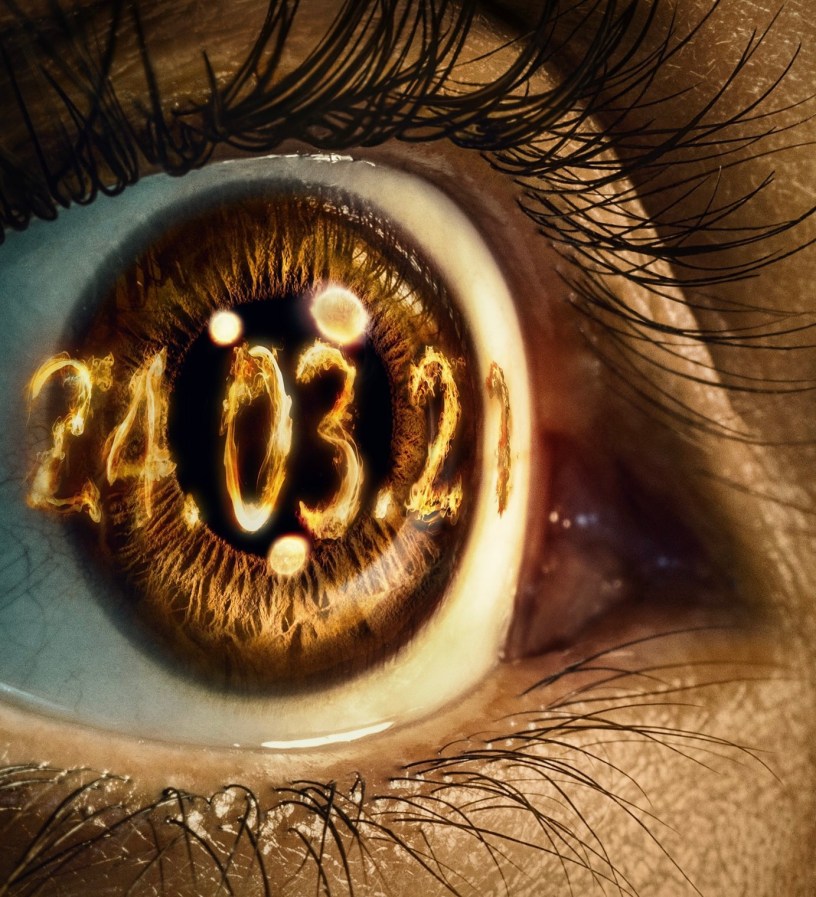
Though I am not a fan of the Three Body Problem novel, I recently finished Netflix’s adaptation of Liu Cixin’s wild, reality-bending epic. Afterwards, I felt I needed shows that could scratch that same cosmic itch. If you’re coming down from the high of alien contact, multi-dimensional gambits, and late-night debates about the Fermi Paradox, you’re probably in the same boat: hungry for TV that delivers epic scope, dense ideas, and genuine philosophical wonder.
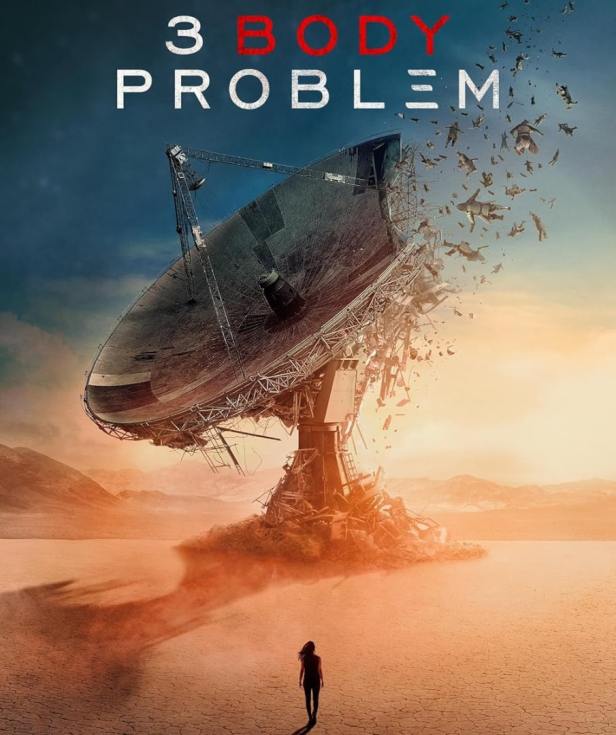
So here’s my shortlist of series that, in my book, capture what The Three-Body Problem does: mind-expanding plots, ambitious science, and a willingness to go really, really big.
Westworld (2016–2022)
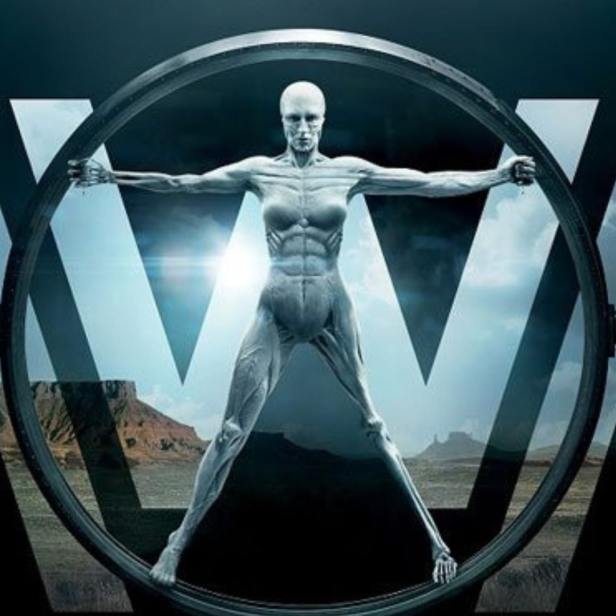
Imagine a Western park filled with eerily lifelike androids, where human guests role-play—without consequence—until the “hosts” start to wake up. What starts as a story about artificial intelligence soon spirals into a deep dive into the nature of reality, free will, and the blurry lines between human and machine. The show unravels across surprising territory, from the theme park itself into a sprawling vision of the future.
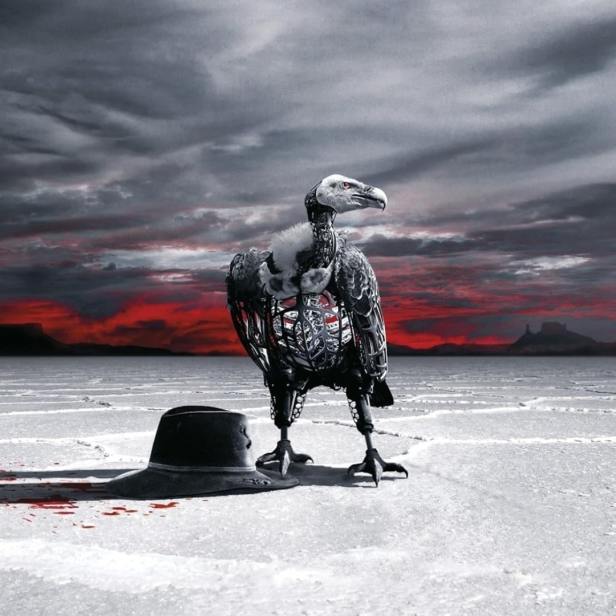
Westworld, much like Three-Body, is never afraid to challenge its viewers. The non-linear storytelling keeps you on your toes, and the philosophical questions stick around long after the credits. I especially love season one—Anthony Hopkins (as Dr. Ford) brings chilling gravitas, while Thandiwe Newton and Evan Rachel Wood deliver complex, deeply human performances as androids grappling with consciousness. Just to clear up the facts, Hopkins appears most prominently in the first and second seasons rather than throughout the entire series. The later seasons go in wild new directions—sometimes a bit too confusing, honestly—but the ambition is undeniable.
Rating: ★★★★½ (4.5/5)
The Expanse (2015–2021)
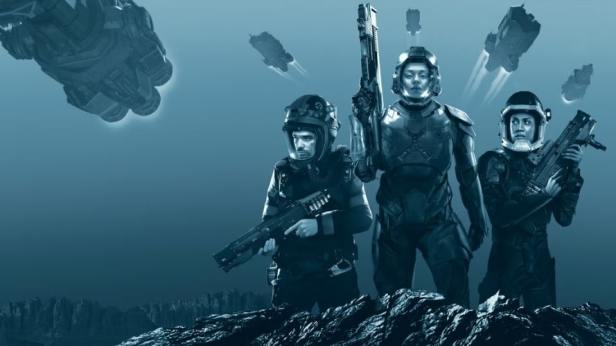
The Expanse starts as a noir detective story set among the asteroid belt’s outcasts, but quickly escalates into an interplanetary conspiracy that could threaten all humanity. It’s famous for sticking to hard science—no artificial gravity without spinning stations, no pew-pew lasers with sound in a vacuum, no magic tech.
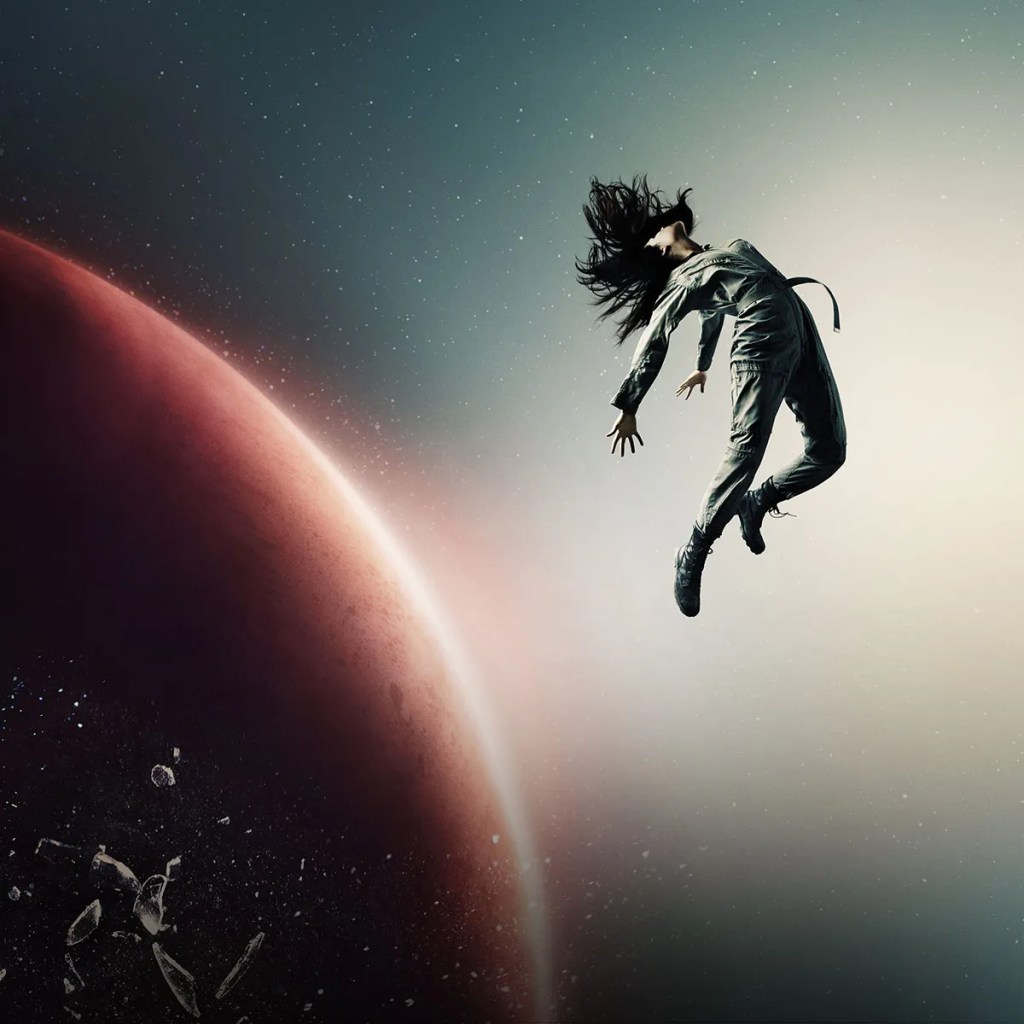
I fell in love with the world-building: political intrigue between Earth, Mars, and the Belters; the jaw-dropping visuals of space battles; and most of all, the introduction of the protomolecule, an alien technology that defies comprehension. The show goes farther than you’d think—paralleling Three-Body’s jump from small-scale mystery to existential threat across centuries. Shohreh Aghdashloo’s Chrisjen Avasarala is a force of nature, delivering some of TV’s best F-bombs in between savvy diplomacy.
Rating: ★★★★★ (5/5)
Dark (2017–2020)

I don’t think I’ve seen a more intricately plotted sci-fi show than Dark. Set in a small German town, it starts with a missing child and unravels into generations-spanning time travel. Even if you think you’ve mastered TV’s puzzle-box format, this one will test you. The show juggles multiple timelines, alternate selves, and a causal loop that’ll have you reaching for graph paper.

What I love is how it balances cerebral science with raw, emotional stakes—every universe-shattering revelation still ties back to messy parental love, childhood loss, and doomed romances. The vibe is equal parts uncanny and mesmerizing, with distinctive colors for different time periods. I ended up making my own character charts, just like I had to map Three-Body’s factions.
Rating: ★★★★★ (5/5)
12 Monkeys (2015–2018)
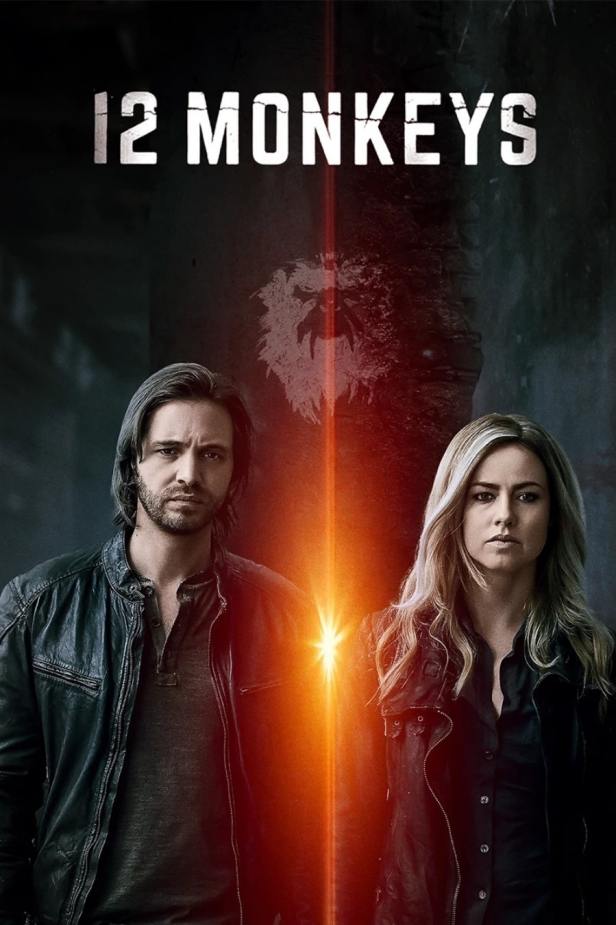
If you like your time-travel shows with more action but just as much philosophical bite, 12 Monkeys is for you. This Syfy series (loosely based on the Terry Gilliam film) follows James Cole, a man sent back to stop a plague—the catch being, time is far less cooperative than he expected. It spirals into a grand meditation on cause, effect, and whether destiny can be changed.
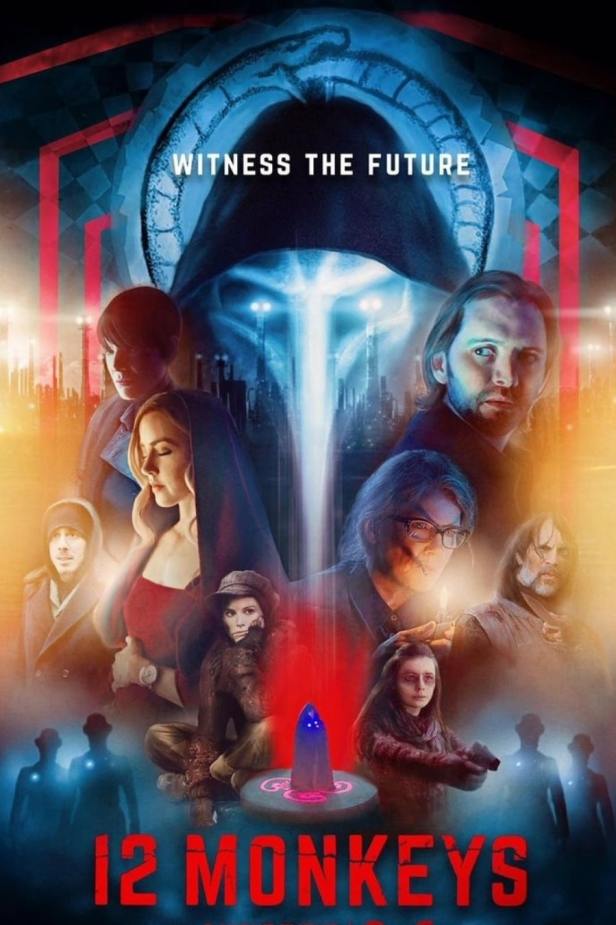
What made it stand out for me is how tightly it weaves its mythology—there’s a real sense of forethought, with puzzles and paradoxes wrapping up substantively in the final season. It’s rare for a time-travel show to feel as coherent as this, and the shifting motives and alliances are utterly compelling.
Rating: ★★★★½ (4.5/5)
Altered Carbon (2018–2020)

The core question here is: If you could change bodies (or “sleeves”) whenever you liked, how much of your identity would survive? Set in a future where human consciousness is fully digital (and the rich never have to die), Altered Carbon is violent, stylish, and dripping with noir atmosphere. I couldn’t get enough of its exploration of immortality’s moral costs.

As a factual note, Joel Kinnaman plays the main character, Takeshi Kovacs, in season one, and Anthony Mackie takes over in season two—this switch fits the premise but noticeably changes the vibes. The second season isn’t quite as impactful, but the show’s world remains a sight to behold.
Rating: ★★★★☆ (4/5)
Devs (2020)
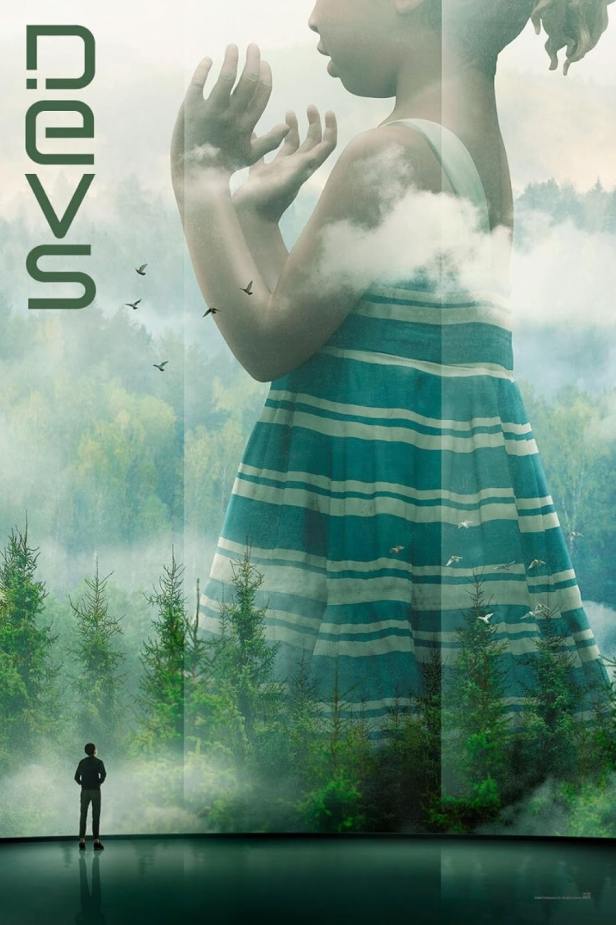
This is possibly the most overtly philosophical show on the list. Created by Alex Garland, Devs explores a secretive tech lab pursuing quantum computing—claiming they can predict all past and future events. It’s a show about fate, grief, and the (perhaps) illusory nature of free will.
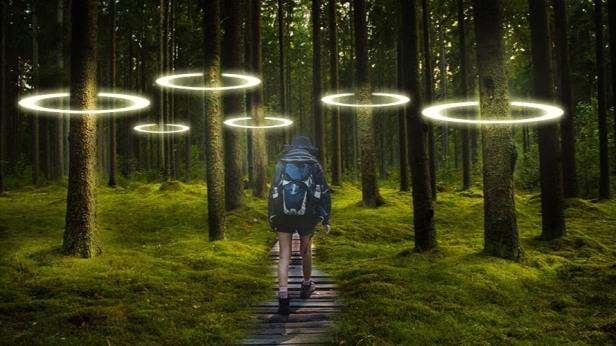
I was hooked by the haunting music and meditative pacing—the story unspools slowly, but it’s worth every minute of patience. Nick Offerman sheds his comedy roots for a tragic, haunted role, and Sonoya Mizuno is brilliant as the determined protagonist. Like Three-Body, it trusts the audience to dig into cutting-edge science and come away thoughtful, if unsettled.
Rating: ★★★★★ (5/5)
Raised by Wolves (2020–2022)
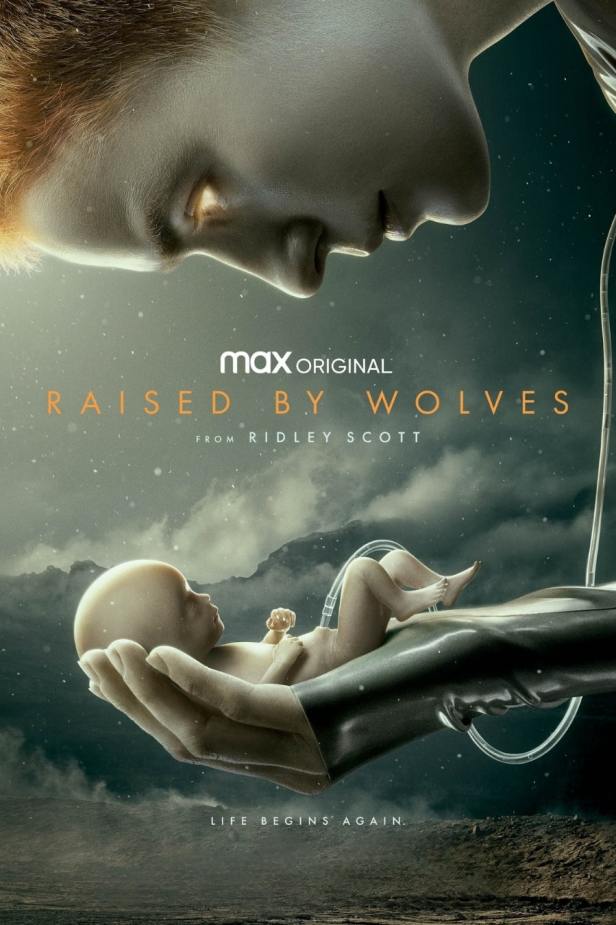
Here’s one that goes deep into sci-fi theology. Raised by Wolves throws humanity’s survivors—plus two android caretakers—onto a distant planet to reboot civilization after a religious war destroys Earth. Ridley Scott directs the first two episodes, setting the tone for a series that’s equal parts mythology, body horror, and speculative anthropology.
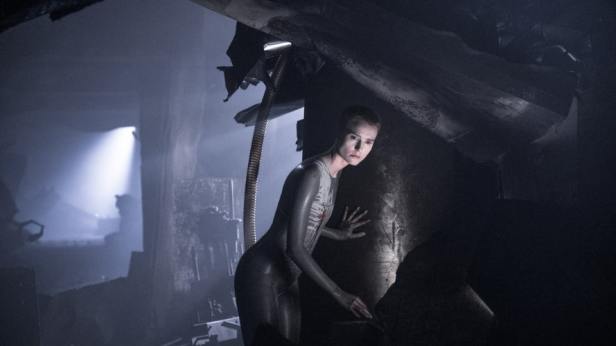
Amanda Collin is a revelation as Mother, an android with both nurturing and terrifying aspects; her performance anchors the series’ existential explorations. The planet (inspired by real exoplanet Kepler-22b, though the show takes huge creative liberties) is as much a character as the humans. It’s a show that asks whether faith and reason can ever coexist—and what we might become if we try to start over far from home. The only letdown is its cancellation after season two, leaving some mysteries unresolved.
Rating: ★★★★☆ (4/5)
Coda
The thread that connects these shows to The Three-Body Problem isn’t just their science fiction concepts and settings—it’s their storytelling ambition. Each one asks discomforting questions about our nature, our place in the universe, and what happens when the rules of reality start to wobble. If, like me, you enjoy being made to work hard and think deep, these series will keep your inner philosopher (and your insomnia) alive.

Have you tried any of these? Or do you have a series that filled the Three-Body void for you? I’d love to swap some recommendations. Let’s talk in the comments.
*Thanks for reading, Fear Planet denizens! If you want to revisit, save, highlight, and recall this article, we recommend you try out READWISE, our favorite reading management and knowledge retention app. All readers of Fear Planet automatically get a 60-day free trial.
This post was blasted into the social media stratosphere by HopperHQ, the best social media manager out there.
*This post contains affiliate links. Purchasing through them will help support Fear Planet at no extra cost to our readers. For more information, read our affiliate policy.
Discover more from Fear Planet
Subscribe to get the latest posts sent to your email.
