
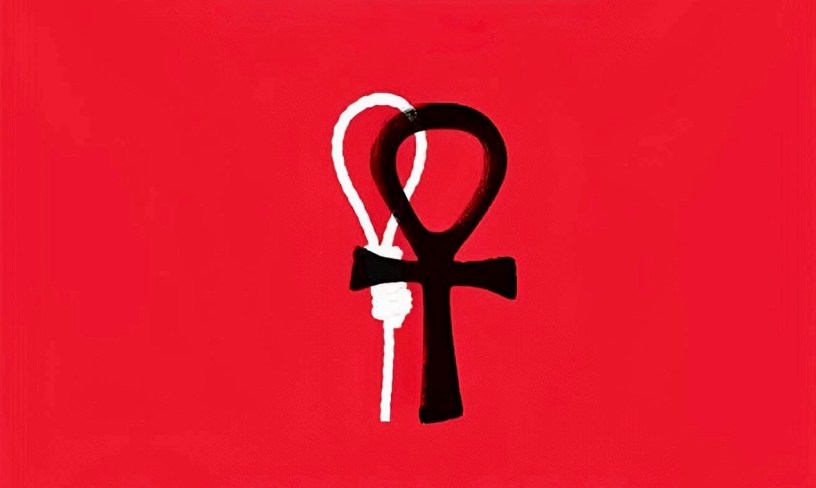
I remember around 1996 or so a friend of mine – whom I once playfully dubbed a ‘competitive reader’ – shoving a book into my chest harder than he probably intended. “Just read it,” was the explanation and haphazard apology, and yeah I still remember his eyes gleaming like they knew a secret I didn’t. That book was “The Anubis Gates.” I cracked the spine during a week I was supposed to be cramming for exams, and my sensible reading life was toast.
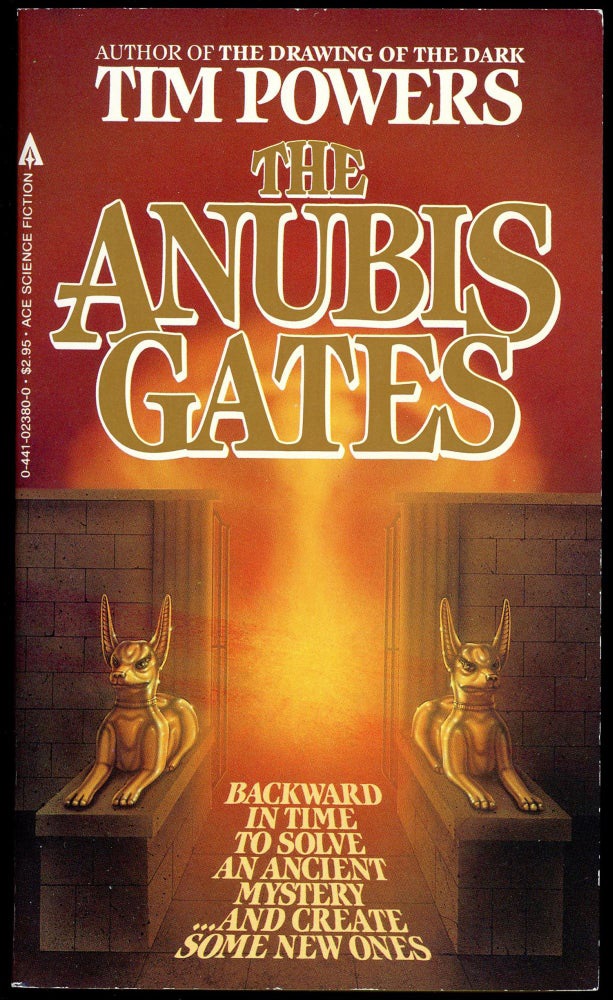
My Brief Thoughts on Tim Powers
Tim Powers, the writer of said book, never tries to hold your hand. He grabs history by the lapels, drags it down a dark alley, and whispers arcane phrases into its ear until the dates and the dead start moving. He writes the kind of fiction that makes straight historicals feel like endless but action-packed museum tours. Hell, he makes pure fantasy feel underdressed. His books are researched so meticulous you can taste the London soot, welded to a literary magic that behaves with the rude logic of physics. And when his fiction clicks the gears inside your brain—boy, do they ever click.
I’m not pretending to be objective, Fear Planet Denizens. I’m here to convert you.
The five books I picked on this list are meant to provide the following:
- Entry points, not deep cuts.
- The full Powers spectrum: clockwork plotting, myth-jacked history, American weird, high-seas sorcery, and Cold War supernatural hijinx.
And yes, I’ve re-read all of them within the last two years. Some multiple times. Some passages live rent-free in my skull.
Of course, omissions hurt. But no, I’m not sorry. In fact, I could’ve recommended more, but didn’t want to overwhelm you.
Now, without further waffling on my part, let’s get into the list – Five TP novels for newbies!
1) The Anubis Gates (1983)
If you start anywhere else, you’re playing on hard mode.

The setup is deceptively tidy: a rich eccentric bankrolls a time-hopping excursion so scholars can hear Coleridge lecture. Enter Brendan Doyle, literature guy with a suitcase and a soft spot for Romantic poetry. Exit anything resembling “tidy.”
Once Doyle slips into 1810 London, the floor gives way—Egyptian sorcerers with old grudges, a body-thieving werewolf with a personal agenda, a clown assassin with nightmare logic, and a conspiracy that keeps tightening until you can feel the cogs cutting your fingertips. Powers plays fair. Every throwaway line is a fuse. Every side character is a hinge. You don’t notice the architecture until you’re standing in the cathedral and the bells start shaking your ribs.
Powers wrote this alongside fellow Californians James P. Blaylock and K.W. Jeter—the trio who’d later be credited with shaping what Jeter dubbed “steampunk.” But where others grabbed the aesthetic, Powers grabbed the gears themselves.
- Why it rocks: The plotting is brutalist and beautiful. The world-building is so tactile you’ll swear you smell the Thames at low tide. And the action sequences hit like a bar fight that suddenly becomes a ritual.
- Weakness check: If you skim, the book will leave you behind and never text you back.
- Pair with: A rainy night, too much coffee, and a willingness to lose yourself in terrific prose.
Start here if you want to understand the cult of Powers. You’ll see the blueprint for half the “historical fantasy” you’ve loved since. And you’ll see why this sits near the foundations of what folks call steampunk—minus the goggles and with actual teeth.
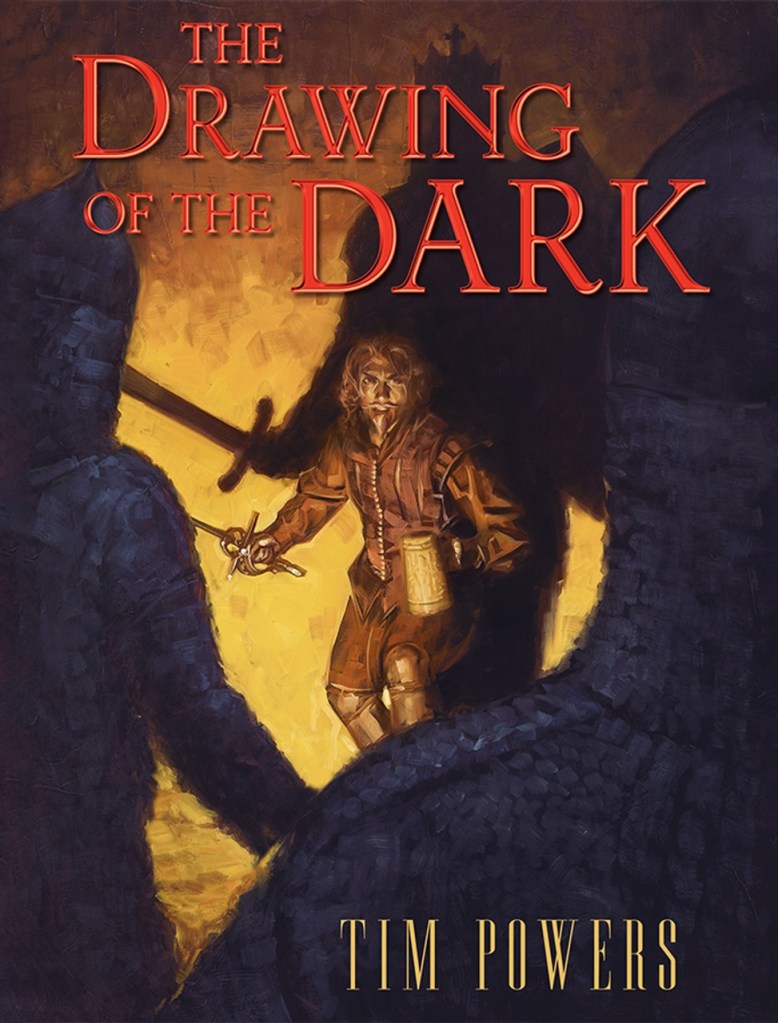
2) The Drawing of the Dark (1979)
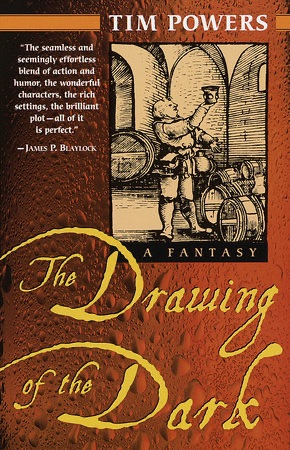
Vienna, 1529. The Ottoman Empire is knocking. In the Herzwesten brewery, something older than nations is fermenting. Brian Duffy—aging Irish mercenary, not a man prone to mysticism—takes a job as a bouncer and stumbles into a myth that’s been quietly aging in oak for centuries.
What Powers does here is audacious in a cozy way. He ties the Siege of Vienna, the health of the West, and a once-in-seven-centuries brew into the Arthurian bloodstream. Merlin shuffles in like a weathered regular who knows which cask not to tap until the moon is right. The magic tastes malty and inevitable.
- Why it rocks: Atmosphere thick enough to chew. You can hear steel on steel and smell the hops rising. Duffy’s a wonderfully gruff lens—confused, competent, stubborn.
- Weakness check: It simmers more than it sprints. If you need constant fireworks, adjust your expectations and let it slow-cook you.
- Pair with: A dark beer, a creaky chair, and the gracious acceptance that myth might be more practical than you thought.
Start here if the words “Renaissance,” “beer,” and “King Arthur” make your pupils dilate.
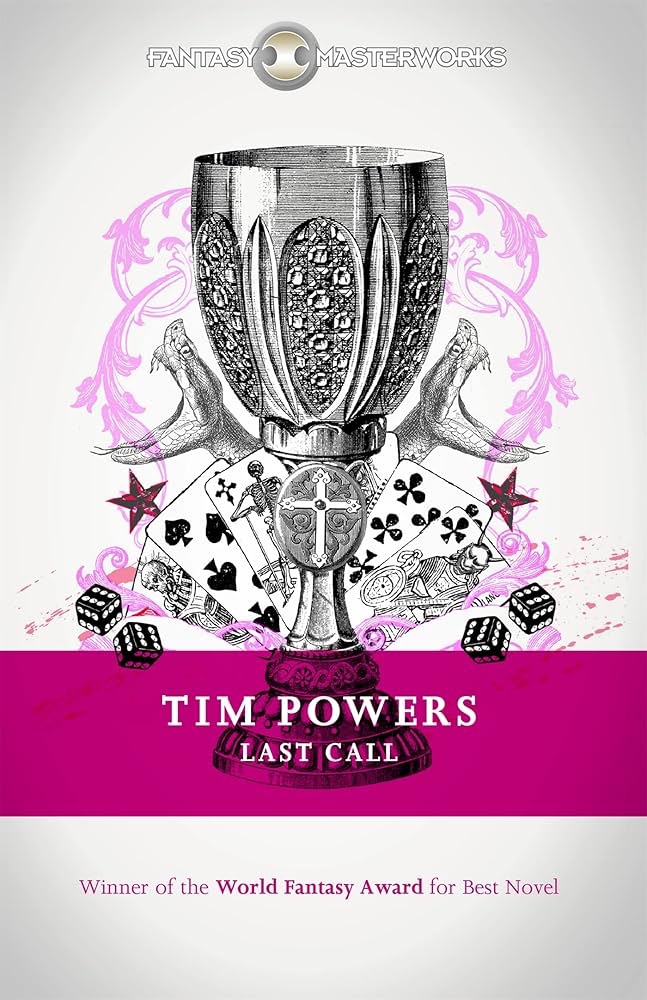
3) Last Call (1992)
Las Vegas as an occult machine. Poker as ritual. Tarot as hard math. America’s desert mythography running on neon and ash.
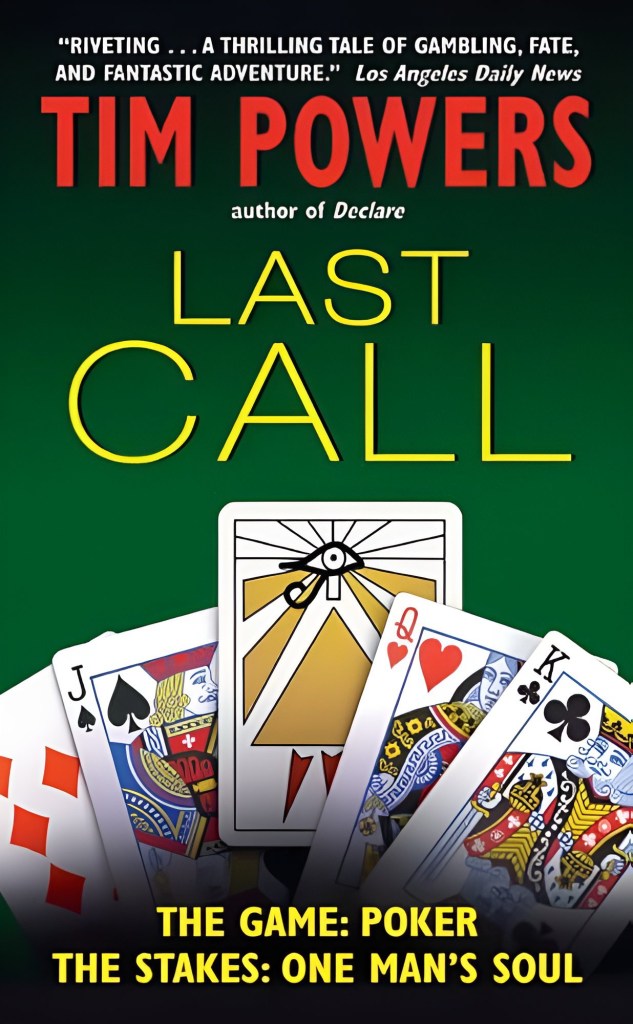
Scott Crane won a game he should’ve folded. Twenty years later, the bill comes due: his biological father—sickly sovereign of a Fisher King line—has plans that involve vacancy in Scott’s skull. The city’s history (Bugsy, Hughes, the petty gods of casino design) gets rethreaded into a magic system that feels wrong in exactly the way true things often do.
This is the first book of the Fault Lines trilogy (followed by Expiration Date and Earthquake Weather), but it stands alone perfectly—and honestly, if you only read this one, you won’t feel cheated. Powers won both the World Fantasy Award and the Locus Award for it, which should tell you the machinery works.
- Why it rocks: Powers tunes the language to a metallic hum—precise, spare, and sinister. The probability-magic isn’t cute; it’s persuasive.
- Weakness check: If Tarot symbolism makes your eyes glaze, brace yourself. The book will teach you how to read it or it will eat you.
- Pair with: A cracked deck, midnight radio, and a bad feeling that turns out to be right.
Start here if you want American myth with sand in its teeth and rules that can be learned, but never beaten.
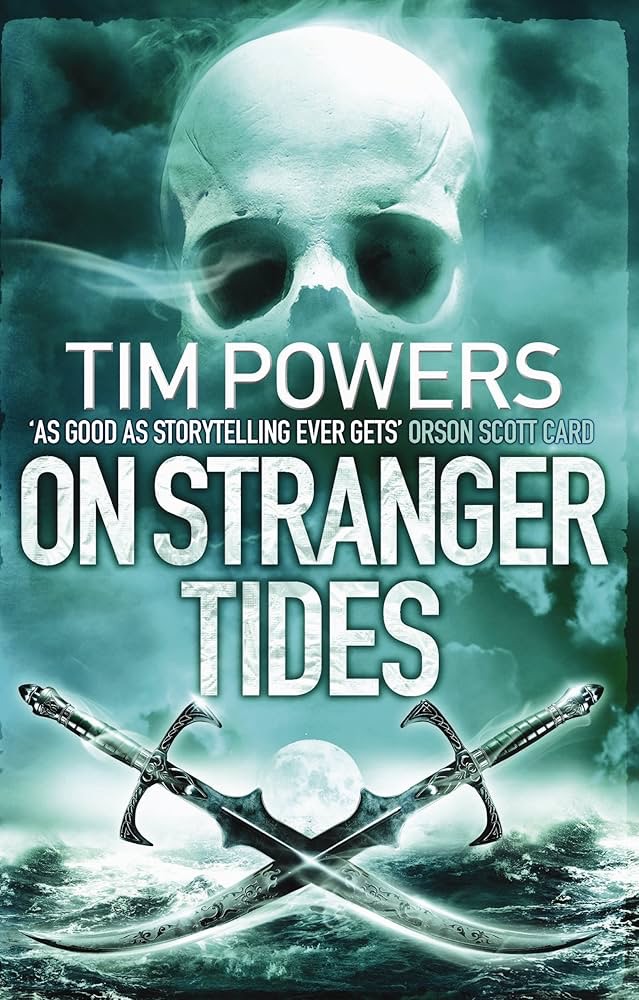
4) On Stranger Tides (1987)
Pirates, but feral. Voodoo, but respected. The Fountain of Youth, but weaponized.
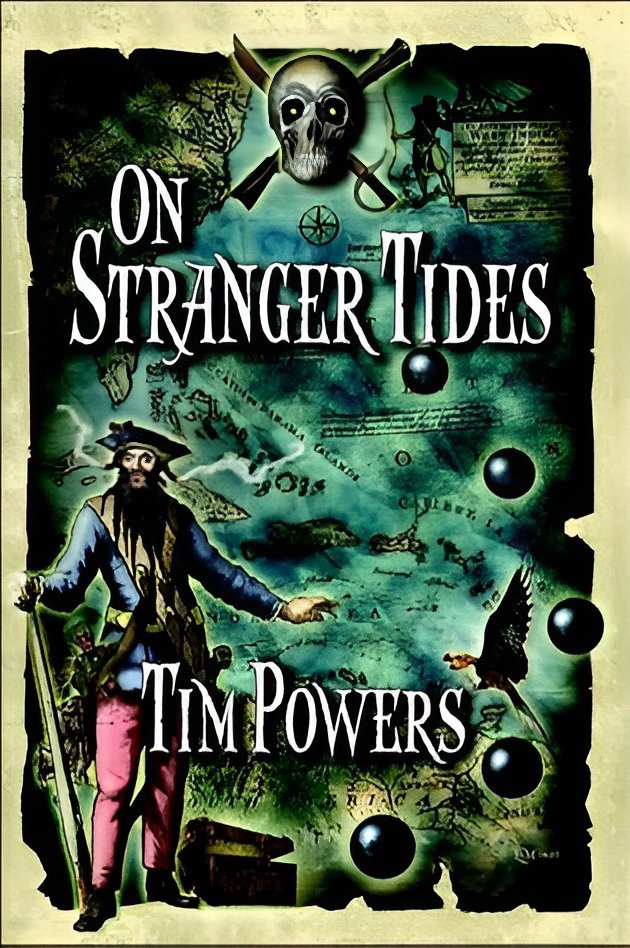
John Chandagnac boards a ship to settle family business and gets press-ganged by fate into piracy, under the rechristened name Jack Shandy. Blackbeard is here, not as a cartoon but as a force. The Caribbean becomes a spirit-churn, where zombie crews and bone-bright rituals steer the tide as surely as wind.
Years later, Disney would borrow the title and a few ideas for the fourth Pirates of the Caribbean film. But this is the original—saltier, stranger, and with actual stakes.
- Why it rocks: Powers did the pirate homework. The creak of rigging and the stink of bilge water ground the sorcery until you stop noticing seams. Sword fights land. Magic duels do, too.
- Weakness check: If you only want swagger and sea shanties, the book’s grave, sweating spirituality might surprise you. Good.
- Pair with: Salt on your lips and a promise you probably shouldn’t keep.
Start here if you want historical adventure where the supernatural bites and leaves a hideous scar you can be proud of.
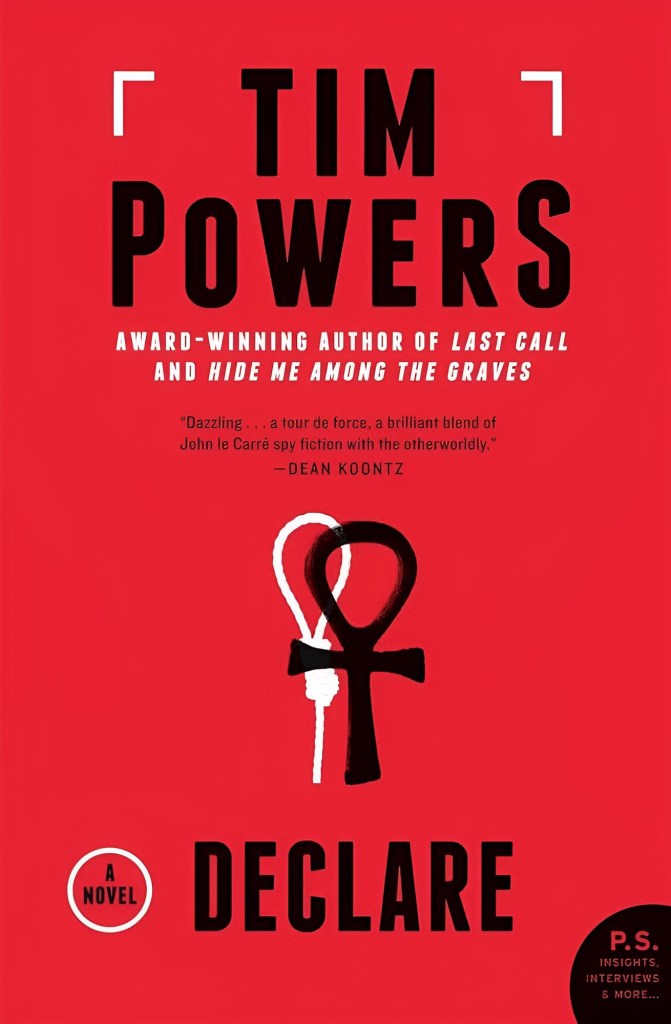
5) Declare (2001)
Spy fiction where the true Cold War isn’t just ideology; it’s metaphysics. We’re talking djinn on Ararat, oaths that outlive governments, and a double agent whose treachery becomes a different kind of allegiance when you look at it slant.

Andrew Hale is one of Powers’ most complete protagonists—aging across operations, haunted by vows and geography. Kim Philby slides through the narrative the way he slid through history: smiling, slippery, lethal. Real ops, real dates, real places—the paperwork is immaculate—and then the blast radius of the supernatural reframes it all.
Powers won the World Fantasy Award for this one, and if you’ve read his other work, you’ll understand why. This is him at full power: ambition married to discipline, research welded to revelation.
- Why it rocks: Ambition with traction. Multiple timelines that actually pay off. The research is so clean the miracles feel like classified physics.
- Weakness check: Dense book. Respect the density and it’ll reward you. Disrespect it and you’ll be thumbing back pages wondering where the ground went.
- Pair with: A map, a margin pencil, and patience.
Start here if you crave spycraft with soul and a conspiracy big enough to make history look like merely a small symptom.
Coda: The Power of Powers
Tim Powers writes secret histories that behave in step with his malevolent imagination. The magic does follow rules. The coincidences explain themselves in hindsight. He trusts you with complexity, then pays you back with the kind of inevitability that makes your scalp prickle. Reading him is training your eye to see the hidden hinges in real history—the odd little facts that start looking less like trivia and more like fingerprints.
These five books map the the following terrain:
- The Anubis Gates for the immaculate clockwork
- The Drawing of the Dark for myth poured into a tankard
- Last Call for American ritual under neon
- On Stranger Tides for salt-streaked sorcery that actually cuts
- Declare for ambition that hums at cold-war frequencies
Pick any door. Kick it in. Then come back and tell me which detail snapped into place three chapters later and made you mutter “Holy Sh*t.”
Oh, and when you shove one of these books into an intellectual frenemy’s chest—and you will—don’t explain. Just hand it over. Say “read it” with a superior gleam in your eye.
In time, they might just thank you for it.

*Thanks for reading, Fear Planet denizens! If you want to revisit, save, highlight, and recall this article, we recommend you try out READWISE, our favorite reading management and knowledge retention app. All readers of Fear Planet automatically get a 60-day free trial.
This post was blasted into the social media stratosphere by HopperHQ, the best social media manager out there.
*This post contains affiliate links. Purchasing through them will help support Fear Planet at no extra cost to our readers. For more information, read our affiliate policy.
Discover more from Fear Planet
Subscribe to get the latest posts sent to your email.
