
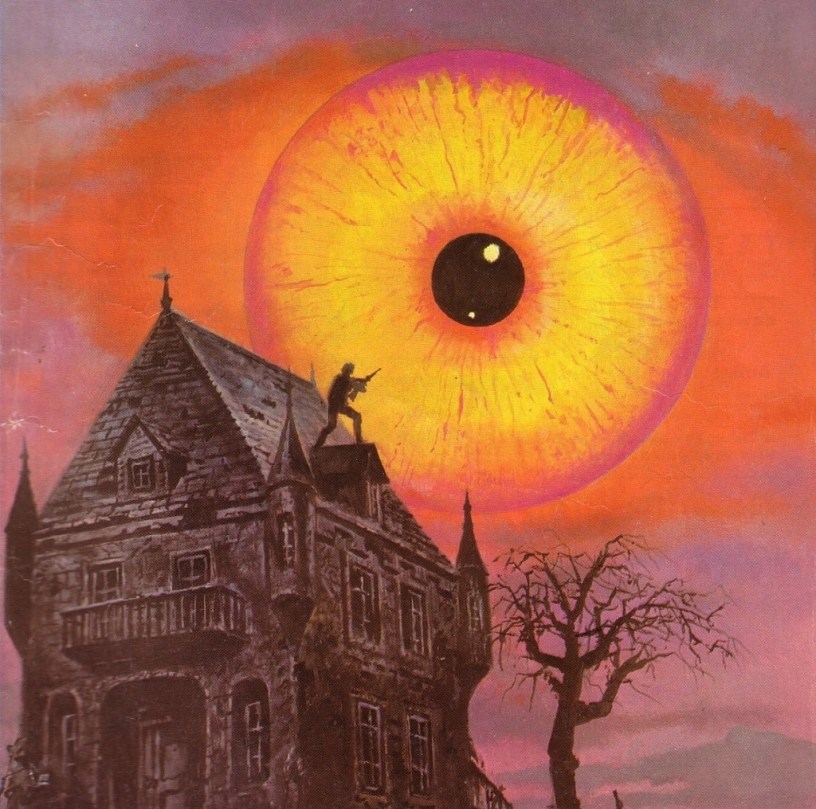
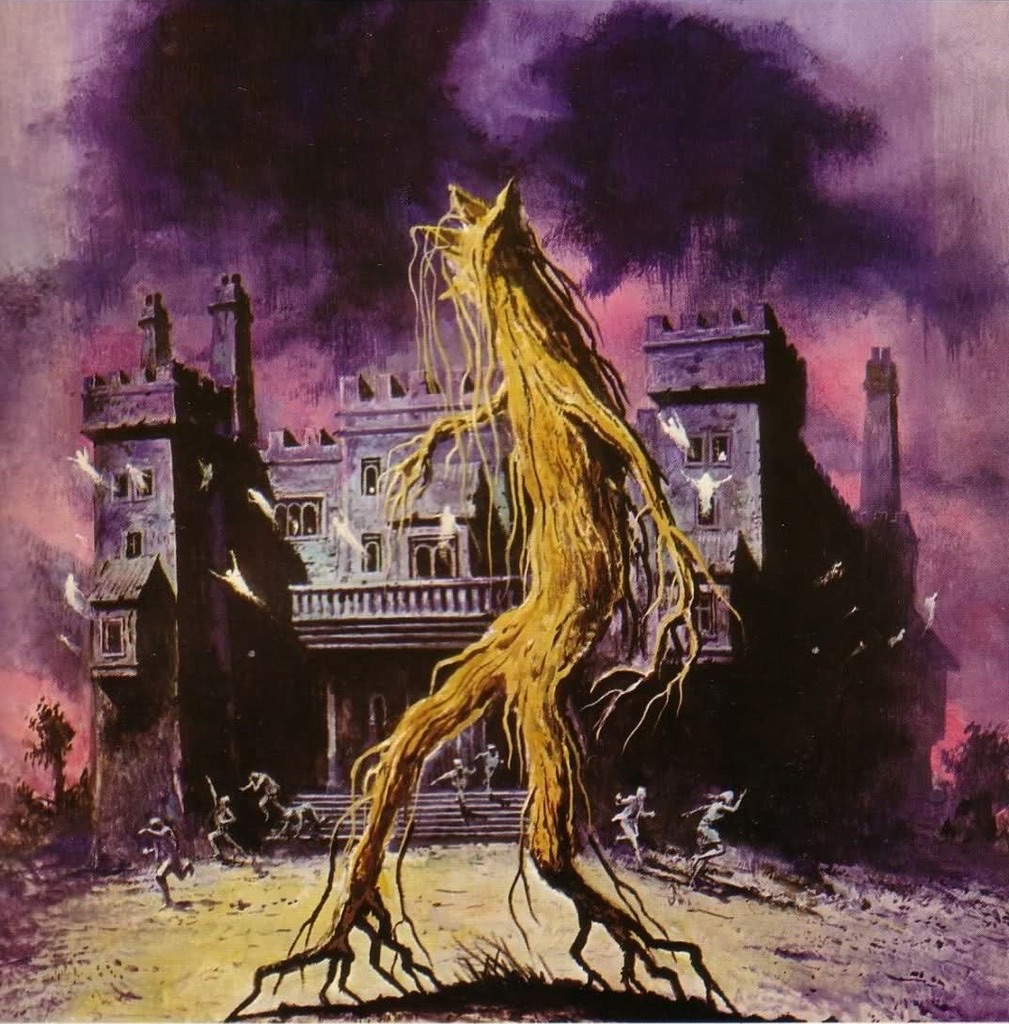
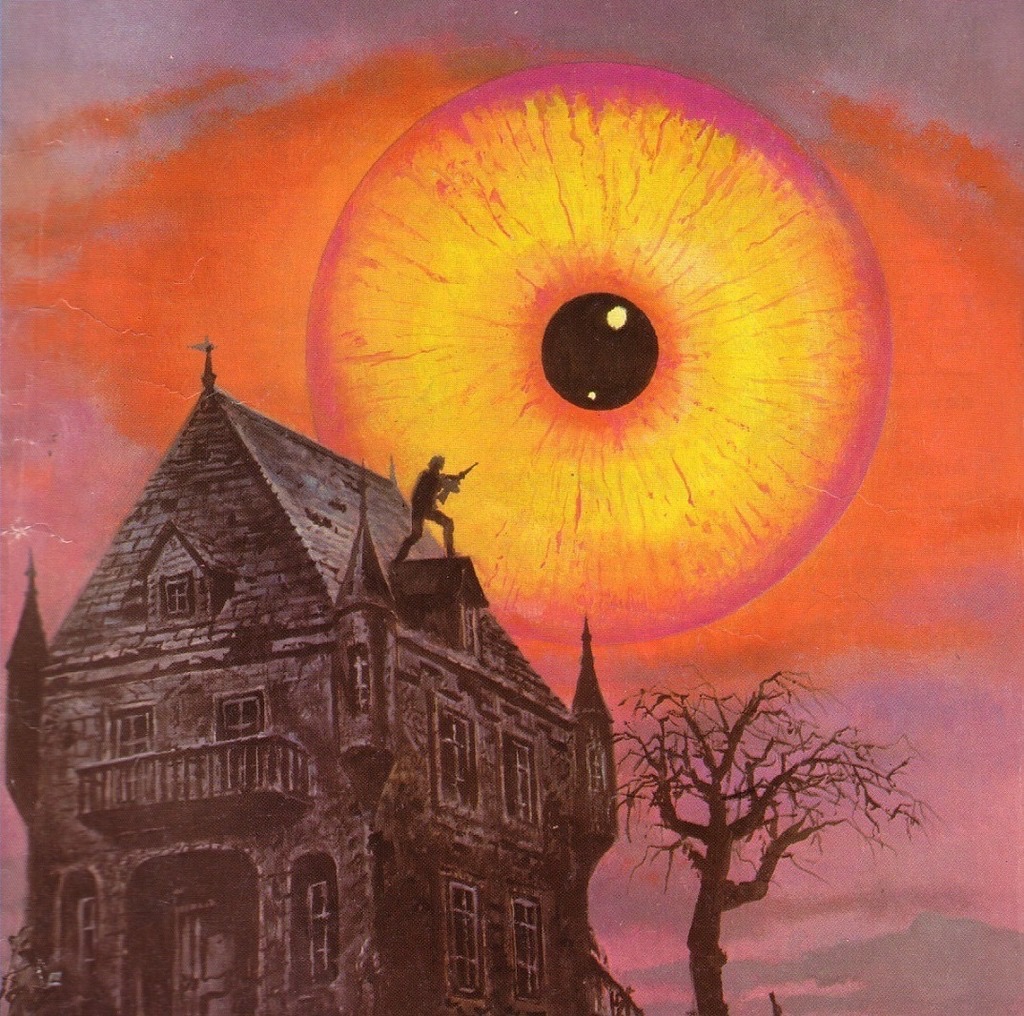
Rudolf Sieber-Lonati created some of the most visceral, psychedelic, and genuinely unsettling cover art in the entire history of pulp fiction. We’re talking thousands of covers that defined German genre fiction for nearly forty years.
If you grew up reading Perry Rhodan or hunting for vintage German horror magazines, you’ve seen Rudolf Sieber-Lonati art. You just didn’t know his name. For most of his career, he signed everything simply as “Lonati” or “LO,” remaining this mysterious, almost mythical figure churning out nightmarish visions from his studio while the rest of the world had no idea who he was.
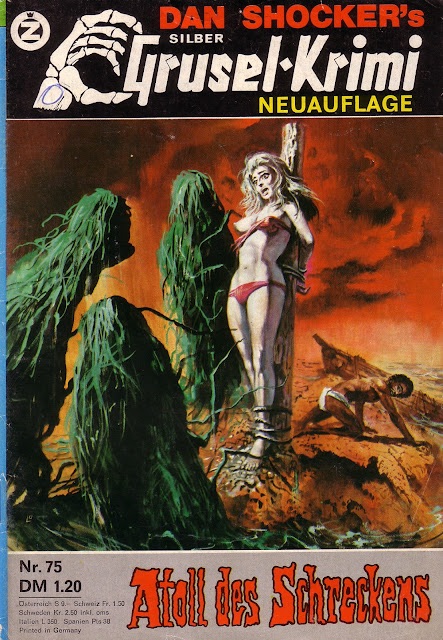
The Painter Who Created 4,000 Works
Rudolf Sieber-Lonati was born in Vienna on October 16, 1924, and died in Bad Tölz, Germany, on April 27, 1990. But here’s what fascinates me: despite creating approximately 4,000 paintings—four thousand—the man lived like a hermit. Rarely gave interviews. Worked at night. His wife Gertrude (herself an illustrator) handled all the business stuff with publishers while Rudolf painted his fevered dreams onto cardboard.
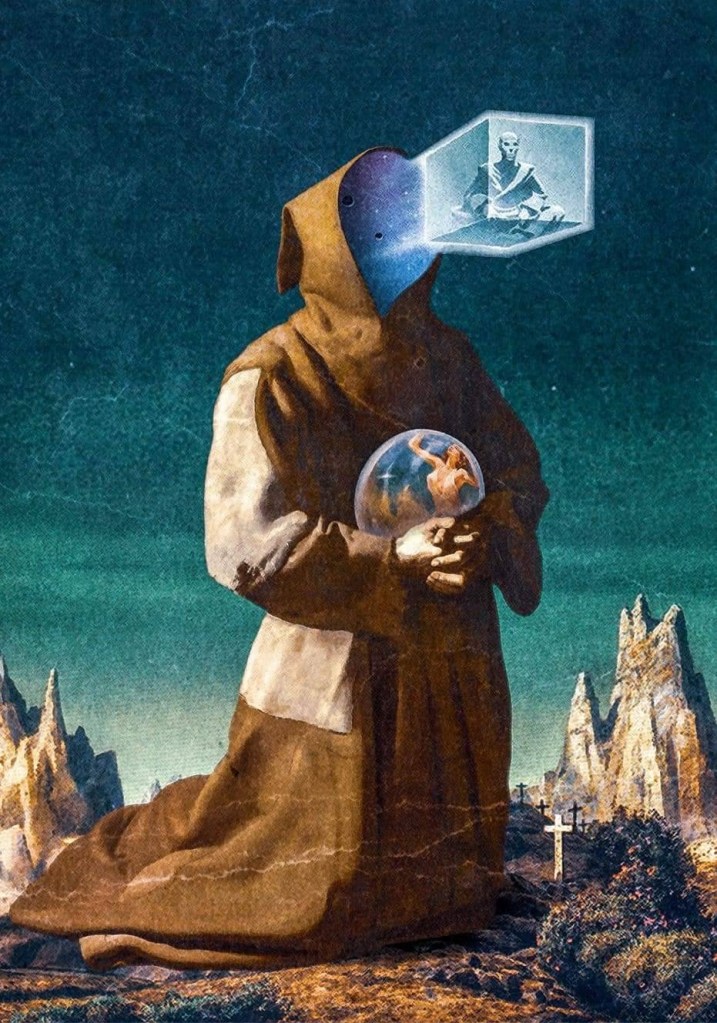
The Blitz-Verlag publishing house eventually acquired his entire artistic estate. Think about that for a second. Four. Thousand. Works. That’s not just prolific—that’s borderline obsessive. And thank god for it, because Rudolf Sieber-Lonati art represents an entire era of pulp magazine culture that would’ve looked completely different without him.
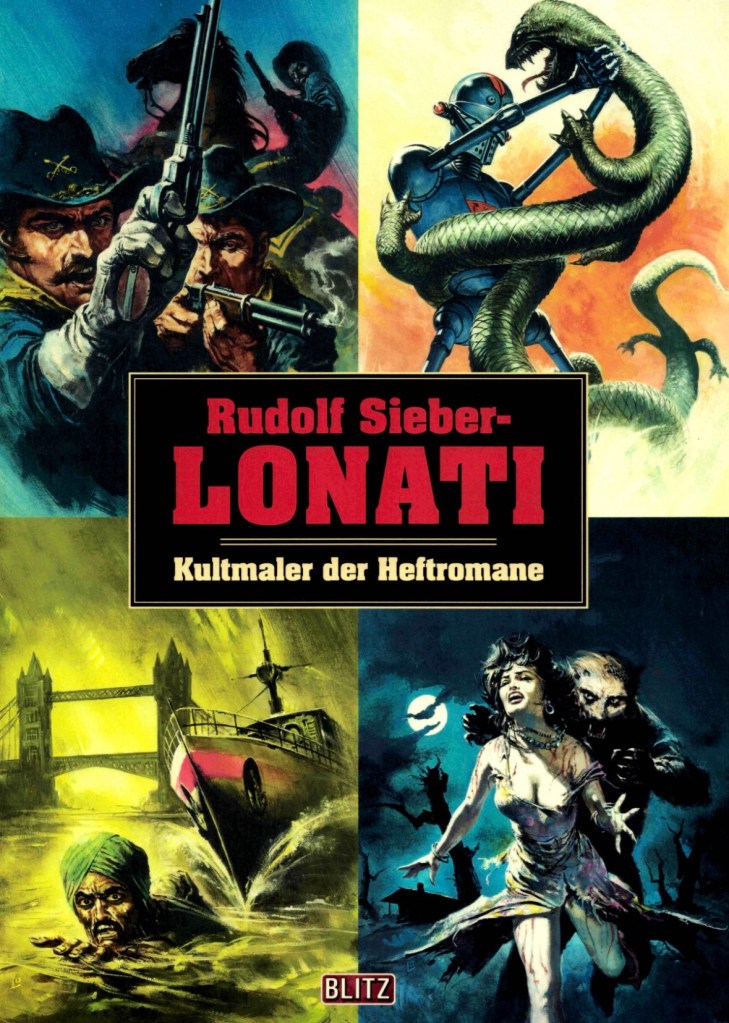
In 2019, publisher Jörg Kaegelmann released Rudolf Sieber-Lonati – Kultmaler der Heftromane (Rudolf Sieber-Lonati: Cult Painter of Pulp Magazines), and honestly, it’s about damn time someone gave this guy his due.
Science Fiction Covers That Captured Cold War Nightmares
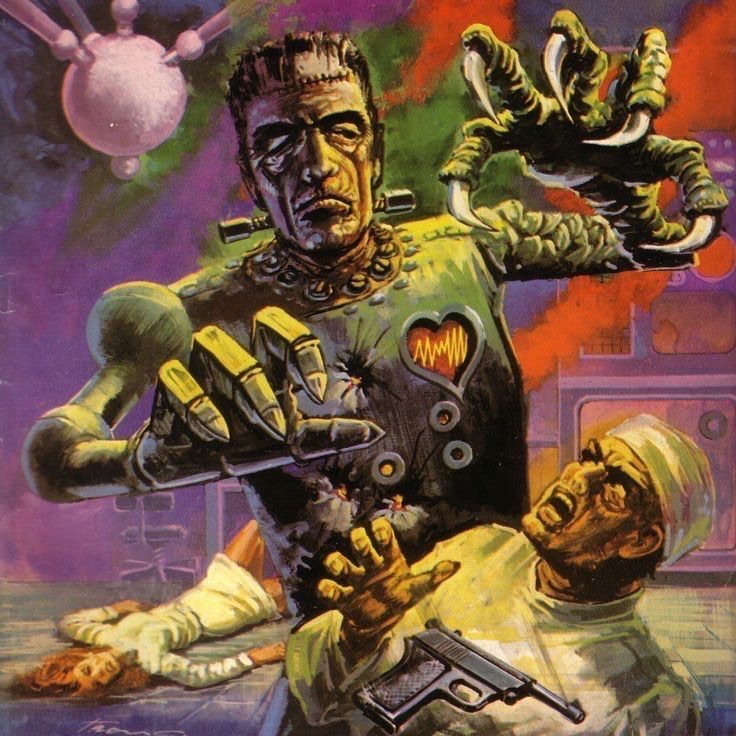
Rudolf Sieber-Lonati art spans basically every pulp genre you can imagine—westerns, crime, war stories, you name it. But his science fiction work is where things get really interesting (at least for me).
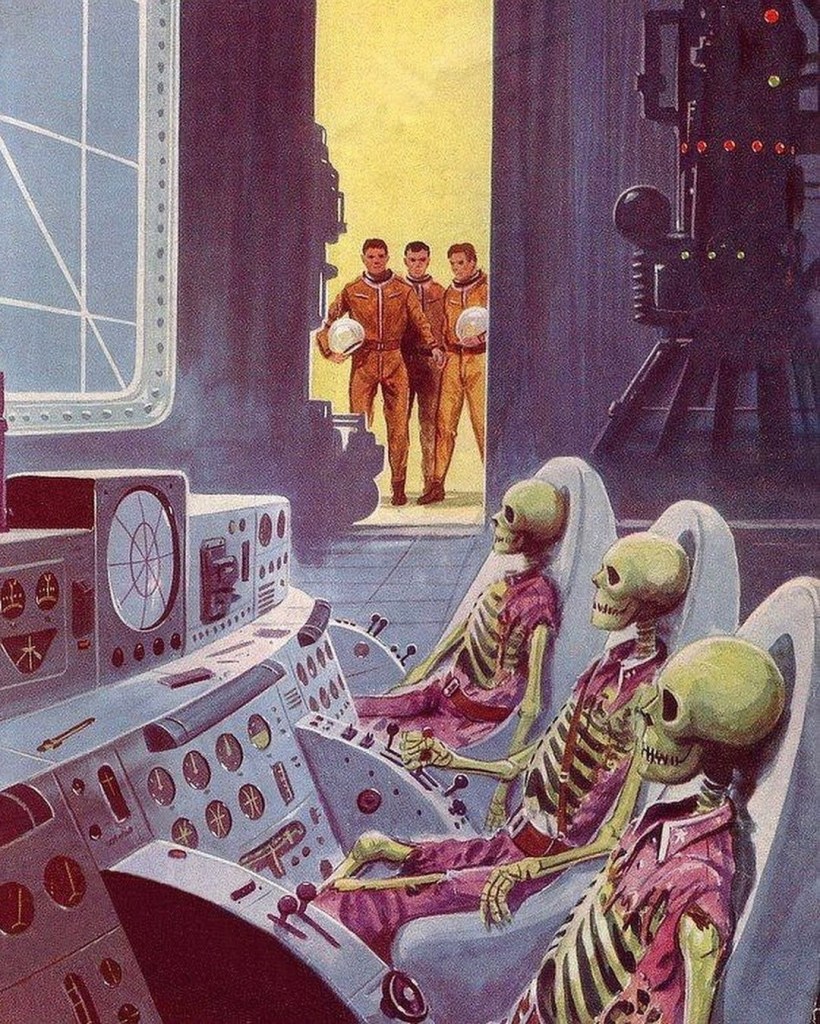
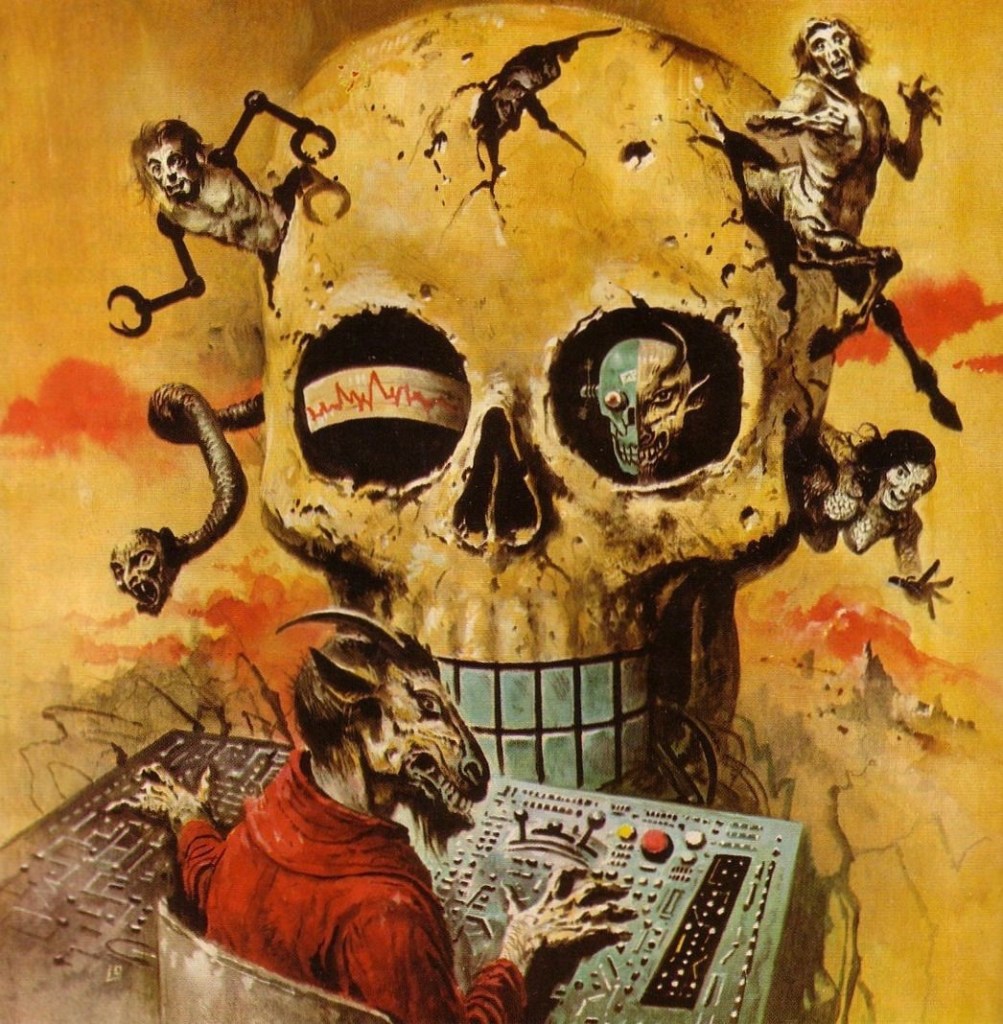
From the 1950s through the 1980s, Sieber-Lonati became the visual voice of German SF. His covers for Utopia Zukunftsroman (Utopia Future Novels), published by Pabel Verlag from 1953 to 1968, showcased alien worlds and futuristic technology with this distinctive visual touch that just grabbed you by the throat. Tentacled monsters. Gleaming rockets. Damsels in distress facing down incomprehensible alien horrors. Classic pulp stuff, but executed with real artistry.
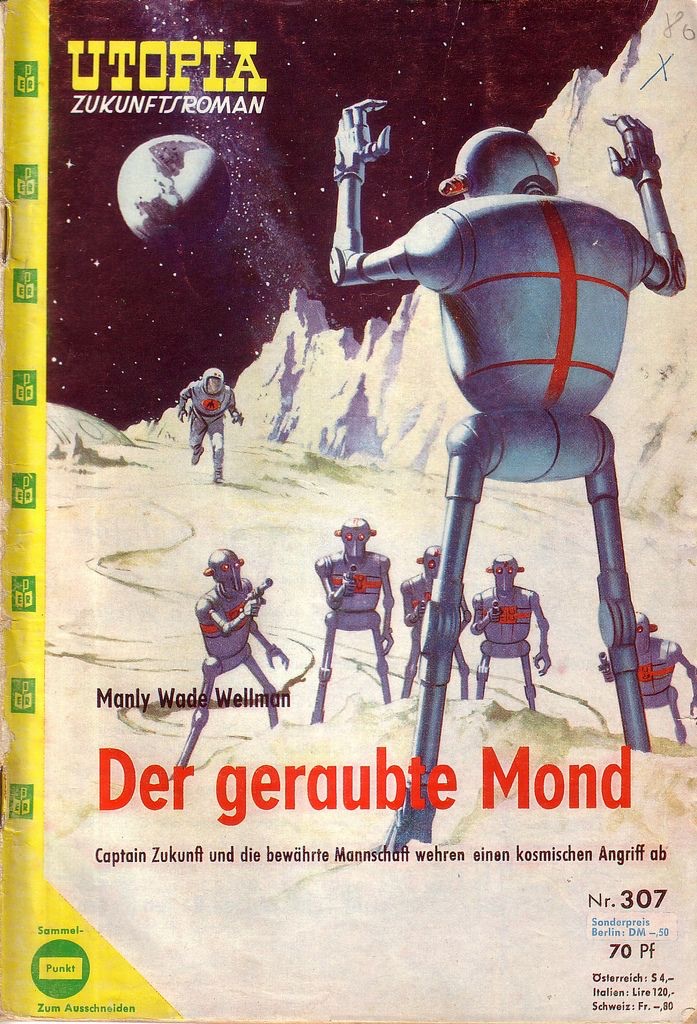
He also illustrated Mark Powers – Der Held des Weltalls (Mark Powers: Hero of the Universe) from 1962 to 1966. This series was basically trying to be the next Perry Rhodan (it failed), but Sieber-Lonati’s covers gave it real visual clout.
Later work included Gemini Science Fiction (1976-1977) and numerous covers for the SF Science Fiction series. His SF work “projected the traumas of his own contemporary history (World War II, Cold War) into a future perceived as threatening” (that’s from art scholars, not me—but they’re right). His alien invaders and dystopian futures weren’t just entertainment. They were anxieties made manifest.
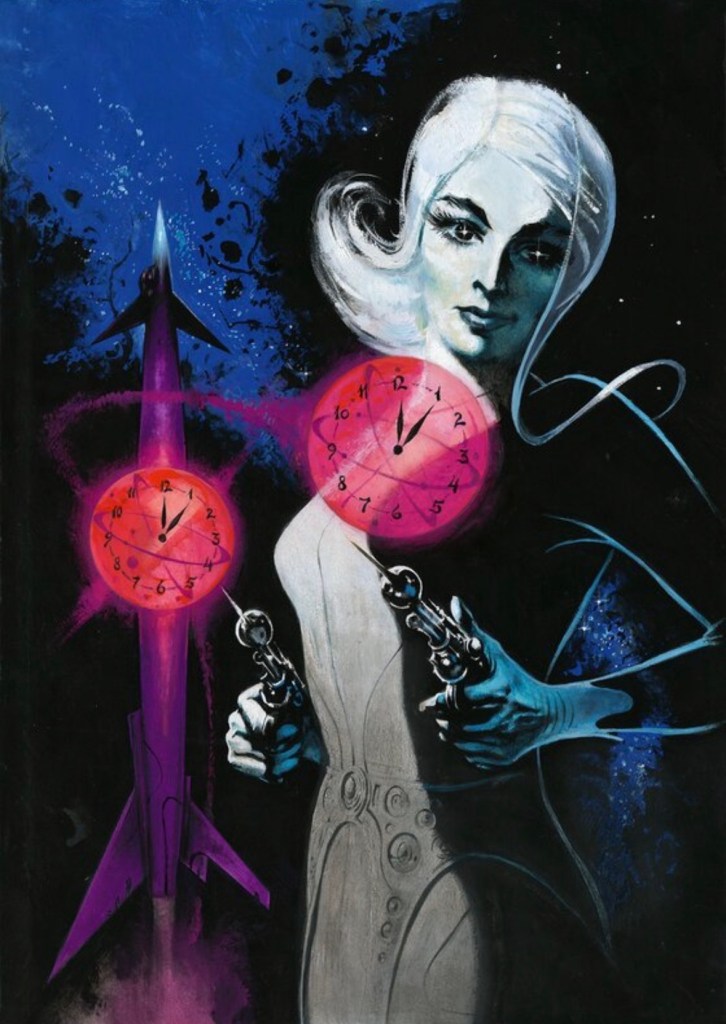
Horror Art That Unsettles: Macabros and Larry Brent
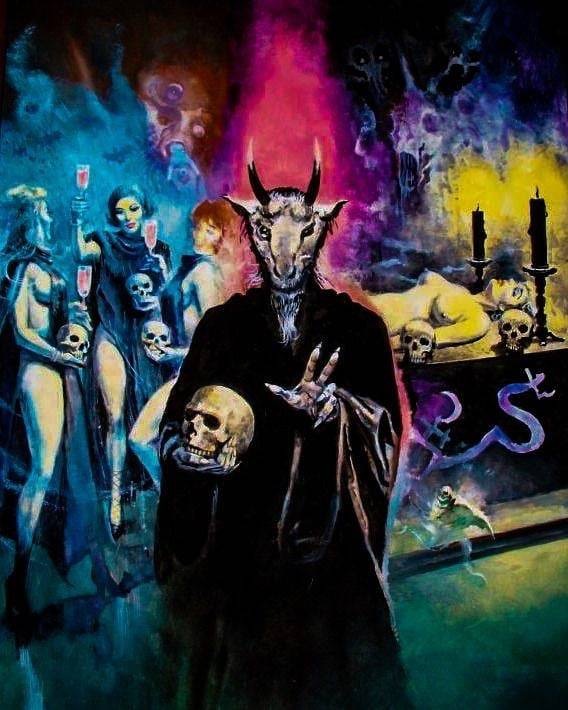
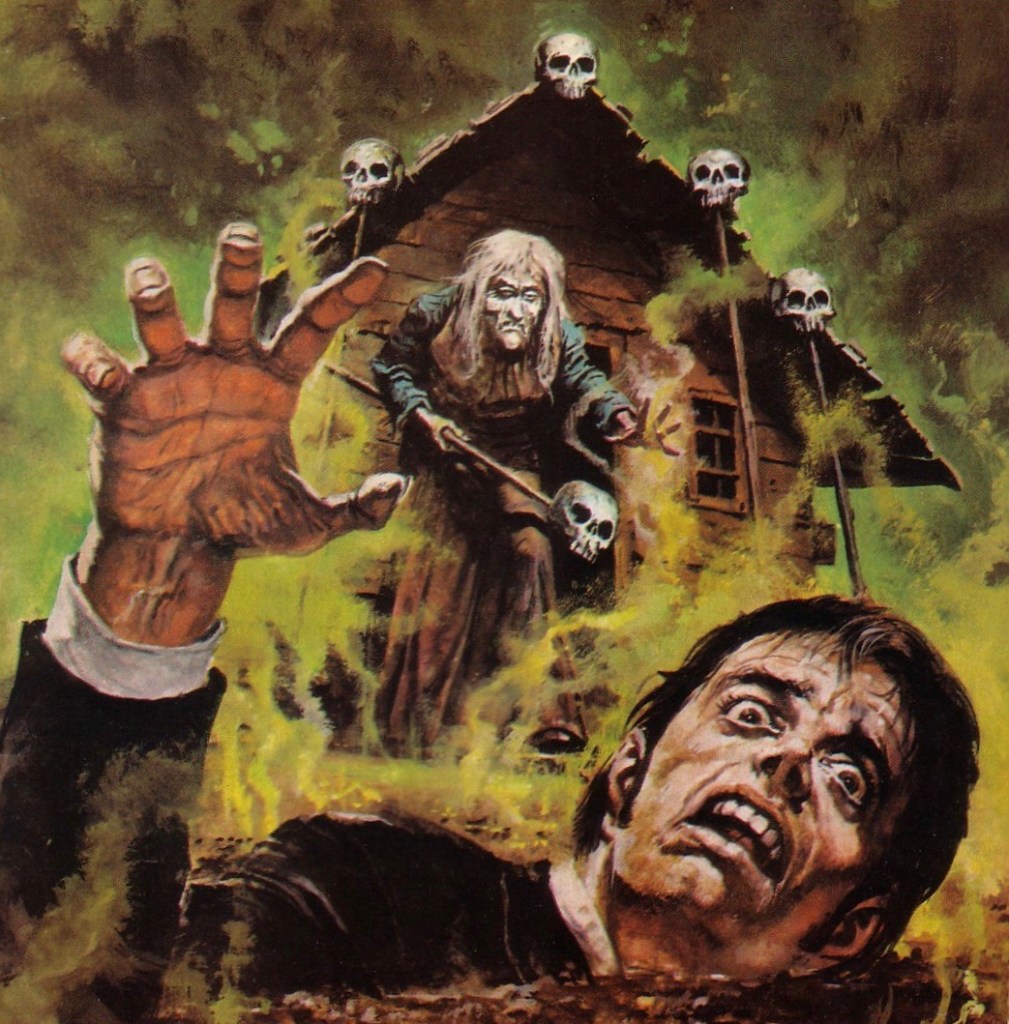
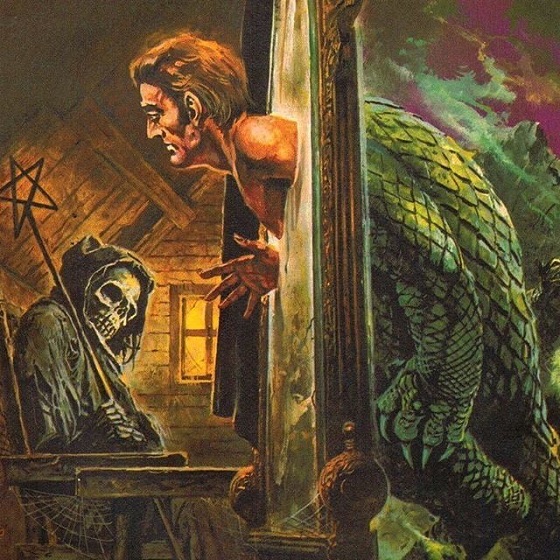
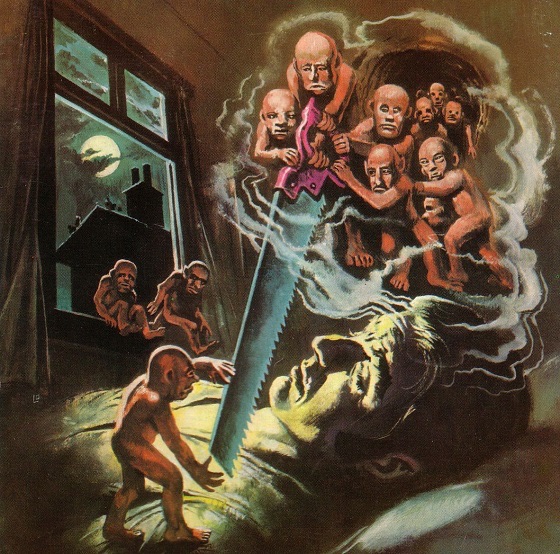
Alright, but if you want to see Rudolf Sieber-Lonati art at its most demented and brilliant, you need to check out his horror covers. Specifically Macabros and Larry Brent.
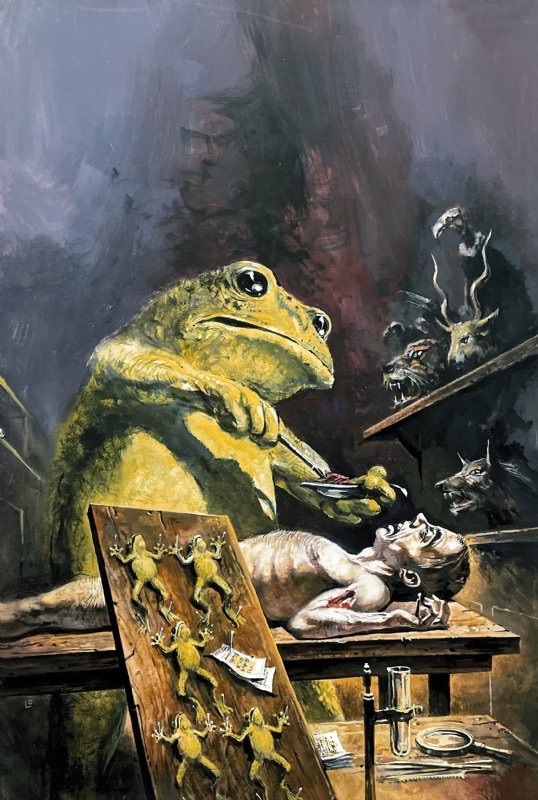
Macabros featured stories by Dan Shocker, and Sieber-Lonati’s covers are genuinely disturbing. His illustration for issue #4—”Konga der Menschenfrosch” (Konga the Man Frog)—is the stuff of nightmares. I mean actual, wake-you-up-at-3am nightmares. The guy knew how to create monsters that burrow into your brain and set up shop.
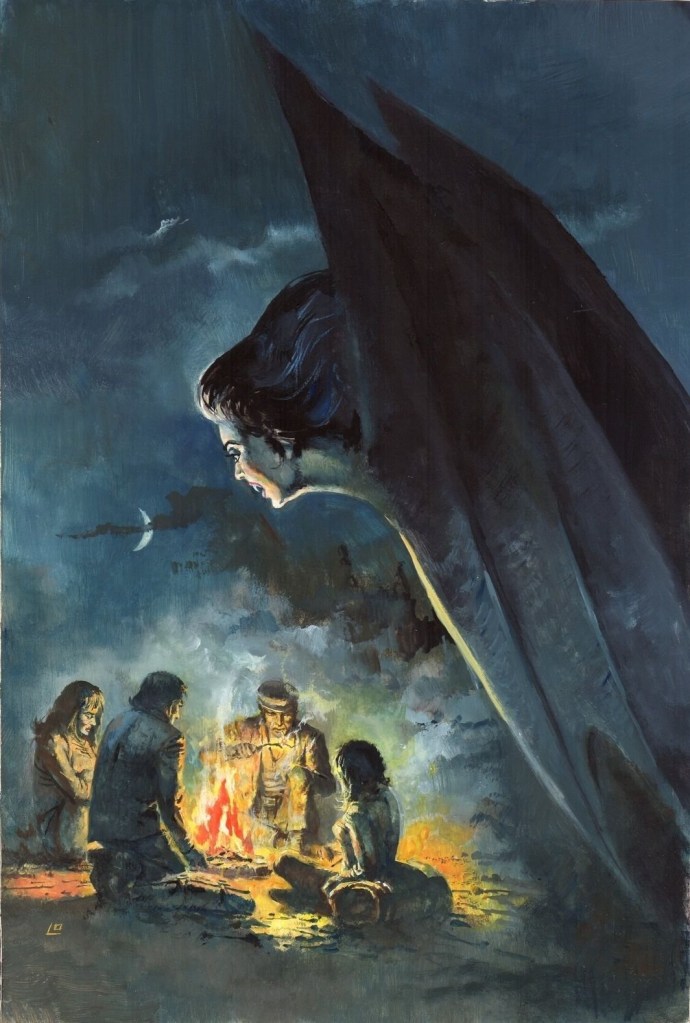
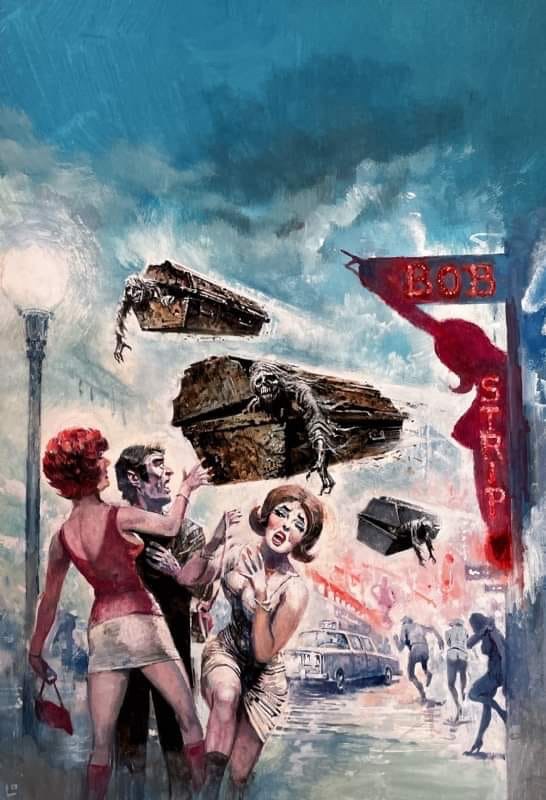
Larry Brent, another Dan Shocker creation, focused on occult detective stories. Sieber-Lonati’s covers mixed supernatural horror with noir-style detective imagery in ways that still look fresh today. His signature style made these covers immediately recognizable, even on crowded newsstands packed with competing pulps.
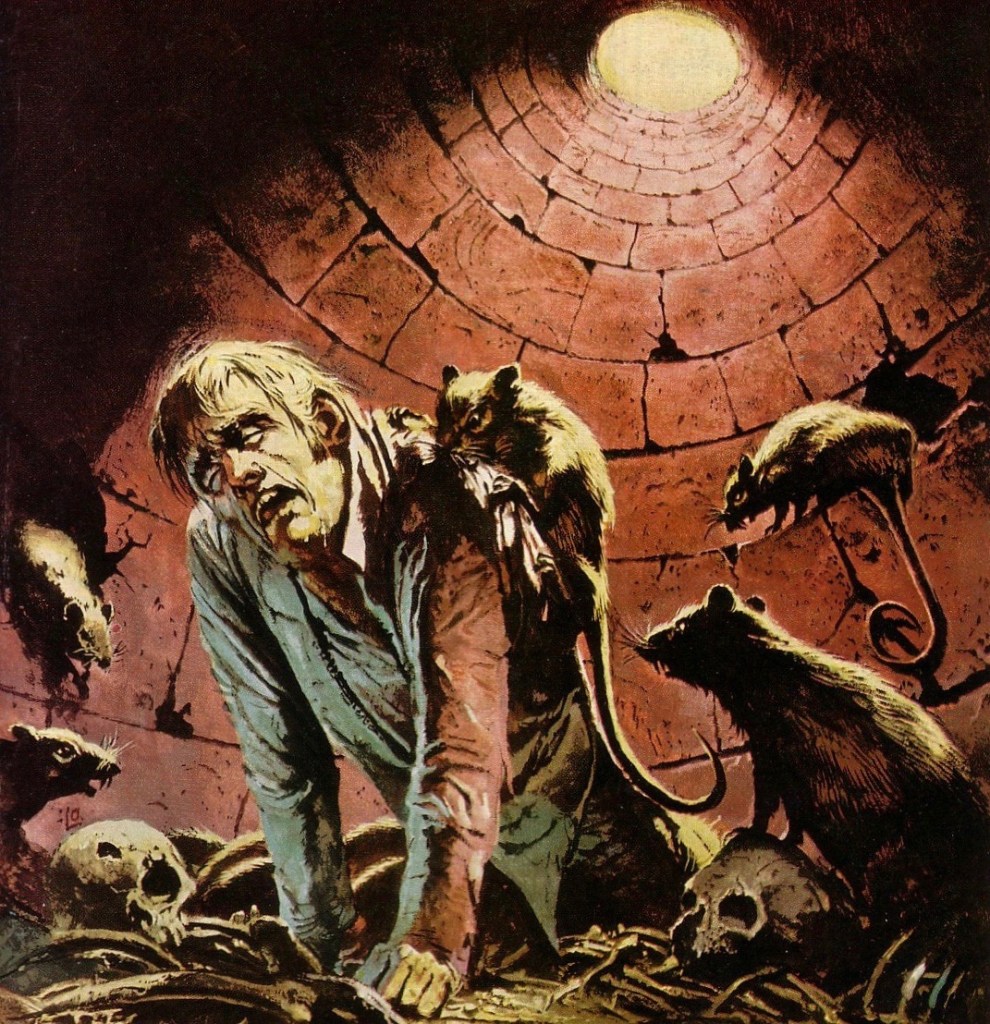
There’s something about Rudolf Sieber-Lonati art in the horror genre that just works. It’s lurid without being cheap. Disturbing without being gratuitous (well, mostly). The man understood that real horror comes from the marriage of the familiar and the utterly alien.
The Sieber-Lonati Style: German Expressionism Meets Acid Trip
So what made Rudolf Sieber-Lonati art so distinctive? Art historians (who’ve finally started paying attention) talk about his “expressiv-manierierter Stil”—expressive, mannered style. But let me break that down in actual human terms.
Silent Film Vibes: His compositions constantly recall German Expressionist cinema from the 1920s. Angular. Dramatic lighting. Exaggerated poses. It’s like he watched The Cabinet of Dr. Caligari and Nosferatu on repeat and decided to channel that energy into every cover. And it worked.
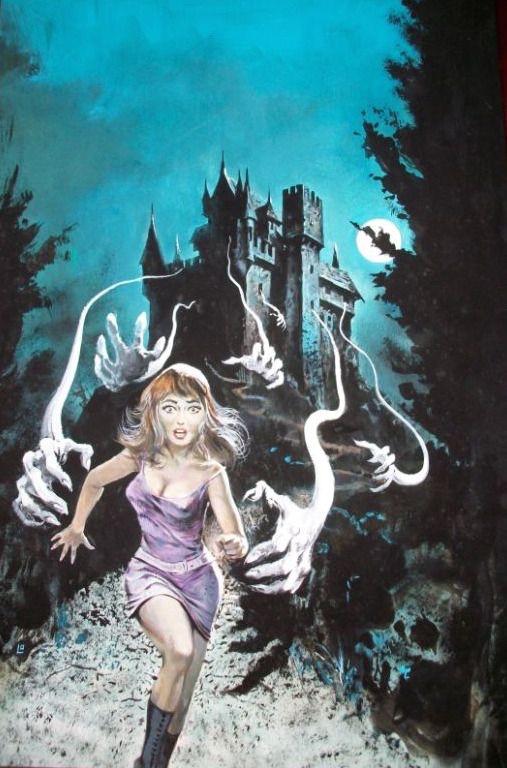
Psychedelic Colors: Despite working from the ’50s through the ’80s, Sieber-Lonati incorporated what scholars call “psychedelische Anklänge” (psychedelic overtones). Translation: the guy wasn’t afraid of clashing colors and surreal imagery. His covers have this hallucinatory quality that makes them pop even decades later.
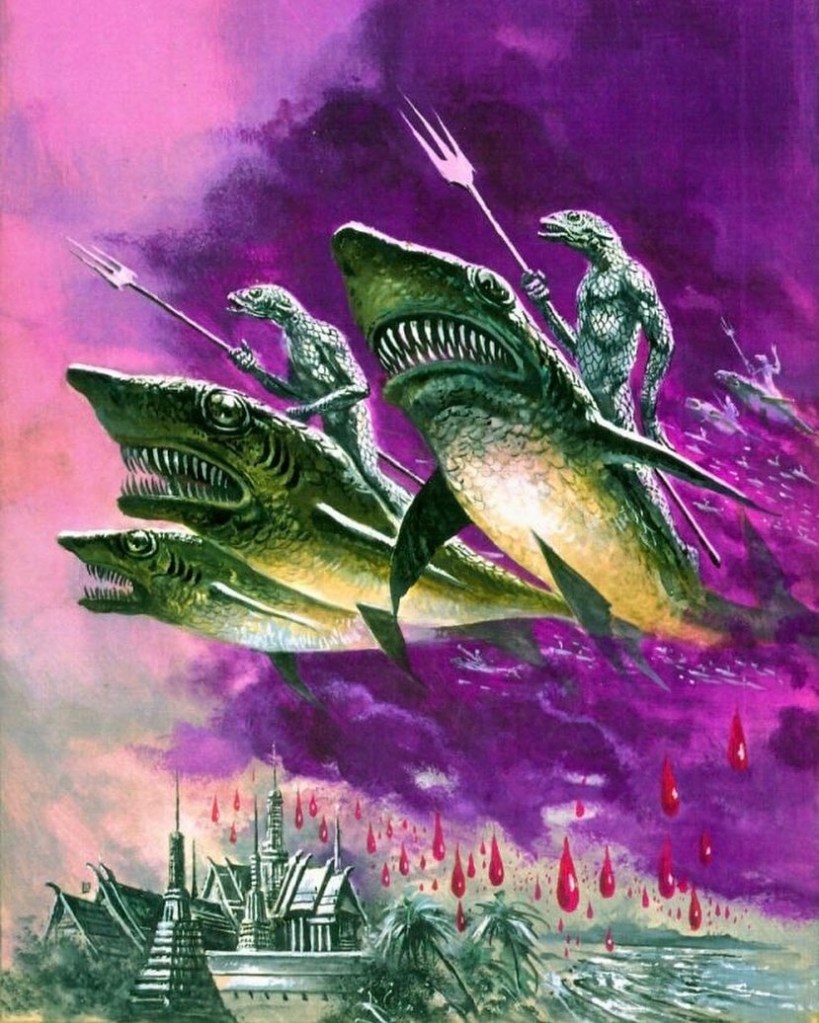
Technical Mastery: He worked primarily in gouache and acrylic on cardboard. His original paintings measured around 39 x 26 cm, and when you see them up close (if you’re lucky enough), the craftsmanship is remarkable. This wasn’t hack work churned out for a paycheck (though I’m sure he needed the money). This was an artist who genuinely cared about his craft.
Beyond the Constraints of Genre
Now, I mentioned Rudolf Sieber-Lonati art appeared across basically every pulp genre, and I’m not exaggerating. The man was insanely versatile.
Crime and Detective Fiction: He created hundreds of covers for Kommissar X, Butler Parker, Die schwarze Fledermaus (The Black Bat), and Sexton Blake. Urban noir atmospheres, dangerous women, pulse-pounding action—he could do it all.
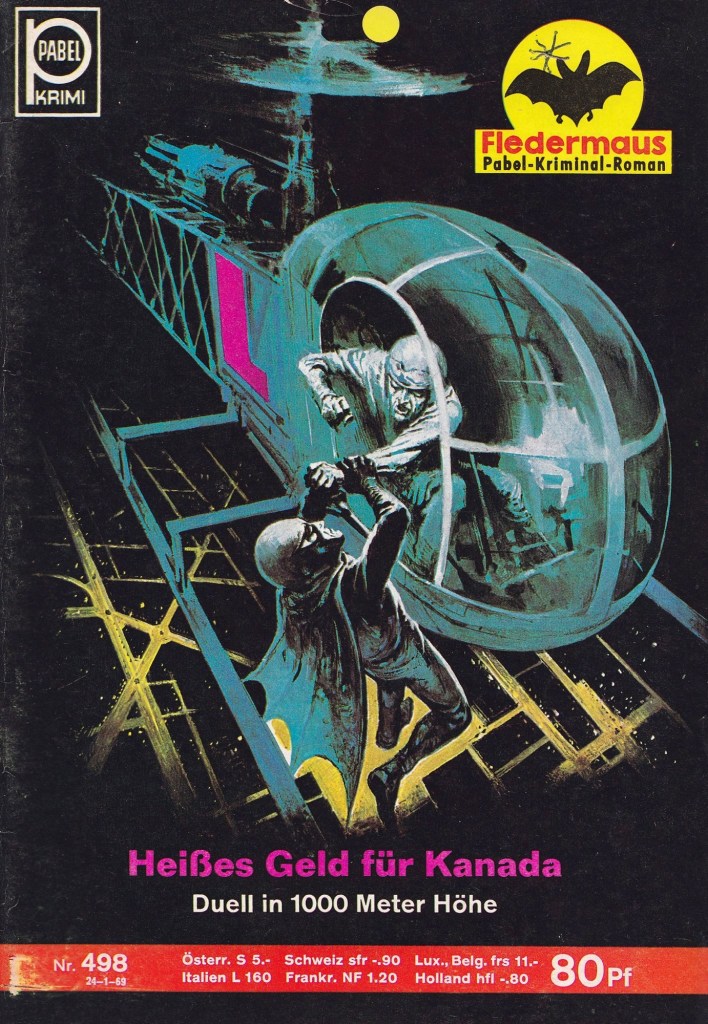
War Stories: Even Der Landser (a controversial WWII series) had Sieber-Lonati covers. These are probably his least celebrated works, and for good reason given the series’ problematic content. But it shows his professional range.
Western: Series like Die Rothaut (The Redskin) and G.F. Unger Western featured his take on frontier action. Same dramatic intensity. Same bold colors. Different setting.
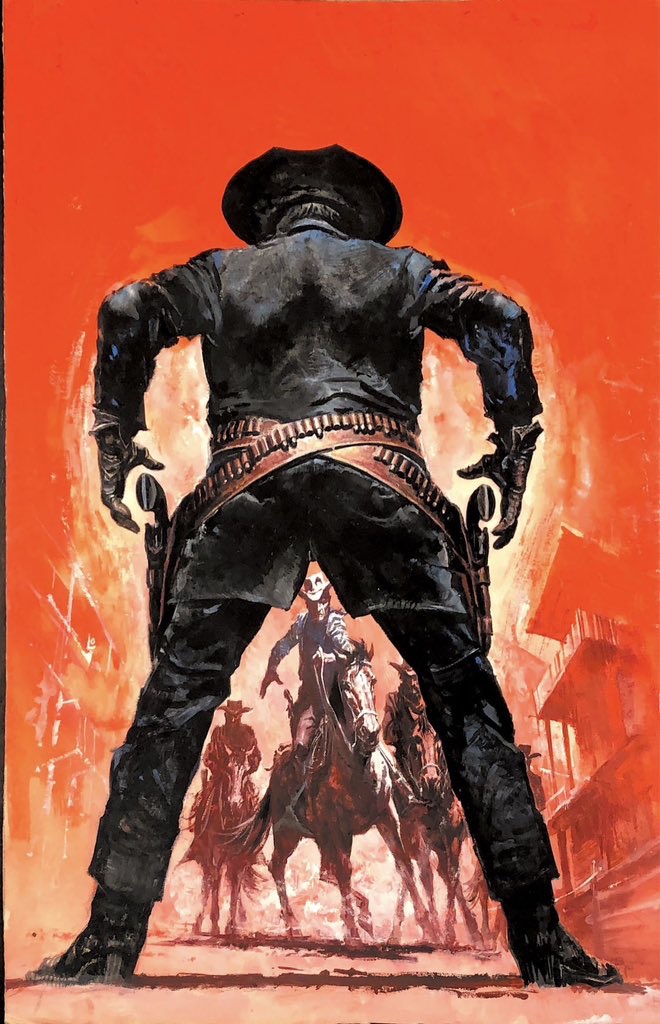
German Pulp’s Golden Age
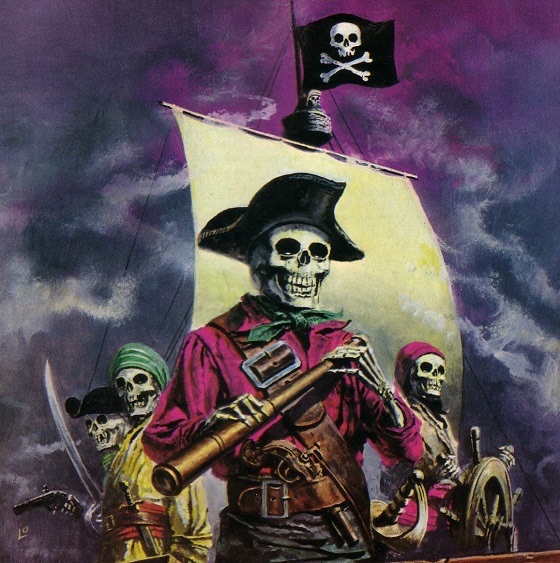
Here’s the thing: Rudolf Sieber-Lonati represents the golden age of German pulp magazine illustration. When cover art sold stories. When you’d pick up a magazine because the cover promised adventure, terror, or wonder—and his covers delivered on that promise every single time.
For nearly forty years, his work appeared on newsstands across Germany, Austria, and German-speaking Switzerland. He created a visual vocabulary for genre fiction that influenced countless readers and subsequent artists. Kids who discovered science fiction and horror through his covers grew up with those images seared into their brains.
And you know what? That legacy endures. Blitz-Verlag still republishes classic series with Sieber-Lonati’s original covers. Collectors hunt down his original paintings (they sell for hundreds of euros). There’s even a dedicated website (rs-lonati.de) cataloging his extensive output.
A Hermit’s Painted Visions
I keep coming back to this: Rudolf Sieber-Lonati lived an almost hermit-like existence. Barely appeared publicly. Gave virtually no interviews. Worked in the dead of night while his wife managed the business side.
But his approximately 4,000 works? They speak volumes about his immense inner world.
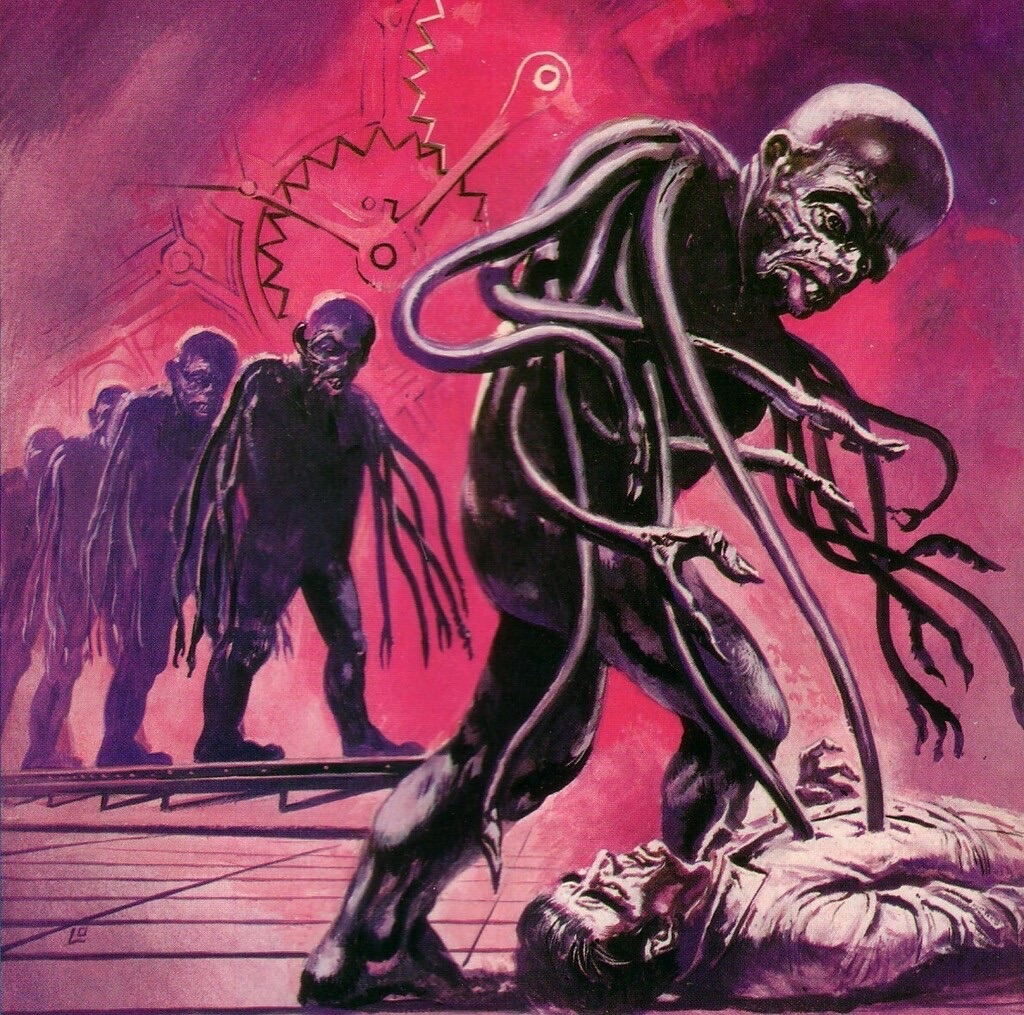
His art now embodies an era when pulp magazines dominated genre fiction. When dramatic painted covers were gateways to worlds of imagination. His paintings captured Cold War anxieties—nuclear annihilation, alien invasion, technological nightmares—while simultaneously offering escapist fantasies of space exploration, supernatural terror, and heroic adventure.
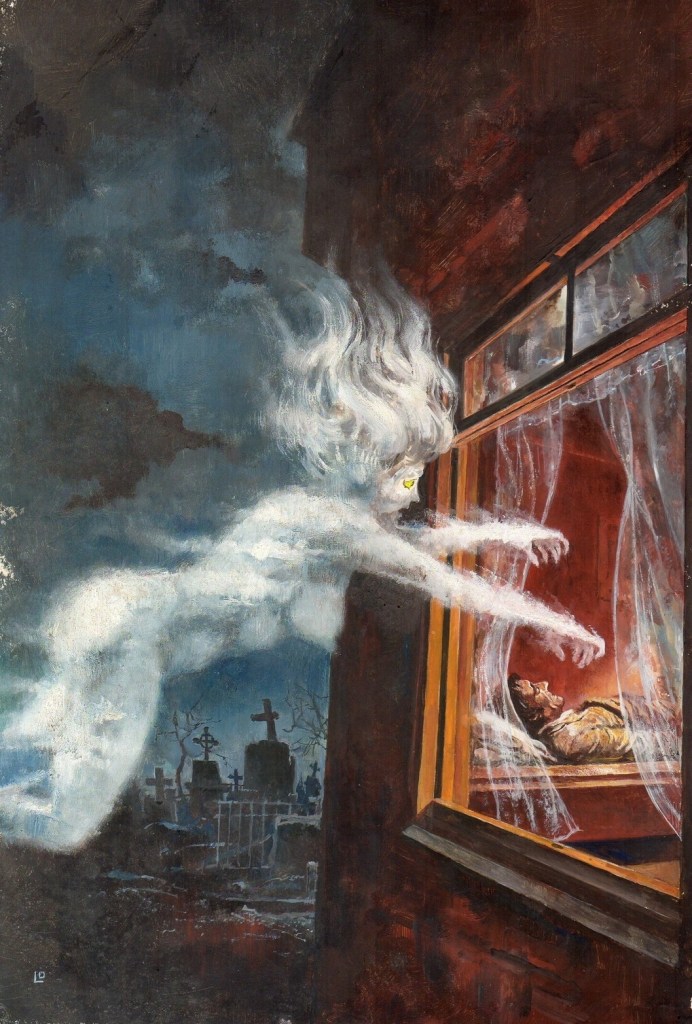
For those of us who love pulp art, who appreciate the craft that went into those lurid, dramatic, occasionally psychedelic covers, Sieber-Lonati stands as a master. A forgotten master, maybe, but one who deserves recognition alongside the great American pulp artists like Frank Frazetta and Kelly Freas.
So if you ever spot a vintage German pulp magazine with that distinctive signature—”Lonati” or “LO”—pick it up. Study it. Appreciate the craft and imagination that went into creating a visual world that continues to cause collectors and enthusiasts to salivate decades after its initial publication.

Discover more from Fear Planet
Subscribe to get the latest posts sent to your email.

xlnt artist reveal
had only previously seen a couple of the works you put up
a master for sure
thank you
LikeLike
Thanks for checking out the post!
LikeLike
Wonderful art from a master illustrator. Thank you so much.
LikeLike