
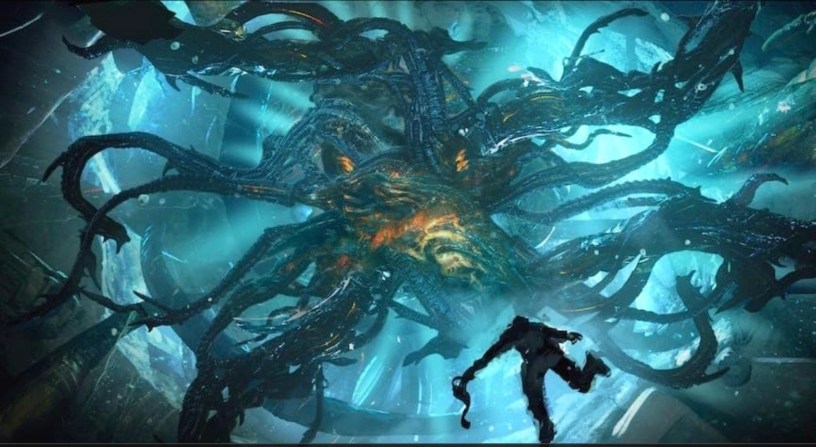
Are you as obsessed with time loop movies as I am, Fear Planet denizens? There’s something about watching characters trapped in the same day over and over again that brings out the sadistic voyeur in me. Maybe it’s the existential dread (always a plus for a horror fan), or maybe it’s the narrative puzzle-box quality where you’re trying to figure out the rules alongside the protagonist. Whatever it is, I’ve spent an embarrassing amount of time watching, rewatching, and analyzing these films.
So when I decided to tackle the definitive list of the best time loop movies, I knew I had to deliver something special. This isn’t just a genre—it’s become a full-blown cinematic obsession spanning decades, crossing continents, and encompassing everything from romantic comedies to brutal sci-fi action to psychological horror that’ll mess with your head for days.
Let me walk you through the absolute best of the best. These are the films that nail the time loop concept so perfectly that they’ve basically ruined me for lesser attempts.
The Untouchable Classic: Groundhog Day
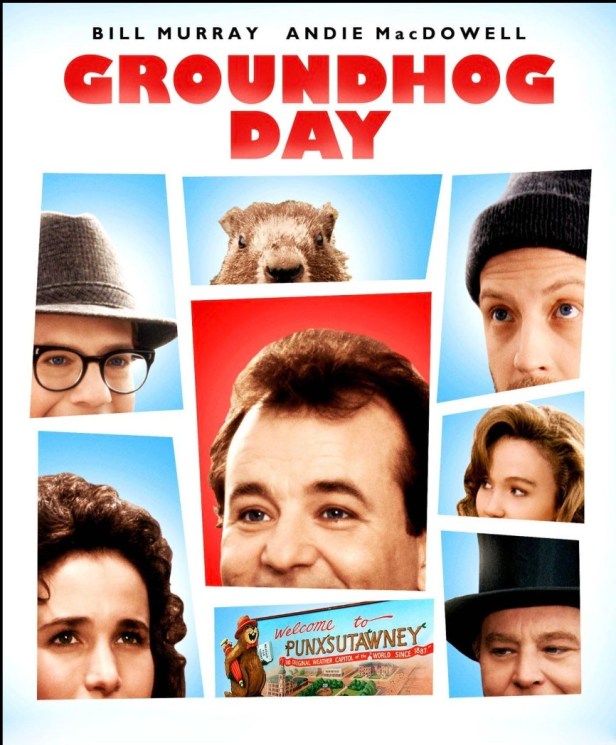
Groundhog Day (1993) is the film that started it all. Or at least, the film that made everyone else want to make a time loop movie. Director Harold Ramis and Bill Murray created something genuinely special here—a comedy that slowly morphs into a profound meditation on personal growth, redemption, and what it actually means to be a good person.
Bill Murray plays Phil Connors, a cynical weatherman who gets stuck reliving Groundhog Day in Punxsutawney, Pennsylvania. What makes this film work so brilliantly is its restraint. The movie never explains why Phil is stuck in the loop. There’s no science fiction technobabble, no mystical curse to break, no rules to figure out. He’s just… stuck. And he has to deal with it.
I love how the film takes its time showing Phil’s progression. First, he’s confused. Then he exploits the loop for selfish gain—learning everything about his coworker Rita so he can seduce her, robbing banks, eating whatever he wants because consequences don’t exist. Then comes the despair, the suicide attempts, the nihilistic breakdown. And finally, slowly, painfully, he starts to actually become a better person. Not because he’s trying to escape (though he is), but because he genuinely changes.
The film holds an 8.0/10 on IMDb with over 700,000 reviews and sits at 72 on Metacritic. But honestly, numbers don’t capture what this movie means to people. It’s become a cultural touchstone, referenced in everything from philosophy papers to self-help books. The phrase “Groundhog Day” has literally entered our vocabulary as shorthand for repetitive monotony.
And here’s the thing—every time loop movie that came after this one is either honoring it or trying to subvert it. You can’t escape Groundhog Day‘s shadow in this genre. It’s the blueprint.
The Action Masterclass: Edge of Tomorrow
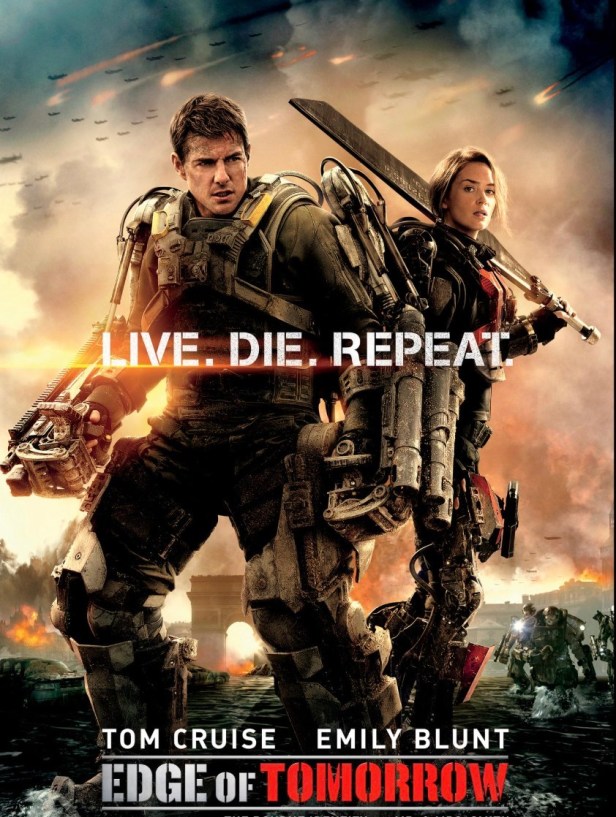
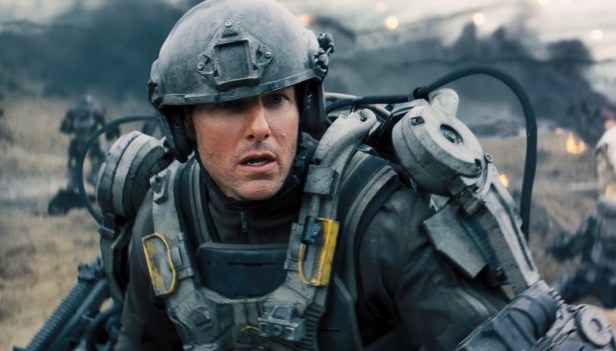
Edge of Tomorrow (2014)—also called Live Die Repeat because someone in marketing had a stroke—takes the time loop concept and straps it to a massive sci-fi action movie. Tom Cruise plays Major William Cage, a military PR guy who’s never seen combat and gets thrown into a suicide mission against alien invaders. He dies immediately. And then he wakes up and lives the same day again. And dies again. And again. And again.
This movie is so much better than it has any right to be. Director Doug Liman and writer Christopher McQuarrie understood something crucial: repetition in an action movie should never be boring. Every loop shows Cage getting a little better, learning a little more, optimizing his route through this deadly battlefield. It’s like watching someone speedrun a video game, except the stakes are the survival of humanity.
Emily Blunt is fantastic as Rita Vrataski, a legendary soldier who’s been through this before. The chemistry between her and Cruise is great, and the film earns its emotional beats by showing how their relationship develops across hundreds of loops—even though she only remembers meeting him once.
The film made $370 million worldwide and has a 7.9/10 on IMDb with nearly 800,000 reviews. Roger Ebert praised how Cage transforms from a “Jerry Maguire-type who’ll say or do anything to preserve his comfort” into someone with actual courage and competence.
What I appreciate most is how the film respects its own rules. The loop mechanism is consistent, the progression is logical, and the action sequences remain fresh even when we’re seeing variations of the same battle. It’s visceral, funny, and genuinely thrilling. If you only watch one time loop action movie, make it this one.
The Modern Masterpiece: Palm Springs
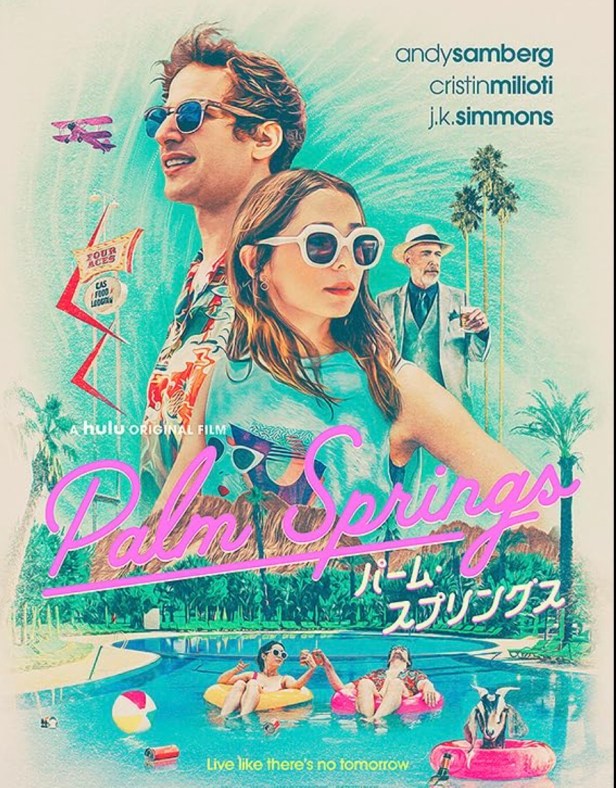
Now we get to Palm Springs (2020), and I’m just going to say it—this might be the best time loop movie ever made. Yes, better than Groundhog Day. I know that’s borderline heresy, but hear me out.
The film follows Nyles (Andy Samberg) who’s already stuck in a loop at a wedding in Palm Springs. Then Sarah (Cristin Milioti) accidentally gets trapped with him. And this is the genius move that elevates the whole concept: having two people aware of the loop simultaneously completely changes the dynamic.
See, one of the uncomfortable truths about Groundhog Day is that Phil essentially stalks Rita for weeks (or months, or years—the film never clarifies). He learns everything about her, manipulates situations to his advantage, and creates a relationship where she thinks she’s meeting him for the first time while he knows everything about her. It’s… kind of creepy when you think about it.
Palm Springs solves this by making both protagonists loop-aware. When Nyles and Sarah are stuck together, their relationship develops with actual mutual understanding. They both remember everything. They share the same existential crisis. They form a genuine partnership that feels earned.
The film has a 94% on Rotten Tomatoes with 254 reviews and an 83 on Metacritic—that’s “universal acclaim” territory. It won the Critics’ Choice Award for Best Comedy and got Golden Globe nominations. But more importantly, it’s just really, really good. Funny, touching, occasionally horrifying (there’s a sequence involving exploding bodies that’s darkly hilarious), and surprisingly deep.
Peter Debruge at Variety wrote that it’s “an irreverent take on a form where earlier iterations were obliged to take themselves seriously.” The film mixes comedy, romance, horror, and existential philosophy without ever feeling tonally inconsistent. It came out during COVID-19 lockdown, and the themes of repetitive stasis and meaninglessness hit particularly hard. We were all living our own Groundhog Day at that point.
I’ve watched this film four times now, and it gets better with each viewing. It’s smart, emotionally honest, and genuinely human in a way that most romantic comedies never achieve.
The Brain-Melter: Primer
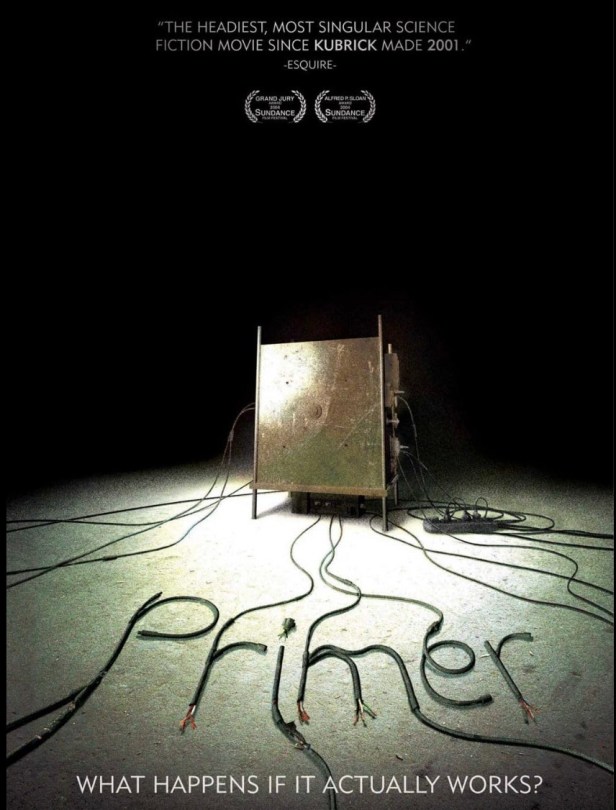
Okay, we need to talk about Primer (2004). This is the film you watch when you want to feel stupid. Shane Carruth directed, wrote, produced, starred in, and basically made this entire movie for $7,000 in his garage. It won the Grand Jury Prize at Sundance. And it’s completely, utterly, deliberately incomprehensible.
Two engineers—Aaron and Abe—accidentally discover time travel while working on something else. They build a machine in their garage and start using it to make money on the stock market. And then things get complicated. Really, really complicated.
The film’s actual director created multiple timeline charts trying to track what’s happening in his own movie. Critics remain divided on whether this is genius or pretentious nonsense. It has a 72% on Rotten Tomatoes, but that score hides a deeper disagreement: some people think it’s a masterpiece of rigorous science-fiction filmmaking, others think it’s an incomprehensible mess.
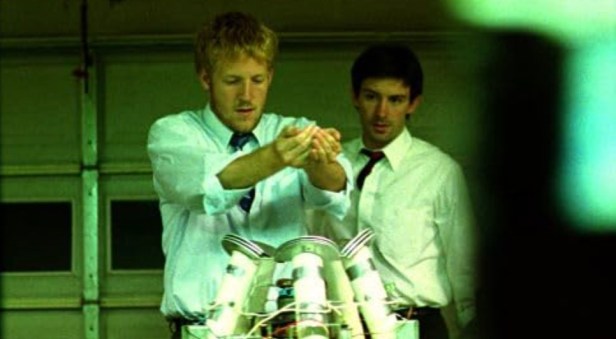
I’ve watched Primer three times. I understand maybe 40% of it. And honestly? I kind of love that. The film treats time travel as something deeply dangerous and morally complicated. Aaron and Abe don’t have the wisdom or ethics to use their discovery responsibly, and everything spirals out of control as they make increasingly desperate choices.
The dialogue is dense technical jargon, the timeline is fractured beyond recognition, and the film refuses to hold your hand through any of it. It’s aggressively difficult. But there’s something admirable about a film that respects (or overestimates) your intelligence this much. If you want a time travel movie that treats the concept with absolute seriousness and scientific rigor, this is it. Just don’t expect to understand what’s happening.
The Spanish Thriller: Timecrimes
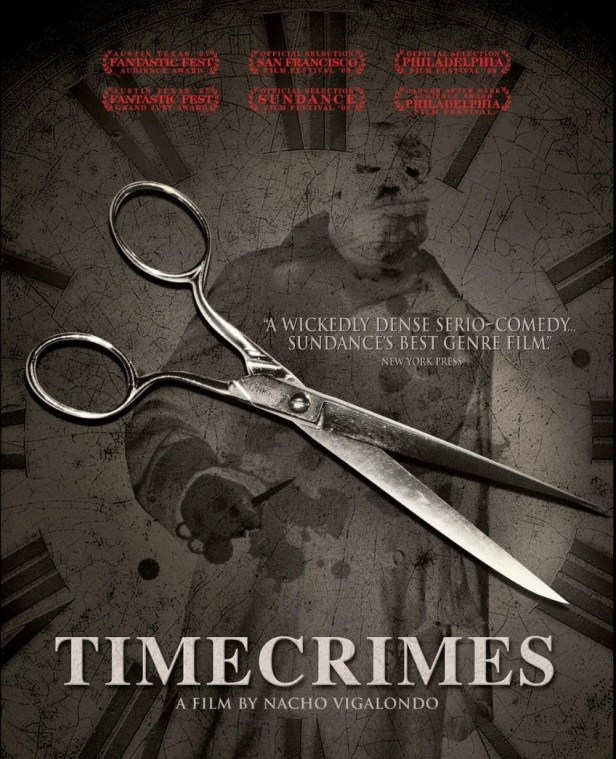
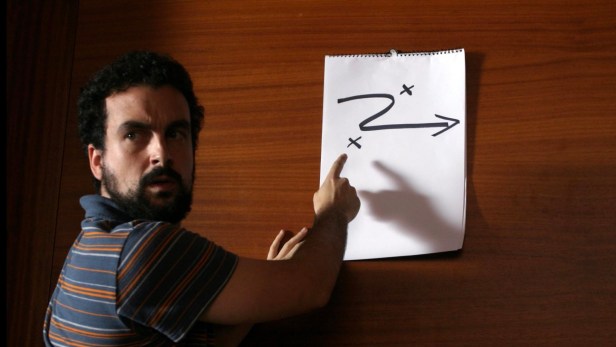
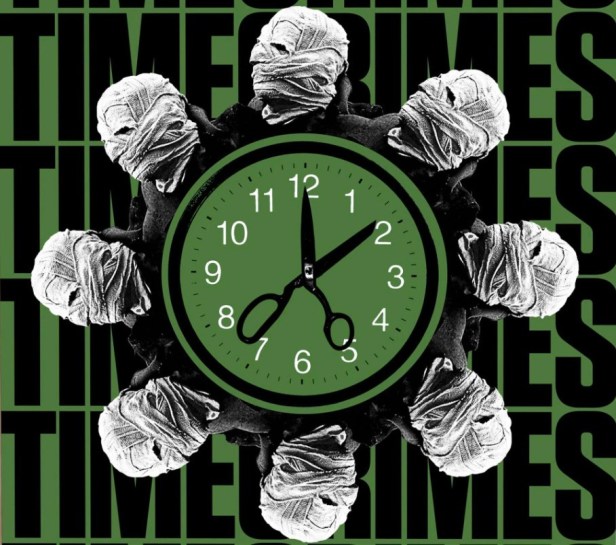
Timecrimes (Los Cronocrímenes, 2007) is a Spanish thriller that achieves Primer-level complexity with way more narrative momentum. Director Nacho Vigalondo made something genuinely clever here—a one-hour causality loop that gets progressively more twisted and horrifying.
Héctor is a middle-aged guy living in the countryside with his wife. He sees something strange through his binoculars—a woman in the woods. He investigates. Things go wrong. He discovers a time machine. And suddenly he’s stuck in a loop that gets darker and more psychologically disturbing with each iteration.
The film was shot on a tiny budget in basically three locations with minimal effects. But it doesn’t need spectacle because the plotting is so tight. Every detail matters—a bandage, a wound, a piece of information. Everything that seems random or accidental in the first loop becomes causally significant in later iterations.
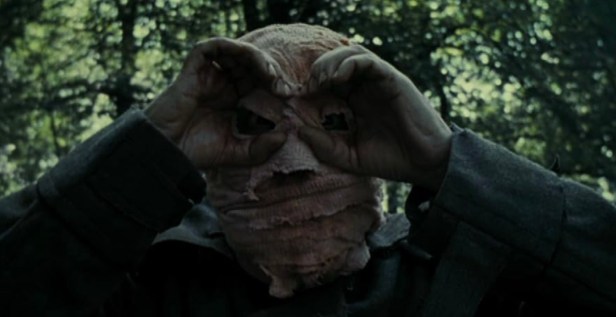
Karra Elejalde’s performance as Héctor is fantastic. You watch him become increasingly desperate and unhinged as he tries to undo events that are already determined. The film has this mounting sense of dread because you realize (along with Héctor) that he’s creating the very disasters he’s trying to prevent.
This is low-budget thriller filmmaking at its finest. It moves fast, thinks hard, and doesn’t waste a single frame. If you want to see how to make a smart time loop movie without Hollywood money, Timecrimes is the masterclass.
The Underrated Gem: Source Code
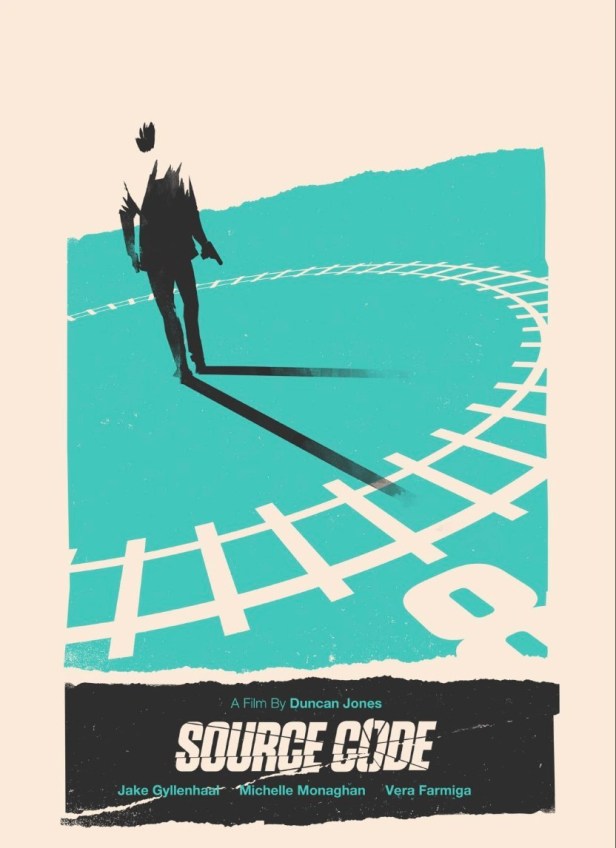
Source Code (2011) might be the most underappreciated film on this list. Director Duncan Jones (who also made Moon, another sci-fi gem) takes a slightly different approach to the time loop concept. The mechanism isn’t actual time travel—it’s a sophisticated virtual reality simulation that allows Captain Colter Stevens (Jake Gyllenhaal) to relive the last eight minutes before a train bombing.
Eight minutes. Not a full day like most loop movies. This constraint creates incredible tension because every loop is short, intense, and urgent. Stevens needs to identify the bomber before the simulation ends, and each iteration gives him new information, new suspects, new possibilities.
The film has a 92% on Rotten Tomatoes and Roger Ebert wrote “Here’s a movie where you forgive the preposterous because it takes you to the perplexing.” He was right. Source Code does something really interesting with identity and consciousness—the ending complicates everything you thought you understood about what’s “real” and who Stevens actually is.
The mystery structure works perfectly here. You’re not watching a spiritual journey or a character redemption arc (though those elements exist). You’re watching a procedural investigation where the detective can rewind time. It’s tight, smart, and genuinely suspenseful.
Plus, Gyllenhaal is great. He brings real vulnerability and confusion to a role that could’ve been just another action hero. When he starts questioning the nature of his reality, you feel that existential panic with him.
The Visual Assault: Run Lola Run
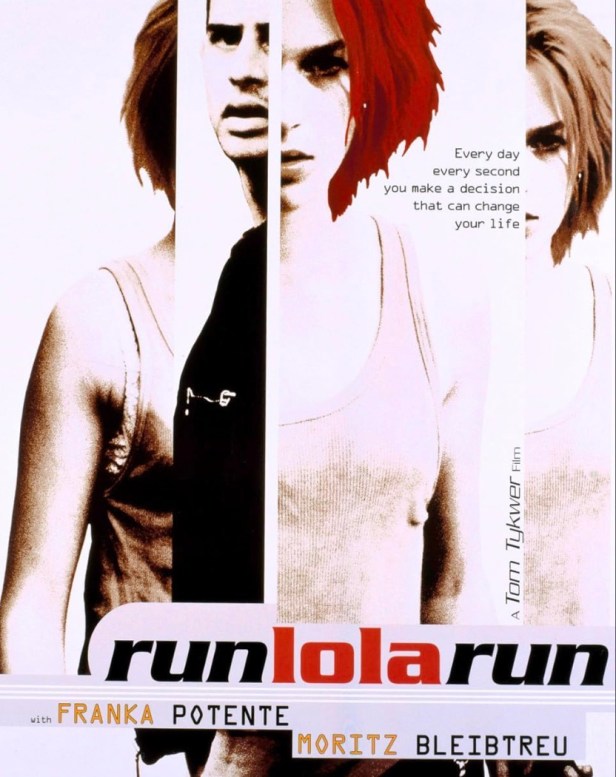
Run Lola Run (Lola rennt, 1998) is what happens when a time loop movie collides with MTV-era visual maximalism and German techno. Director Tom Tykwer created something that’s more sensory experience than traditional narrative.
The premise is simple: Lola needs to get 100,000 Deutsche Marks to her boyfriend Manni in 20 minutes or he’ll rob a store and probably die. The film shows three different versions of these 20 minutes, each with slight variations that lead to radically different outcomes.
What makes this film special is its commitment to pure cinema. Animation, video-game aesthetics, rapid-fire montages, bold color coding (red for Lola, yellow for Manni), pounding techno soundtrack—Tykwer throws everything at the screen. It’s exhausting and exhilarating in equal measure.
The film won the Sundance Audience Award and seven German Film Awards. It’s a movie about chaos theory, about how tiny decisions cascade into massive consequences. But more than that, it’s a movie about momentum. Lola runs, and you feel that urgency in every frame.
Critics have noted the film is “more invested in color than in storytelling,” but that’s kind of the point. This is time loop as pure adrenaline rush. You don’t think through the philosophical implications—you just run with Lola and see what happens.
The Psychological Horror: Triangle
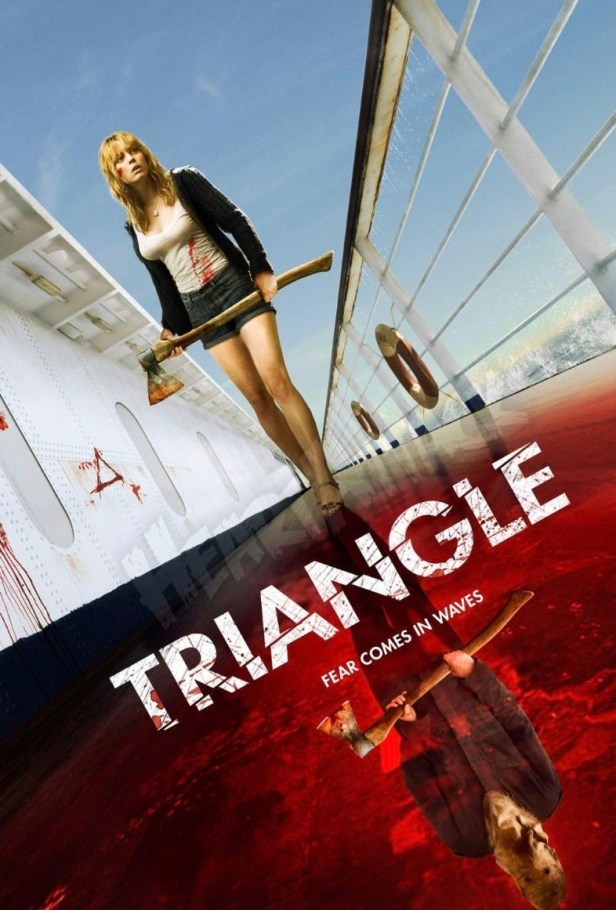
Triangle (2009) is where the time loop concept gets genuinely terrifying. Director Christopher Smith made a psychological horror film that uses repetition not for comedy or action, but for mounting existential dread.
Melissa George plays Jess, who goes on a yacht trip with friends. They encounter a storm. They find a mysterious abandoned ocean liner. And then… things get weird. There’s a masked killer hunting them. People die. The loop resets. And slowly, horribly, you realize that Jess herself is the killer in future iterations of the loop.
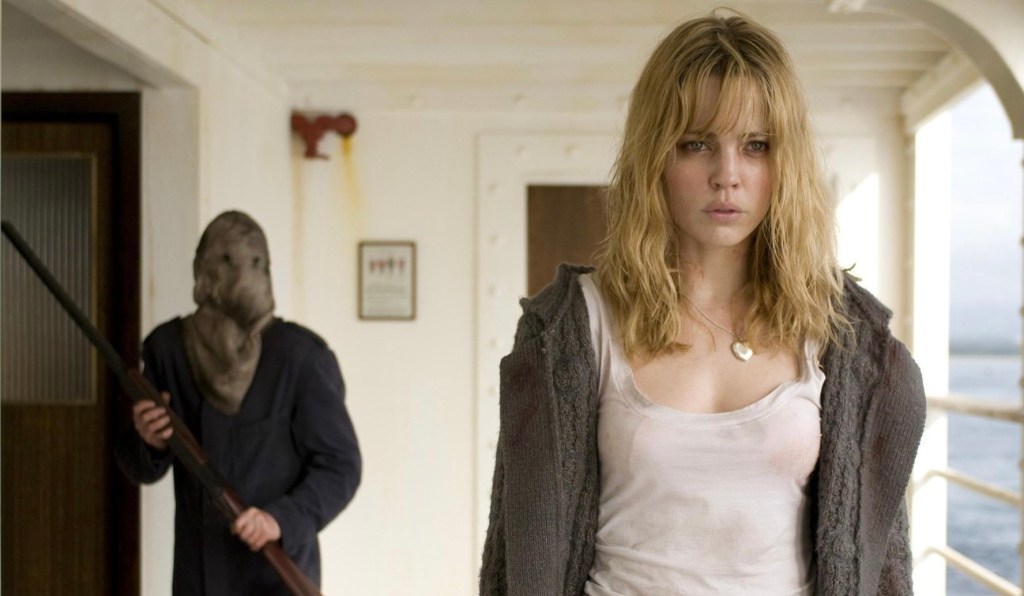
This film has a 6.9 on IMDb but has developed a serious cult following. The genius is in the details—Smith uses subtle visual cues to show which iteration of the loop you’re in. Dead bodies accumulate. Blood stains persist. The psychological deterioration of Jess becomes increasingly apparent.
What makes Triangle work as horror is the futility. There’s no escape, no solution, no redemption arc. Jess is trapped in a cycle of violence and death, forced to kill her friends over and over. The film becomes an existential nightmare about predetermination and the impossibility of change.
It’s not as slick as Groundhog Day or as action-packed as Edge of Tomorrow, but if you want a time loop movie that’ll genuinely unsettle you, Triangle delivers.
The Romantic Outlier: About Time
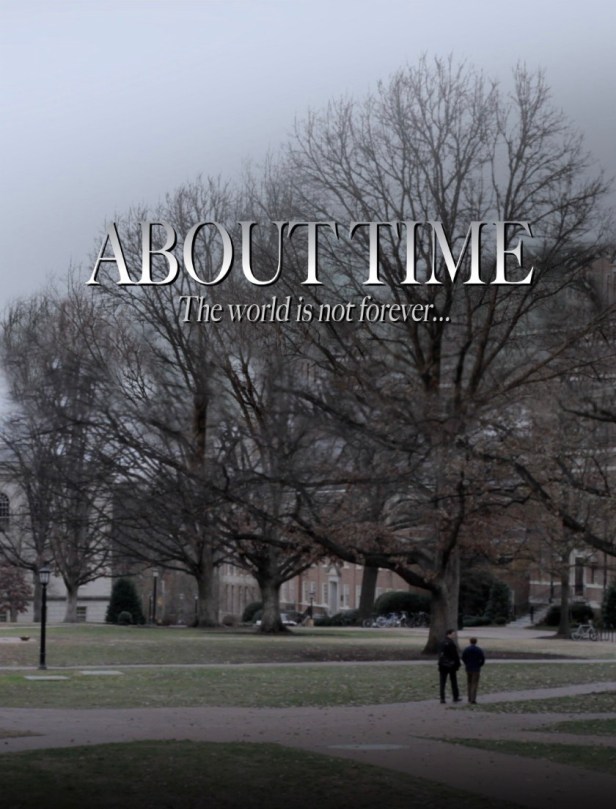
About Time (2013) is Richard Curtis’s take on the time loop (sort of—it’s more general time travel, but close enough). Domhnall Gleeson discovers he can travel back through his own timeline and tries to optimize his life, particularly his romance with Mary (Rachel McAdams).
The film has serious problems. The time travel rules are inconsistent and frequently contradicted by the plot. Tim’s use of time manipulation to pursue Mary is uncomfortably manipulative (another Groundhog Day problem). The logic falls apart if you think about it for more than five seconds.
Still, the film is genuinely emotionally affecting despite these issues. Curtis focuses on Tim’s relationship with his father (Bill Nighy, who’s wonderful), and those scenes have real power. The film’s message about appreciating ordinary moments and living fully in the present resonates even when the mechanics are nonsense.
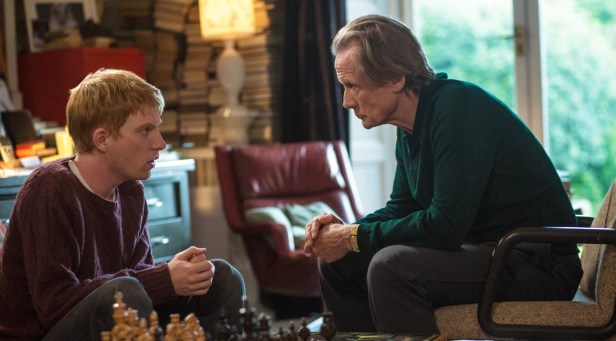
Roger Ebert called it “unabashedly sincere,” which is accurate. About Time wears its heart on its sleeve and doesn’t care if you think it’s schmaltzy. Some viewers will find that emotionally honest; others will find it cloying. I’m somewhere in the middle—I appreciate what it’s going for even when the execution frustrates me.
The Horror-Comedy Hybrid: Happy Death Day

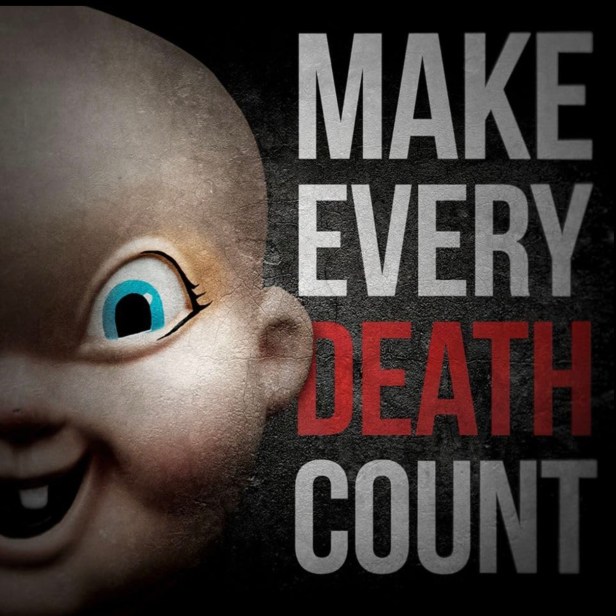
Happy Death Day (2017) takes the Groundhog Day formula and adds slasher movie mechanics. Tree Gelbman (Jessica Rothe) is a self-absorbed college student who gets murdered on her birthday, then wakes up to relive the same day. She needs to identify her killer while also becoming a better person.
The film has divided critics. Some appreciate the genre mash-up and Rothe’s charismatic performance. Others find it derivative of Groundhog Day without adding enough new ideas. One critic noted it “has no shortage of classic horror film tropes, whether you like them or not.”
I think it works as entertaining popcorn fare. Rothe commits fully to the role, bringing real vulnerability to what could’ve been a one-note character. The film uses repetition for comedic effect—watching Tree die in various ways becomes darkly funny. And the self-improvement narrative is handled with more humor than sentimentality.
It’s not deep. It’s not particularly scary. But it knows what it is and executes that vision effectively. If you want a time loop movie you can watch with friends and not think too hard about, Happy Death Day delivers.

What Makes a Great Time Loop Story?
After watching and analyzing all these films (and a couple of Time Loop shows to boot), I’ve developed some theories about what separates the great ones from the forgettable ones.
Clear Rules: The best time loop movies establish consistent mechanics. You might not get an explanation for why the loop exists (Groundhog Day never explains), but you need to understand the rules. When does the loop reset? What carries over between iterations? Can the loop change? Films that keep shifting the rules (About Time) feel arbitrary and unsatisfying.
Character Growth: The loop needs to serve character development. In Groundhog Day and Palm Springs, the mechanism forces protagonists to confront themselves. In Edge of Tomorrow, Cage becomes competent through repetition. In Triangle, the loop reveals psychological deterioration. The repetition should tell us something new about who these people are.
Purpose Over Gimmick: Time loops work best when they’re not just a cool concept but a narrative necessity. Source Code uses eight-minute loops to create thriller pacing. The Netflix series Russian Doll (a great time-loop trip) uses death-loops to explore addiction and trauma. The classic anime Steins;Gate uses temporal mechanics to literalize the weight of consequence. The best stories make the loop feel essential, not arbitrary.
Earned Emotion: Because we’re watching variations on the same events, emotional beats need to feel genuinely earned through progression. Palm Springs earns its romance by showing how Nyles and Sarah genuinely connect across loops. Films that rush emotional payoffs (Happy Death Day) feel less satisfying.
Respect for the Audience: This is tricky because it means different things for different films. Primer respects (or overestimates) viewer intelligence by refusing to explain anything. Groundhog Day respects viewers by not explaining the supernatural mechanism. Edge of Tomorrow respects viewers by keeping action sequences distinct and purposeful. Basically—don’t treat your audience like idiots who need everything spelled out, but also don’t be so obtuse that nobody can follow your story.
Time Loop Stories: Universally Loved?
I think, ultmately, there’s something deeply human about a time loop fantasy. On one level, it’s wish-fulfillment—who hasn’t wanted to redo a conversation, take back words, make different choices? The loop offers consequence-free experimentation until you figure out the “right” answer.
But the best time loop stories recognize the nightmare within the fantasy. Immortality within a single day is still a form of death. Knowledge without connection is isolation. The ability to repeat events doesn’t guarantee wisdom or growth—just repetition.
These stories resonate because they literalize how life often feels: repetitive, cyclical, trapped in patterns we can’t escape. We go to the same job, have the same arguments, make the same mistakes. The time loop makes that existential condition visible and concrete.
And the escape from the loop—when it comes—usually requires internal transformation rather than external action. Phil Connors can’t escape by manipulating circumstances; he escapes by becoming someone different. Nyles and Sarah can’t leave until they genuinely connect.
In a weird way, time loop movies are deeply optimistic. They argue that change is possible, that we’re not completely determined by our patterns, that consciousness and choice matter. Even the dark ones like Triangle acknowledge the human drive to keep trying, keep fighting, keep searching for a way out.
Coda
The time loop film has evolved from Groundhog Day‘s singular achievement into a diverse subgenre that encompasses action, comedy, romance, horror, and philosophical thriller. The best examples use repetition not as gimmick but as rigorous tool for exploring responsibility, identity, isolation, and meaning.
If you’re just getting into time loop movies, start with Groundhog Day—it’s the foundation everything else builds on or reacts against. Then watch Edge of Tomorrow for spectacular action, Palm Springs for modern sophistication, and Triangle for psychological horror. If you’re ready to have your brain twisted into knots, try Primer or Timecrimes. Or, if you’re sick of hearing “I Got You, Babe” and are in the mood for more traditional time travel, check out our list of The Best Time Travel Books. This should keep you busy.
But if you’re heavily into Time Loop Movies and have seen every single one on this list, don’t despair! New time loop films appear every year, each trying to find fresh angles on the concept. Some succeed, many don’t. But the best ones are sure to remind us why we fell in love with this idea in the first place: the fantasy of second chances, the horror of meaningless repetition, and the possibility that consciousness itself—our ability to remember and choose—is what makes us unique.
Now if you’ll excuse me, I need to go rewatch Palm Springs for the fifth time. Or is it the sixth? I’ve lost count. But that’s kind of the point, isn’t it?

*Thanks for reading, Fear Planet denizens! If you want to revisit, save, highlight, and recall this article, we recommend you try out READWISE, our favorite reading management and knowledge retention app. All readers of Fear Planet automatically get a 60-day free trial.
This post was blasted into the social media stratosphere by HopperHQ, the best social media manager out there.
*This post contains affiliate links. Purchasing through them will help support Fear Planet at no extra cost to our readers. For more information, read our affiliate policy.
Discover more from Fear Planet
Subscribe to get the latest posts sent to your email.
